
Science Worksheets
42,859 subject resources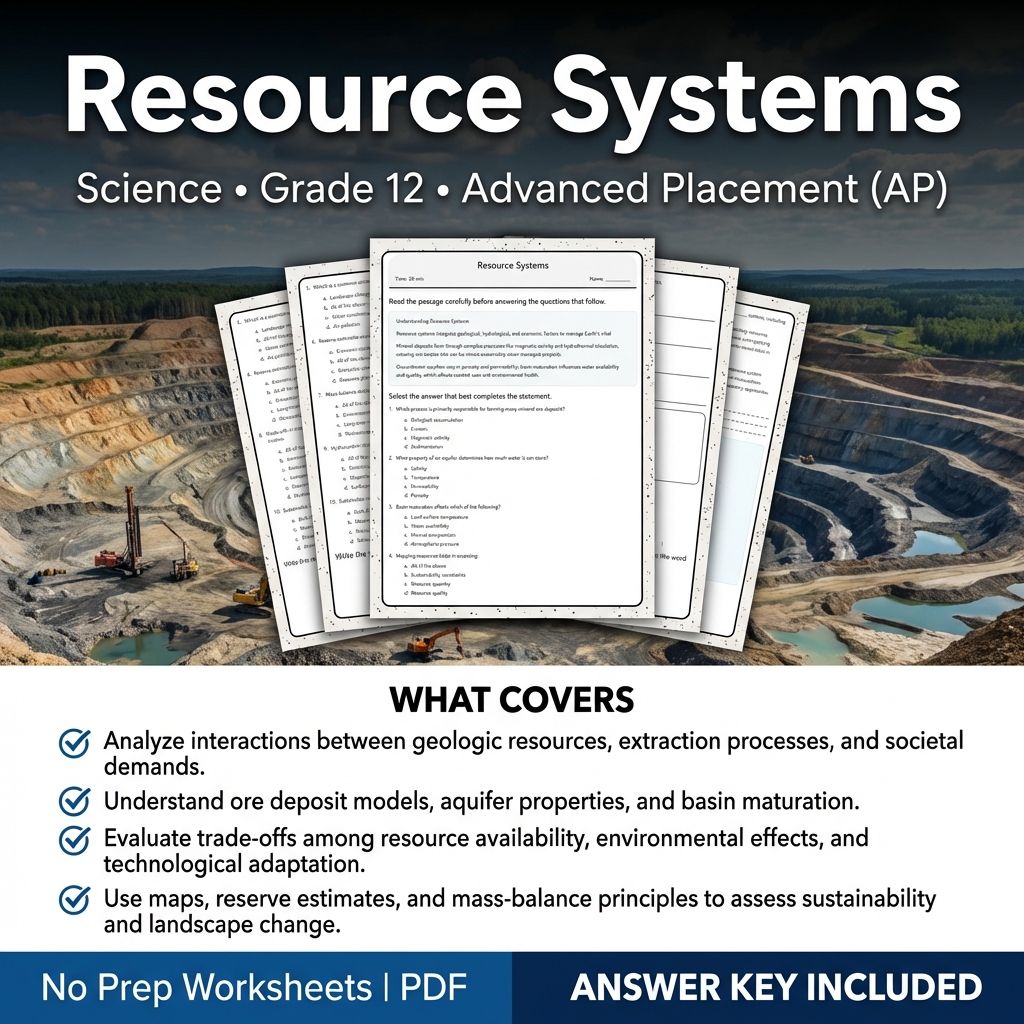
Grade 12 Science | Resource Systems Worksheet with Answer Key (Printable PDF)
 Created byCoral Reef Learning
Learning Objectives
- Analyze interactions between geologic resources, extraction processes, and societal demands.
- Understand ore deposit models, aquifer properties, and basin maturation.
- Evaluate trade-offs among resource availability, environmental effects, and technological adaptation.
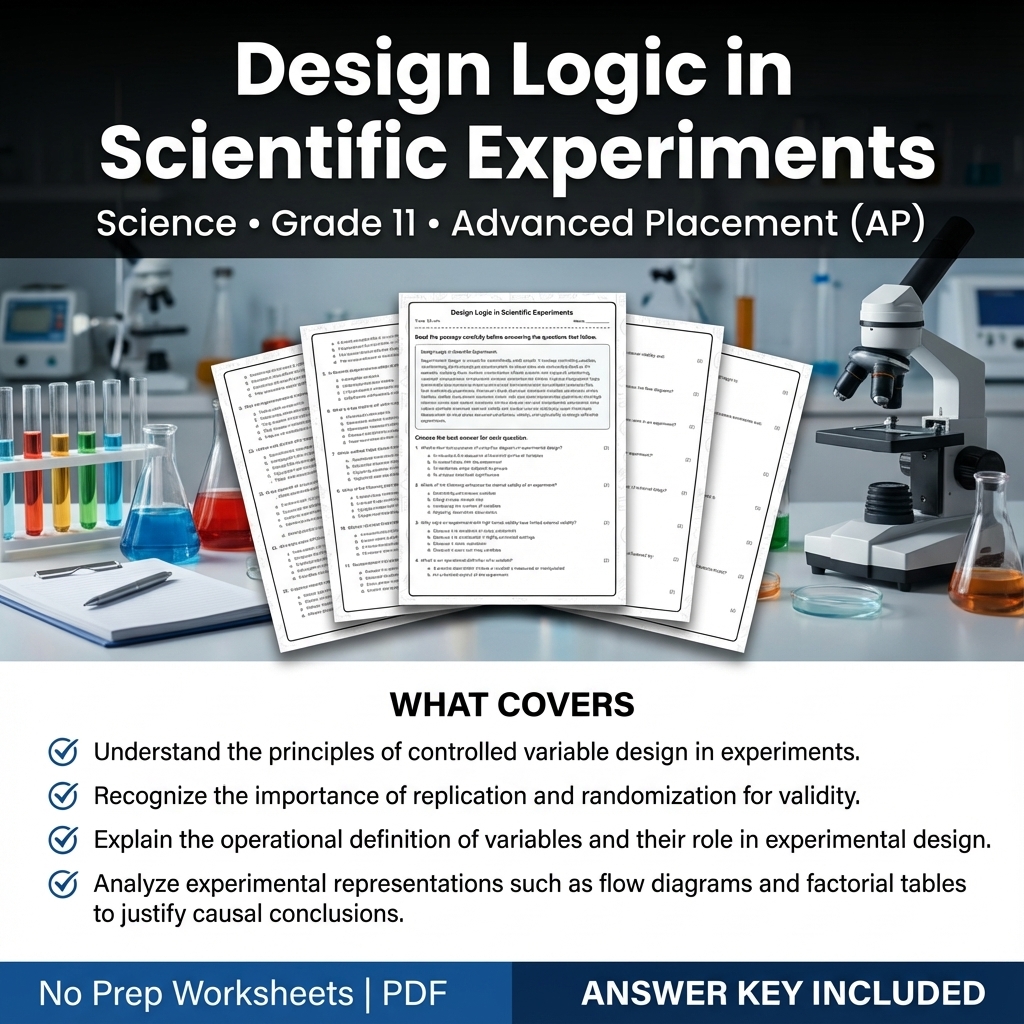
11th Grade Science | Design Logic in Scientific Experiments Worksheet & Answers
Created byCoral Reef LearningLearning Objectives
- Understand the principles of controlled variable design in experiments.
- Recognize the importance of replication and randomization for validity.
- Explain the operational definition of variables and their role in experimental design.
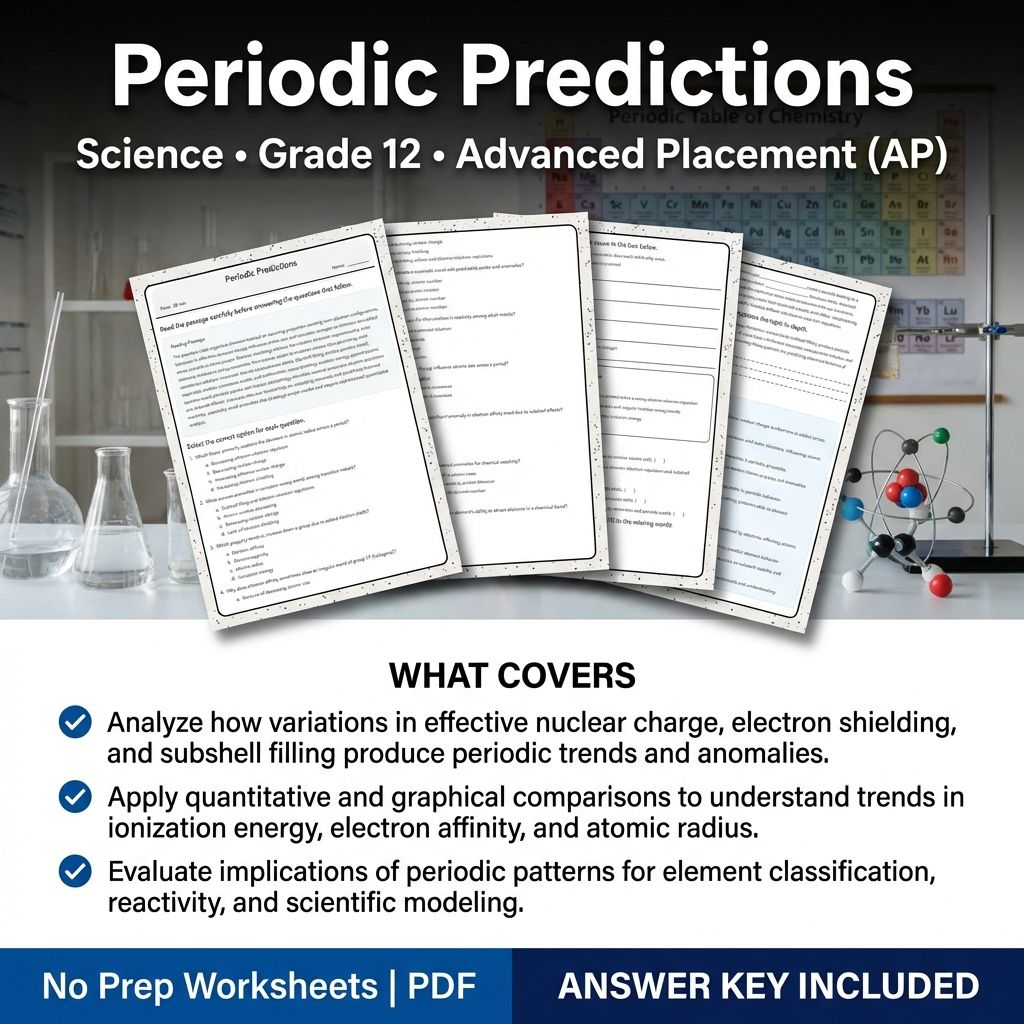
Grade 12 Science | Periodic Predictions Worksheet & Answer Key (Printable PDF)
Created byCoral Reef LearningLearning Objectives
- Analyze how variations in effective nuclear charge, electron shielding, and subshell filling produce periodic trends and anomalies.
- Apply quantitative and graphical comparisons to understand trends in ionization energy, electron affinity, and atomic radius.
- Evaluate implications of periodic patterns for element classification, reactivity, and scientific modeling.
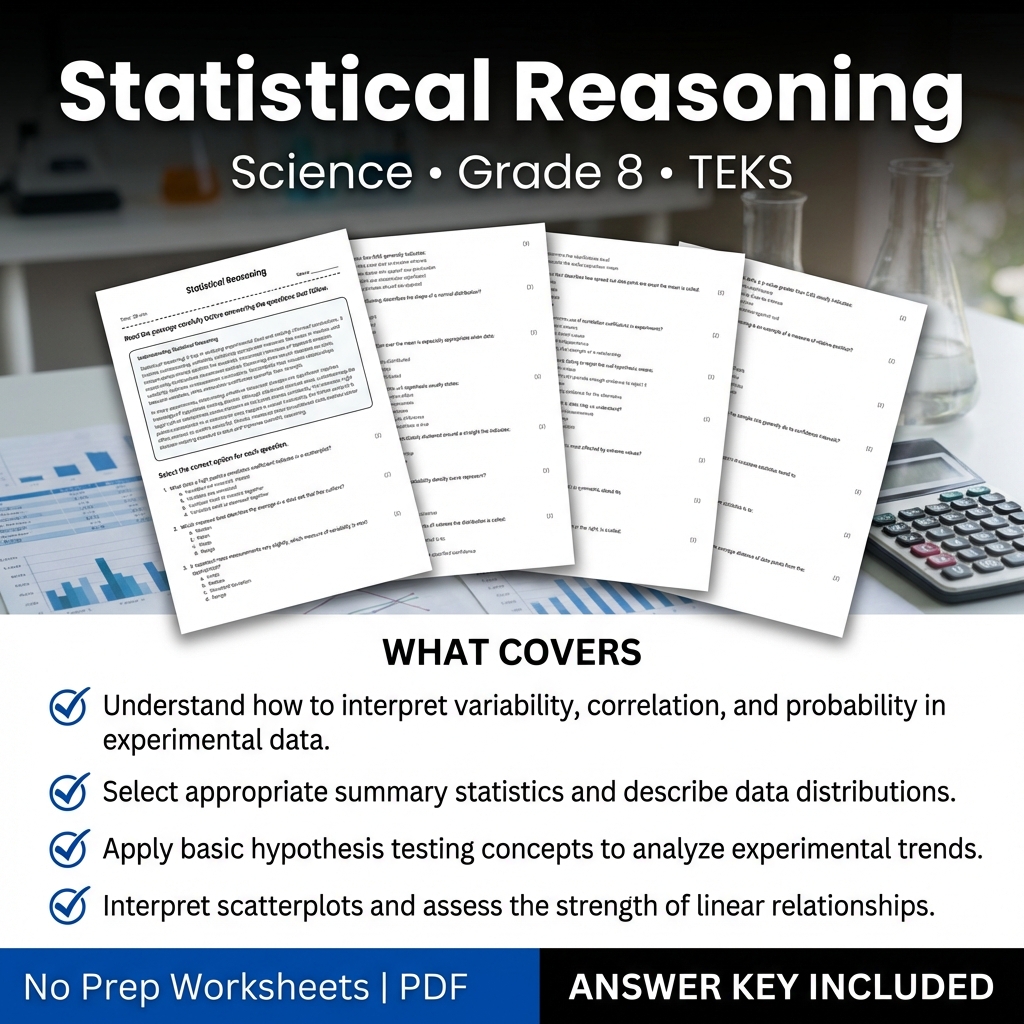
Grade 8 Science Worksheet on Statistical Reasoning | TEKS Aligned
Created byCoral Reef LearningLearning Objectives
- Understand how to interpret variability, correlation, and probability in experimental data.
- Select appropriate summary statistics and describe data distributions.
- Apply basic hypothesis testing concepts to analyze experimental trends.
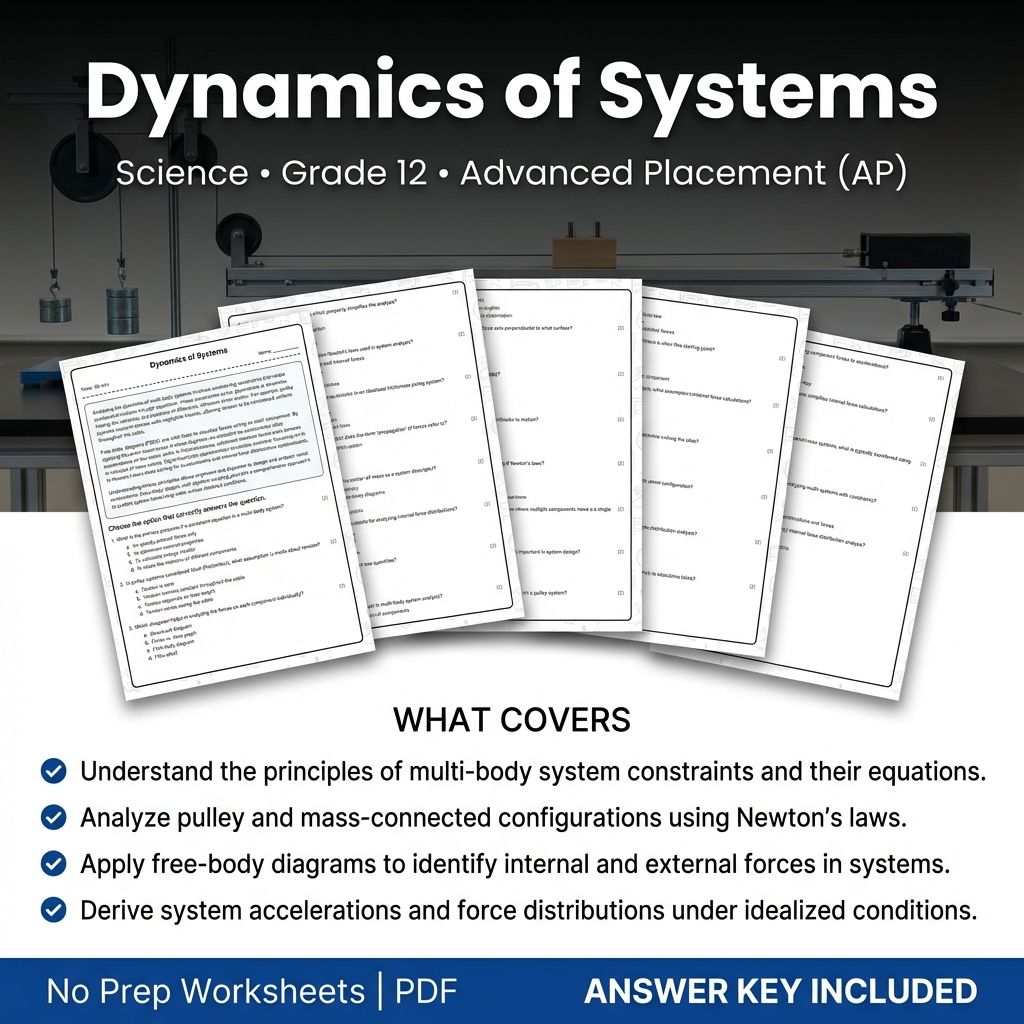
12th Grade Science | Dynamics of Systems Worksheet & Answer Key (Printable PDF)
Created byCoral Reef LearningLearning Objectives
- Understand the principles of multi-body system constraints and their equations.
- Analyze pulley and mass-connected configurations using Newton’s laws.
- Apply free-body diagrams to identify internal and external forces in systems.
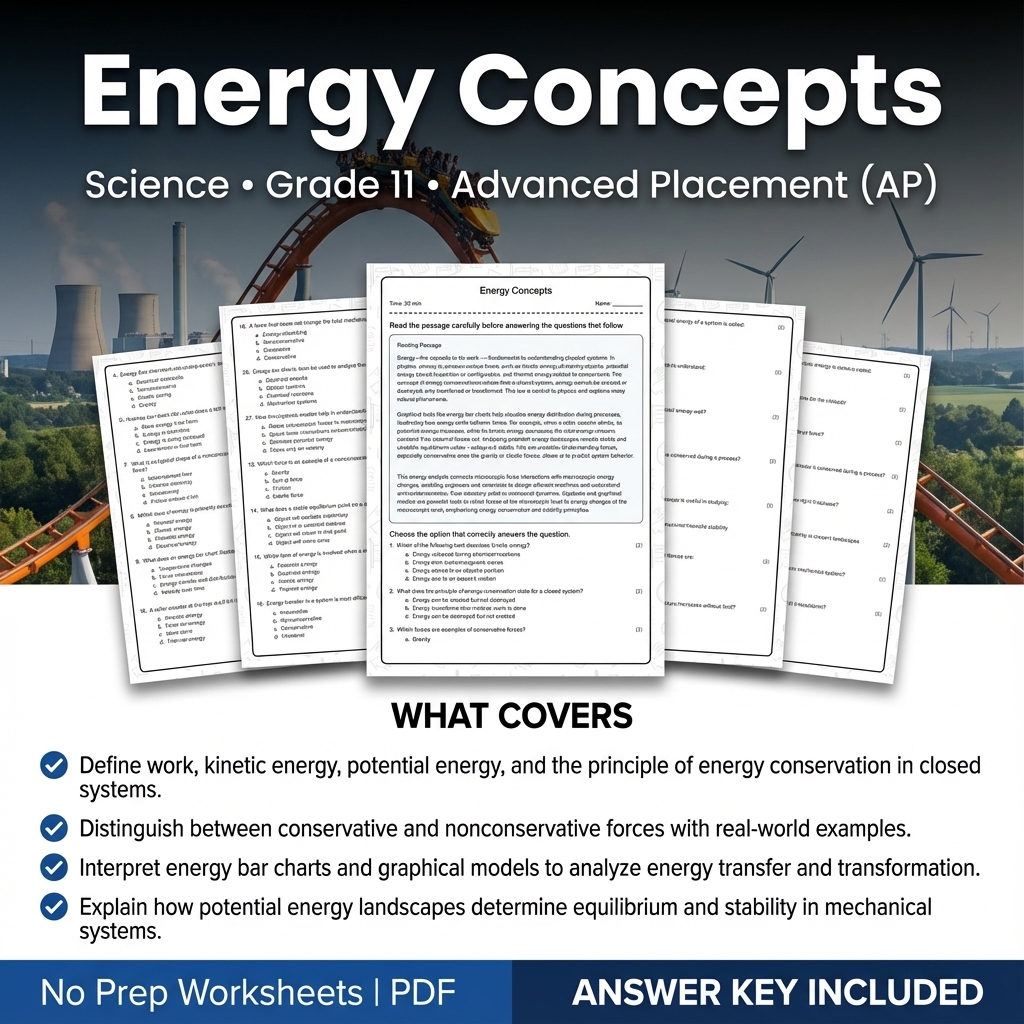
Grade 11 Science | Energy Concepts Worksheet (Printable PDF + Answer Key)
Created byCoral Reef LearningLearning Objectives
- Define work, kinetic energy, potential energy, and the principle of energy conservation in closed systems.
- Distinguish between conservative and nonconservative forces with real-world examples.
- Interpret energy bar charts and graphical models to analyze energy transfer and transformation.
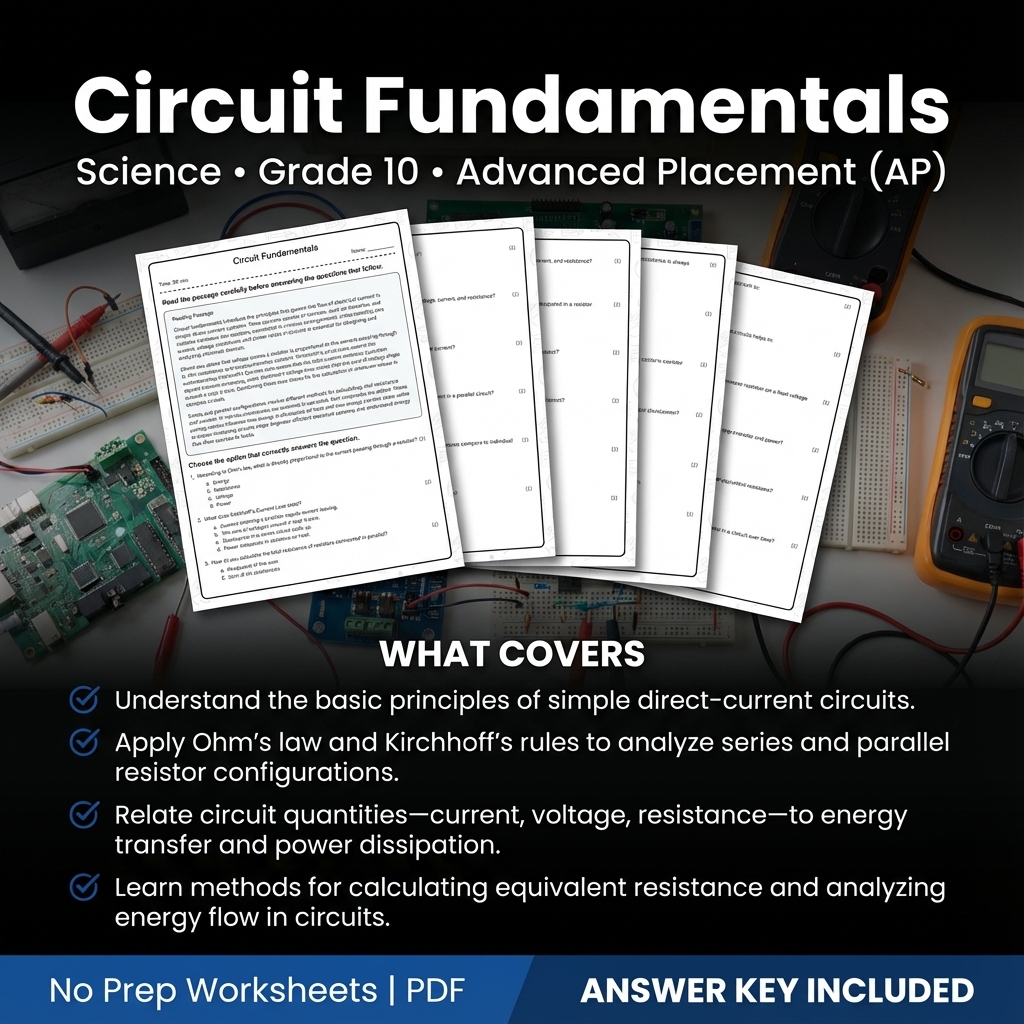
Grade 10 Science | Circuit Fundamentals Worksheet (Printable PDF + Answer Key)
Created byCoral Reef LearningLearning Objectives
- Understand the basic principles of simple direct-current circuits.
- Apply Ohm’s law and Kirchhoff's rules to analyze series and parallel resistor configurations.
- Relate circuit quantities—current, voltage, resistance—to energy transfer and power dissipation.
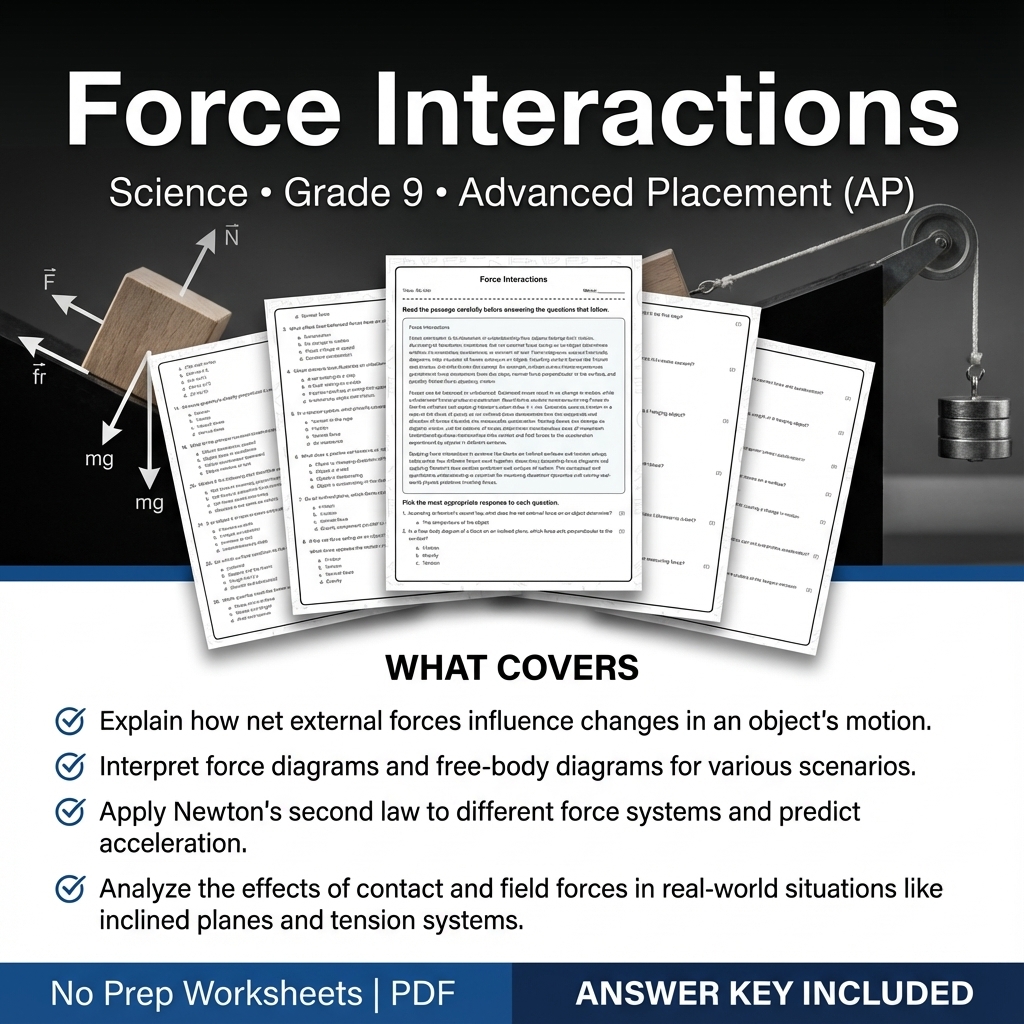
Grade 9 Science | Force Interactions Worksheet (Printable PDF + Answer Key)
Created byCoral Reef LearningLearning Objectives
- Explain how net external forces influence changes in an object's motion.
- Interpret force diagrams and free-body diagrams for various scenarios.
- Apply Newton's second law to different force systems and predict acceleration.
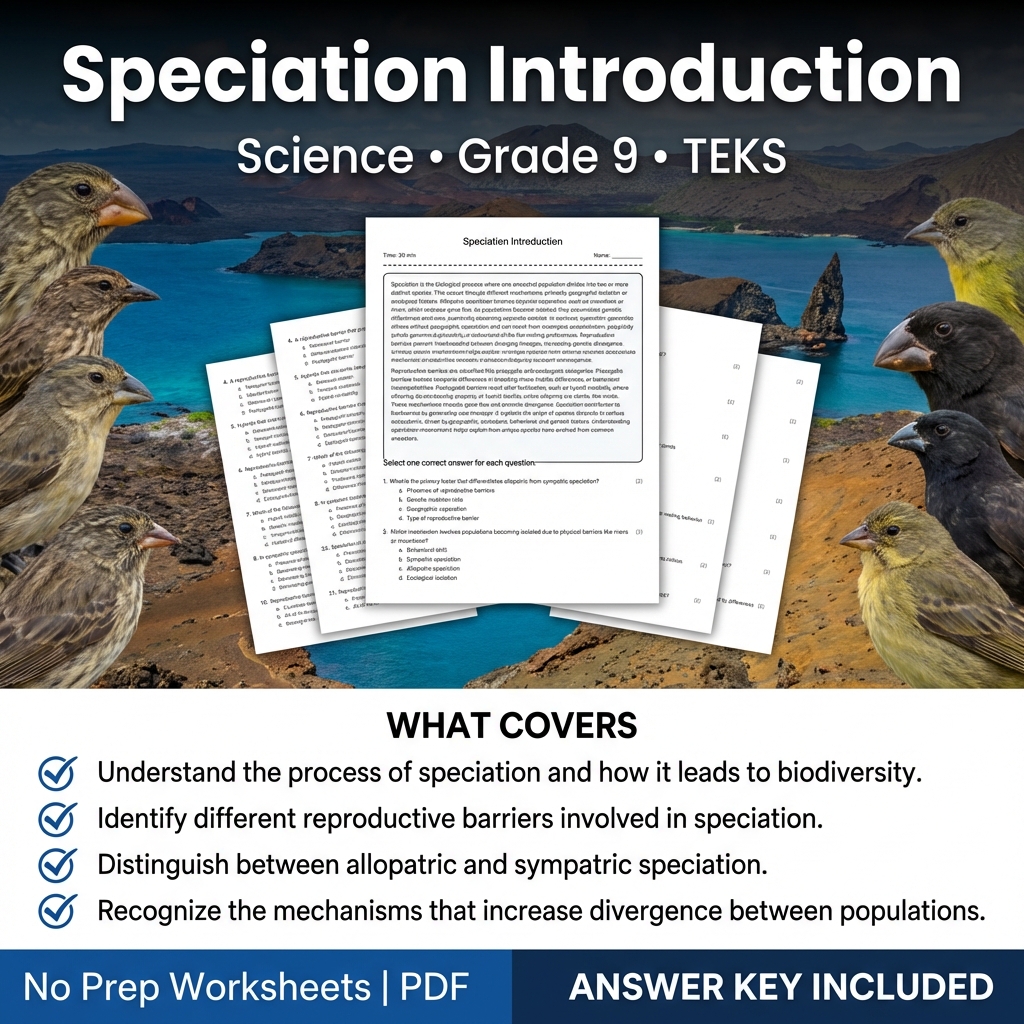
Grade 9 Science Worksheet on Speciation Introduction TEKS Aligned PDF
Created byCoral Reef LearningLearning Objectives
- Understand the process of speciation and how it leads to biodiversity.
- Identify different reproductive barriers involved in speciation.
- Distinguish between allopatric and sympatric speciation.
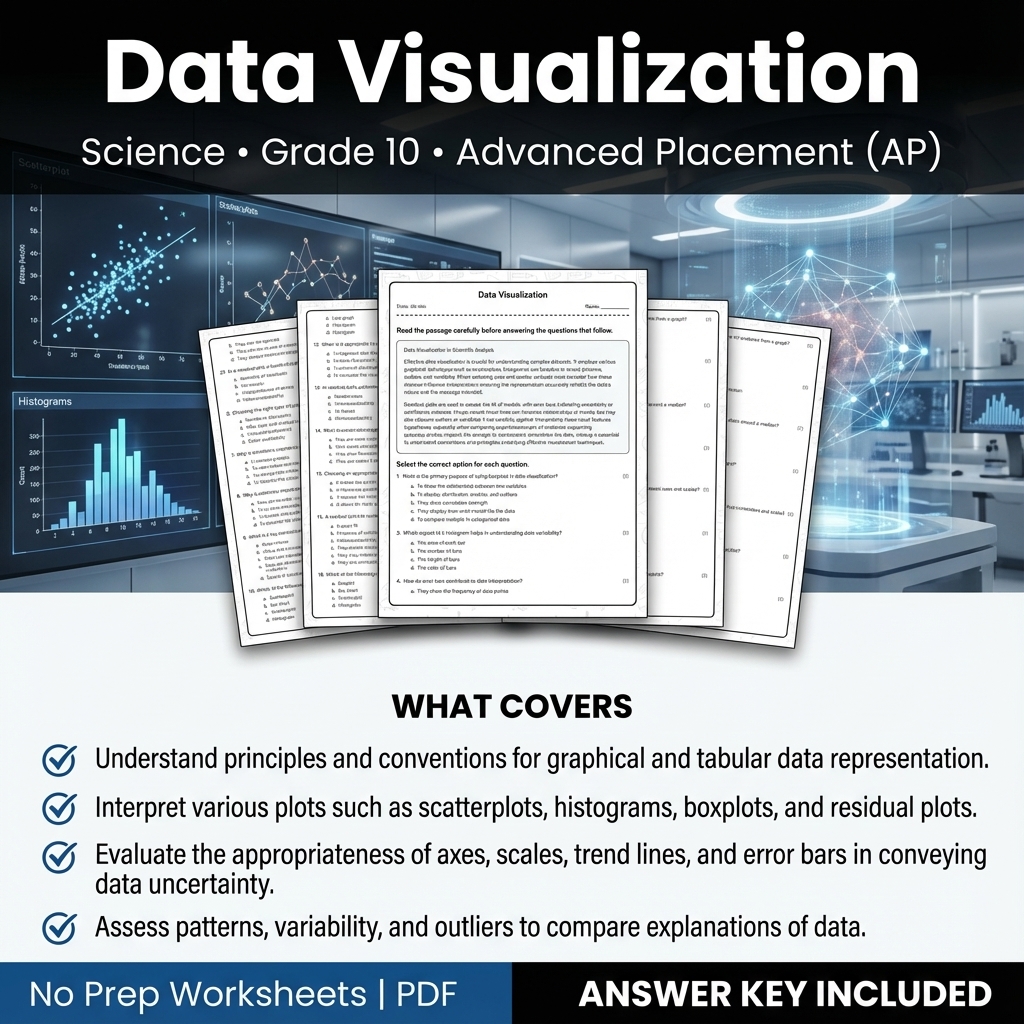
10th Grade Science | Data Visualization Worksheet (Printable PDF + Answer Key)
Created byCoral Reef LearningLearning Objectives
- Understand principles and conventions for graphical and tabular data representation.
- Interpret various plots such as scatterplots, histograms, boxplots, and residual plots.
- Evaluate the appropriateness of axes, scales, trend lines, and error bars in conveying data uncertainty.
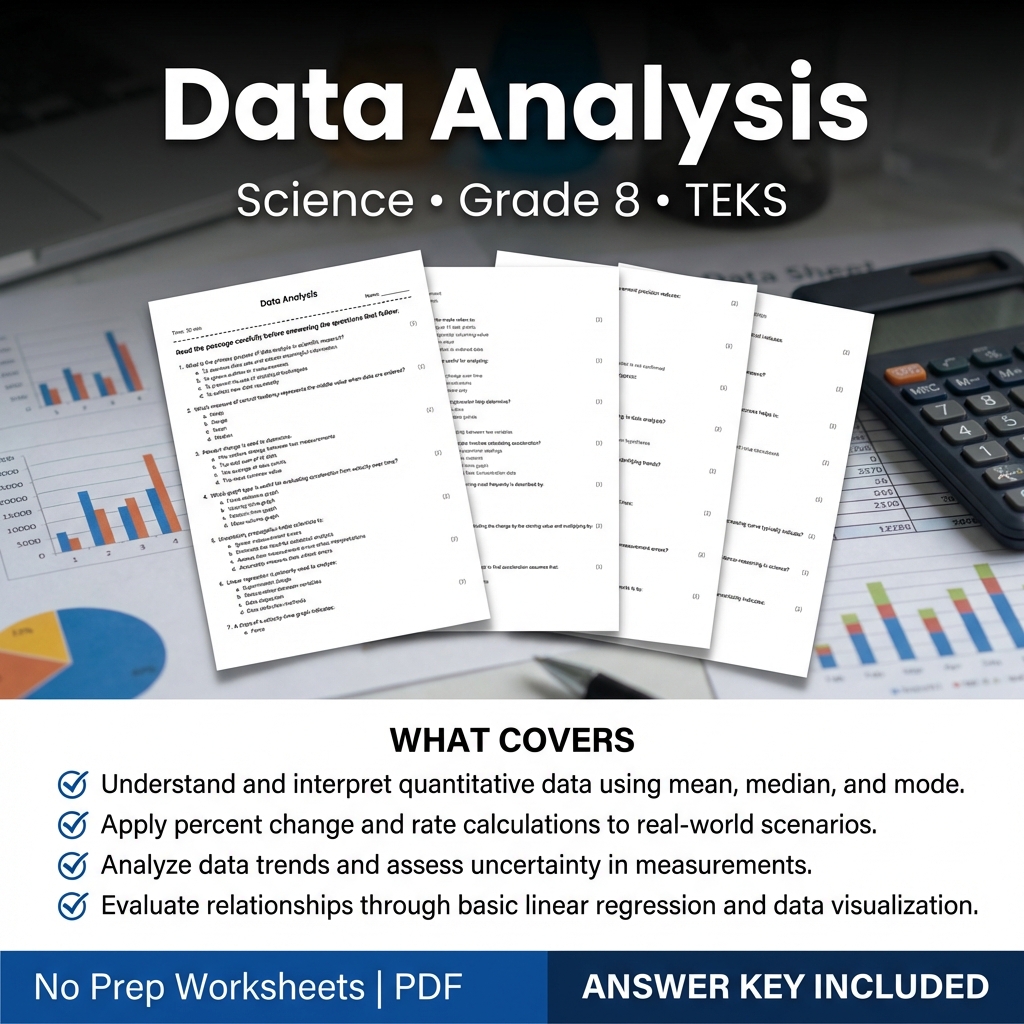
Grade 8 Data Analysis Worksheet | Science Assessment & Practice PDF
Created byCoral Reef LearningLearning Objectives
- Understand and interpret quantitative data using mean, median, and mode.
- Apply percent change and rate calculations to real-world scenarios.
- Analyze data trends and assess uncertainty in measurements.
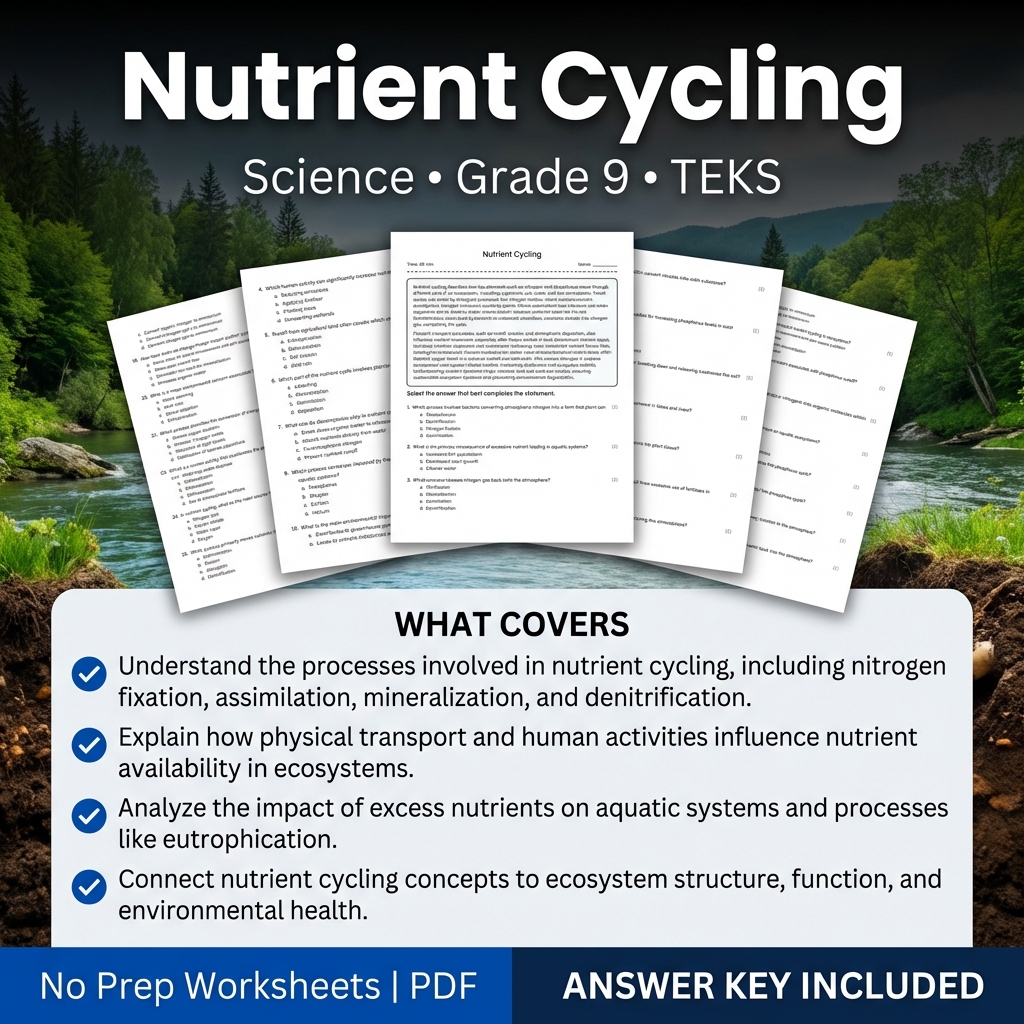
Nutrient Cycling Worksheet for Grade 9 Science | TEKS Aligned
Created byCoral Reef LearningLearning Objectives
- Understand the processes involved in nutrient cycling, including nitrogen fixation, assimilation, mineralization, and denitrification.
- Explain how physical transport and human activities influence nutrient availability in ecosystems.
- Analyze the impact of excess nutrients on aquatic systems and processes like eutrophication.
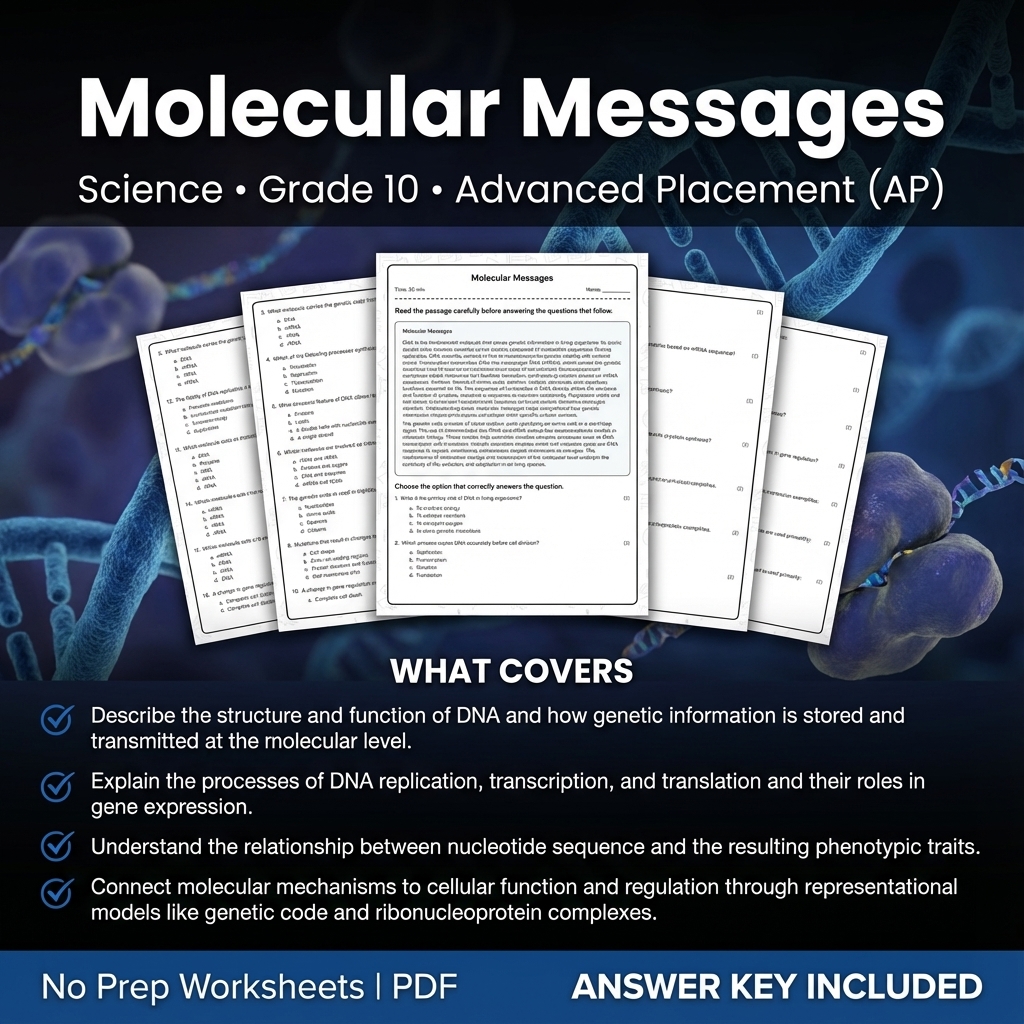
Grade 10 Science | Molecular Messages Worksheet (Printable PDF + Answer Key)
Created byCoral Reef LearningLearning Objectives
- Describe the structure and function of DNA and how genetic information is stored and transmitted at the molecular level.
- Explain the processes of DNA replication, transcription, and translation and their roles in gene expression.
- Understand the relationship between nucleotide sequence and the resulting phenotypic traits.
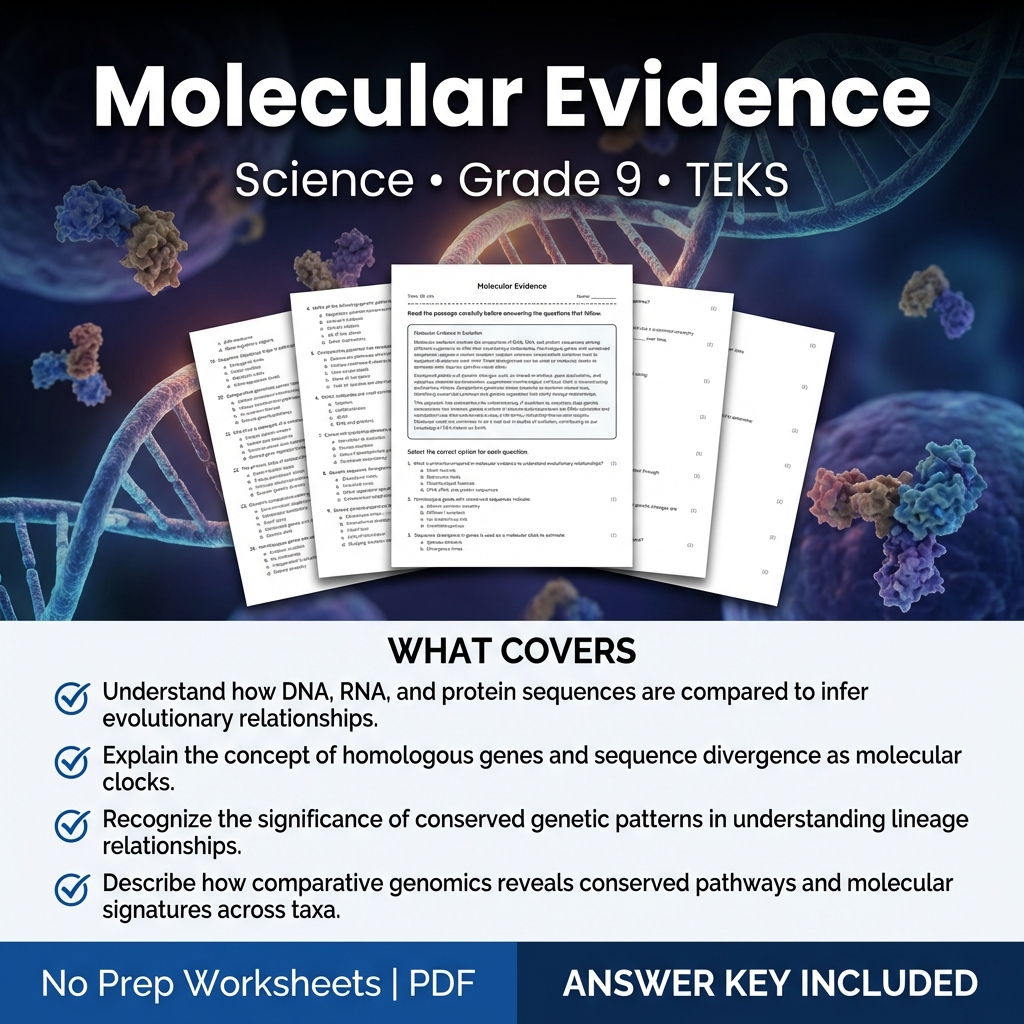
Molecular Evidence Worksheet for Grade 9 Science | TEKS Aligned
Created byCoral Reef LearningLearning Objectives
- Understand how DNA, RNA, and protein sequences are compared to infer evolutionary relationships.
- Explain the concept of homologous genes and sequence divergence as molecular clocks.
- Recognize the significance of conserved genetic patterns in understanding lineage relationships.
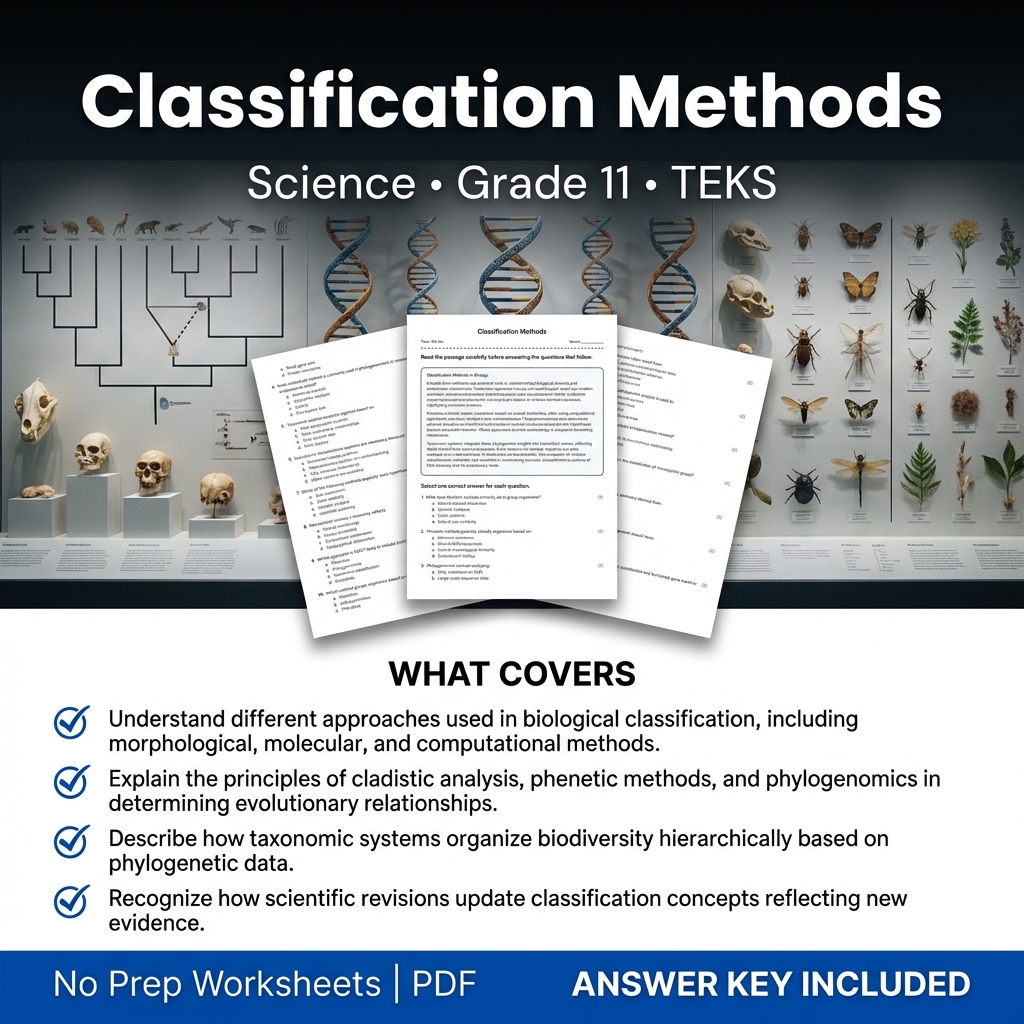
Grade 11 Science Worksheet on Classification Methods | TEKS Aligned
Created byCoral Reef LearningLearning Objectives
- Understand different approaches used in biological classification, including morphological, molecular, and computational methods.
- Explain the principles of cladistic analysis, phenetic methods, and phylogenomics in determining evolutionary relationships.
- Describe how taxonomic systems organize biodiversity hierarchically based on phylogenetic data.
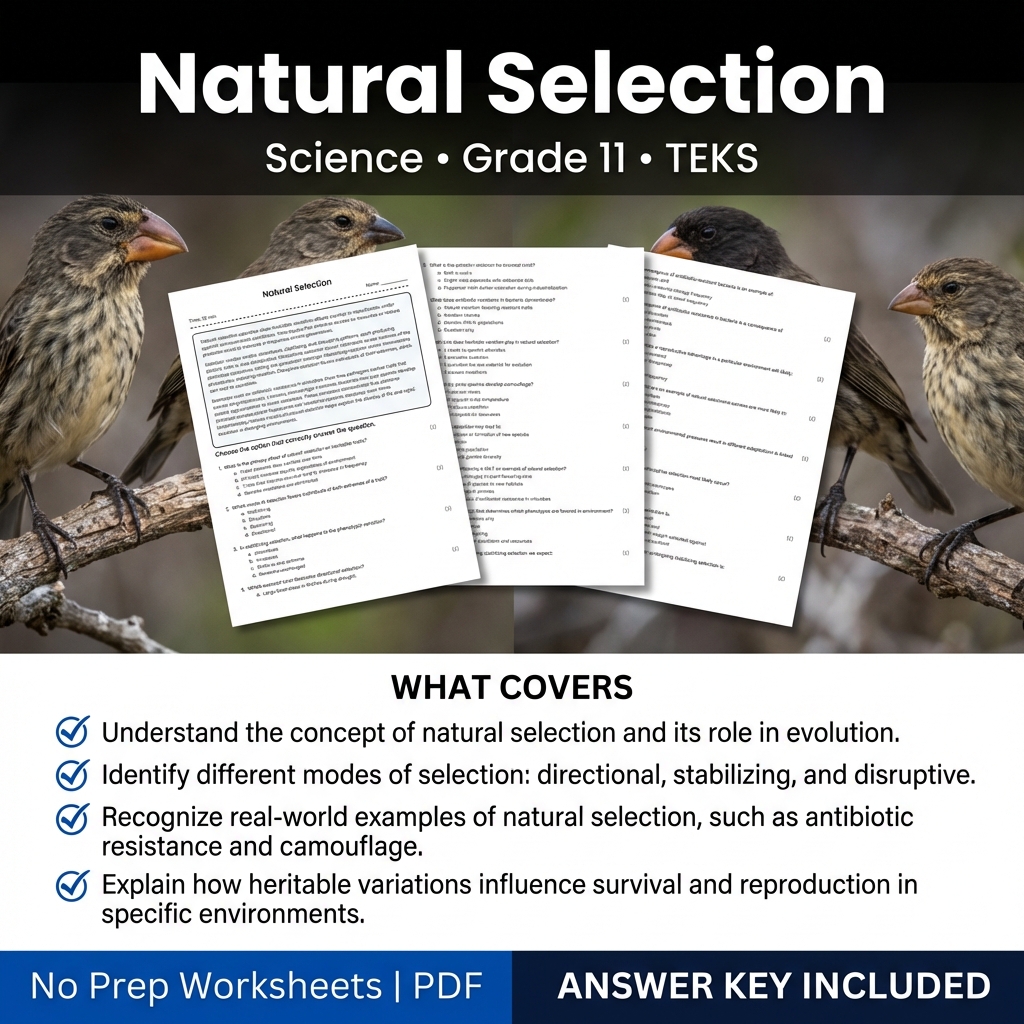
Natural Selection Worksheet for Grade 11 Science | TEKS-Aligned Practice
Created byCoral Reef LearningLearning Objectives
- Understand the concept of natural selection and its role in evolution.
- Identify different modes of selection: directional, stabilizing, and disruptive.
- Recognize real-world examples of natural selection, such as antibiotic resistance and camouflage.
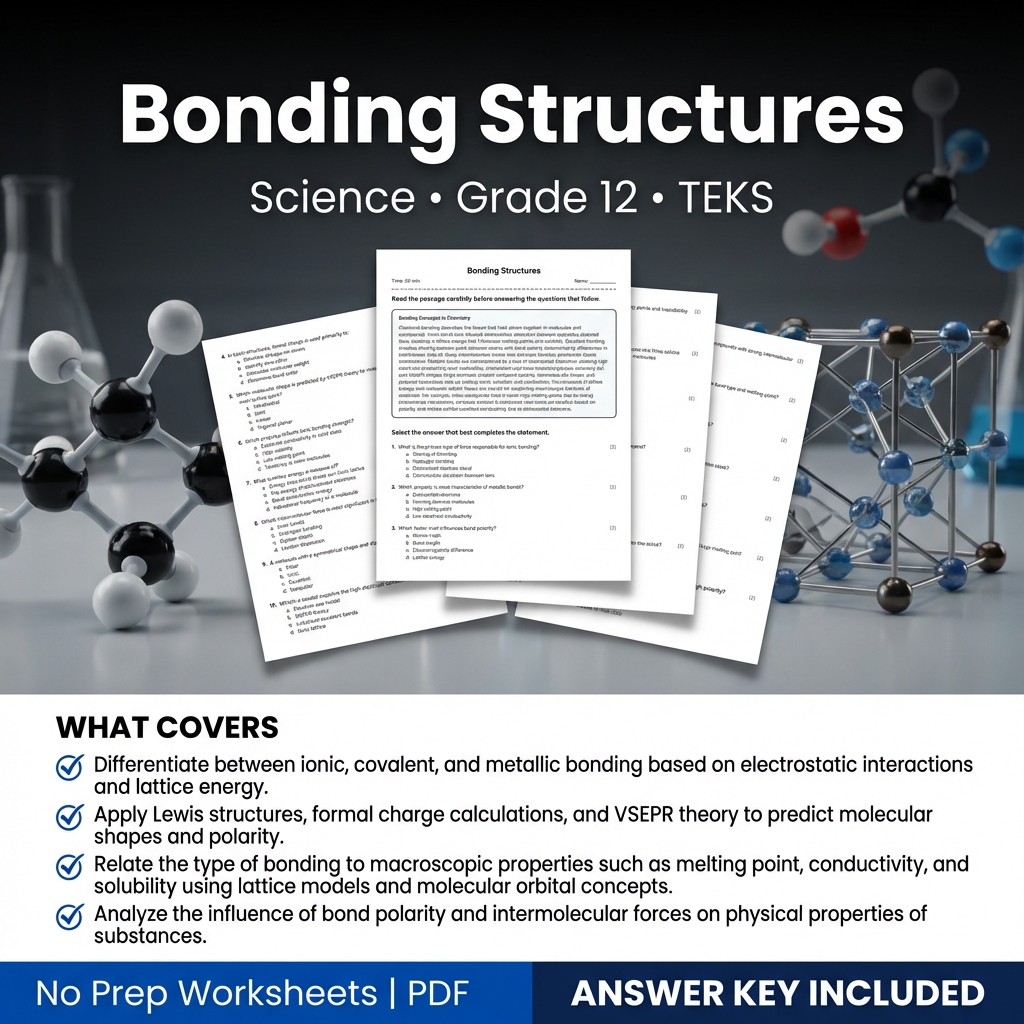
Grade 12 Science Worksheet on Bonding Structures | TEKS-Aligned Practice
Created byCoral Reef LearningLearning Objectives
- Differentiate between ionic, covalent, and metallic bonding based on electrostatic interactions and lattice energy.
- Apply Lewis structures, formal charge calculations, and VSEPR theory to predict molecular shapes and polarity.
- Relate the type of bonding to macroscopic properties such as melting point, conductivity, and solubility using lattice models and molecular orbital concepts.
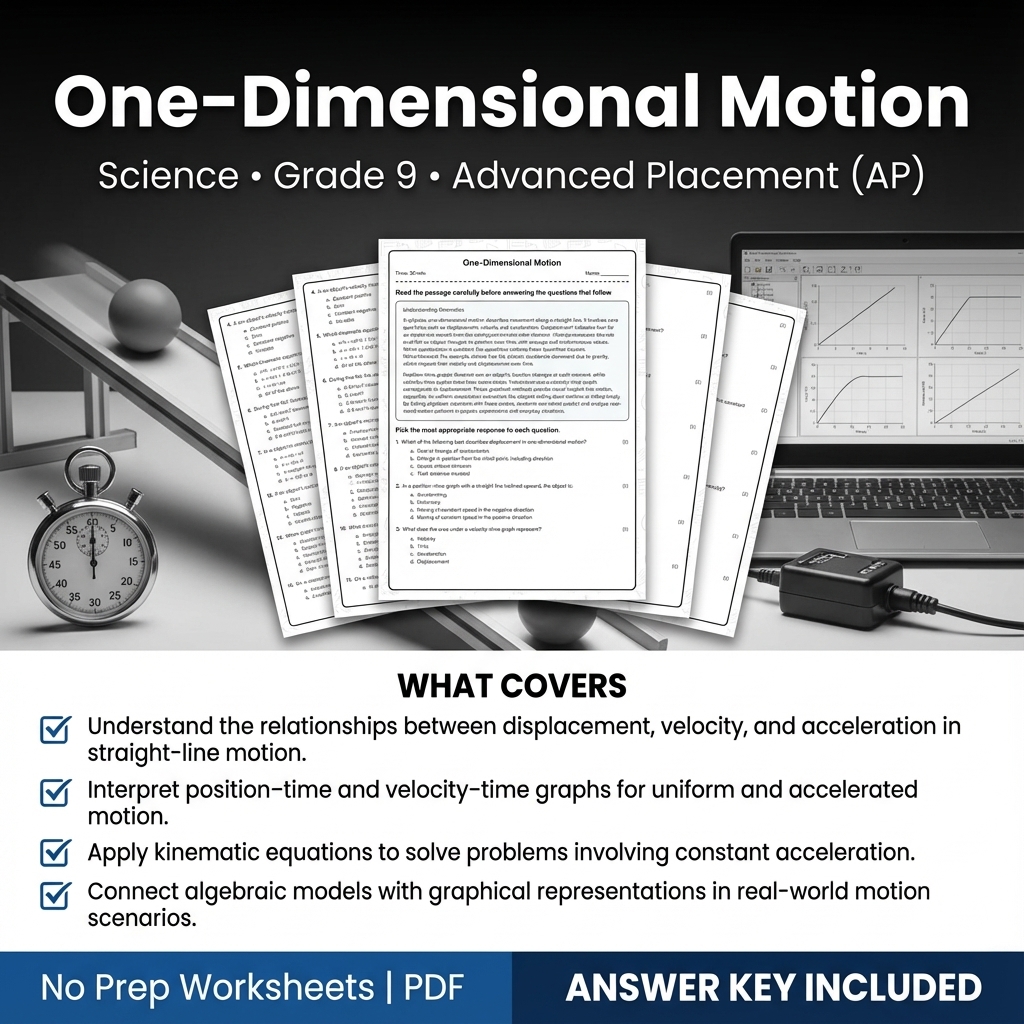
9th Grade Science | One-Dimensional Motion Worksheet (Printable PDF + Answer Key)
Created byCoral Reef LearningLearning Objectives
- Understand the relationships between displacement, velocity, and acceleration in straight-line motion.
- Interpret position–time and velocity–time graphs for uniform and accelerated motion.
- Apply kinematic equations to solve problems involving constant acceleration.
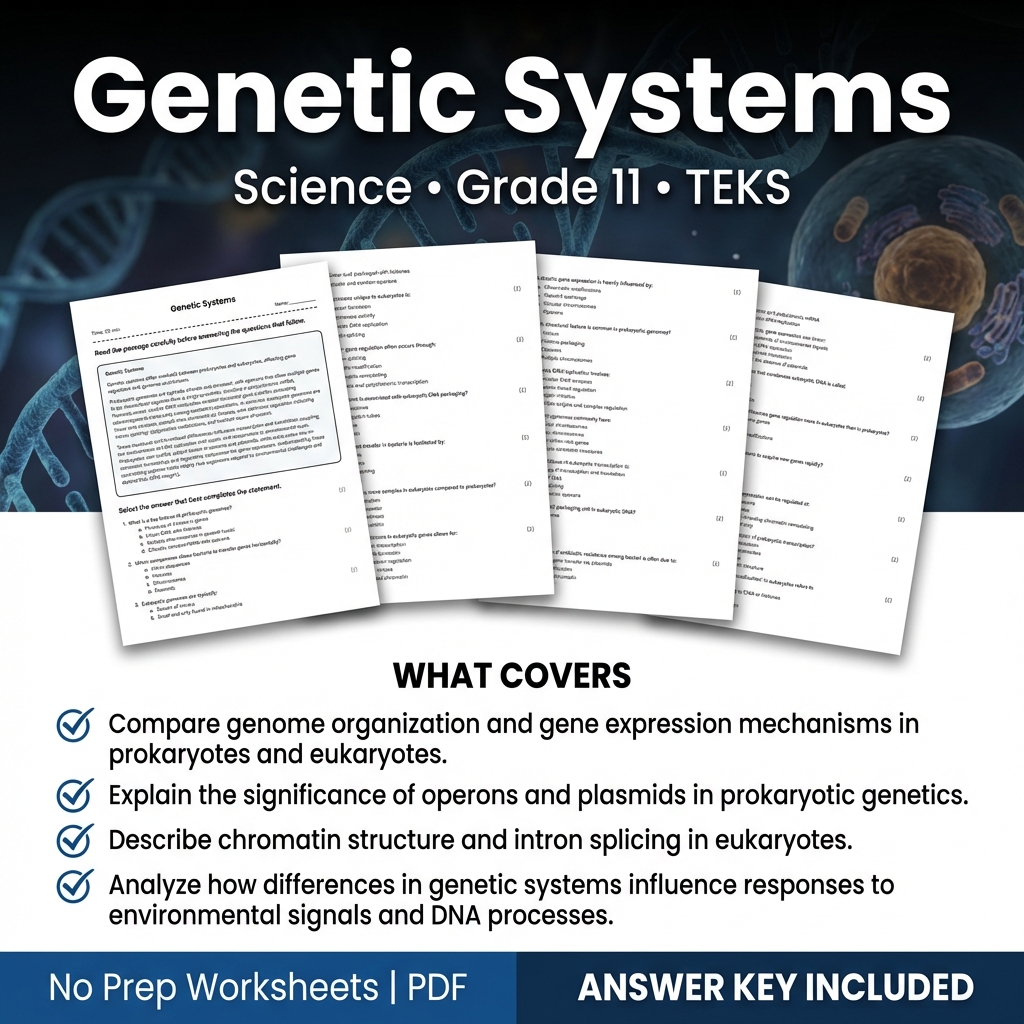
Genetic Systems Worksheet for Grade 11 Science | TEKS aligned practice
Created byCoral Reef LearningLearning Objectives
- Compare genome organization and gene expression mechanisms in prokaryotes and eukaryotes.
- Explain the significance of operons and plasmids in prokaryotic genetics.
- Describe chromatin structure and intron splicing in eukaryotes.
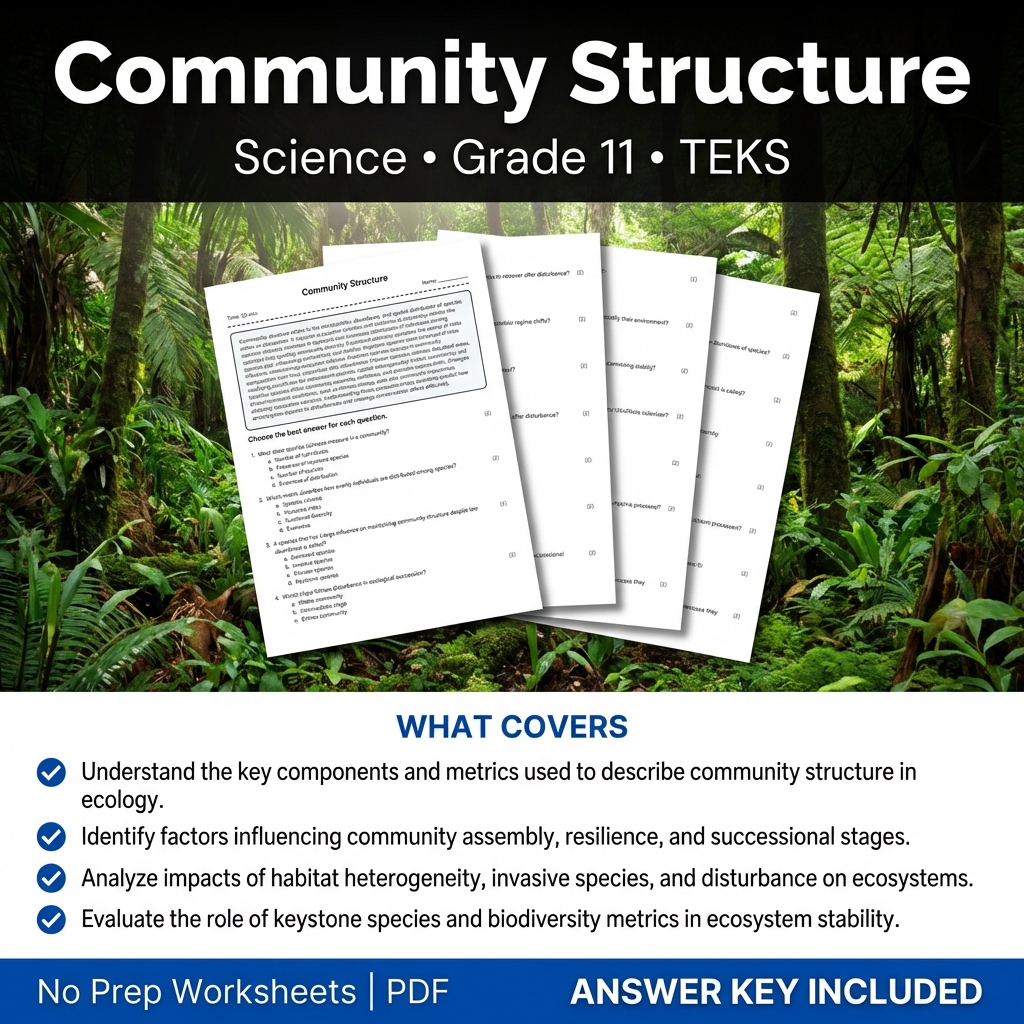
Community Structure Grade 11 Science Worksheet | TEKS Aligned Practice
Created byCoral Reef LearningLearning Objectives
- Understand the key components and metrics used to describe community structure in ecology.
- Identify factors influencing community assembly, resilience, and successional stages.
- Analyze impacts of habitat heterogeneity, invasive species, and disturbance on ecosystems.
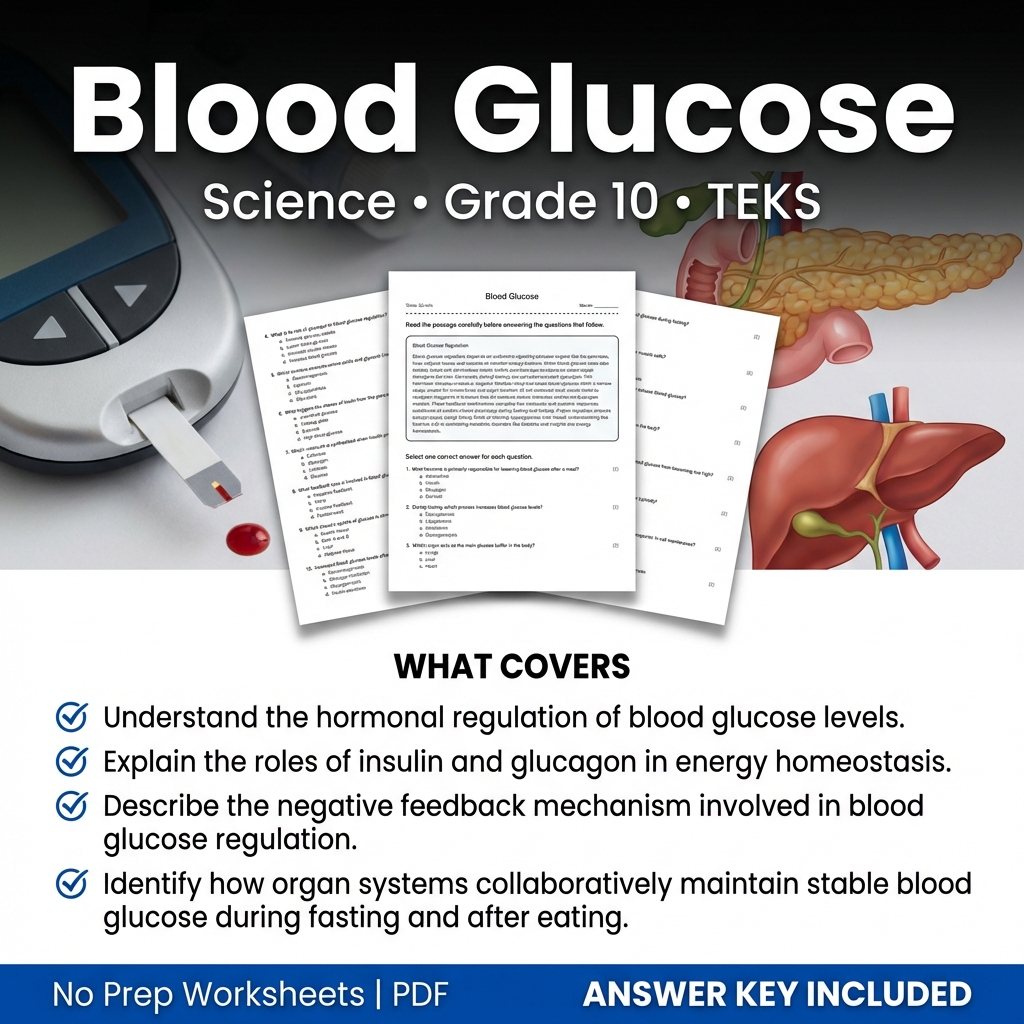
Blood Glucose Grade 10 Science Worksheet | TEKS Aligned Practice
Created byCoral Reef LearningLearning Objectives
- Understand the hormonal regulation of blood glucose levels.
- Explain the roles of insulin and glucagon in energy homeostasis.
- Describe the negative feedback mechanism involved in blood glucose regulation.
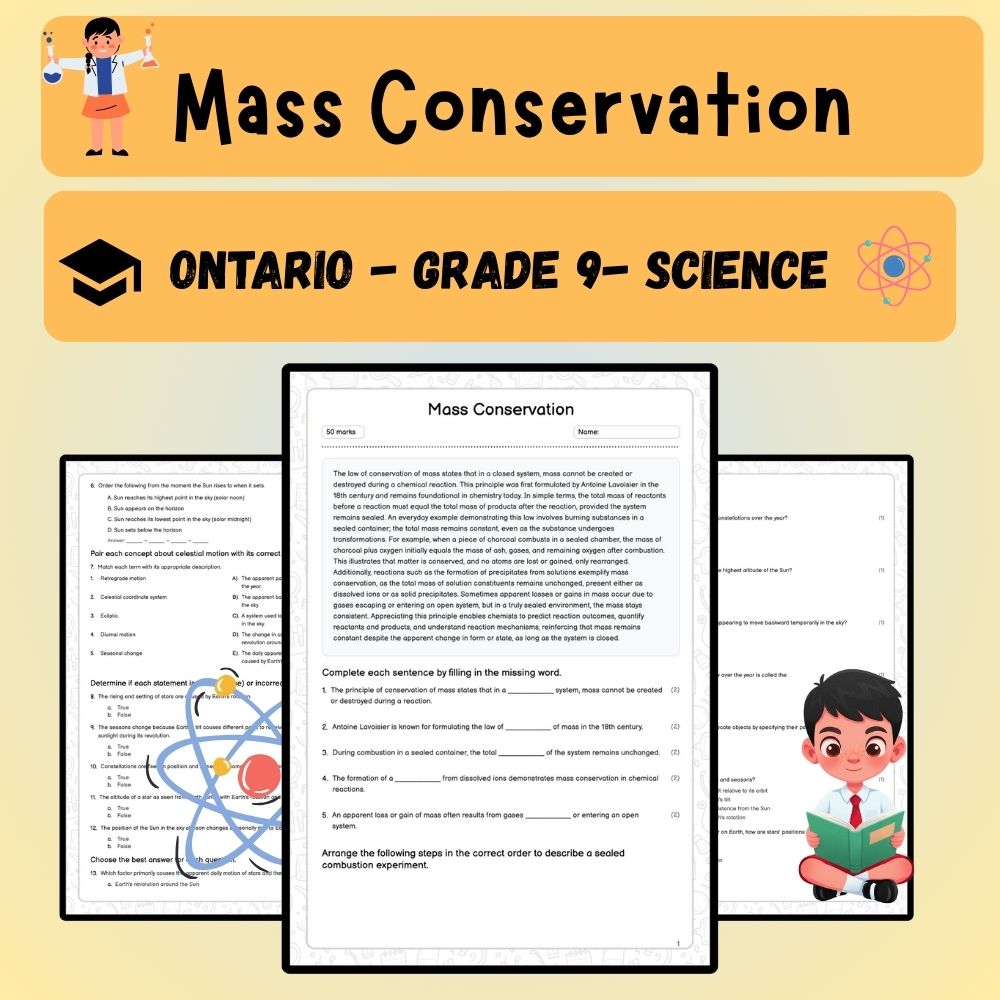
Grade 9 Science | Mass Conservation Worksheet (Answer Key) - Ontario Standards
 Created byPrism Point Learning
Learning Objectives
- Understand the principle of conservation of mass in closed systems during chemical reactions.
- Identify examples illustrating mass conservation, such as combustion and precipitate formation.
- Differentiate between apparent mass changes due to gas exchange and true mass conservation.
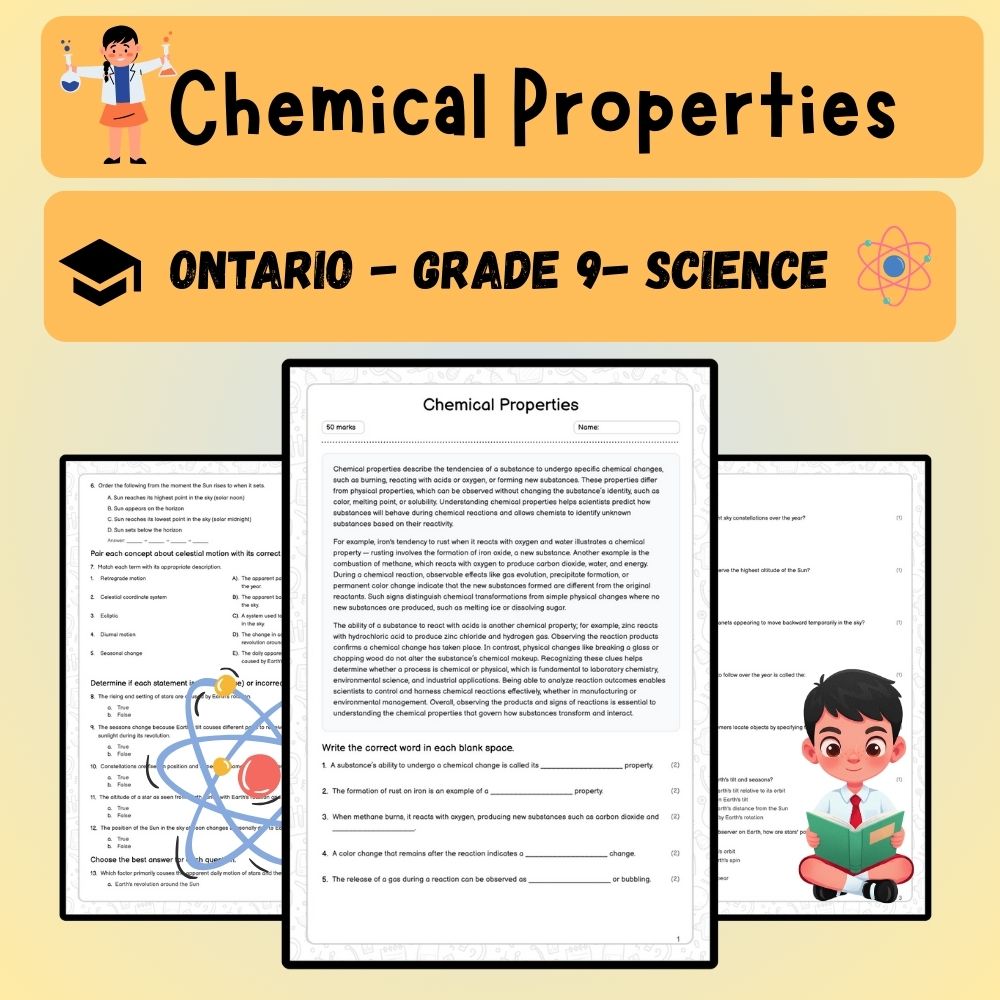
Grade 9 Science | Understanding Chemical Properties Worksheet (PDF)
Created byPrism Point LearningLearning Objectives
- Define and describe chemical properties and distinguish them from physical properties.
- Identify examples of chemical reactions such as rusting and combustion.
- Explain how indicators like gas evolution, precipitate formation, and color change signify chemical changes.
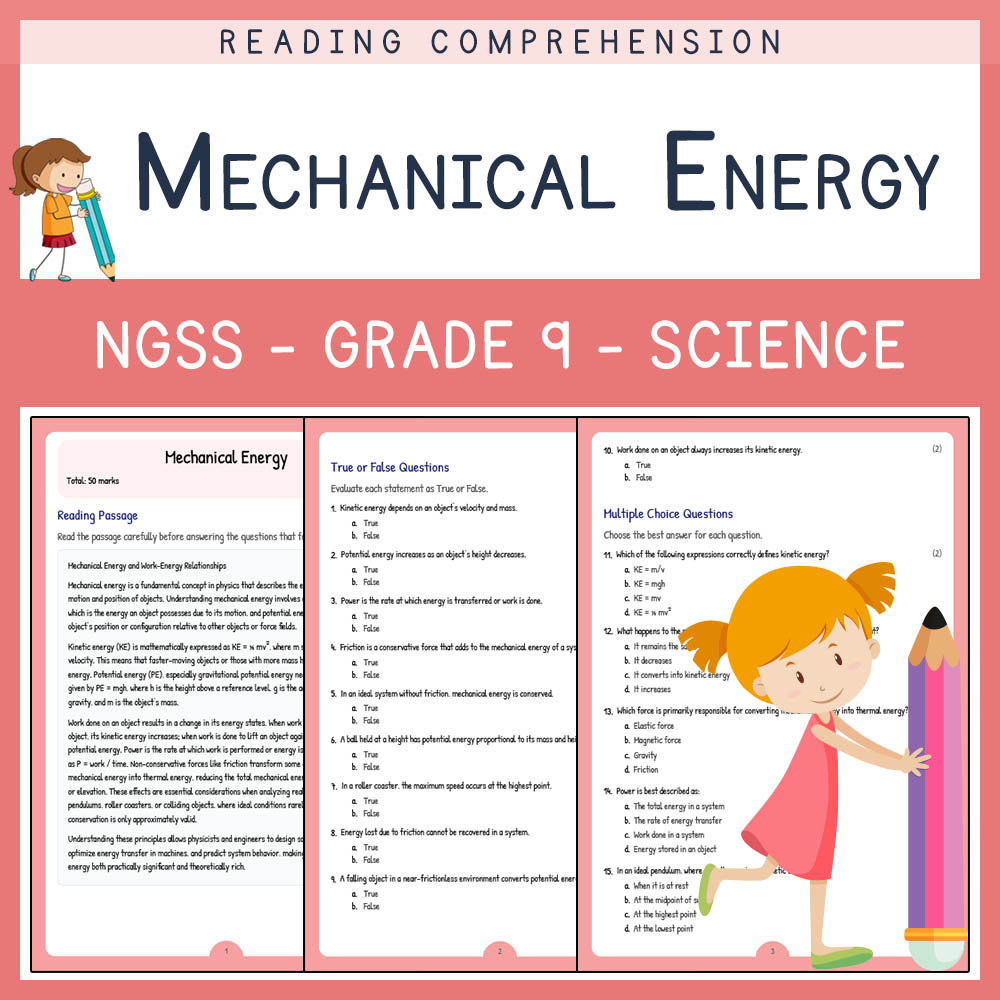
Grade 9 Science | Mechanical Energy Worksheet (PDF & Answer Key) for NGSS Alignment
 Created byLumora Learning
Learning Objectives
- Describe the forms of mechanical energy including kinetic and potential energy.
- Apply the work-energy theorem to analyze energy transfer in systems.
- Explain the effect of non-conservative forces, such as friction, on mechanical energy.
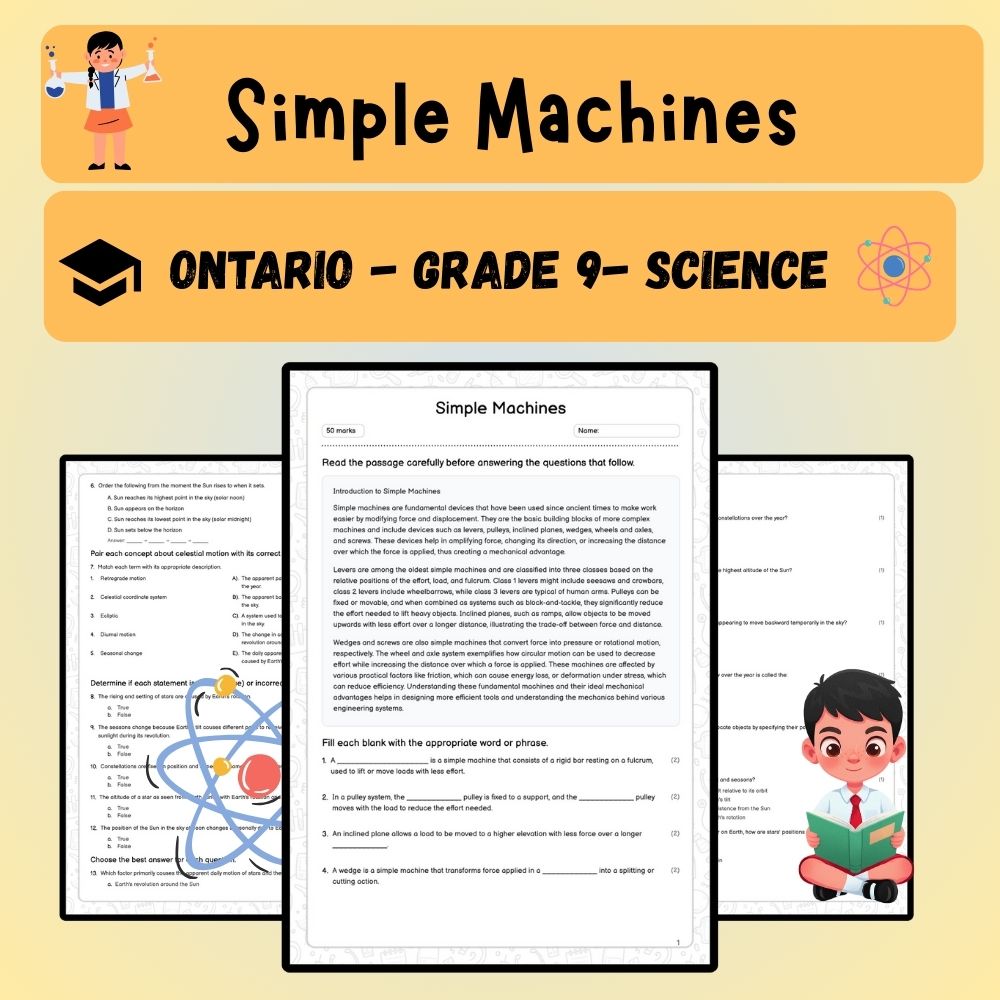
Grade 9 Science | Simple Machines Worksheet (Ontario Standard) – Practice & Assessment (PDF)
Created byPrism Point LearningLearning Objectives
- Understand the basic types of simple machines and their functions.
- Analyze how simple machines modify force and displacement to achieve mechanical advantage.
- Identify different classes of levers, pulley systems, and other simple machine configurations.
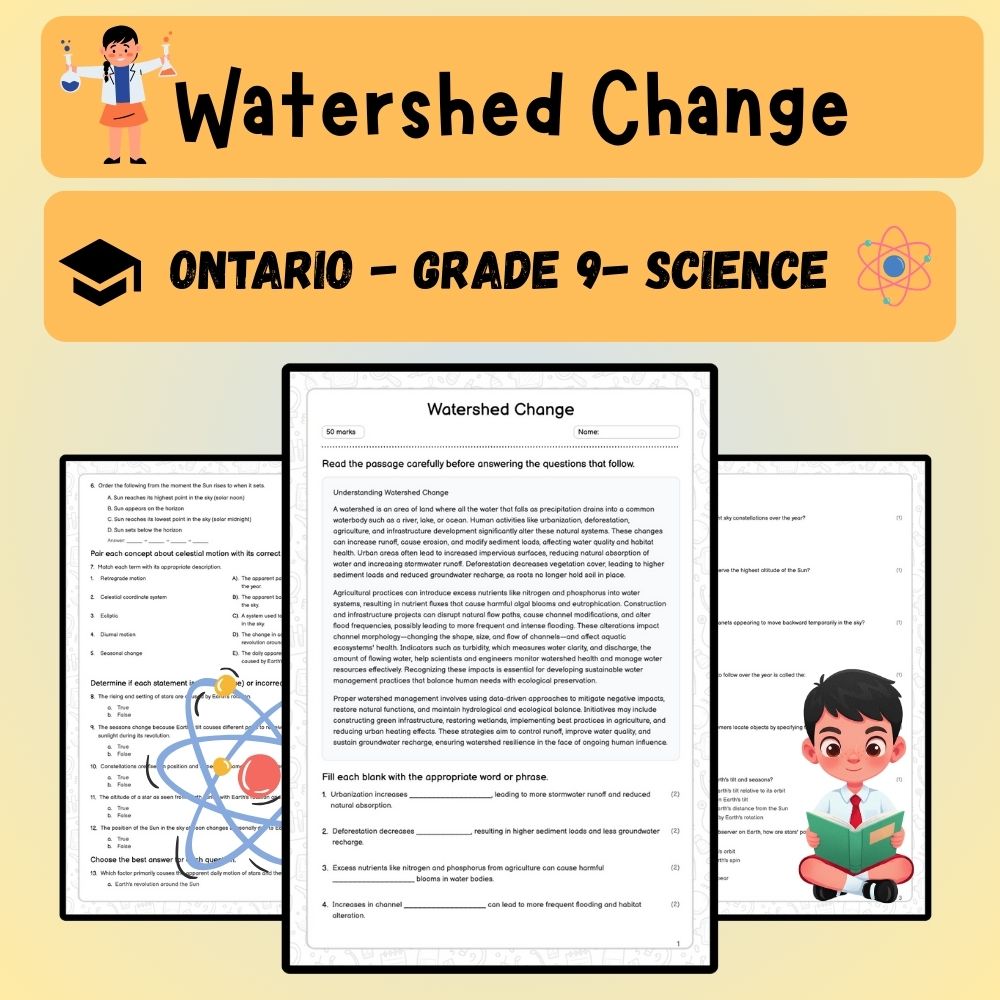
Grade 9 Science | Watershed Change Worksheet (PDF) – Ontario Standards
Created byPrism Point LearningLearning Objectives
- Understand human impacts on watershed processes such as urbanization, deforestation, agriculture, and infrastructure.
- Identify consequences of watershed alterations including runoff, sediment load, nutrient fluxes, and groundwater recharge.
- Describe how changes in watersheds affect channel morphology, flood frequency, and aquatic ecosystems.
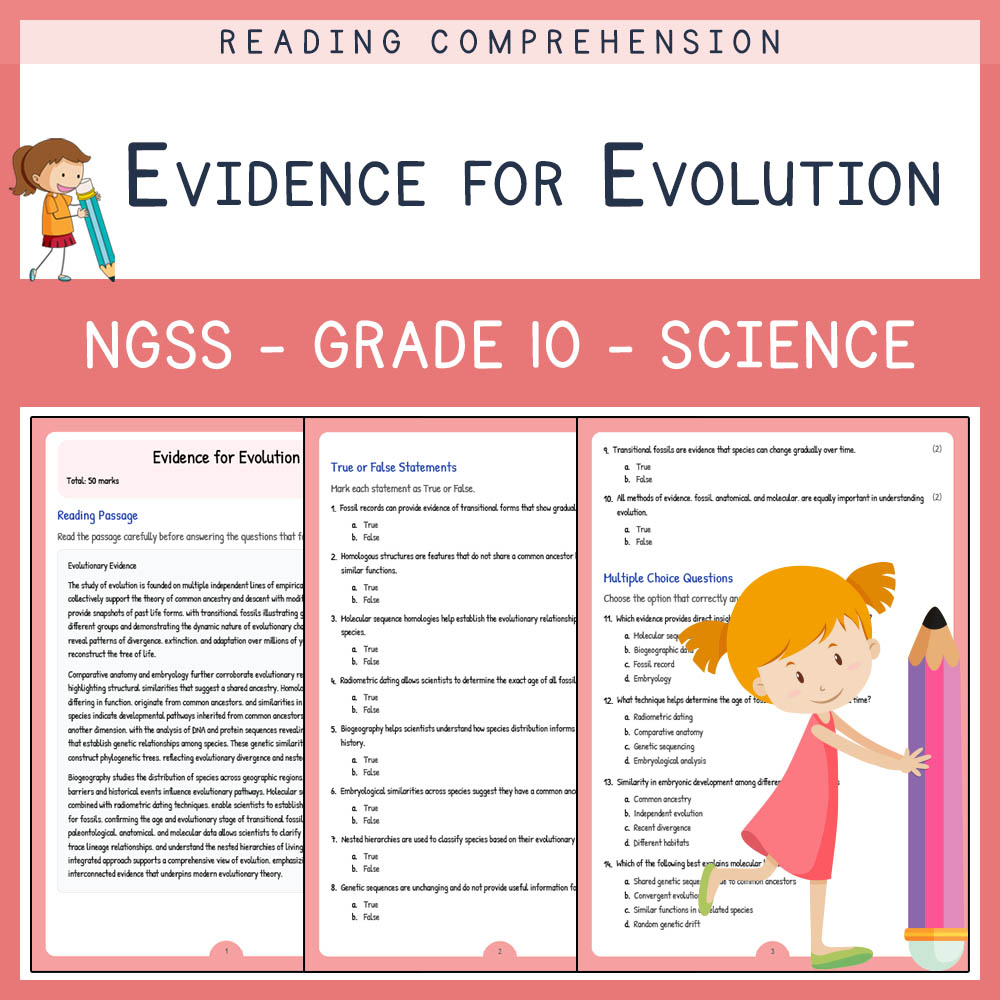
Grade 10 Science | Evidence for Evolution Worksheet (PDF & Answer Key)
Created byLumora LearningLearning Objectives
- Understand the multiple lines of evidence supporting common ancestry and evolution.
- Describe how fossil records, morphology, and molecular data are integrated to study evolutionary patterns.
- Explain the significance of radiometric dating and genetic homologies in evolutionary biology.
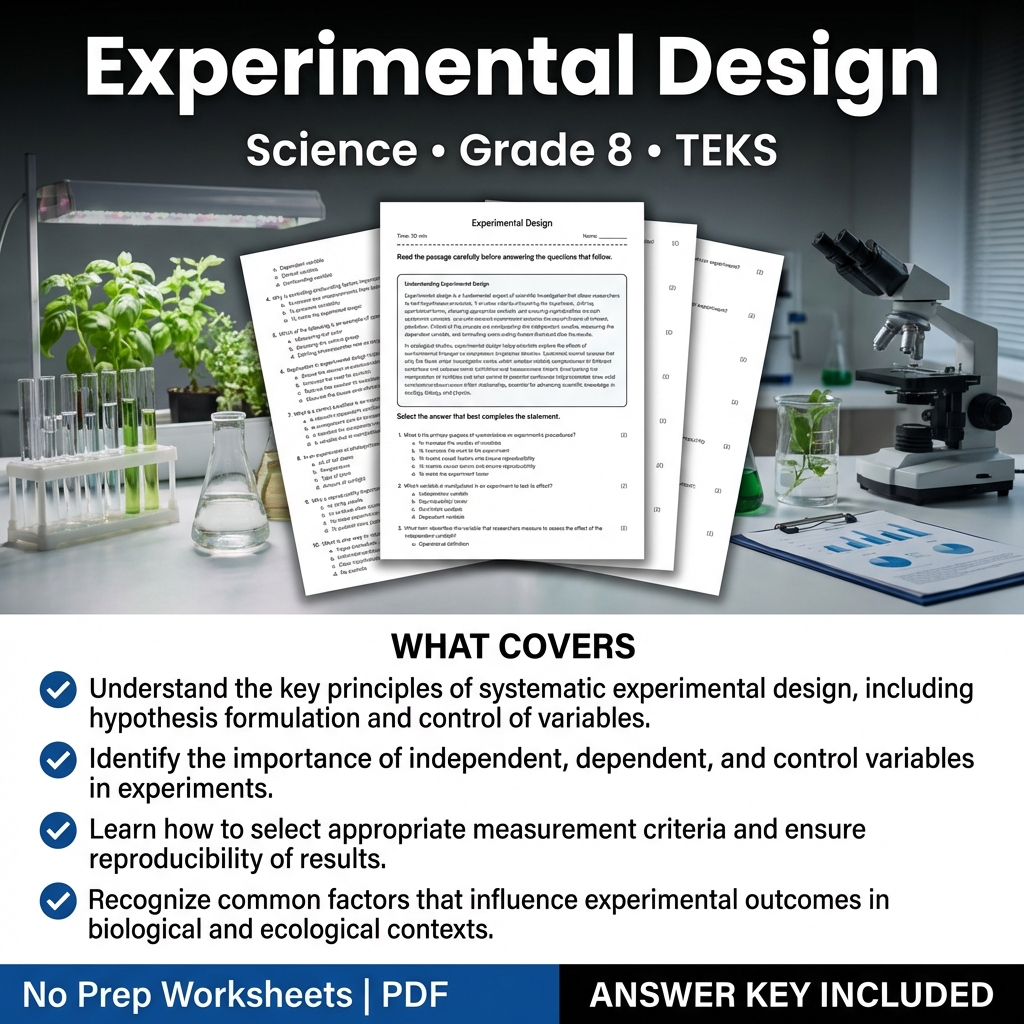
Experimental Design Worksheet Grade 8 Science TEKS Practice PDF
Created byCoral Reef LearningLearning Objectives
- Understand the key principles of systematic experimental design, including hypothesis formulation and control of variables.
- Identify the importance of independent, dependent, and control variables in experiments.
- Learn how to select appropriate measurement criteria and ensure reproducibility of results.
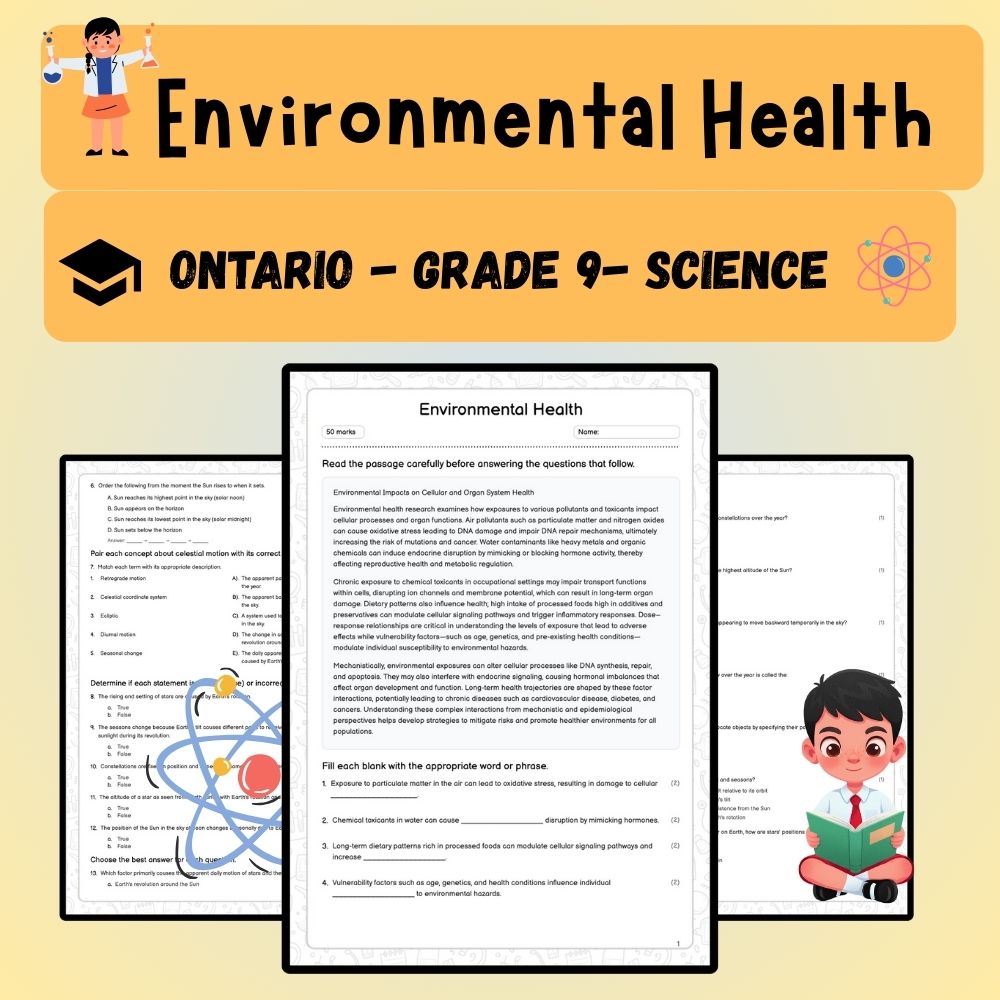
Grade 9 Science | Environmental Health Worksheet (Answer Key) - Ontario Standards
Created byPrism Point LearningLearning Objectives
- Understand how environmental exposures influence cellular and organ system health.
- Identify sources and effects of air and water pollutants on human health.
- Explain dose–response relationships and vulnerability factors related to environmental hazards.
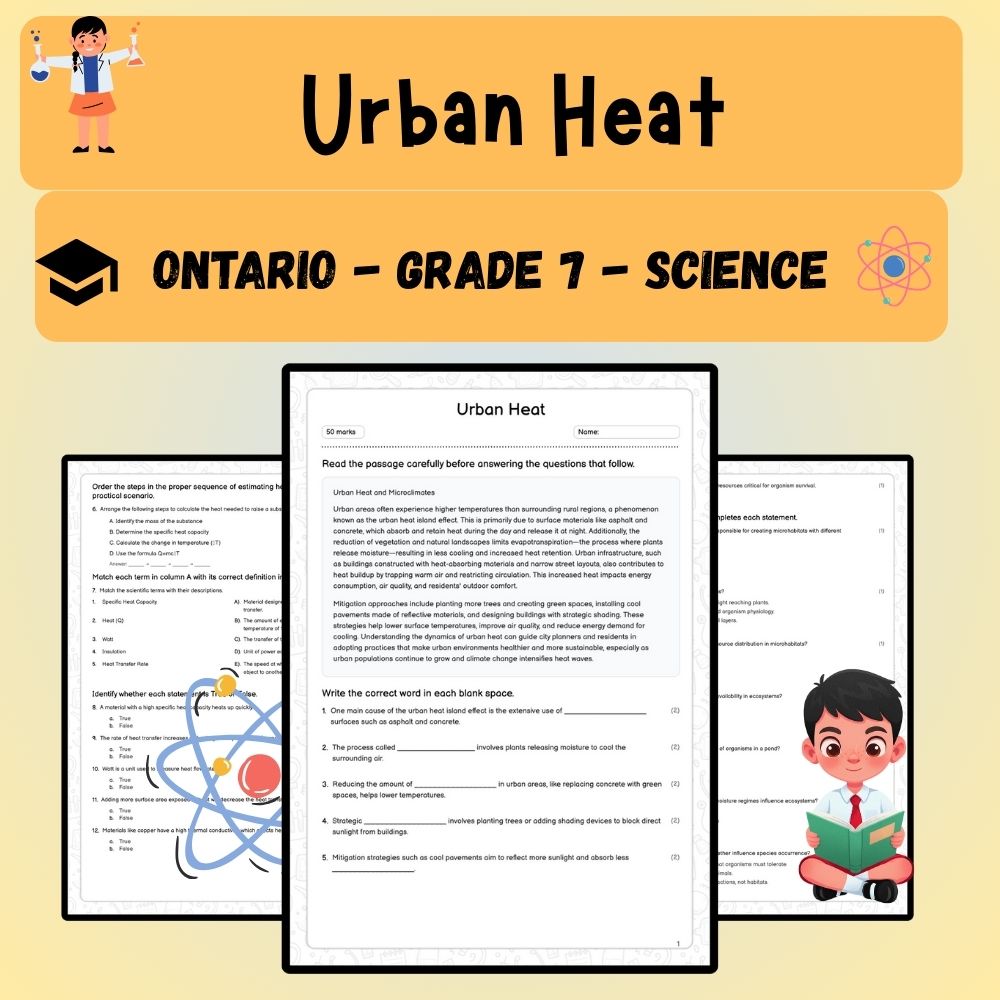
Grade 7 Science | Urban Heat Islands Worksheet (PDF )
Created byPrism Point LearningLearning Objectives
- Understand the causes and effects of urban heat island phenomena.
- Identify surface materials, vegetation, and human activities that influence urban heat levels.
- Analyze mitigation strategies to reduce urban heat effects.
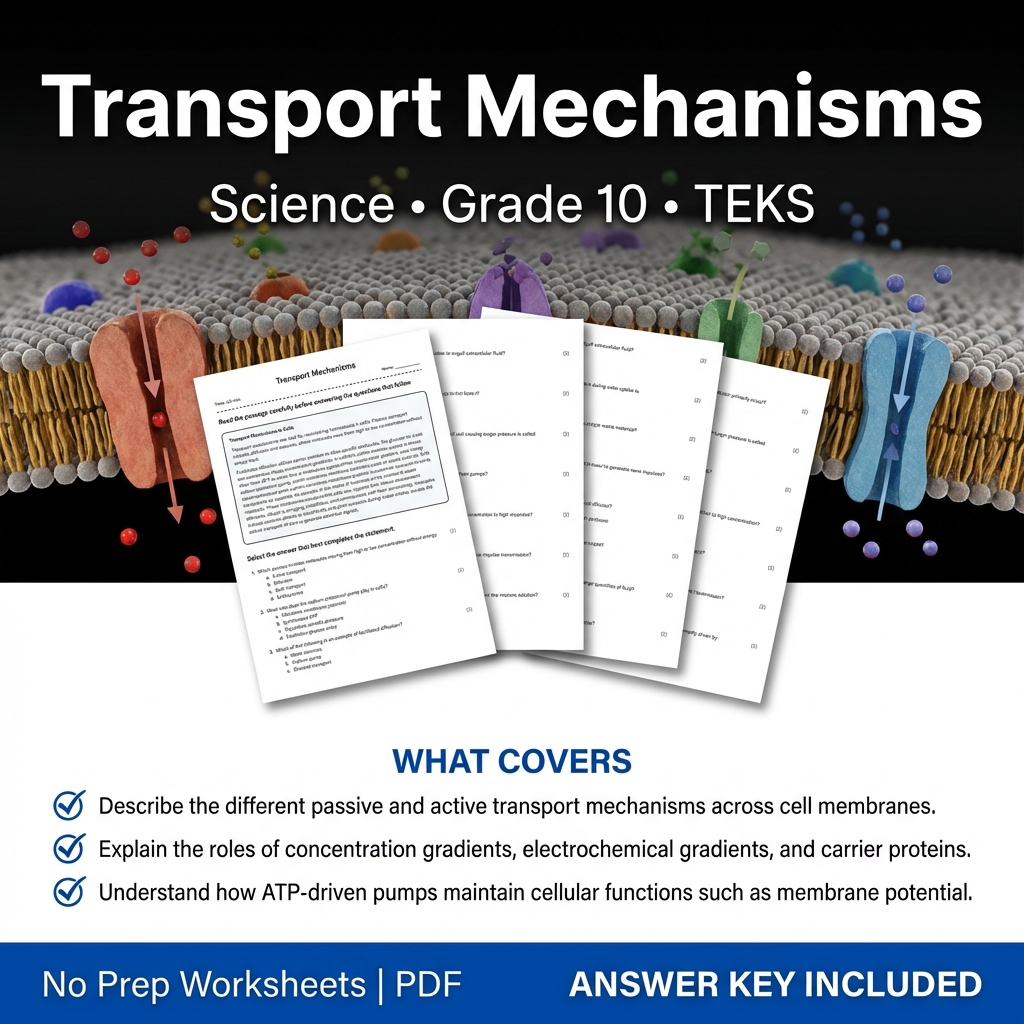
Transport Mechanisms Worksheet for Grade 10 Science | TEKS Aligned
Created byCoral Reef LearningLearning Objectives
- Describe the different passive and active transport mechanisms across cell membranes.
- Explain the roles of concentration gradients, electrochemical gradients, and carrier proteins.
- Understand how ATP-driven pumps maintain cellular functions such as membrane potential.
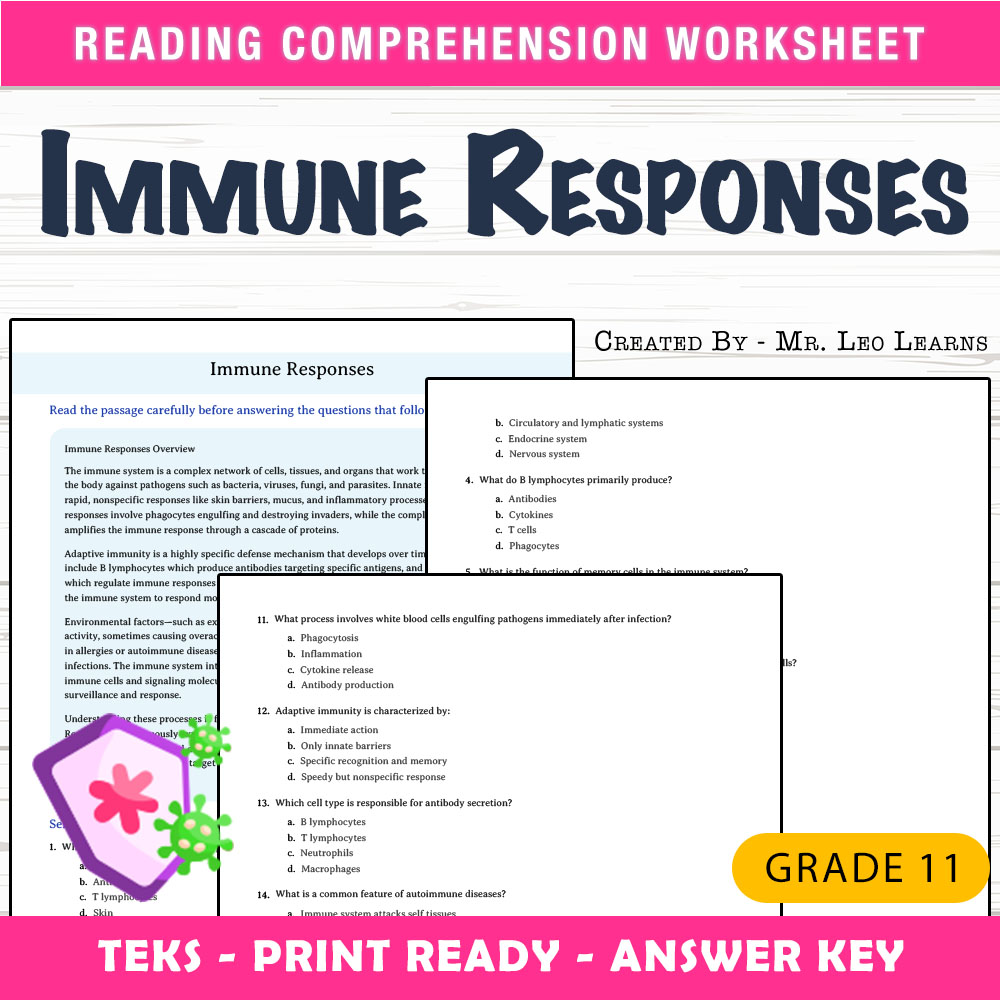
Grade 11 Science – Immune Responses Worksheet for Mastery
 Created byThe Resource Hub
Learning Objectives
- Describe the components and functions of the innate and adaptive immune systems.
- Explain key immune processes such as inflammation, phagocytosis, and antibody production.
- Understand how environmental factors influence immune activity and dysregulation.
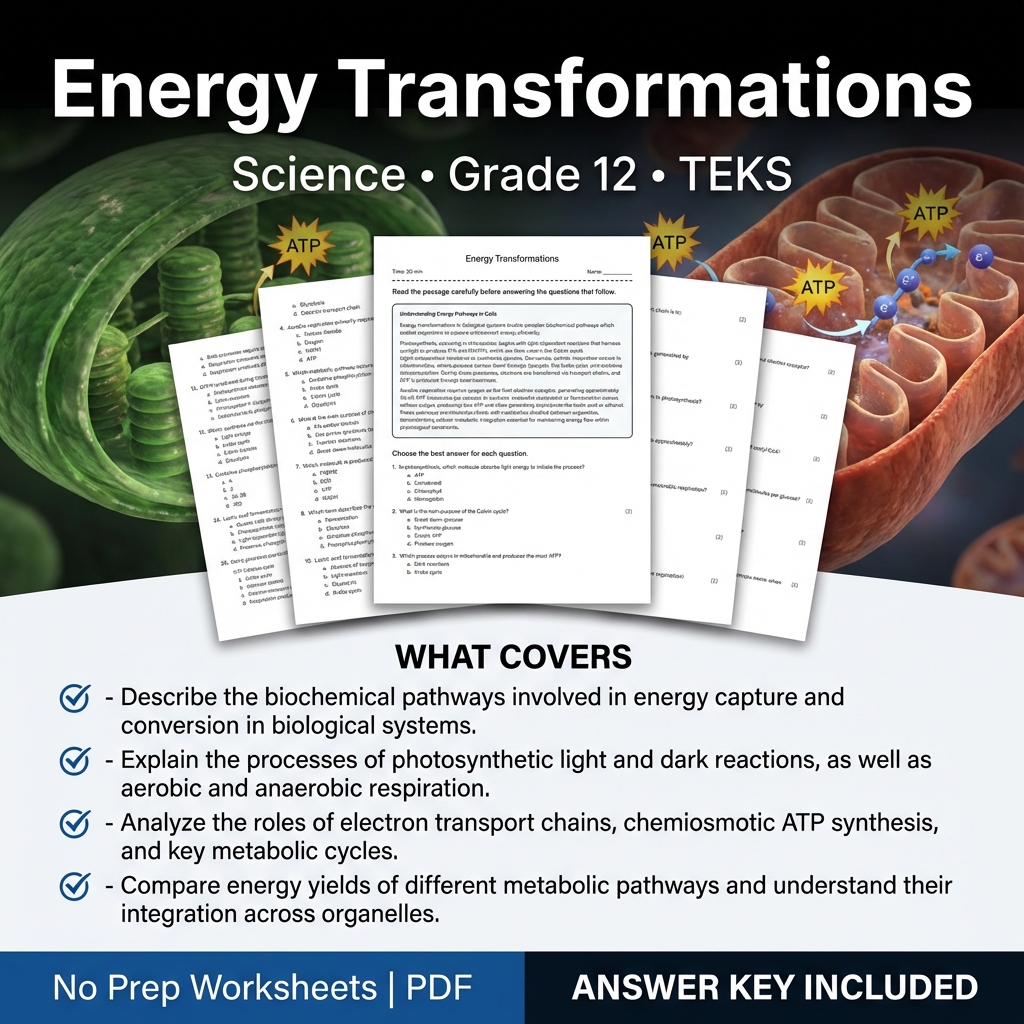
Energy Transformations Worksheet for Grade 12 Science | TEKS
Created byCoral Reef LearningLearning Objectives
- Describe the biochemical pathways involved in energy capture and conversion in biological systems.
- Explain the processes of photosynthetic light and dark reactions, as well as aerobic and anaerobic respiration.
- Analyze the roles of electron transport chains, chemiosmotic ATP synthesis, and key metabolic cycles.
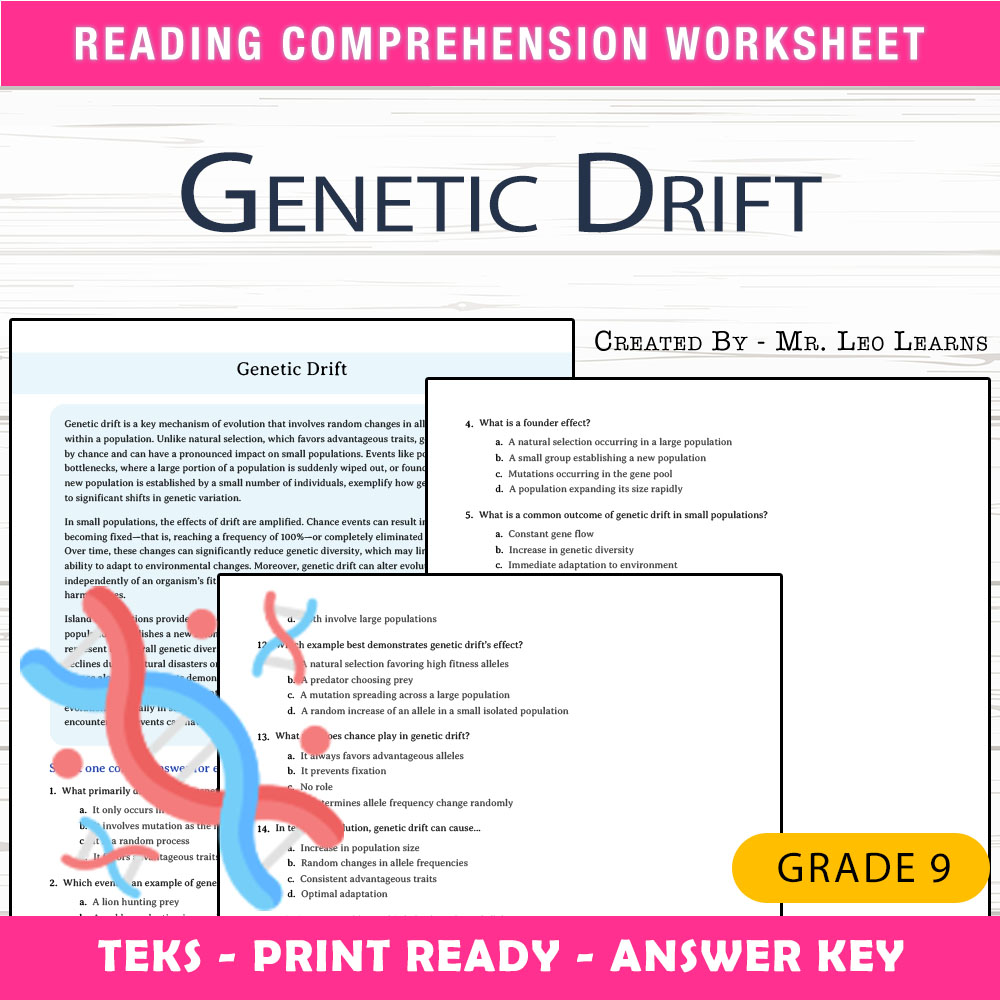
Grade 9 Science – Genetic Drift Worksheet for Mastery
Created byThe Resource HubLearning Objectives
- Understand what genetic drift is and how it affects small populations.
- Identify examples of events that cause genetic drift, such as bottlenecks and founder effects.
- Explain the consequences of genetic drift on allele frequencies and genetic diversity.
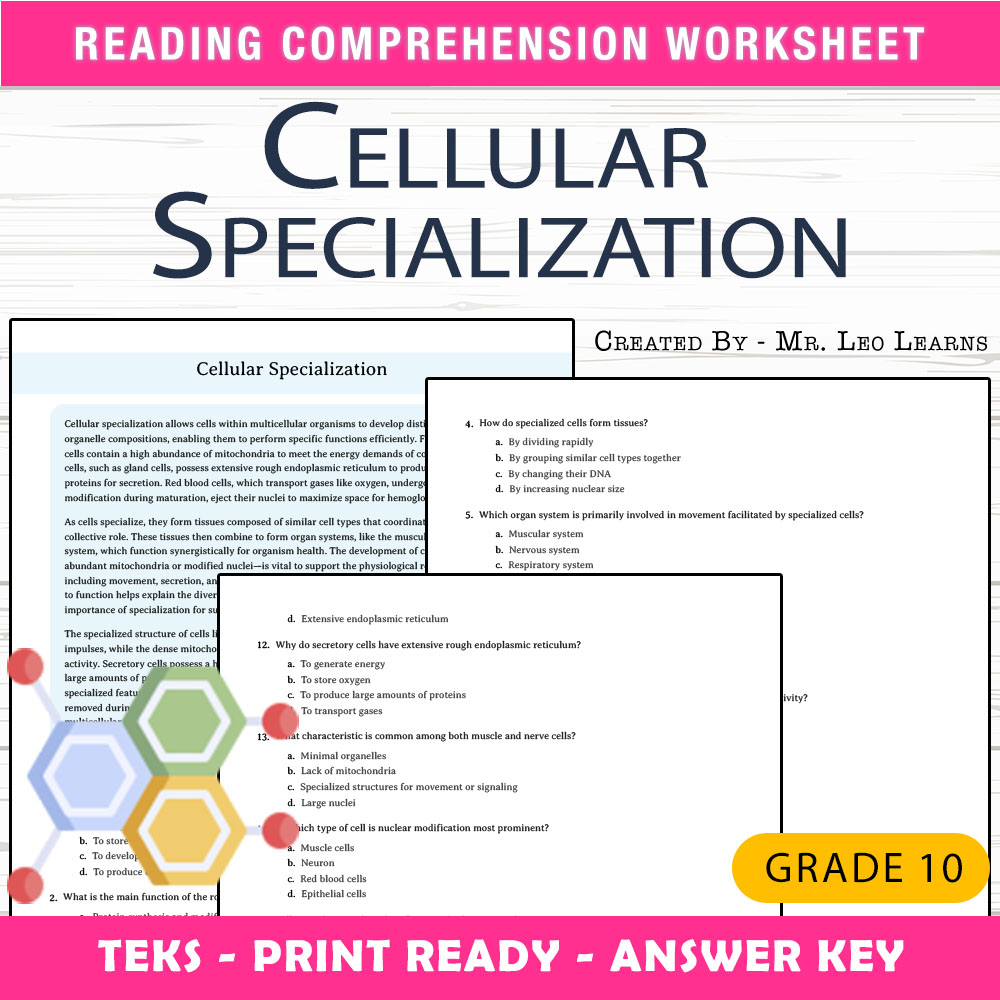
Grade 10 Science – Cellular Specialization Worksheet for Mastering Cell Functions
Created byThe Resource HubLearning Objectives
- Understand how organelle abundance relates to cell function in specialized cells.
- Explain the process by which cells develop distinct structures to perform specific roles.
- Connect subcellular features to physiological activities like contraction, secretion, and gas transport.
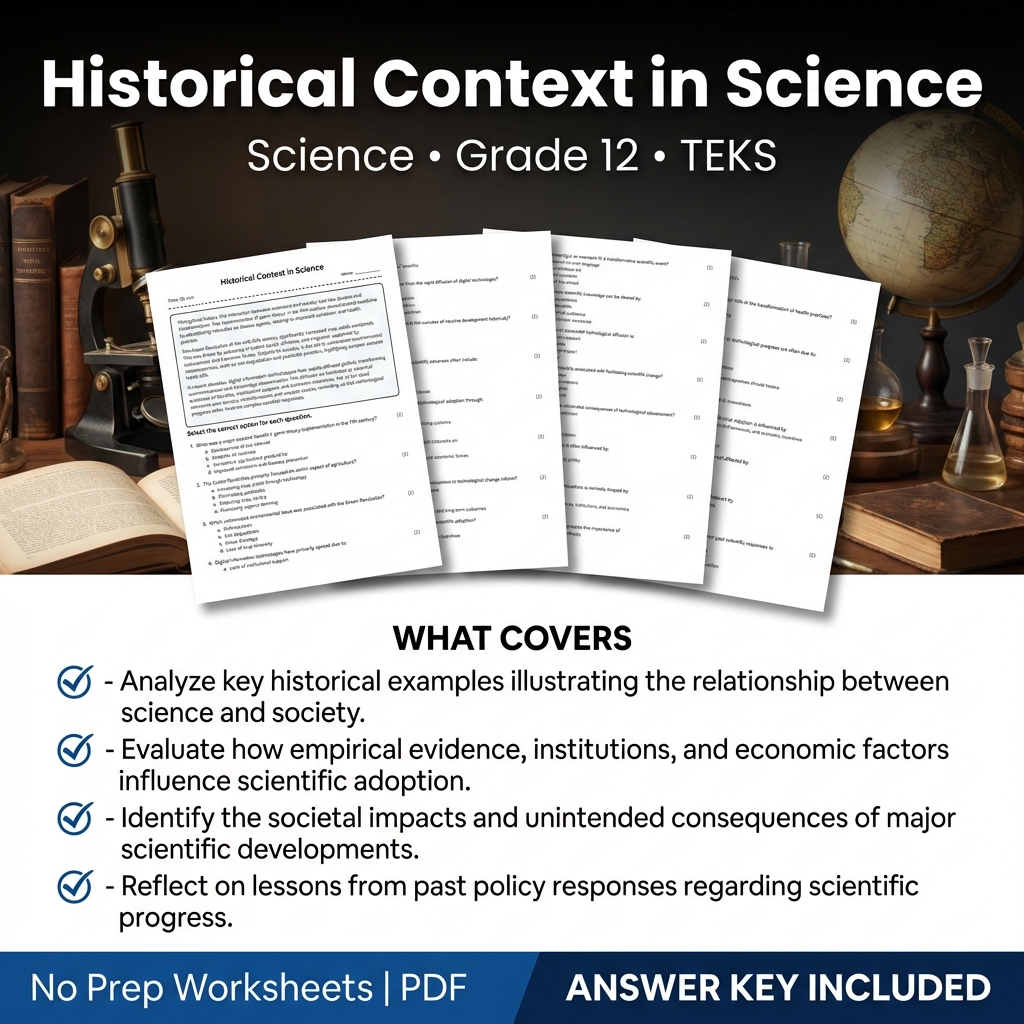
Historical Context in Science Worksheet | TEKS Grade 12 Science Practice
Created byCoral Reef LearningLearning Objectives
- Analyze key historical examples illustrating the relationship between science and society.
- Evaluate how empirical evidence, institutions, and economic factors influence scientific adoption.
- Identify the societal impacts and unintended consequences of major scientific developments.
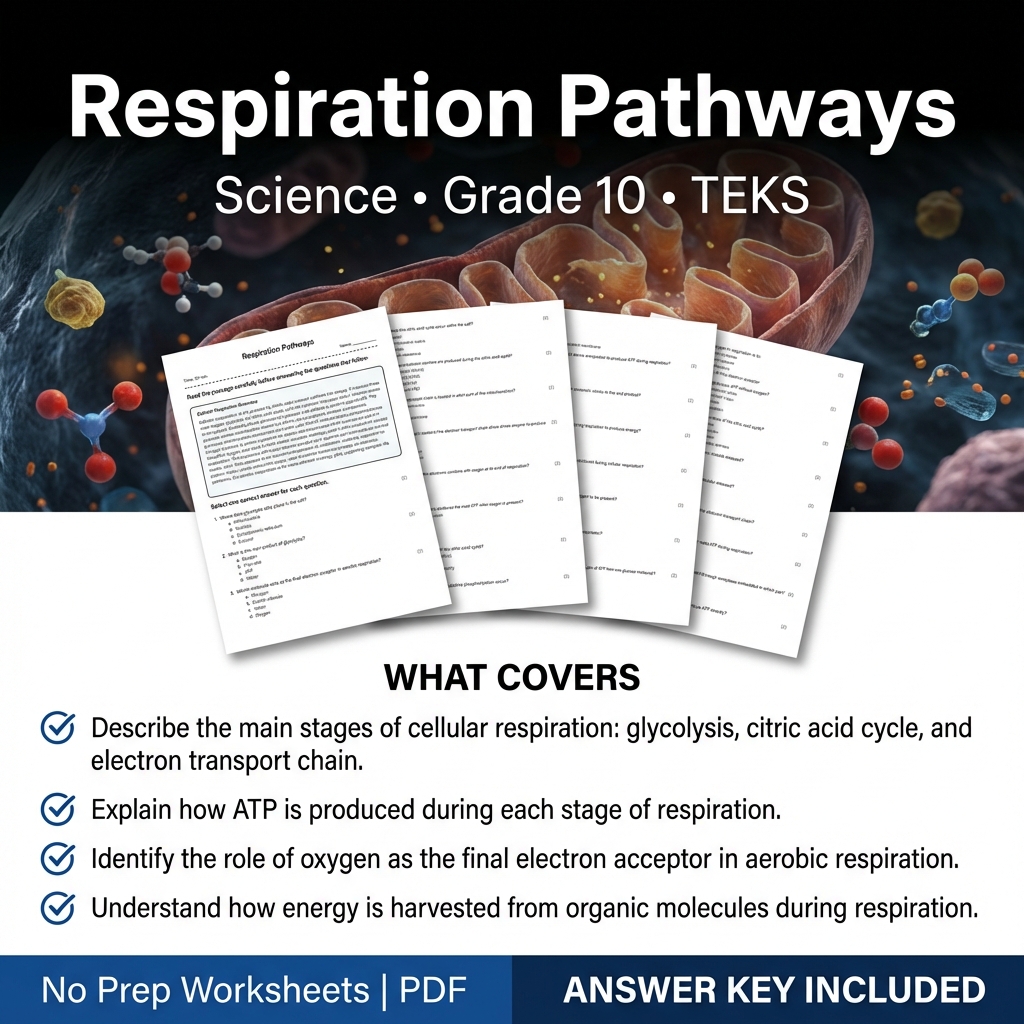
Respiration Pathways Grade 10 Science Worksheet | TEKS Aligned
Created byCoral Reef LearningLearning Objectives
- Describe the main stages of cellular respiration: glycolysis, citric acid cycle, and electron transport chain.
- Explain how ATP is produced during each stage of respiration.
- Identify the role of oxygen as the final electron acceptor in aerobic respiration.
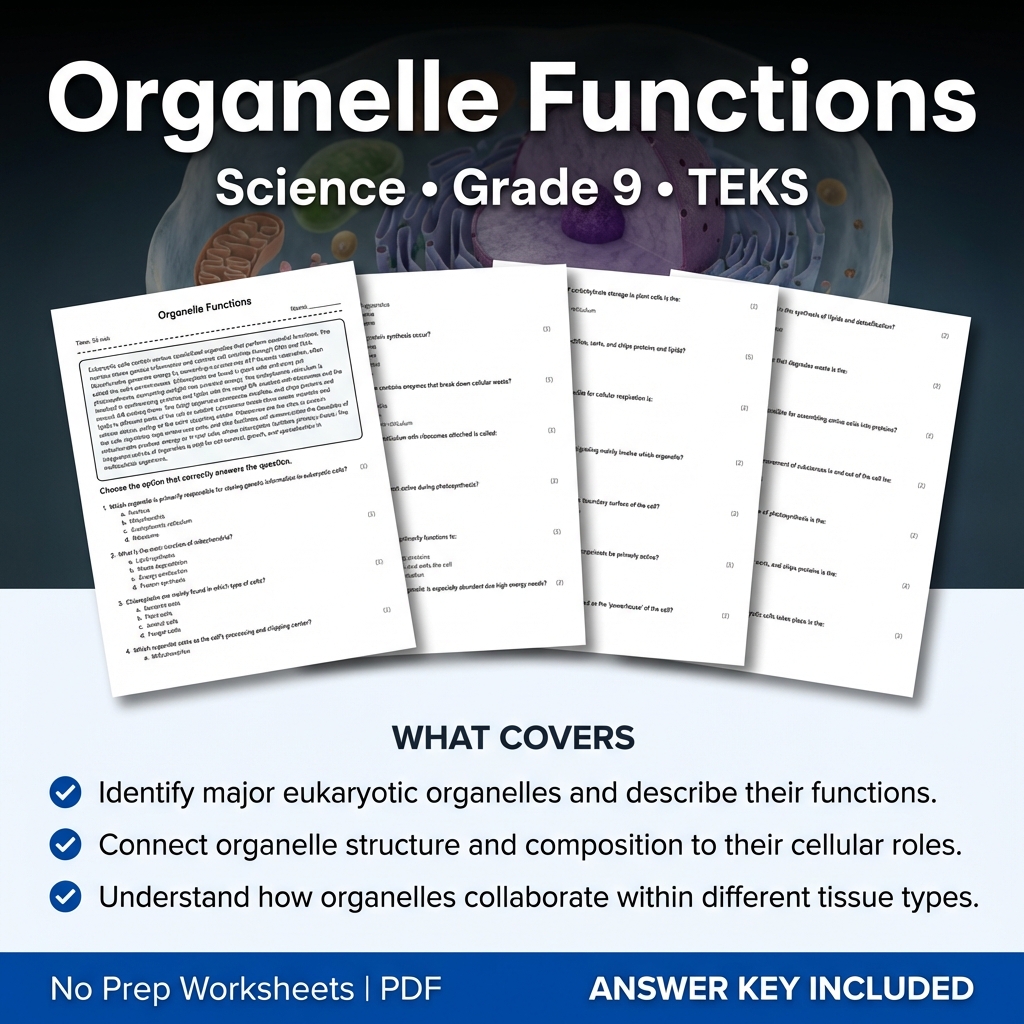
Organelle Functions Worksheet for Grade 9 Science – Printable PDF & Answer Key
Created byCoral Reef LearningLearning Objectives
- Identify major eukaryotic organelles and describe their functions.
- Connect organelle structure and composition to their cellular roles.
- Understand how organelles collaborate within different tissue types.
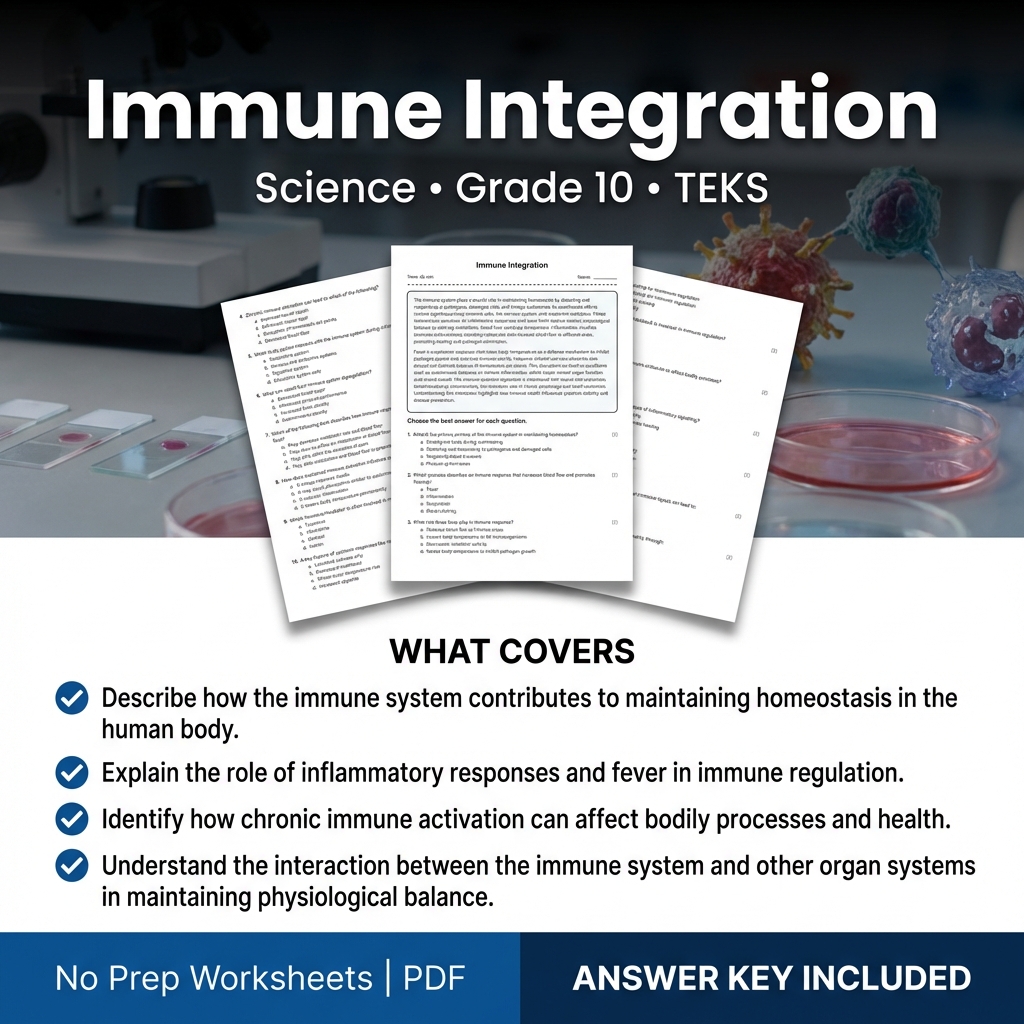
Grade 10 Science Worksheet on Immune Integration | TEKS Aligned
Created byCoral Reef LearningLearning Objectives
- Describe how the immune system contributes to maintaining homeostasis in the human body.
- Explain the role of inflammatory responses and fever in immune regulation.
- Identify how chronic immune activation can affect bodily processes and health.
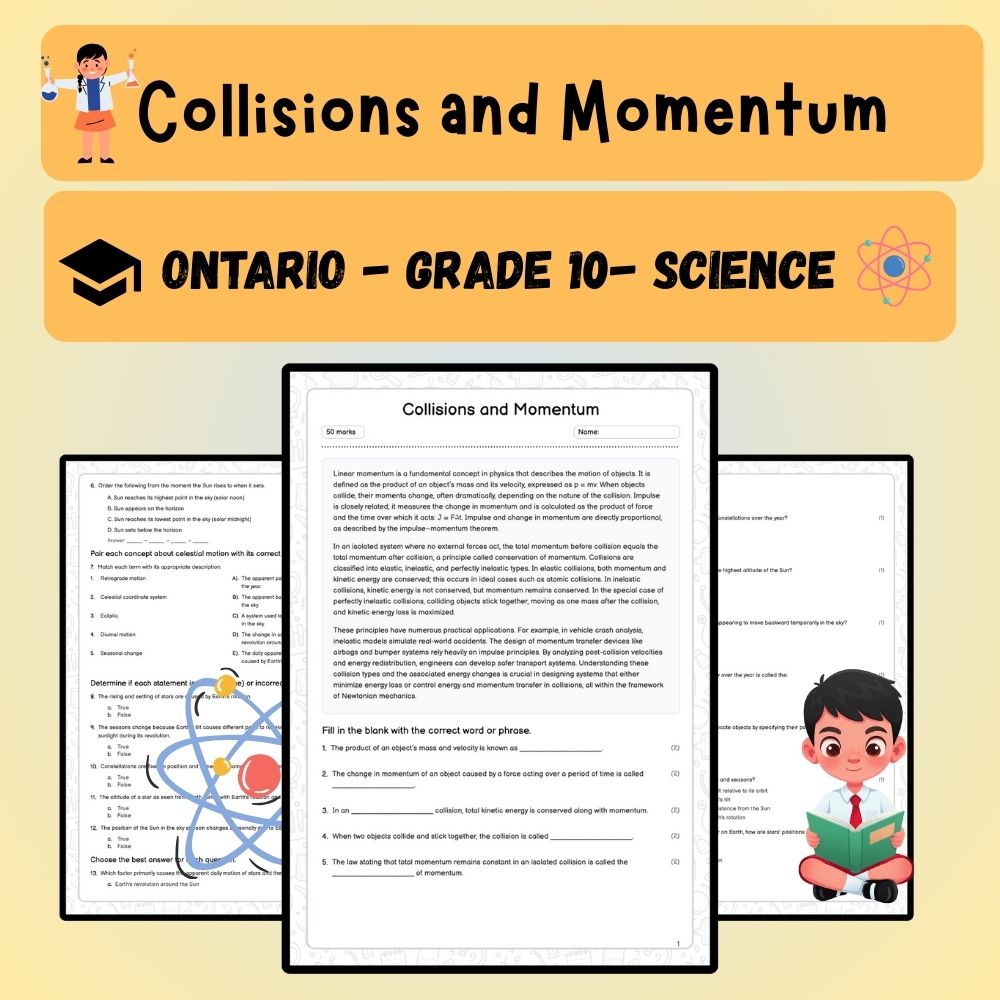
Grade 10 Science | Collisions and Momentum Worksheet (PDF) – Ontario Standards
Created byPrism Point LearningLearning Objectives
- Define and relate linear momentum and impulse to changes in motion
- Explain the conservation of momentum in various types of collisions
- Analyse energy redistribution and energy considerations in elastic, inelastic, and perfectly inelastic collisions
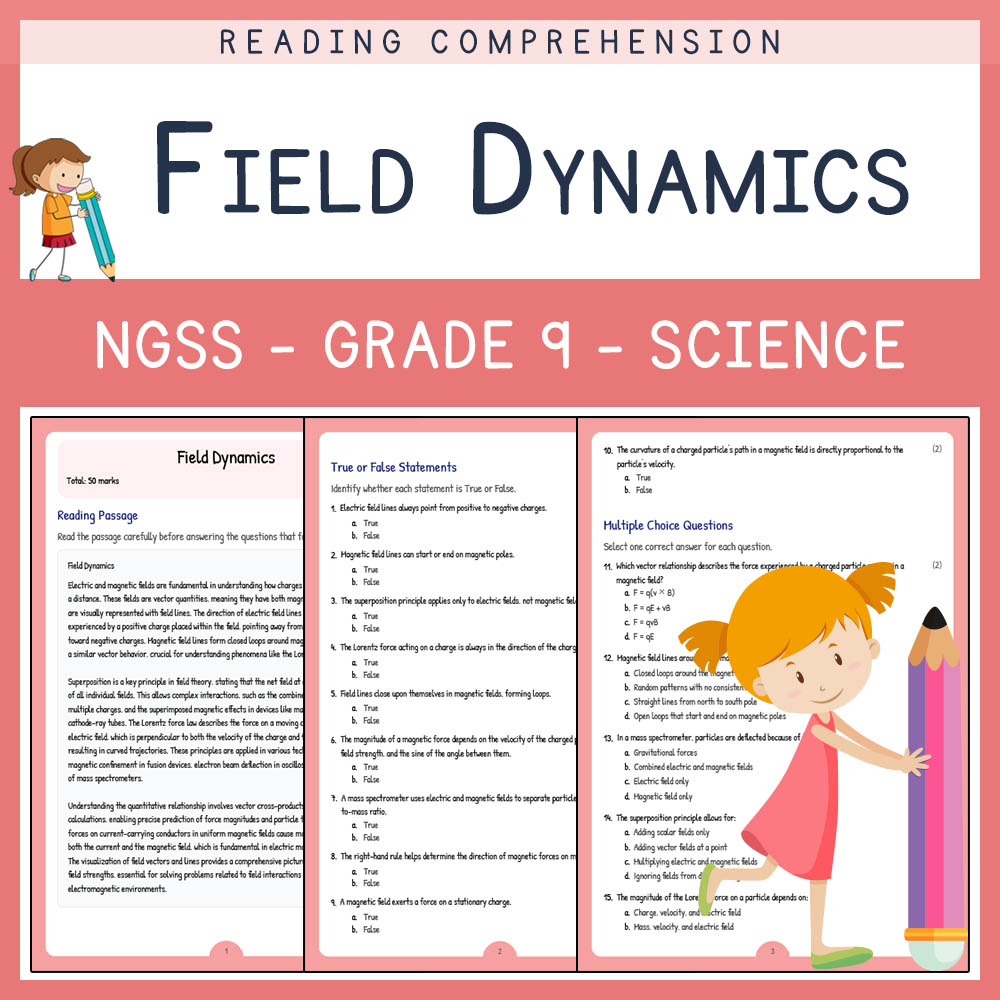
Grade 9 Science | Field Dynamics Worksheet & Answer Key (NGSS-Aligned)
Created byLumora LearningLearning Objectives
- Describe the vector nature of electric and magnetic fields and how they interact with charges.
- Explain the concept of superposition in electric and magnetic fields.
- Apply the principles of Lorentz force to predict particle motion in combined electric and magnetic fields.
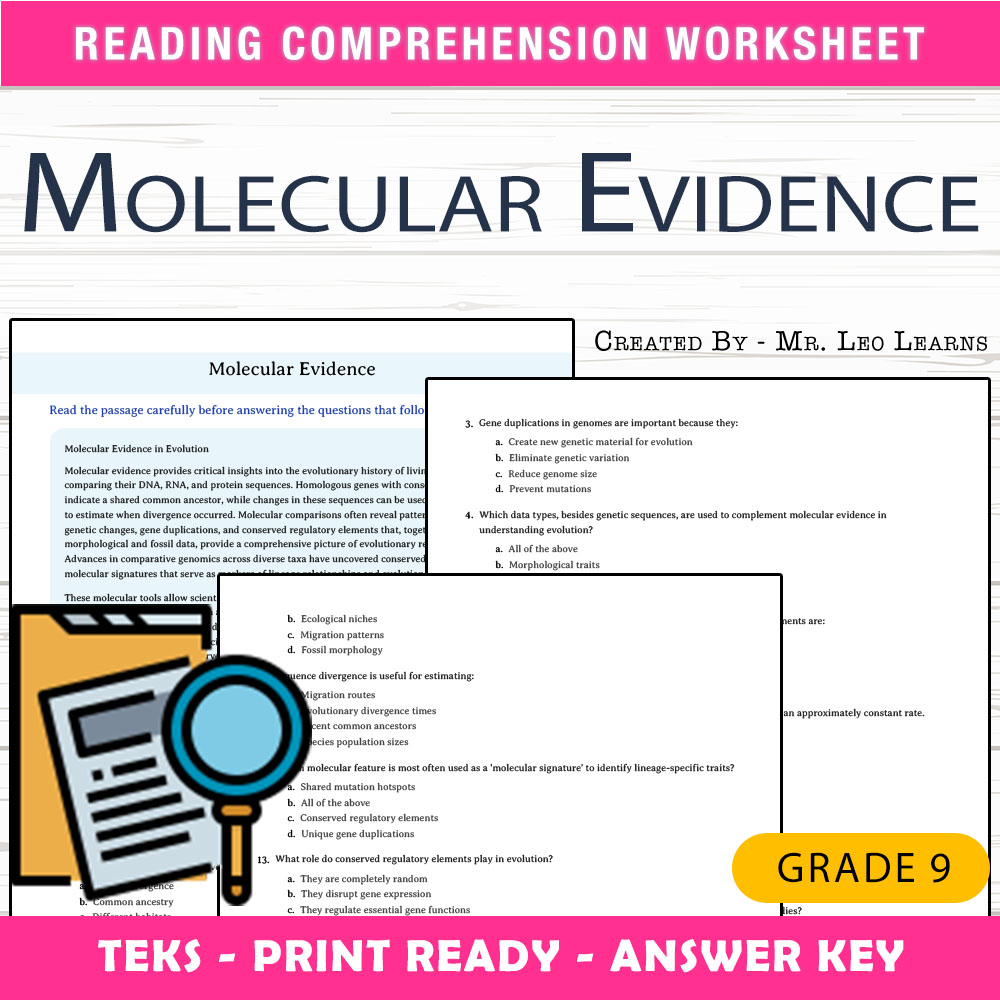
Grade 9 Science — Molecular Evidence Worksheet for Mastery
Created byThe Resource HubLearning Objectives
- Understand how DNA, RNA, and protein sequences are used to infer evolutionary relationships.
- Identify the significance of homologous genes and conserved sequences in determining common ancestry.
- Explain the concept of molecular clocks and how sequence divergence helps estimate divergence times.
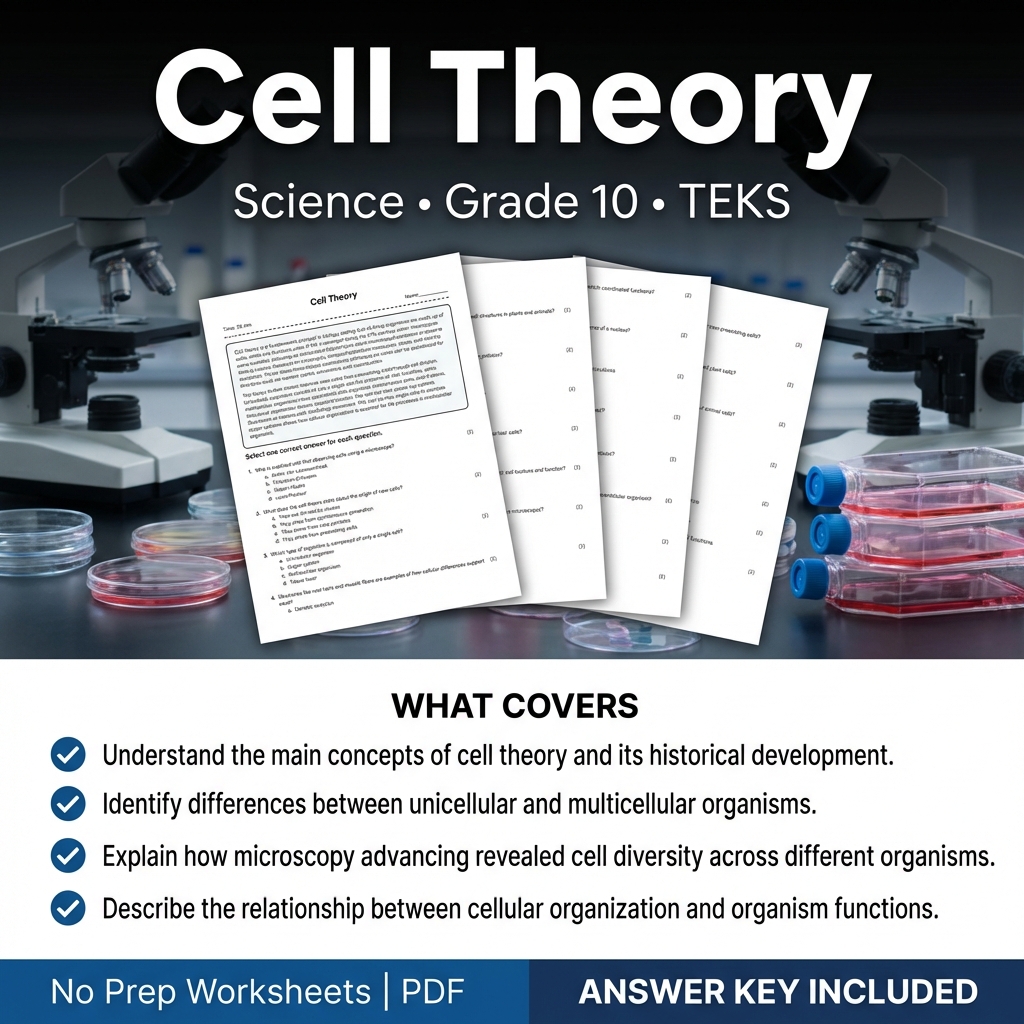
Grade 10 Science Worksheet on Cell Theory | TEKS Aligned Practice
Created byCoral Reef LearningLearning Objectives
- Understand the main concepts of cell theory and its historical development.
- Identify differences between unicellular and multicellular organisms.
- Explain how microscopy advancing revealed cell diversity across different organisms.
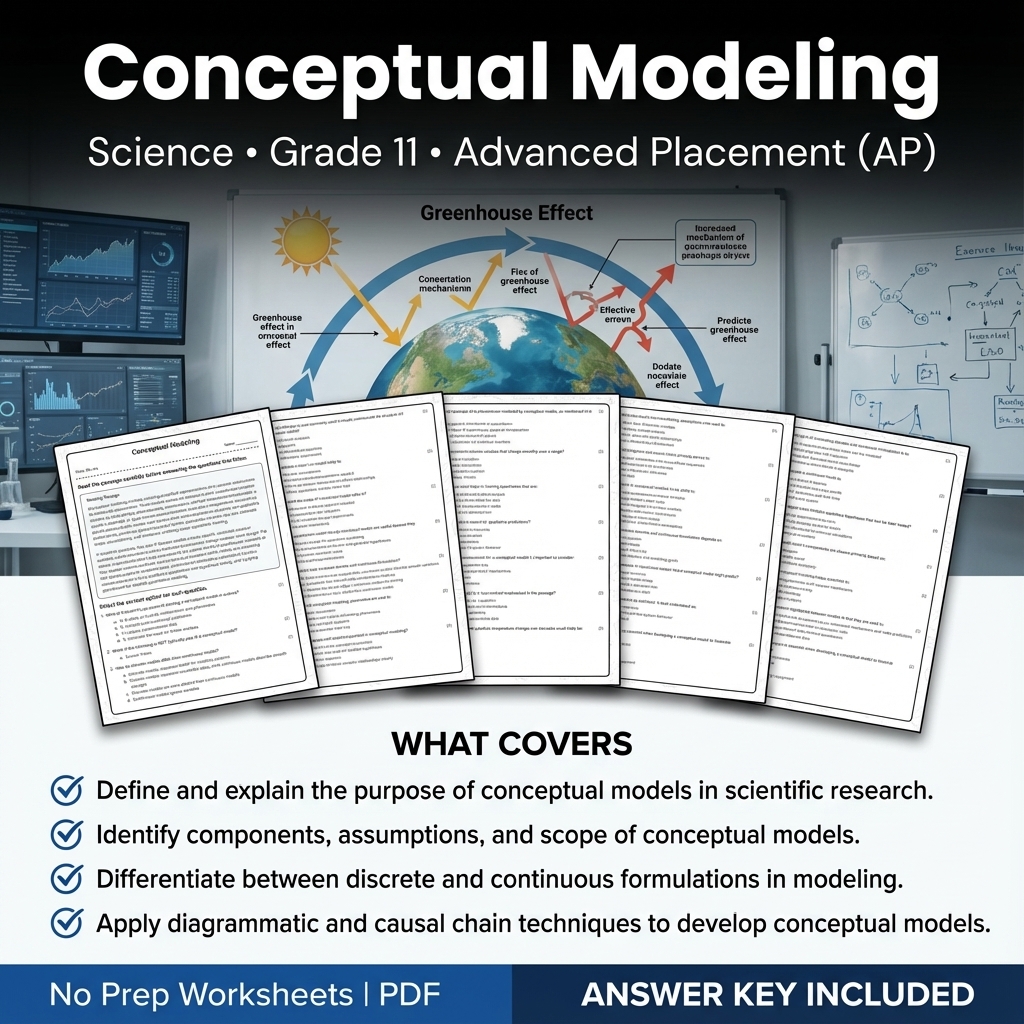
11th Grade Science | Conceptual Modeling Worksheet (Printable PDF + Answer Key)
Created byCoral Reef LearningLearning Objectives
- Define and explain the purpose of conceptual models in scientific research.
- Identify components, assumptions, and scope of conceptual models.
- Differentiate between discrete and continuous formulations in modeling.
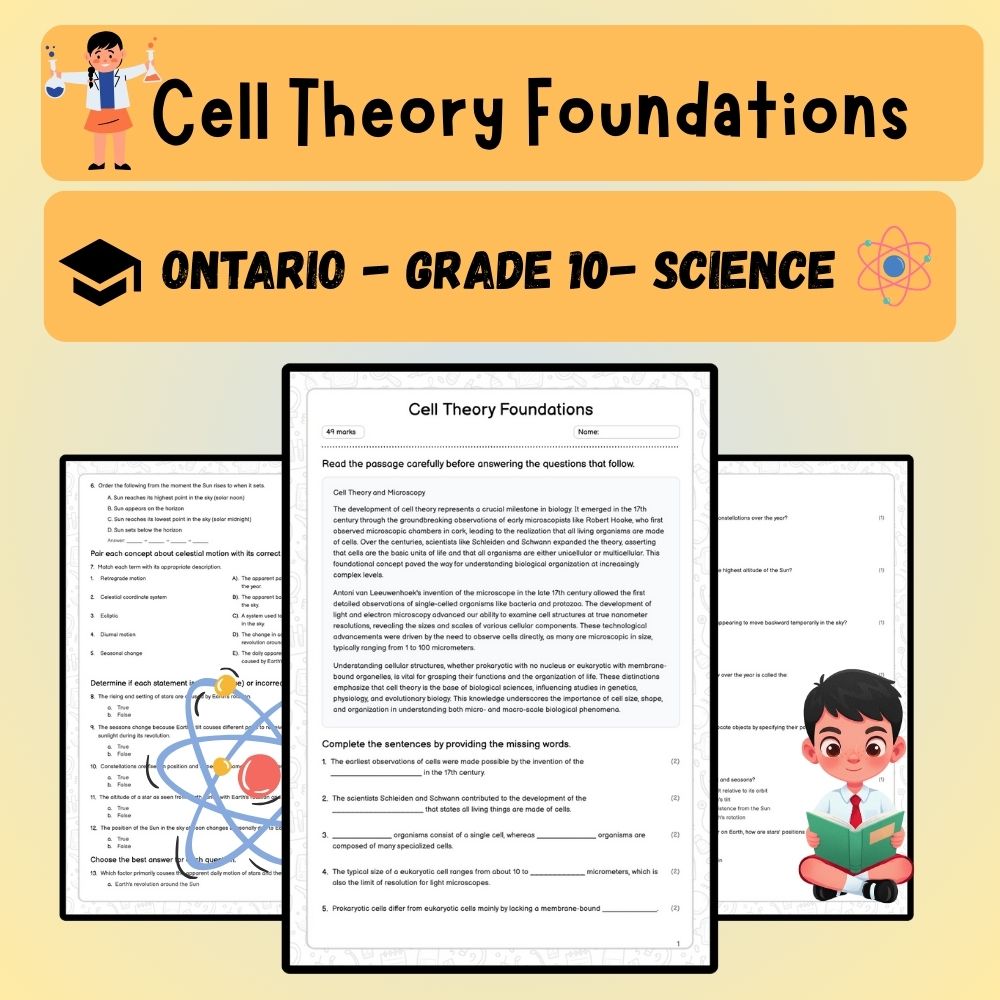
Grade 10 Science | Cell Theory Foundations Worksheet (Answer Key) - Ontario
Created byPrism Point LearningLearning Objectives
- Define the fundamental principles of cell theory and their historical development.
- Differentiate between unicellular and multicellular organisms at a conceptual level.
- Understand the basic dimensions and scales involved in microscopy.
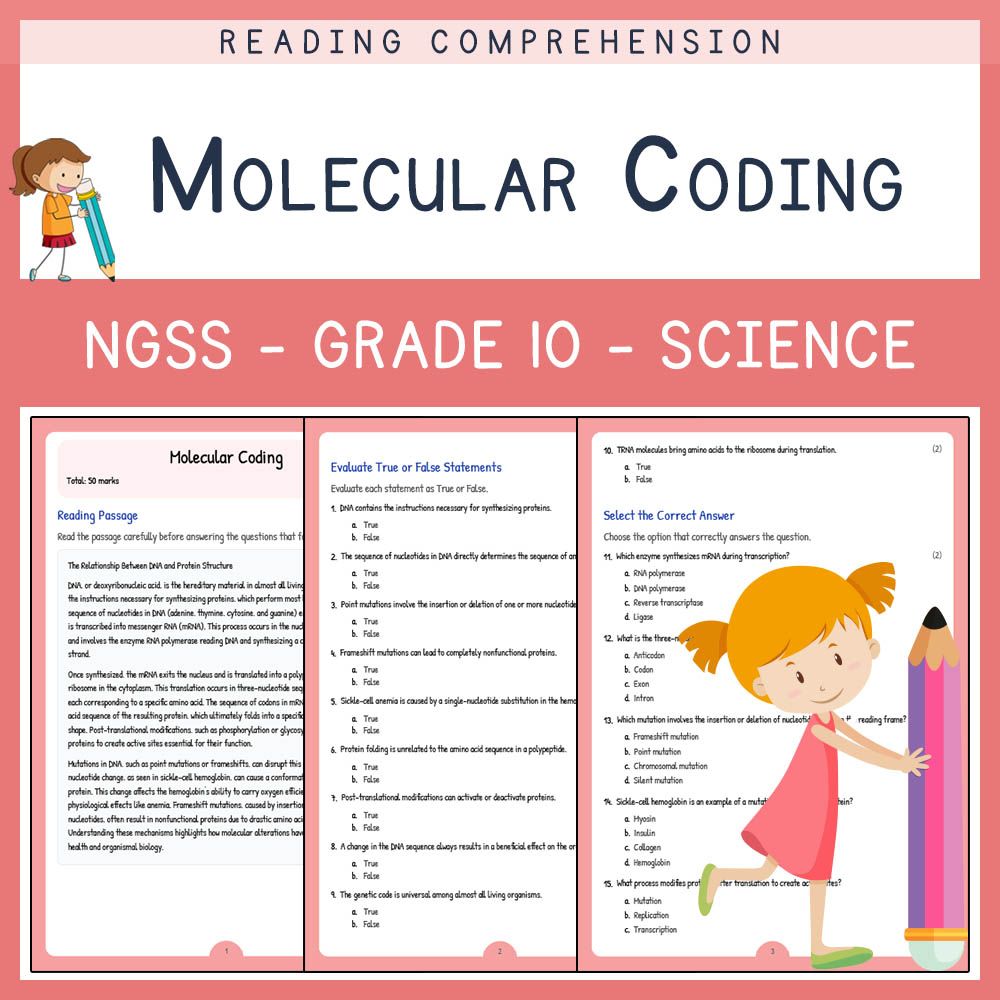
Grade 10 Science | Molecular Coding Worksheet & Answer Key (PDF)
Created byLumora LearningLearning Objectives
- Understand how DNA sequence determines amino acid sequences through transcription and translation.
- Explain how mutations, including point mutations and frameshifts, affect protein structure and function.
- Describe the process of protein folding and modifications in forming functional active sites.
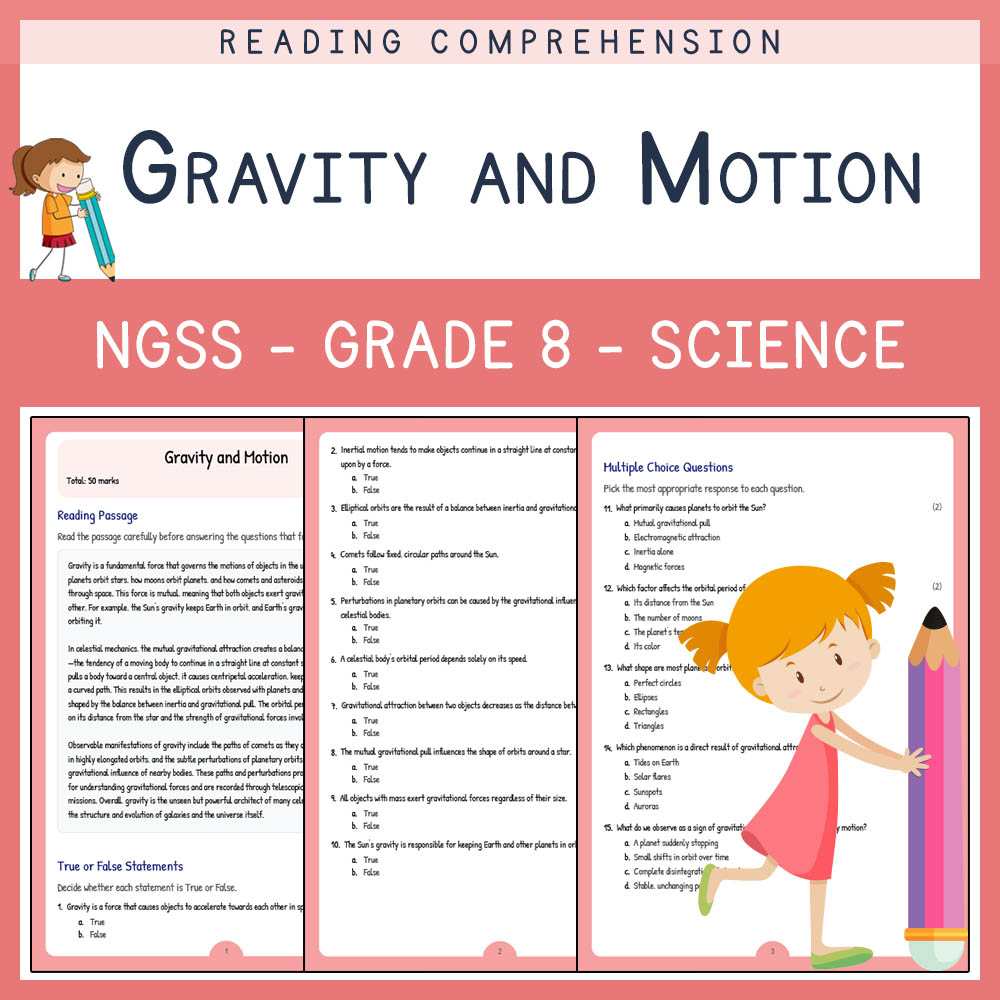
Grade 8 Science | Gravity and Motion Worksheet (PDF Answer Key & Rubric)
Created byLumora LearningLearning Objectives
- Understand how gravity influences the orbital motions of celestial bodies within the solar system and galaxies.
- Explain the concepts of mutual gravitational attraction and centripetal acceleration.
- Describe how the balance between inertia and gravity results in elliptical orbits.
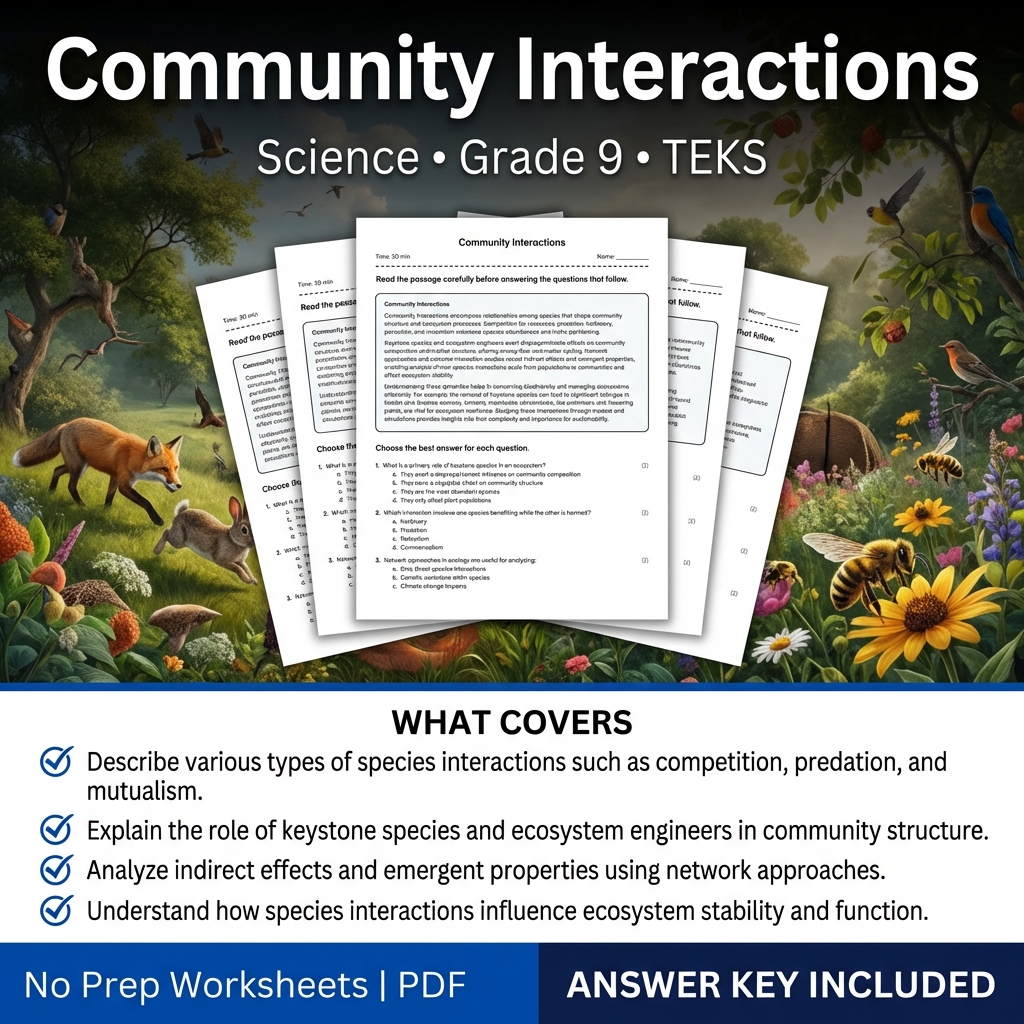
Community Interactions Worksheet for Grade 9 Science TEKS Alignment
Created byCoral Reef LearningLearning Objectives
- Describe various types of species interactions such as competition, predation, and mutualism.
- Explain the role of keystone species and ecosystem engineers in community structure.
- Analyze indirect effects and emergent properties using network approaches.
Browse more categories
About Science Worksheets
Find Science worksheets spanning core skills, practice, and review. All 42,859 resources are instant PDF downloads for the classroom or home.
Every worksheet on MyTeachingSheets is created by independent teacher-authors and reviewed before publication. All resources download as printable PDFs for classroom, homework, or at-home practice, and many include answer keys. Preview any worksheet free before buying.