
Grade 9 Science Worksheets
6,926 worksheets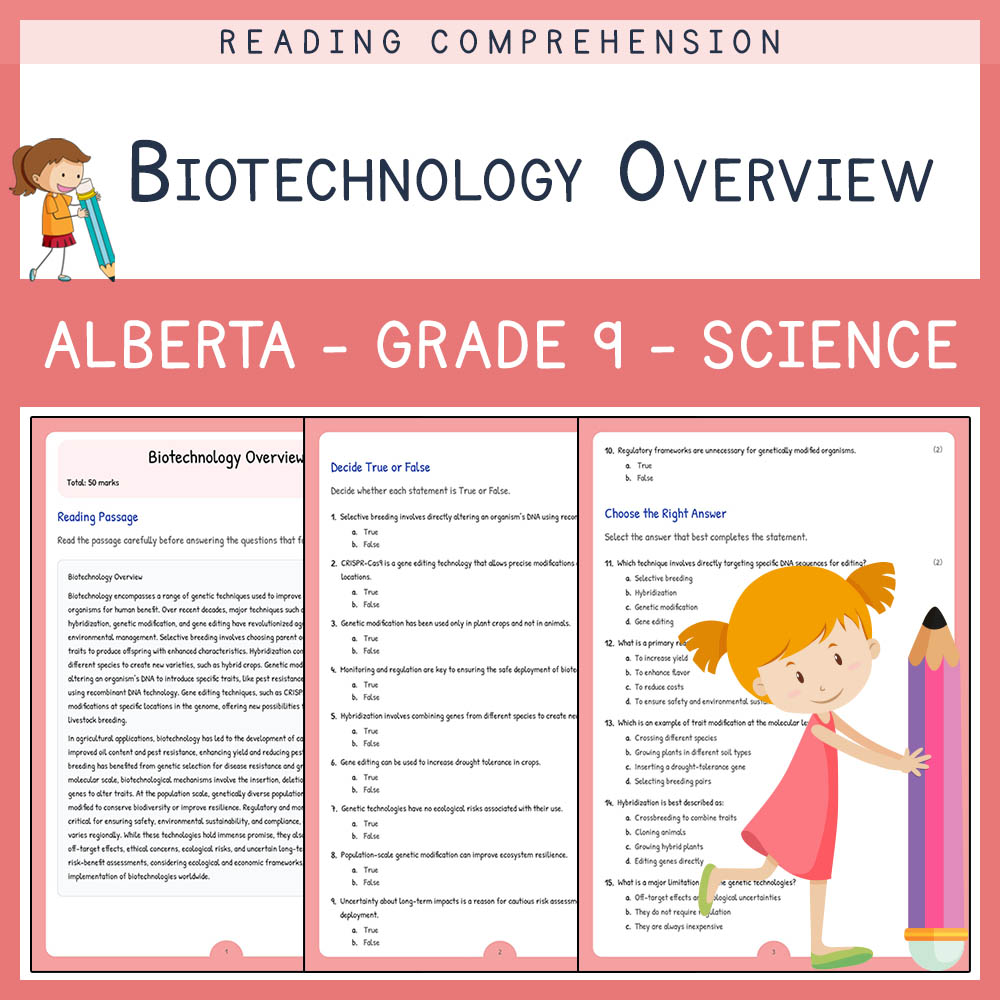
Grade 9 Science | Biotechnology Overview Worksheet | Alberta Standards
 Created byLumora Learning
Learning Objectives
- Understand major genetic technologies used in biotechnology.
- Identify applications of biotechnology in agriculture and livestock.
- Describe mechanisms of trait introduction and modification at molecular and population levels.
Instant download

Grade 9 Science | Organelles Specialization Worksheet | BC Aligned
Created byLumora LearningLearning Objectives
- Understand the functional roles of different eukaryotic cell organelles.
- Identify how organelle specialization supports cellular efficiency and metabolic coordination.
- Describe the processes carried out by mitochondria, ribosomes, endoplasmic reticulum, Golgi apparatus, lysosomes, and peroxisomes.
Instant download
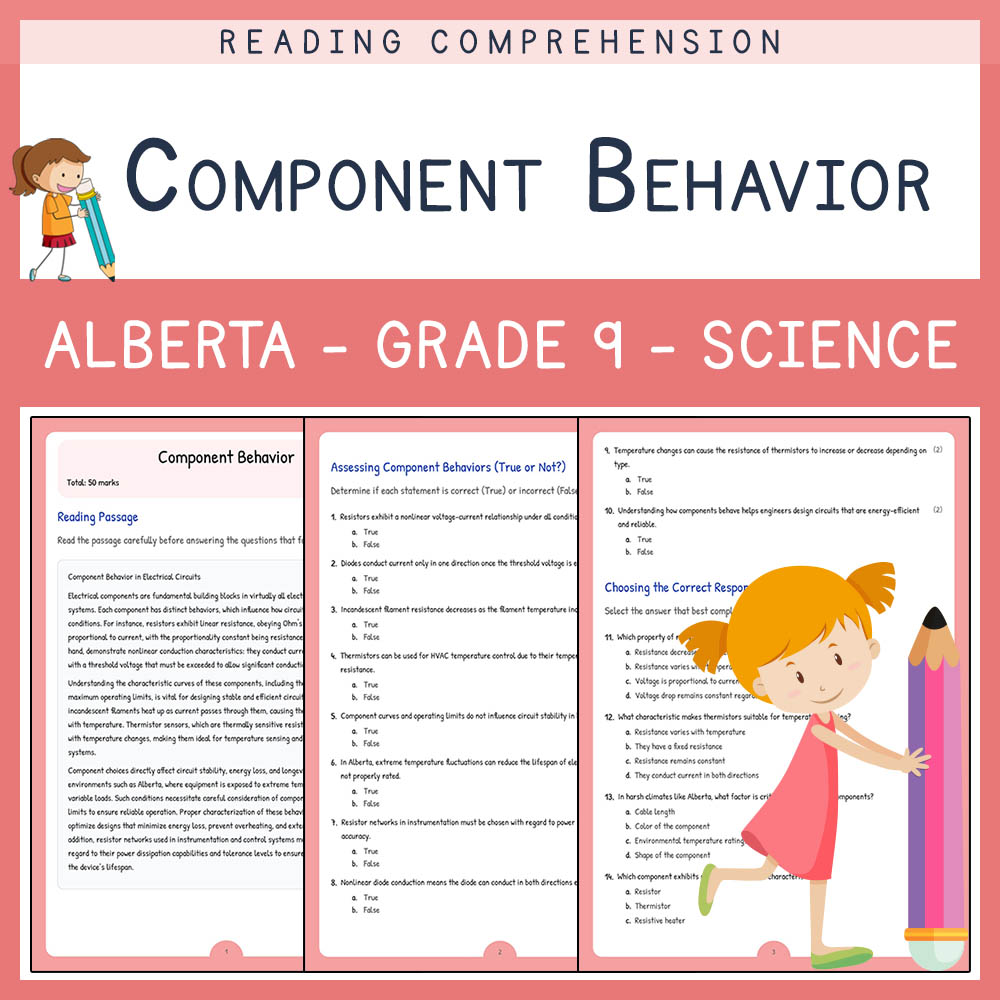
Grade 9 Science | Component Behavior Worksheet | Alberta Standards
Created byLumora LearningLearning Objectives
- Understand how individual electrical components exhibit characteristic behaviors such as resistance and conduction.
- Identify real-world examples of component behaviors like filament heating and thermistor operation.
- Analyze how component curves, power ratings, and operating limits influence circuit stability and energy efficiency.
Instant download
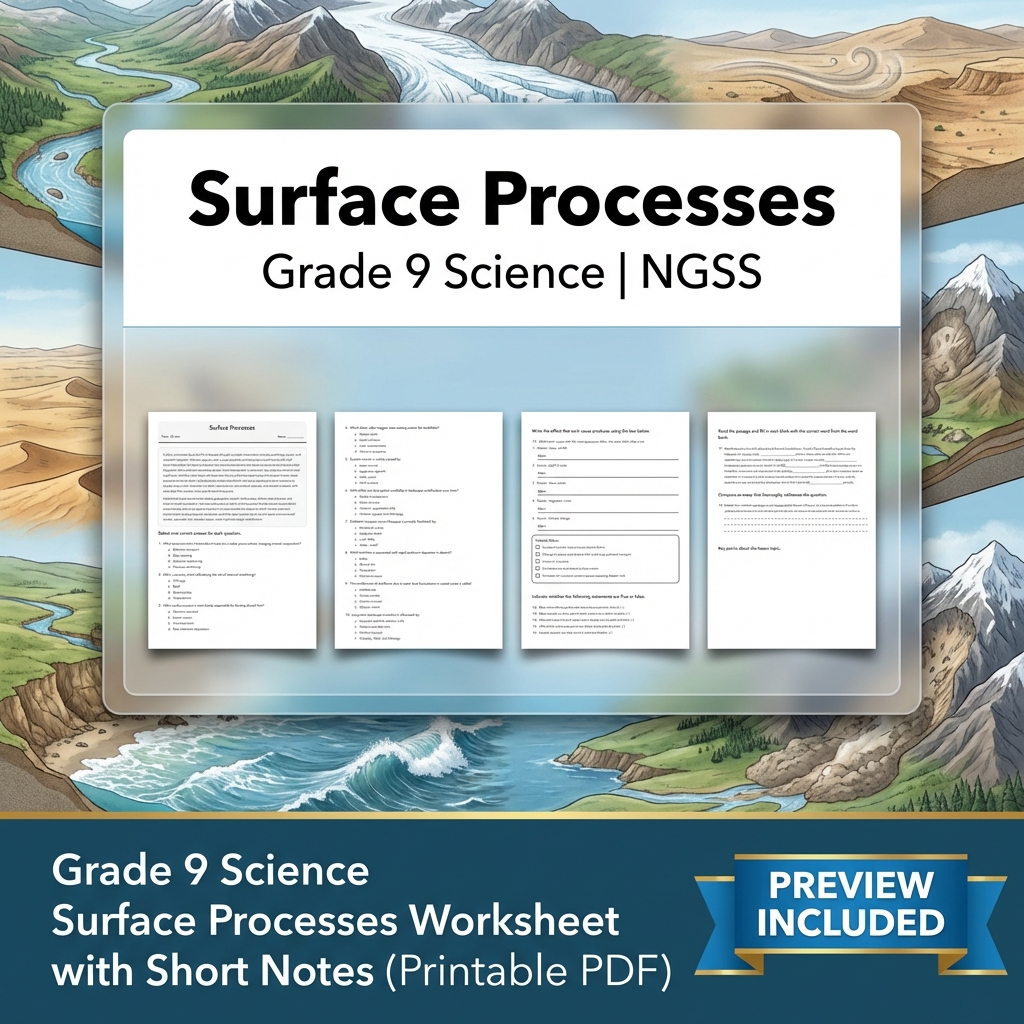
Grade 9 Science Surface Processes Worksheet with Short Notes (Printable PDF)
 Created byMeadowlark Worksheets
Learning Objectives
- Understand the rates and patterns of surface processes such as weathering, mass wasting, and sediment transport.
- Analyze how climatic, geologic, and topographic factors influence surface modification.
- Evaluate examples of geomorphic change like alluvial fan formation and coastal erosion.
Also included in: Grade 9 Science | Earth's Systems Unit Bundle NGSS 7 Worksheets (Resource Pack) +1 more
Instant download

Grade 9 Chemistry Element Identity Worksheet | Symbols, Protons & Models
 Created byChalk and Compass
Learning Objectives
- Explain how an element’s identity is determined by its number of protons.
- Use atomic symbols to identify and compare representative elements.
- Describe how atomic models represent atomic identity using symbols and atomic mass.
Also included in: Matter and Chemical Change - Grade 9 Bundle +1 more
Instant download
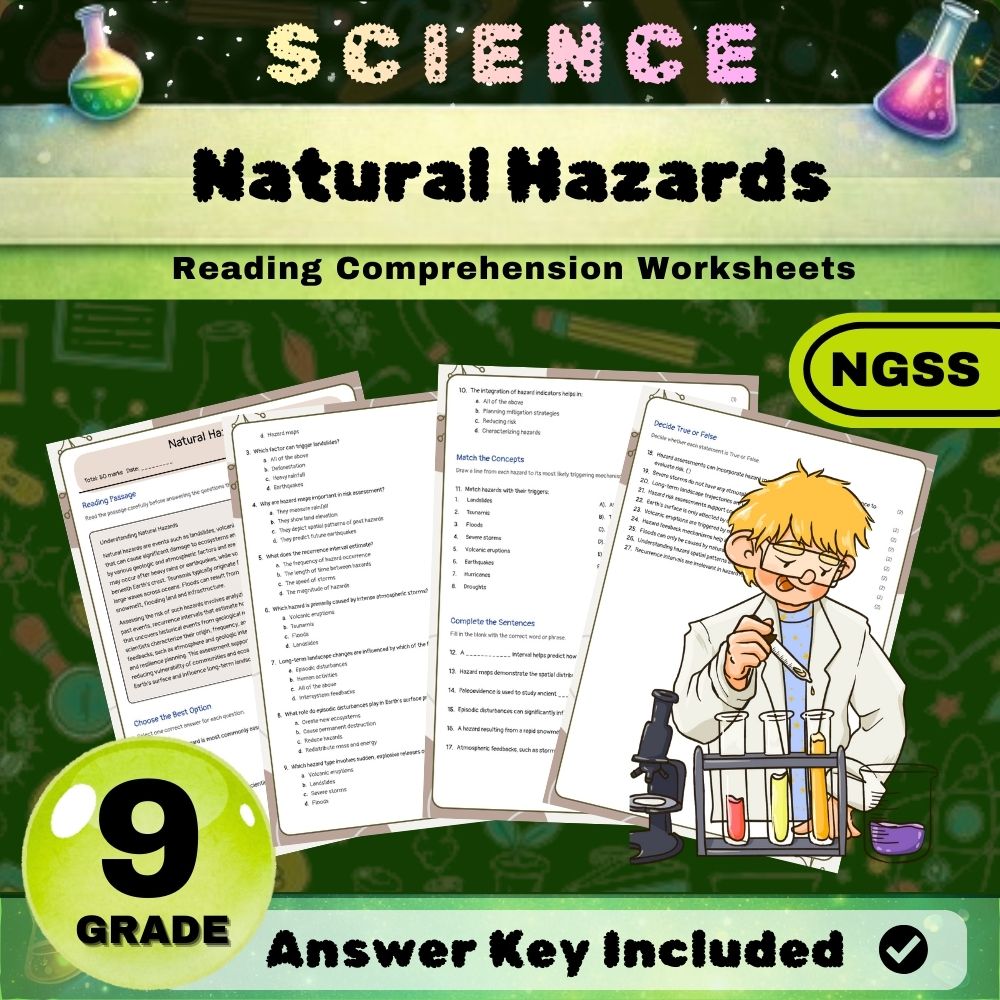
Grade 9 Science | Natural Hazards Worksheet (NGSS) Practice Set (PDF)
 Created byMaple Path Learning
Learning Objectives
- Identify different types of natural hazards and their causes.
- Analyze how geologic and atmospheric indicators are used to assess hazards.
- Evaluate the impacts of hazards on human and ecological systems.
Also included in: Grade 9 Science | Earth's Systems NGSS Unit Bundle (NGSS-Aligned Instruction) +1 more
Instant download
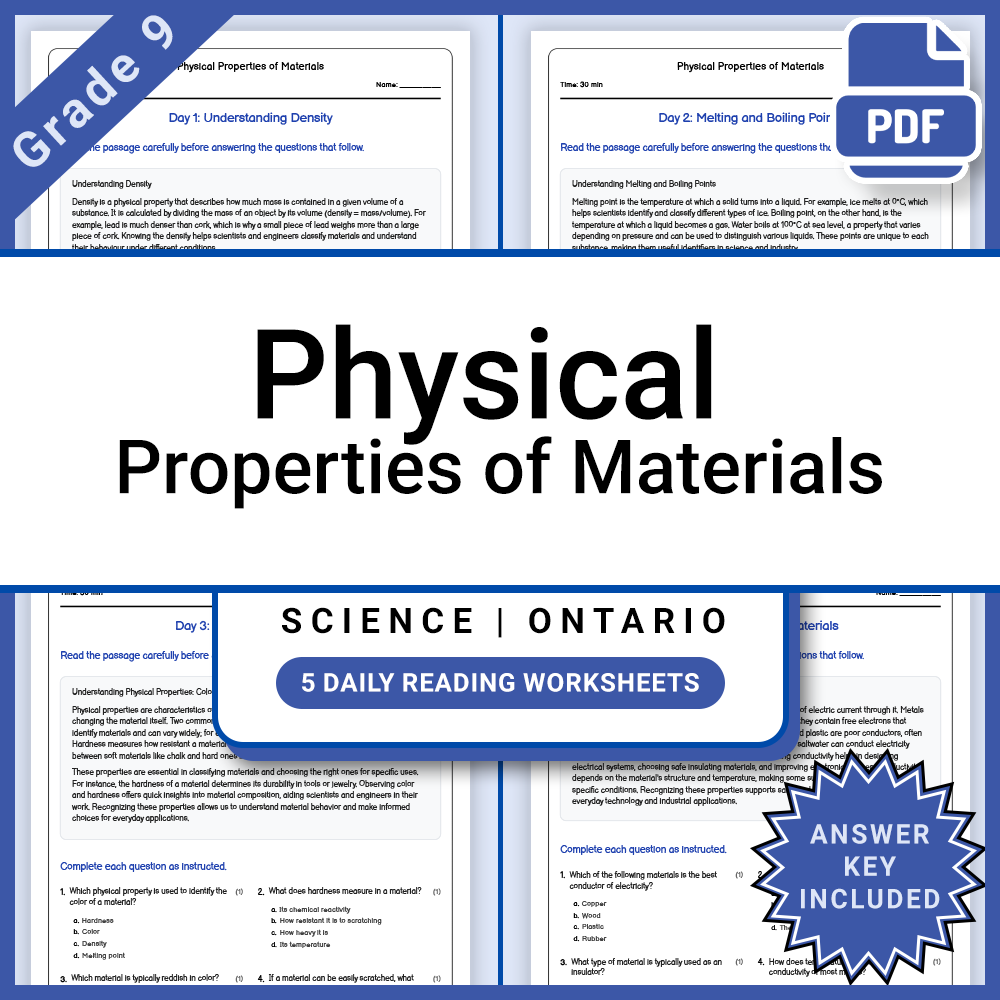
Grade 9 Science – Physical Properties of Materials Worksheet + Answer Key
JCreated byJ.S SheetsLearning Objectives
- Define physical properties and understand their significance.
- Identify and compare the density of different materials.
- Distinguish between intensive and extensive properties.
Also included in: Grade 9 Science Lesson Group: Ontario Curriculum Daily Reading Worksheets +1 more
Instant download

Grade 9 Science – Cell Organelles & Interactions | Daily Reading Worksheet
 Created byBright Mind Resources
Learning Objectives
- Identify the roles of the nucleus and rough endoplasmic reticulum in protein production.
- Explain how organelles like the nucleus and ER work together during cellular processes.
- Describe the pathway of genetic information flow within a cell related to protein synthesis.
Also included in: Grade 9 Cell Structure Science Daily Reading Lesson Bundle | TEKS +2 more
Instant download
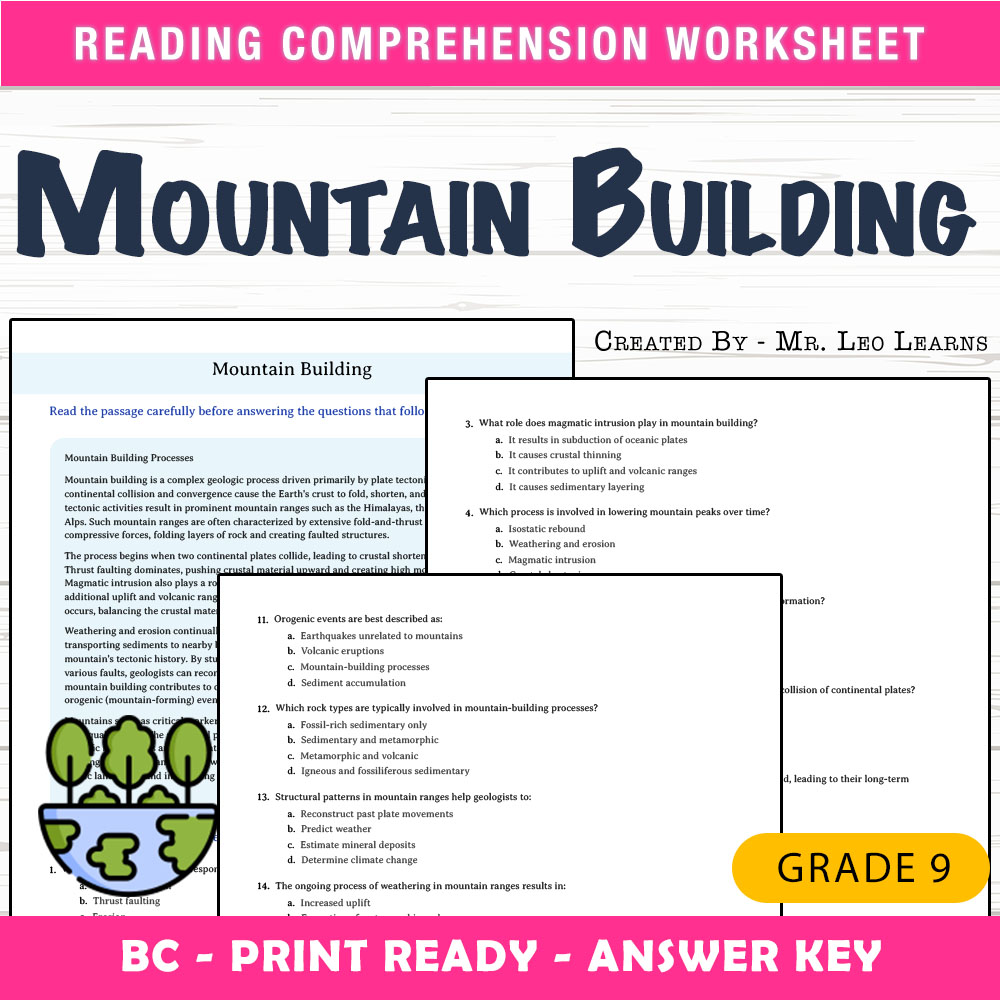
Grade 9 Science — Worksheet MCQ Paper for Mastering Mountain Building
 Created byThe Resource Hub
Learning Objectives
- Understand the processes involved in mountain formation such as plate convergence and crustal deformation.
- Identify different structural features associated with mountain building, including faults and fold belts.
- Explain how weathering and erosion shape mountain landscapes over time.
Also included in: Grade 9 Science | Earth and Space Systems Unit Worksheet Bundle (BC Framework) +1 more
Instant download

Grade 9 Science – Argument Structures Worksheet (AP Standards) (PDF)
 Created byEvergreen Desk Education
Learning Objectives
- Construct a scientific argument using a claim-evidence-reasoning (CER) structure with clear logical links.
- Evaluate scientific arguments by checking coherence, relevance, and how well evidence supports claims.
- Use quantitative evidence, model comparisons, and uncertainty/limitations to judge argument strength.
Also included in: Grade 9 Scientific Reasoning & Uncertainty in Science Lesson Bundle AP +1 more
Instant download

Cardiovascular Transport Worksheets: Capillary Exchange Grade 9
 Created byPrism Point Learning
Learning Objectives
- Explain how the heart and vessels transport materials
- Describe how pressure differences drive blood flow
- Compare filtration and reabsorption in capillaries
Also included in: Grade 9 Science Lesson Bundle: Human Homeostasis & Cell Systems | Ontario +1 more
Instant download
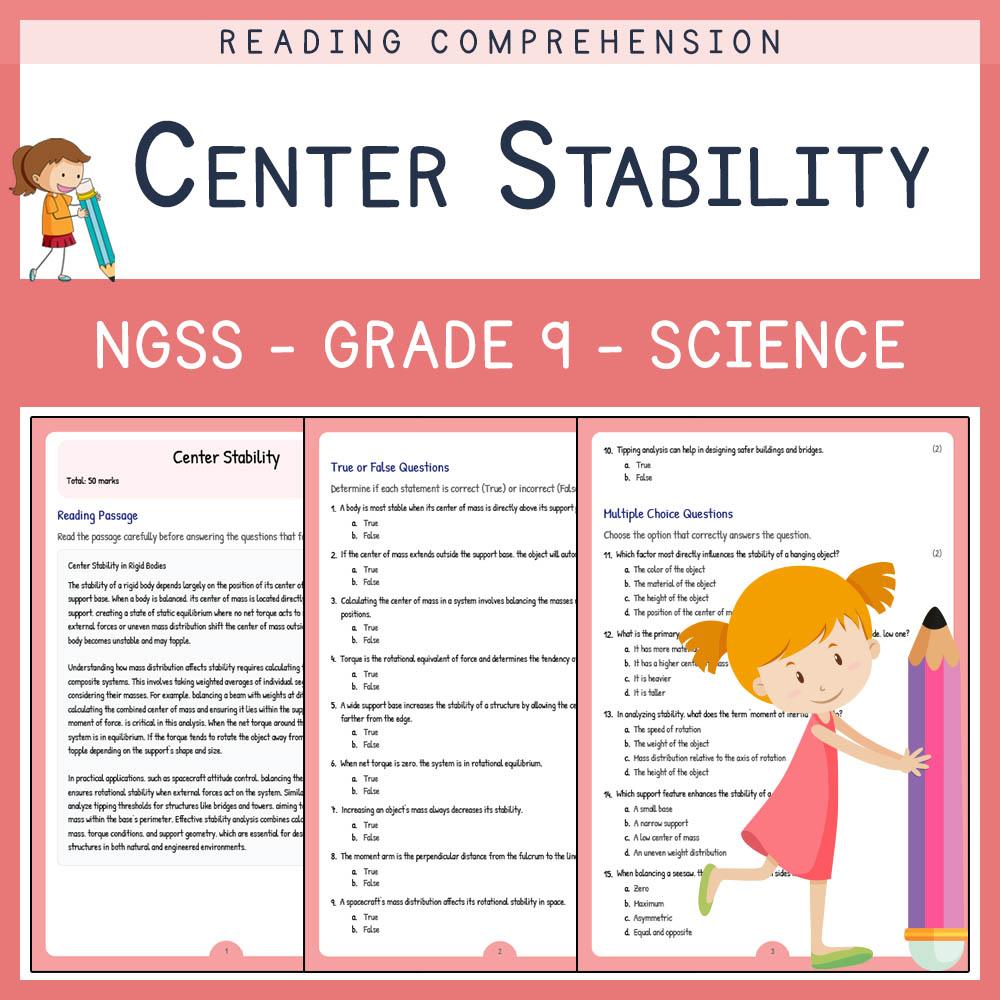
Grade 9 Science | Center Stability Worksheet (PDF + Answer Key) NGSS Aligned
Created byLumora LearningLearning Objectives
- Understand the concept of center of mass and how it affects an object's stability.
- Apply torque and equilibrium principles to analyze static systems.
- Calculate the moments and tipping thresholds for various rigid bodies.
Also included in: Grade 9 Science | Force & Motion Unit Worksheet Pack (NGSS-Aligned)
Instant download
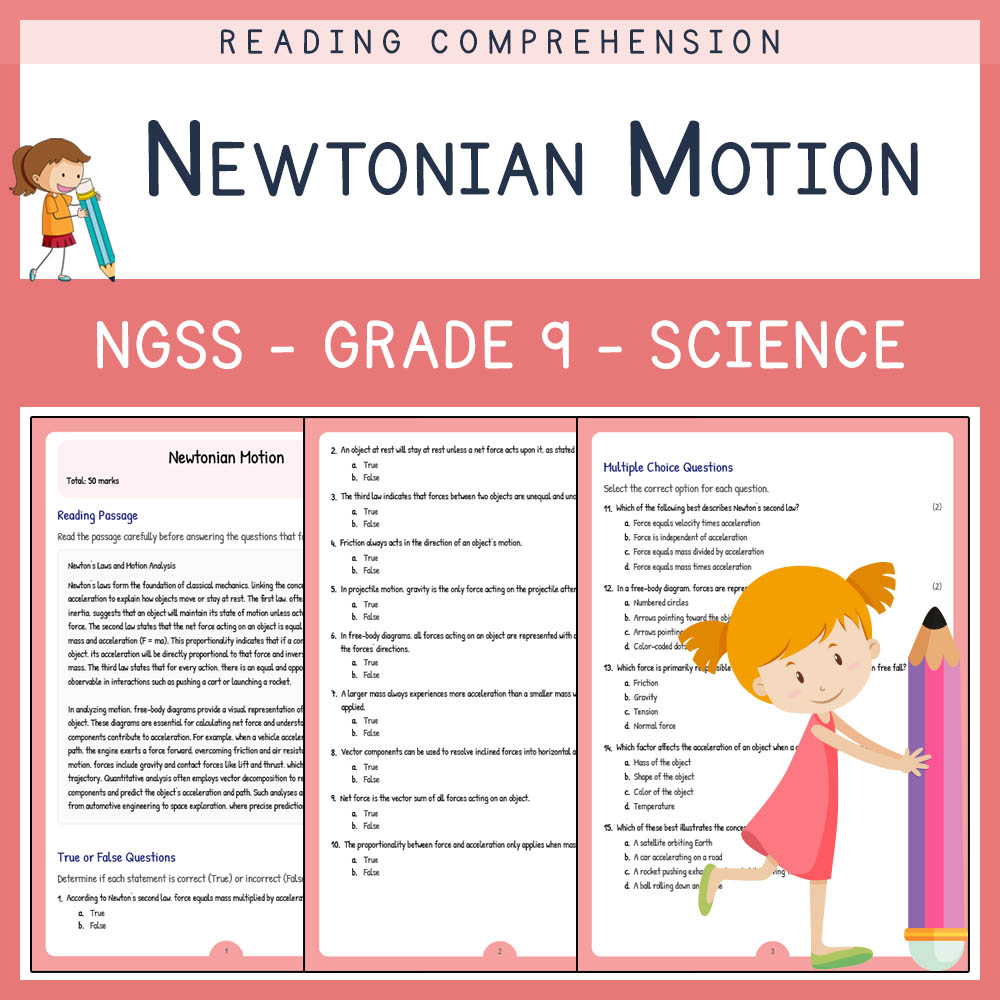
Grade 9 Science | Newtonian Motion Worksheet (PDF + Answer Key Included)
Created byLumora LearningLearning Objectives
- Understand the fundamental principles of Newton's laws of motion and how they relate to force, mass, and acceleration.
- Apply free-body diagrams and vector components to analyze forces acting on objects in motion.
- Solve quantitative problems involving acceleration and trajectories using force analysis.
Also included in: Grade 9 Science | Force & Motion Unit Worksheet Pack (NGSS-Aligned)
Instant download
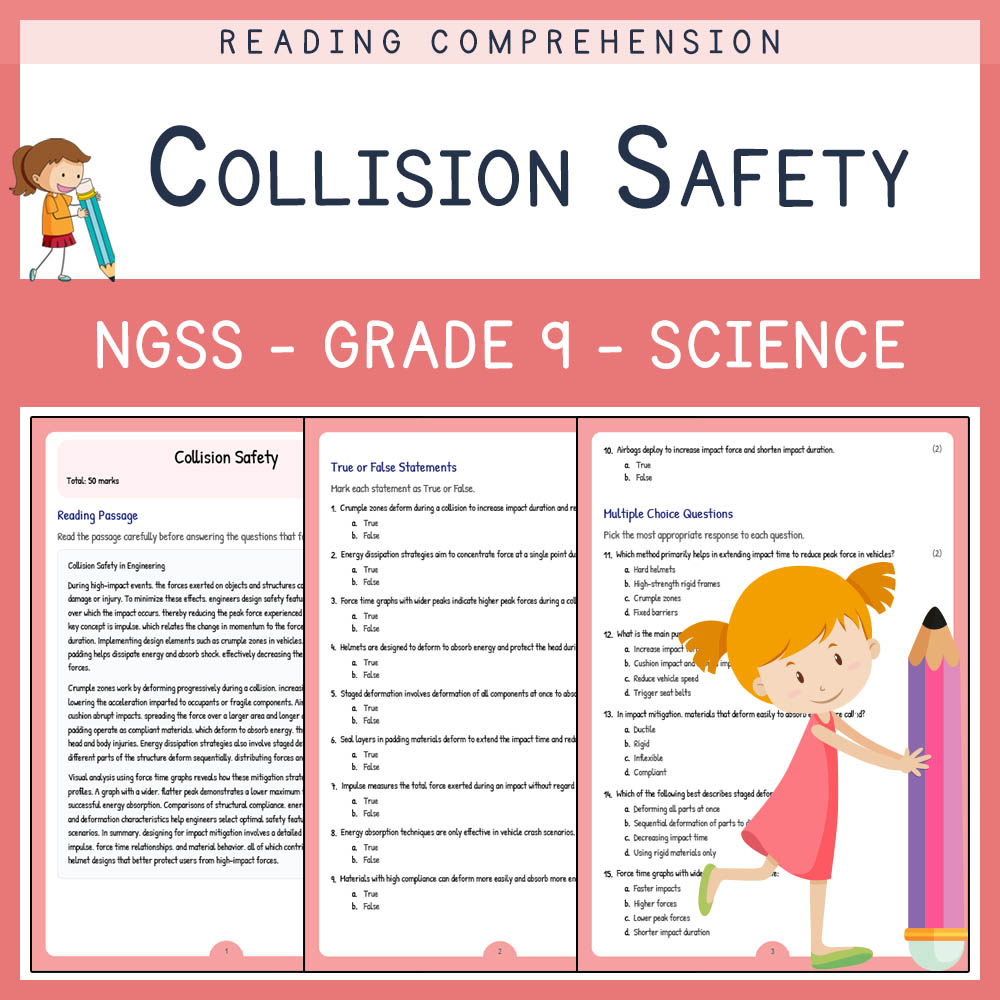
Grade 9 Science | Collision Safety Worksheet (PDF + Answer Key) | NGSS Alignment
Created byLumora LearningLearning Objectives
- Understand the principles of impulse and force-time relationships in collision safety.
- Identify design strategies such as crumple zones, airbags, and padding to reduce peak forces during impacts.
- Analyze force‑time graphs to evaluate impact mitigation methods.
Also included in: Grade 9 Science | Force & Motion Unit Worksheet Pack (NGSS-Aligned)
Instant download
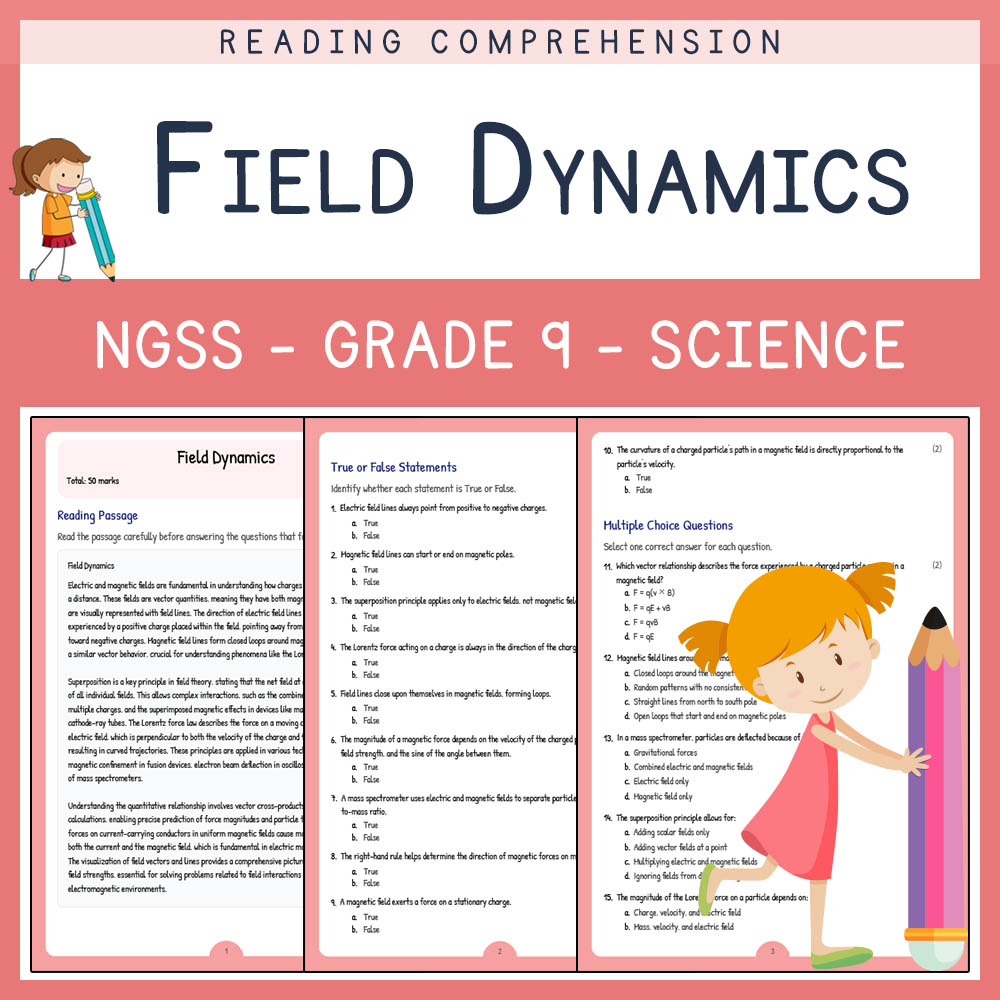
Grade 9 Science | Field Dynamics Worksheet & Answer Key (NGSS-Aligned)
Created byLumora LearningLearning Objectives
- Describe the vector nature of electric and magnetic fields and how they interact with charges.
- Explain the concept of superposition in electric and magnetic fields.
- Apply the principles of Lorentz force to predict particle motion in combined electric and magnetic fields.
Also included in: Grade 9 Science | Force & Motion Unit Worksheet Pack (NGSS-Aligned)
Instant download
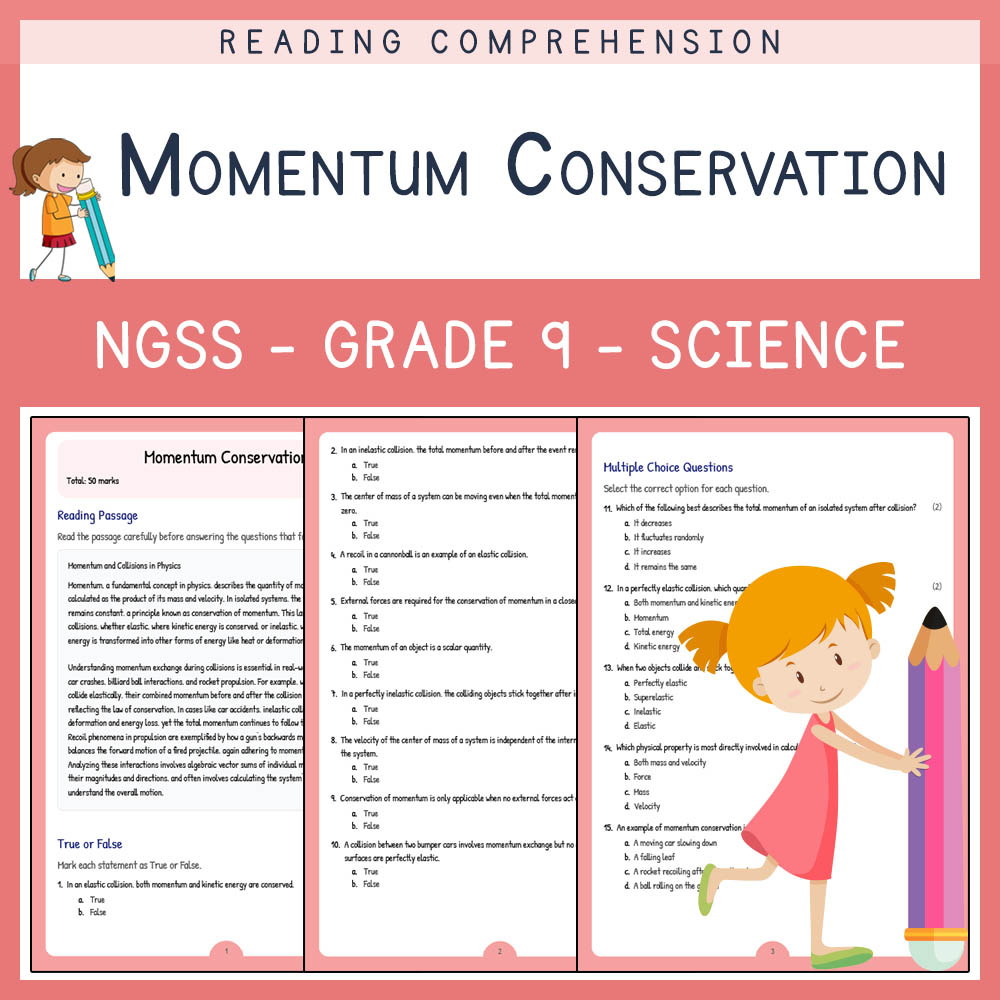
Grade 9 Science | Momentum Conservation Worksheet with Answer Key (PDF)
Created byLumora LearningLearning Objectives
- Explain the principle of conservation of linear momentum in isolated systems.
- Differentiate between elastic and inelastic collisions using vector sums.
- Calculate total momentum before and after interactions in given scenarios.
Also included in: Grade 9 Science | Force & Motion Unit Worksheet Pack (NGSS-Aligned)
Instant download
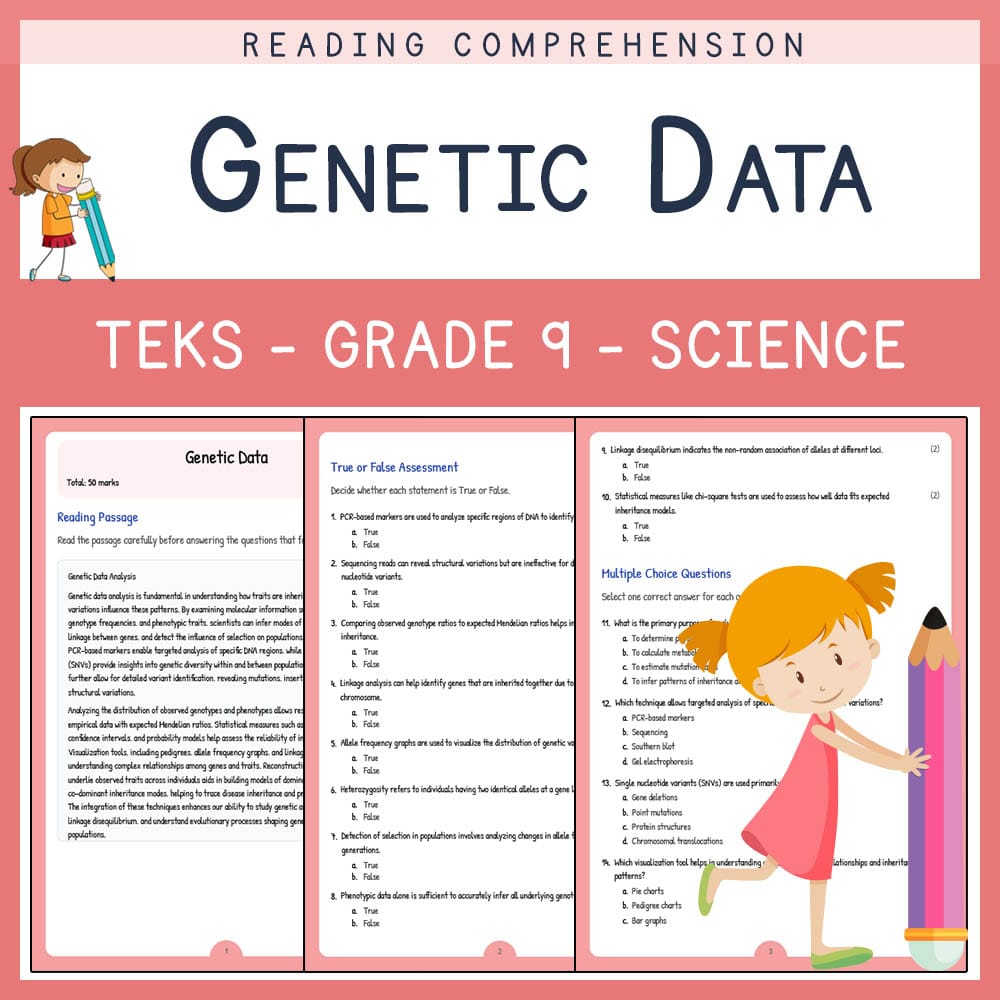
Grade 9 Science | Genetic Data Worksheet | TEKS Aligned
Created byLumora LearningLearning Objectives
- Interpret molecular and phenotypic information to analyze genetic inheritance patterns.
- Apply techniques such as genotype and phenotype frequency analysis, PCR, SNPs, and sequencing to identify genetic variants.
- Compare observed data with expected inheritance ratios or family patterns to detect linkage, heterozygosity, or selection.
Also included in: Grade 9 Science | Genetics & Biotechnology Lesson Bundle | TEKS Aligned
Instant download

Grade 9 Adaptation Mechanisms Worksheet | Science Assessment NGSSS
Created byPrism Point LearningLearning Objectives
- Explain how inherited adaptations increase fitness in a specific environment.
- Describe how natural selection changes allele frequencies in a population over time.
- Differentiate between individual traits and population-level evolutionary change.
Also included in: Grade 9 Evolution, Genetics & Ecology Lesson Bundle | Florida NGSSS
Instant download

Natural Selection Worksheet Grade 9 Science Activity | Evolution NGSSS
Created byPrism Point LearningLearning Objectives
- Explain how inherited variation affects survival and reproduction in a given environment
- Describe how natural selection changes traits in a population over many generations
- Connect fitness to differential survival and reproduction
Also included in: Grade 9 Evolution, Genetics & Ecology Lesson Bundle | Florida NGSSS
Instant download

Food Web Energy Worksheet Grade 9 Science Practice | Ecology NGSSS
Created byPrism Point LearningLearning Objectives
- Explain how energy flows through trophic levels in ecosystems (producers to consumers) and why energy is lost as heat.
- Describe how trophic levels relate to food webs and energy transfer efficiency.
- Compare linear energy chains with interconnected food webs and predict how changes in one species can affect others.
Also included in: Grade 9 Evolution, Genetics & Ecology Lesson Bundle | Florida NGSSS
Instant download

Environmental Health Worksheet Grade 9 | Science Practice & Standards
JCreated byJ.S SheetsLearning Objectives
- Explain how environmental exposures and lifestyle choices can contribute to chronic disease using mechanistic and epidemiological perspectives.
- Describe dose–response relationships and how vulnerability factors influence health outcomes.
- Identify examples of how air, water, chemical toxicants, occupational hazards, and dietary patterns can affect cellular and organ-system functions.
Instant download

Reaction Rates Practice Test Prep Printable | Grade 9 Science
Created byPrism Point LearningLearning Objectives
- Explain how reaction rate relates to collision frequency, activation energy, and reaction pathways using kinetic ideas.
- Use reaction order and rate laws to describe how concentration and temperature affect reaction rate.
- Interpret energy profiles and transition-state concepts to connect molecular events to observable macroscopic rates.
Also included in: Grade 9 Reaction Stoichiometry and Rates Science Lesson Bundle | NGSS
Instant download
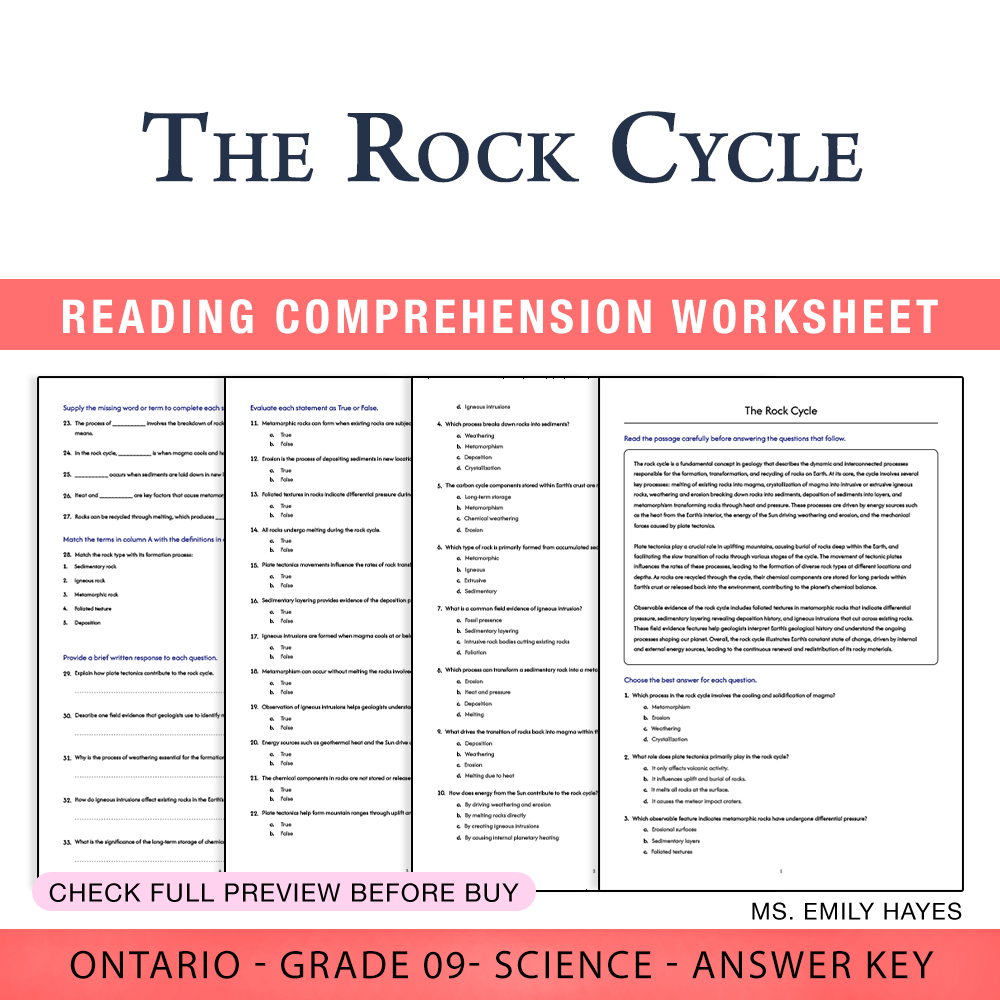
Grade 9 Science | The Rock Cycle Worksheet (PDF + Answer Key)
 Created byCopper Leaf Classroom
Learning Objectives
- Describe the processes involved in the rock cycle, including melting, crystallization, weathering, erosion, deposition, and metamorphism.
- Explain how plate tectonics influence the formation and transformation of rocks within the cycle.
- Identify observable field evidence such as foliated textures, sedimentary layering, and igneous intrusions that indicate rock cycle processes.
Instant download

Grade 9 Science | Rock Transformations - Daily Reading Comprehension
 Created byCoral Reef Learning
Learning Objectives
- Understand the processes involved in the rock cycle, including melting, crystallization, erosion, compaction, and metamorphism.
- Identify the formation pathways of igneous rocks from magma cooling and solidifying.
- Describe how sedimentary rocks are formed through deposition and compaction of sediments.
Instant download
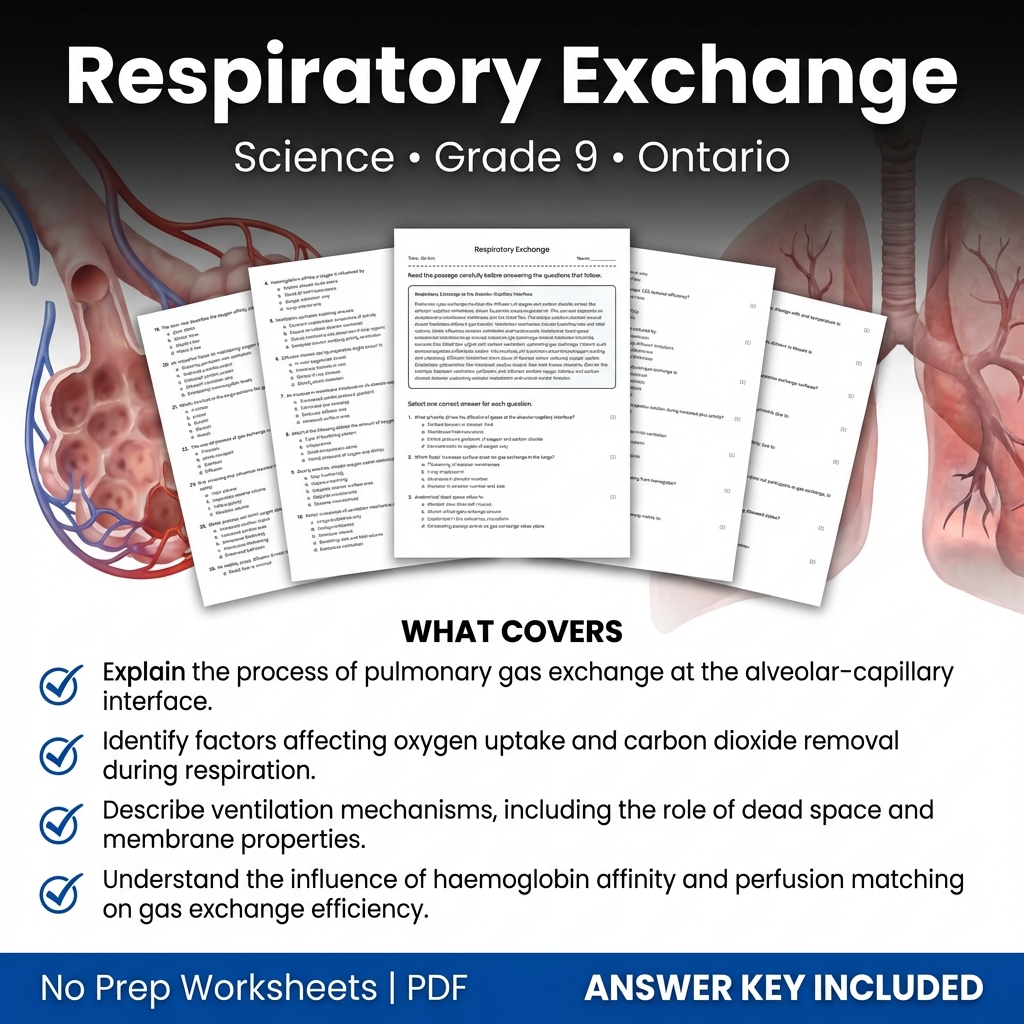
Respiratory Exchange Worksheet for Grade 9 Science | Ontario Standards
Created byCoral Reef LearningLearning Objectives
- Explain the process of pulmonary gas exchange at the alveolar–capillary interface.
- Identify factors affecting oxygen uptake and carbon dioxide removal during respiration.
- Describe ventilation mechanisms, including the role of dead space and membrane properties.
Instant download

Ethical Considerations Worksheet | Grade 9 Science Activities
Created byPrism Point LearningLearning Objectives
- Explain how privacy and consent apply to genetic technologies and why they matter for trust
- Evaluate ethical trade-offs between innovation, public benefit, and potential harms
- Identify how labelling, policy, and stakeholder dialogue can support responsible use of genetic science
Instant download
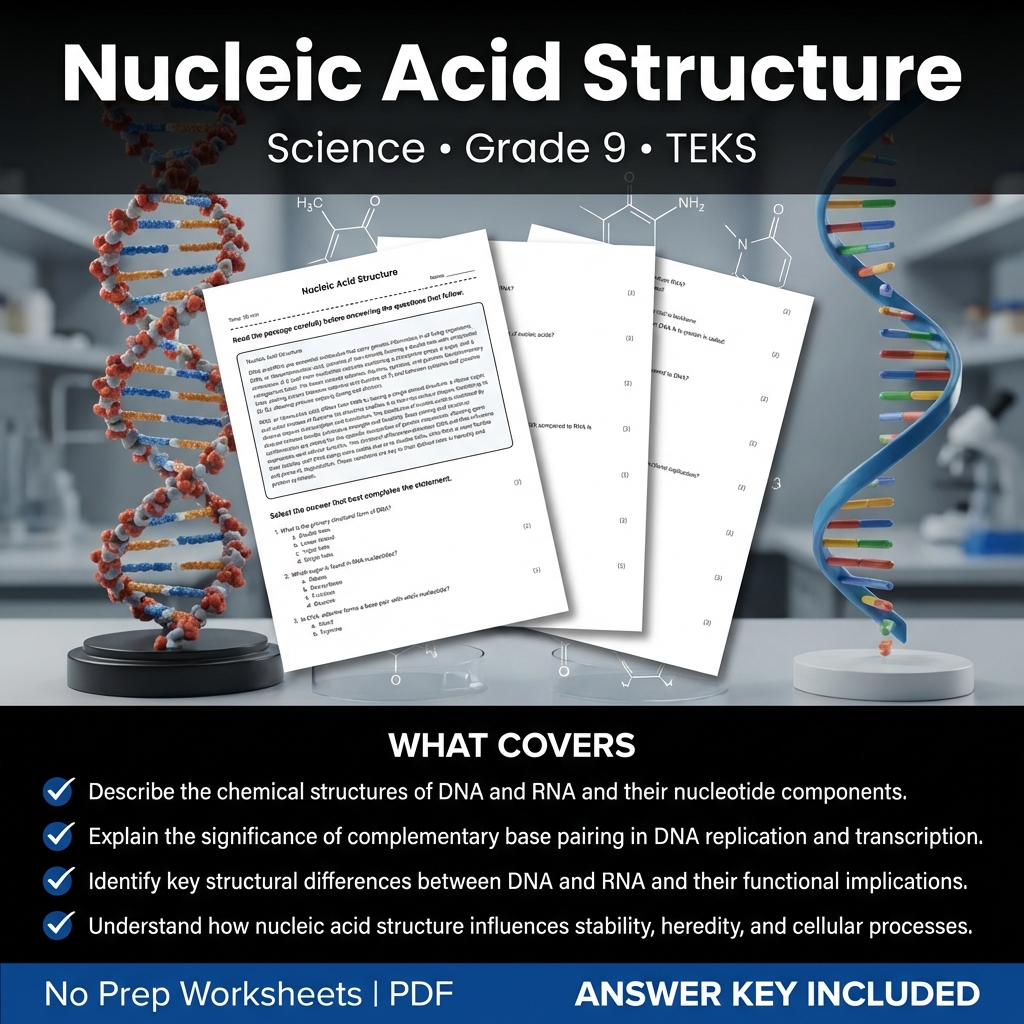
Grade 9 Science Worksheet on Nucleic Acid Structure | TEKS Aligned
Created byCoral Reef LearningLearning Objectives
- Describe the chemical structures of DNA and RNA and their nucleotide components.
- Explain the significance of complementary base pairing in DNA replication and transcription.
- Identify key structural differences between DNA and RNA and their functional implications.
Instant download
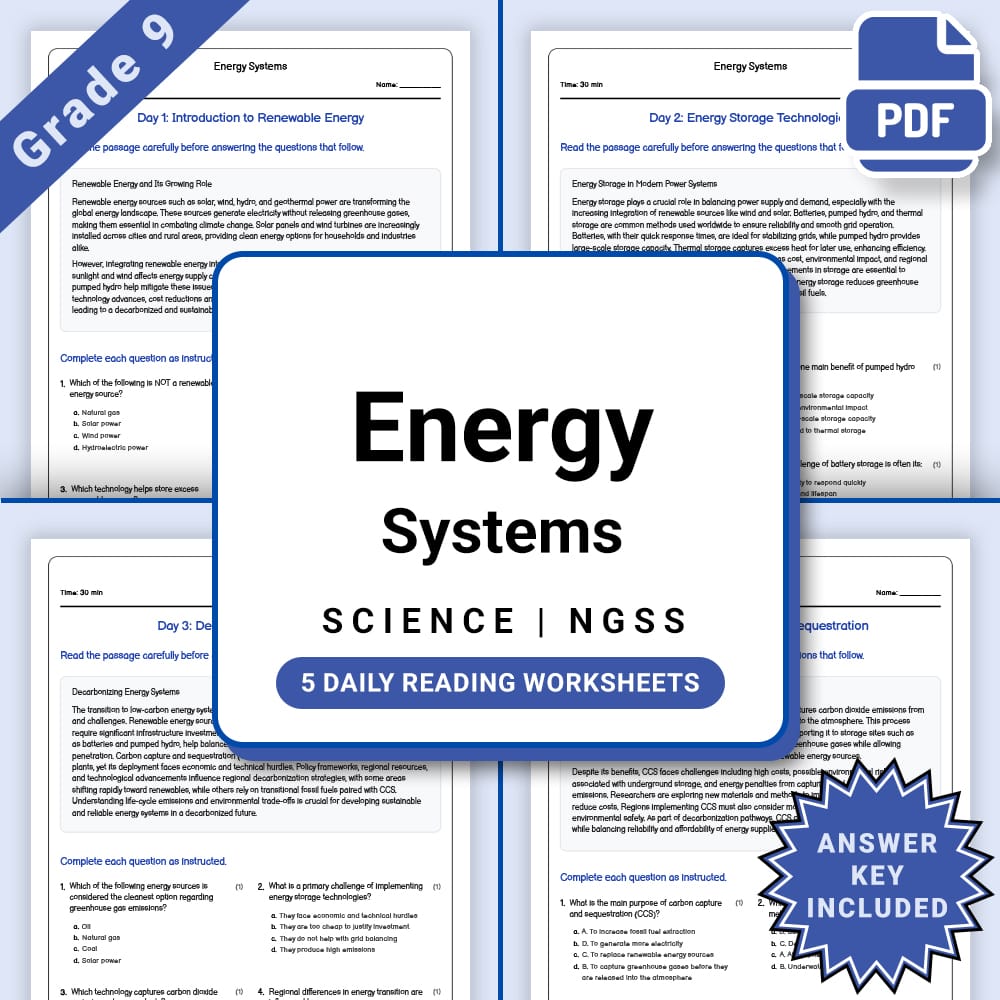
Grade 9 Science – Energy Systems Daily Worksheet(PDF + Answer Key)
Created byCopper Leaf ClassroomLearning Objectives
- Understand different types of renewable energy sources
- Learn about the role of energy transition in reducing greenhouse emissions
- Explore the concepts of energy storage, grid capacity, and carbon sequestration
Instant download
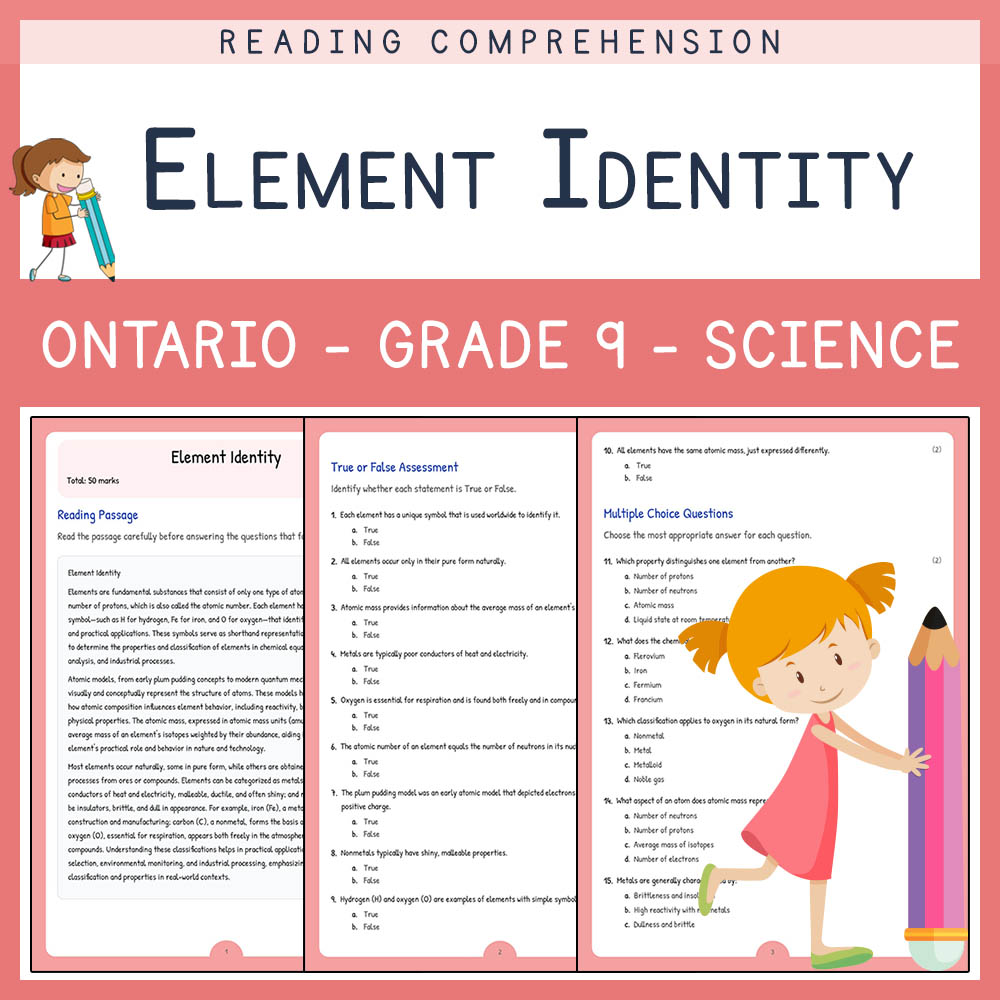
Grade 9 Science Assessment | Element Identity Worksheet Elena | Ontario Standard
Created byLumora LearningLearning Objectives
- Understand the defining properties of elements based on proton count and chemical symbols.
- Explain how atomic models represent atomic identity and classification.
- Identify the significance of atomic mass, symbolic notation, and element classification in practical applications.
Instant download

Grade 9 Science – Spheres Connectivity & Environmental Systems | Worksheet
Created byBright Mind ResourcesLearning Objectives
- Understand the interactions among geosphere, hydrosphere, atmosphere, and biosphere.
- Describe material and energy exchanges between Earth's spheres.
- Use conceptual models and diagrams to explain coupled environmental phenomena.
Also included in: Grade 9 Earth Systems Science Daily Reading Worksheets Lesson Bundle | AP +2 more
Instant download

Energy Molecules Worksheet | Grade 9 Science | TEKS Aligned Practice
JCreated byJ.S SheetsLearning Objectives
- Describe ATP’s structure and explain how phosphate bonds relate to energy storage
- Explain how ATP hydrolysis releases energy and how that energy powers cellular work
- Analyze how phosphorylation regenerates ATP and couples energy-yielding and energy-consuming processes
Instant download
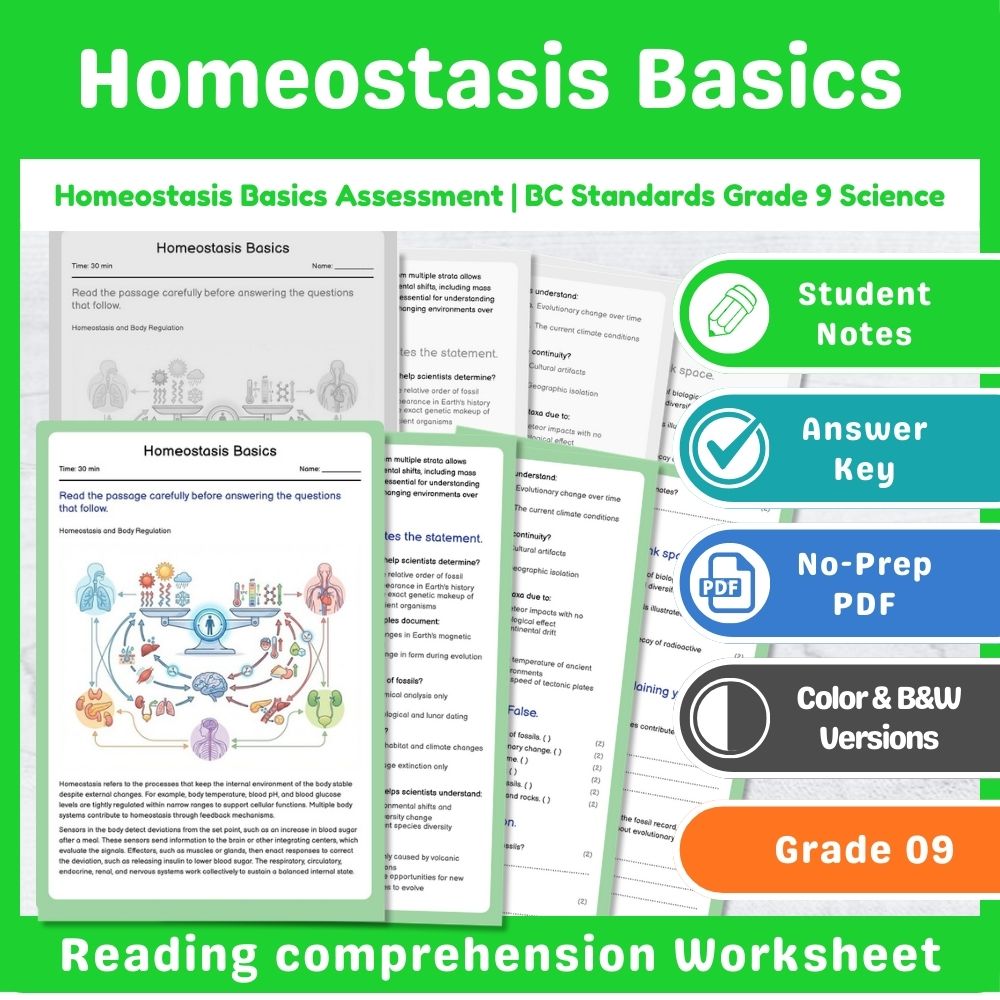
Homeostasis Basics Assessment | BC Standards Grade 9 Science
Created byPrism Point LearningLearning Objectives
- Define homeostasis and its importance in maintaining internal body conditions.
- Identify the components involved in feedback mechanisms that regulate homeostasis.
- Describe the roles of various body systems, including respiratory, circulatory, endocrine, renal, and nervous systems, in homeostasis.
Instant download
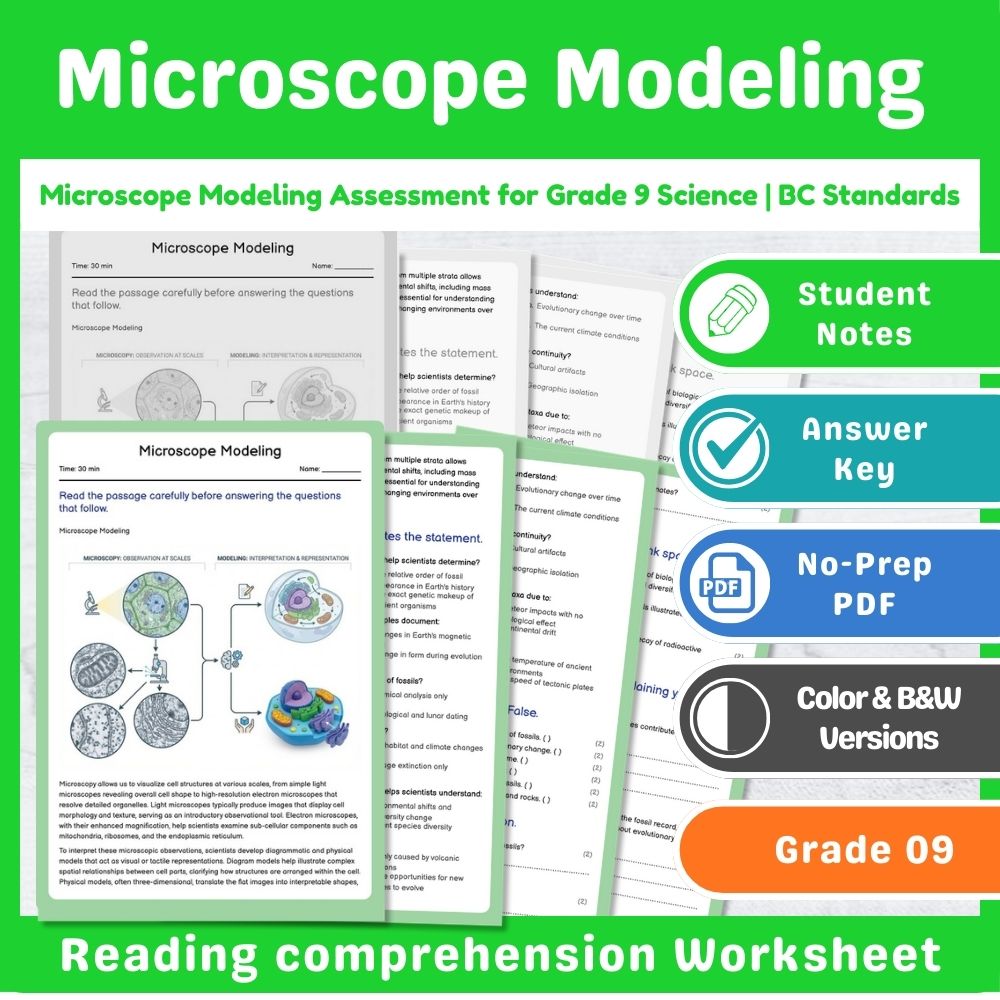
Microscope Modeling Assessment for Grade 9 Science | BC Standards
Created byPrism Point LearningLearning Objectives
- Understand how different microscope models reveal structural details of cells.
- Identify the role of diagrammatic and physical models in microscopy.
- Explain the importance of size, scale, and spatial relationships in cellular understanding.
Instant download
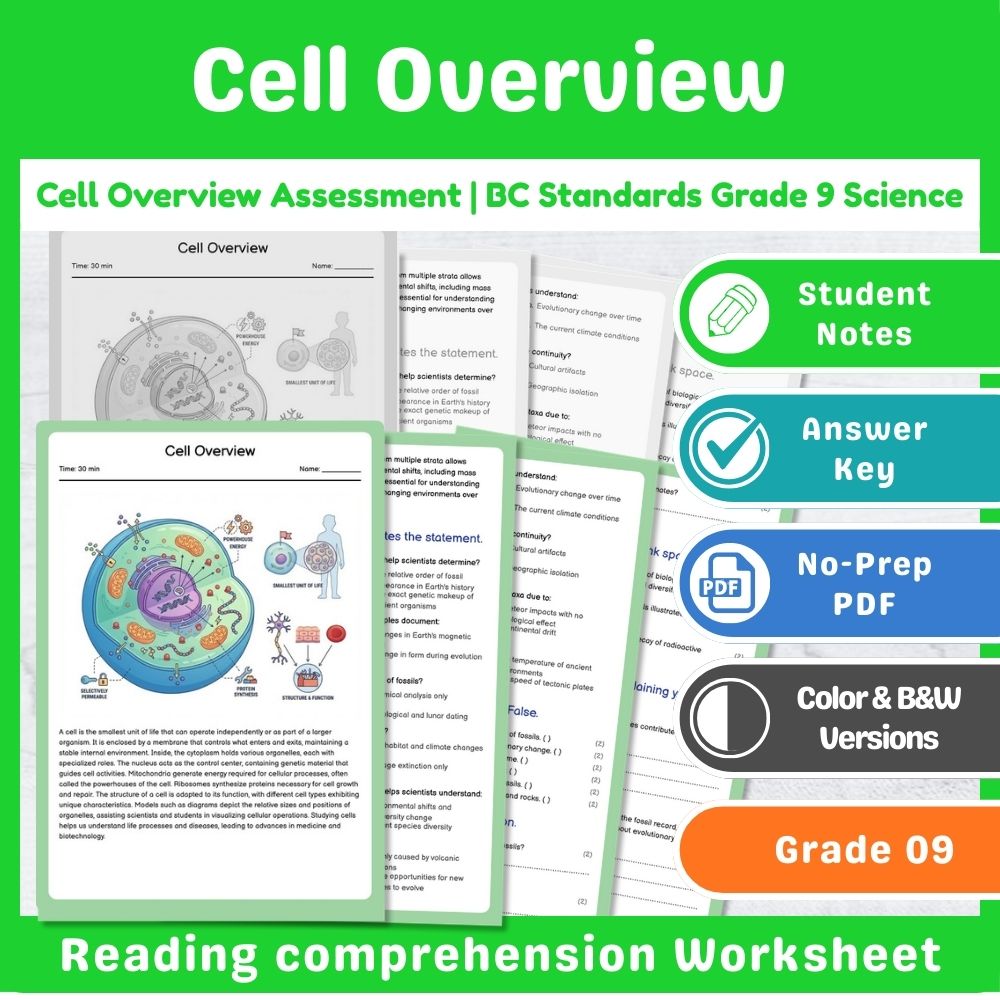
Cell Overview Assessment | BC Standards Grade 9 Science
Created byPrism Point LearningLearning Objectives
- Understand the basic structure and function of cells as the fundamental units of life.
- Identify key organelles within a cell and their specific roles.
- Explain how cellular structure relates to its function through models like diagrams and 3D representations.
Instant download
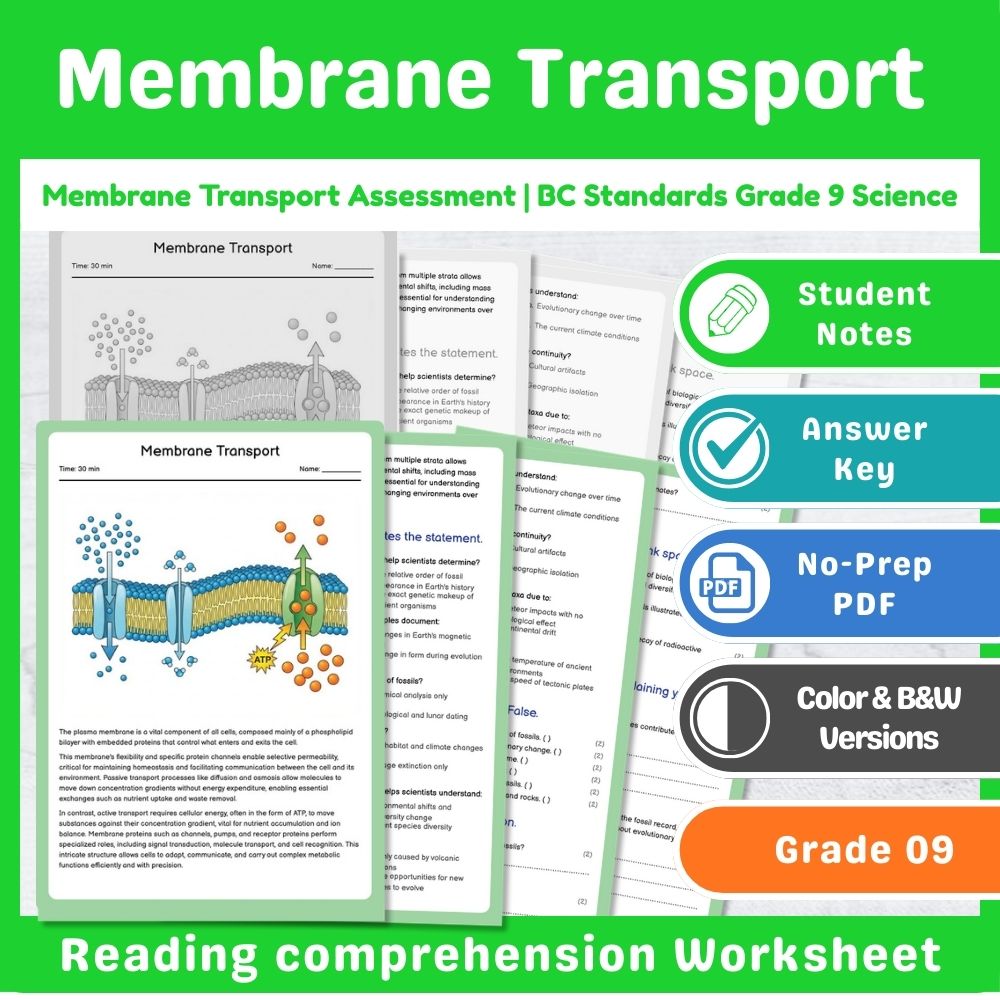
Membrane Transport Assessment | BC Standards Grade 9 Science
Created byPrism Point LearningLearning Objectives
- Describe the structure of the plasma membrane and its role in regulating material exchange.
- Differentiate between passive and active transport processes across cell membranes.
- Identify various membrane proteins involved in transport and communication.
Instant download
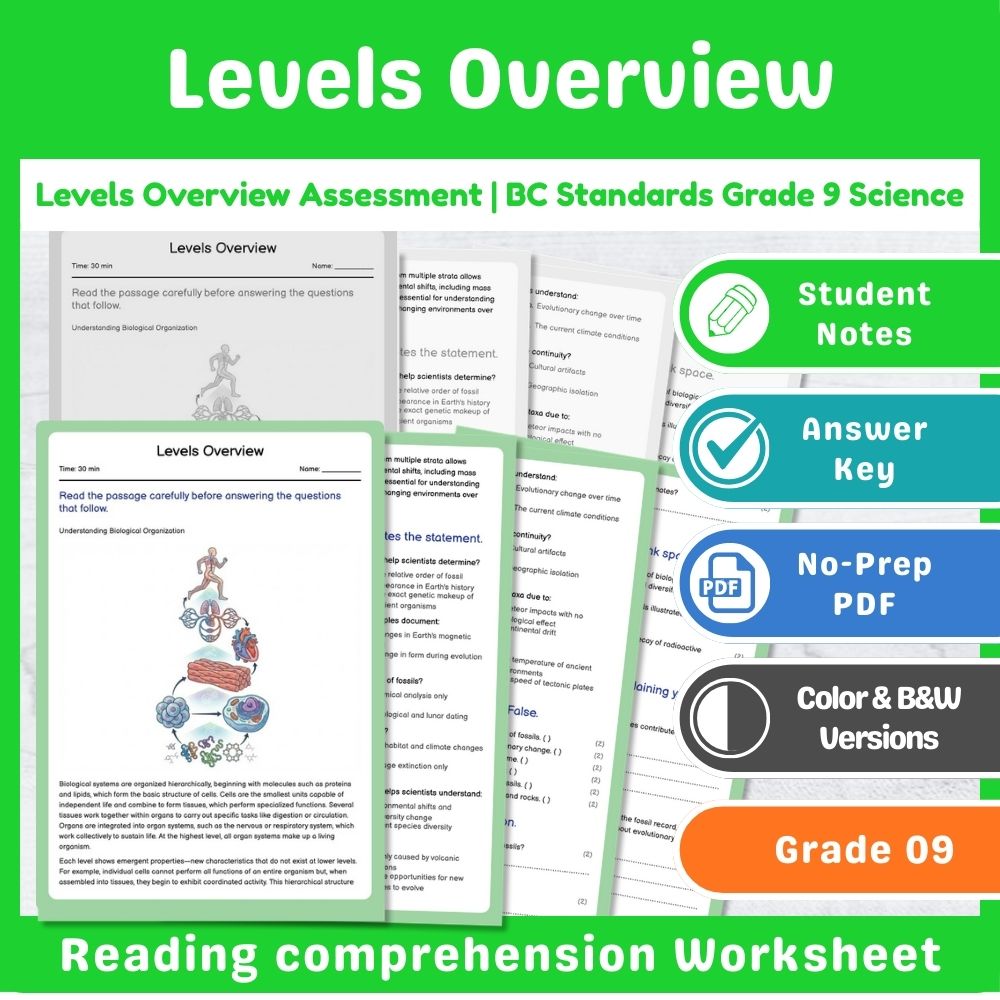
Levels Overview Assessment | BC Standards Grade 9 Science
Created byPrism Point LearningLearning Objectives
- Describe the hierarchical levels of biological organization from molecules to organisms.
- Explain the concept of emergent properties at each biological level.
- Understand how components assemble hierarchically to form complex biological systems.
Instant download
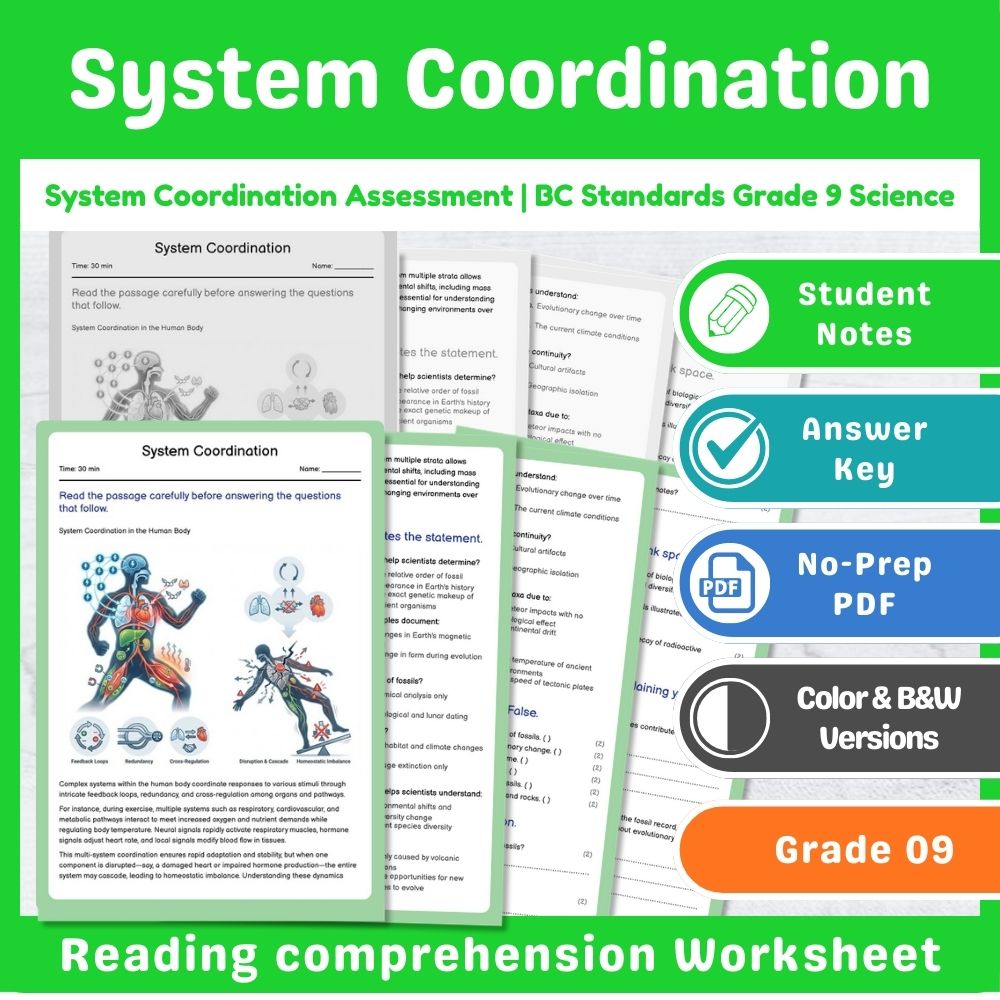
System Coordination Assessment | BC Standards Grade 9 Science
Created byPrism Point LearningLearning Objectives
- Understand how feedback loops, redundancy, and cross-regulation contribute to complex system coordination.
- Explain how multiple organ systems work together during exercise to maintain homeostasis.
- Identify the effects of disruptions in system components on overall organism health.
Instant download
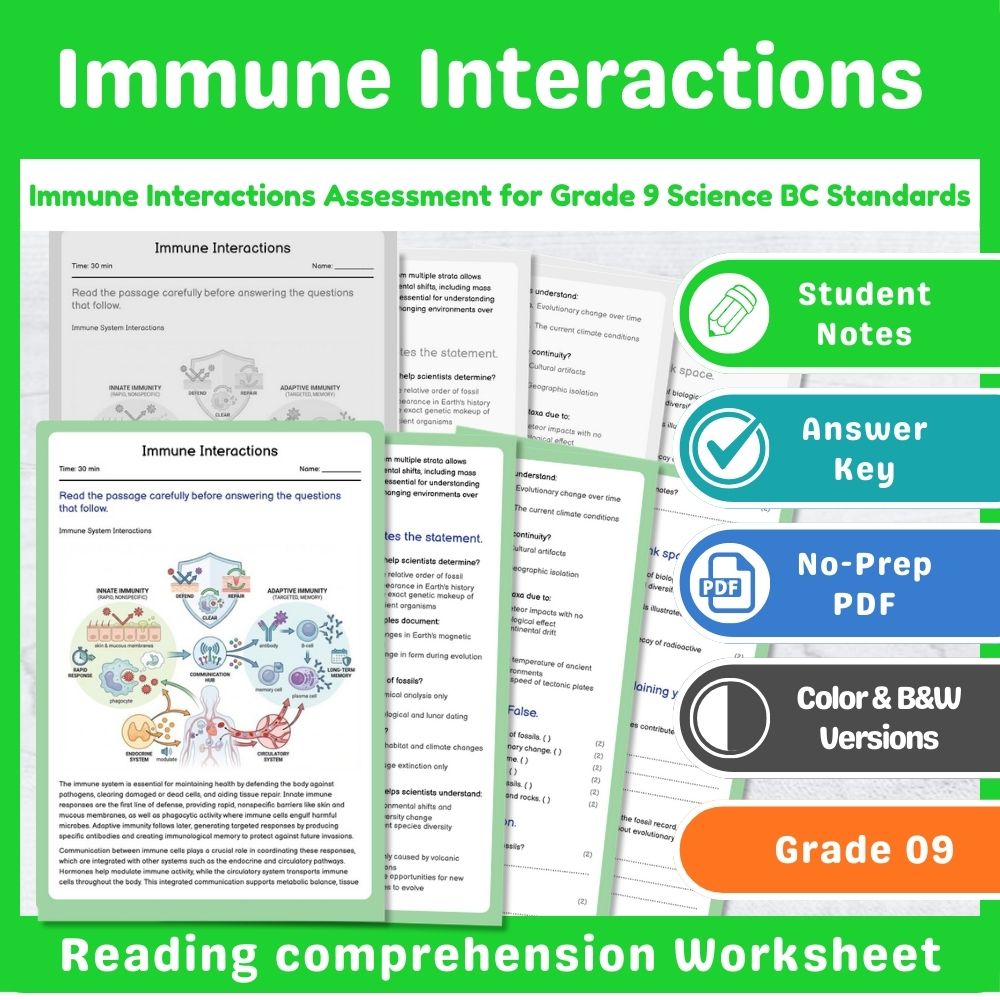
Immune Interactions Assessment for Grade 9 Science BC Standards
Created byPrism Point LearningLearning Objectives
- Explain the roles of innate and adaptive immunity in protecting the body.
- Describe how immune responses coordinate with other systems to maintain homeostasis.
- Identify key components and functions of the immune system.
Instant download
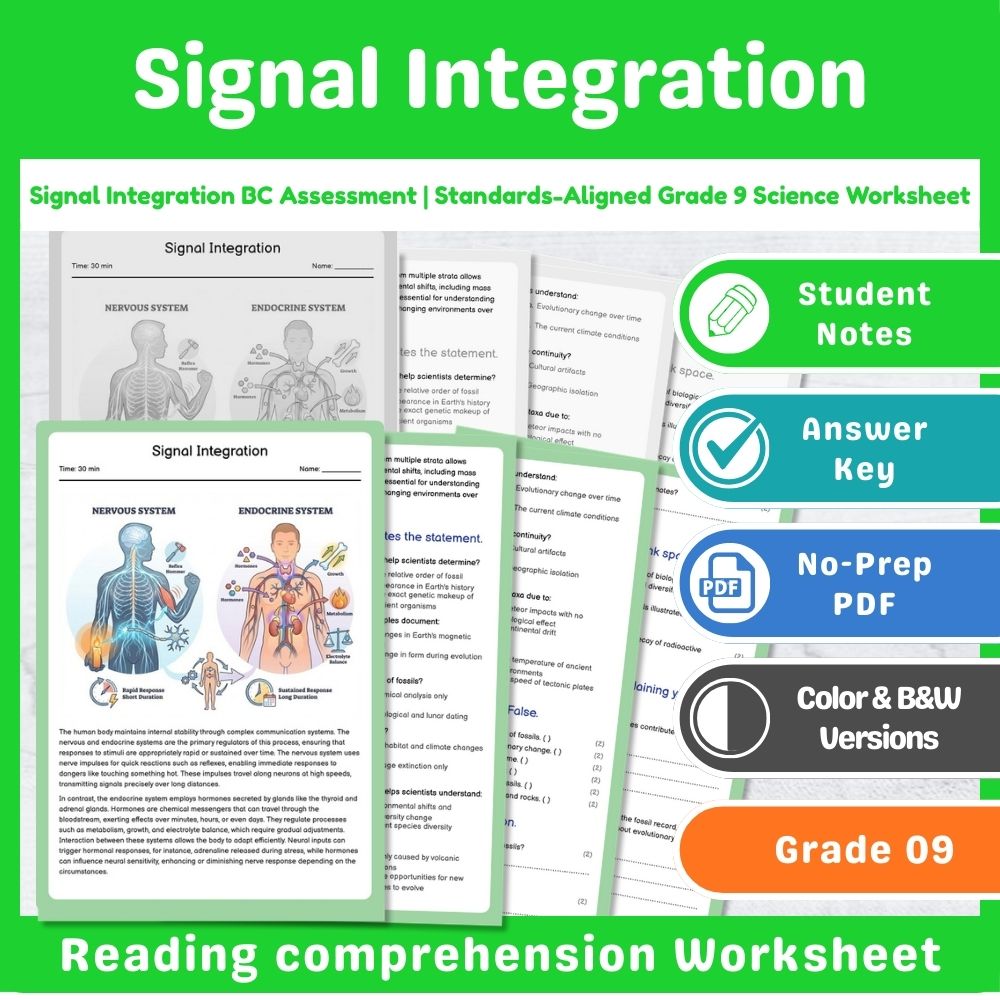
Signal Integration BC Assessment | Standards-Aligned Grade 9 Science Worksheet
Created byPrism Point LearningLearning Objectives
- Understand how the nervous and endocrine systems coordinate responses to stimuli.
- Explain the roles of nerve impulses and hormones in homeostasis.
- Analyze the interaction between neural signals and hormonal responses.
Instant download
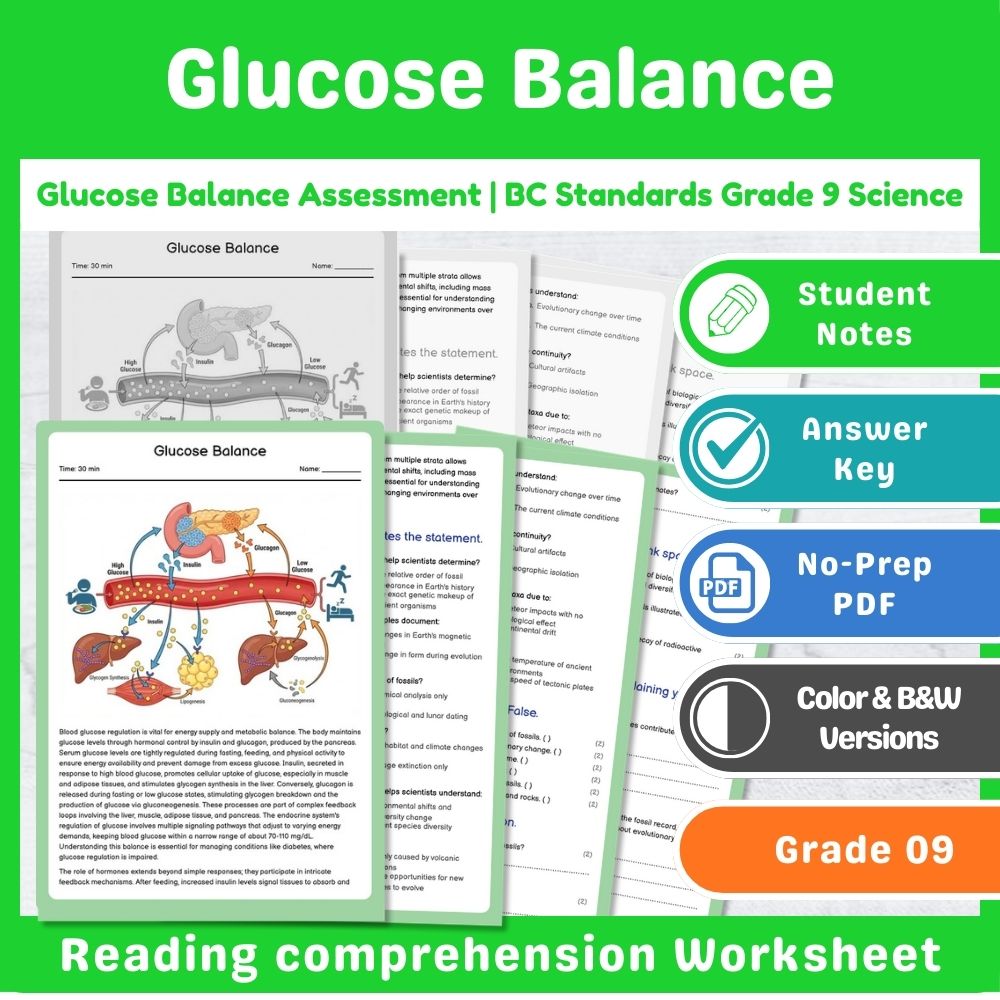
Glucose Balance Assessment | BC Standards Grade 9 Science
Created byPrism Point LearningLearning Objectives
- Explain how insulin and glucagon regulate blood glucose levels.
- Describe the role of endocrine feedback loops in maintaining metabolic homeostasis.
- Identify tissues involved in glucose regulation during fasting and feeding states.
Instant download
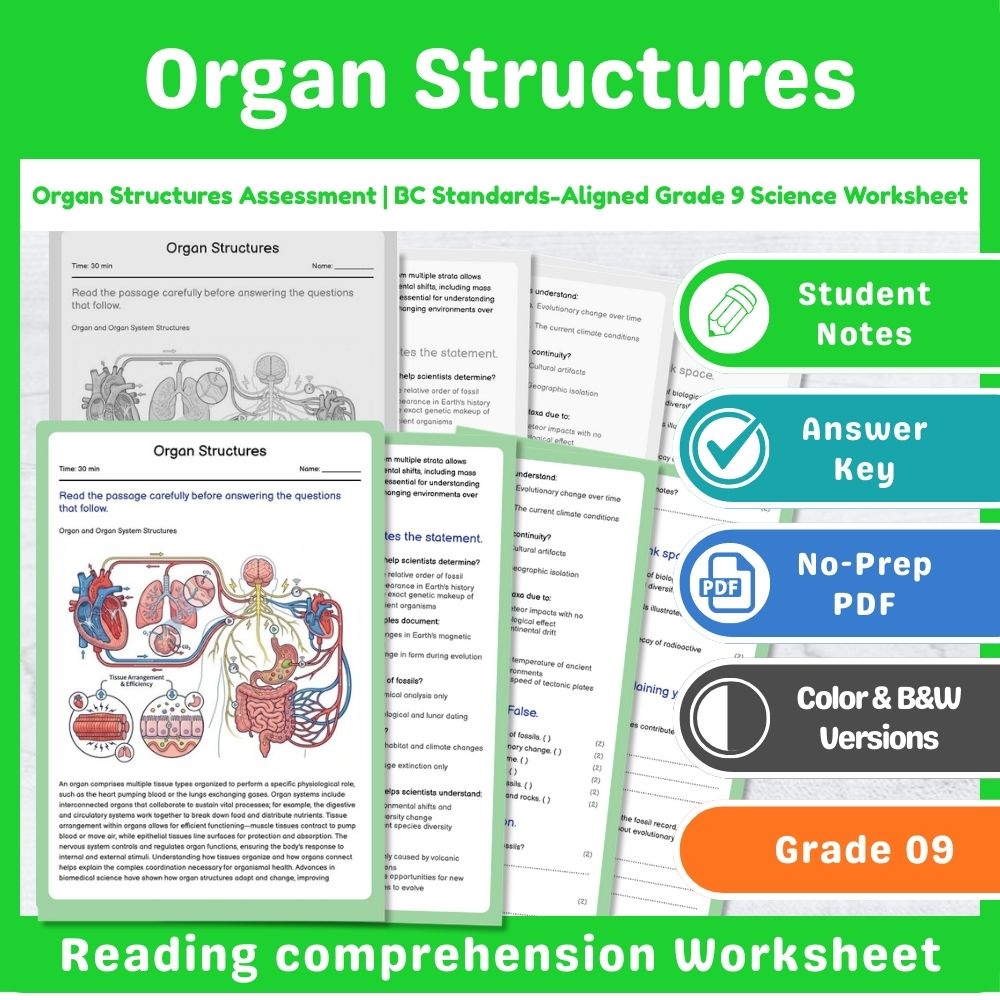
Organ Structures Assessment | BC Standards-Aligned Grade 9 Science Worksheet
Created byPrism Point LearningLearning Objectives
- Describe the structure and function of different organ types.
- Understand how organs are organized into systems to perform vital functions.
- Explain the importance of tissue organization within organs.
Instant download

Respiratory Exchange Worksheet Grade 9 Science Ontario Biology Activity
 Created byClear Sky Classroom
Learning Objectives
- Explain how pulmonary gas exchange at the alveolar–capillary interface occurs through diffusion driven by partial pressure gradients
- Describe how ventilation mechanics, surface area, and membrane thickness affect oxygen uptake and carbon dioxide removal
- Evaluate how ventilation–perfusion relationships and hemoglobin affinity influence oxygen delivery and aerobic metabolism
Instant download
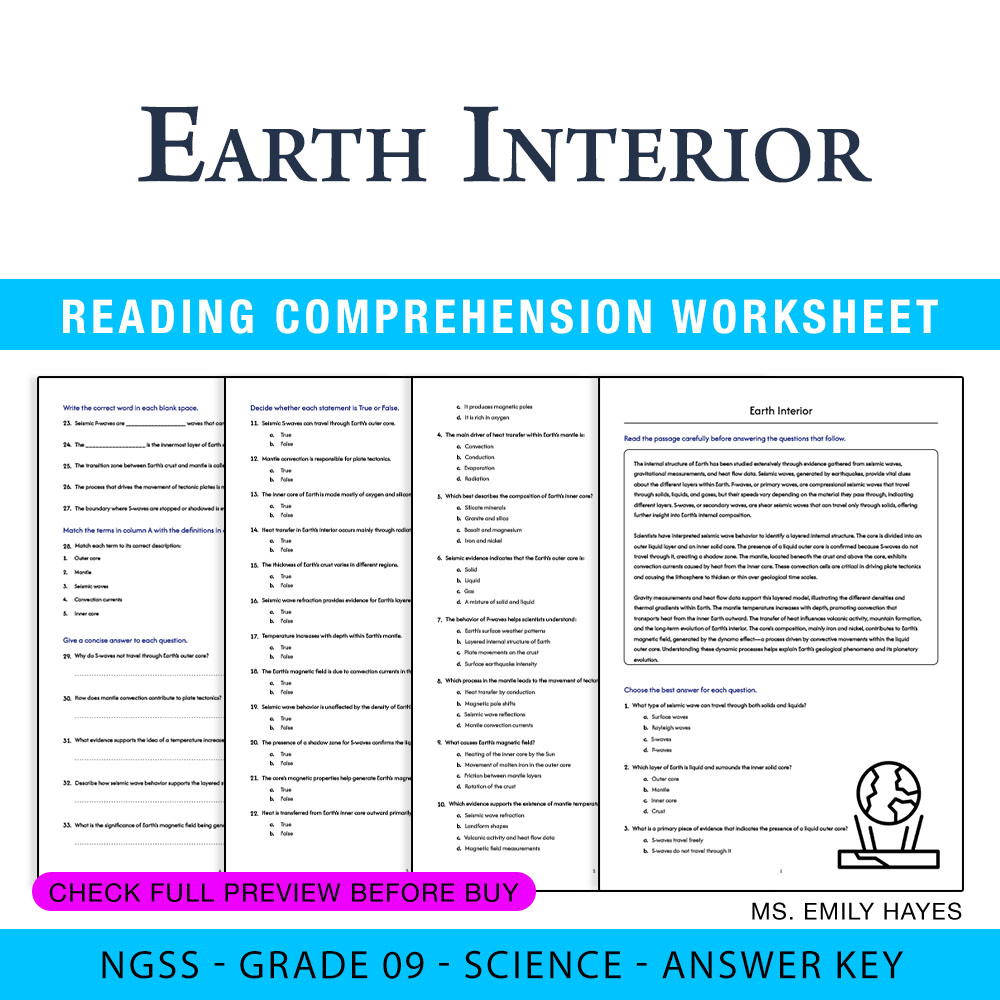
9th Grade Science | Earth Interior Worksheet (PDF+ Answer Key)
Created byCopper Leaf ClassroomLearning Objectives
- Describe the layered structure of Earth's interior based on seismic evidence.
- Explain how seismic wave behavior informs our understanding of Earth's internal composition.
- Analyze the relationship between density contrasts, gravity, and thermal energy transfer within Earth.
Instant download

Grade 9 Science | Asexual Strategies in Biology - Daily Reading Comprehension
Created byCoral Reef LearningLearning Objectives
- Understand various mechanisms of asexual reproduction
- Identify examples of asexual reproduction in different organisms
- Compare ecological conditions favoring asexual versus sexual reproduction
Also included in: Reproduction and Heredity Lesson Bundle | Grade 9 Science | Alberta +1 more
Instant download
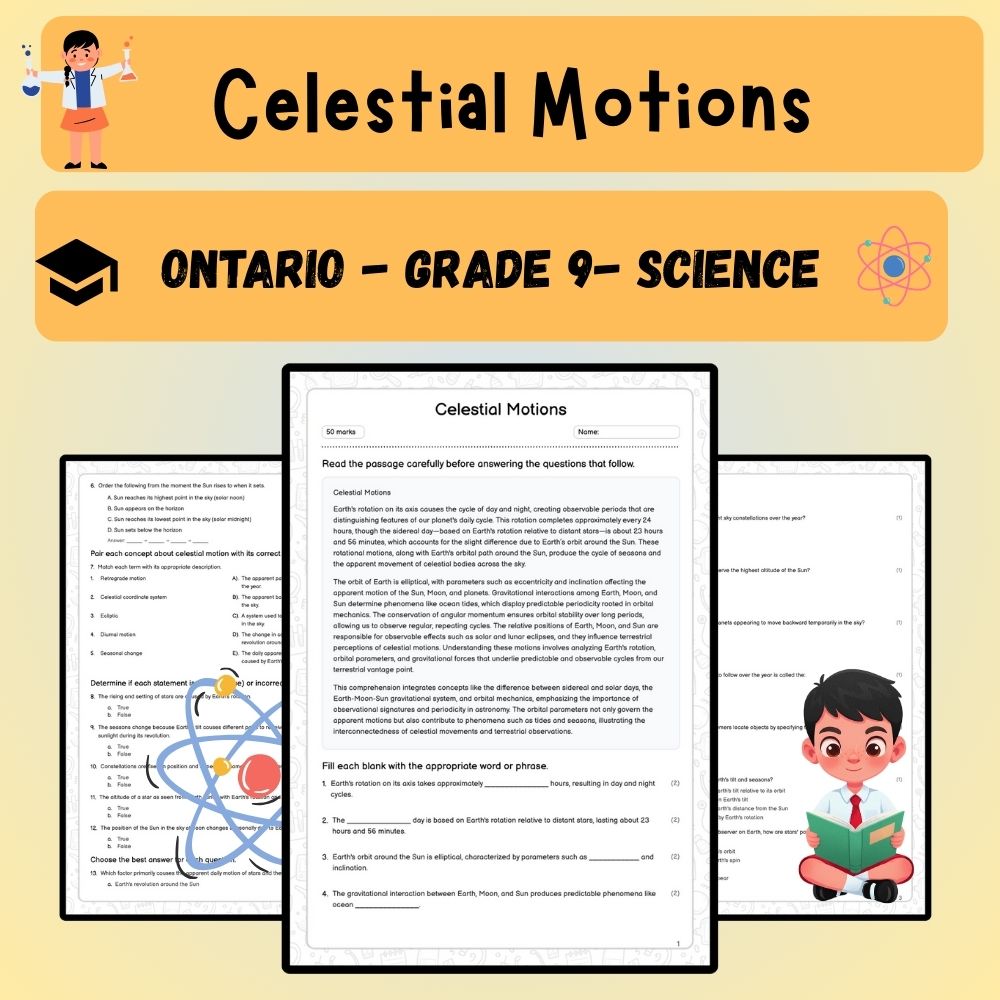
Grade 9 Science | Celestial Motions Worksheet – Earth's Rotation & Phases (PDF)
Created byPrism Point LearningLearning Objectives
- Describe the orbital motions and rotation of Earth relative to celestial bodies.
- Explain observable cycles such as day-night, sidereal, and solar periods.
- Connect gravitational interactions among Earth, Moon, and Sun to tidal phenomena and orbital stability.
Also included in: Grade 9 Science Unit Bundle | Earth, Weather, Energy & Tectonics +1 more
Instant download

Population Regulation Worksheet — Grade 9 Science Practice & Assessment
 Created bySkylark Worksheets
Learning Objectives
- Explain how carrying capacity and resource limitation regulate population size over time
- Distinguish between density-dependent and density-independent factors and give examples
- Use logistic growth ideas to interpret how populations stabilize rather than grow forever
Also included in: Grade 9 Science Full-Year Bundle | NGSS Worksheets & Assessments
Instant download
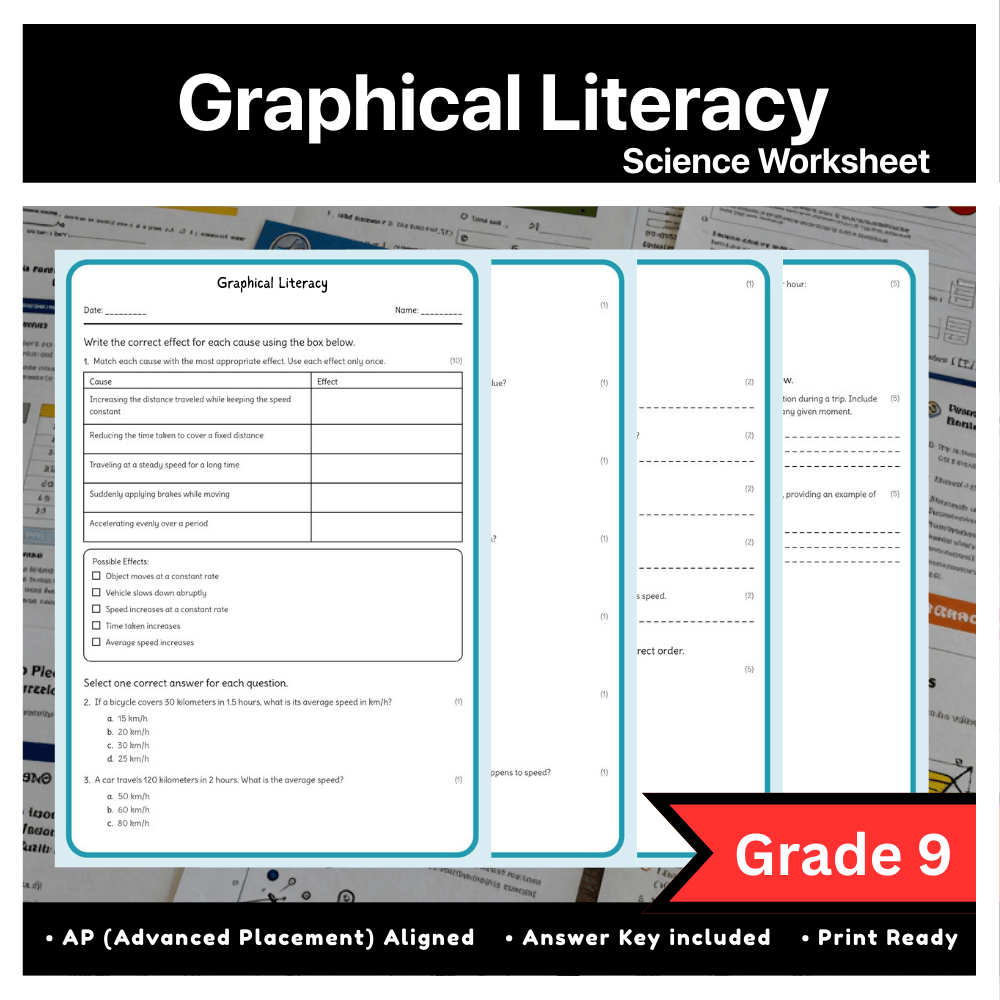
Grade 9 Science | Graphical Literacy Worksheet (AP Standards) – PDF
Created byBright Mind ResourcesLearning Objectives
- Understand how to interpret different types of graphs such as scatterplots, histograms, line graphs, and residual displays.
- Learn how to select an appropriate graph type based on data patterns and relationships.
- Identify the importance of axis scaling, labeling, binning choices, and visual patterns in data analysis.
Instant download
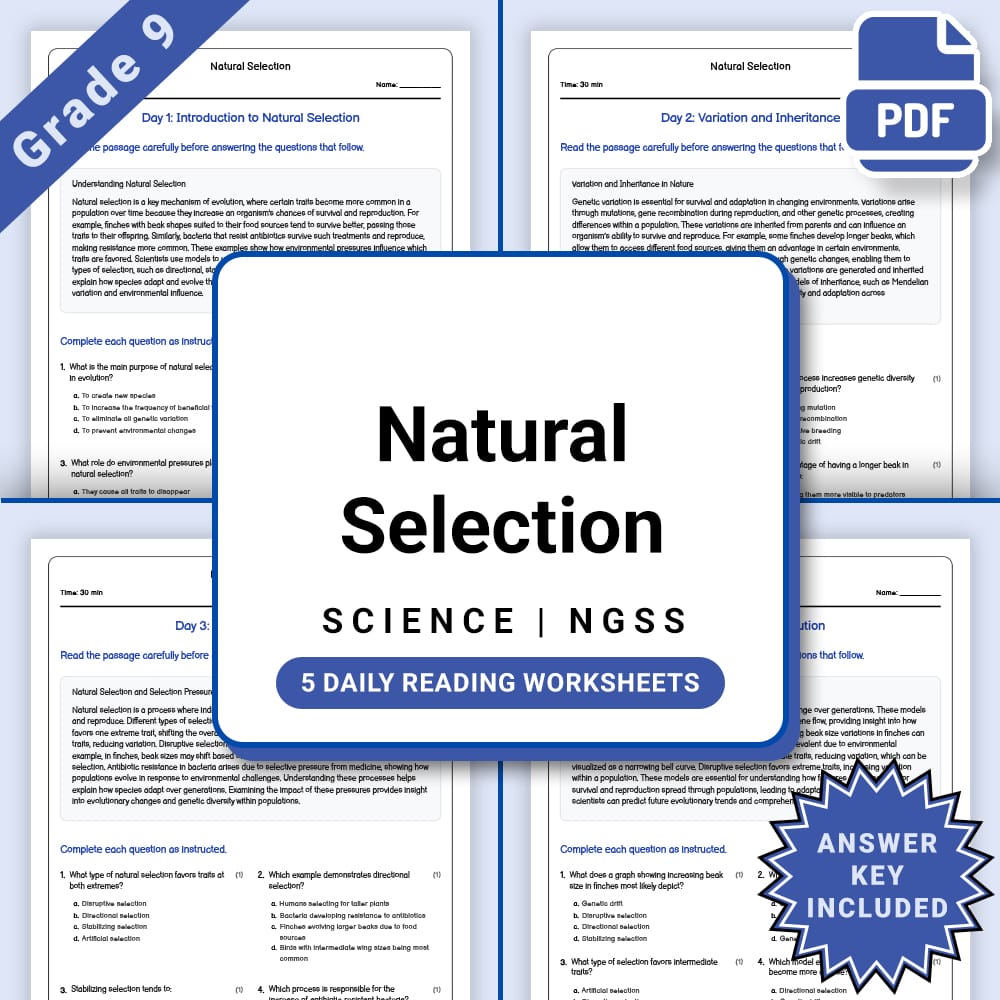
Grade 9 Science – Natural Selection Worksheet(PDF + Answer Key)
Created byCopper Leaf ClassroomLearning Objectives
- Understand the basic concepts of natural selection
- Identify examples of natural selection in nature
- Explain the mechanisms that drive differential survival and reproduction
Instant download
About Grade 9 Science Worksheets
Find Science worksheets built for Grade 9. All 6,926 cover core skills, practice, and review, each an instant PDF download.
Every worksheet on MyTeachingSheets is created by independent teacher-authors and reviewed before publication. All resources download as printable PDFs for classroom, homework, or at-home practice, and many include answer keys. Preview any worksheet free before buying.