
Science Worksheets
42,859 subject resources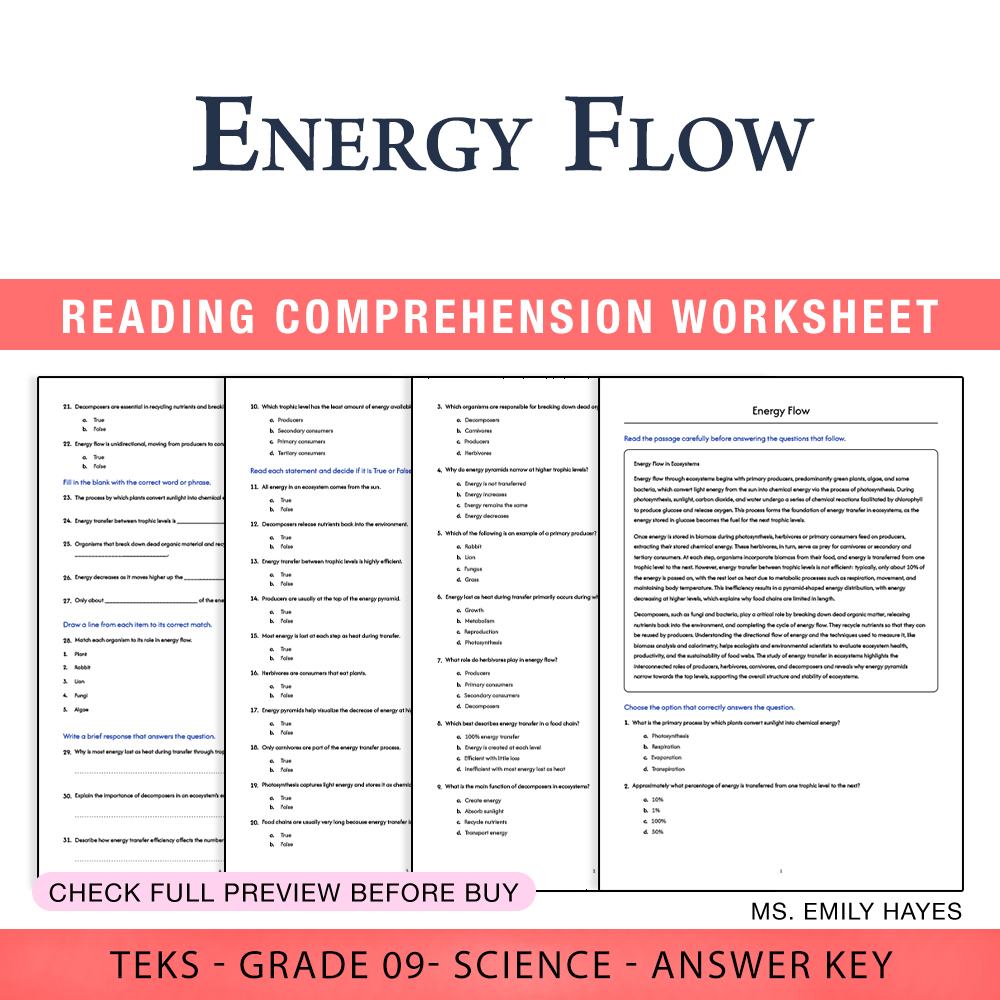
9th Grade Science | Energy Flow Worksheet (PDF+ Answer Key)
 Created byCopper Leaf Classroom
Learning Objectives
- Describe how energy moves through ecosystems from producers to consumers and decomposers.
- Explain the process of photosynthesis and how it transfers energy through trophic levels.
- Analyze energy transfer efficiency and how it influences food chain length and population sizes.
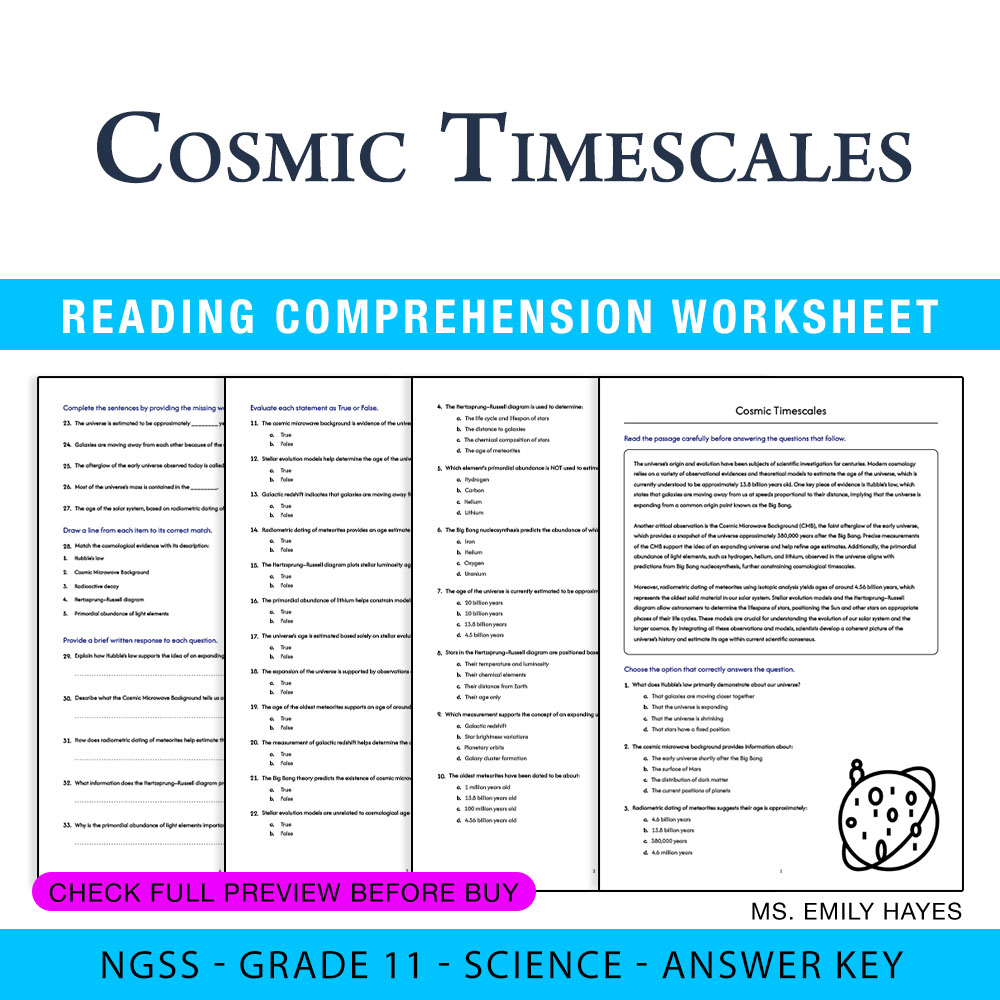
Grade 11 Science | Cosmic Timescales Worksheet (PDF+ Answer Key)
Created byCopper Leaf ClassroomLearning Objectives
- Understand the methods used to determine the age of the universe and solar system.
- Explain key observational evidence such as Hubble's law, cosmic microwave background, and radiometric dating.
- Apply stellar evolution models and Hertzsprung–Russell diagram positions to determine star lifespans.
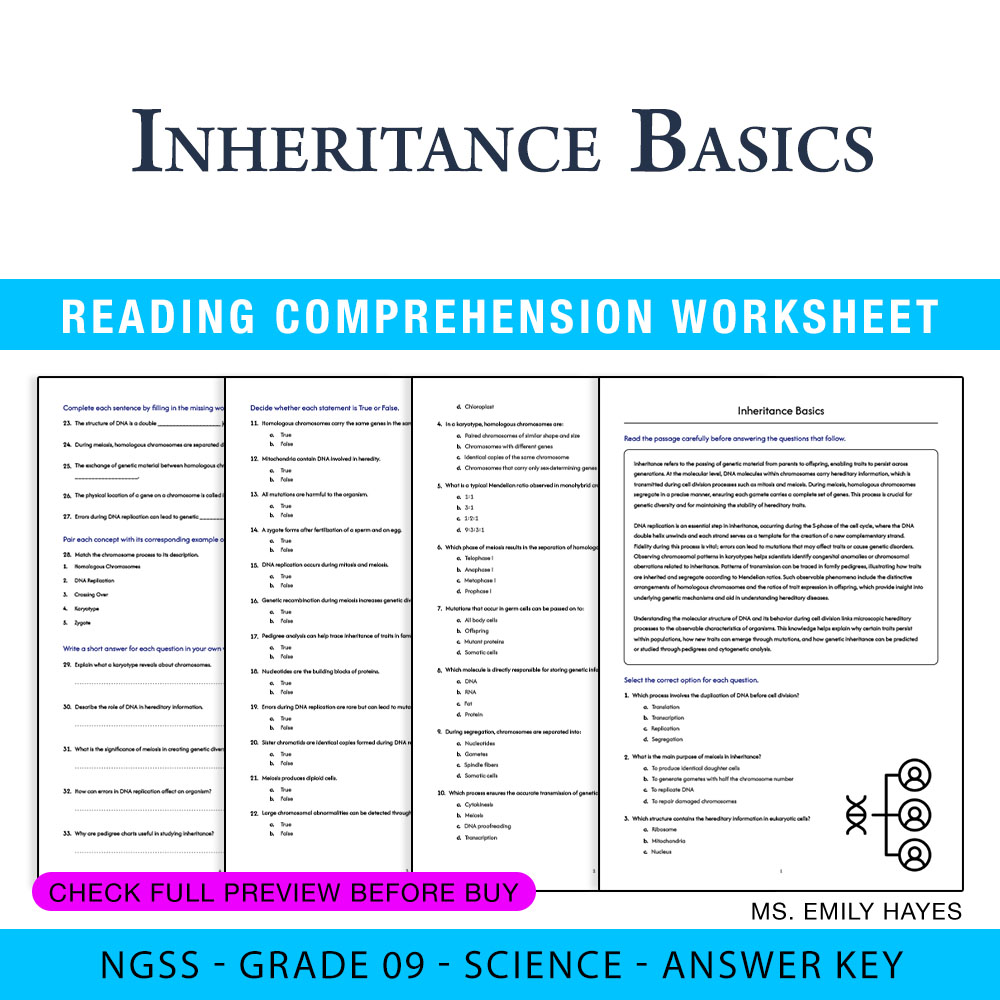
9th Grade Science | Inheritance Basics Worksheet (PDF+ Answer Key)
Created byCopper Leaf ClassroomLearning Objectives
- Understand the molecular structure of DNA and its role in inheritance.
- Explain how chromosomes and DNA facilitate the transmission of hereditary information across generations.
- Identify key processes such as DNA replication, chromosomal segregation during meiosis, and zygote formation.

Grade 11 Science | Remote Sensing & Land Monitoring Worksheet (PDF + Answer Key)
Created byCopper Leaf ClassroomLearning Objectives
- Understand the fundamental methods and technologies used in remote sensing for landscape monitoring.
- Identify and describe various remote sensing data types such as satellite imagery, aerial photography, and LiDAR.
- Analyze how remote sensing techniques are applied to land cover classification, vegetation indices, and change detection.
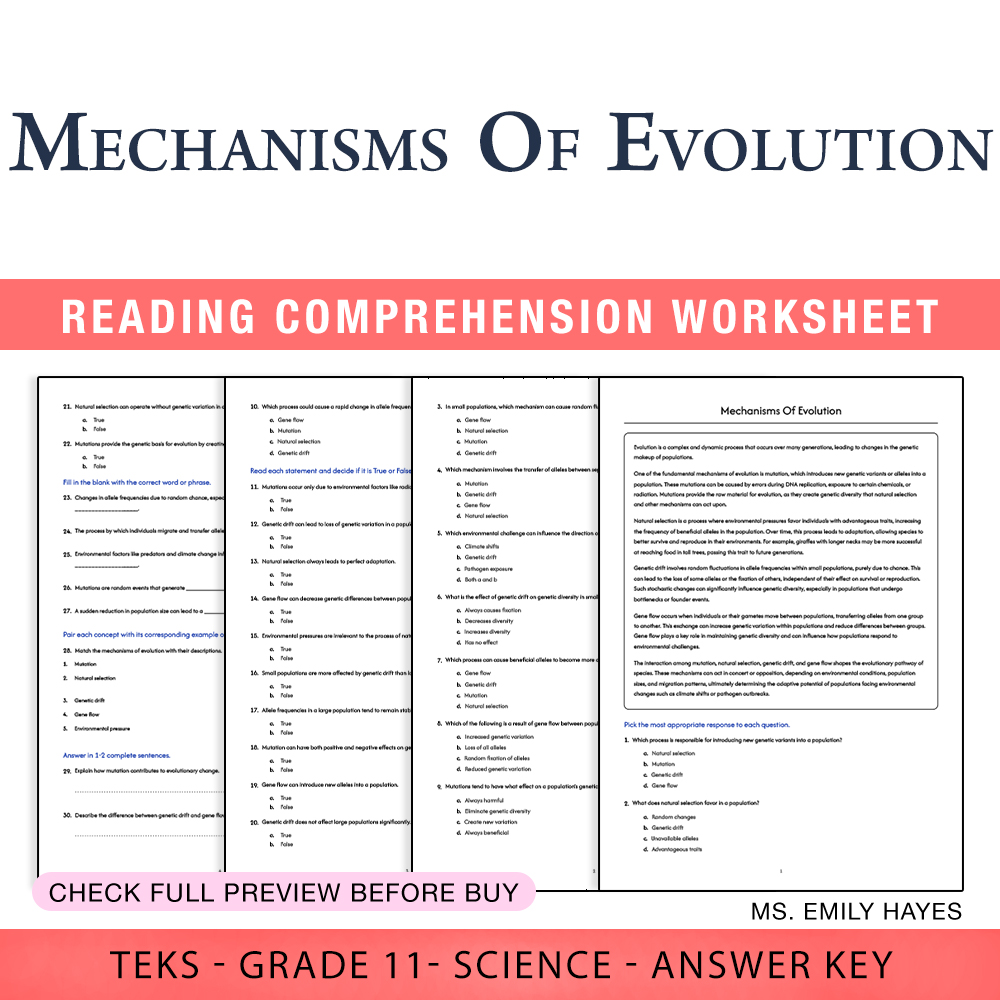
Grade 11 Science | Mechanisms of Evolution Worksheet (PDF+ Answer Key)
Created byCopper Leaf ClassroomLearning Objectives
- Describe the main mechanisms that drive evolutionary change in populations.
- Differentiate between mutation, natural selection, genetic drift, and gene flow.
- Explain how interactions among these processes influence genetic diversity and adaptation.
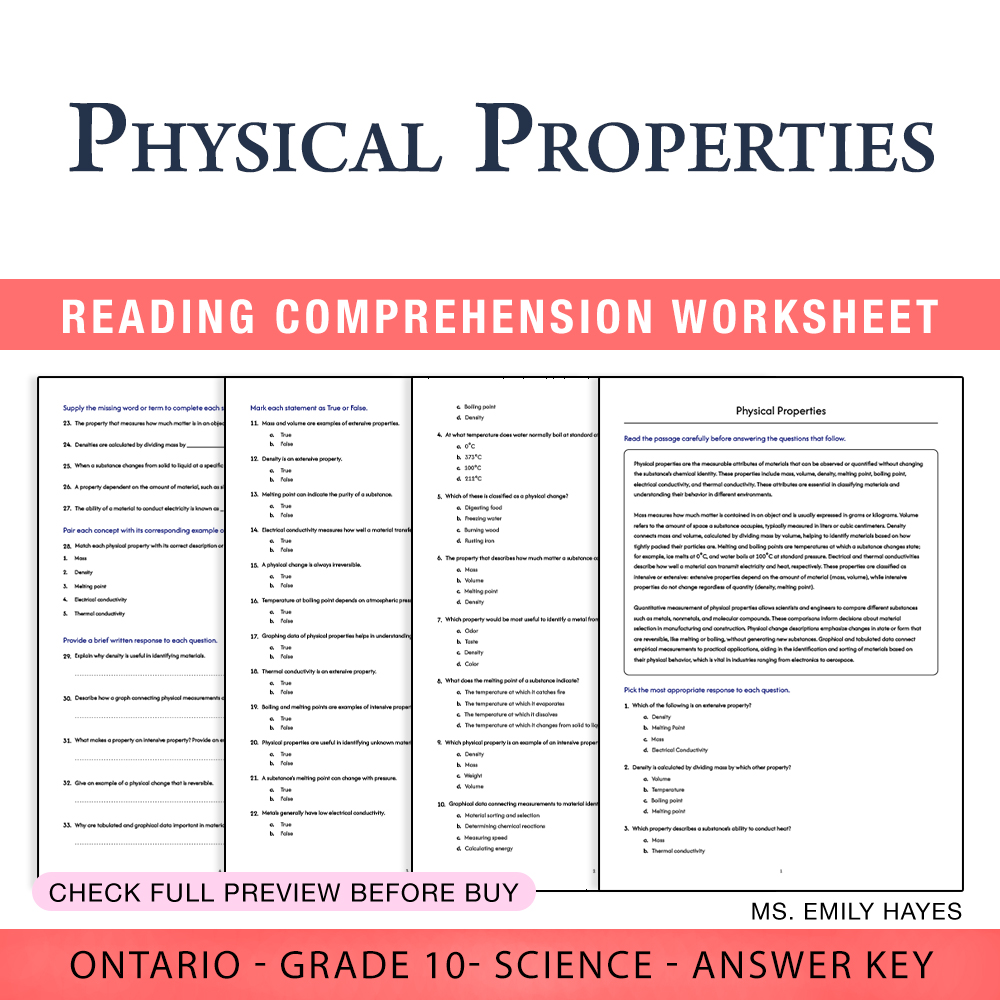
Grade 10 Science | Physical Properties Worksheet (PDF + Answer Key)
Created byCopper Leaf ClassroomLearning Objectives
- Define and distinguish between various measurable physical properties such as mass, volume, density, melting point, and boiling point.
- Explain the difference between intensive and extensive properties and provide examples of each.
- Interpret tabulated and graphical data related to physical properties for material identification and selection.
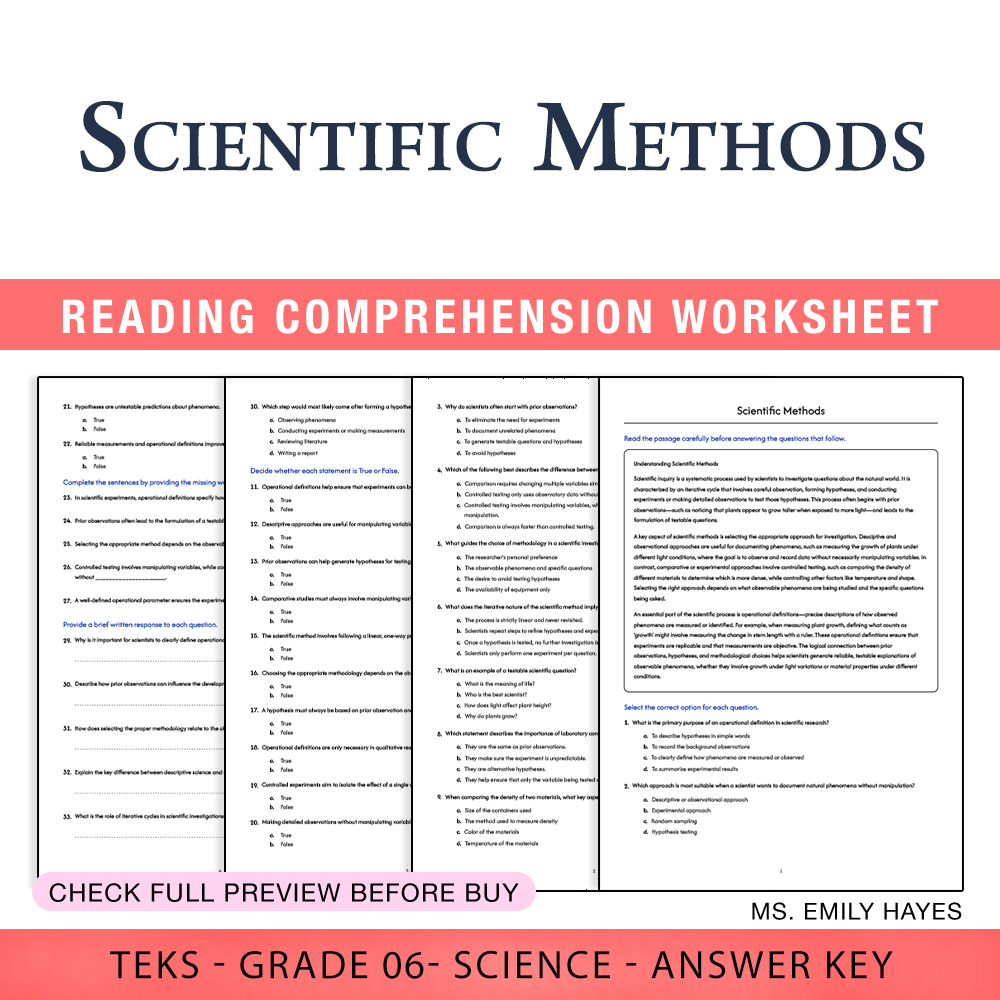
6th Grade Science | Scientific Methods Worksheet (PDF+ Answer Key)
Created byCopper Leaf ClassroomLearning Objectives
- Understand the iterative nature of scientific methods and how observations inform hypotheses.
- Differentiate between descriptive, observational approaches and comparative, experimental approaches.
- Identify operational definitions and appropriate methodologies based on observable phenomena.
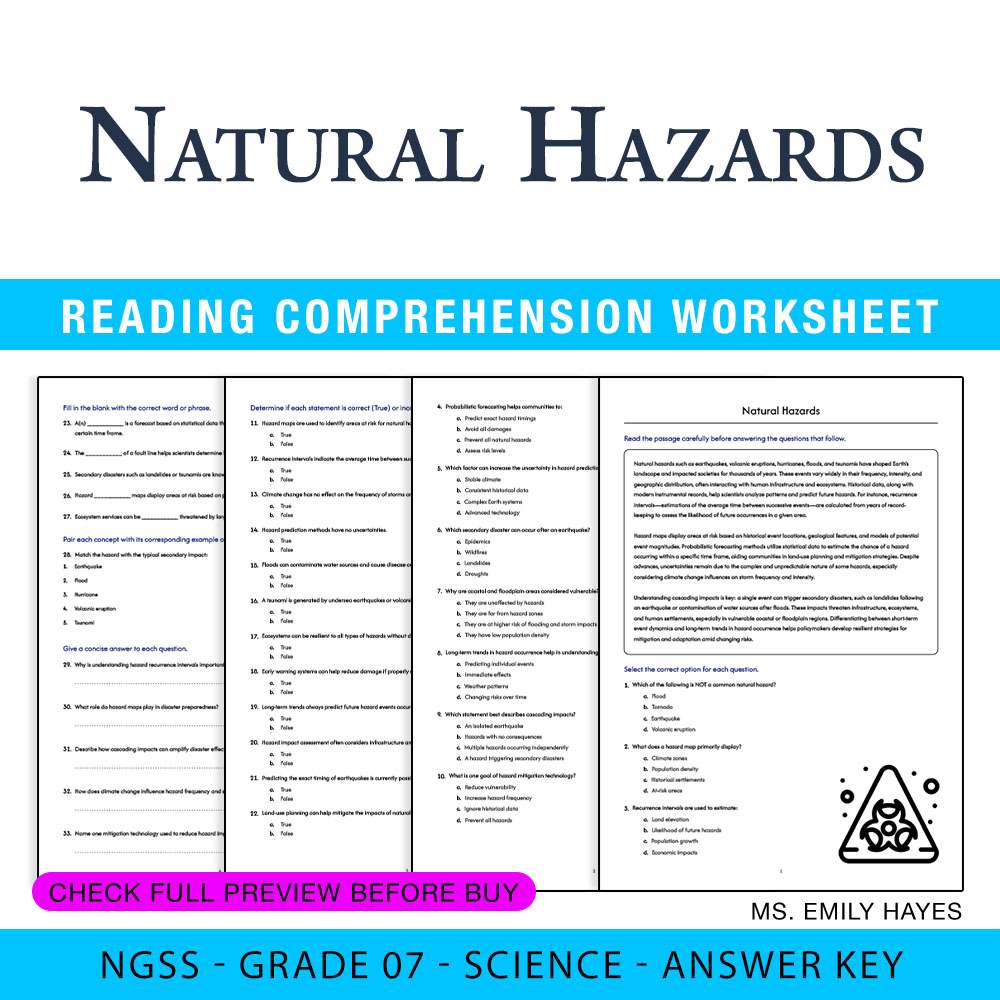
7th Grade Science | Natural Hazards Worksheet (PDF+ Answer Key)
Created byCopper Leaf ClassroomLearning Objectives
- Analyze patterns of frequency and magnitude for different natural hazards.
- Interpret hazard maps, recurrence intervals, and probabilistic data to assess risk.
- Understand the cascading impacts of hazards on infrastructure, ecosystems, and communities.
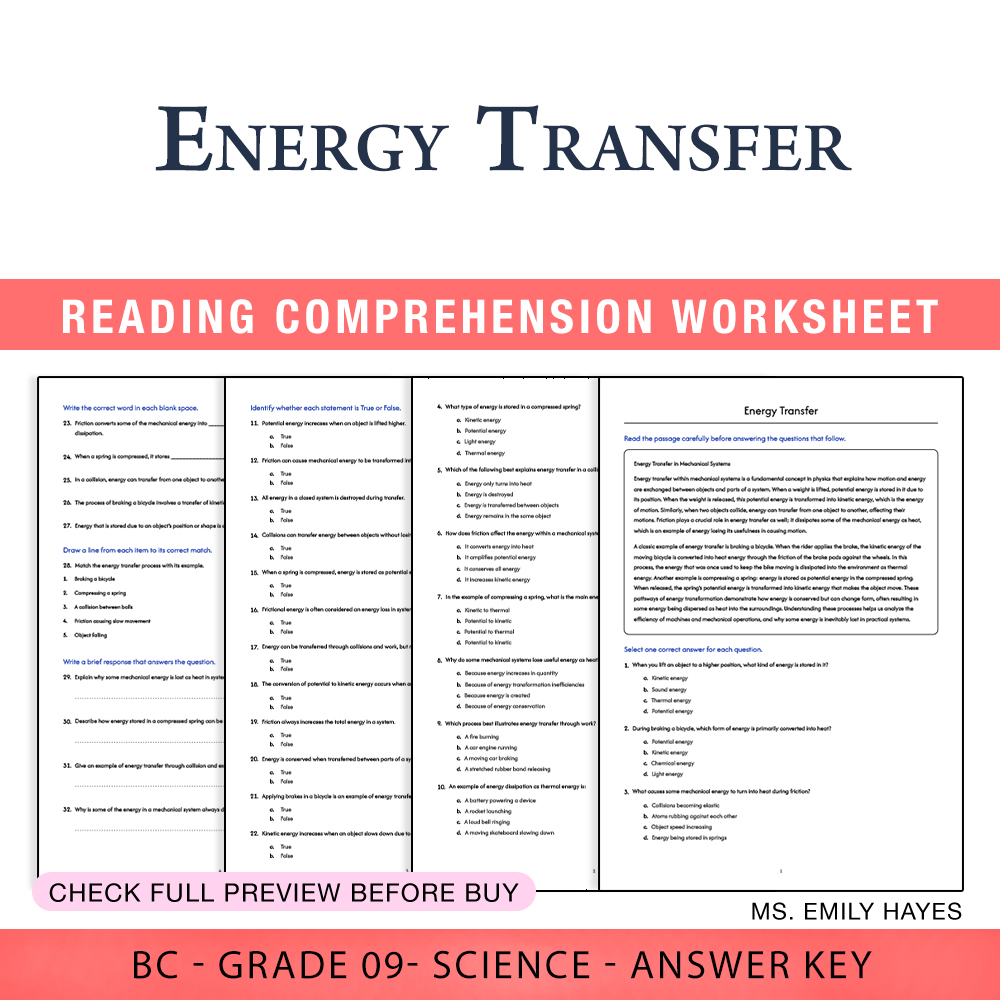
9th Grade Science | Energy Transfer Worksheet (PDF+ Answer Key)
Created byCopper Leaf ClassroomLearning Objectives
- Understand how mechanical systems transfer energy through work, collisions, and friction.
- Explain the transformation of energy from kinetic and potential forms to thermal energy.
- Analyze real-world examples like braking a bicycle or compressing a spring to describe energy conversion pathways.
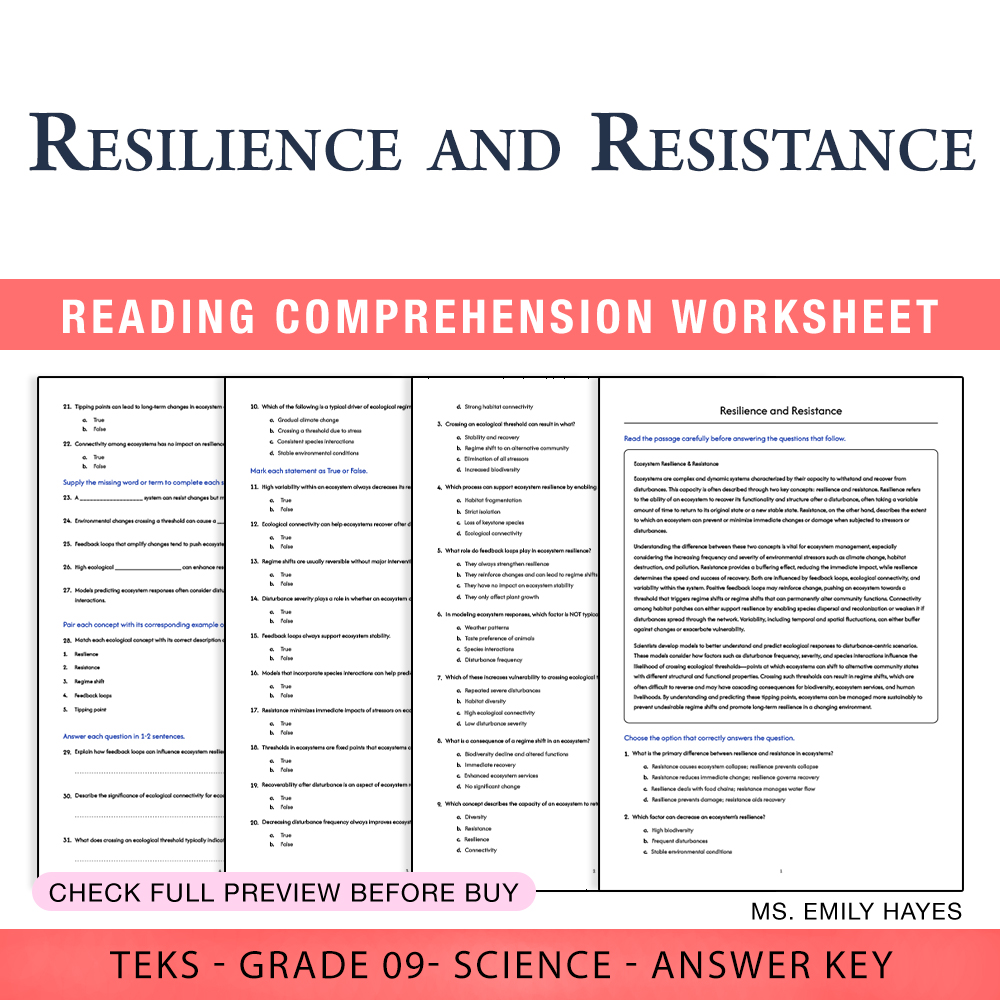
9th Grade Science | Resilience and Resistance Worksheet (PDF+ Answer Key)
Created byCopper Leaf ClassroomLearning Objectives
- Define and distinguish between resilience and resistance in ecological systems.
- Explain how feedback loops, variability, and connectivity influence ecosystem resilience.
- Identify factors that can trigger regime shifts in ecosystems requiring long-term management strategies.
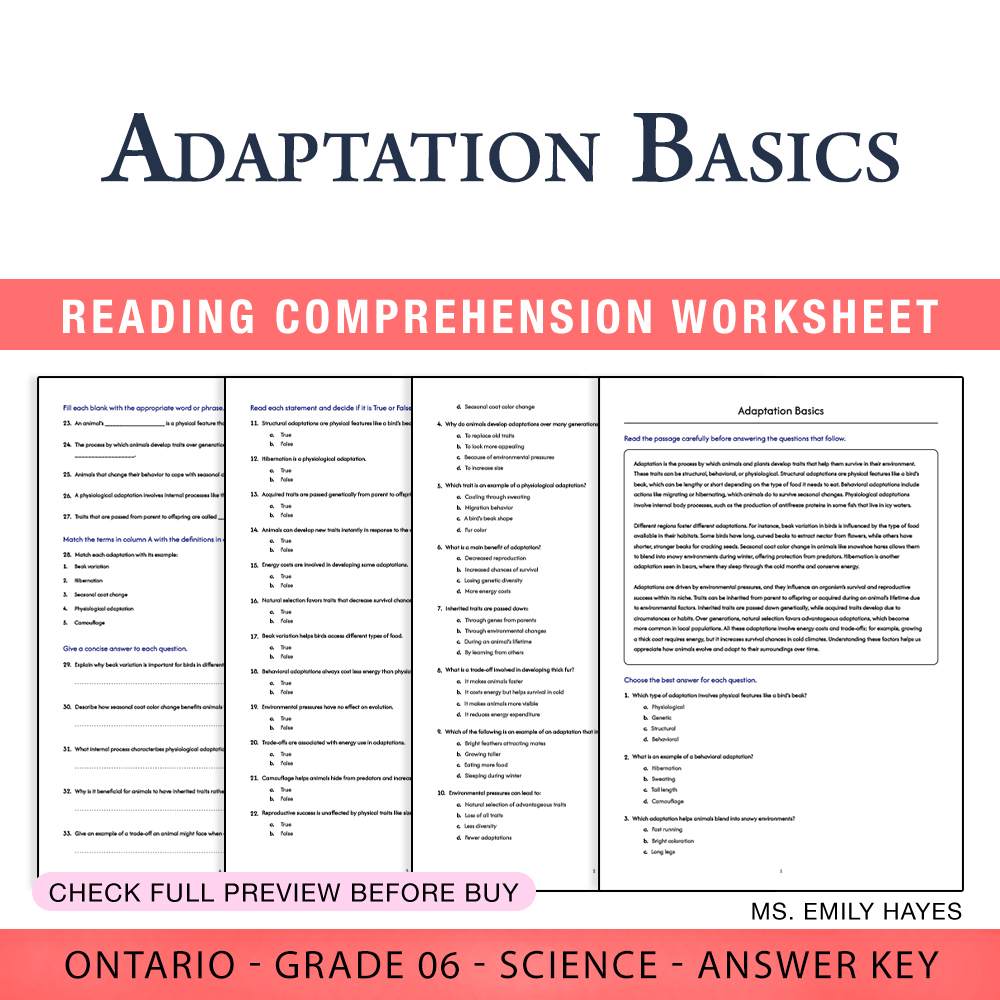
6th Grade Science | Adaptation Basics Worksheet (PDF+ Answer Key)
Created byCopper Leaf ClassroomLearning Objectives
- Understand the three main types of animal adaptations: structural, behavioral, and physiological.
- Identify regional examples of adaptations such as beak variation, seasonal coat color change, and hibernation.
- Explain how adaptations contribute to survival and reproductive success within specific niches.
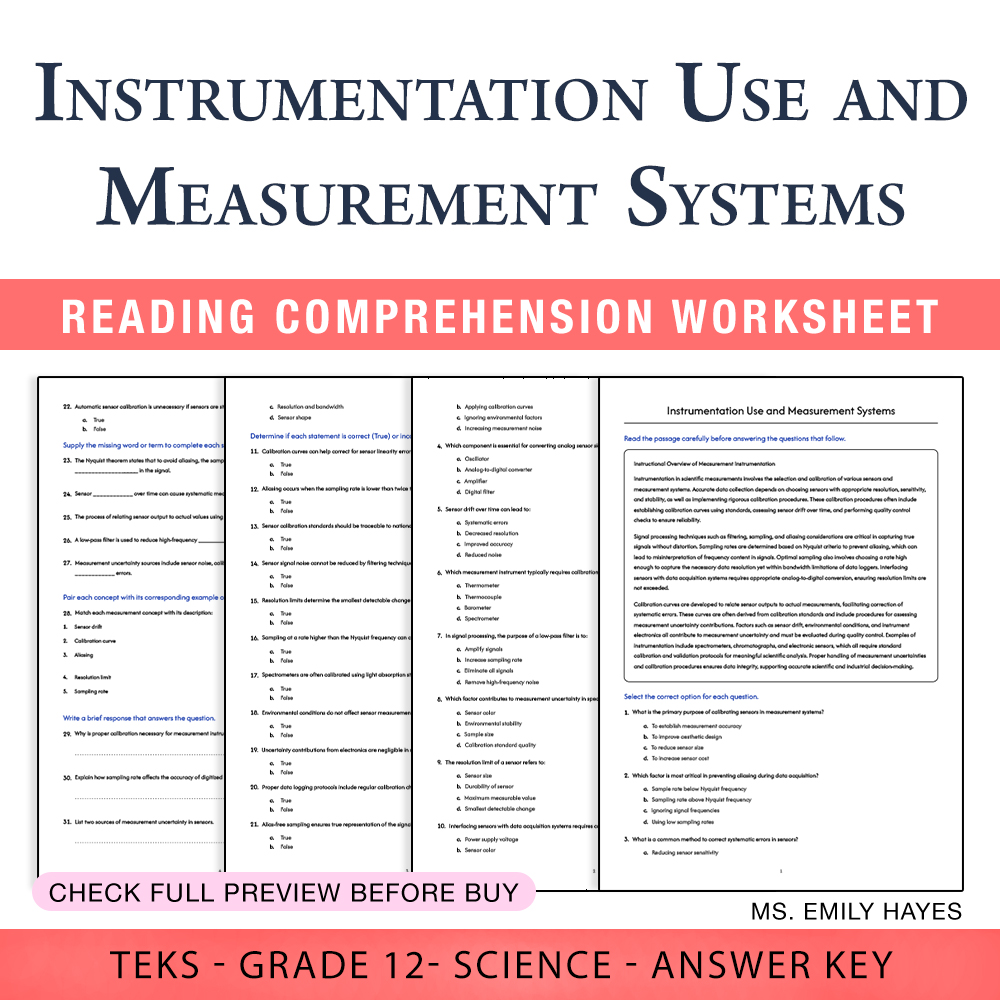
Grade 12 Science | Instrumentation Use & Measurement Systems (PDF + Answer Key)
Created byCopper Leaf ClassroomLearning Objectives
- Understand the selection and calibration of sensors for accurate data acquisition.
- Explain the principles of signal processing, sampling rates, and aliasing considerations.
- Apply calibration curves and quality control procedures to spectrometers, chromatographs, and sensors.
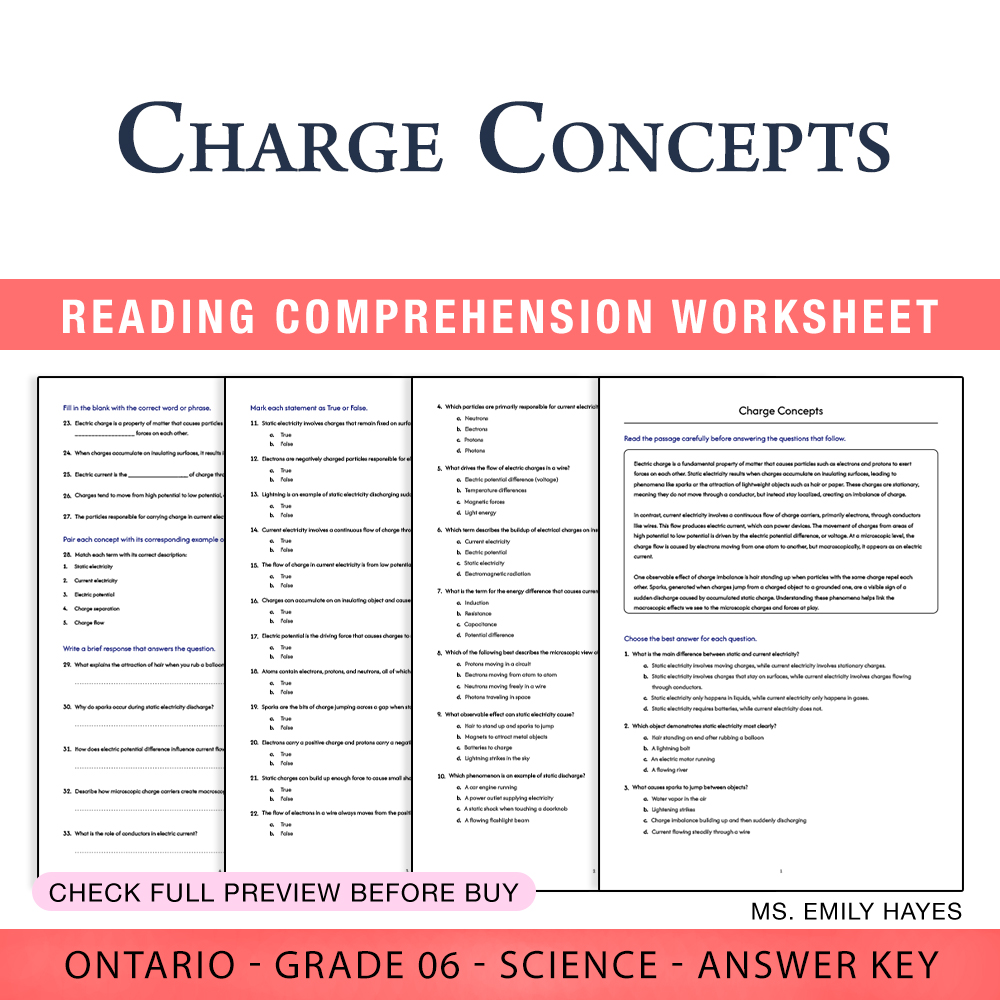
6th Grade Science | Charge Concepts Worksheet (PDF + Answer Key)
Created byCopper Leaf ClassroomLearning Objectives
- Define electric charge and distinguish between static and current electricity.
- Explain how charge separation leads to observable phenomena like sparks and hair attraction.
- Describe the flow of electric charges in conductors and the concept of electric potential.
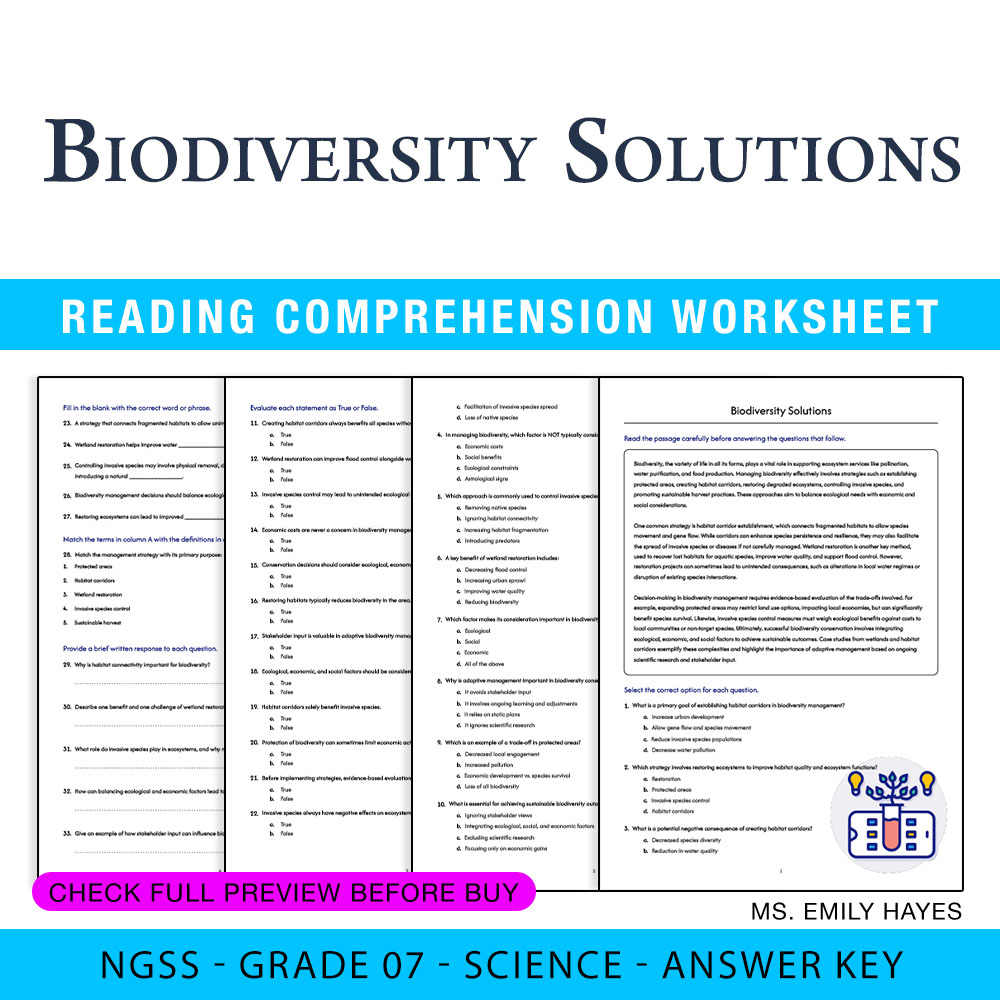
7th Grade Science | Biodiversity Solutions Worksheet (PDF +Answer Key)
Created byCopper Leaf ClassroomLearning Objectives
- Understand different management strategies used to maintain biodiversity and their ecological, economic, and social trade-offs.
- Evaluate case examples such as wetland restoration and habitat corridor establishment for their benefits and potential unintended effects.
- Compare and analyze alternative biodiversity conservation approaches using evidence-based reasoning.
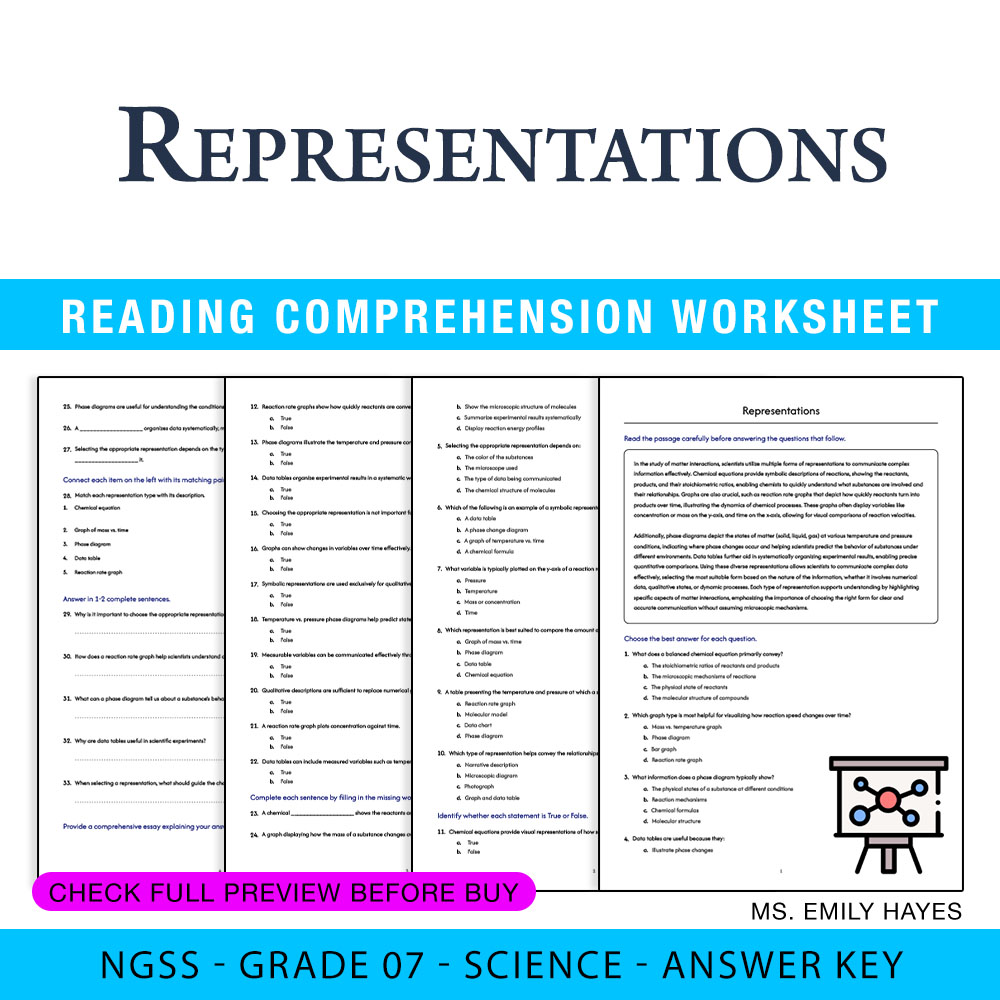
7th Grade Science | Representations Worksheet (PDF +Answer Key)
Created byCopper Leaf ClassroomLearning Objectives
- Understand different types of representations used to convey matter interactions, including chemical equations, graphs, and data tables.
- Interpret and analyze various representations such as reaction rate graphs, stoichiometric ratios, and phase diagrams.
- Select appropriate representations for quantitative comparison and communicate relationships among measurable variables.
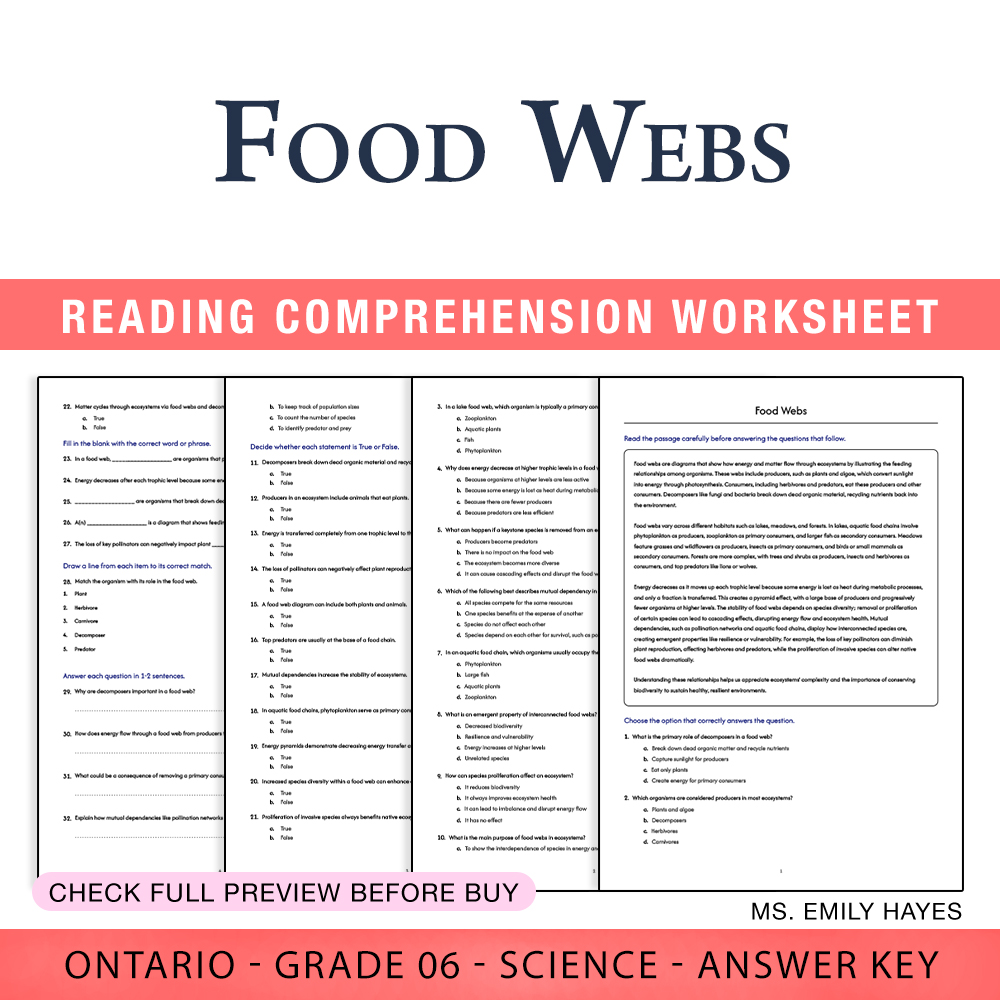
6th Grade Science | Food Webs Worksheet (PDF+ Answer Key)
Created byCopper Leaf ClassroomLearning Objectives
- Understand the components of food webs including producers, consumers, and decomposers
- Describe energy flow and matter cycling within different ecosystems
- Analyze the effects of species removal or proliferation on food web stability
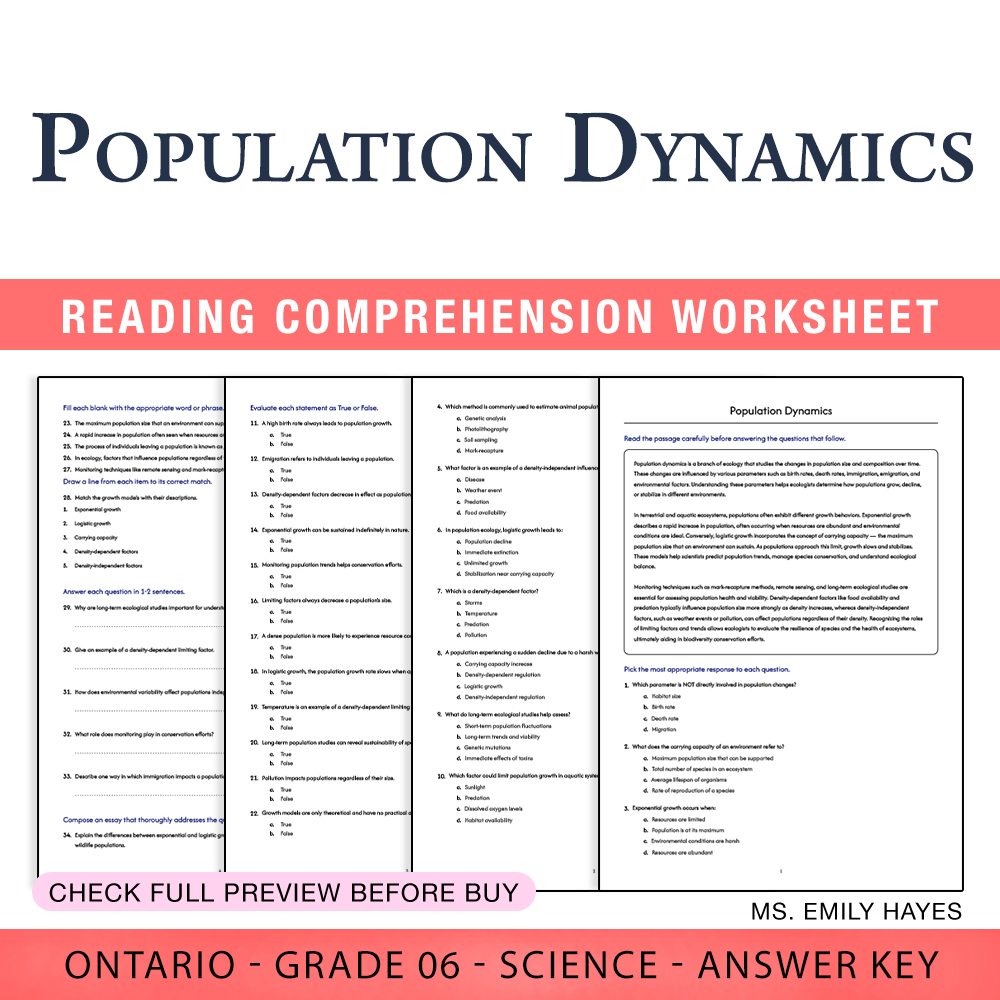
6th Grade Science | Population Dynamics Worksheet (PDF+ Answer Key)
Created byCopper Leaf ClassroomLearning Objectives
- Understand the key parameters that influence population change including birth rates, death rates, immigration, and emigration.
- Explain and distinguish between exponential and logistic growth models in populations.
- Identify factors that limit or promote population growth in terrestrial and aquatic systems.
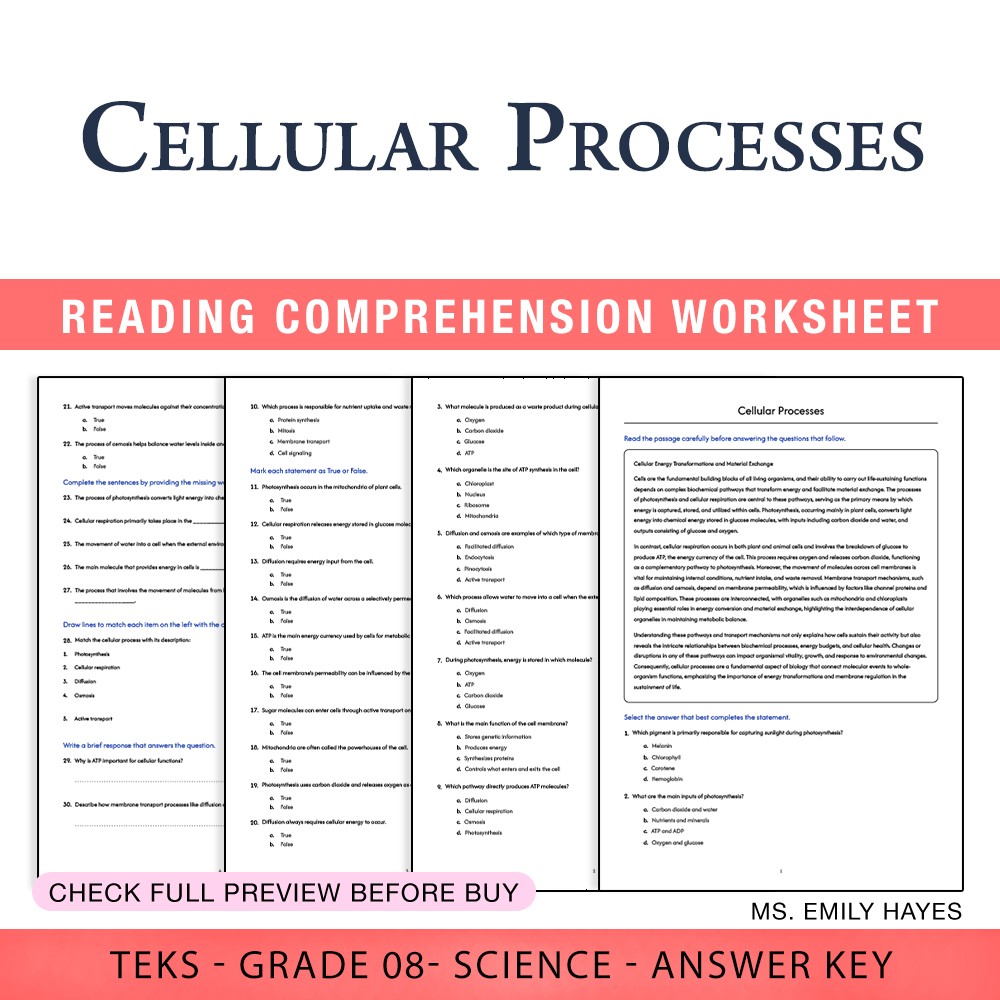
8th Grade Science | Cellular Processes Worksheet (PDF+ Answer Key)
Created byCopper Leaf ClassroomLearning Objectives
- Explain the biochemical pathways of photosynthesis and cellular respiration.
- Describe how membrane transport mechanisms regulate internal conditions in cells.
- Identify the inputs and outputs of photosynthesis and respiration.
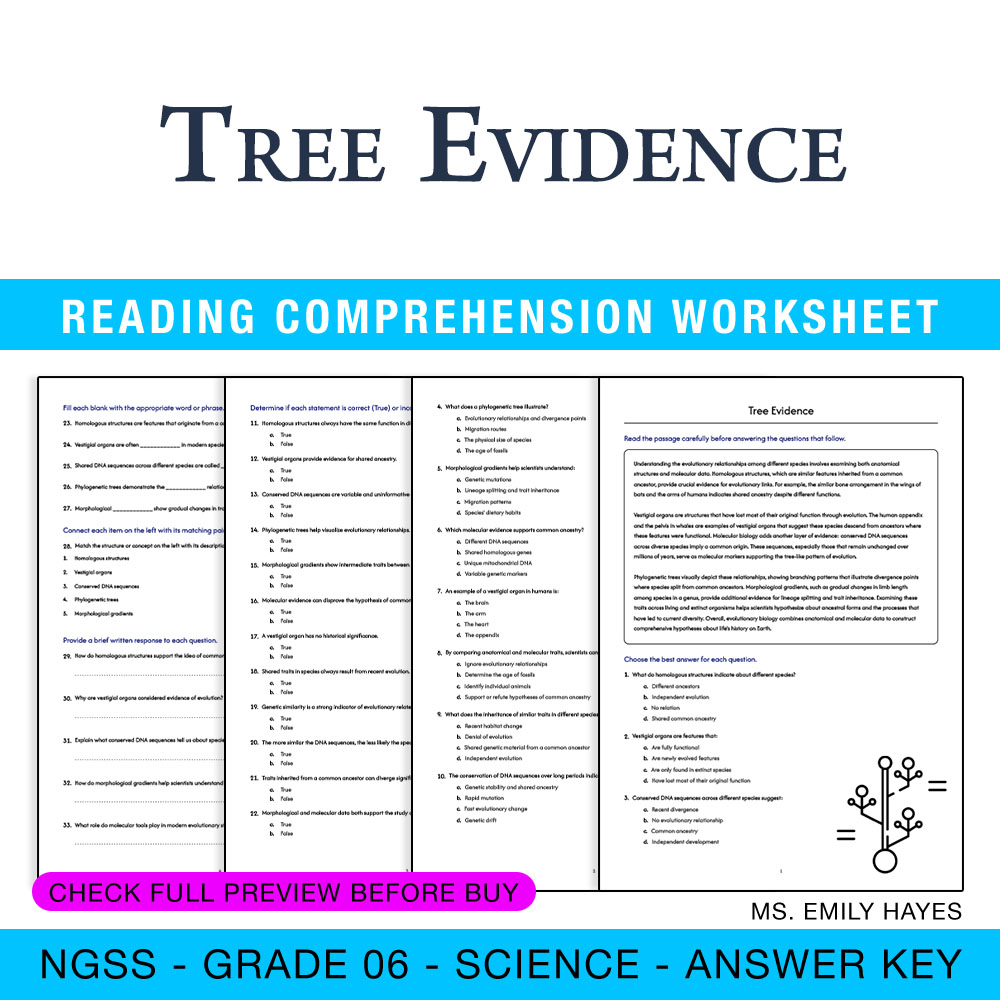
6th Grade Science | Tree Evidence Worksheet (PDF + Answer Key)
Created byCopper Leaf ClassroomLearning Objectives
- Understand how homologous structures, vestigial organs, and conserved DNA sequences support hypotheses of common ancestry.
- Analyze phylogenetic trees and morphological gradients to interpret evolutionary relationships.
- Evaluate evidence from both anatomical and molecular traits to explain divergence among taxa.
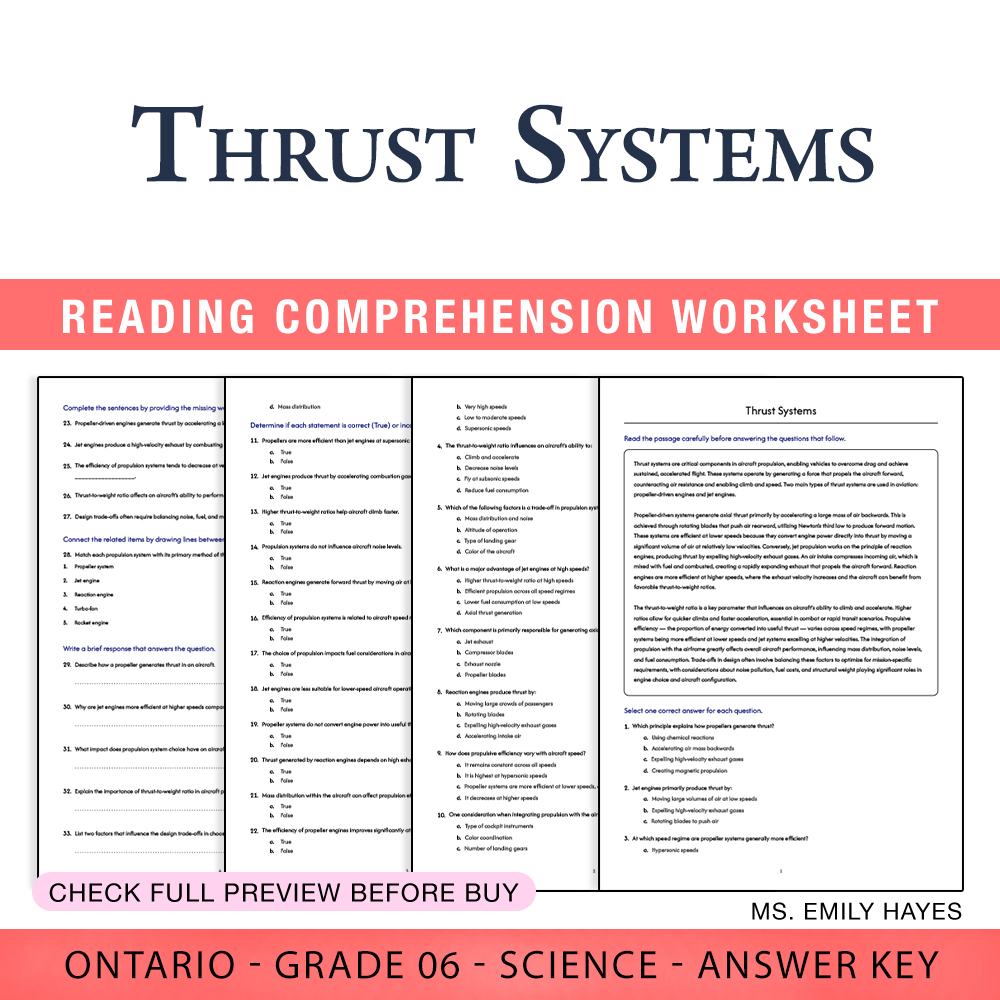
6th Grade Science | Thrust Systems Worksheet (PDF + Answer Key)
Created byCopper Leaf ClassroomLearning Objectives
- Explain the principles of propeller-driven and jet-driven thrust systems.
- Identify the mechanics by which thrust is generated in various propulsion methods.
- Compare the efficiency of different propulsion systems across speed regimes.
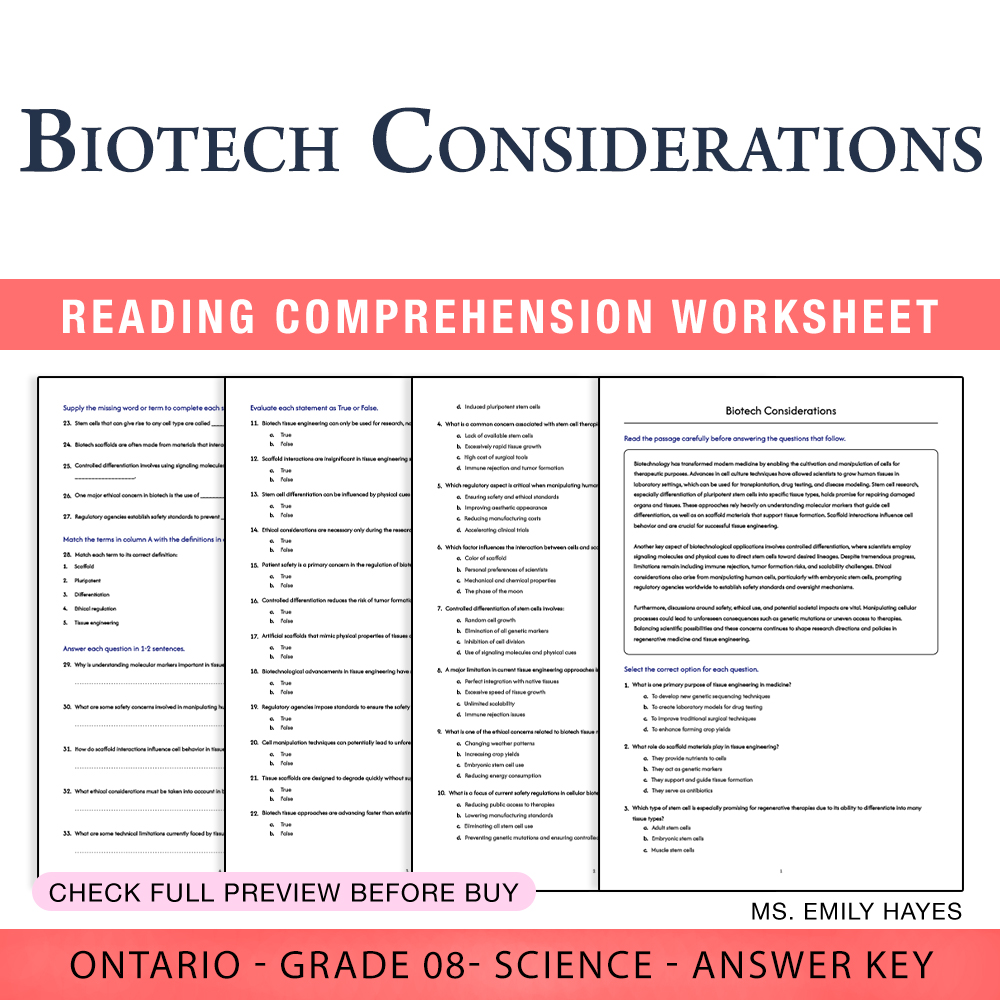
8th Grade Science | Biotech Considerations Worksheet (PDF+ Answer Key)
Created byCopper Leaf ClassroomLearning Objectives
- Understand the basic biotechnological approaches used in cell culture, tissue engineering, and regenerative medicine.
- Identify key molecular markers, scaffold interactions, and differentiation processes involved in cellular therapies.
- Evaluate ethical, safety, and regulatory considerations associated with manipulating cells and tissues.
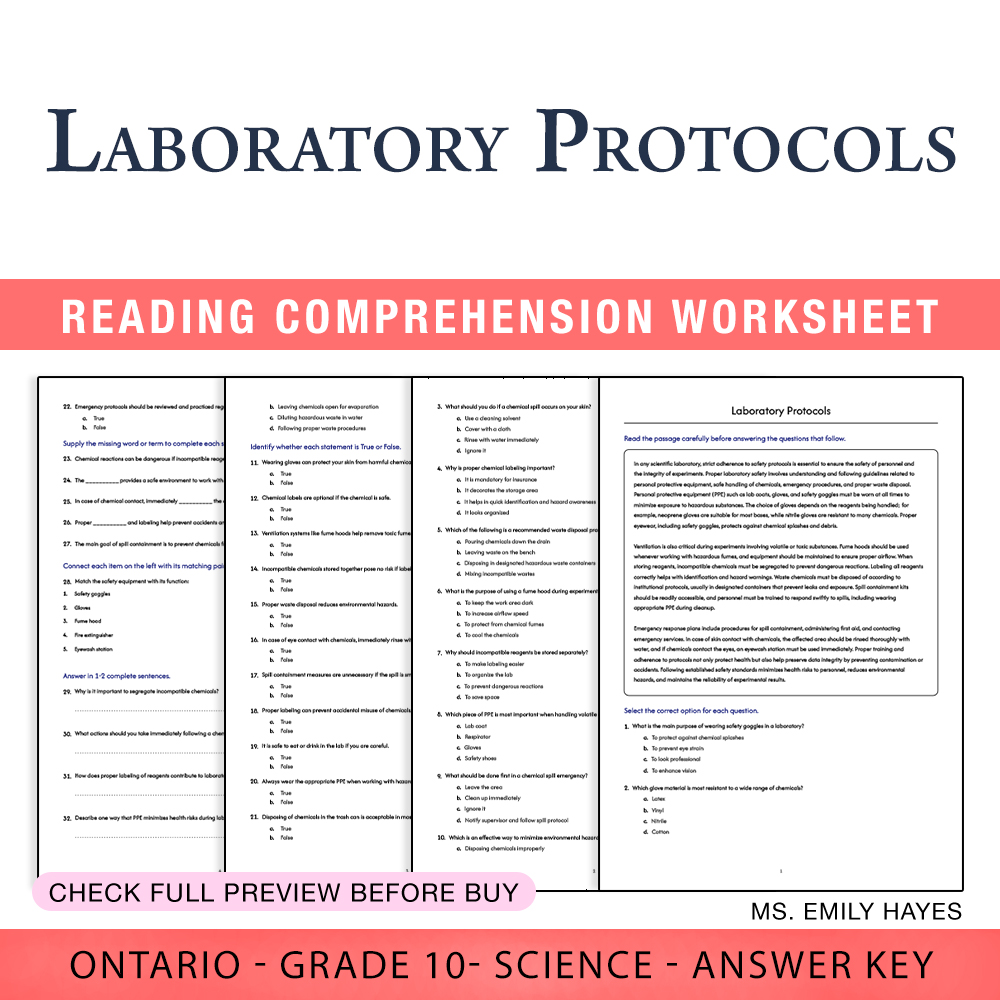
10th Grade Science | Laboratory Protocols Worksheet (PDF + Answer Key)
Created byCopper Leaf ClassroomLearning Objectives
- Identify essential safety protocols for laboratory work.
- Recognize appropriate use of personal protective equipment (PPE).
- Understand proper storage, labeling, and waste handling procedures.
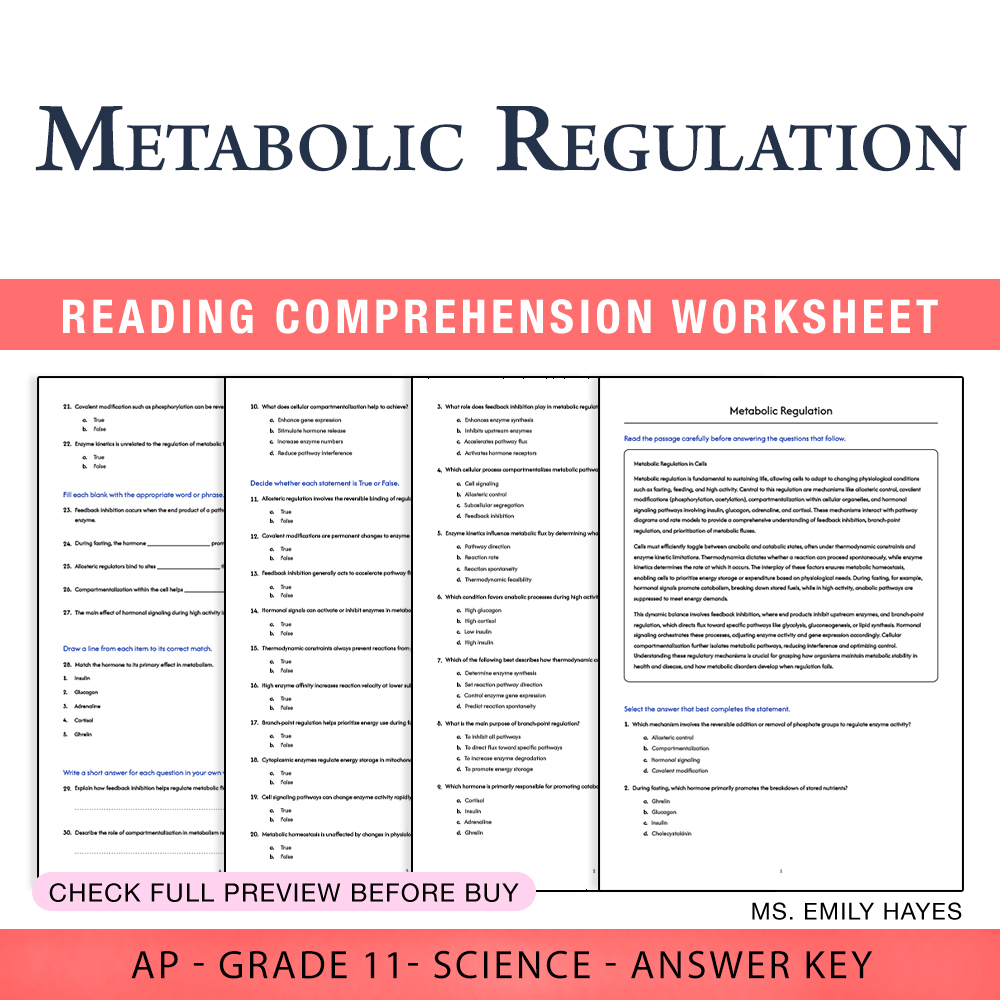
Grade 11 Science | Metabolic Regulation Worksheet (PDF+ Answer Key)
Created byCopper Leaf ClassroomLearning Objectives
- Explain the mechanisms that regulate metabolic pathway flux, including allosteric control and covalent modifications.
- Analyze how hormones influence metabolic processes during fasting and high activity states.
- Utilize pathway diagrams and rate models to understand feedback inhibition and branch-point regulation.
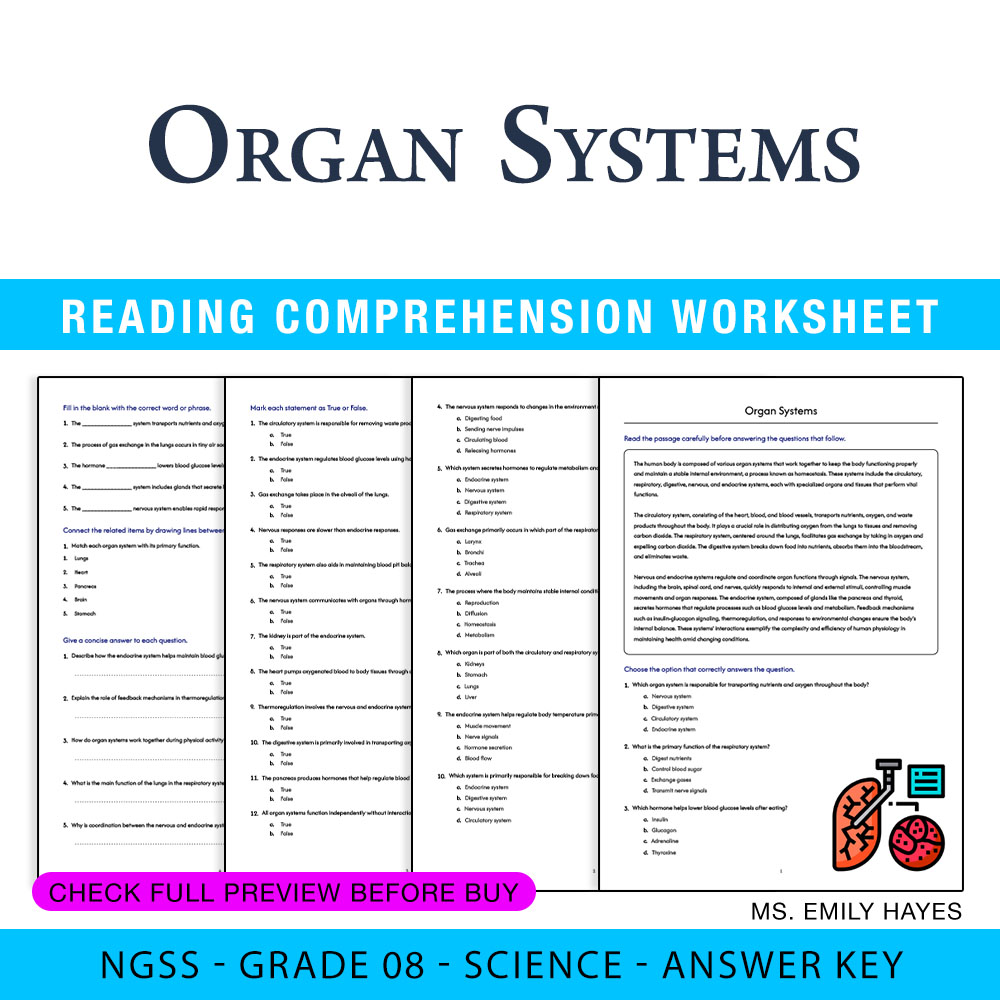
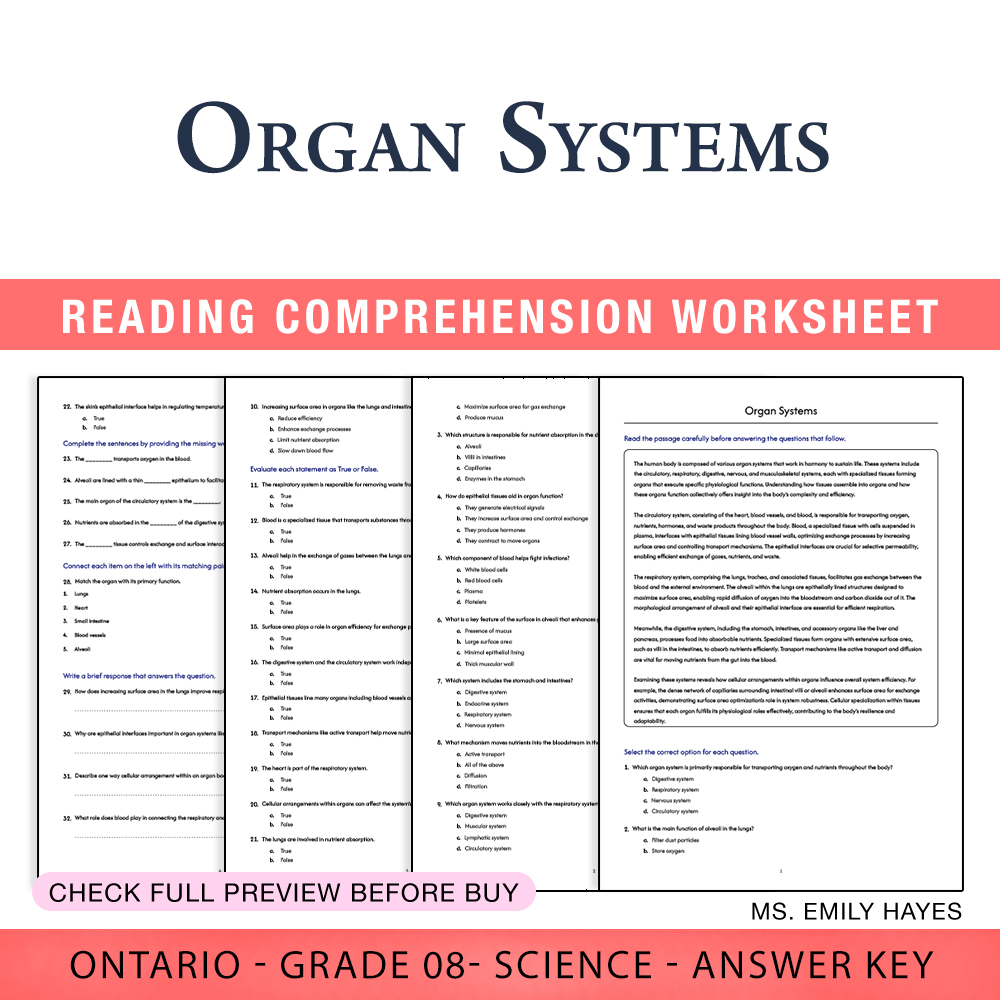
8th Grade Science | Organ Systems Worksheet (PDF + Answer Key)
Created byCopper Leaf ClassroomLearning Objectives
- Describe the major human organ systems and their functions.
- Explain how organ systems interact to maintain homeostasis.
- Analyze feedback mechanisms involved in regulating body conditions.
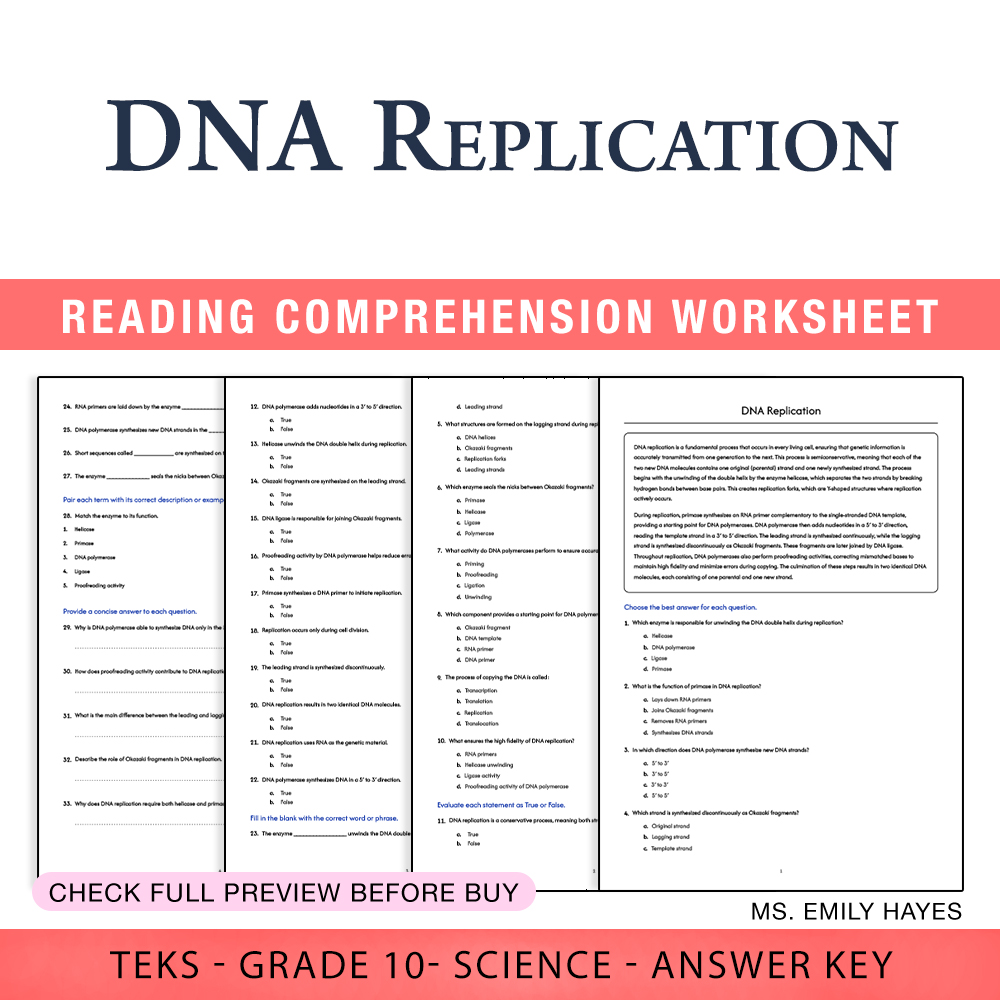
Grade 10 Science | DNA Replication Worksheet (PDF+ Answer Key)
Created byCopper Leaf ClassroomLearning Objectives
- Explain the process of DNA replication and the roles of key enzymes.
- Describe the steps involved in DNA unwinding, primer formation, and nucleotide addition.
- Differentiate between leading and lagging strand synthesis, including Okazaki fragments.
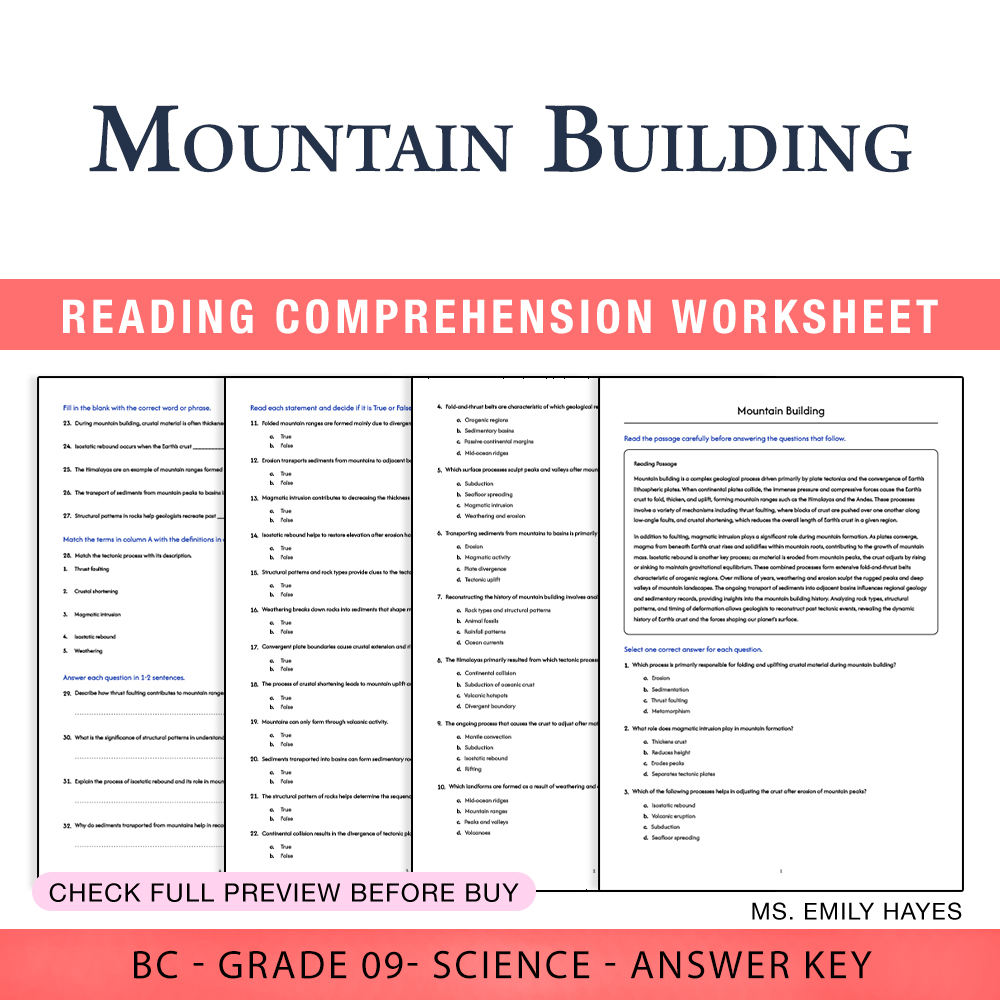
9th Grade Science | Mountain Building Worksheet (PDF+ Answer Key)
Created byCopper Leaf ClassroomLearning Objectives
- Understand the geological processes involved in mountain building resulting from plate convergence and continental collision.
- Identify the various tectonic mechanisms such as thrust faulting, crustal shortening, magmatic intrusion, and isostatic rebound.
- Explain how weathering and erosion shape mountain landscapes and transport sediments.
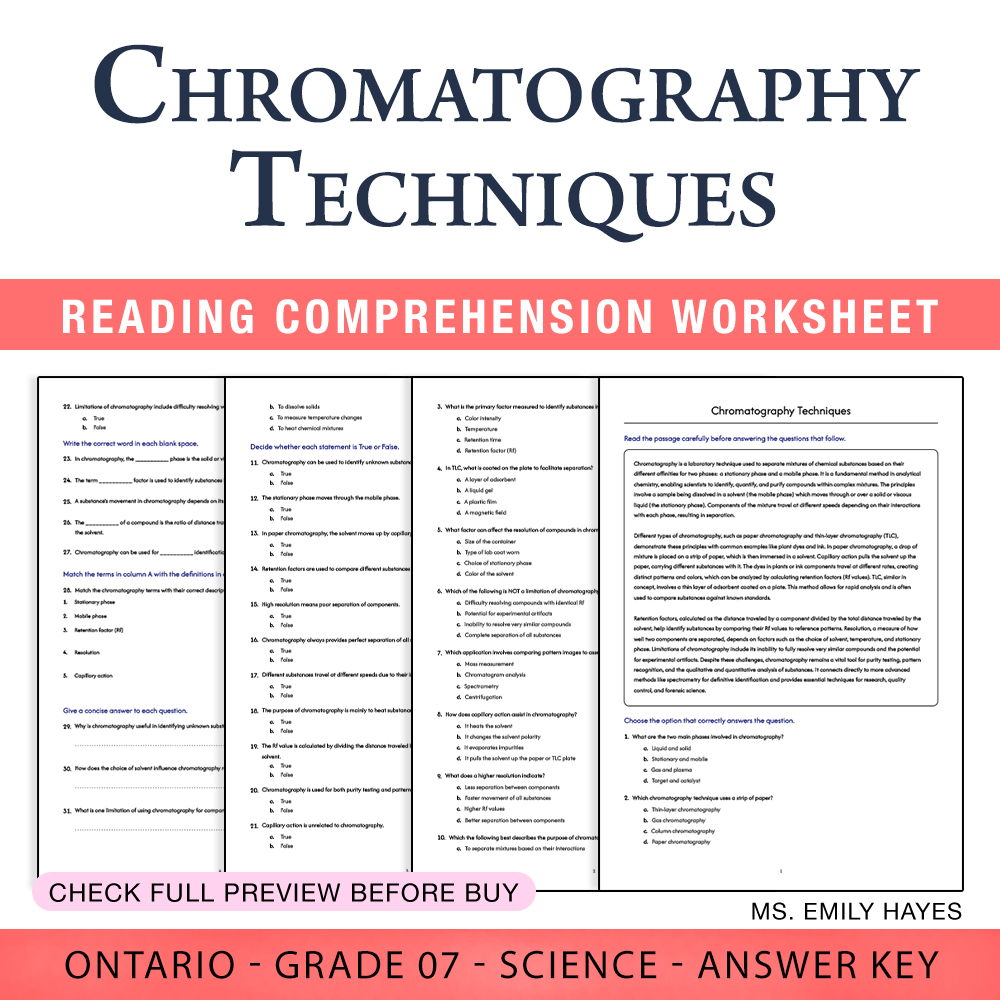
7th Grade Science | Chromatography Techniques Worksheet (PDF+ Answer Key)
Created byCopper Leaf ClassroomLearning Objectives
- Describe the principles of chromatographic separation, including differential partitioning and the roles of stationary and mobile phases.
- Identify the applications of paper and thin-layer chromatography using plant dyes and ink examples.
- Interpret retention factors, resolution, and limitations in chromatography.
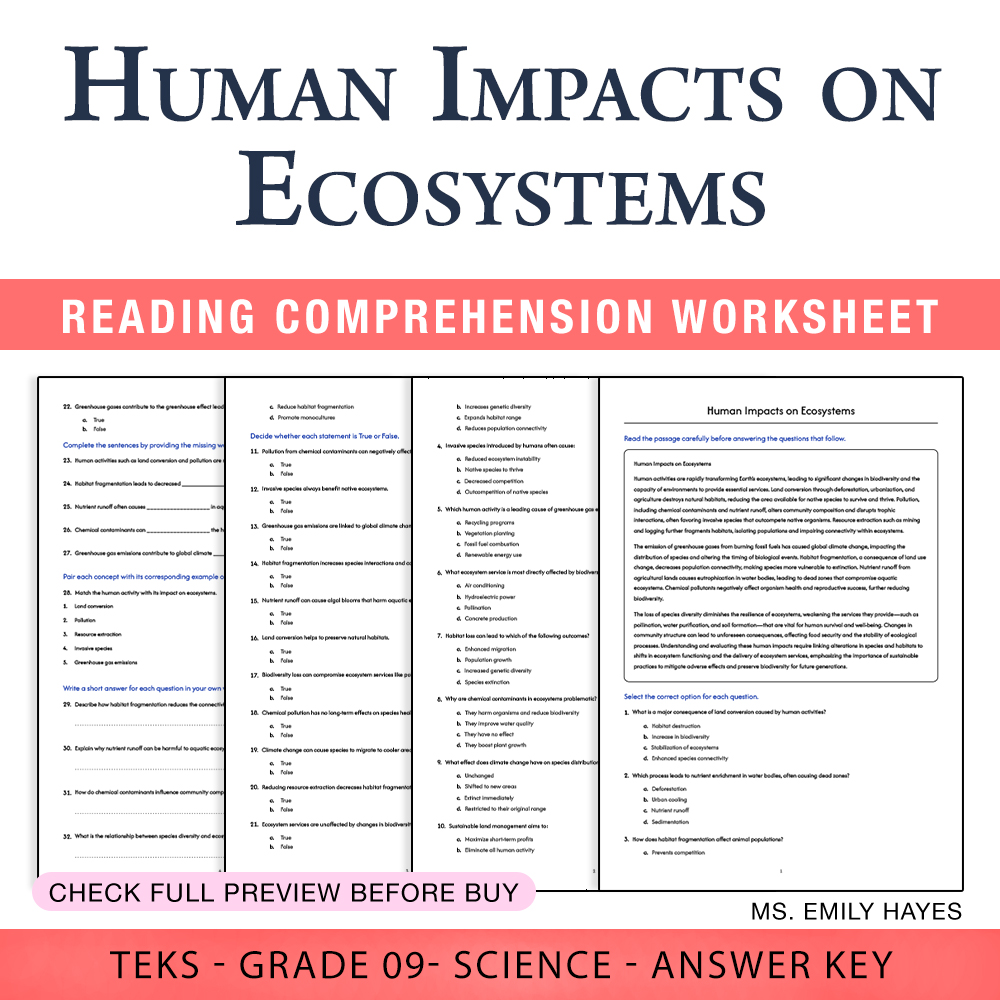
9th Grade Science | Human Impacts on Ecosystems Worksheet (PDF+ Answer Key)
Created byCopper Leaf ClassroomLearning Objectives
- Understand how human activities affect biodiversity and ecosystem services.
- Identify various forms of land conversion, pollution, resource extraction, invasive species, and greenhouse gas emissions.
- Explain the concepts of habitat fragmentation and nutrient runoff.
8th Grade Science | Organelles Roles Worksheet (PDF + Answer Key)
Created byCopper Leaf ClassroomLearning Objectives
- Describe the structure and function of major cell organelles.
- Explain how organelles work together to support energy conversion, protein synthesis, and intracellular transport.
- Identify the impact of organelle dysfunction on cellular performance.
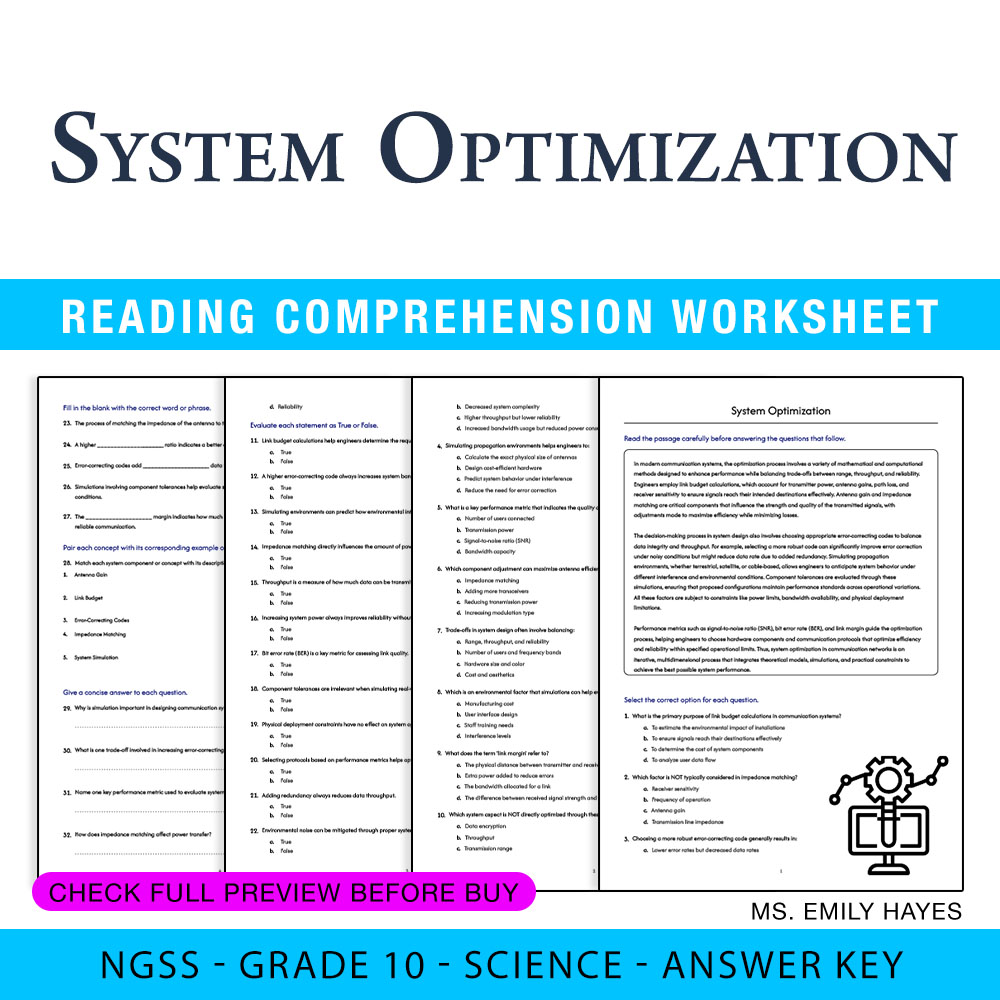
10th Grade Science | System Optimization Worksheet (PDF+ Answer Key)
Created byCopper Leaf ClassroomLearning Objectives
- Understand mathematical models used in communication system optimization
- Analyze the trade-offs involved in system components such as antennas and coding
- Evaluate performance metrics and constraints for communication systems
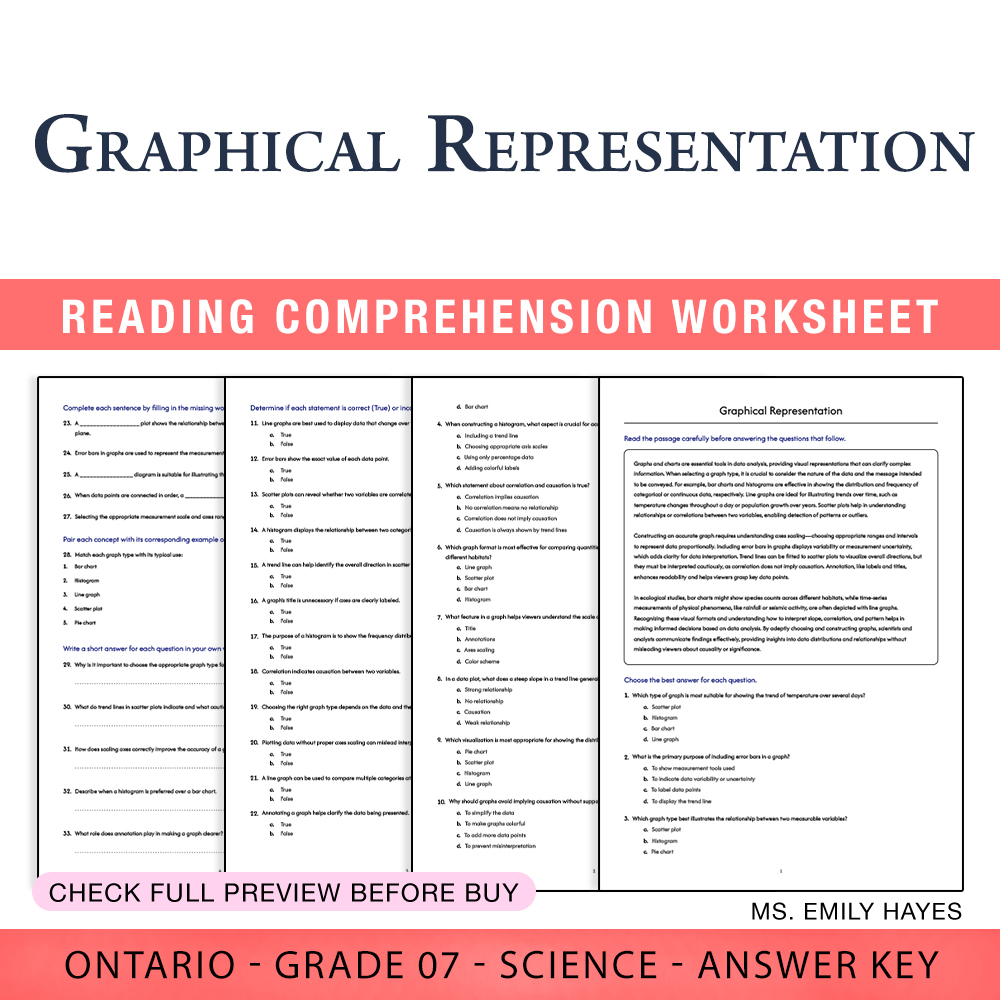
Grade 7 Science | Graphical Representation Worksheet (PDF+ Answer Key)
Created byCopper Leaf ClassroomLearning Objectives
- Understand the different types of graphs used to display data such as bar charts, histograms, line graphs, and scatter plots.
- Learn how to properly select and construct various graphs based on data type and measurement scales.
- Interpret elements of graphs including axes, error bars, trend lines, and patterns.
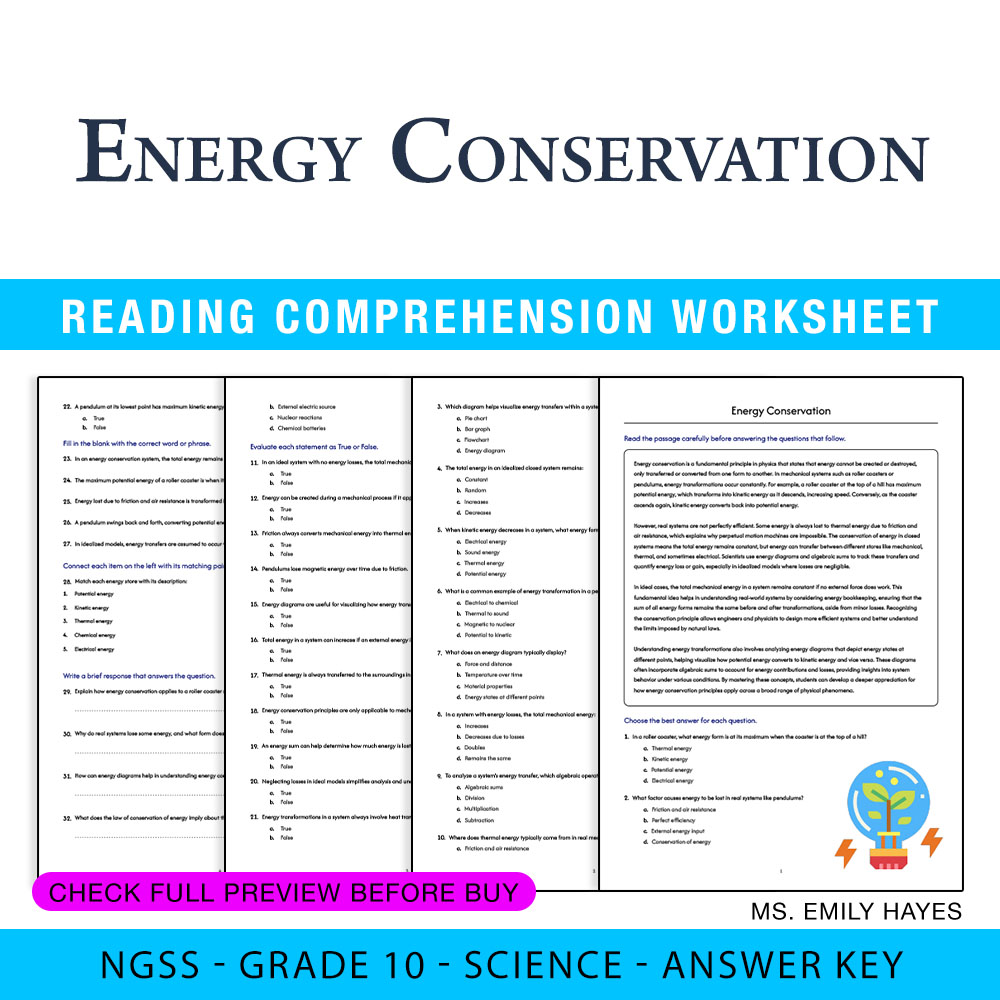
Grade 10 Science | Energy Conservation Worksheet (PDF+ Answer Key)
Created byCopper Leaf ClassroomLearning Objectives
- Explain the principles of energy conservation in closed and isolated systems using mechanical examples.
- Describe the conversions between kinetic and potential energy and how energy losses occur to thermal energy.
- Apply the concept of energy bookkeeping across system boundaries using diagrams and algebraic sums.
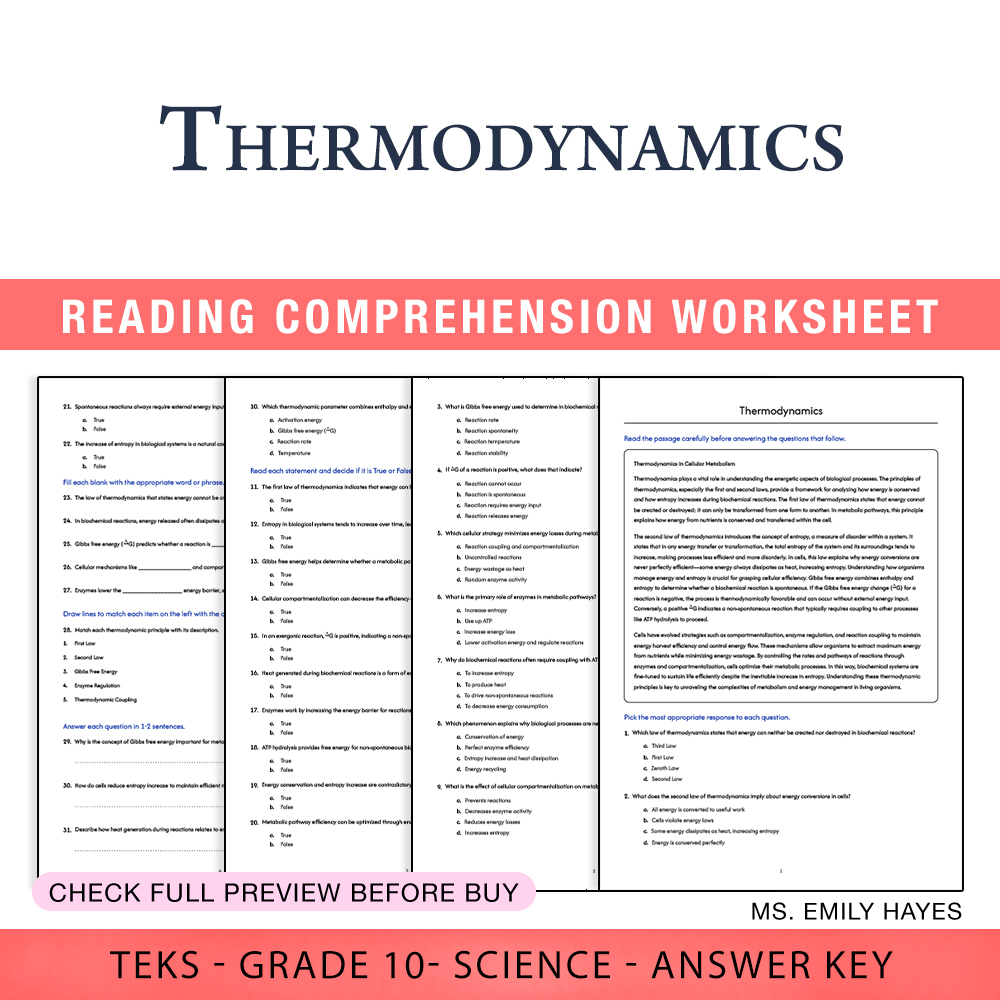
10th Grade Science | Thermodynamics Worksheet (PDF+ Answer Key)
Created byCopper Leaf ClassroomLearning Objectives
- Understand the fundamental principles of thermodynamics as they apply to biochemical reactions.
- Explain the significance of energy conservation and entropy in cellular metabolism.
- Describe how Gibbs free energy determines reaction spontaneity and pathway coupling.
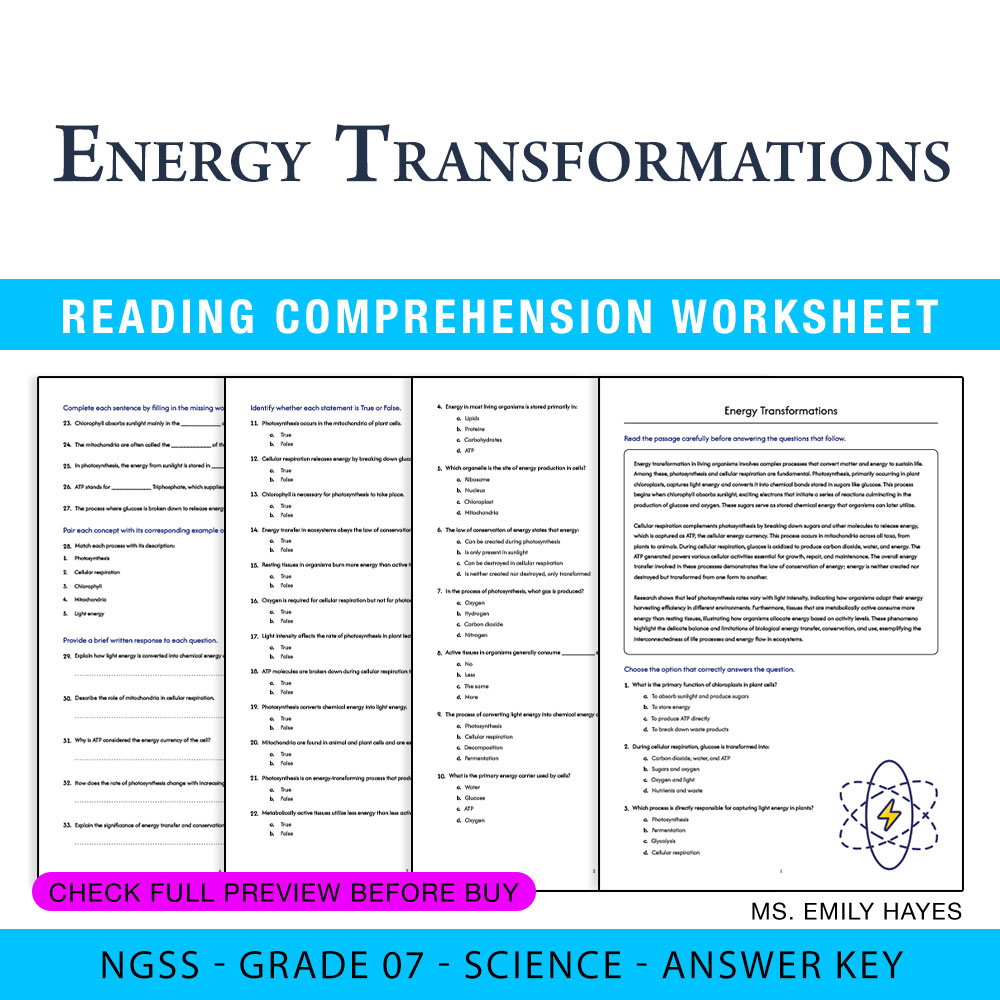
7th Grade Science | Energy Transformations Worksheet (PDF + Answer Key)
Created byCopper Leaf ClassroomLearning Objectives
- Explain how light energy is converted into chemical energy during photosynthesis.
- Describe how cellular respiration releases energy stored in food molecules.
- Connect processes of sugar production in chloroplasts to ATP generation in mitochondria across different organisms.
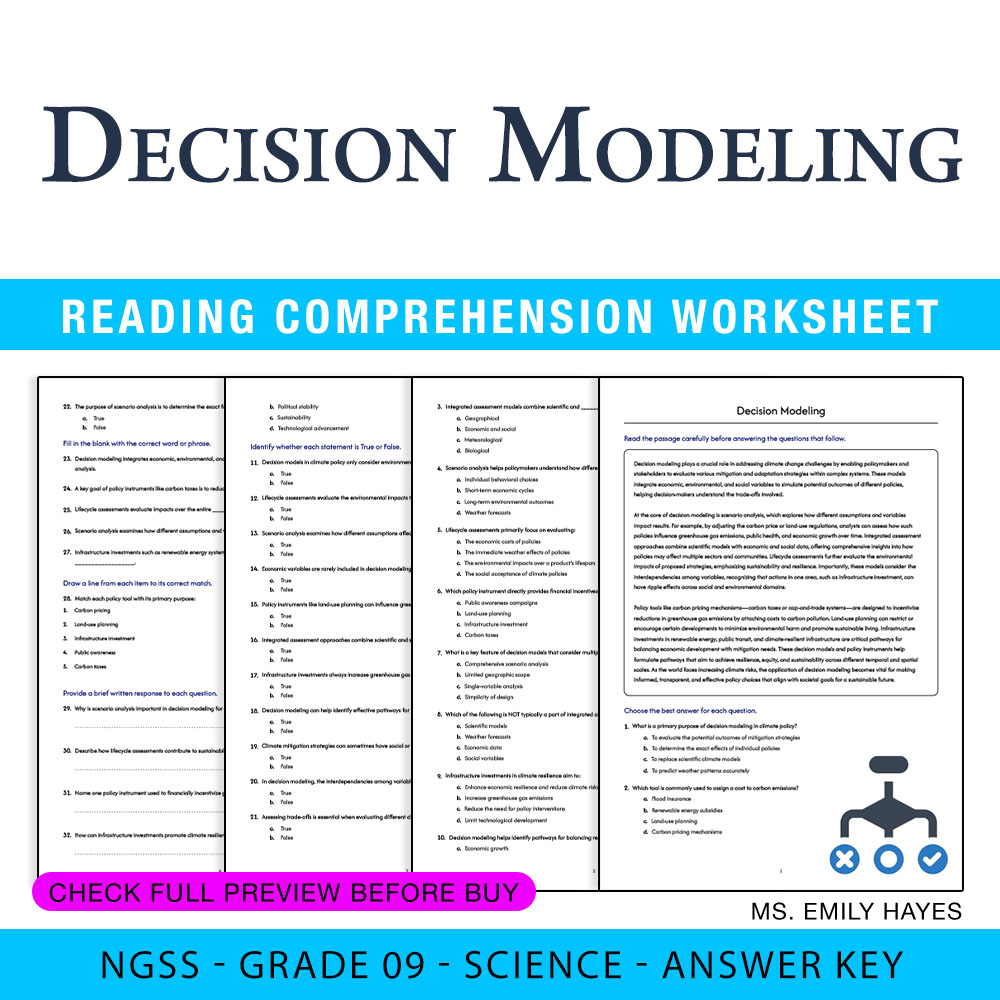
Grade 9 Science | Decision Modeling Worksheet (PDF+ Answer Key)
Created byCopper Leaf ClassroomLearning Objectives
- Describe how systems and decision models are used to evaluate climate mitigation and adaptation strategies.
- Explain the trade-offs among economic, environmental, and social variables in policy decision-making.
- Apply scenario analysis and integrated assessment approaches to real-world decision problems.
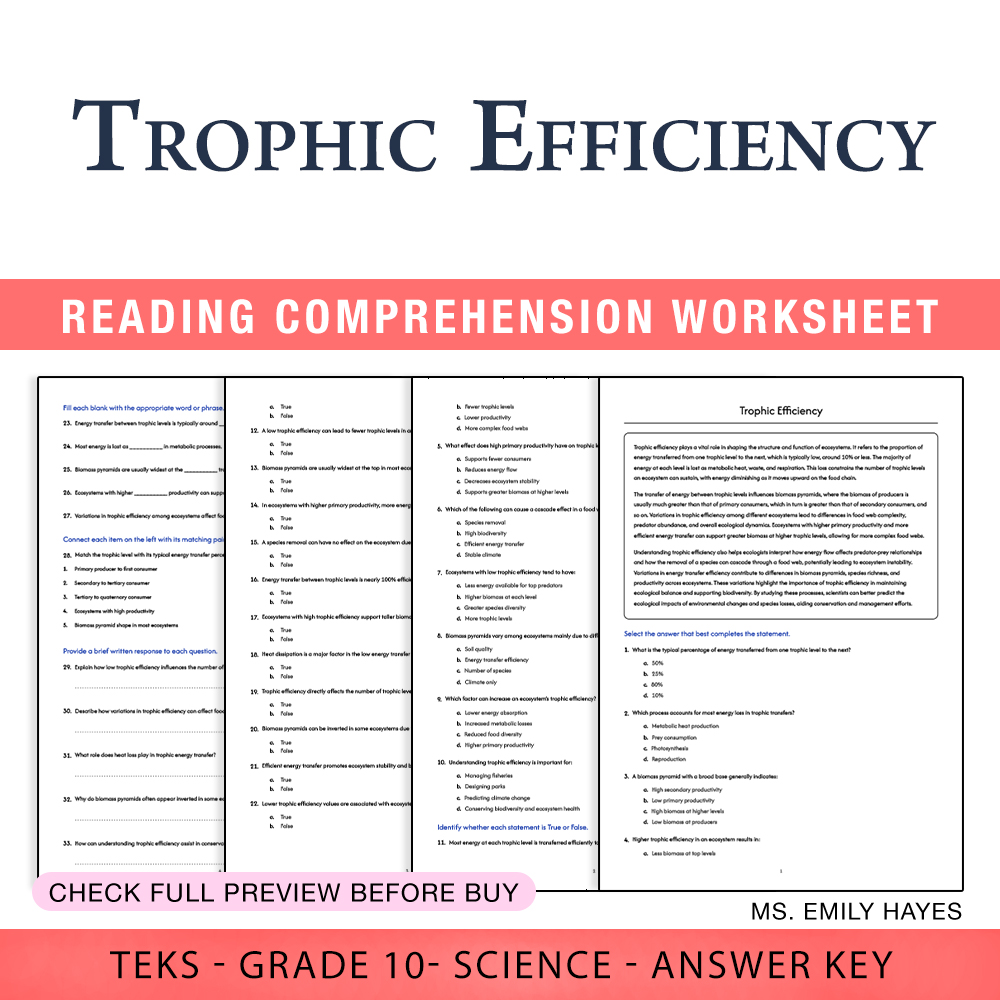
Grade 10 Science | Trophic Efficiency Worksheet (PDF+ Answer Key)
Created byCopper Leaf ClassroomLearning Objectives
- Understand the concept of trophic efficiency and how energy transfer between trophic levels affects ecosystems.
- Analyze the factors influencing biomass pyramids and trophic levels in various ecosystems.
- Evaluate the ecological significance of variations in trophic efficiency and primary productivity.
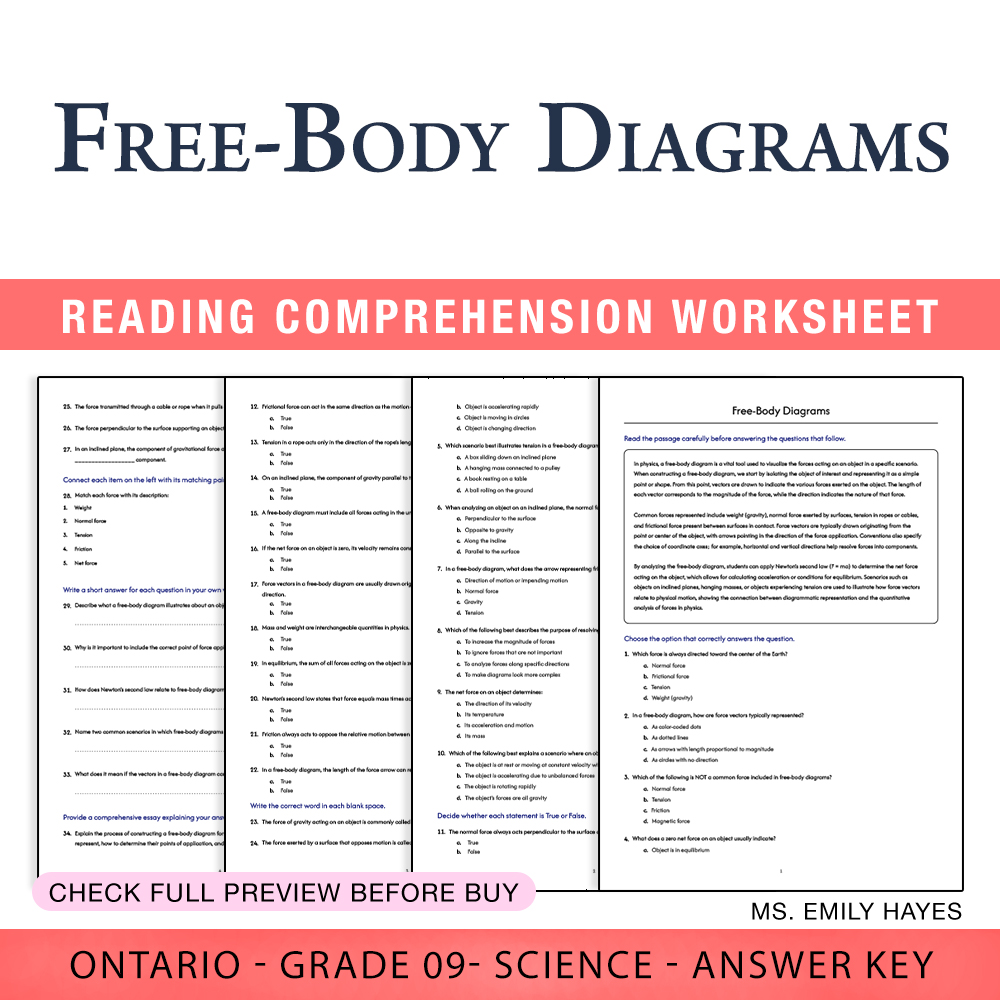
9th Grade Science | Free-Body Diagrams Worksheet (PDF + Answer Key)
Created byCopper Leaf ClassroomLearning Objectives
- Understand the components and conventions used in drawing free-body diagrams.
- Identify and represent the key forces acting on objects in various scenarios.
- Apply Newton's second law to analyze forces and calculate net force and acceleration.
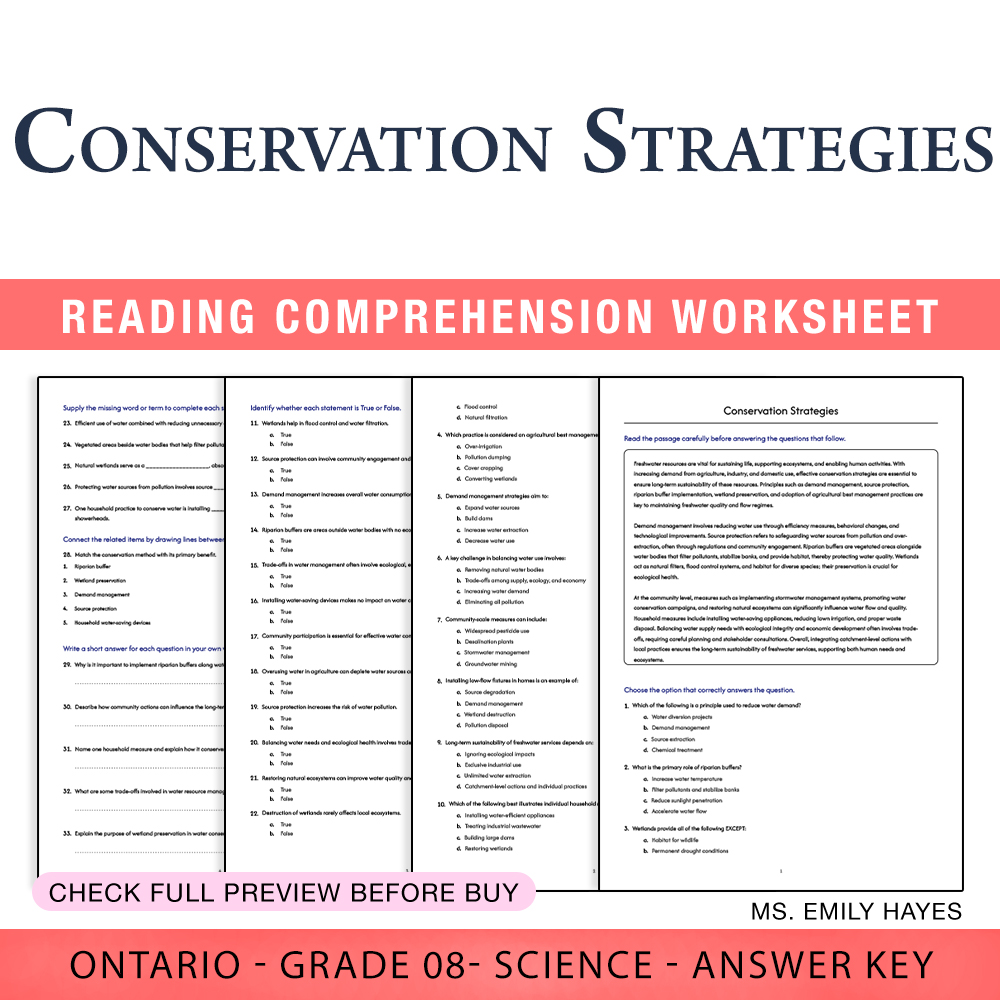
Grade 8 Science | Conservation Strategies Worksheet (PDF+ Answer Key)
Created byCopper Leaf ClassroomLearning Objectives
- Describe principles of water resource stewardship and management.
- Identify various conservation methods used at community and household levels.
- Analyze trade-offs among water supply, ecological health, and economic uses.
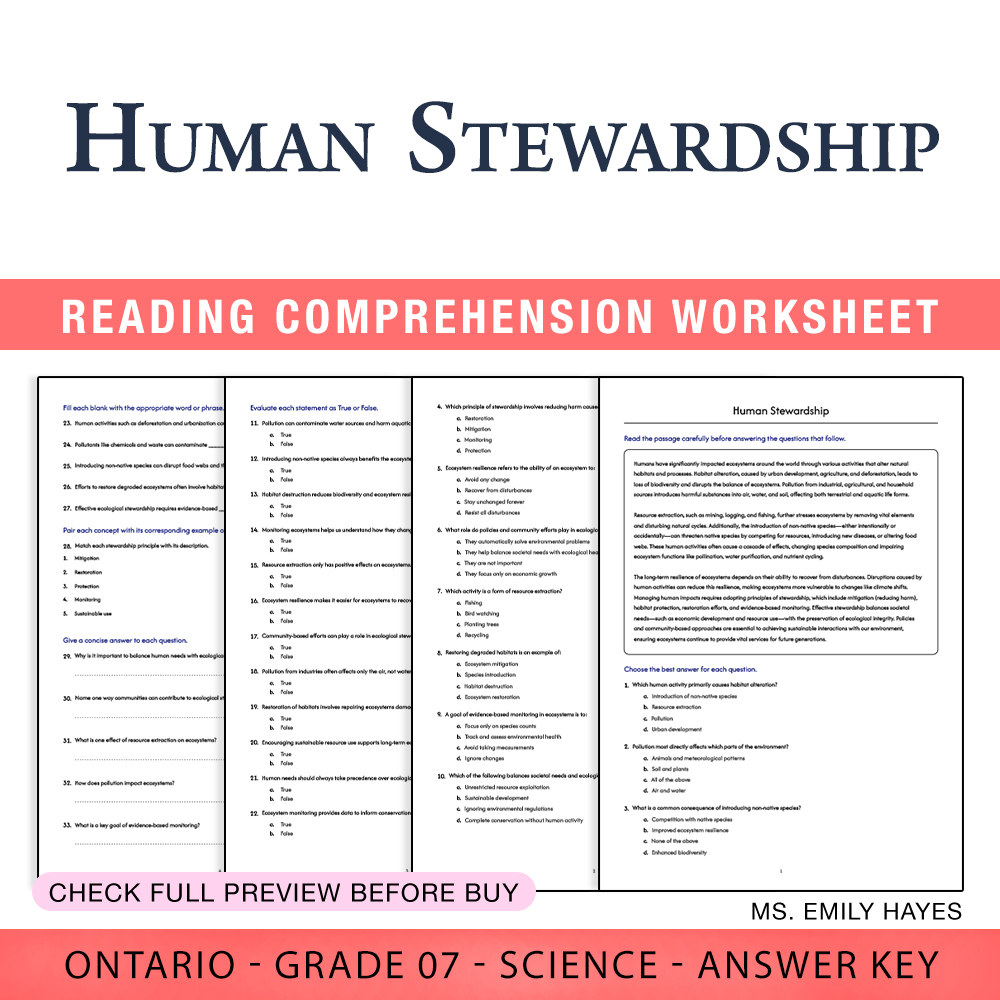
7th Grade Science | Human Stewardship Worksheet (PDF+ Answer Key)
Created byCopper Leaf ClassroomLearning Objectives
- Describe human impacts on ecosystems, including habitat alteration, pollution, resource extraction, and introduction of non-native species.
- Explain the consequences of human activities on species composition, ecosystem functions, and long-term resilience.
- Outline principles of ecological stewardship such as mitigation, habitat protection, restoration priorities, and evidence-based monitoring.
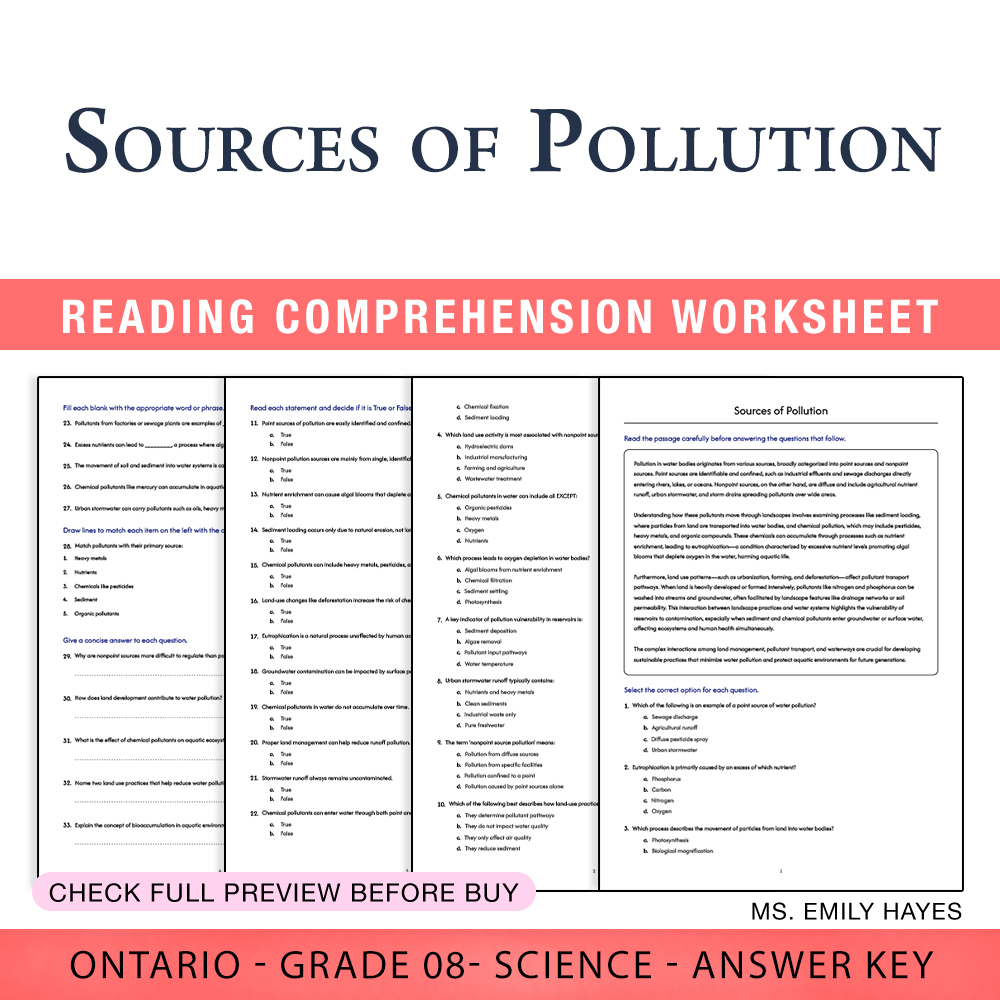
8th Grade Science | Sources of Pollution Worksheet (PDF + Answer Key)
Created byCopper Leaf ClassroomLearning Objectives
- Differentiate between point and nonpoint sources of pollution with examples.
- Explain the processes of nutrient enrichment, eutrophication, and oxygen depletion in water bodies.
- Describe how land use and landscape practices influence pollutant transport pathways.
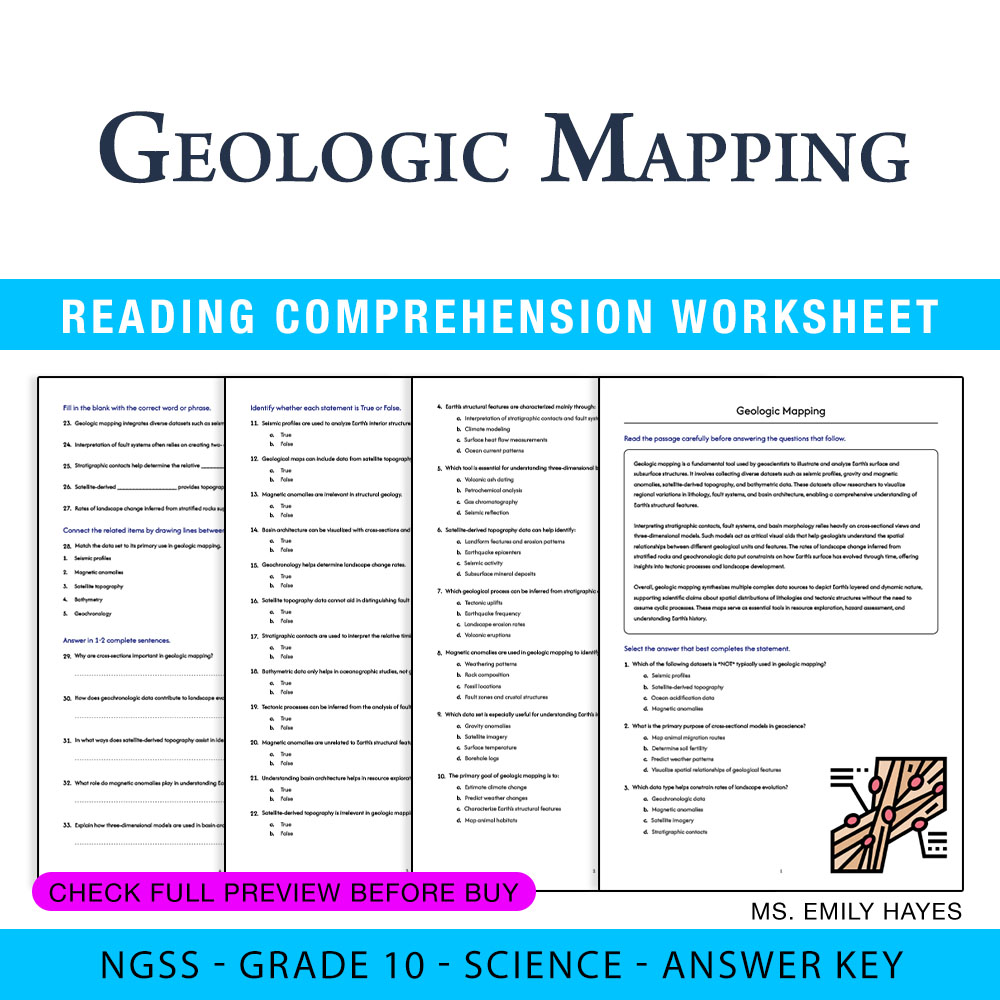
10th Grade Science | Geologic Mapping Worksheet (PDF+ Answer Key)
Created byCopper Leaf ClassroomLearning Objectives
- Understand the process and purpose of geologic mapping in earth sciences.
- Identify key data sets and interpret structural features from geologic maps.
- Apply knowledge of stratigraphy, fault systems, and basin architecture to analyze Earth's surface.
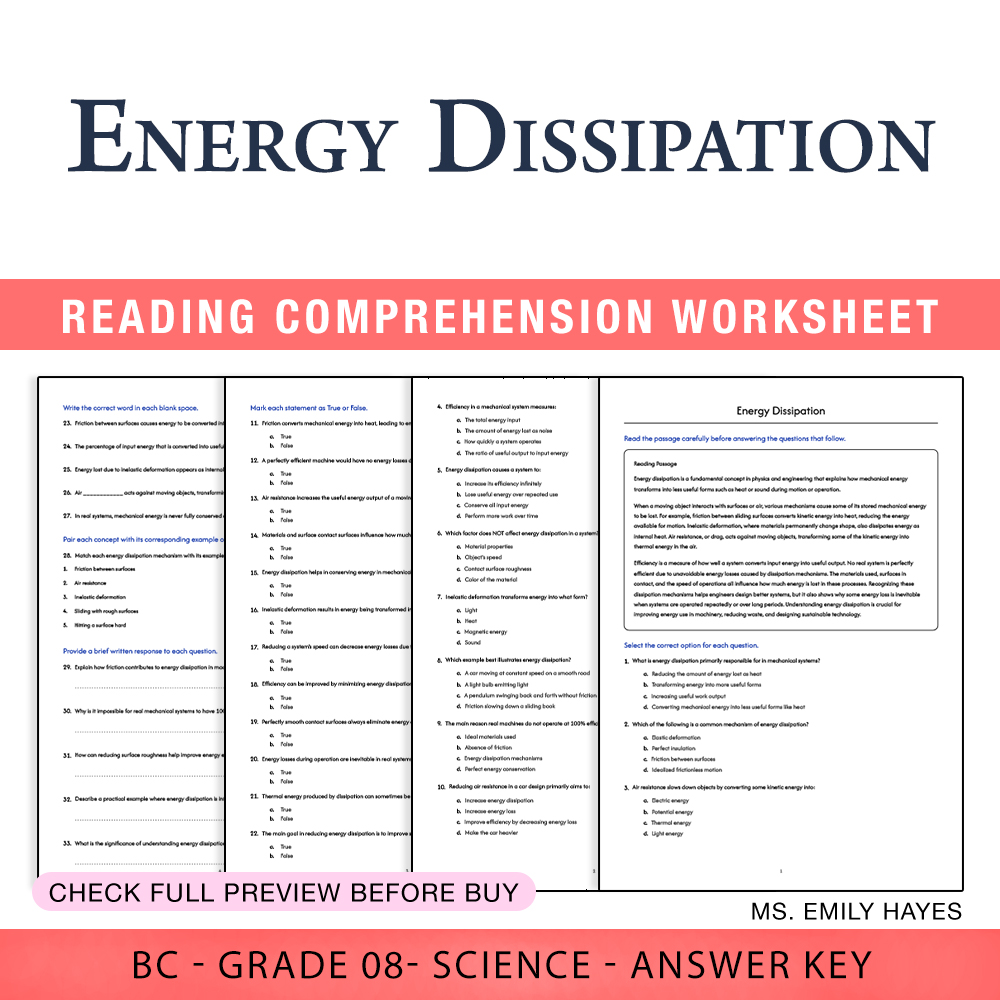
Grade 8 Science | Energy Dissipation Worksheet (PDF+ Answer Key)
Created byCopper Leaf ClassroomLearning Objectives
- Understand the concept of energy dissipation and how it affects mechanical systems.
- Identify different mechanisms by which energy is dissipated, including friction and air resistance.
- Explain the concept of efficiency and factors influencing energy losses in systems.
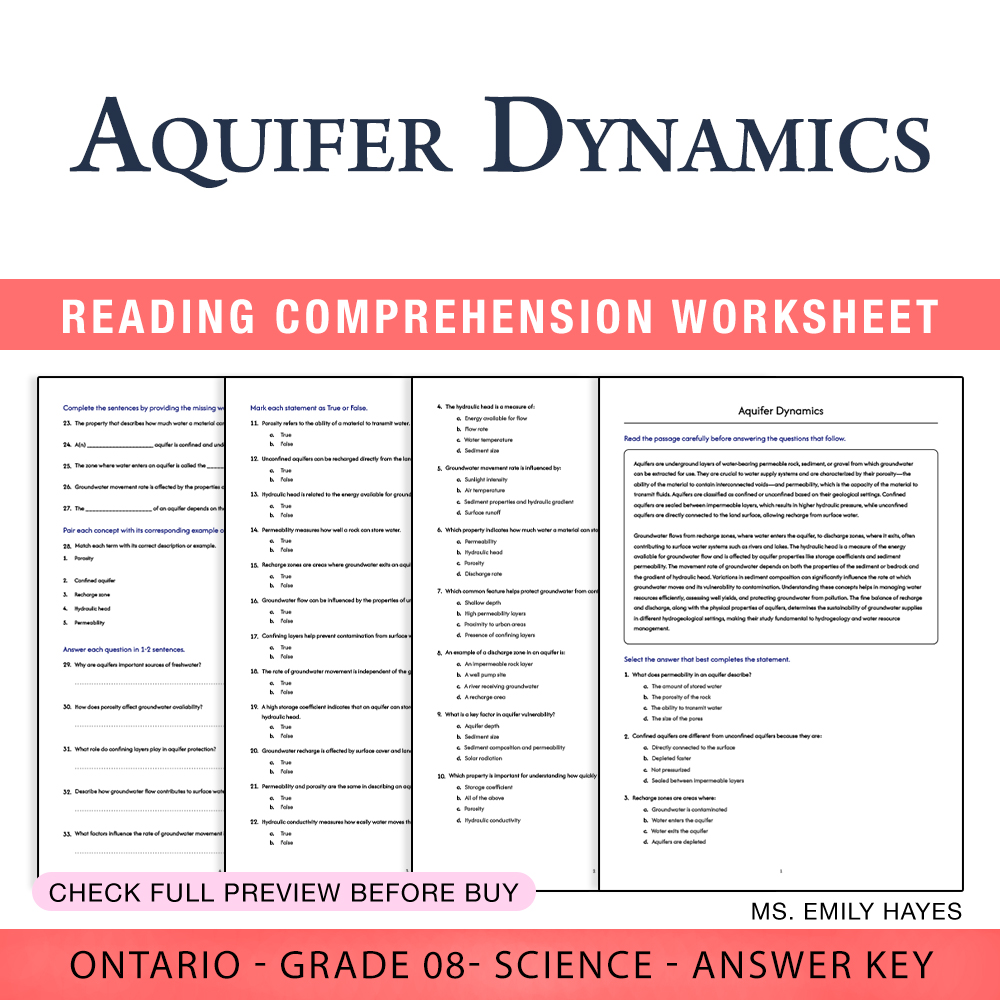
Grade 8 Science | Aquifer Dynamics Worksheet (PDF+ Answer Key)
Created byCopper Leaf ClassroomLearning Objectives
- Understand the structure and function of aquifers and groundwater flow systems.
- Explain the concepts of porosity, permeability, confined and unconfined aquifers.
- Identify recharge and discharge zones and understand hydraulic head concepts.
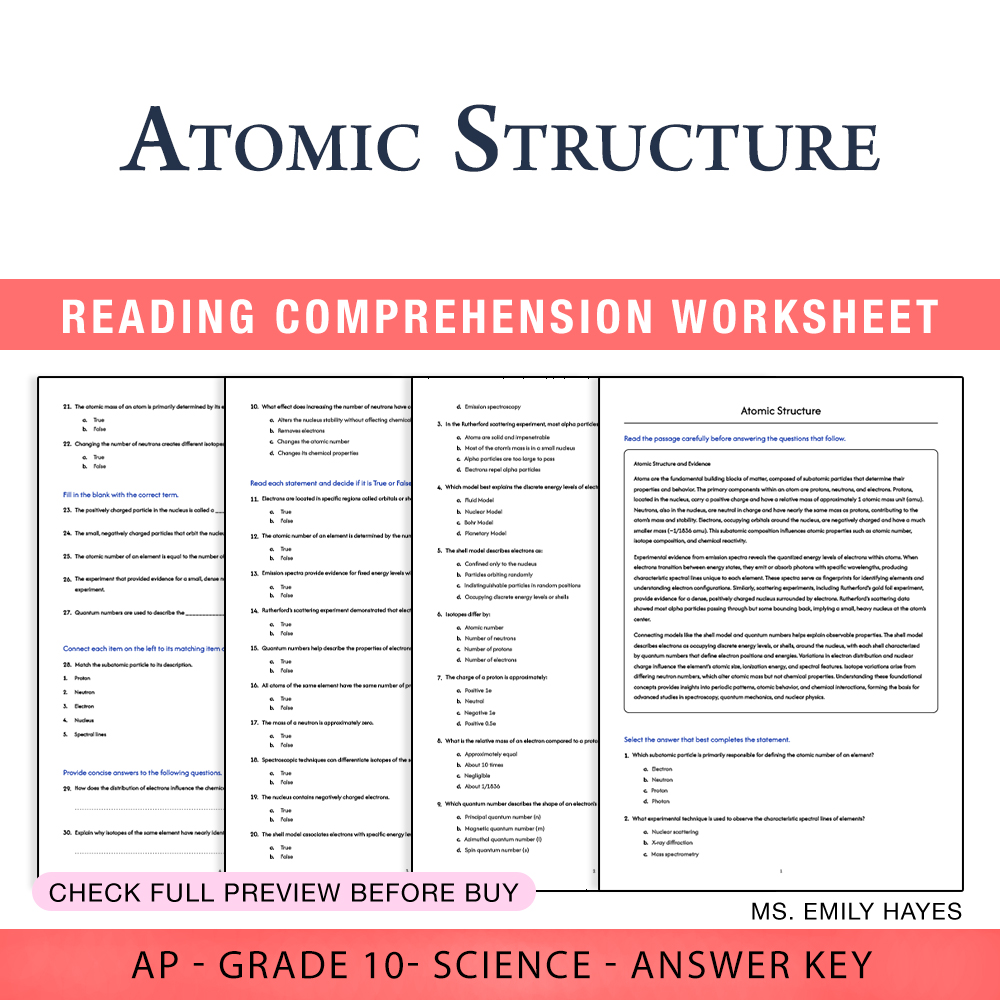
10th Grade Science | Atomic Structure Worksheet (PDF+ Answer Key)
Created byCopper Leaf ClassroomLearning Objectives
- Describe the subatomic components of atoms, including proton, neutron, and electron roles and masses.
- Explain how experimental evidence from emission spectra and scattering supports atomic models.
- Connect shell models and quantum numbers to observable atomic properties like spectral lines.
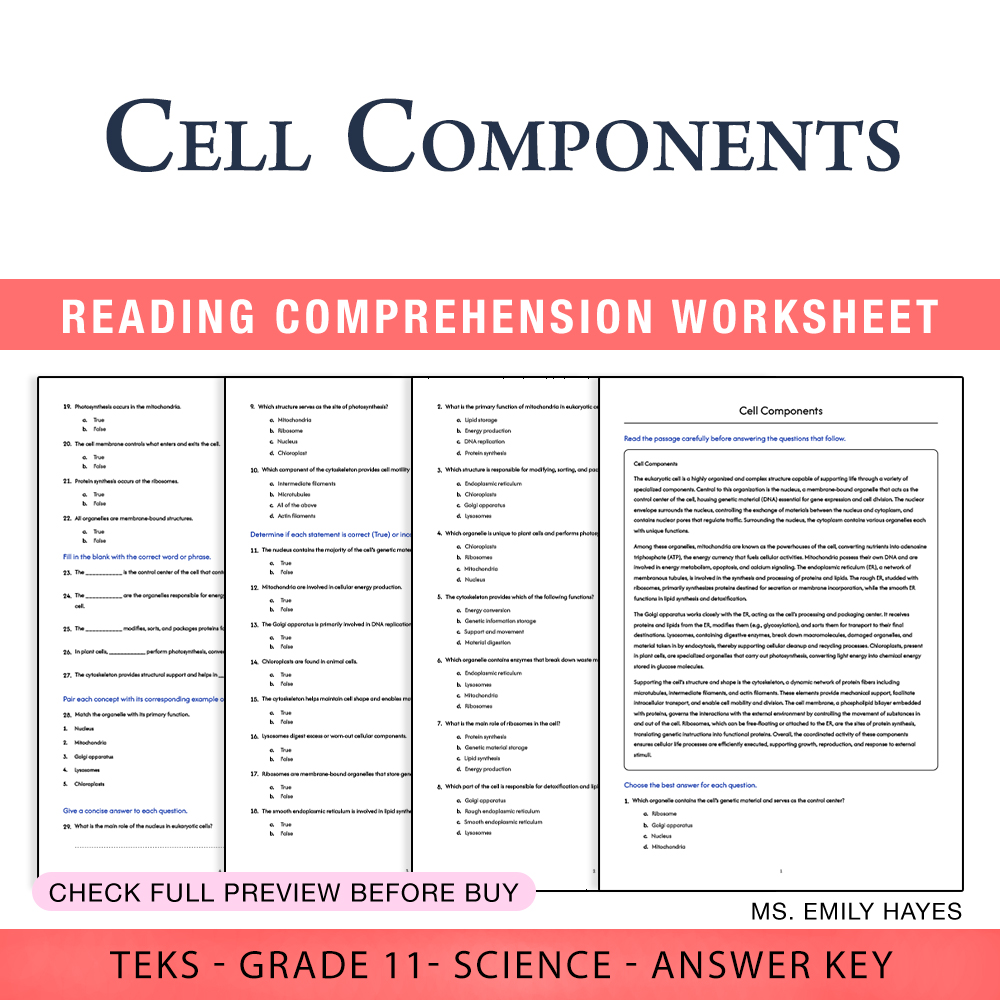
11th Grade Science | Cell Components Worksheet (PDF+ Answer Key)
Created byCopper Leaf ClassroomLearning Objectives
- Identify and describe the functions of various organelles within eukaryotic cells.
- Differentiate between membrane-bound and non-membrane-bound cell structures.
- Understand how cellular structures coordinate to support cell metabolism, genetic control, and material transport.
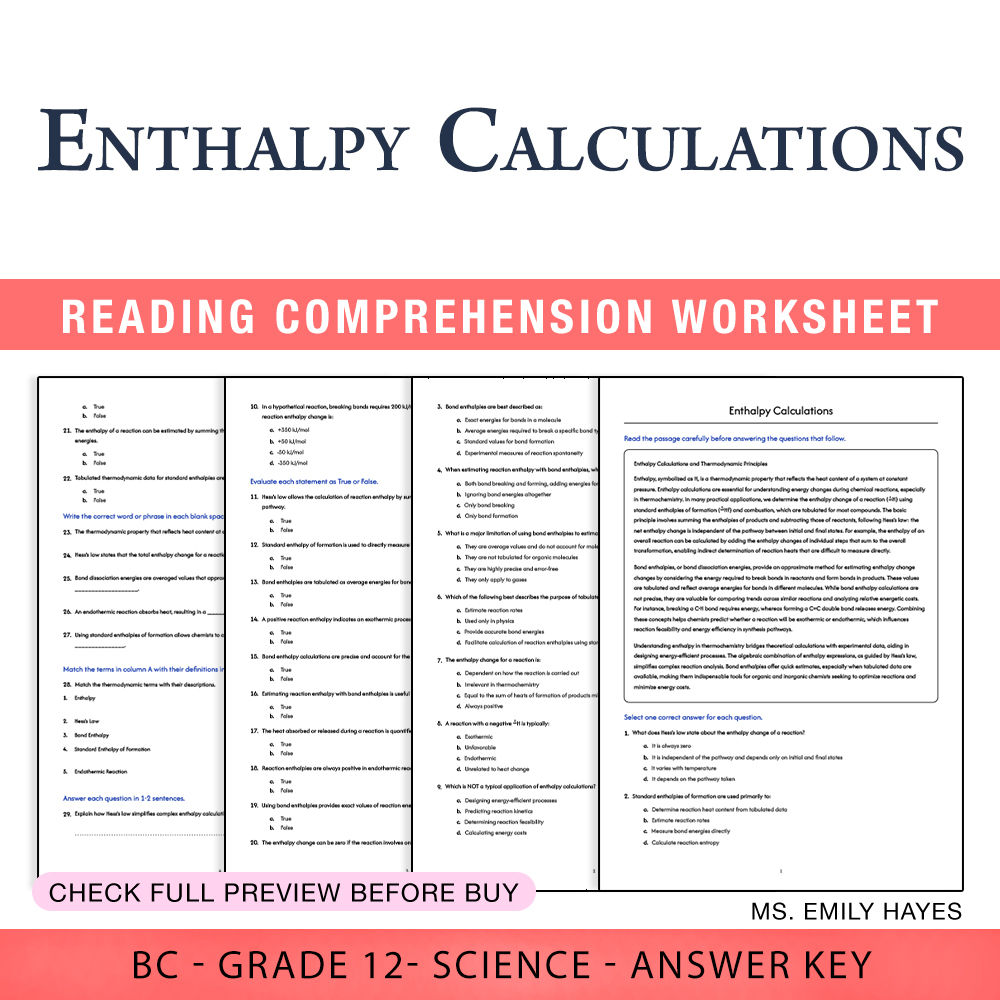
12th Grade Science | Enthalpy Calculations Worksheet (PDF + Answer Key)
Created byCopper Leaf ClassroomLearning Objectives
- Understand how standard enthalpies of formation and combustion are used to calculate reaction enthalpies.
- Apply Hess's law to algebraically combine enthalpy terms for complex reactions.
- Estimate reaction enthalpies using bond enthalpies and compare reaction energy trends.
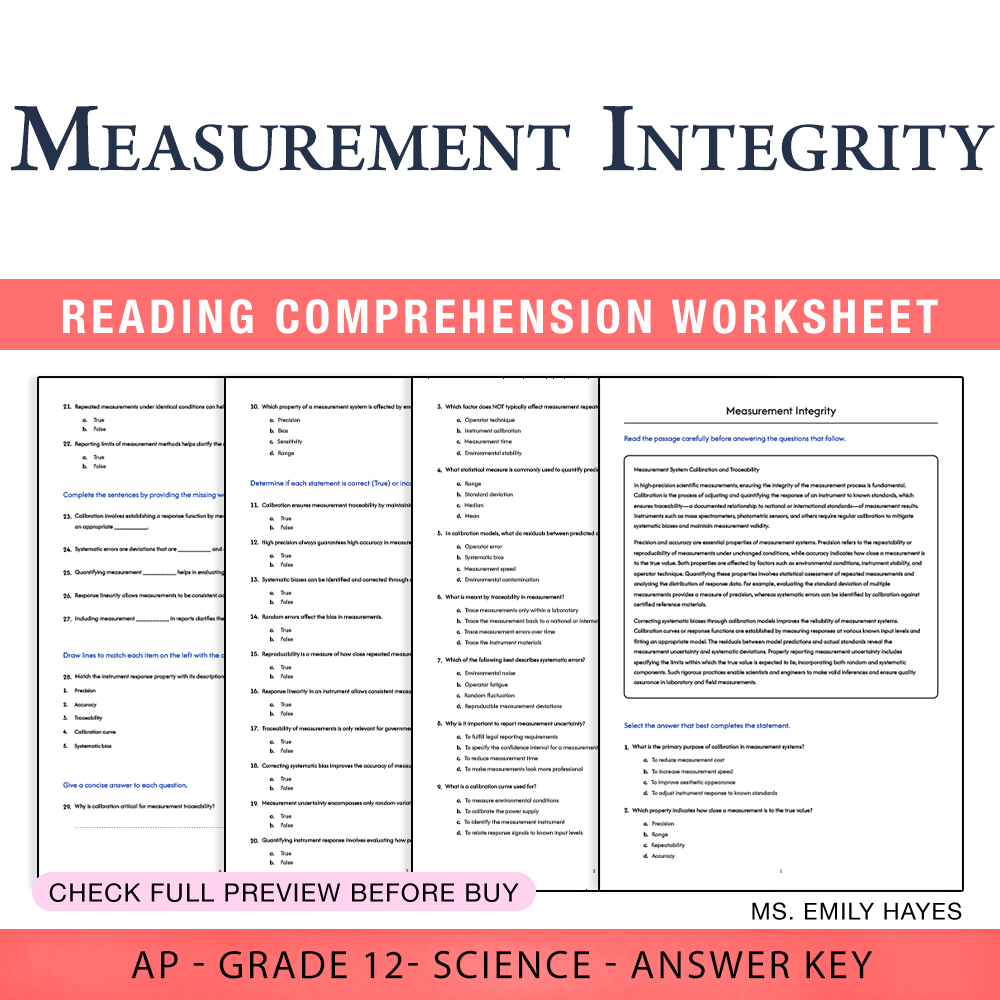
12th Grade Science | Measurement Integrity Worksheet (PDF+ Answer Key)
Created byCopper Leaf ClassroomLearning Objectives
- Understand the principles of calibration, precision, and accuracy in measurement systems.
- Identify methods for quantifying instrument response, repeatability, and systematic biases.
- Evaluate the impact of measurement properties on derived parameters and data analysis.
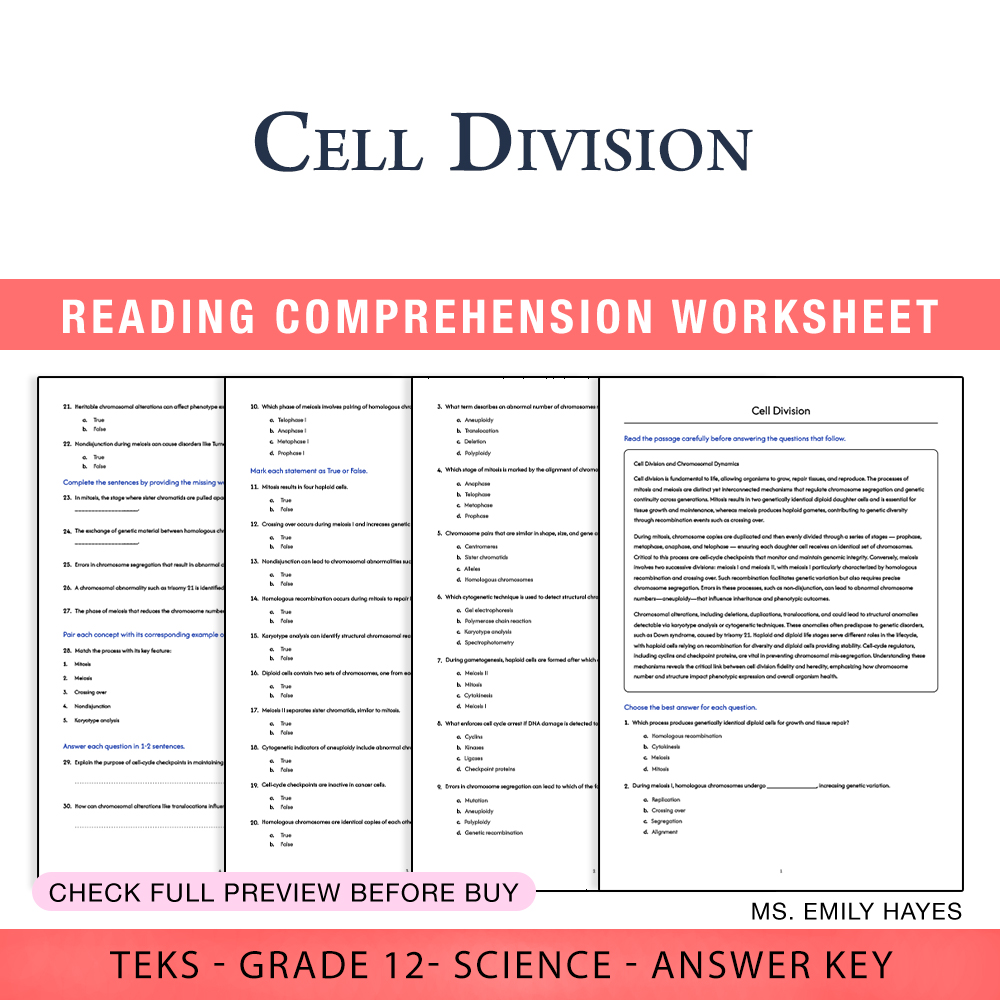
12th Grade Science | Cell Division Worksheet (PDF+ Answer Key)
Created byCopper Leaf ClassroomLearning Objectives
- Describe the processes of mitosis and meiosis and their roles in cellular reproduction.
- Explain chromosome segregation, homologous recombination, and mechanisms preventing nondisjunction.
- Identify structural and functional differences between haploid and diploid cells during division.
Browse more categories
About Science Worksheets
Find Science worksheets spanning core skills, practice, and review. All 42,859 resources are instant PDF downloads for the classroom or home.
Every worksheet on MyTeachingSheets is created by independent teacher-authors and reviewed before publication. All resources download as printable PDFs for classroom, homework, or at-home practice, and many include answer keys. Preview any worksheet free before buying.