
Science Worksheets
42,859 subject resources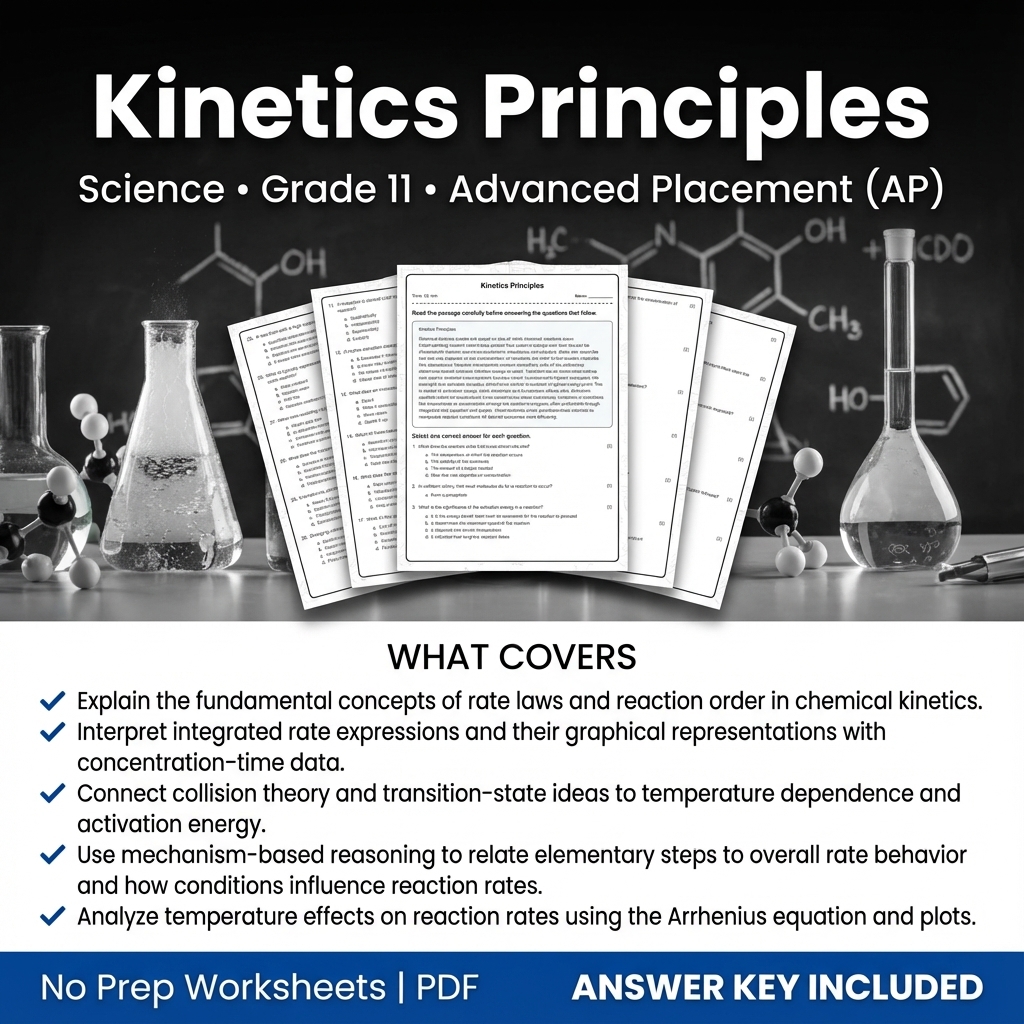
11th Grade Science | Kinetics Principles Worksheet (Printable PDF + Answer Key)
 Created byCoral Reef Learning
Learning Objectives
- Explain the fundamental concepts of rate laws and reaction order in chemical kinetics.
- Interpret integrated rate expressions and their graphical representations with concentration–time data.
- Connect collision theory and transition-state ideas to temperature dependence and activation energy.
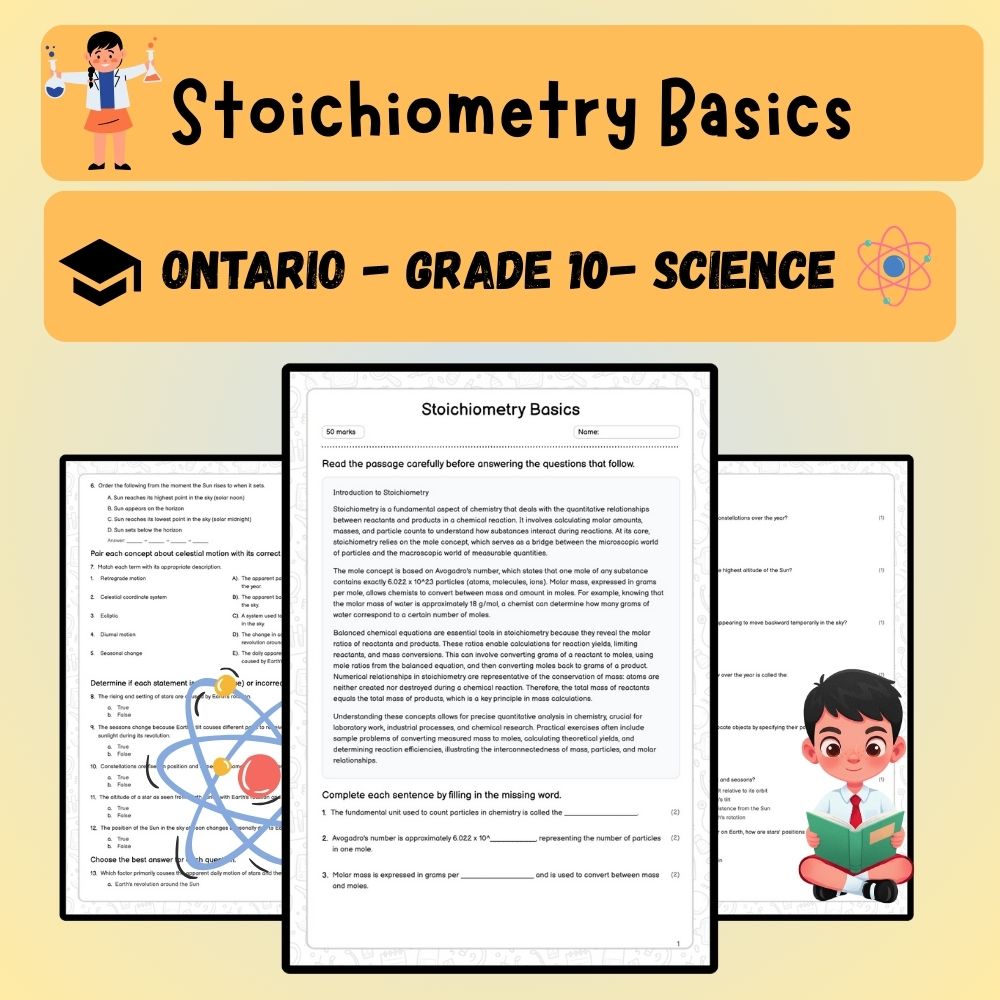
Grade 10 Science | Stoichiometry Basics Worksheet (Answer Key) for Ontario Standards
 Created byPrism Point Learning
Learning Objectives
- Understand the mole concept and its relation to mass and number of particles.
- Learn to perform mass-to-mole and mole-to-mass conversions using molar mass.
- Use balanced chemical equations to determine molar ratios and predict reaction outcomes.
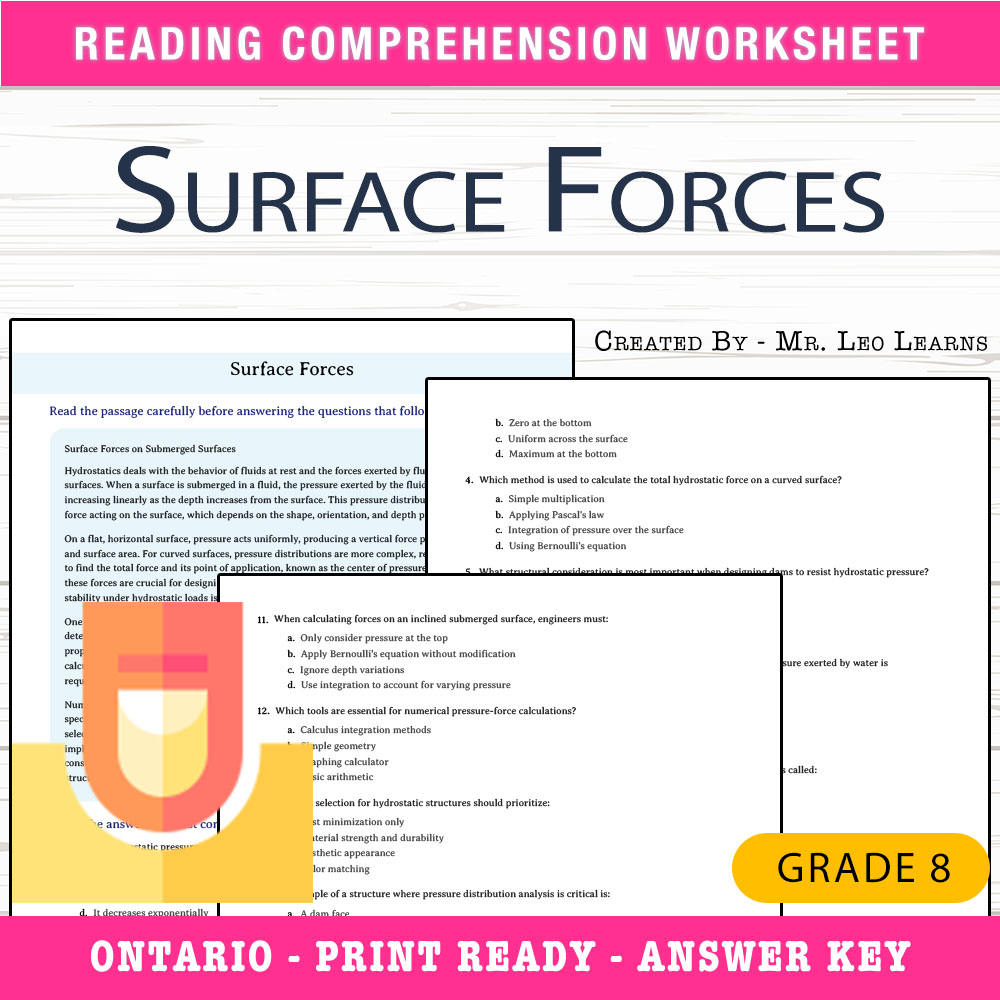
Grade 8 Science — Surface Forces Worksheet for Mastery
 Created byThe Resource Hub
Learning Objectives
- Explain how fluid pressure varies with depth on submerged surfaces.
- Determine the net force and point of application on planar and curved surfaces subjected to hydrostatic pressure.
- Apply pressure distribution concepts to practical engineering problems such as dam faces and bulkhead design.
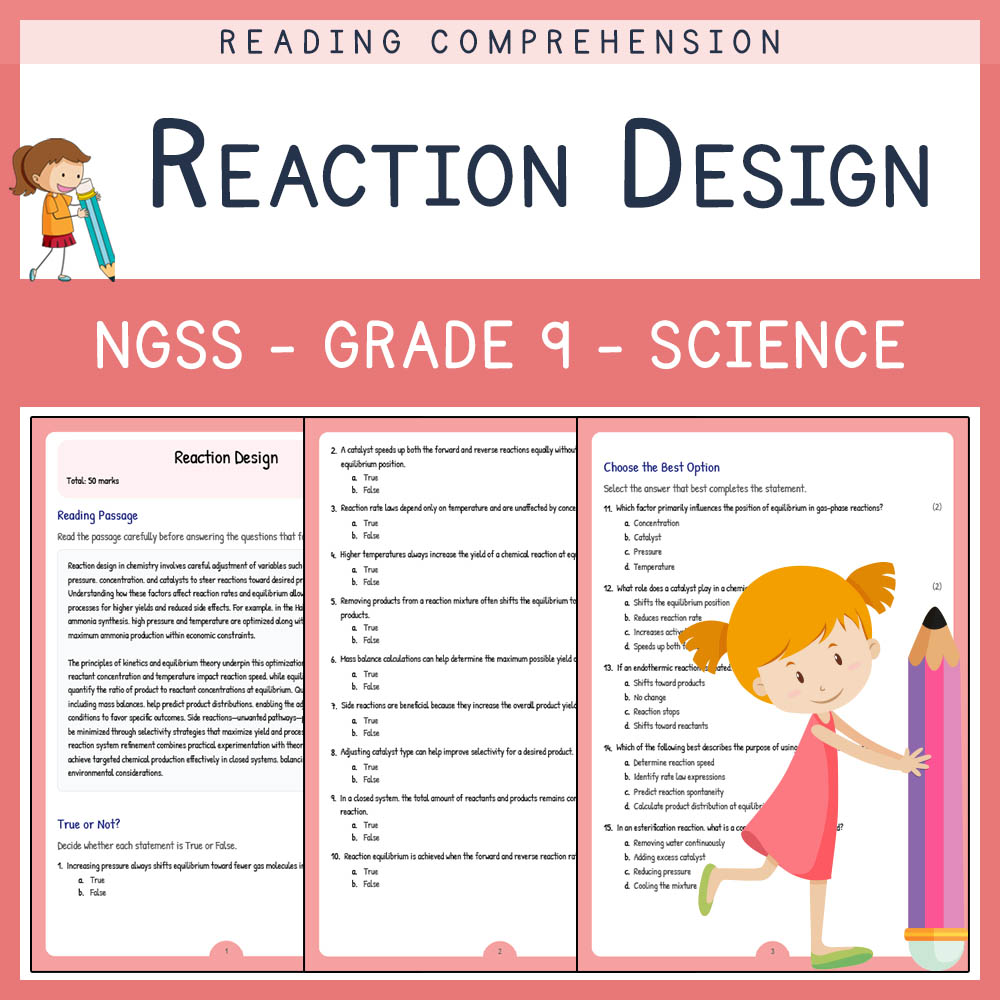
Grade 9 Science | Reaction Design Worksheet & Answer Key for NGSS
 Created byLumora Learning
Learning Objectives
- Understand how temperature, pressure, concentration, and catalysts influence reaction rates and equilibrium.
- Analyze the role of equilibrium constants and reaction-rate expressions in predicting product yields.
- Apply principles of kinetics and equilibrium to optimize chemical processes like Haber synthesis and esterification.
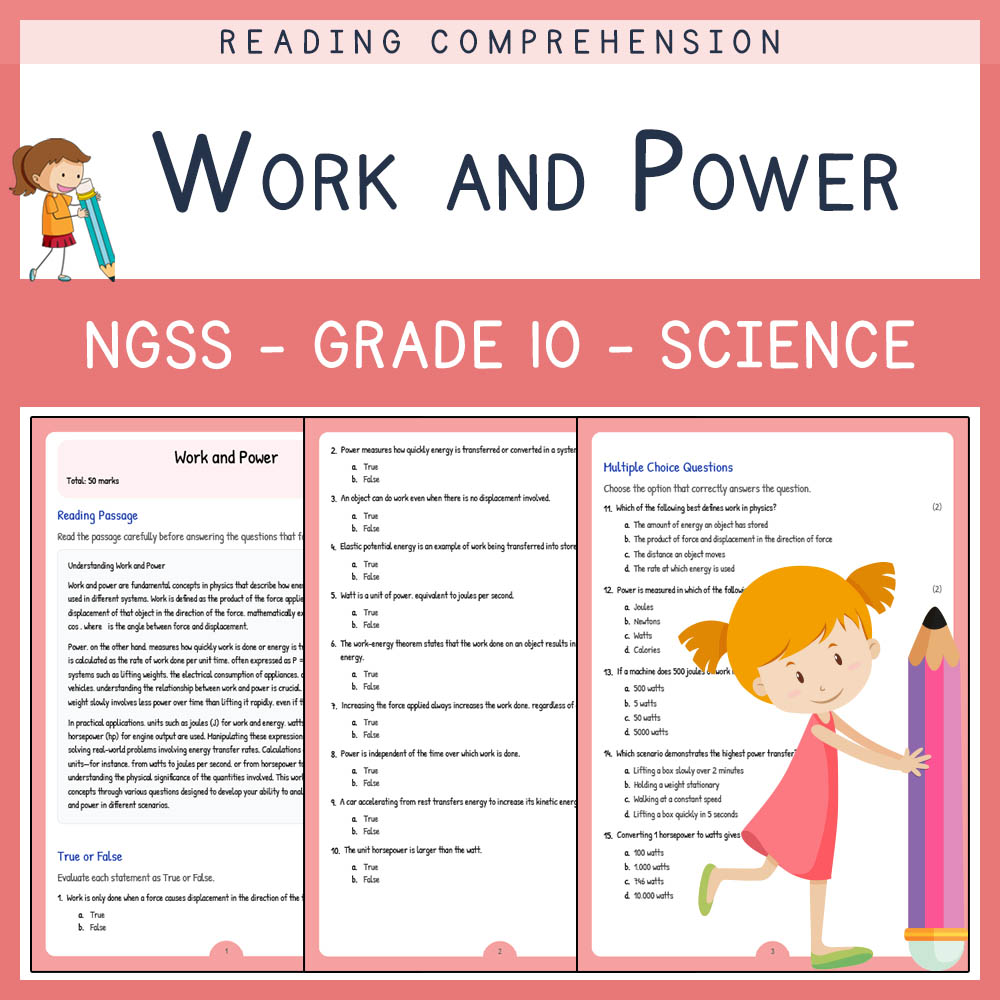
Grade 10 Science | Work and Power Worksheet with Answer Key (NGSS-Aligned)
Created byLumora LearningLearning Objectives
- Understand the relationship between work, force, displacement, and energy as described by the work–energy theorem.
- Calculate power as the rate of energy transfer in various contexts such as lifting weights, appliance wattage, and vehicle acceleration.
- Manipulate algebraic expressions involving work integrals and convert between units like joules, watts, and other engineering units.
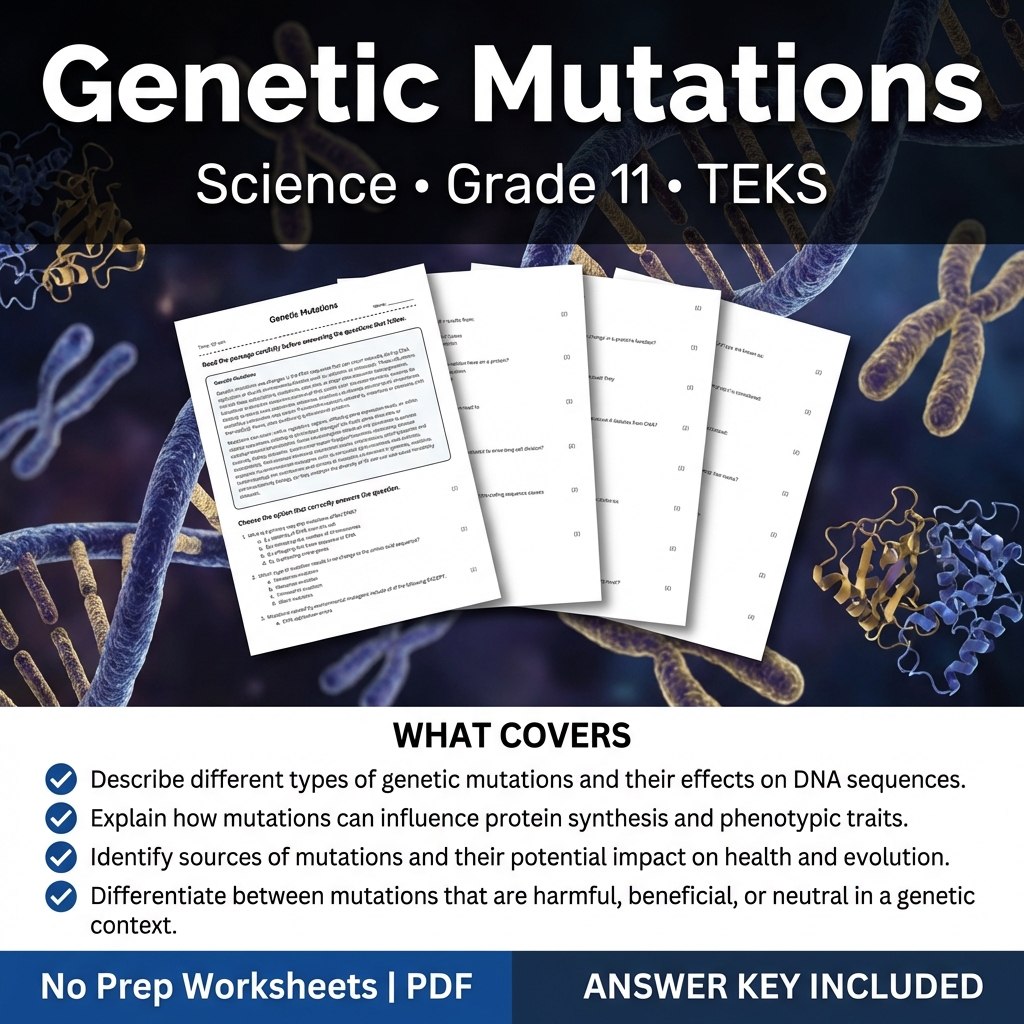
Genetic Mutations Worksheet for Grade 11 Science TEKS Practice
Created byCoral Reef LearningLearning Objectives
- Describe different types of genetic mutations and their effects on DNA sequences.
- Explain how mutations can influence protein synthesis and phenotypic traits.
- Identify sources of mutations and their potential impact on health and evolution.
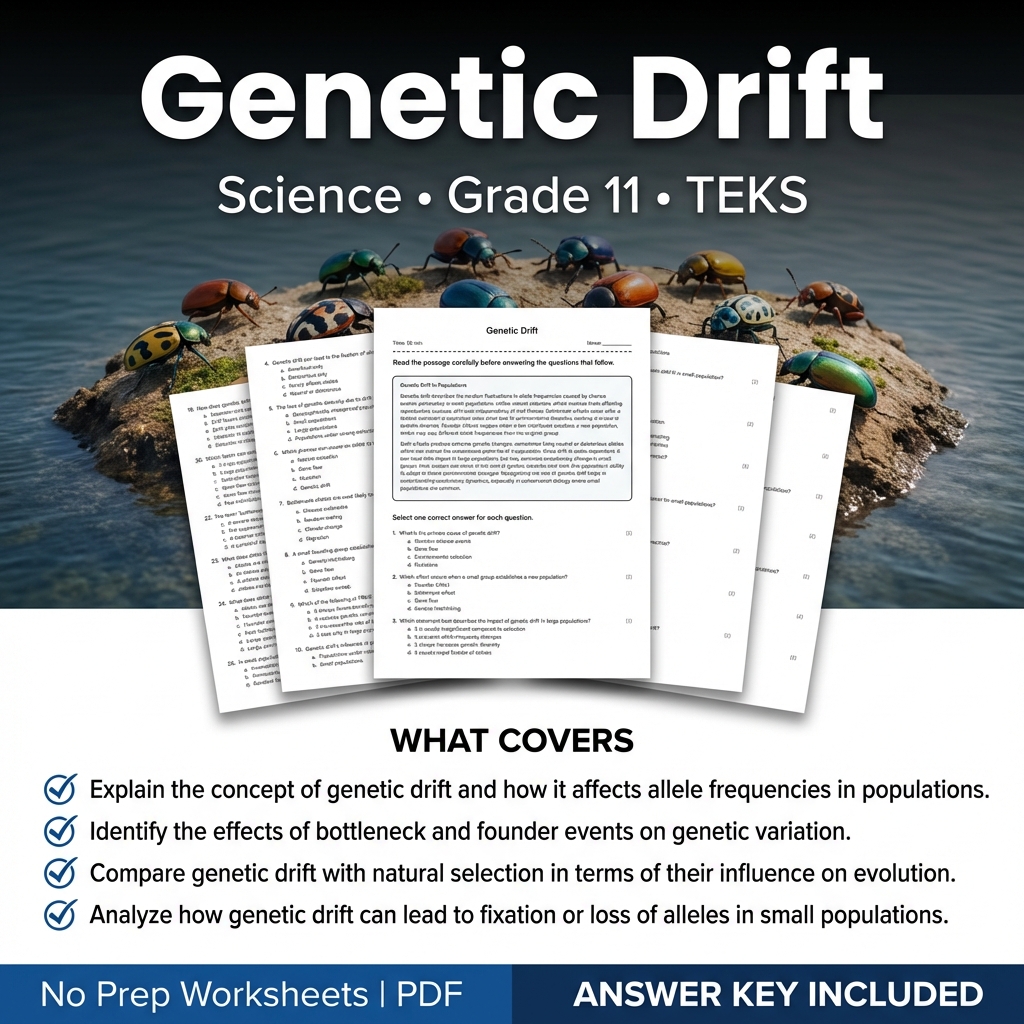
Genetic Drift Worksheet for Grade 11 Science | TEKS Aligned
Created byCoral Reef LearningLearning Objectives
- Explain the concept of genetic drift and how it affects allele frequencies in populations.
- Identify the effects of bottleneck and founder events on genetic variation.
- Compare genetic drift with natural selection in terms of their influence on evolution.
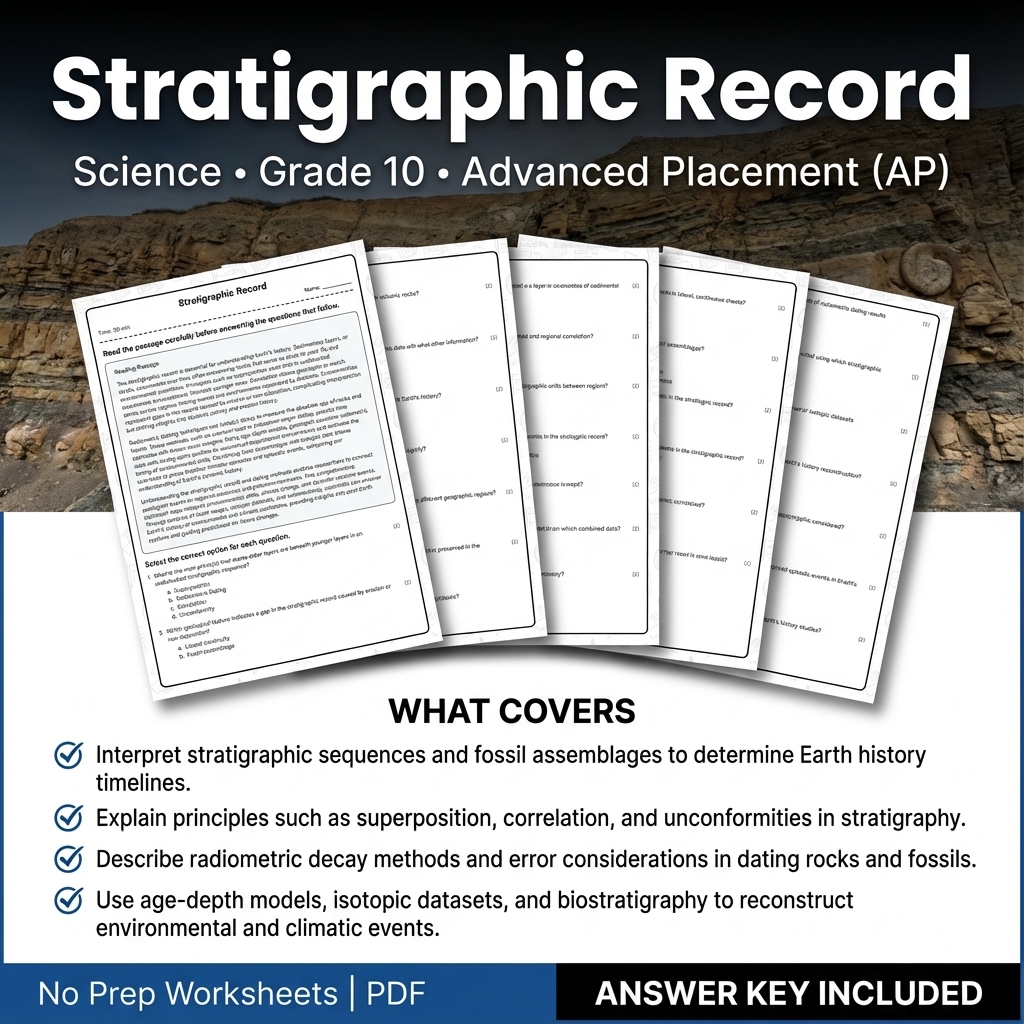
Grade 10 Science | Stratigraphic Record Worksheet (Printable PDF + Answer Key)
Created byCoral Reef LearningLearning Objectives
- Interpret stratigraphic sequences and fossil assemblages to determine Earth history timelines.
- Explain principles such as superposition, correlation, and unconformities in stratigraphy.
- Describe radiometric decay methods and error considerations in dating rocks and fossils.
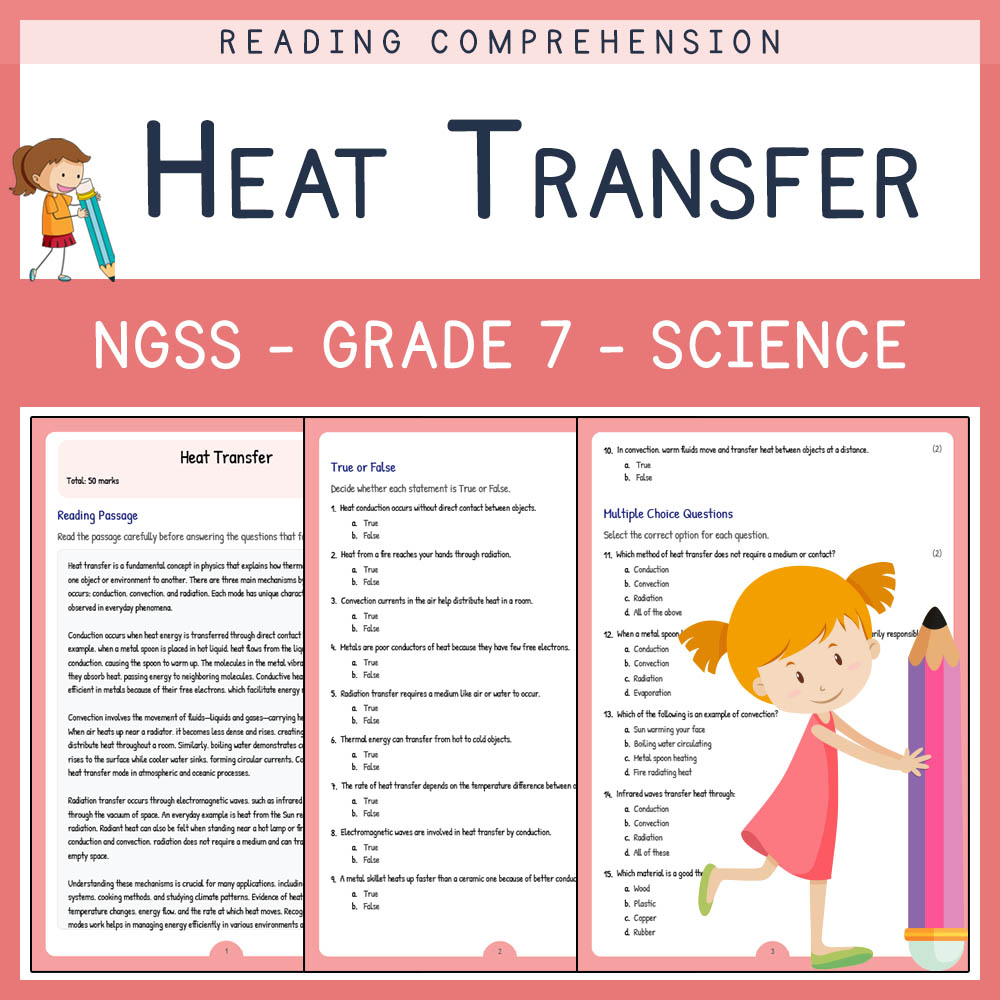
Grade 7 Science | Heat Transfer Worksheet & Answer Key for NGSS Standards
Created byLumora LearningLearning Objectives
- Describe the different mechanisms of heat transfer: conduction, convection, and radiation.
- Identify examples of heat transfer in everyday life.
- Explain how heat transfer affects temperature changes and energy flow in objects and environments.
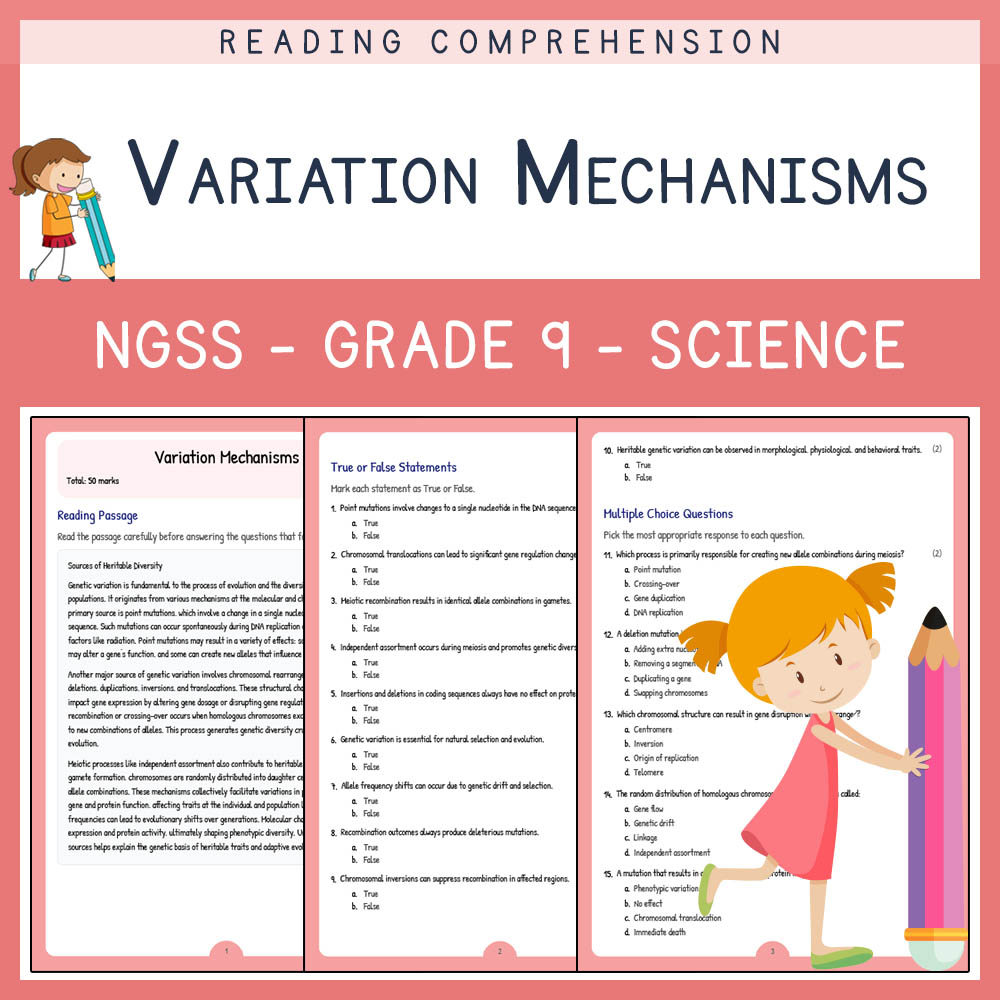
Grade 9 Science | Variation Mechanisms Worksheet & Answer Key (NGSS Aligned)
Created byLumora LearningLearning Objectives
- Understand the genetic mechanisms that generate heritable diversity in populations.
- Identify how point mutations, chromosomal rearrangements, and meiotic processes contribute to phenotypic variation.
- Explain the connection between molecular changes and alterations in gene expression and protein function.
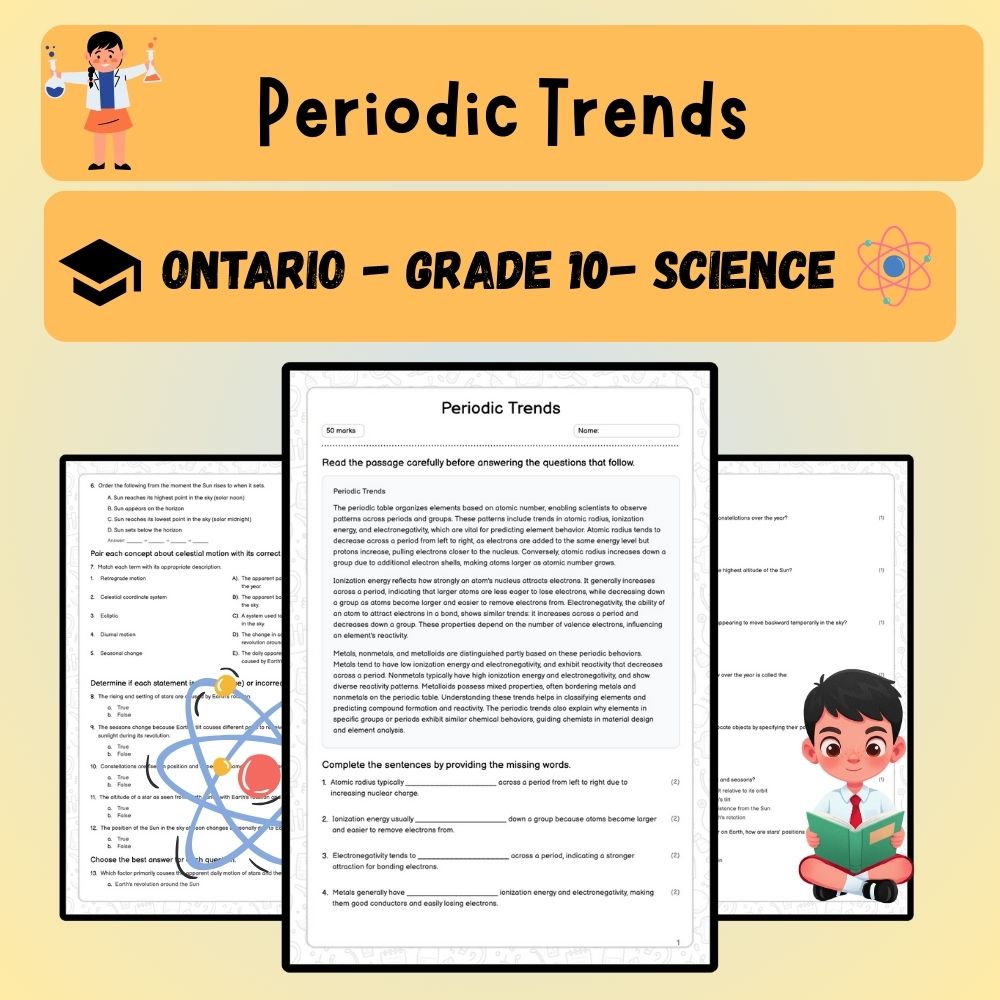
Grade 10 Science | Periodic Trends Worksheet (Answer Key) | Ontario Standard
Created byPrism Point LearningLearning Objectives
- Analyze and interpret patterns of atomic radius, ionization energy, and electronegativity across the periodic table.
- Classify elements as metals, nonmetals, or metalloids based on their properties and trends.
- Explain how group and period relationships influence valence electrons and reactivity.
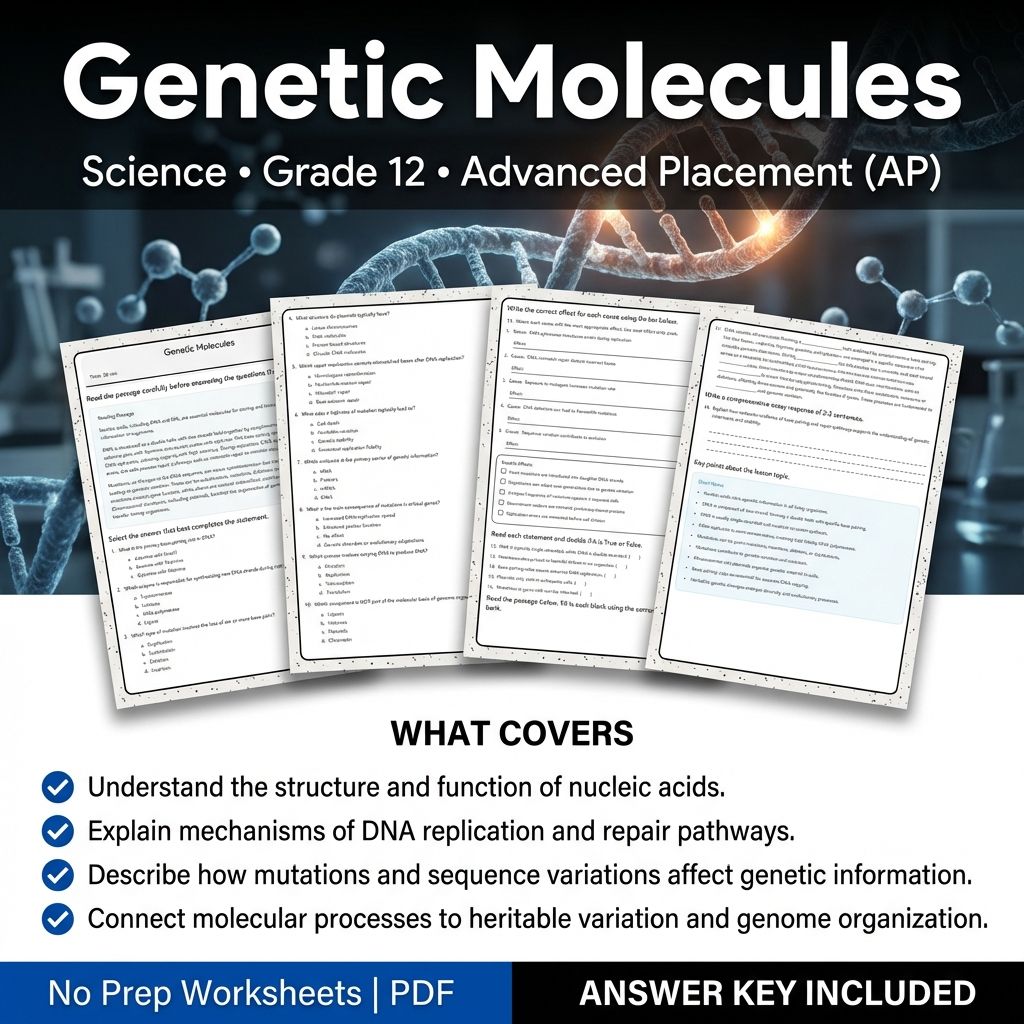
12th Grade Science Worksheet | Genetic Molecules Practice with Answer Key (PDF)
Created byCoral Reef LearningLearning Objectives
- Understand the structure and function of nucleic acids.
- Explain mechanisms of DNA replication and repair pathways.
- Describe how mutations and sequence variations affect genetic information.
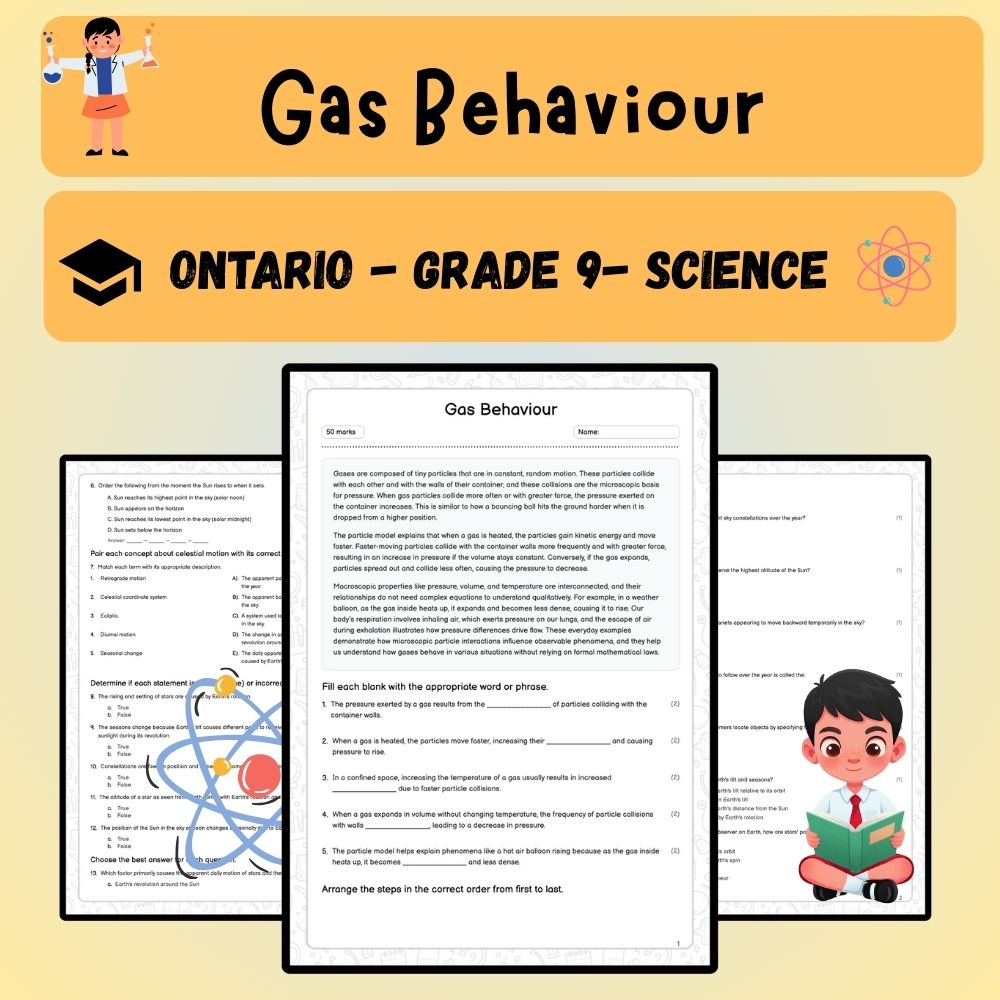
Grade 9 Science | Gas Behaviour Worksheet (Answer Key) - Ontario Standard
Created byPrism Point LearningLearning Objectives
- Explain how particle collisions relate to gas pressure using the particle model.
- Describe the relationship between temperature, volume, and pressure qualitatively in gases.
- Illustrate how macroscopic gas laws emerge from microscopic particle motion without using equations.
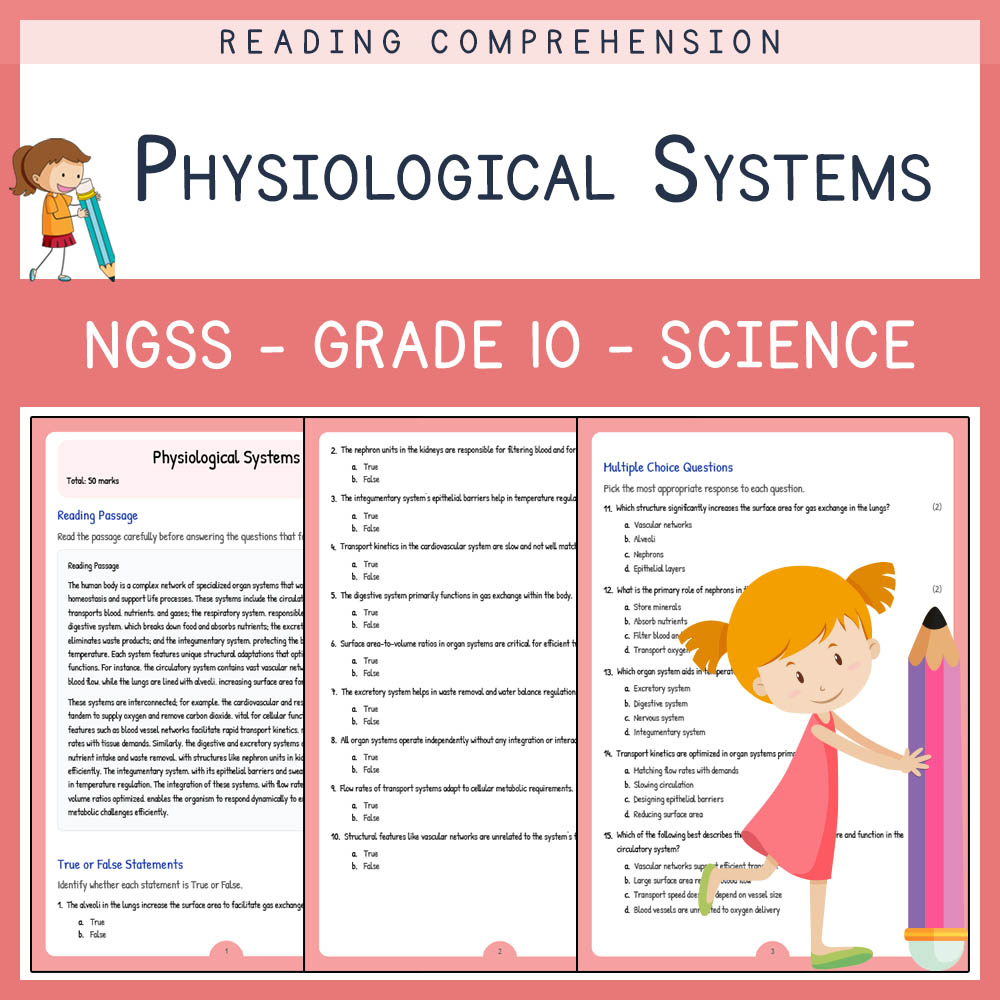
Grade 10 Science | Physiological Systems Worksheet & Answer Key (PDF)
Created byLumora LearningLearning Objectives
- Describe the structural features of different physiological systems and their functional significance.
- Compare how organ systems integrate to meet organismal metabolic demands.
- Explain the relationship between structure and function in systems such as circulatory, respiratory, digestive, excretory, and integumentary.
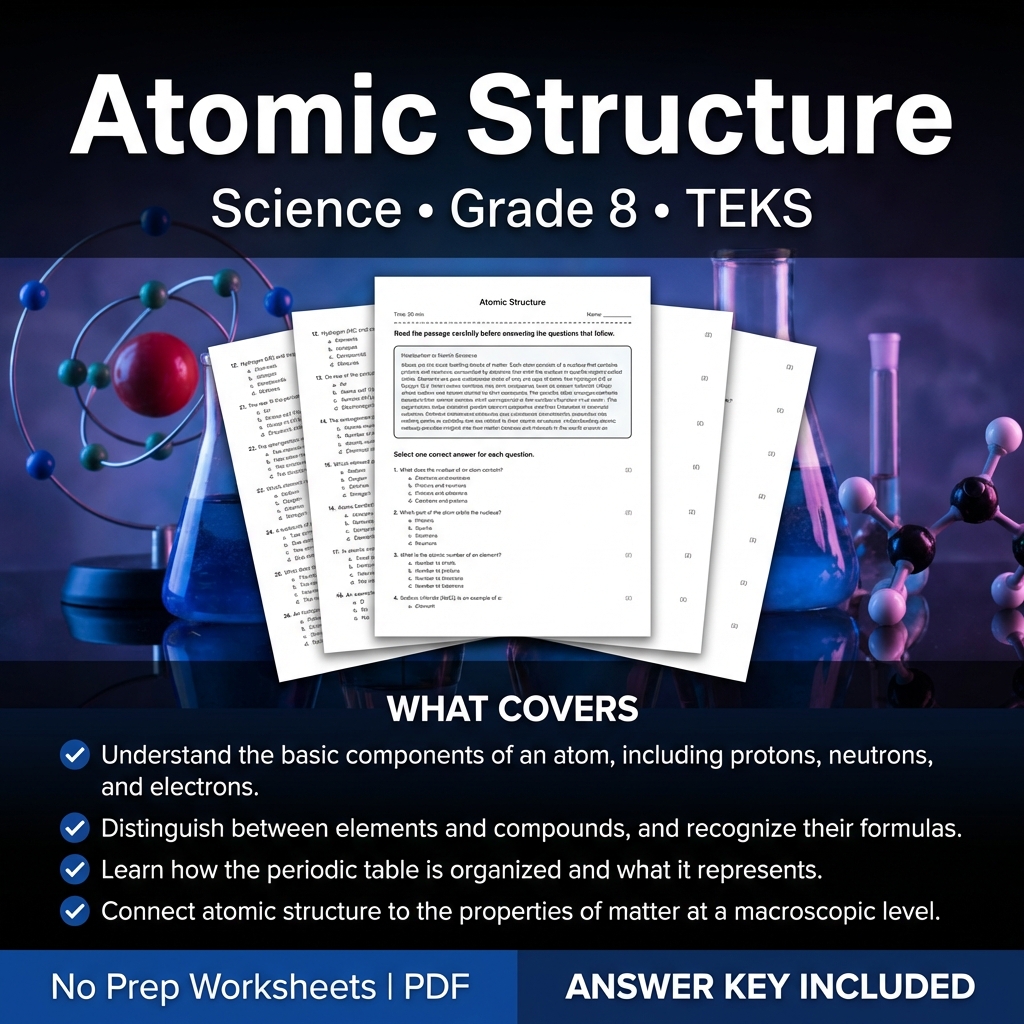
Grade 8 Science Worksheet on Atomic Structure | TEKS Aligned Practice
Created byCoral Reef LearningLearning Objectives
- Understand the basic components of an atom, including protons, neutrons, and electrons.
- Distinguish between elements and compounds, and recognize their formulas.
- Learn how the periodic table is organized and what it represents.
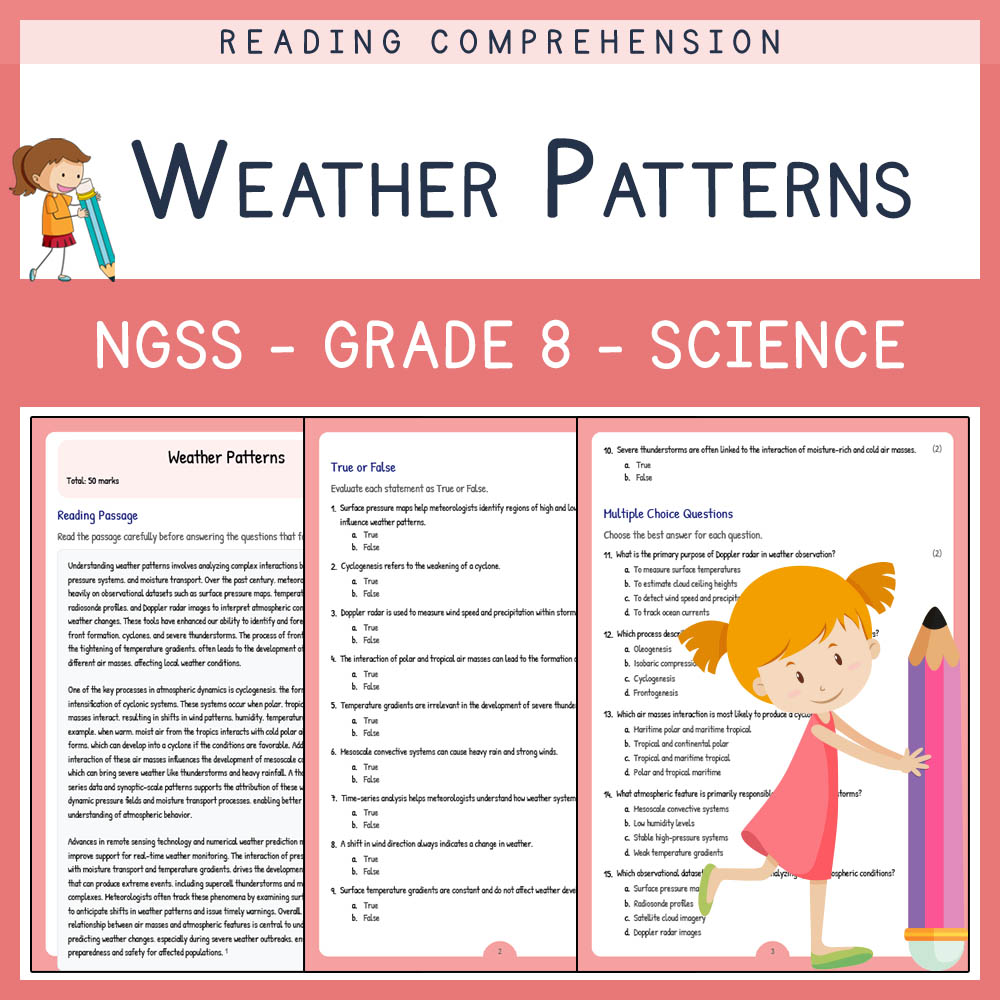
Grade 8 Science | Weather Patterns Worksheet & Answer Key (NGSS-Aligned)
Created byLumora LearningLearning Objectives
- Explain how air mass interactions influence weather changes.
- Identify key atmospheric features associated with cyclogenesis and frontogenesis.
- Analyze observational datasets such as pressure maps and Doppler radar to interpret weather systems.
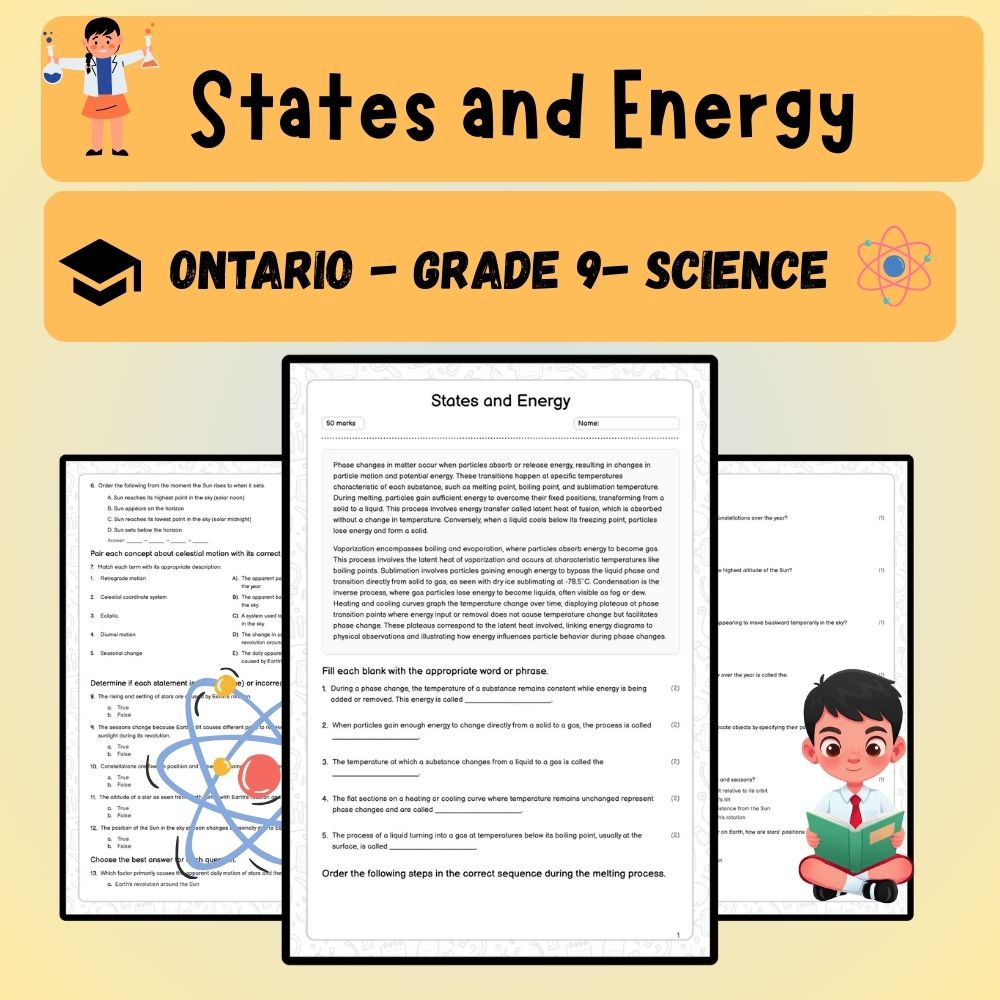
Grade 9 Science | States and Energy Worksheet (Answer Key) – Ontario Standard
Created byPrism Point LearningLearning Objectives
- Explain how phase changes involve energy transfer and particle motion.
- Describe the concepts of latent heat and characteristic transition temperatures.
- Differentiate between heating and cooling curves during phase transitions.
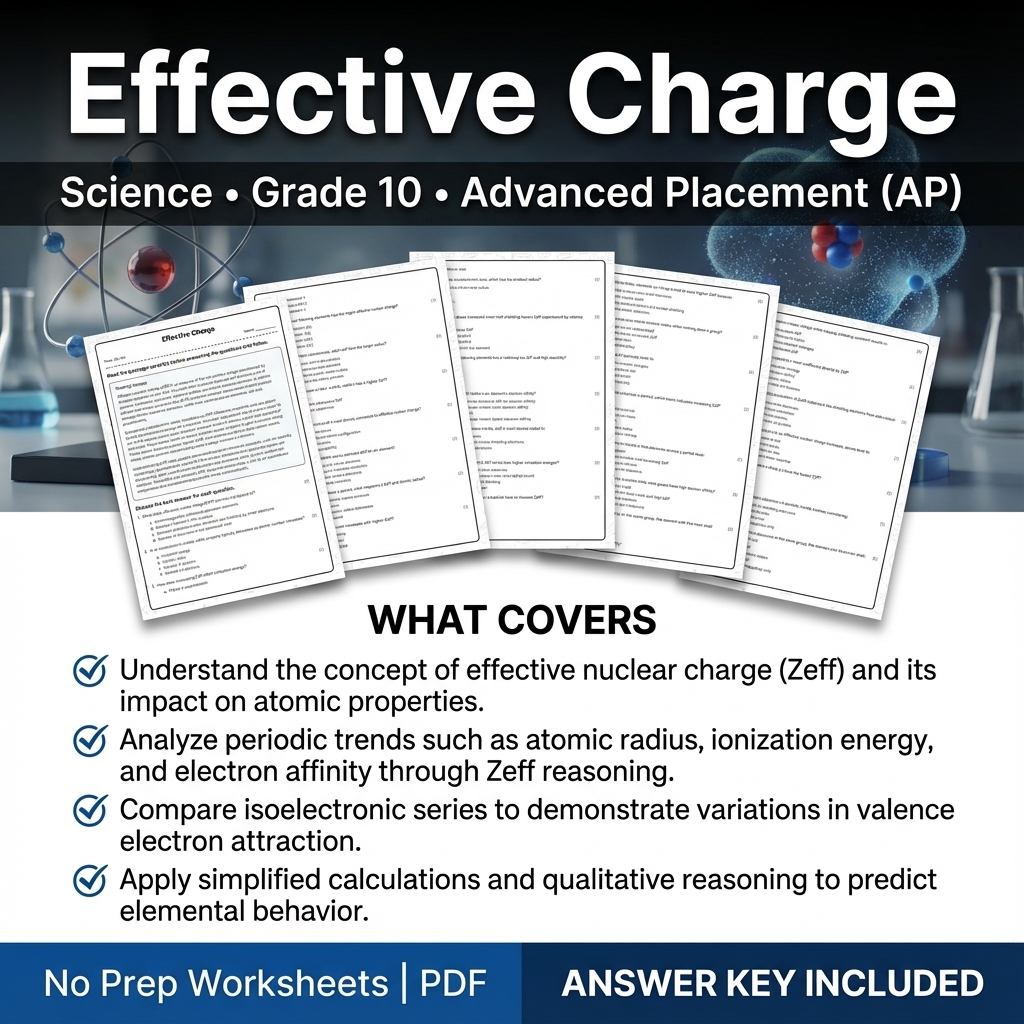
Grade 10 Science | Effective Charge Worksheet (Printable PDF + Answer Key)
Created byCoral Reef LearningLearning Objectives
- Understand the concept of effective nuclear charge (Zeff) and its impact on atomic properties.
- Analyze periodic trends such as atomic radius, ionization energy, and electron affinity through Zeff reasoning.
- Compare isoelectronic series to demonstrate variations in valence electron attraction.
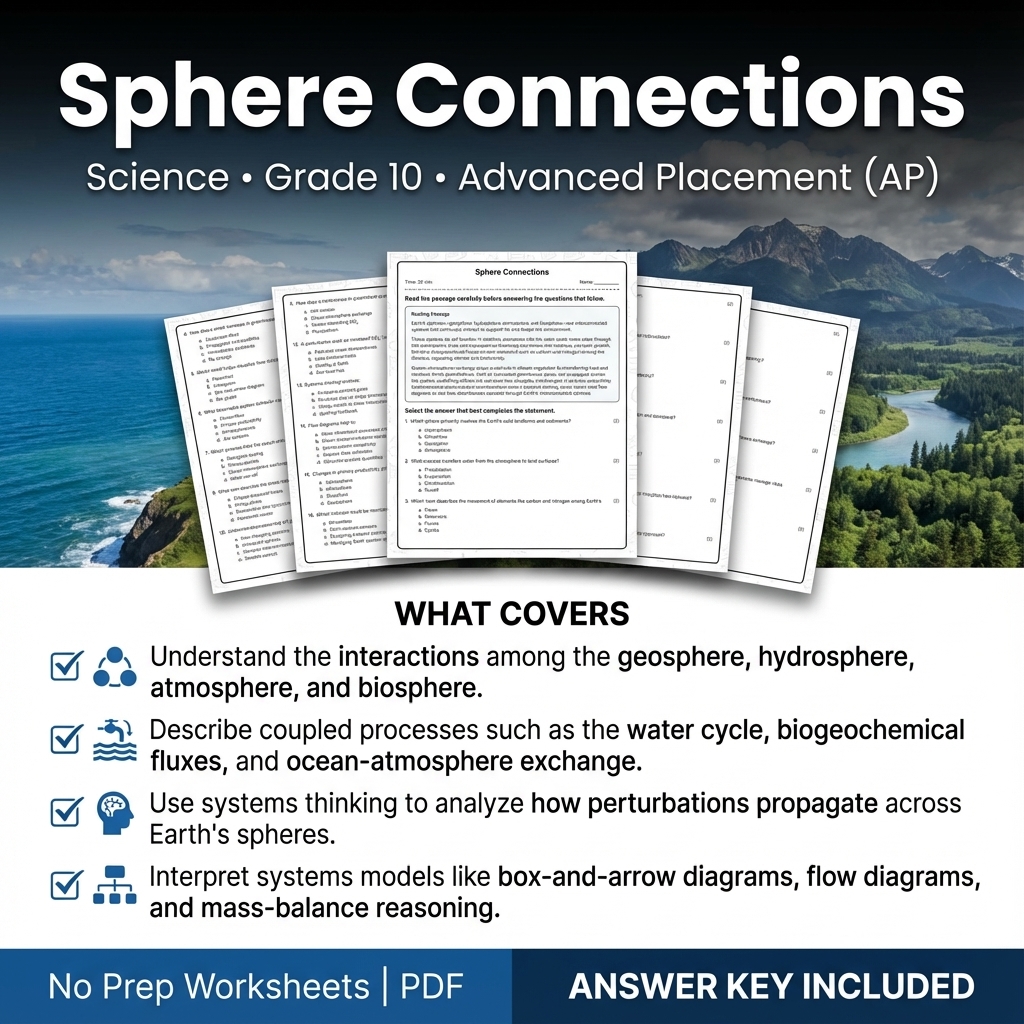
Grade 10 Science | Sphere Connections Worksheet (Printable PDF + Answer Key)
Created byCoral Reef LearningLearning Objectives
- Understand the interactions among the geosphere, hydrosphere, atmosphere, and biosphere.
- Describe coupled processes such as the water cycle, biogeochemical fluxes, and ocean-atmosphere exchange.
- Use systems thinking to analyze how perturbations propagate across Earth's spheres.
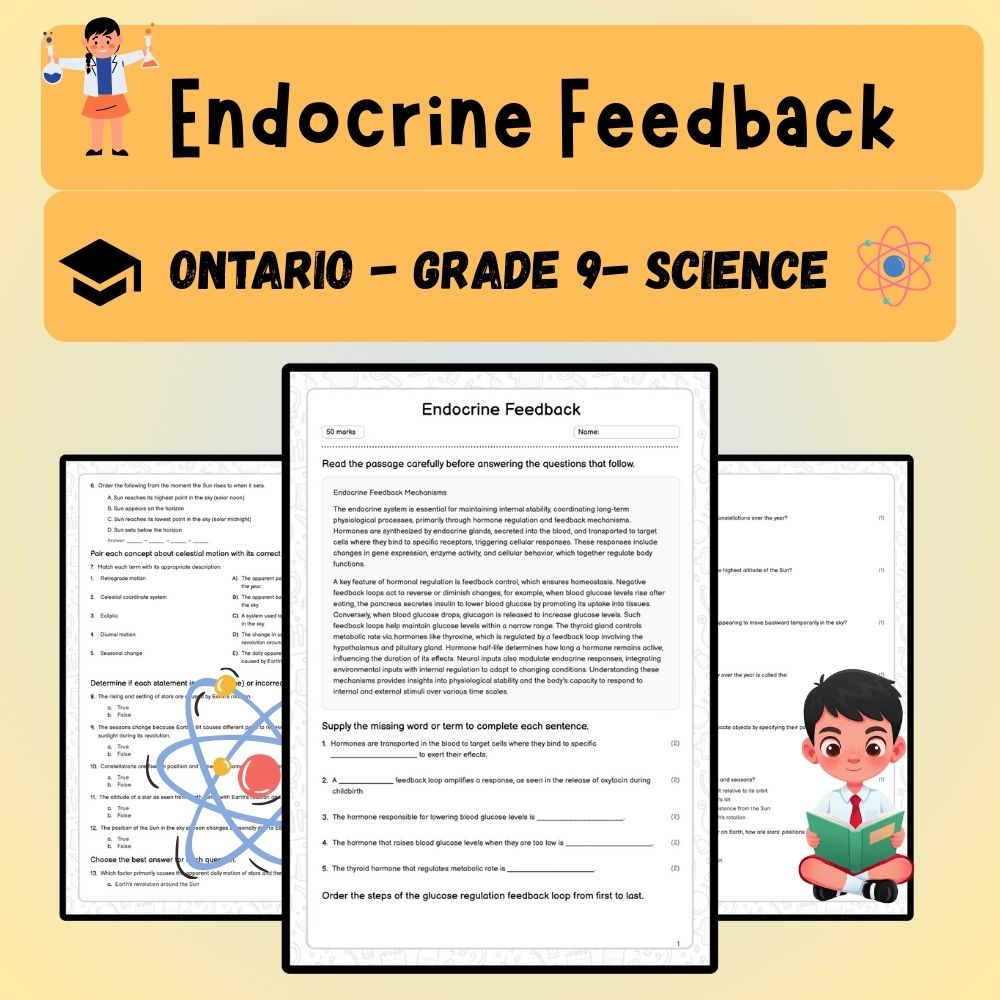
Grade 9 Science – Endocrine Feedback Worksheet (Answer Key) | Ontario Standards
Created byPrism Point LearningLearning Objectives
- Understand how hormones regulate physiological processes through feedback loops.
- Identify components of hormonal pathways involved in glucose homeostasis and thyroid control.
- Explain cellular hormone actions including gene expression and enzyme activity changes.
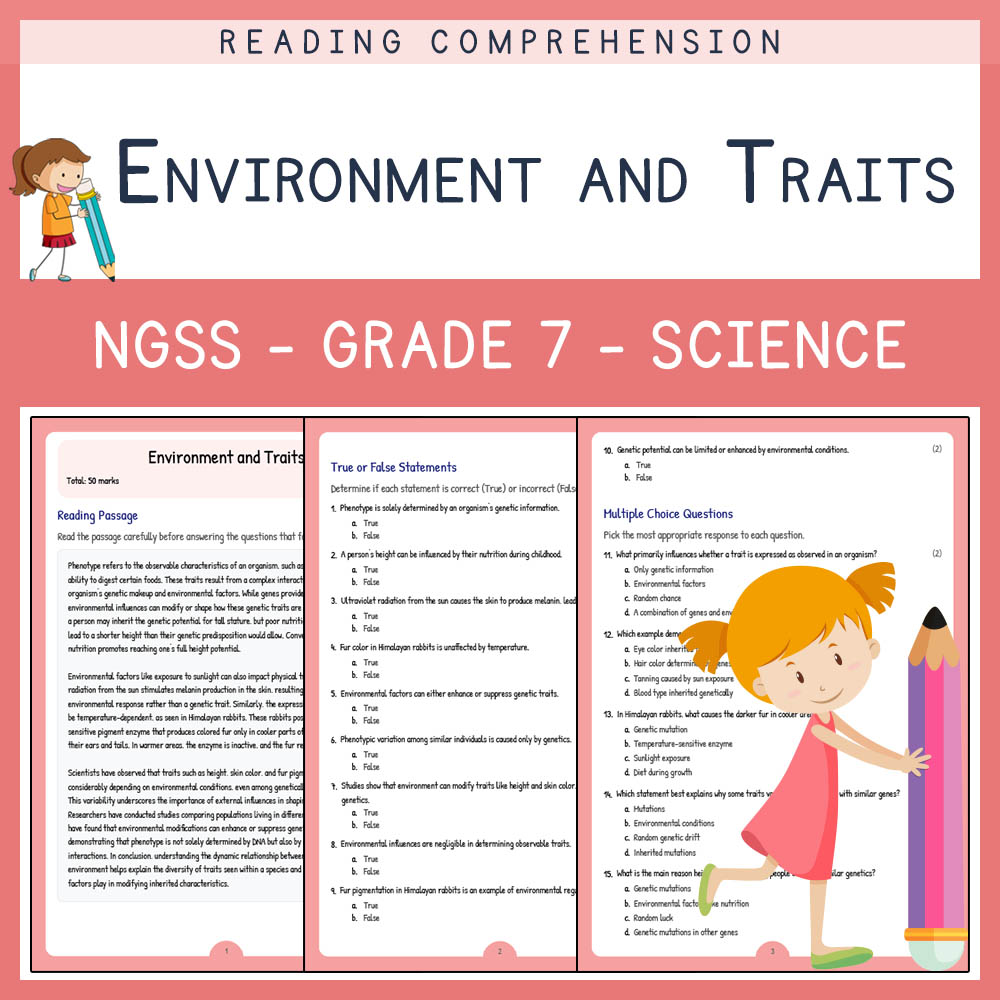
Grade 7 Science | Environment and Traits Worksheet (NGSS Aligned + Answer Key)
Created byLumora LearningLearning Objectives
- Explain how phenotype results from both genetic and environmental factors.
- Describe examples showing environmental influence on traits.
- Distinguish inherited genetic traits from environmentally modulated traits.
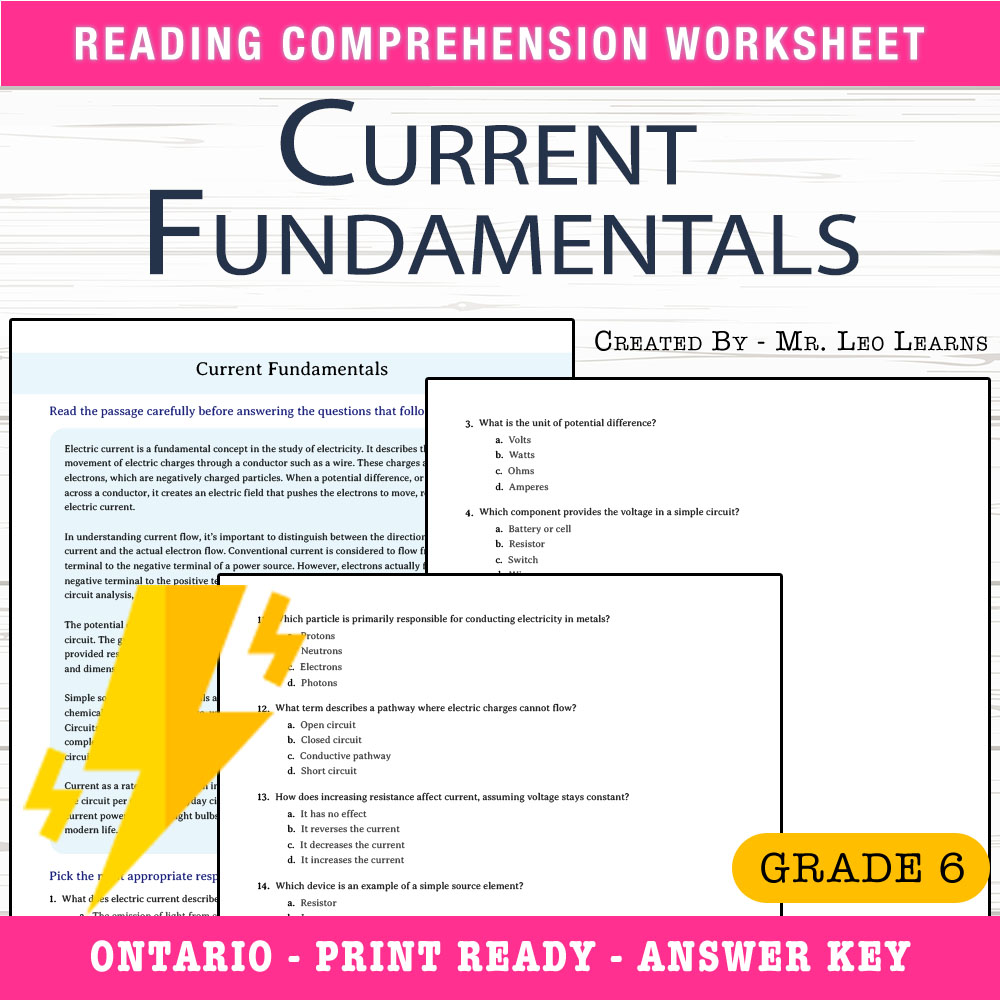
Grade 6 Science – Electric Current Worksheet for Mastering Fundamentals
Created byThe Resource HubLearning Objectives
- Explain how electric current is an organized movement of charges through a conductor.
- Differentiate between conventional current direction and electron flow.
- Describe potential difference as the driving force behind current.
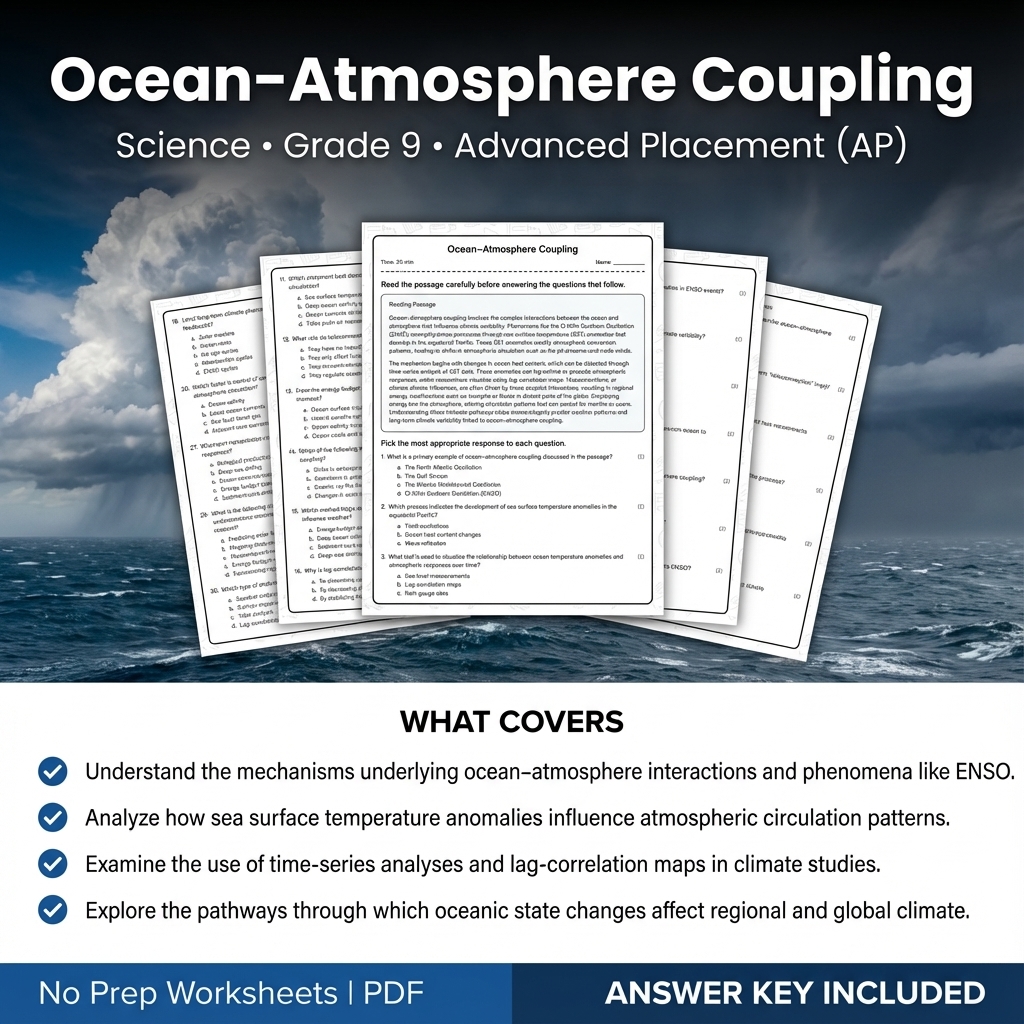
Grade 9 Science | Ocean–Atmosphere Coupling Worksheet (Printable PDF + Answer Key)
Created byCoral Reef LearningLearning Objectives
- Understand the mechanisms underlying ocean–atmosphere interactions and phenomena like ENSO.
- Analyze how sea surface temperature anomalies influence atmospheric circulation patterns.
- Examine the use of time-series analyses and lag-correlation maps in climate studies.
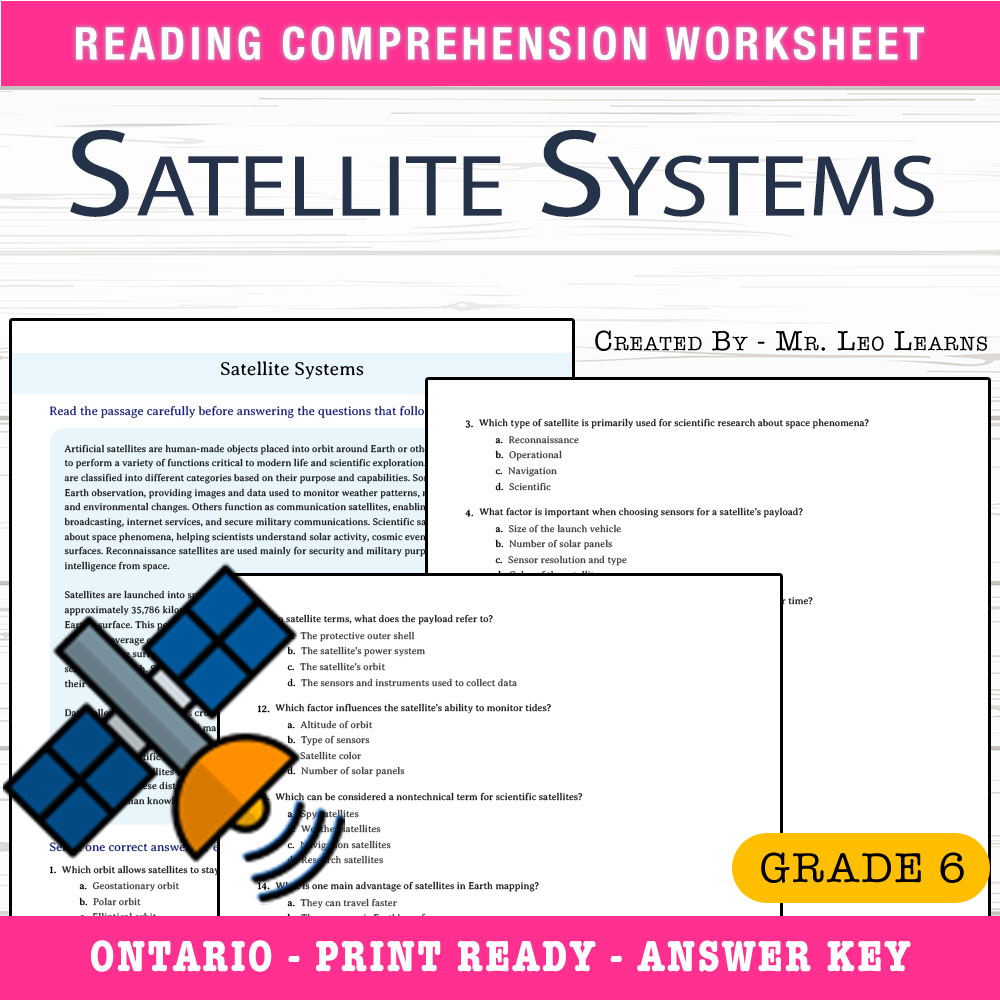
Grade 6 Science — Satellite Systems Worksheet for Mastering Orbital Concepts
Created byThe Resource HubLearning Objectives
- Understand the different functions and categories of artificial satellites.
- Identify how satellite orbits like geostationary and polar orbits serve various Earth observation and communication purposes.
- Describe sensor payload considerations and how satellite data helps in space phenomena prediction, tide monitoring, and surface mapping.
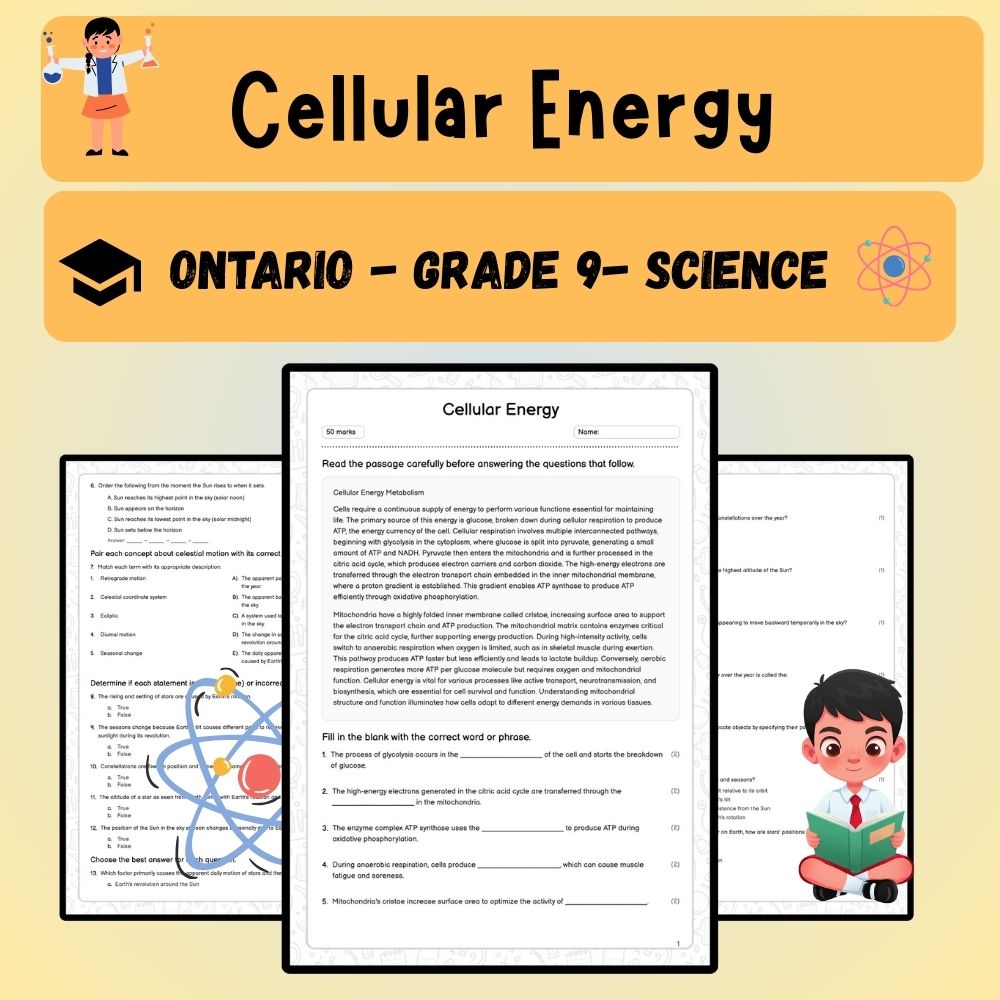
Grade 9 Science | Cellular Energy Worksheet (Answer Key) – Ontario Standards
Created byPrism Point LearningLearning Objectives
- Explain the processes of glycolysis, the citric acid cycle, and oxidative phosphorylation in cellular respiration.
- Describe how mitochondrial structure supports energy production, including proton gradients and ATP synthesis.
- Compare aerobic and anaerobic pathways and their tissue-specific relevance, such as skeletal muscle during exertion.
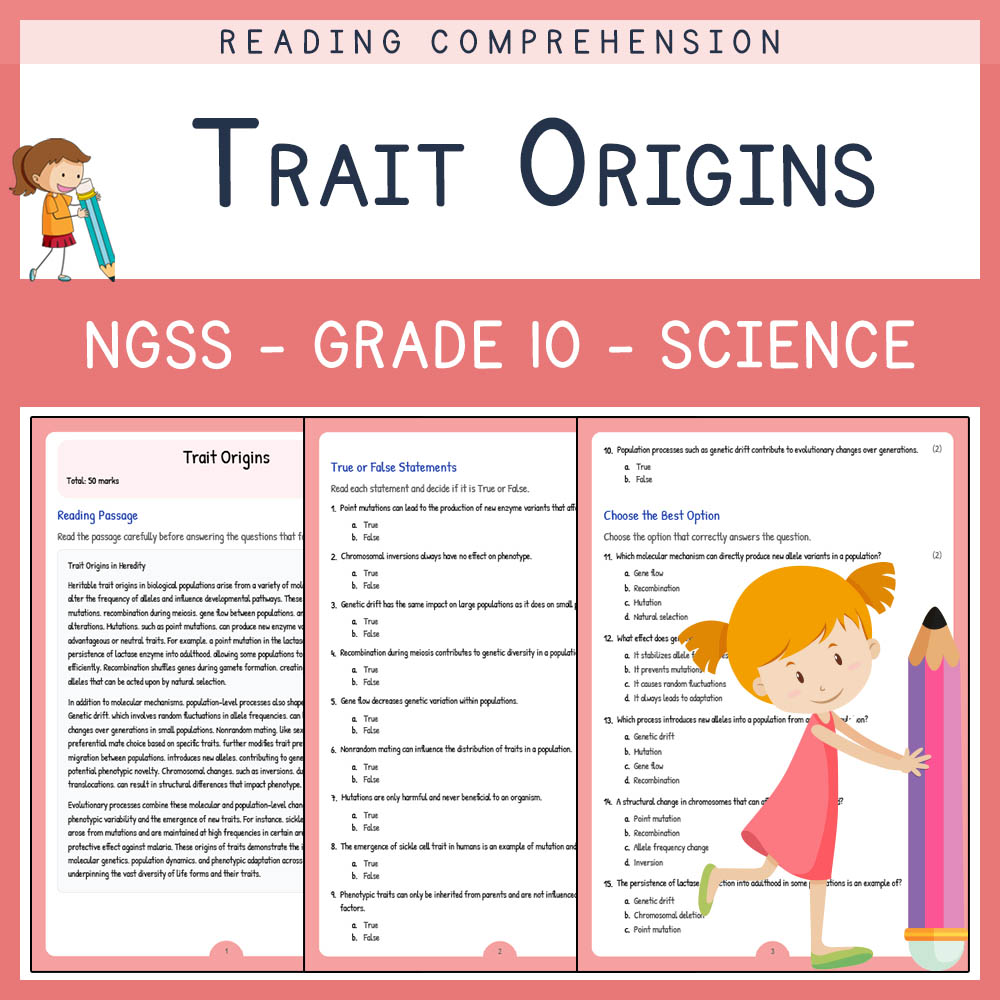
Grade 10 Science | Trait Origins Worksheet & Answer Key – NGSS Aligned
Created byLumora LearningLearning Objectives
- Explain how heritable traits originate from molecular mechanisms such as mutation, recombination, gene flow, and chromosomal changes.
- Identify various processes that modify trait distributions at the population level, including genetic drift and nonrandom mating.
- Connect molecular changes to observable phenotypic variations and understand their impact across generations.
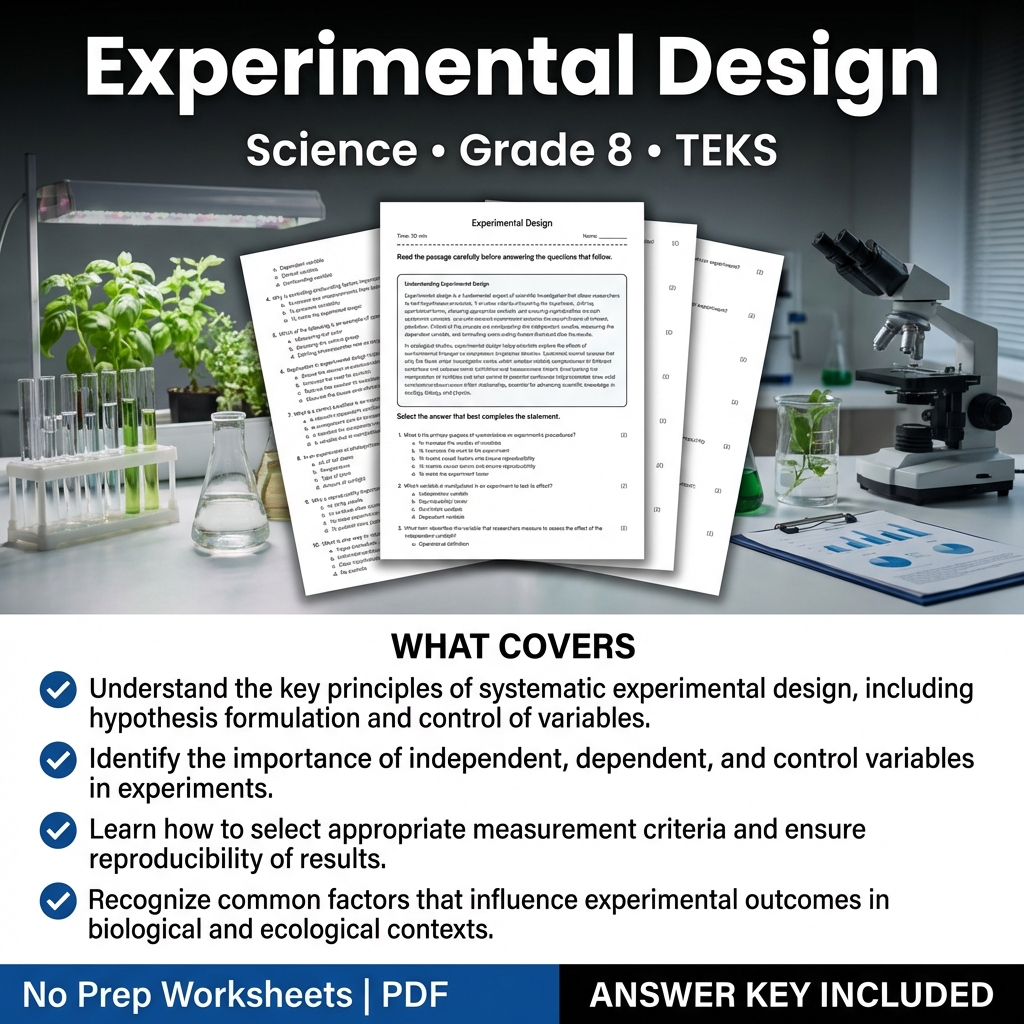
Experimental Design Worksheet Grade 8 Science TEKS Practice PDF
Created byCoral Reef LearningLearning Objectives
- Understand the key principles of systematic experimental design, including hypothesis formulation and control of variables.
- Identify the importance of independent, dependent, and control variables in experiments.
- Learn how to select appropriate measurement criteria and ensure reproducibility of results.
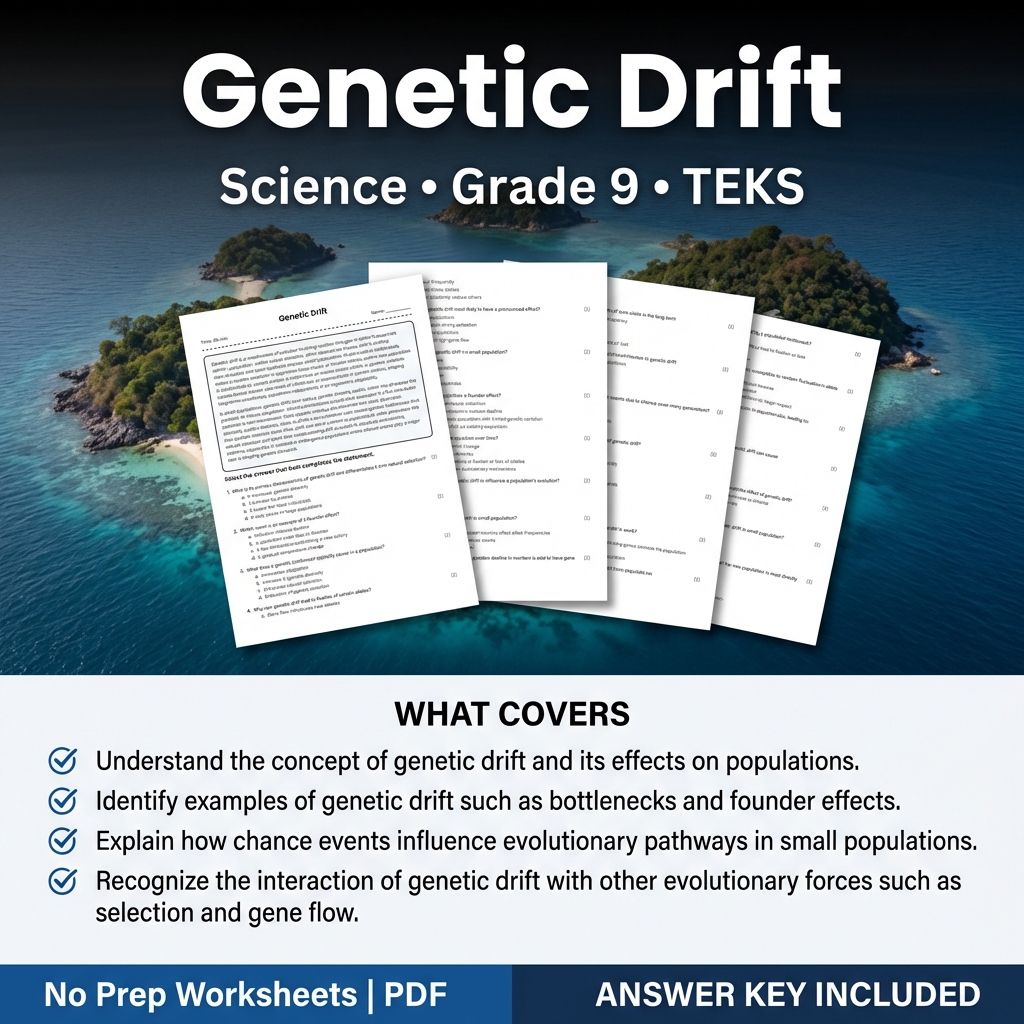
Genetic Drift Worksheet for Grade 9 Science | TEKS Aligned
Created byCoral Reef LearningLearning Objectives
- Understand the concept of genetic drift and its effects on populations.
- Identify examples of genetic drift such as bottlenecks and founder effects.
- Explain how chance events influence evolutionary pathways in small populations.
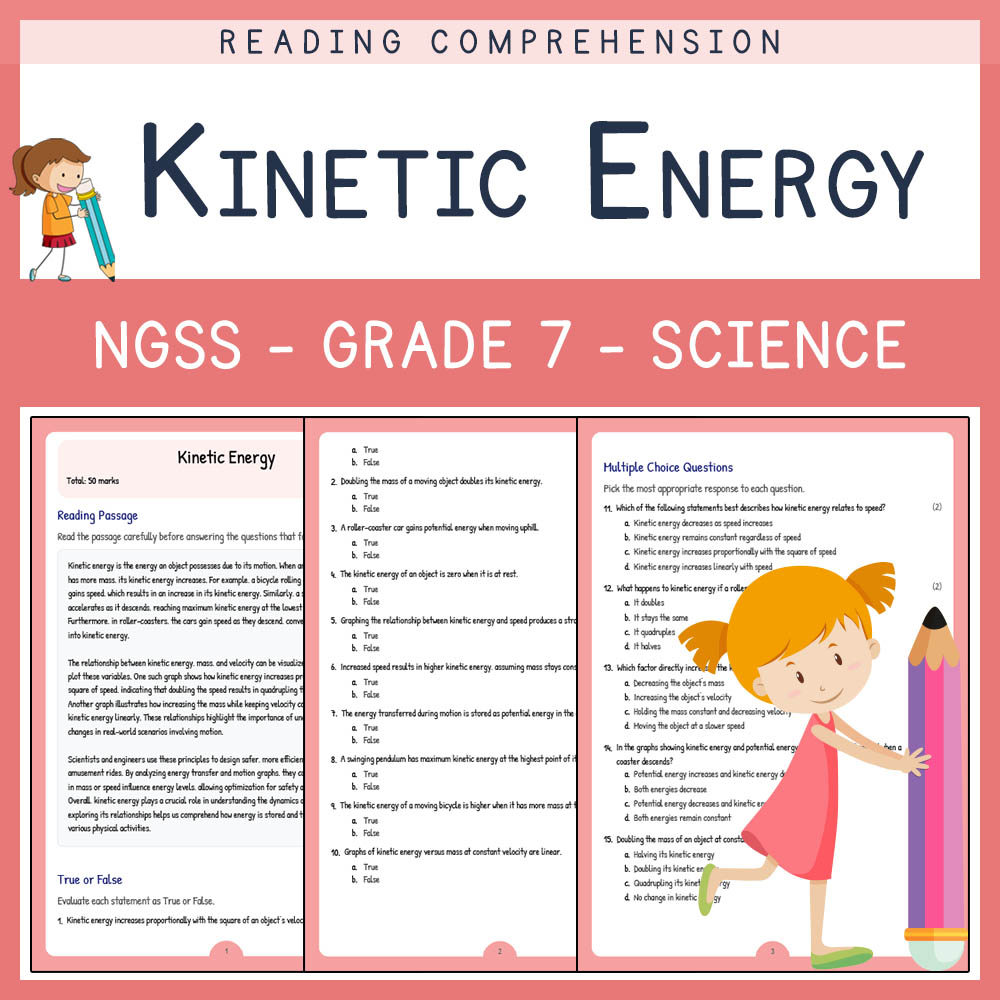
Grade 7 Science | Kinetic Energy Worksheet & Answer Key (NGSS-Aligned)
Created byLumora LearningLearning Objectives
- Construct and interpret graphical relationships between kinetic energy, potential energy, mass, and speed.
- Analyze how doubling the mass or speed of an object affects its kinetic energy through quantitative comparisons and graphs.
- Apply energy calculation formulas to real-world motion scenarios such as rolling bicycles, swinging pendulums, and roller-coaster cars.
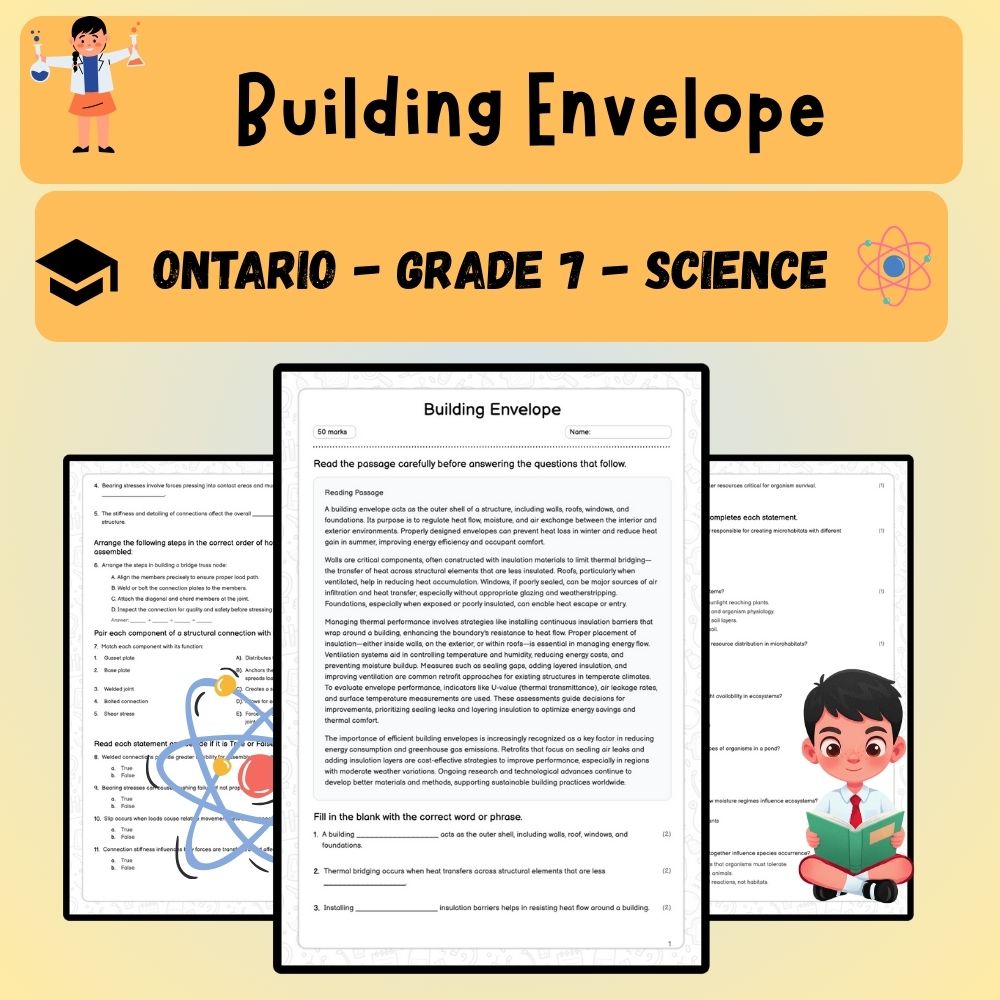
Grade 7 Science – Building Envelope Worksheet (PDF ) | Ontario Standards
Created byPrism Point LearningLearning Objectives
- Understand how walls, roofs, windows, and foundations contribute to thermal performance of buildings.
- Identify measures such as insulation placement, barriers, and ventilation that reduce heat loss and gain.
- Analyze indicators used to assess envelope performance and retrofit strategies to improve energy efficiency.
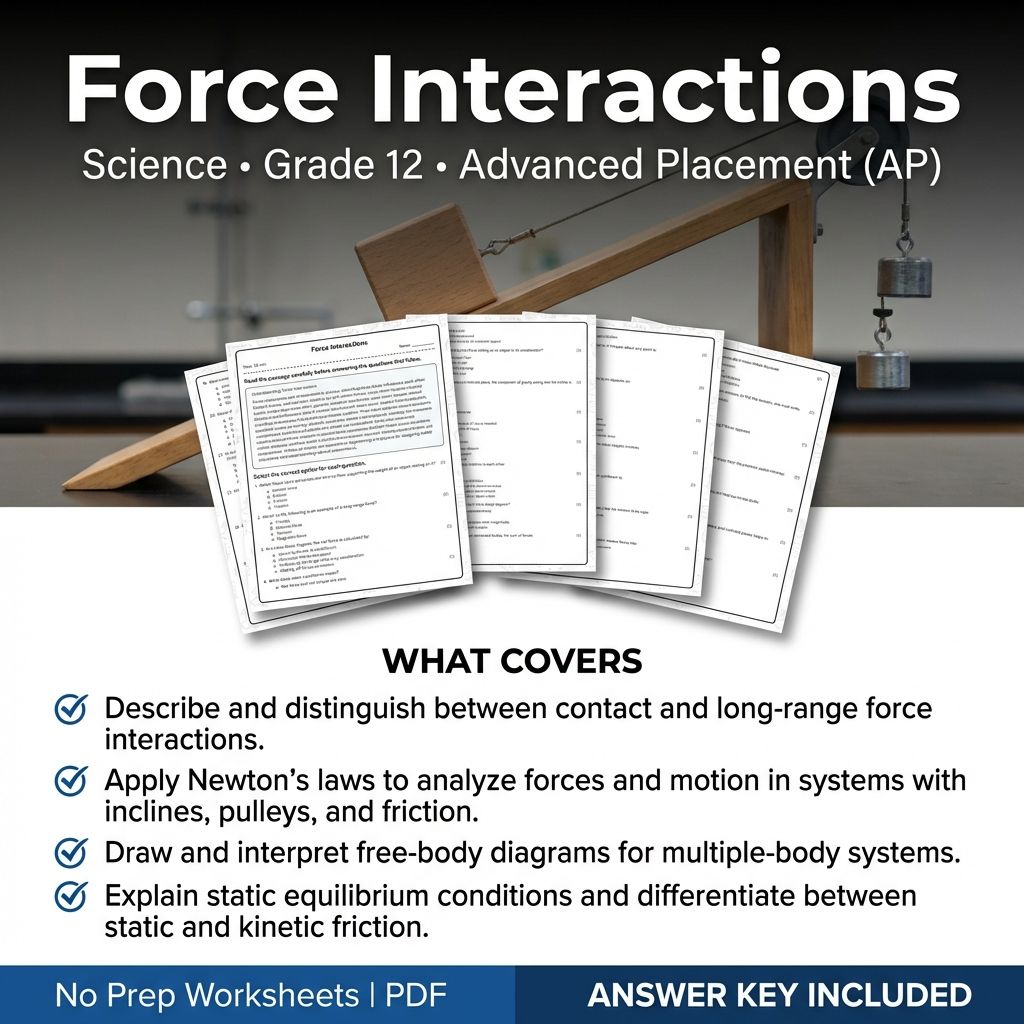
Grade 12 Science | Force Interactions Worksheet & Answer Key (Printable PDF)
Created byCoral Reef LearningLearning Objectives
- Describe and distinguish between contact and long-range force interactions.
- Apply Newton's laws to analyze forces and motion in systems with inclines, pulleys, and friction.
- Draw and interpret free-body diagrams for multiple-body systems.
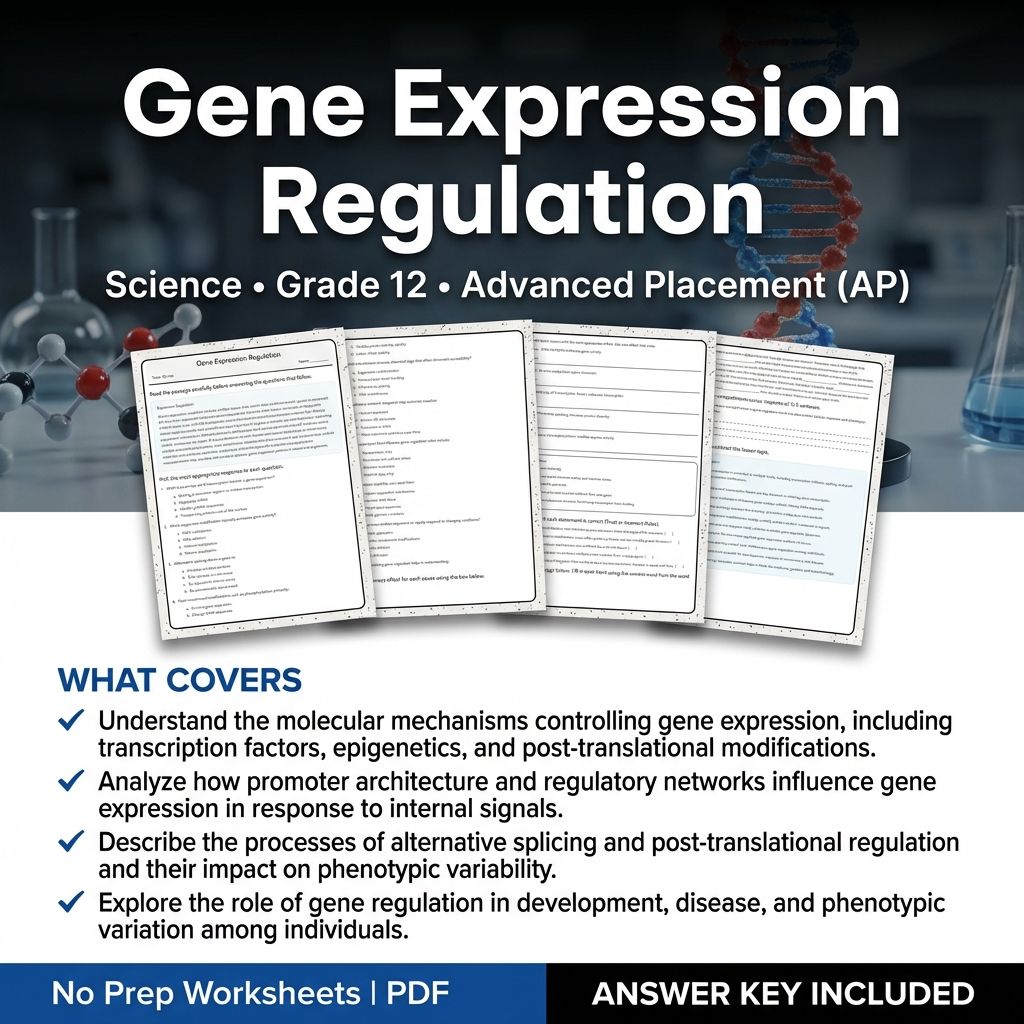
Grade 12 Science Worksheet | Gene Expression Regulation Practice & Assessment (PDF + Answer Key)
Created byCoral Reef LearningLearning Objectives
- Understand the molecular mechanisms controlling gene expression, including transcription factors, epigenetics, and post-translational modifications.
- Analyze how promoter architecture and regulatory networks influence gene expression in response to internal signals.
- Describe the processes of alternative splicing and post-translational regulation and their impact on phenotypic variability.
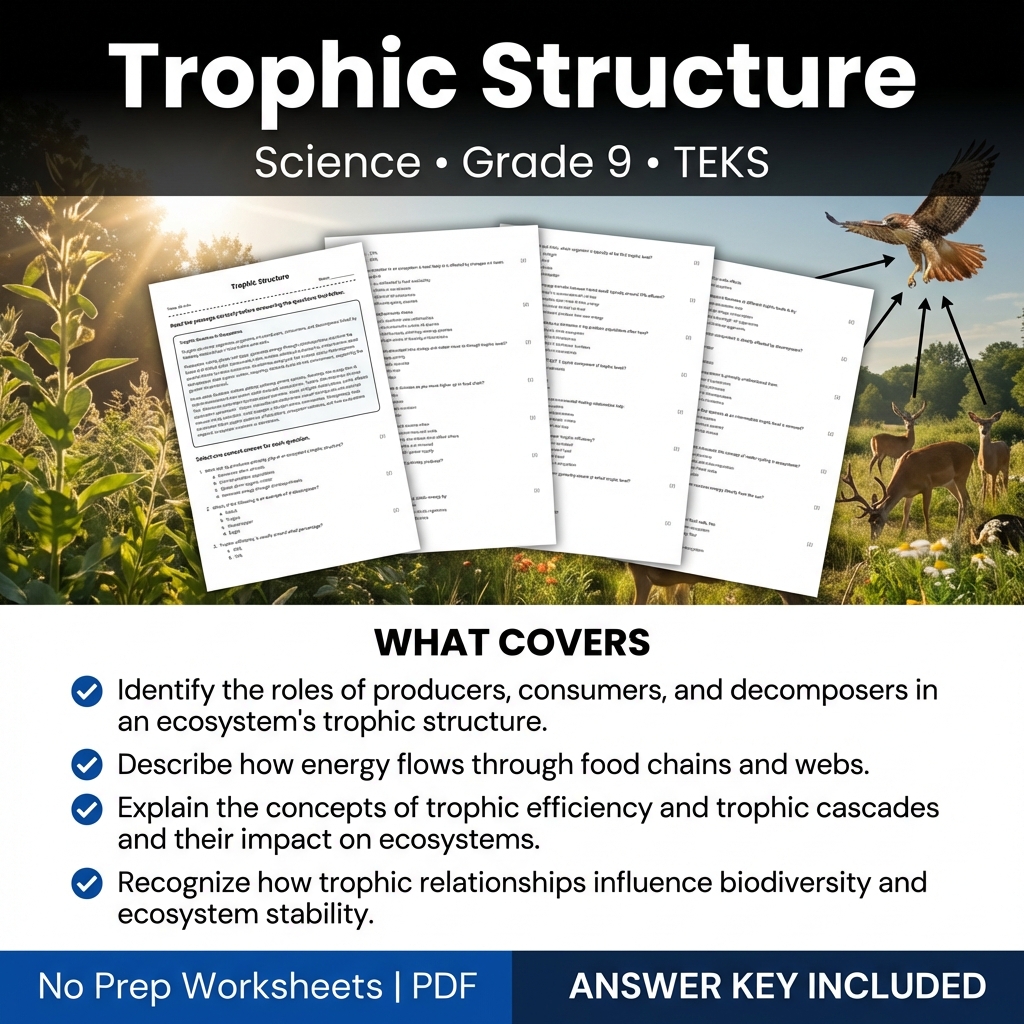
Grade 9 Science Worksheet on Trophic Structure | TEKS Aligned
Created byCoral Reef LearningLearning Objectives
- Identify the roles of producers, consumers, and decomposers in an ecosystem's trophic structure.
- Describe how energy flows through food chains and webs.
- Explain the concepts of trophic efficiency and trophic cascades and their impact on ecosystems.
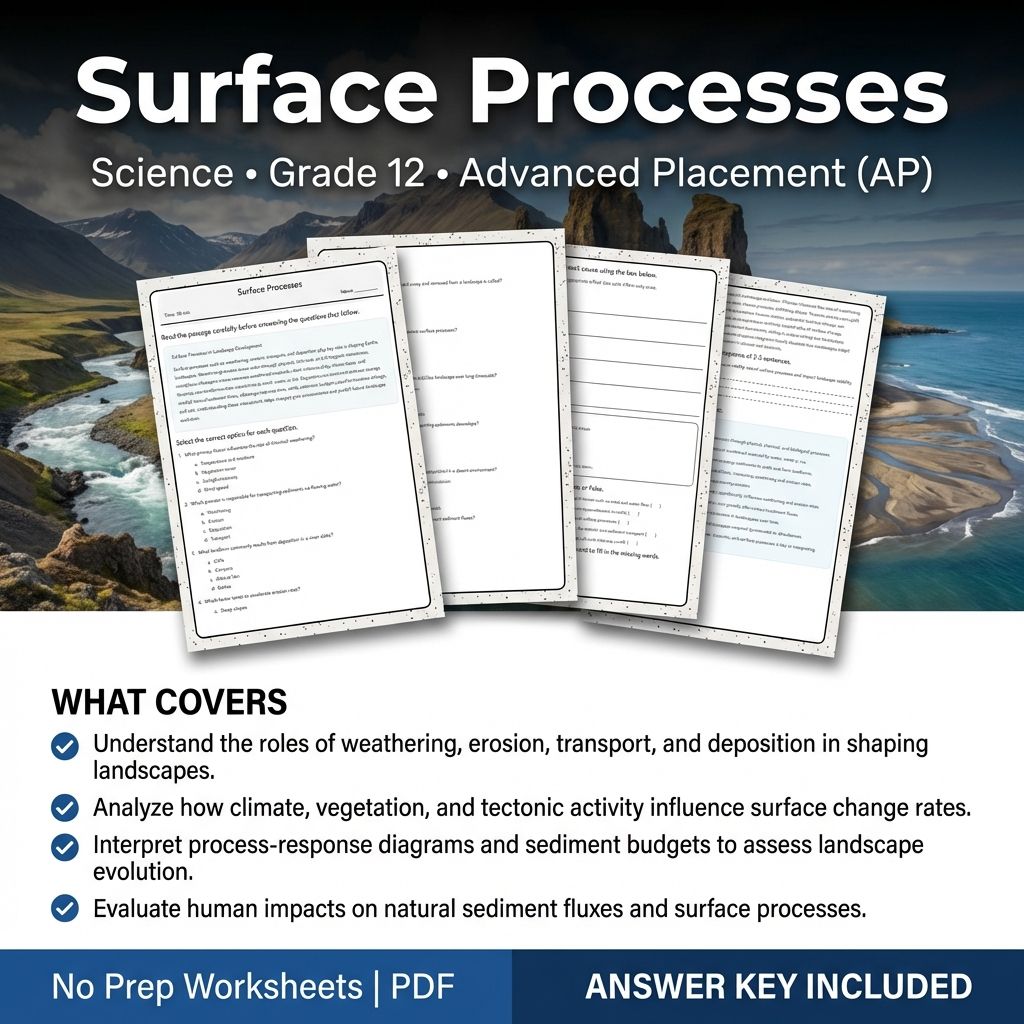
12th Grade Science | Surface Processes Worksheet & Answer Key (Printable PDF)
Created byCoral Reef LearningLearning Objectives
- Understand the roles of weathering, erosion, transport, and deposition in shaping landscapes.
- Analyze how climate, vegetation, and tectonic activity influence surface change rates.
- Interpret process-response diagrams and sediment budgets to assess landscape evolution.
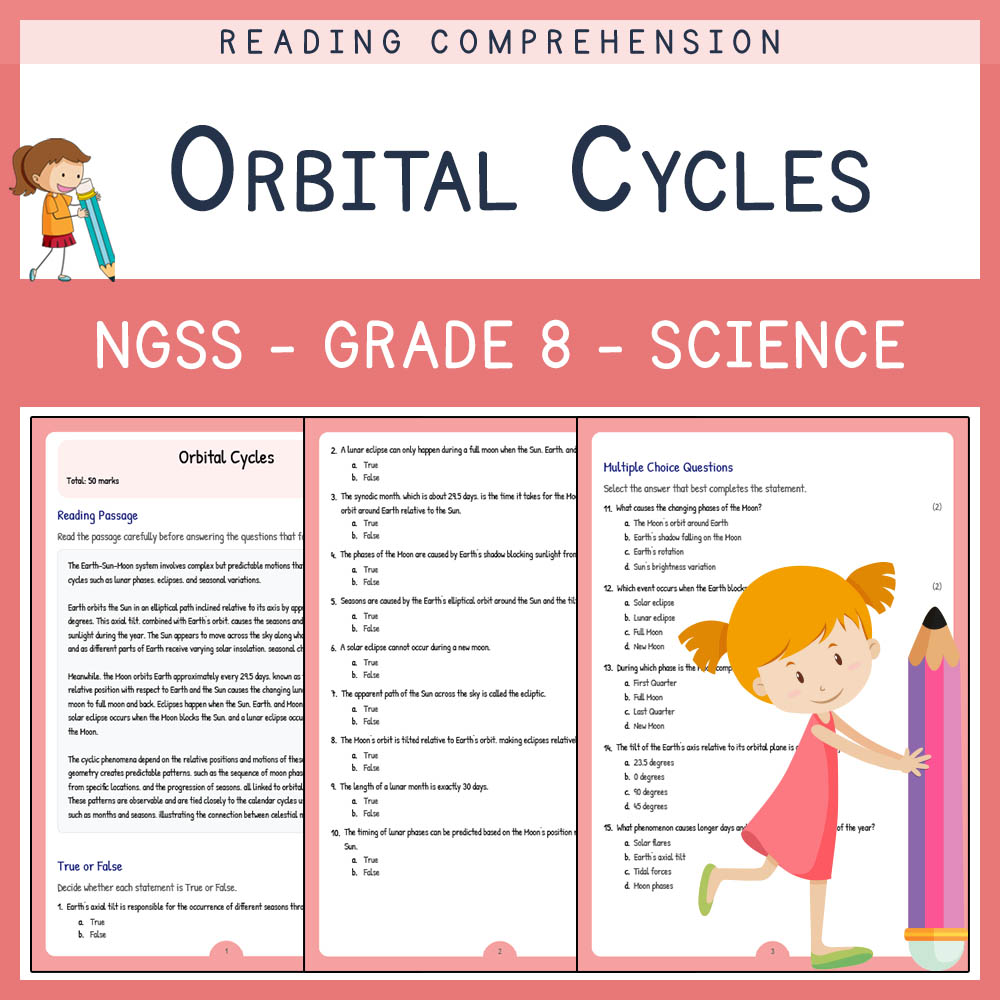
Grade 8 Science | Orbital Cycles Worksheet with Answer Key (NGSS-Aligned)
Created byLumora LearningLearning Objectives
- Explain the relative positions and motions of Earth, the Moon, and the Sun that lead to lunar phases, eclipses, and seasons.
- Describe the geometric and axial factors responsible for cyclic phenomena observed from Earth.
- Relate observable sky patterns and calendar cycles to the orbital relationships of celestial bodies.
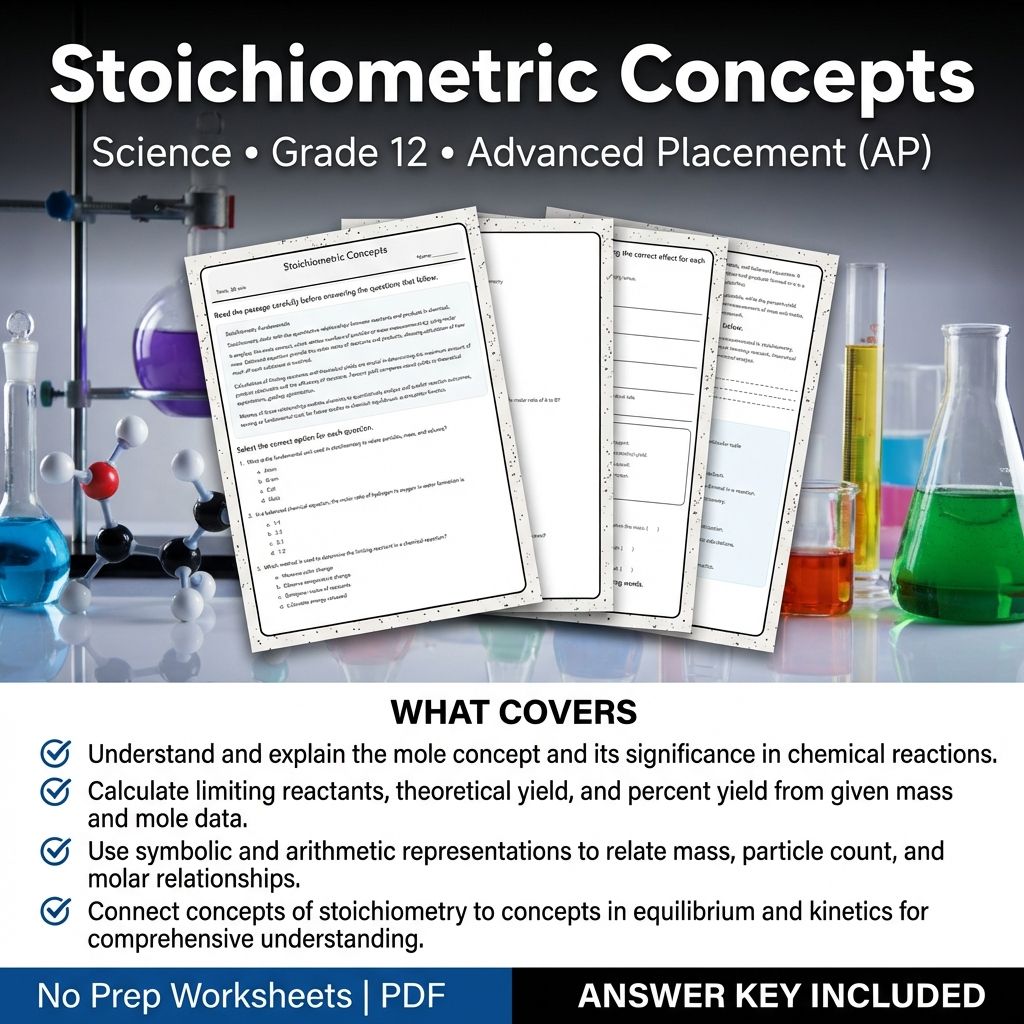
Grade 12 Science | Stoichiometric Concepts Worksheet & Answer Key (Printable PDF)
Created byCoral Reef LearningLearning Objectives
- Understand and explain the mole concept and its significance in chemical reactions.
- Calculate limiting reactants, theoretical yield, and percent yield from given mass and mole data.
- Use symbolic and arithmetic representations to relate mass, particle count, and molar relationships.
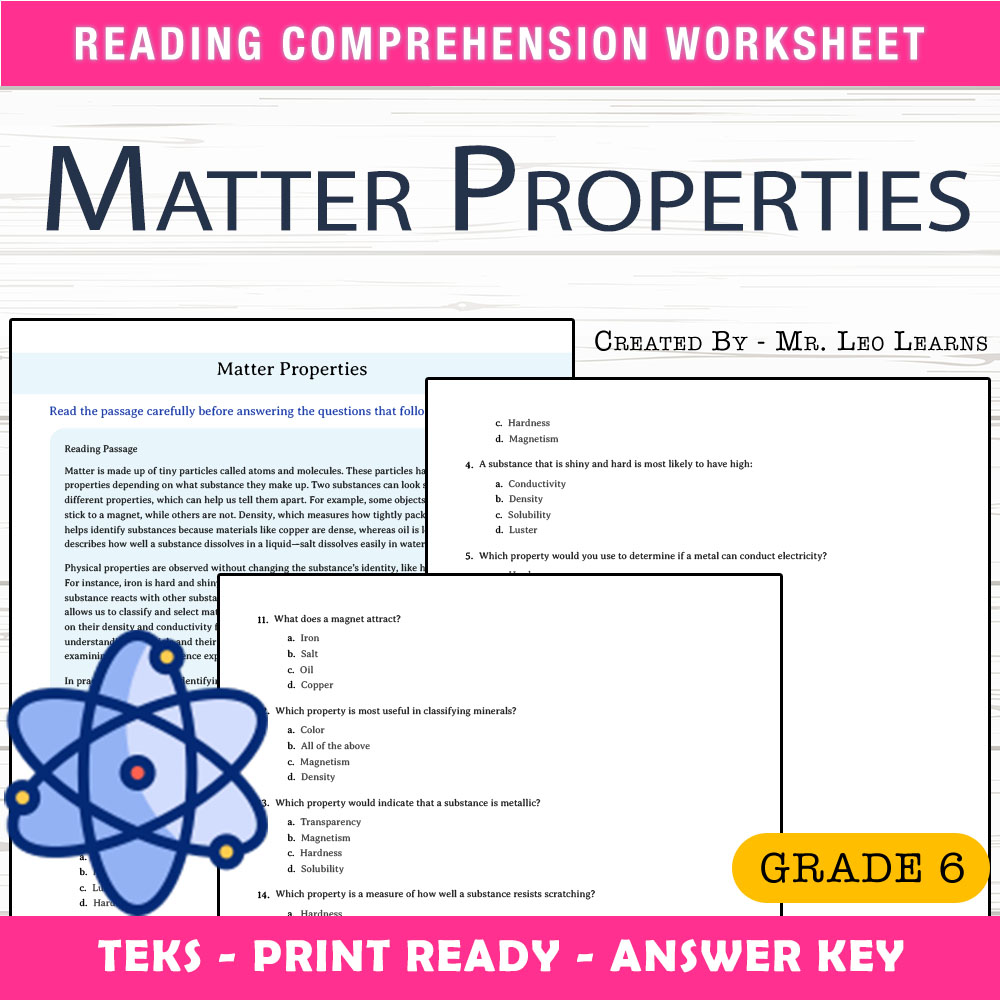
Grade 6 Science – Matter Properties Worksheet for Mastery
Created byThe Resource HubLearning Objectives
- Understand the physical and chemical properties used to identify substances.
- Describe and compare properties such as density, solubility, magnetism, and conductivity.
- Relate observed properties to real-world examples like iron, salt, oil, and copper.
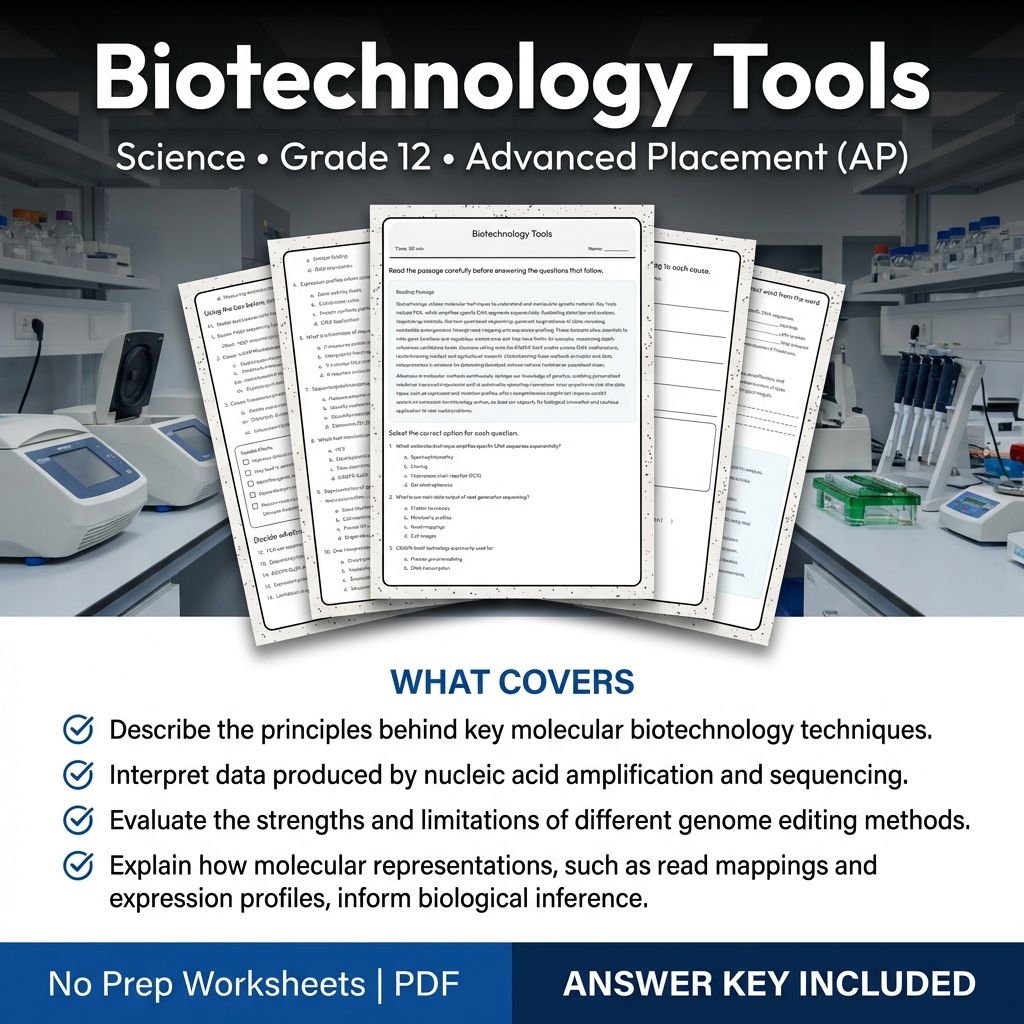
12th Grade Science | Biotechnology Tools Worksheet & Answer Key (Printable PDF)
Created byCoral Reef LearningLearning Objectives
- Describe the principles behind key molecular biotechnology techniques.
- Interpret data produced by nucleic acid amplification and sequencing.
- Evaluate the strengths and limitations of different genome editing methods.
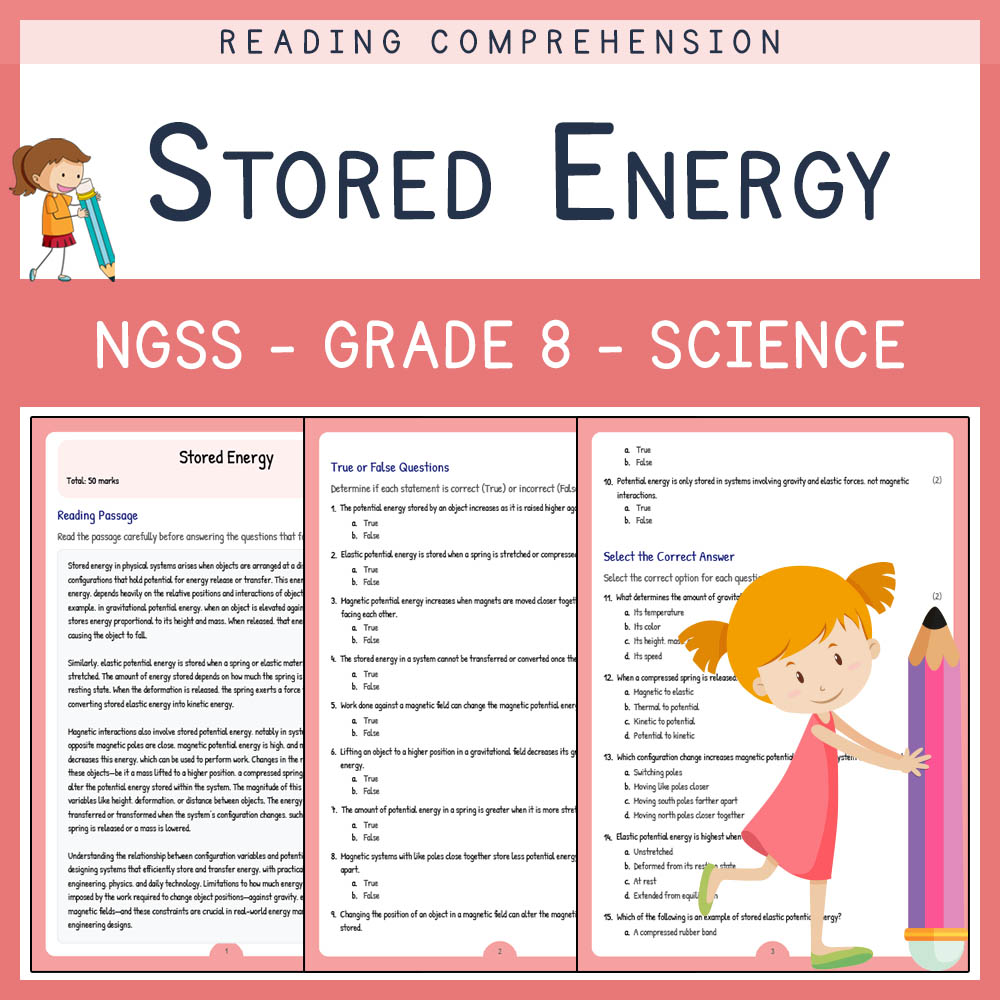
Grade 8 Science | Stored Energy Worksheet & Answer Key (NGSS Aligned)
Created byLumora LearningLearning Objectives
- Understand the concept of potential energy stored through objects interacting at a distance, including gravitational, elastic, and magnetic energy.
- Identify how changes in the relative positions of objects affect their stored energy and the work done during these changes.
- Apply the principles of stored energy to real-world systems such as springs, elevated masses, and magnets.
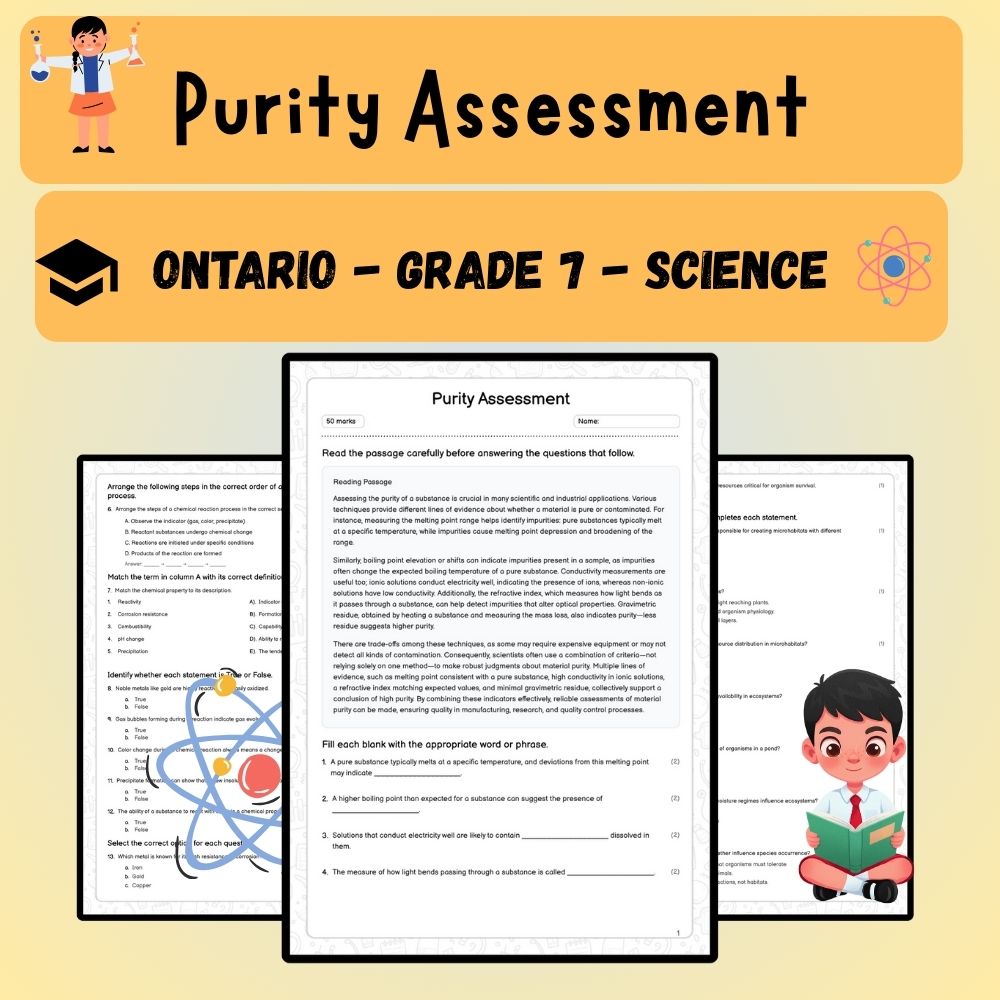
Grade 7 Science Worksheet – Assessing Substance Purity (PDF)
Created byPrism Point LearningLearning Objectives
- Understand the different analytical indicators used to assess material purity.
- Learn methods such as melting point, boiling point, conductivity, refractive index, and gravimetric residue to evaluate purity.
- Interpret examples and data to determine the purity of samples based on multiple criteria.
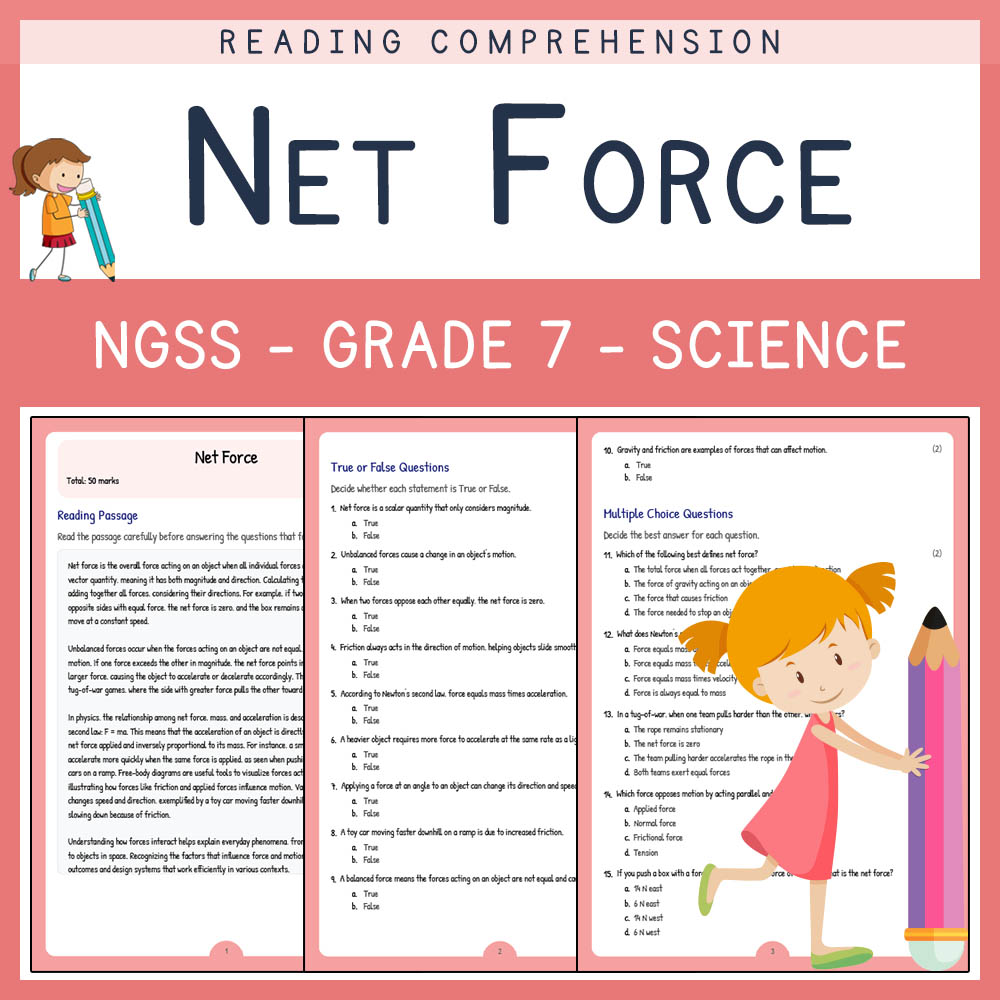
Grade 7 Science | Net Force Worksheet & Answer Key | NGSS Aligned
Created byLumora LearningLearning Objectives
- Define net force as the vector sum of all forces acting on an object.
- Explain how unbalanced forces produce changes in an object's motion.
- Understand the relationship between net force, mass, and acceleration using free-body diagrams.
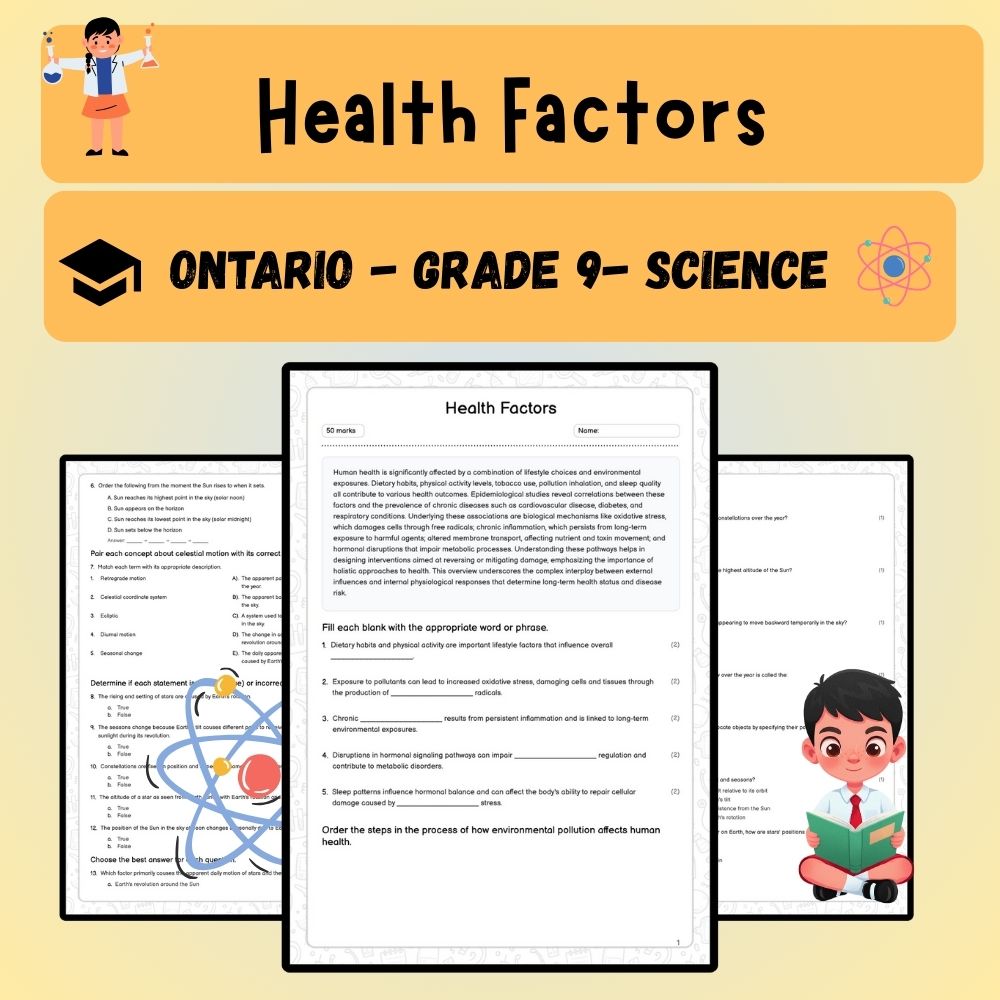
Grade 9 Science | Health Factors Worksheet (PDF) – Ontario Standards
Created byPrism Point LearningLearning Objectives
- Understand how lifestyle and environmental factors influence human health.
- Identify mechanisms like oxidative stress and inflammation that relate to chronic conditions.
- Interpret epidemiological data to discern causation from correlation.
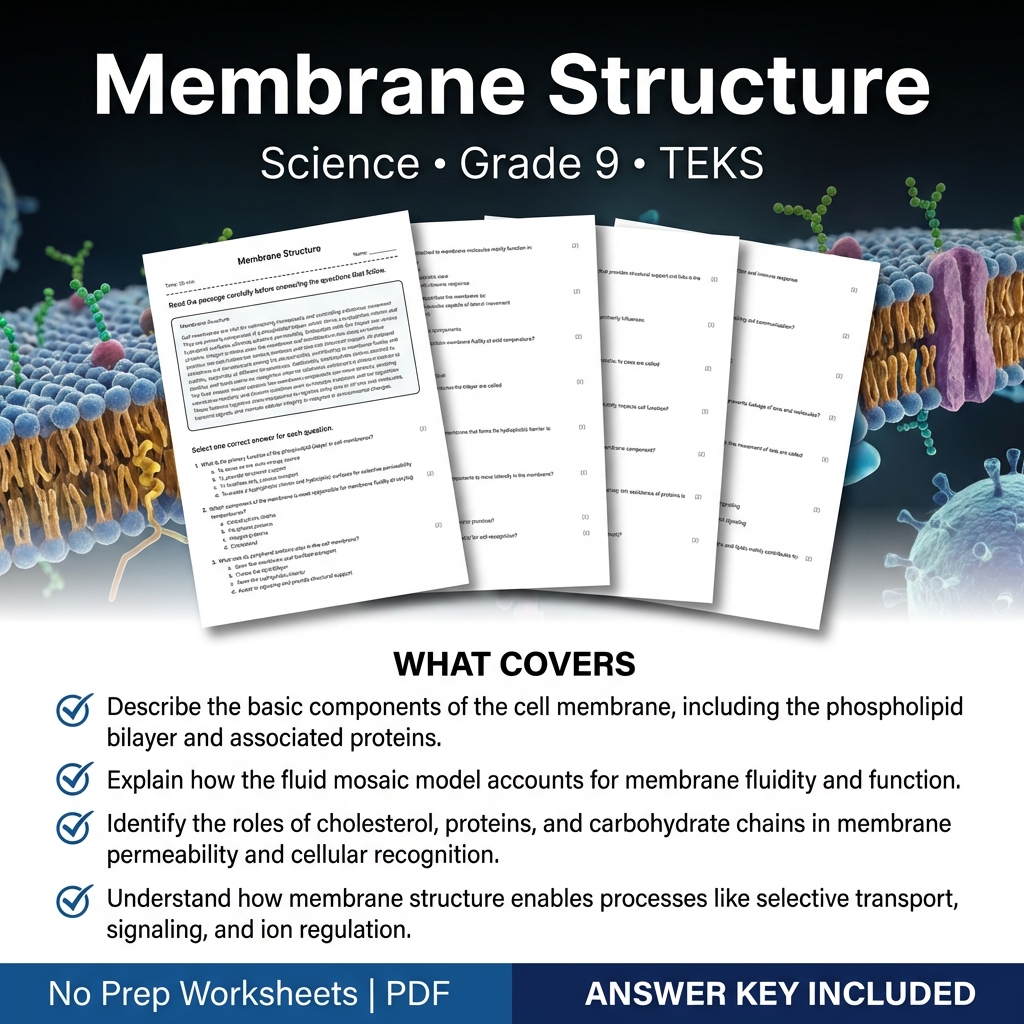
Membrane Structure Grade 9 Science Worksheet with Answer Key | TEKS
Created byCoral Reef LearningLearning Objectives
- Describe the basic components of the cell membrane, including the phospholipid bilayer and associated proteins.
- Explain how the fluid mosaic model accounts for membrane fluidity and function.
- Identify the roles of cholesterol, proteins, and carbohydrate chains in membrane permeability and cellular recognition.
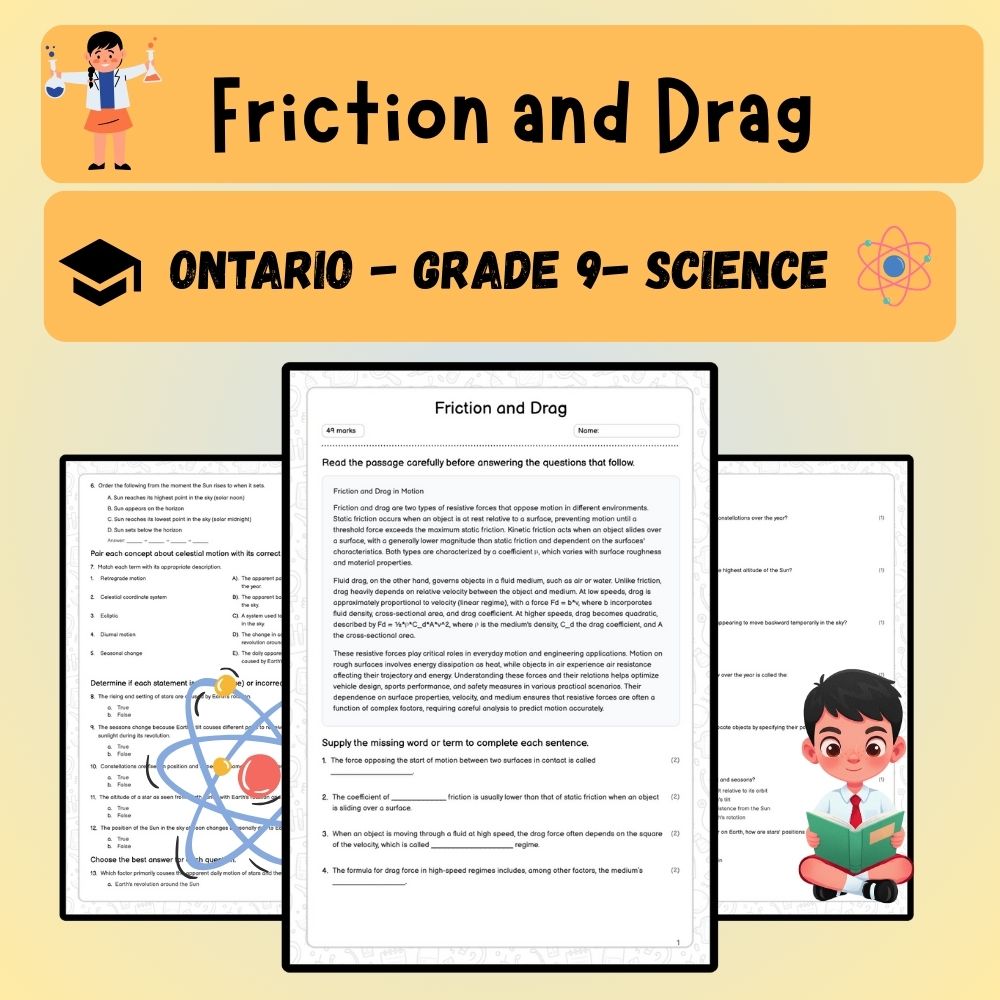
Grade 9 Science | Friction and Drag Worksheet (PDF) – Ontario Standards
Created byPrism Point LearningLearning Objectives
- Explain the differences between static and kinetic friction, including their dependence on surface properties and relative motion.
- Describe how fluid drag depends on velocity, cross-sectional area, and medium density, contrasting low-speed linear and high-speed quadratic regimes.
- Apply formulas involving frictional coefficients and drag dependencies to analyze real-world motion scenarios.
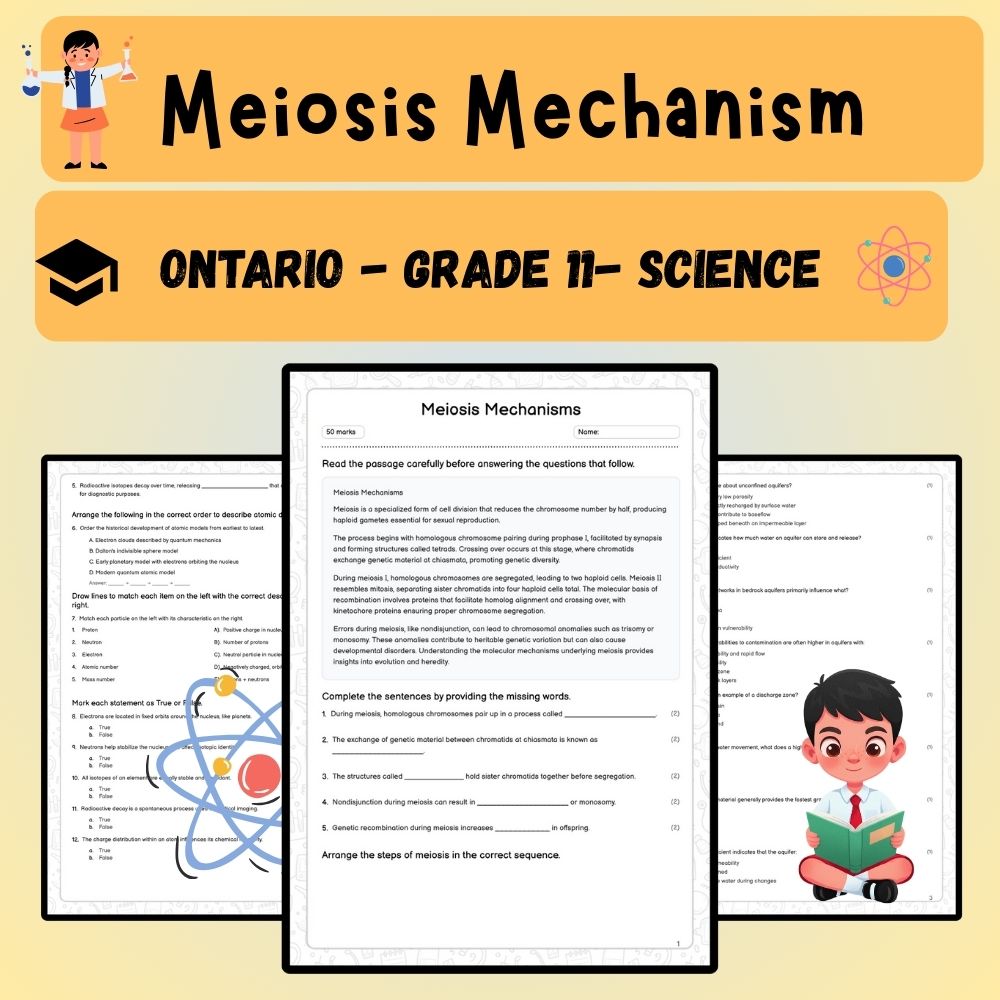
Grade 11 Science – Meiosis Mechanisms Worksheet (Answer Key) | Ontario Standards
Created byPrism Point LearningLearning Objectives
- Describe the stages of meiosis I and II and their significance in genetic variation.
- Explain the processes of homolog pairing, synapsis, crossing over, and chiasmata formation.
- Analyze the molecular basis of recombination and kinetochore dynamics during meiosis.
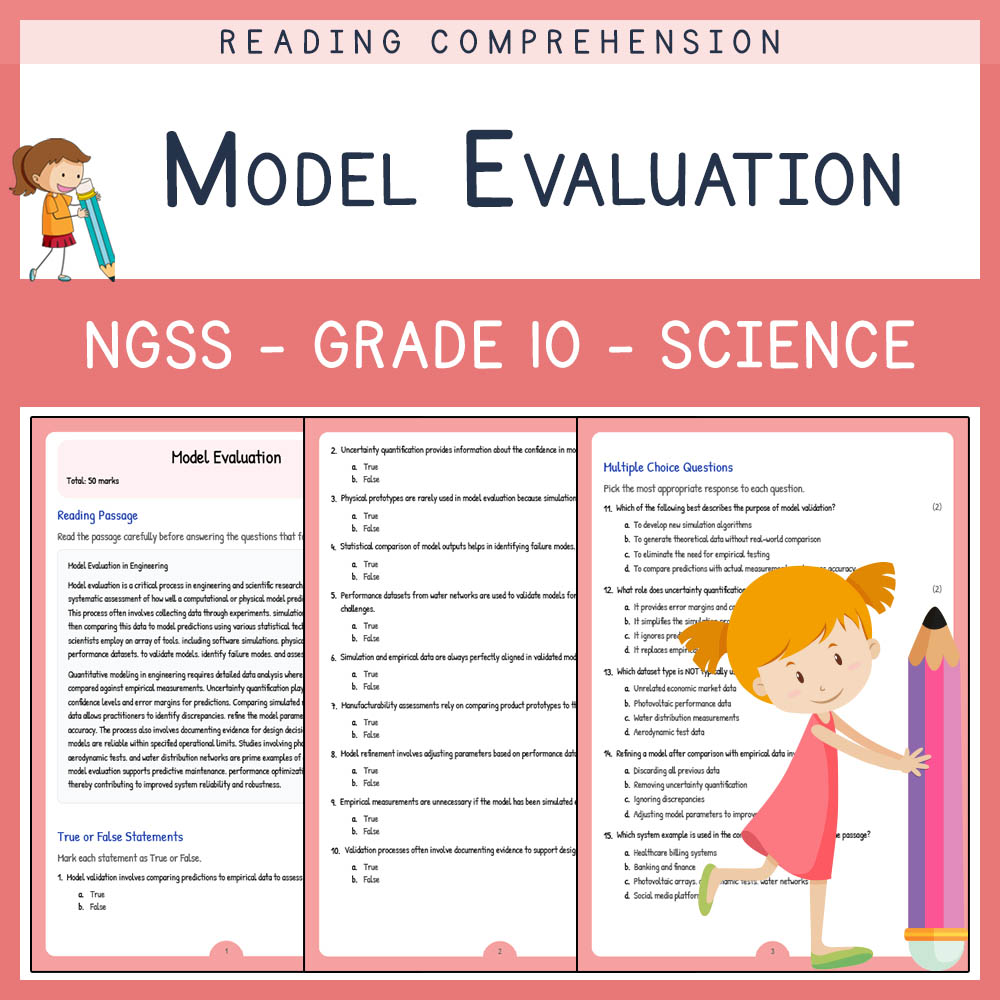
Grade 10 Science | Model Evaluation Worksheet & Answer Key NGSS Aligned (PDF)
Created byLumora LearningLearning Objectives
- Understand the principles of quantitative modeling and how to analyze prototype data.
- Learn to compare simulation results with empirical measurements for model validation.
- Apply statistical methods to assess model accuracy and quantify uncertainty.
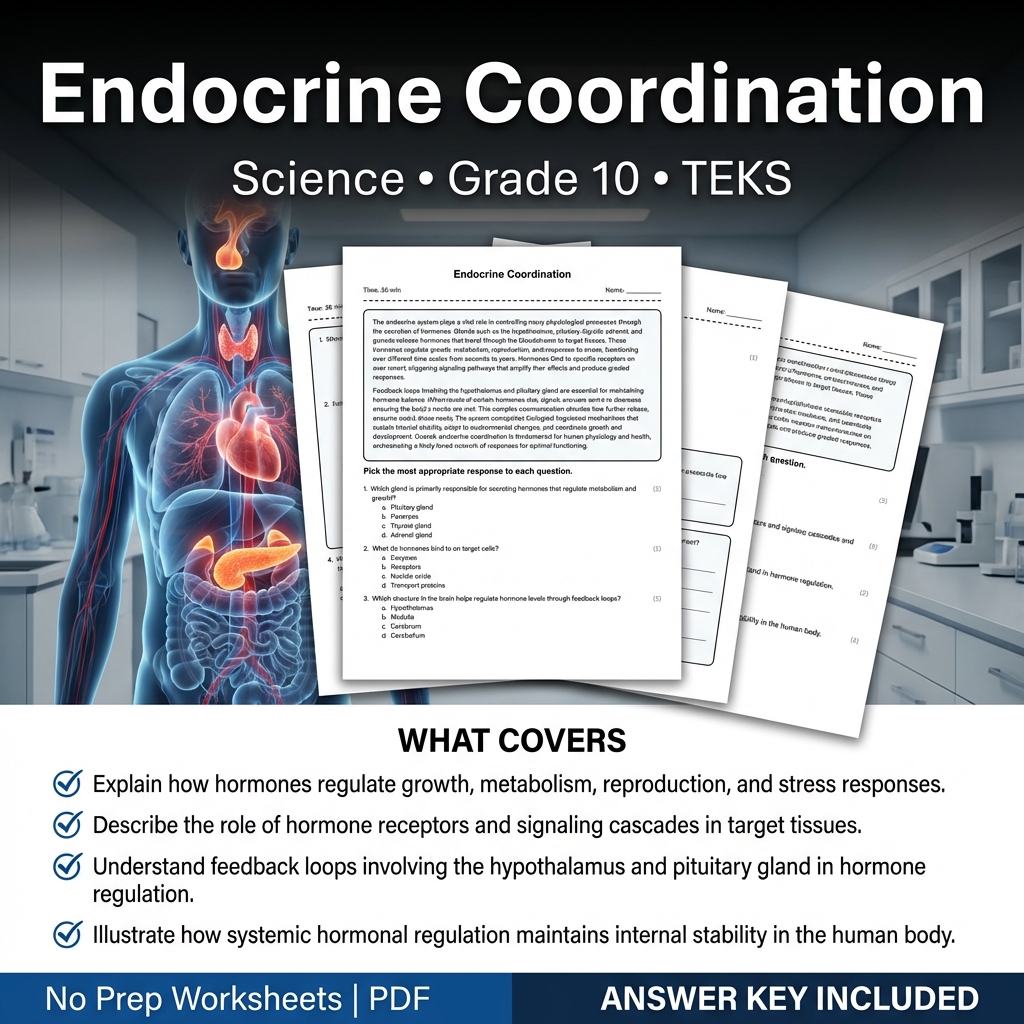
Endocrine Coordination Science Worksheet for Grade 10 | TEKS Aligned
Created byCoral Reef LearningLearning Objectives
- Explain how hormones regulate growth, metabolism, reproduction, and stress responses.
- Describe the role of hormone receptors and signaling cascades in target tissues.
- Understand feedback loops involving the hypothalamus and pituitary gland in hormone regulation.
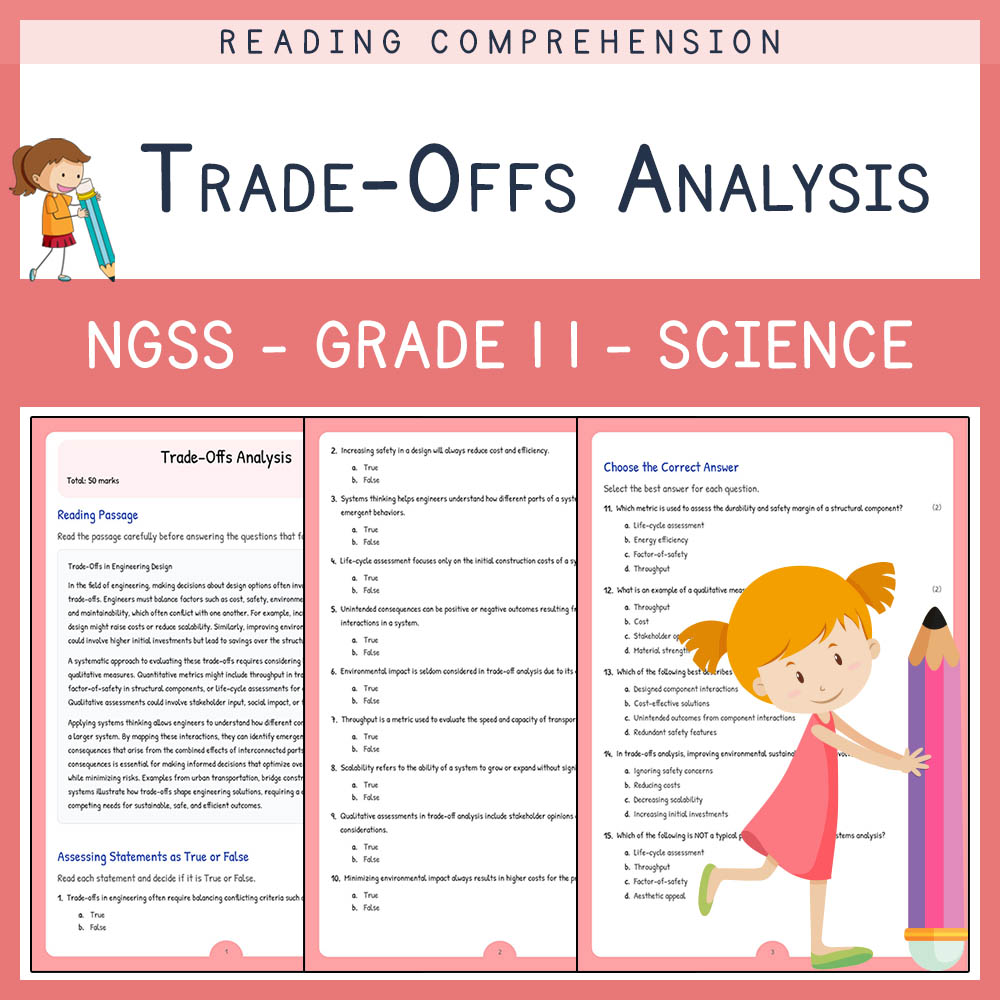
Grade 11 Science | Trade-Offs Analysis Worksheet (Answer Key & Rubric)
Created byLumora LearningLearning Objectives
- Evaluate proposed solutions against multiple criteria, including cost, safety, and environmental impact.
- Apply systems thinking to analyze component interactions and emergent behaviors in engineering designs.
- Compare and quantify performance metrics such as throughput, factor-of-safety, and life-cycle assessment.
Browse more categories
About Science Worksheets
Find Science worksheets spanning core skills, practice, and review. All 42,859 resources are instant PDF downloads for the classroom or home.
Every worksheet on MyTeachingSheets is created by independent teacher-authors and reviewed before publication. All resources download as printable PDFs for classroom, homework, or at-home practice, and many include answer keys. Preview any worksheet free before buying.