
Science Worksheets
42,859 subject resources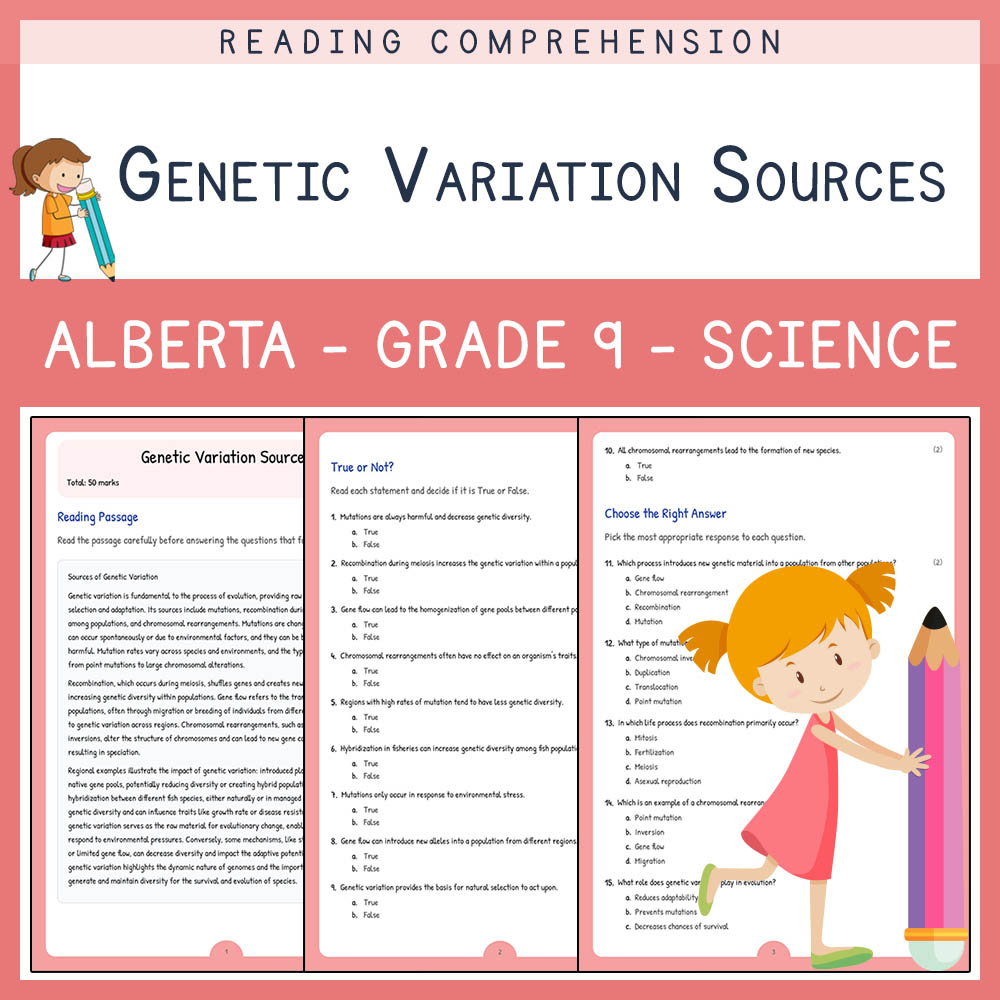
Grade 9 Science | Genetic Variation Sources Worksheet | Alberta Standards
 Created byLumora Learning
Learning Objectives
- Define key sources of genetic variation including mutation, recombination, gene flow, and chromosomal rearrangements.
- Explain how mutation rates and types affect genetic diversity.
- Describe mechanisms that increase or decrease genetic variation in populations.

Grade 9 Science | Climate Drivers Worksheet | BC Standards
Created byLumora LearningLearning Objectives
- Understand the key components that influence Earth's climate, including the atmosphere, oceans, ice, land surface, and living organisms.
- Explain how solar energy and internal Earth's heat contribute to climate patterns.
- Identify factors such as aerosols, greenhouse gases, ocean circulation, and land surface properties that cause climate variability.
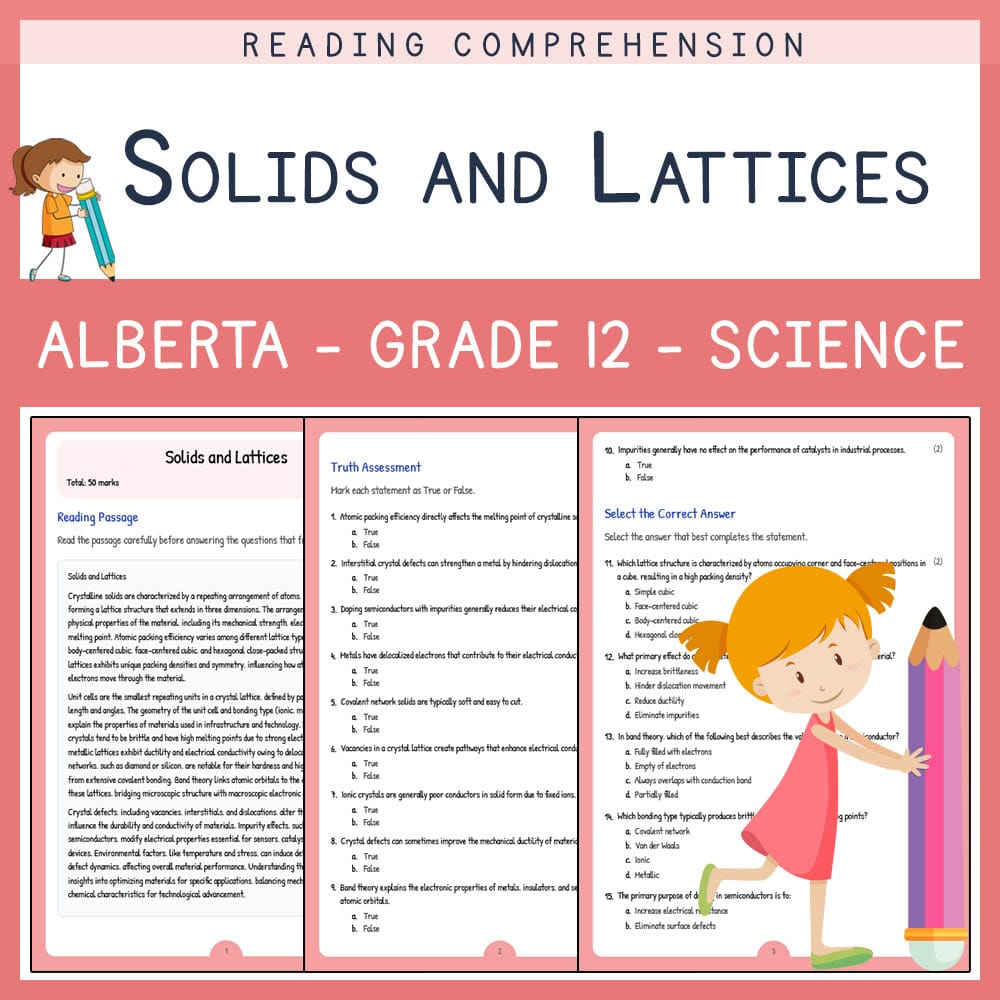
Grade 12 Science | Solids and Lattices Worksheet | Alberta Standards
Created byLumora LearningLearning Objectives
- Explain atomic packing, unit cell geometries, and bonding types in crystalline solids.
- Describe how lattice structures influence material properties like strength and conductivity.
- Apply band theory concepts to understand electronic behaviors of different solids.

Grade 9 Science | Plate Boundaries Worksheet | BC Standards
Created byLumora LearningLearning Objectives
- Understand the three main types of plate boundaries and their geological processes.
- Identify landforms and land features associated with divergent, convergent, and transform boundaries.
- Explain how the spatial arrangement of plate boundaries influences earthquake, volcanic, and crustal deformation patterns.

Grade 10 Science | Quantitative Communication Worksheet | AP Aligned
Created byLumora LearningLearning Objectives
- Understand conventions and strategies for communicating quantitative results.
- Apply uncertainty notation, significant digits, and graphical annotations appropriately.
- Interpret and justify conclusions using numerical summaries, confidence intervals, and visual aids.

Grade 10 Science | Stoichiometric Analysis Worksheet | AP Aligned
Created byLumora LearningLearning Objectives
- Develop algebraic and unit-based strategies for complex stoichiometric relationships.
- Apply mole ratios, limiting reagent identification, and percent yield calculations in chemical problems.
- Utilize gas law approximations and concentration representations to extend stoichiometric reasoning.

Grade 10 Science | Model Refinement Worksheet | AP Aligned
Created byLumora LearningLearning Objectives
- Understand the process of iterative model improvement through comparison with observed behavior.
- Learn how to estimate parameters and include additional processes such as damping or friction in models.
- Apply residual analysis and sensitivity assessment to refine models effectively.
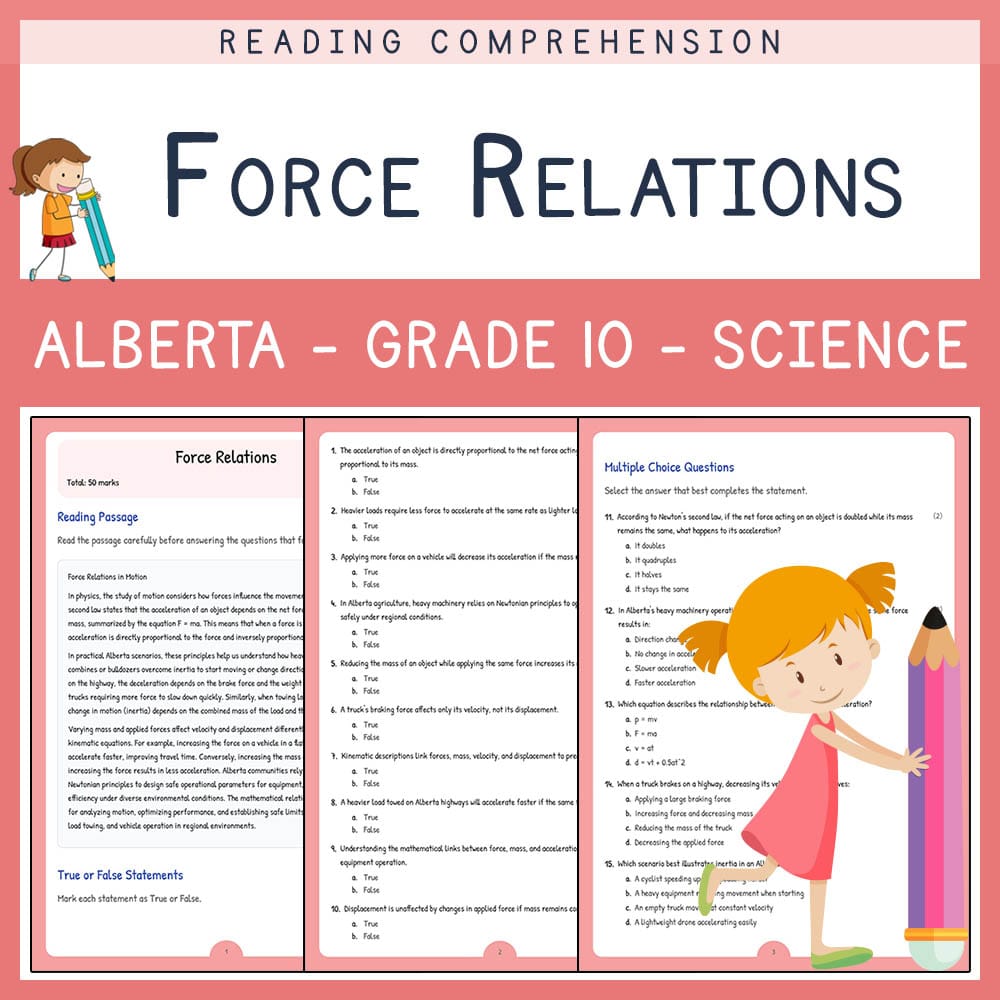
Grade 10 Science | Force Relations Worksheet | Alberta Standards
Created byLumora LearningLearning Objectives
- Explain the relationship between net force, mass, and acceleration using Newton's laws.
- Describe how varying mass and applied forces affect motion outcomes in real-world Alberta examples.
- Analyze and interpret mathematical links between force, mass, and acceleration to predict kinematic behavior.

Grade 8 Science | Measuring Biodiversity Worksheet | BC Aligned
Created byLumora LearningLearning Objectives
- Understand the concept of biodiversity and its levels (genetic, species, ecosystem).
- Identify methods used to measure biodiversity, including richness, evenness, and indices.
- Analyze how sampling techniques, habitat differences, and temporal changes affect biodiversity estimates.

Grade 9 Science | Evolution Evidence Worksheet | AP Aligned
Created byLumora LearningLearning Objectives
- Interpret multiple lines of evidence for descent with modification, including fossil sequences, comparative anatomy, biogeographic distributions, and molecular phylogenies.
- Describe mechanisms such as natural selection, genetic drift, gene flow, and mutation that alter allele frequencies and produce adaptive traits.
- Employ models linking selective pressures and trait variation to population responses and evaluate scenarios like antibiotic resistance and morphological adaptation.

Grade 9 Science | Cell Components Worksheet | AP Aligned
Created byLumora LearningLearning Objectives
- Describe the structure and function of various cell organelles and membranes.
- Explain how cellular compartmentalization affects metabolic processes.
- Analyze how alterations in membrane composition influence diffusion and transport.

Grade 10 Science | Effective Charge Worksheet | AP Aligned
Created byLumora LearningLearning Objectives
- Understand the concept of effective nuclear charge (Zeff) and how it influences atomic properties.
- Analyze periodic trends such as atomic radius, ionization energy, and electron affinity in relation to Zeff.
- Apply simplified calculations to compare isoelectronic series and predict element behavior.

Grade 10 Science | Electron Configuration Worksheet | AP Aligned
Created byLumora LearningLearning Objectives
- Describe the role of quantum numbers in defining electron positions within atoms.
- Explain how orbital shapes and energies influence electron distribution and chemical properties.
- Interpret orbital diagrams and shorthand configurations to understand atomic structure.

Grade 12 Science | Plate Tectonics Worksheet | TEKS-Aligned
Created byLumora LearningLearning Objectives
- Understand the mechanisms driving plate movements such as mantle convection and isostasy.
- Identify different types of plate boundaries and the geologic features they produce.
- Explain how geologic evidence, including radiometric dating, stratigraphy, and seismic tomography, reconstructs Earth's geologic history.

Grade 7 Science | Mass Measurements Worksheet | BC Aligned
Created byLumora LearningLearning Objectives
- Understand the concept of mass conservation in closed systems during chemical changes.
- Identify factors that influence the accuracy of mass measurements and their impact on conservation assessments.
- Recognize the importance of including all phases and accounting for gases or dissolved species when measuring mass.
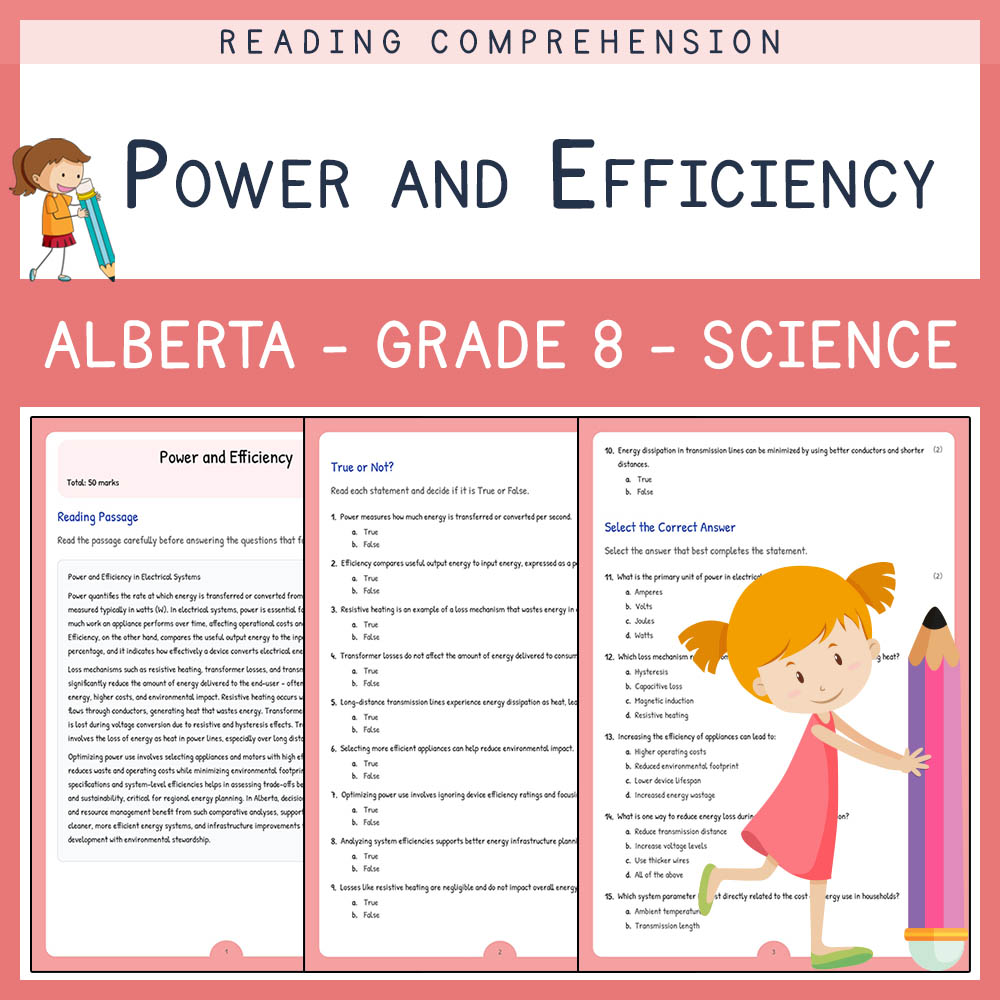
Grade 8 Science | Power and Efficiency Worksheet | Alberta Standards
Created byLumora LearningLearning Objectives
- Define power as energy transfer per unit time and explain its significance in electrical systems.
- Describe the concept of efficiency and identify common loss mechanisms in electrical devices.
- Analyze how optimization and selection of appliances influence energy consumption, cost, and environmental impact.
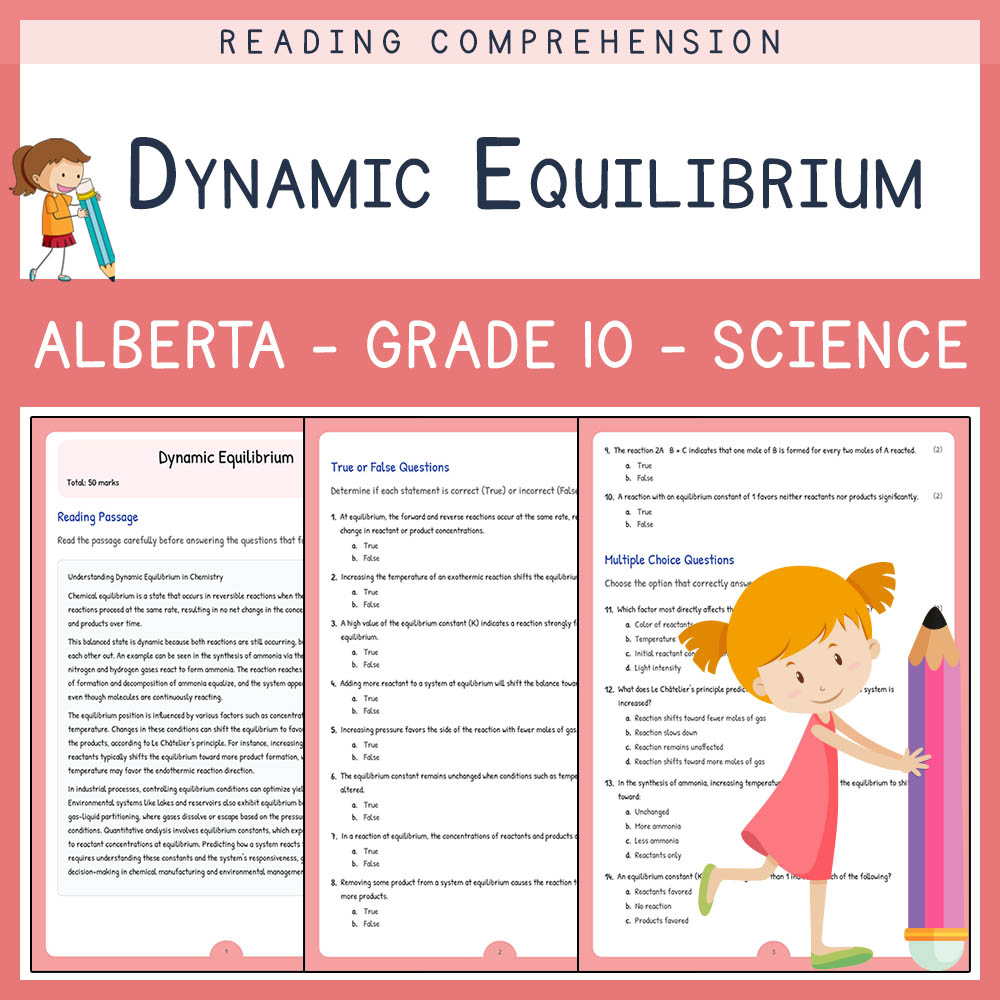
Grade 10 Science | Dynamic Equilibrium Worksheet | Alberta Standards
Created byLumora LearningLearning Objectives
- Explain the concept of dynamic chemical equilibrium and how reactions reach balance.
- Describe factors such as concentration, pressure, and temperature that influence equilibrium position.
- Interpret equilibrium constants and predict shifts when systems undergo perturbations.

Grade 9 Science | Tissue Types Worksheet | BC Aligned
Created byLumora LearningLearning Objectives
- Understand the different types of tissues and their functions.
- Identify characteristics of epithelial, connective, muscle, and nervous tissues.
- Explain how tissue structure relates to function in organs.

Grade 11 Science | Bond Polarity Worksheet | Alberta Standards
Created byLumora LearningLearning Objectives
- Understand the concept of bond polarity and how partial charges develop in molecules.
- Distinguish between polar bonds and polar molecules using examples such as HCl and H2O.
- Explain how bond dipoles contribute to the overall molecular polarity and its implications.

Grade 12 Science | Molecular Techniques Worksheet | BC-Aligned
Created byLumora LearningLearning Objectives
- Understand key molecular techniques such as PCR, gel electrophoresis, and sequencing.
- Identify applications of recombinant DNA and CRISPR-Cas systems in biotechnology and medicine.
- Evaluate ethical and safety considerations in deploying modern molecular techniques.
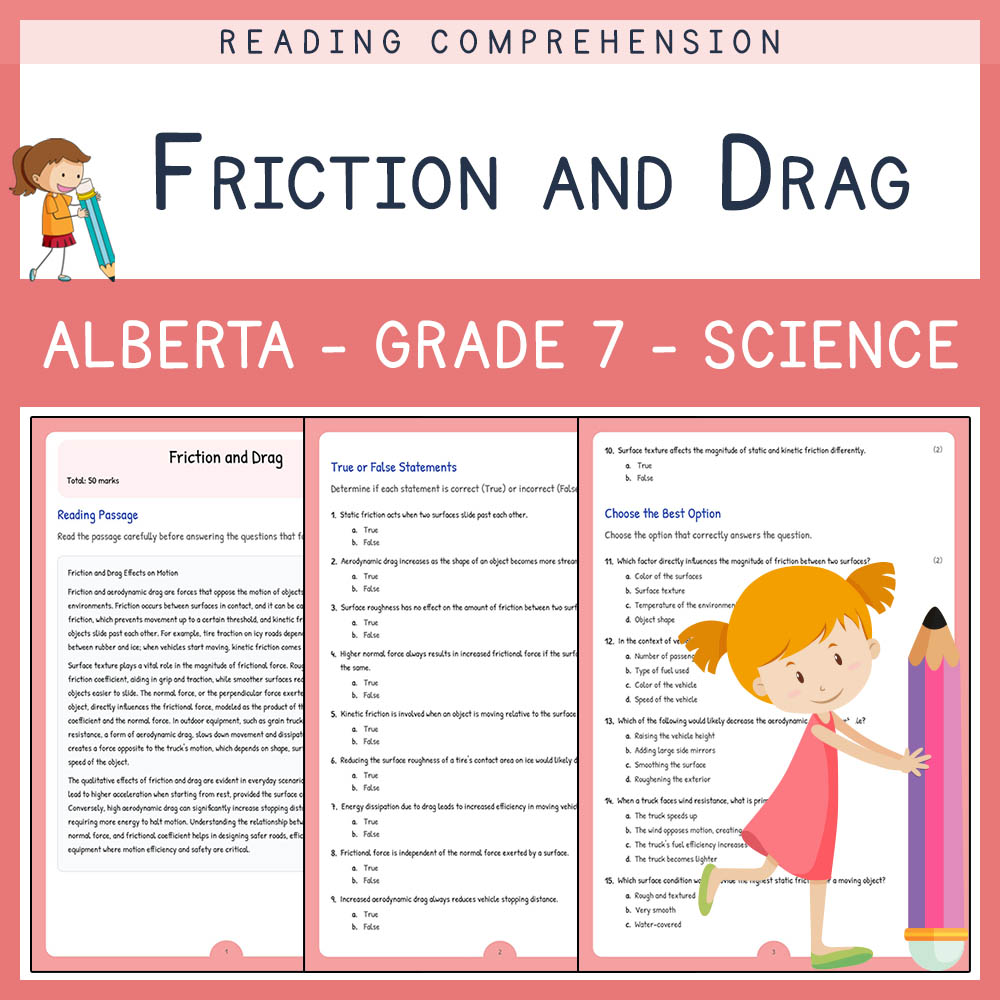
Grade 7 Science | Friction and Drag Worksheet | Alberta Standard
Created byLumora LearningLearning Objectives
- Explain the concepts of static and kinetic friction and how surface texture affects them.
- Describe how aerodynamic drag influences motion in vehicles and outdoor equipment.
- Relate the relationship between normal force, surface texture, and frictional coefficient.

Grade 6 Science | Defense Interactions Worksheet | BC Standards
Created byLumora LearningLearning Objectives
- Describe the main components and functions of the immune system in defending organisms.
- Identify and explain the roles of barrier defenses, innate inflammation, and adaptive responses.
- Understand the interaction of the immune system with circulatory and lymphatic systems in fighting pathogens.

Grade 12 Science | Relative Dating Worksheet | BC-Aligned
Created byLumora LearningLearning Objectives
- Understand the fundamental principles of relative dating such as superposition, original horizontality, lateral continuity, and cross-cutting relationships.
- Explain how unconformities and fossil assemblages are used to interpret geological history and correlate strata.
- Apply principles of relative dating to sequence geological events and construct relative timelines in the absence of absolute ages.

Grade 12 Science | Plate Tectonics Worksheet | BC-Aligned
Created byLumora LearningLearning Objectives
- Describe the main processes involved in plate tectonics and their geological features.
- Identify the types of plate boundaries and associated landforms.
- Interpret seismic patterns and rock assemblages to understand past tectonic movements.

Grade 12 Science | Conservation Laws Worksheet | Alberta Standards
Created byLumora LearningLearning Objectives
- Understand the principles of energy and momentum conservation within isolated systems.
- Analyze different collision scenarios using conservation equations.
- Identify elastic, inelastic, and perfectly inelastic collisions and their characteristics.
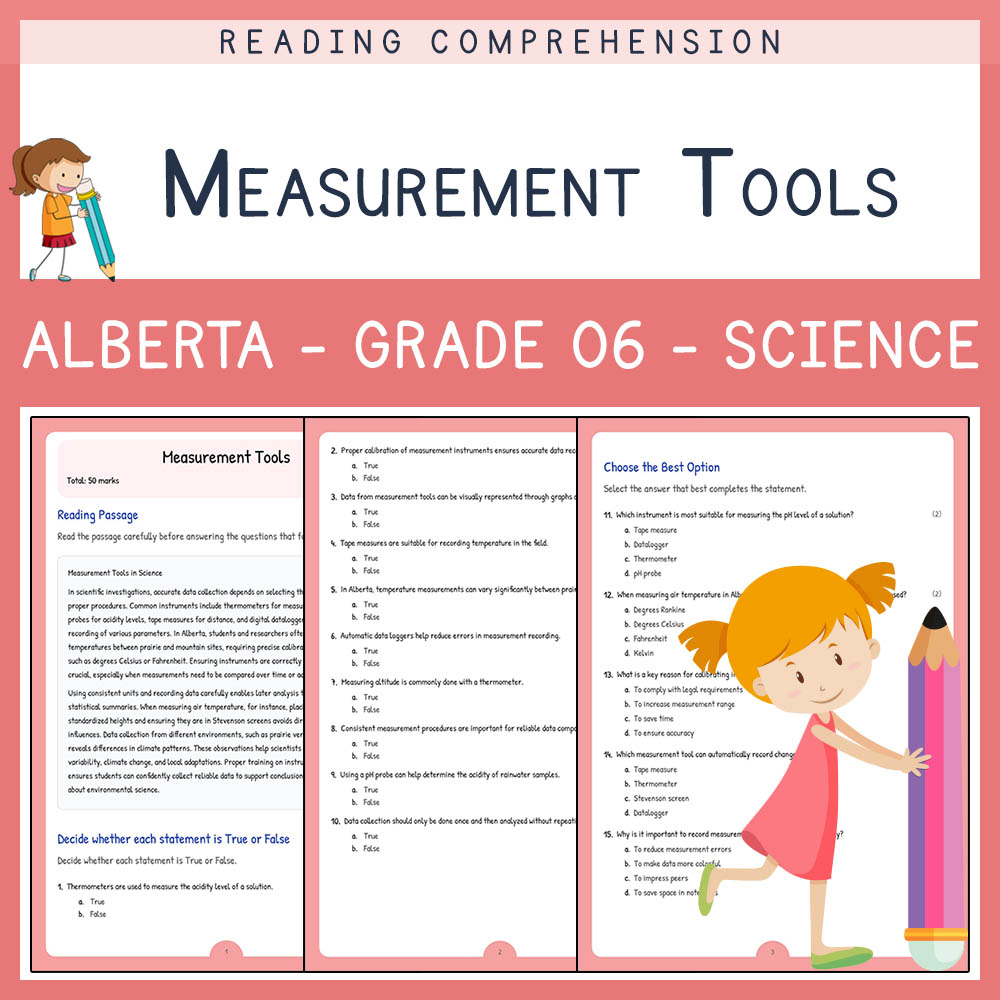
Grade 6 Science assessment | Measurement Tools Worksheet Elena | Alberta
Created byLumora LearningLearning Objectives
- Understand various instruments used for data collection in science.
- Learn how to calibrate and record measurements accurately.
- Compare measurement data from different environments such as prairie and mountain settings.
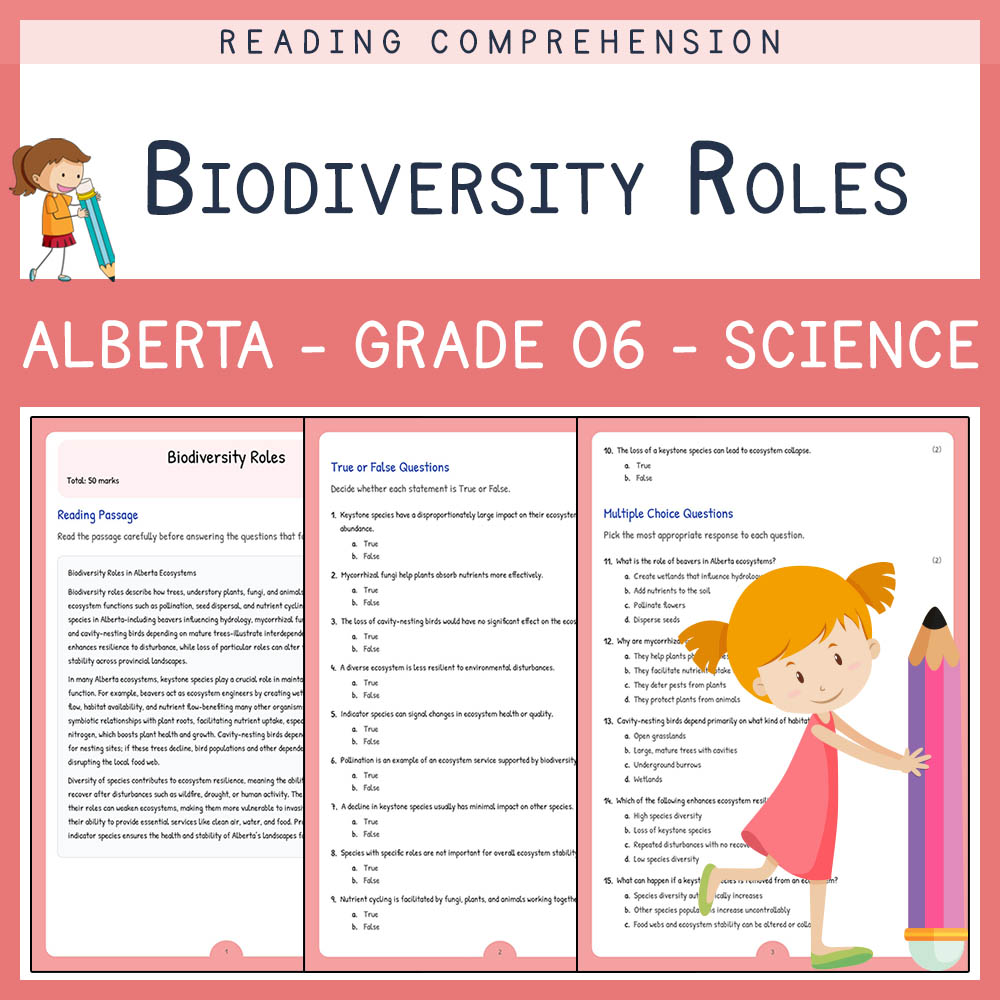
Grade 6 Biology Worksheet | Biodiversity Roles | Alberta Science Standard
Created byLumora LearningLearning Objectives
- Understand how different species interact to support ecosystem functions.
- Identify examples of keystone and indicator species in Alberta ecosystems.
- Explain the importance of species diversity in ecosystem resilience.
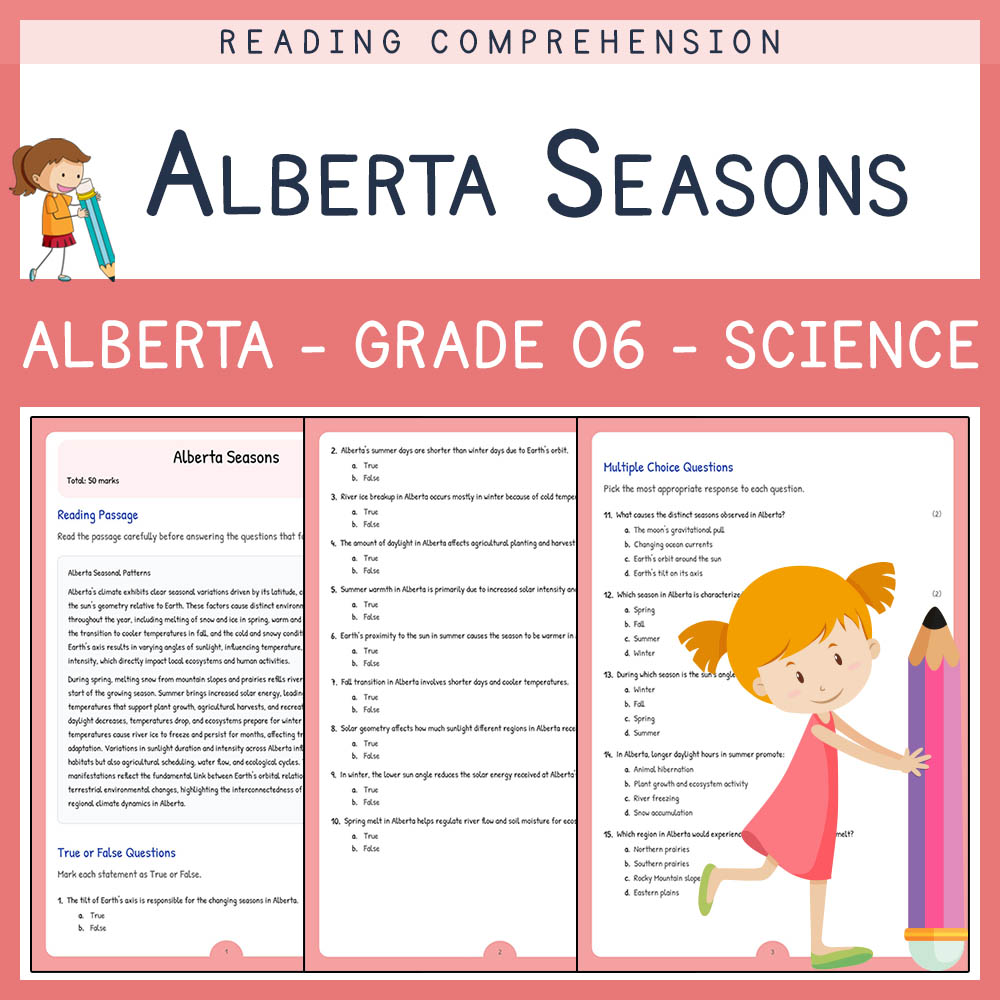
Grade 6 Science | Alberta Seasons Worksheet | Alberta Standards
Created byLumora LearningLearning Objectives
- Describe the seasonal patterns in Alberta and how they are influenced by Earth's position and solar geometry.
- Explain the effects of seasonal changes on ecosystems, agriculture, and environment in Alberta.
- Connect astronomical causes to terrestrial environmental cycles in Alberta's climate patterns.
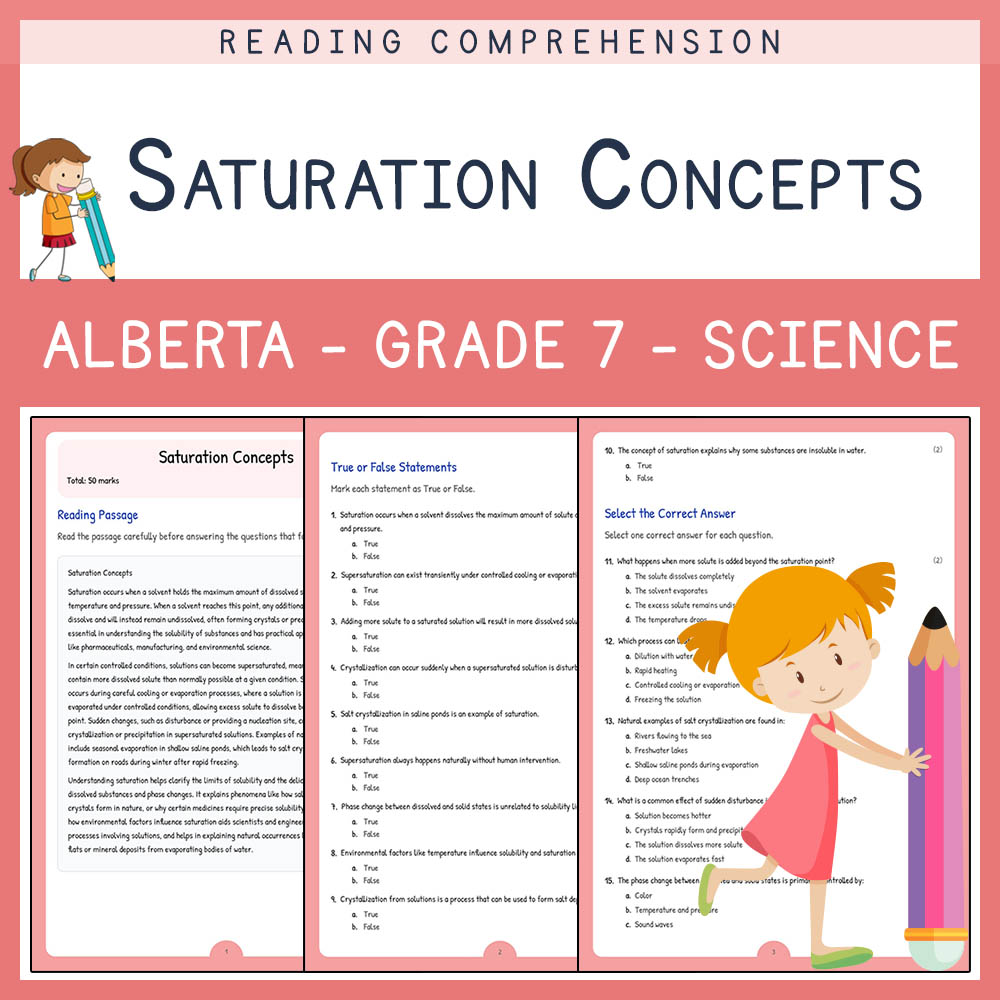
Grade 7 Science | Saturation Concepts Worksheet | Alberta Standard
Created byLumora LearningLearning Objectives
- Understand the definition and conditions of saturation and supersaturation.
- Identify real-world examples of saturation and supersaturation phenomena.
- Explain the phase change between dissolved and solid states in solutions.
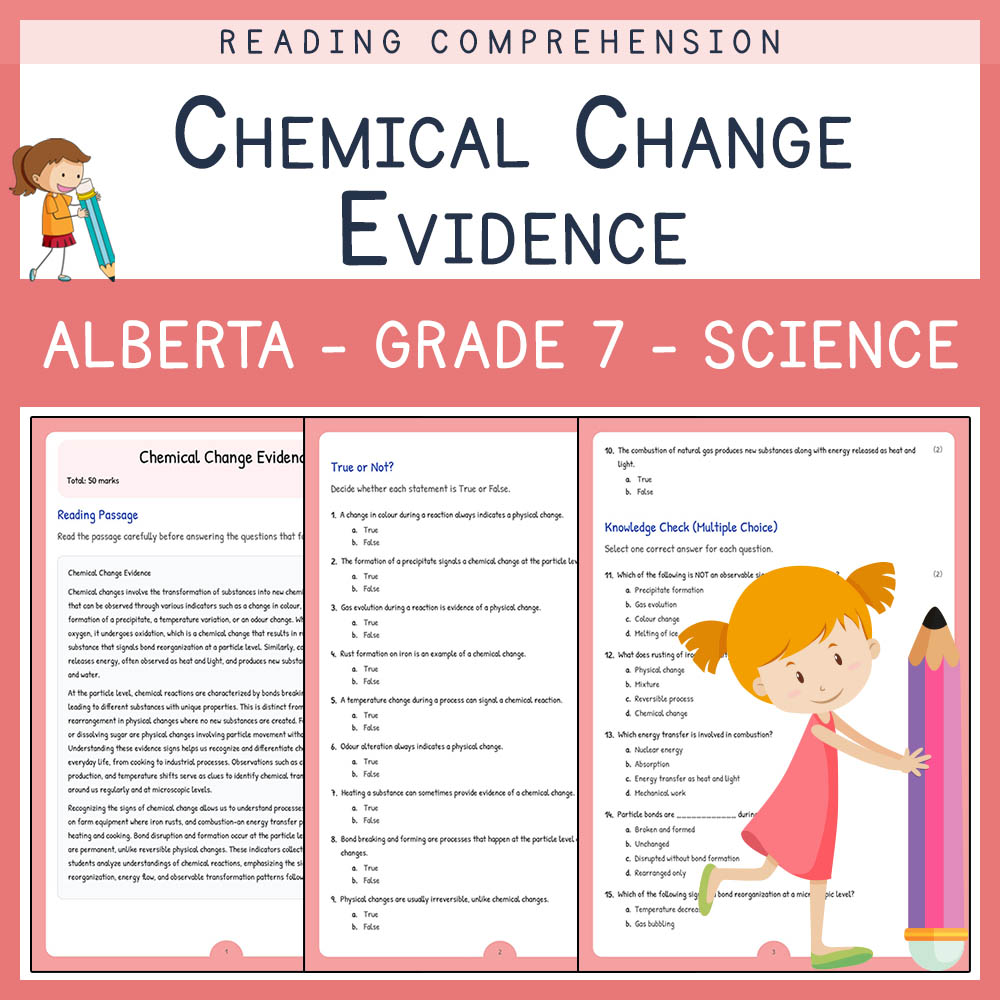
Grade 7 Science Assessment | Chemical Change Evidence Worksheet | Alberta
Created byLumora LearningLearning Objectives
- Identify observable signs of chemical changes such as colour change, gas evolution, and temperature change.
- Explain at particle level how bonds are broken and formed during a chemical reaction.
- Differentiate between physical and chemical changes based on evidence provided.
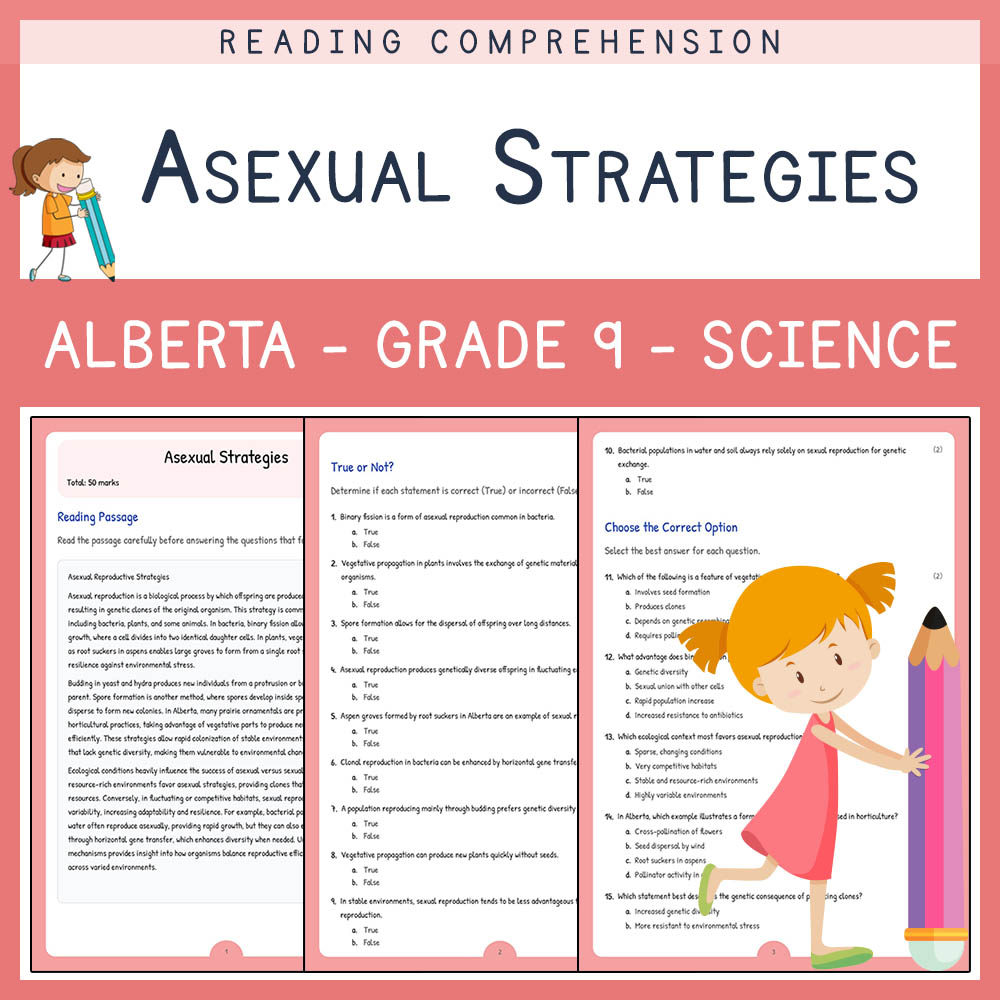
Grade 9 Science | Asexual Strategies Worksheet | Alberta Standards
Created byLumora LearningLearning Objectives
- Describe different mechanisms of asexual reproduction such as binary fission, budding, spore formation, and vegetative propagation.
- Explain the ecological and genetic consequences of producing clones through asexual strategies.
- Identify Alberta-specific examples of asexual reproduction like aspen groves, bacteria in soil, and horticultural practices.

Grade 9 Science | Argument Structures Worksheet | AP Science Practice
Created byLumora LearningLearning Objectives
- Understand the construction and critique of scientific arguments using claim-evidence-reasoning structures.
- Identify coherence, relevance, and how alternative explanations are considered in scientific reasoning.
- Explain how quantitative evidence and model comparisons strengthen arguments.
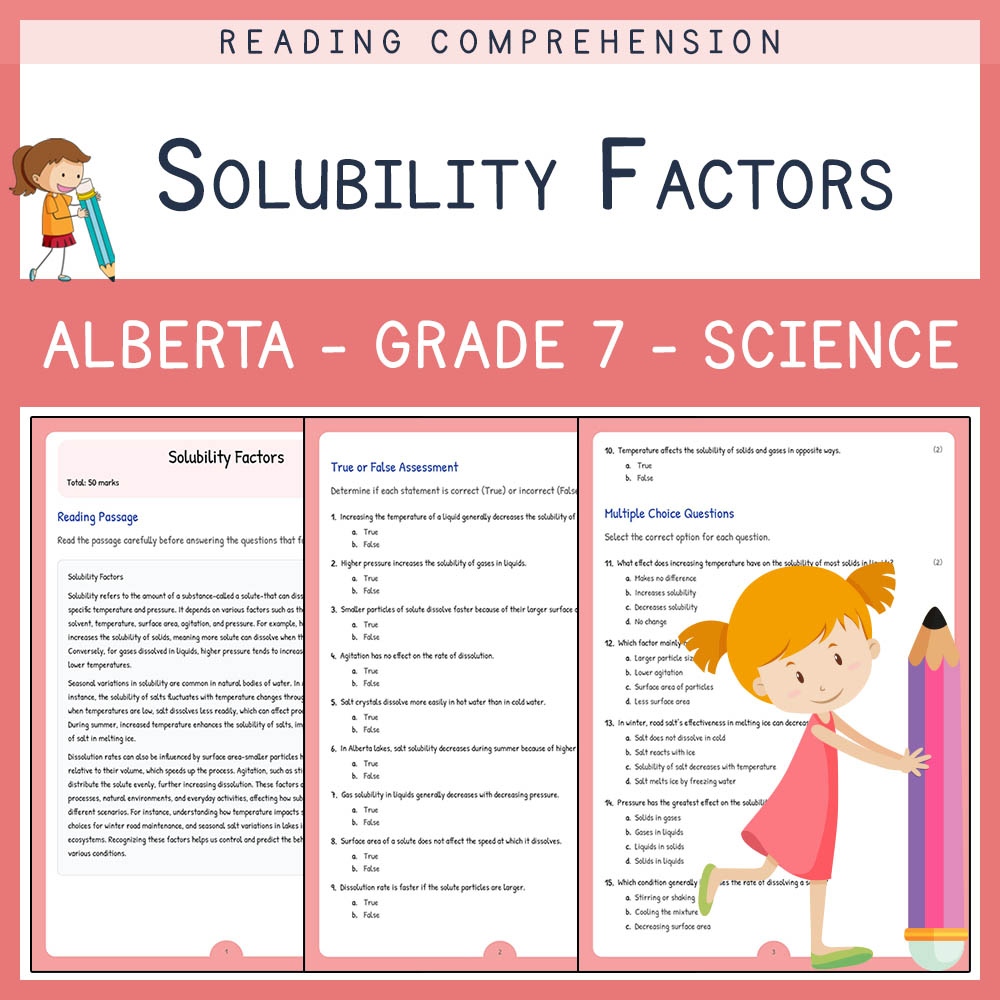
Grade 7 Science Worksheet | Solubility Factors | Alberta Curriculum
Created byLumora LearningLearning Objectives
- Understand the key factors affecting solubility such as temperature, surface area, pressure, and agitation.
- Identify examples of how solubility varies in natural and practical contexts.
- Analyze how changes in different conditions influence the amount of solute dissolved in a solvent.
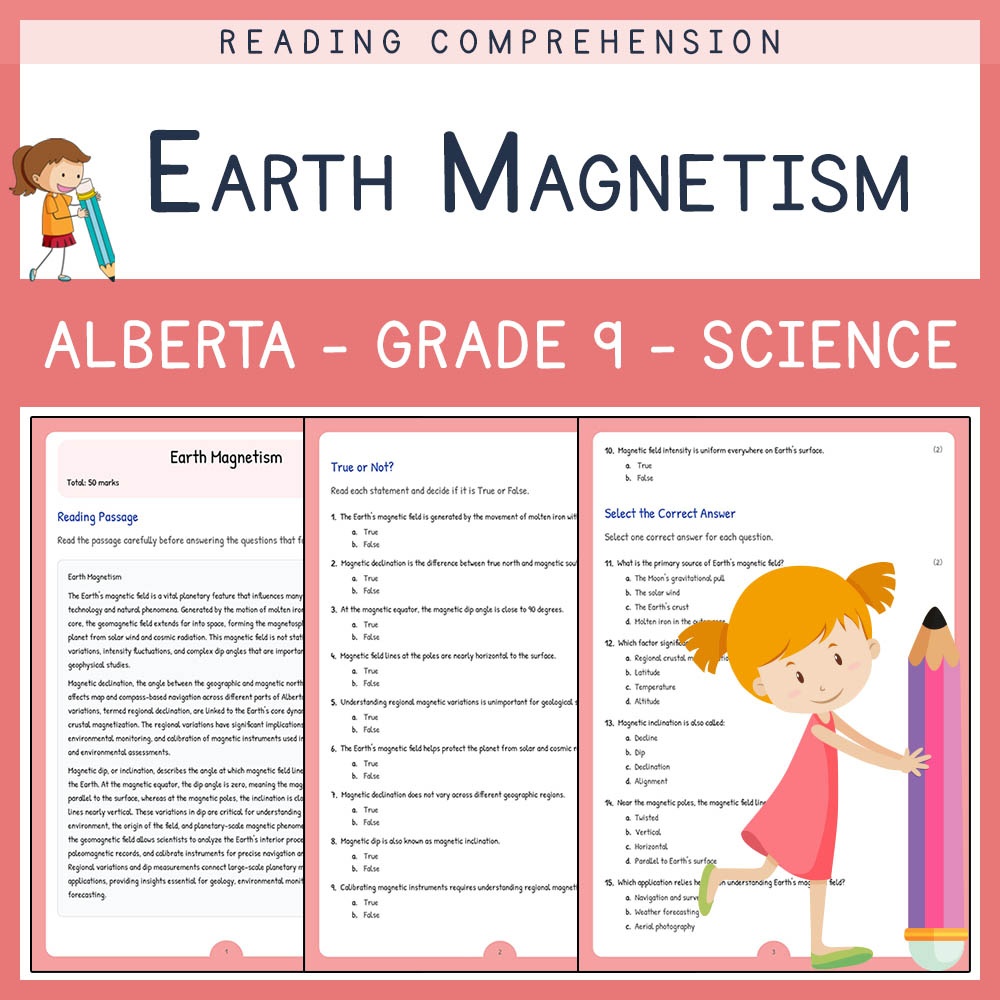
Grade 9 Science | Earth Magnetism Worksheet Elena | Alberta Standards
Created byLumora LearningLearning Objectives
- Understand the origin and characteristics of Earth's magnetic field.
- Explain regional variations in magnetic declination and their implications.
- Describe how magnetic dip and field behavior relate to planetary magnetism.
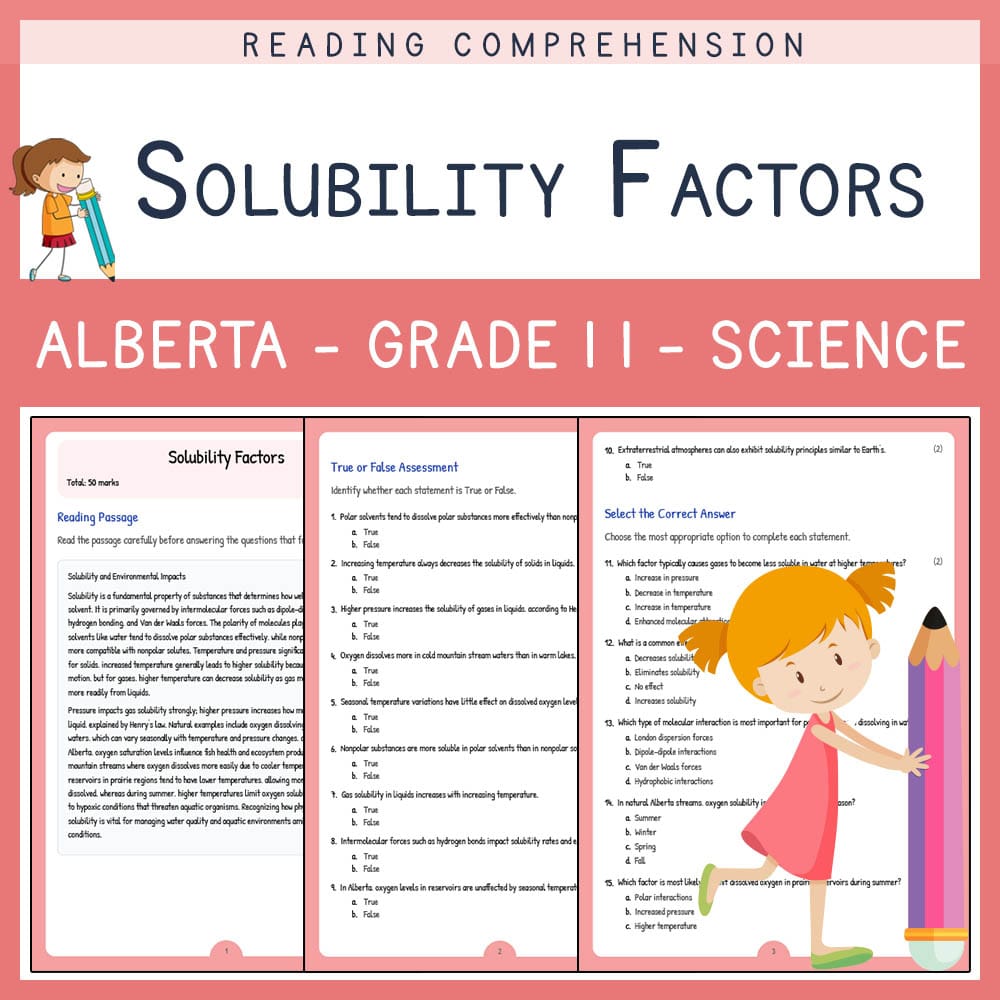
Grade 11 Science | Solubility Factors Worksheet | Alberta Standards
Created byLumora LearningLearning Objectives
- Understand how intermolecular forces influence solubility of different substances.
- Analyze the effects of temperature and pressure on the solubility of solids and gases.
- Examine real-world examples of solubility in natural and environmental contexts.

Grade 9 Science | Communicating Uncertainty Worksheet | AP Alignment
Created byLumora LearningLearning Objectives
- Understand conventions for conveying quantitative uncertainty in scientific reports.
- Identify different methods such as interval estimates, effect sizes, and likelihood statements.
- Recognize visualizations that portray variability and their interpretation.

Grade 12 Science | Genetic Drift Worksheet | BC-Aligned
Created byLumora LearningLearning Objectives
- Understand the concept of genetic drift and its impact on allele frequencies in populations.
- Identify the processes such as bottlenecks and founder events that cause genetic drift.
- Explain how genetic drift influences genetic diversity in isolated populations.

Grade 11 Science | Cell Structure Worksheet | BC-Aligned
Created byLumora LearningLearning Objectives
- Understand the main components and functions of cell organelles.
- Differentiate between prokaryotic and eukaryotic cells based on their structures.
- Explain how microscopy and models help visualize cellular components.
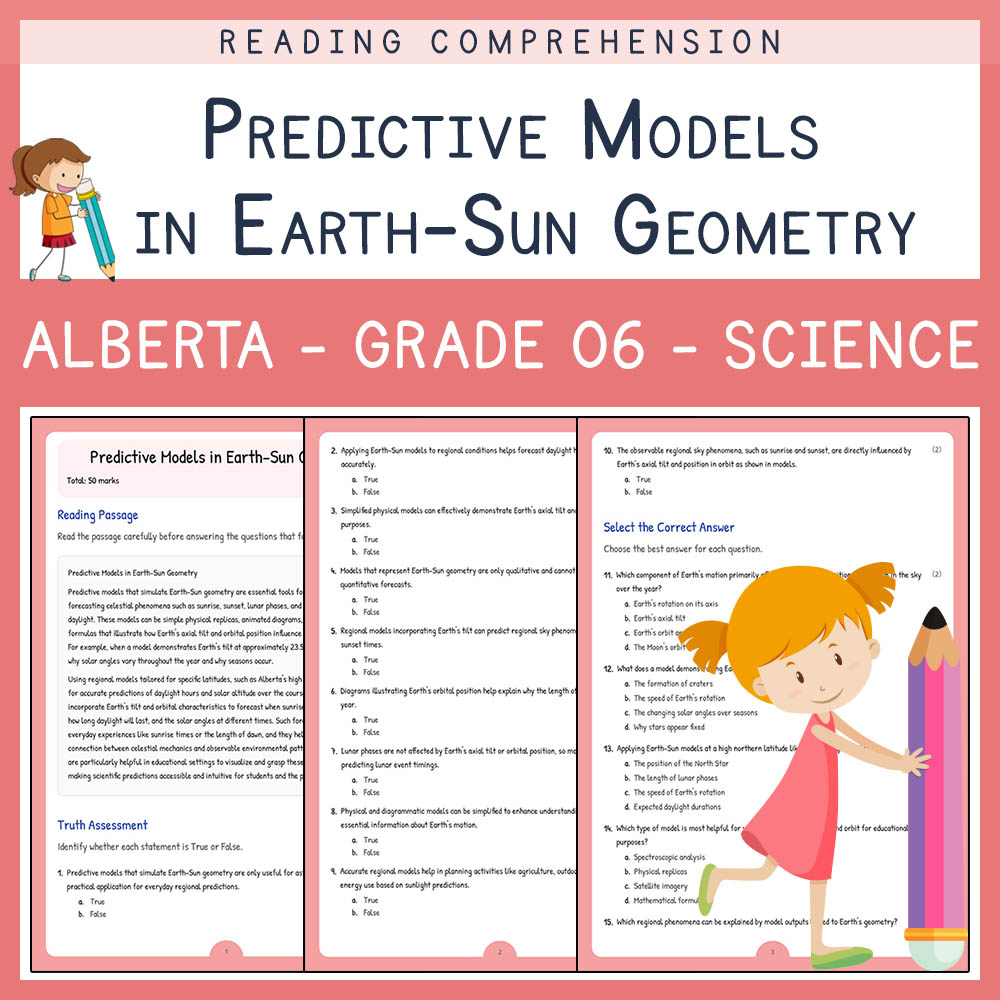
Grade 6 Science | Predictive Models in Earth–Sun Geometry | Alberta
Created byLumora LearningLearning Objectives
- Understand how models represent Earth–Sun relationships to predict celestial phenomena.
- Describe how simplified physical and diagrammatic models illustrate axial tilt, orbit, and motion.
- Explain how regional models estimate daylight duration and solar angles at specific latitudes.
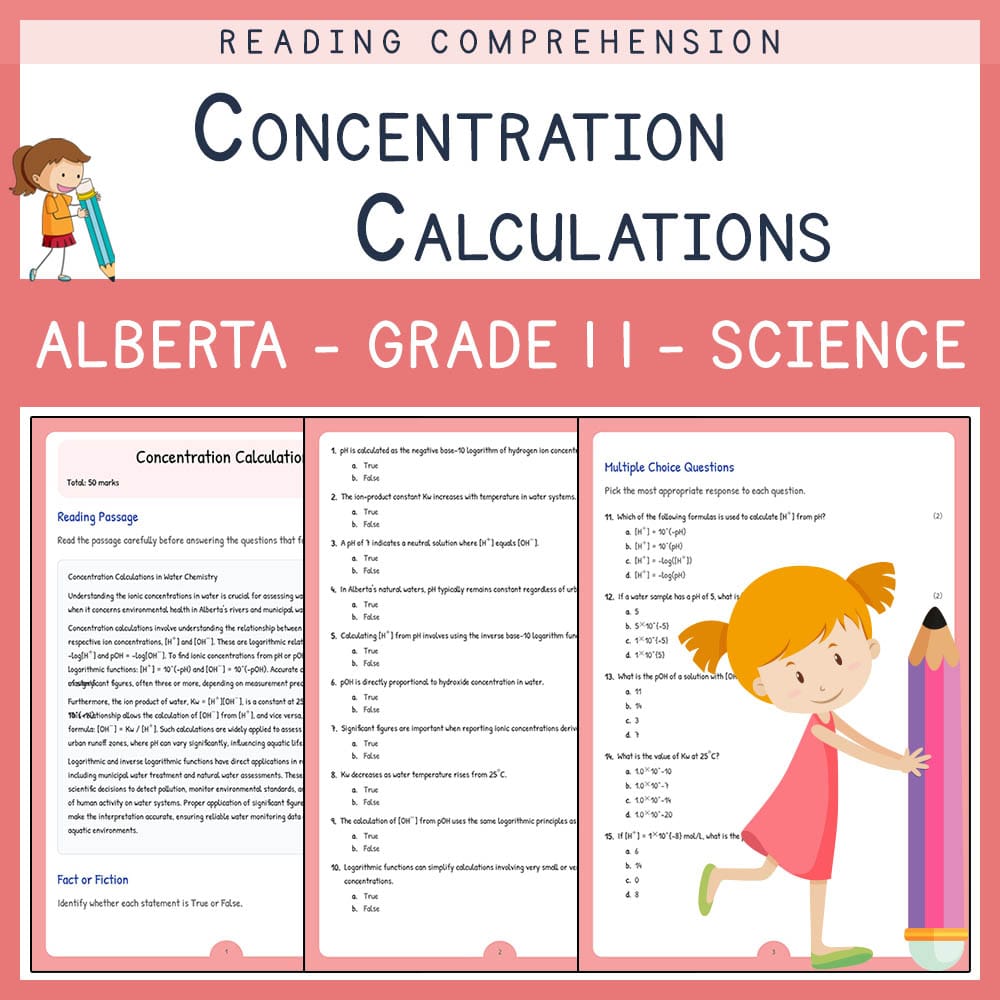
Grade 11 Science | Concentration Calculations Worksheet | Alberta Standards
Created byLumora LearningLearning Objectives
- Understand how to determine [H⁺] from pH and [OH⁻] from pOH using logarithmic relationships.
- Apply the ion-product constant Kw to interrelate [H⁺], [OH⁻], pH, and pOH in water samples.
- Calculate ionic concentrations in municipal and natural waters using logarithmic formulas and relevant significant figures.
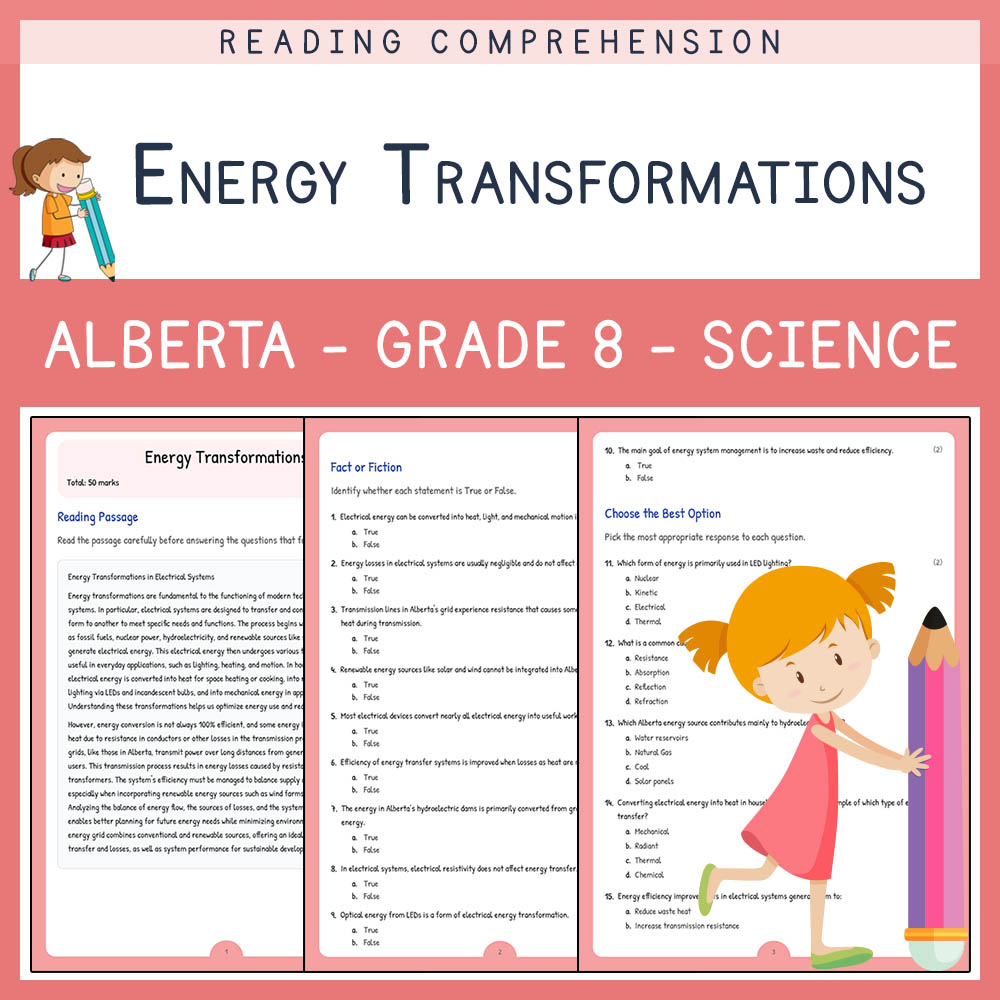
Grade 8 Science | Energy Transformations Worksheet | Alberta Standards
Created byLumora LearningLearning Objectives
- Understand how energy transforms between electrical, thermal, radiant, and mechanical forms.
- Identify real-world examples of energy conversions and their efficiencies.
- Explain the sources of energy loss in electrical systems and transmission.
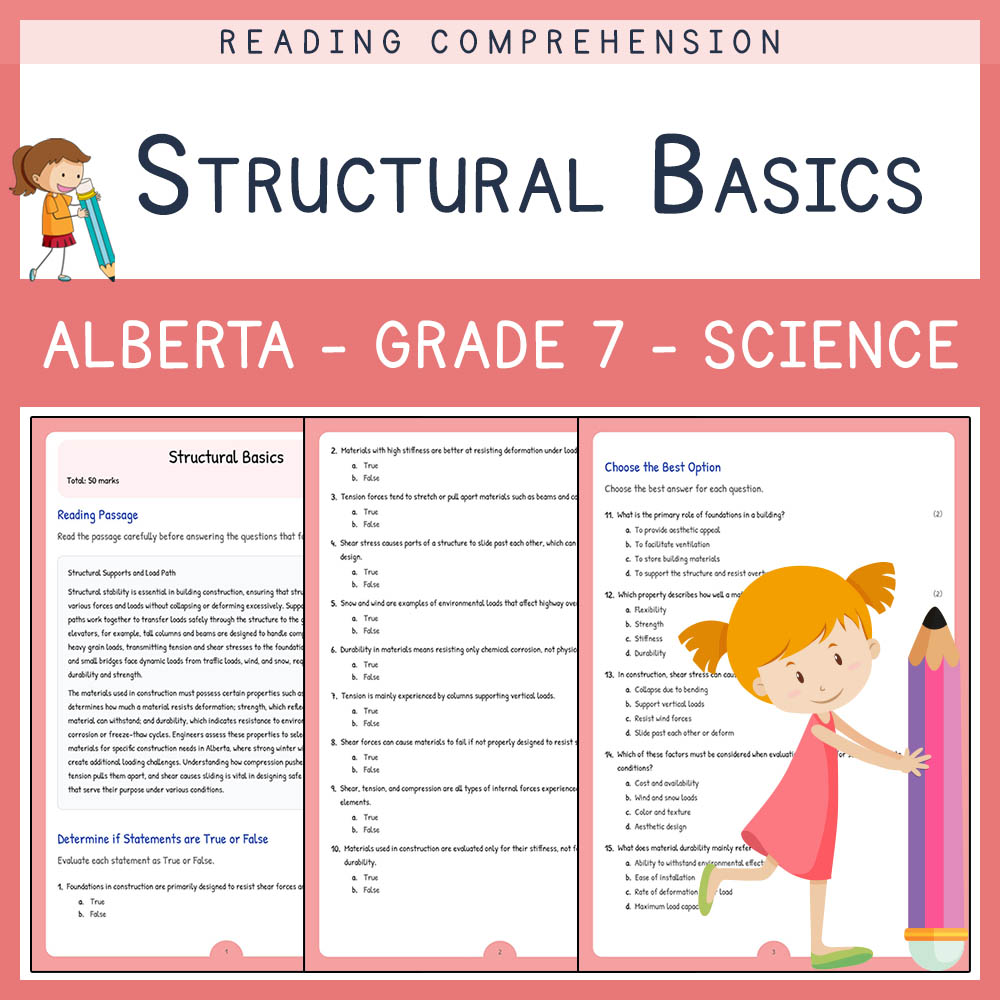
Grade 7 Science | Structural Basics Worksheet | Alberta Standard
Created byLumora LearningLearning Objectives
- Understand the roles of supports, foundations, and load paths in construction.
- Identify how compression, tension, and shear affect different building components.
- Evaluate material properties such as stiffness, strength, and durability when designing structures.
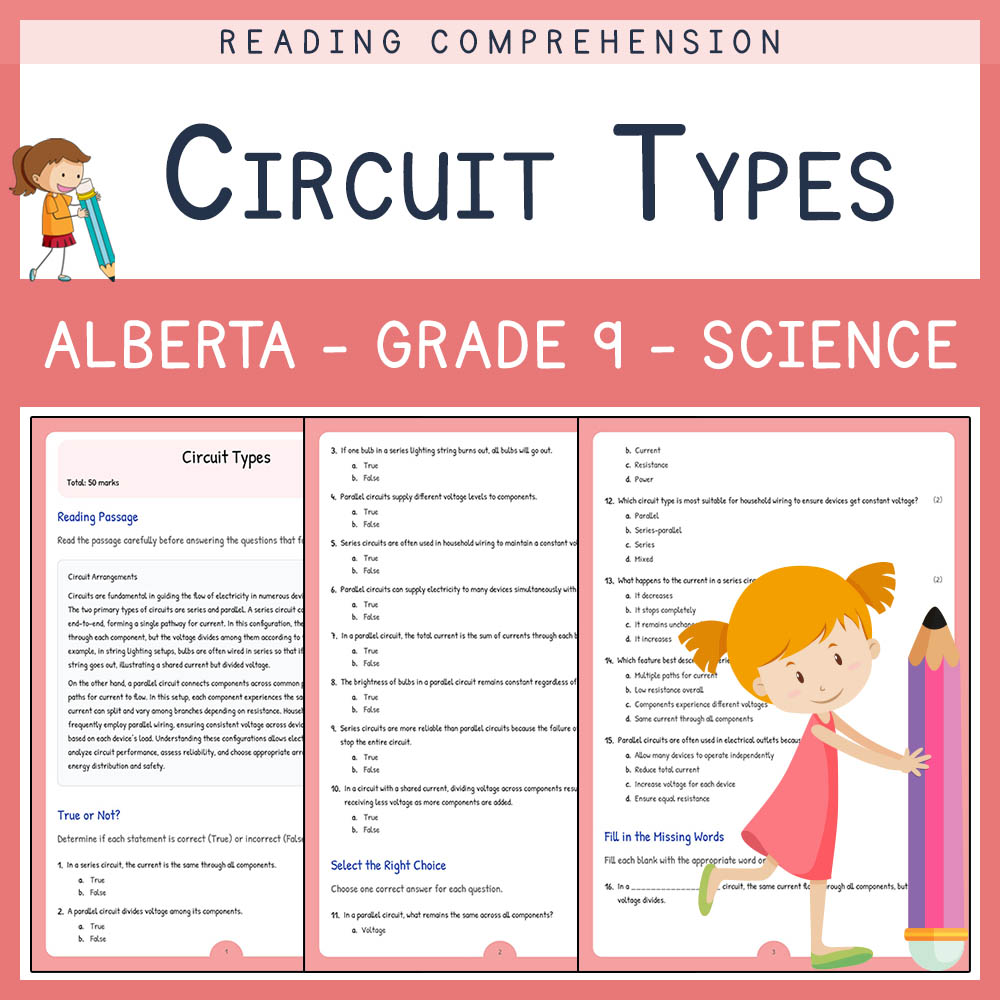
Grade 9 Science | Circuit Types Worksheet Elena | Alberta Standards
Created byLumora LearningLearning Objectives
- Understand the difference between series and parallel circuits.
- Identify circuit behavior based on component arrangements.
- Explain how current and voltage behave in series and parallel circuits.

Grade 12 Science | Genetic Variation Worksheet | BC-Aligned
Created byLumora LearningLearning Objectives
- Understand the molecular mechanisms that generate genetic variation such as mutations and recombination.
- Explain how genetic variation influences phenotypes and evolution.
- Differentiate between single-gene inheritance and polygenic traits.

Grade 11 Science | Newton's Laws Worksheet | BC-Aligned
Created byLumora LearningLearning Objectives
- Understand the three fundamental principles of Newton's Laws of Motion.
- Explain how forces, mass, and motion are related according to Newton's Laws.
- Apply Newton's Laws to analyze real-world situations involving pushes, pulls, and contact forces.

Grade 11 Science | Meiotic Recombination Worksheet | BC-Aligned
Created byLumora LearningLearning Objectives
- Explain the processes involved in meiotic recombination and genetic variation.
- Identify the stages of meiosis where recombination and assortment occur.
- Describe how crossing over and independent assortment contribute to genetic diversity.

Grade 6 Science | Communication Quality Worksheet | TEKS Aligned
Created byLumora LearningLearning Objectives
- Understand the standards and best practices for communicating scientific findings.
- Formulate clear claims supported by empirical evidence and logical reasoning.
- Utilize visual summaries and proper citations to enhance scientific communication.
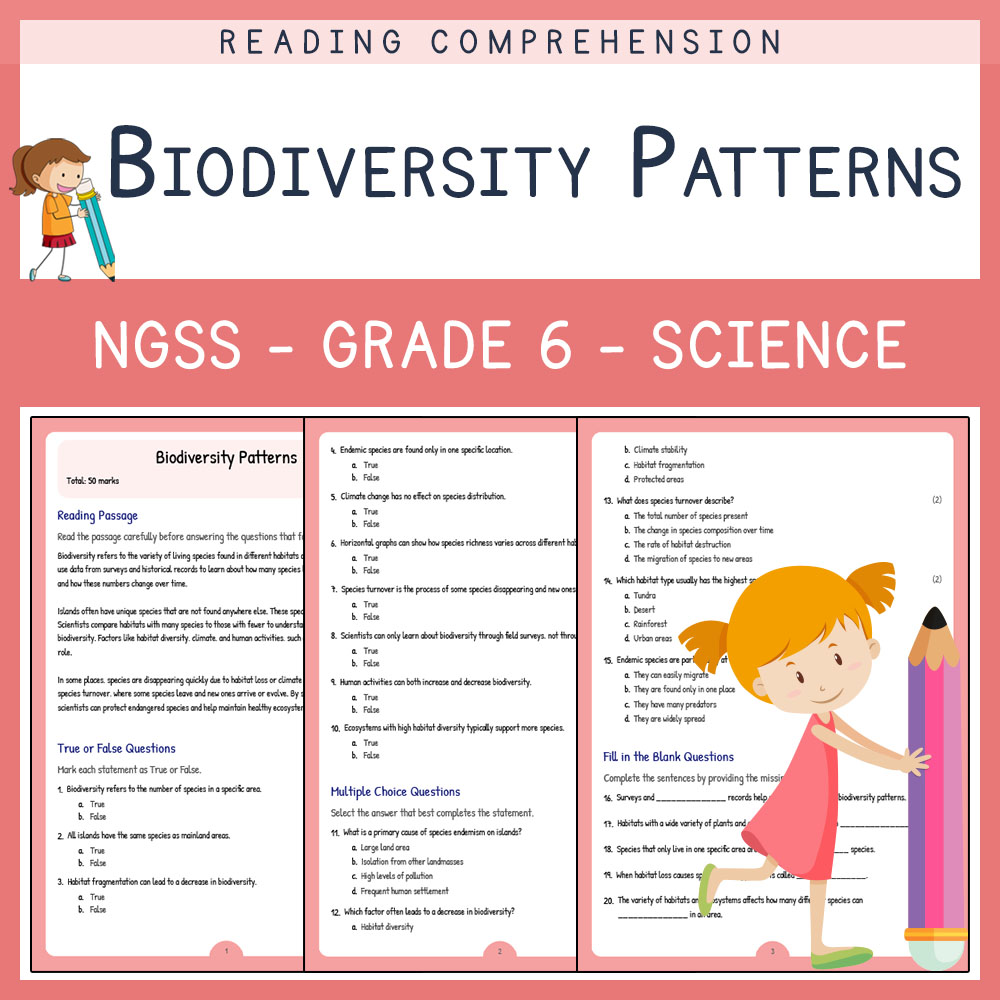
Grade 6 Science | Biodiversity Patterns Worksheet (PDF) | NGSS Aligned
Created byLumora LearningLearning Objectives
- Understand how species occurrence varies across different ecosystems
- Identify factors that influence biodiversity and species richness
- Analyze data displays related to biodiversity patterns
Browse more categories
About Science Worksheets
Find Science worksheets spanning core skills, practice, and review. All 42,859 resources are instant PDF downloads for the classroom or home.
Every worksheet on MyTeachingSheets is created by independent teacher-authors and reviewed before publication. All resources download as printable PDFs for classroom, homework, or at-home practice, and many include answer keys. Preview any worksheet free before buying.