
Science Worksheets
42,859 subject resources
Grade 12 Science | Instrumentation Use Worksheet | TEKS-Aligned
 Created byLumora Learning
Learning Objectives
- Understand the principles of sensor selection and calibration in measurement systems.
- Analyze signal processing techniques and resolution limits for accurate data acquisition.
- Evaluate sampling rates, aliasing considerations, and interfacing procedures in scientific instrumentation.
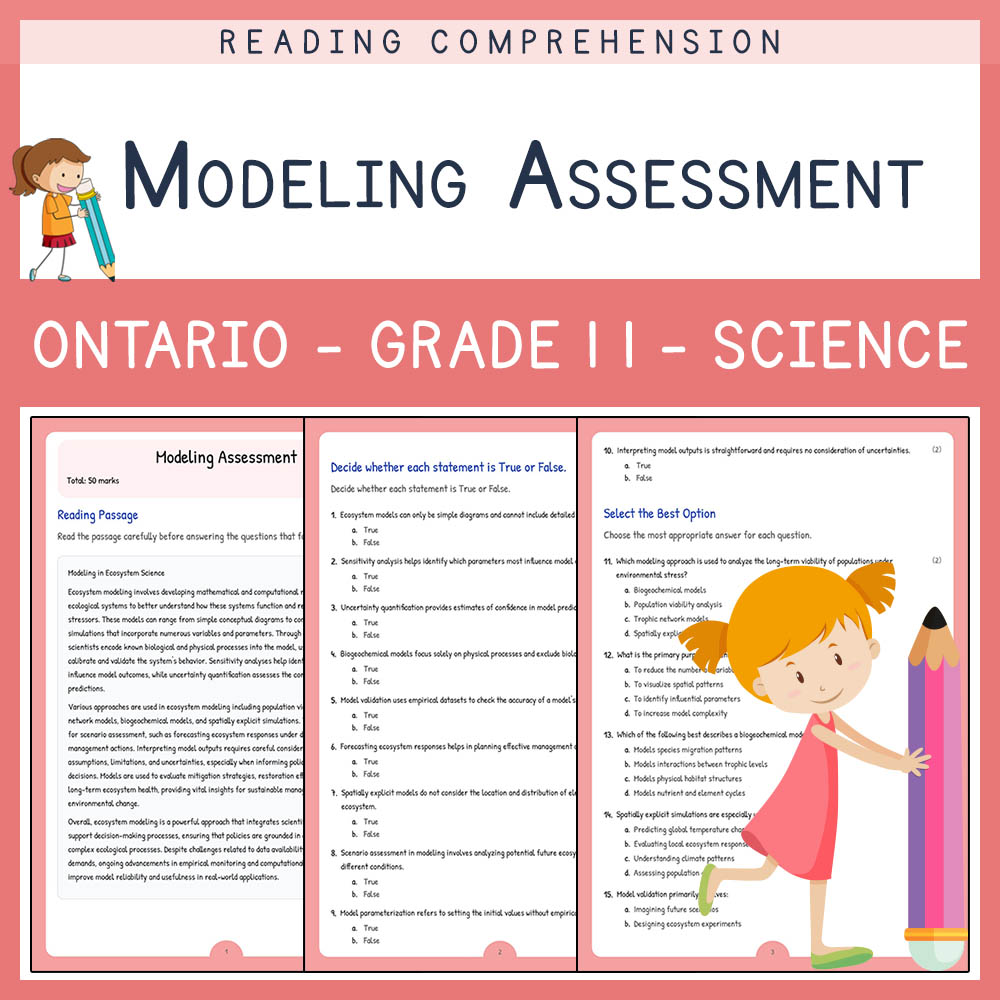
Grade 11 Science | Modeling Assessment Worksheet | Ontario Standards
Created byLumora LearningLearning Objectives
- Understand the principles of ecosystem modeling and scenario assessment.
- Identify various approaches for ecosystem model parameterization and validation.
- Evaluate the use of model outputs in policy decisions and ecosystem management.
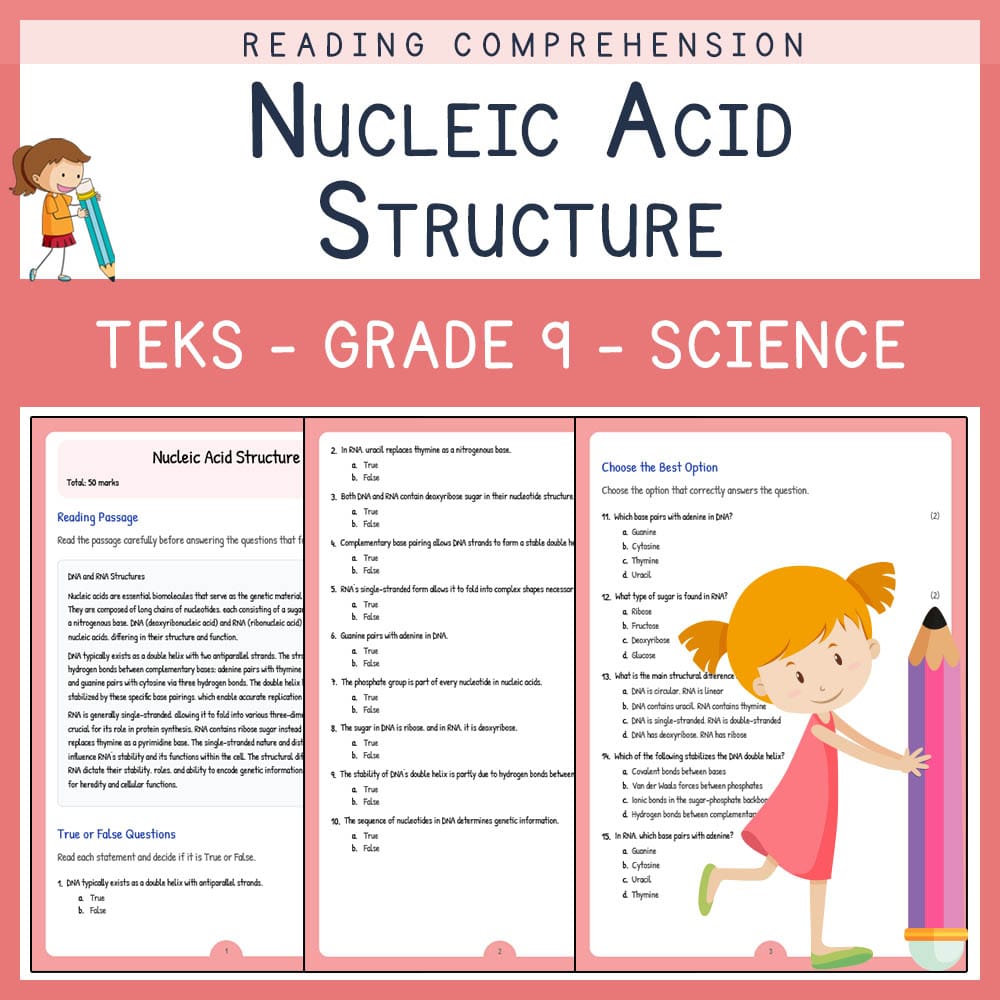
Grade 9 Science | Nucleic Acid Structure Worksheet | TEKS Aligned
Created byLumora LearningLearning Objectives
- Describe the chemical structure of DNA and RNA and their nucleotide components.
- Explain the significance of nucleotide pairing, double helix formation, and strand orientation in DNA replication.
- Identify differences between DNA and RNA in terms of structure, sugar component, and base composition.

Grade 10 Science | Inheritance Patterns Worksheet | TEKS Aligned
Created byLumora LearningLearning Objectives
- Explain how dominant and recessive alleles influence phenotype expression.
- Describe Mendelian principles such as segregation and independent assortment.
- Analyze monohybrid and dihybrid crosses to predict trait ratios.
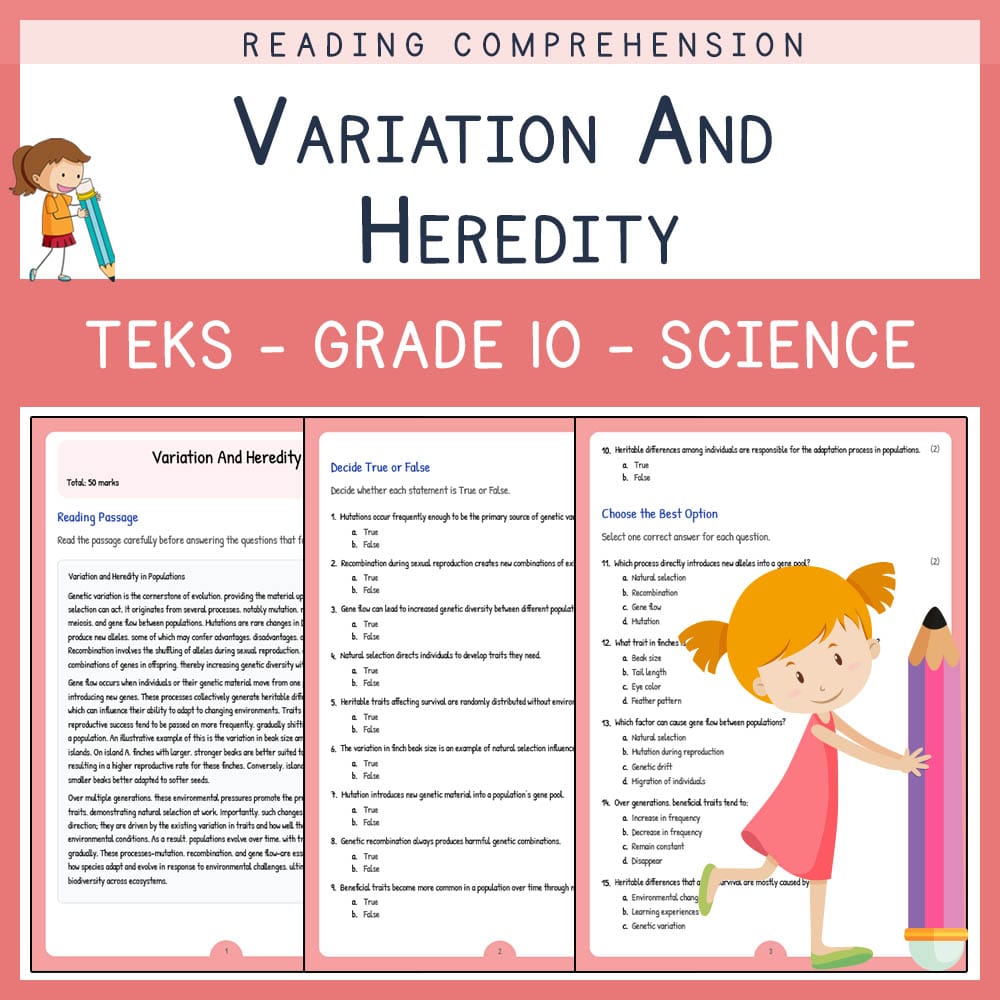
Grade 10 Science | Variation And Heredity Worksheet | TEKS-Aligned
Created byLumora LearningLearning Objectives
- Understand the sources of genetic variation, including mutation, recombination, and gene flow.
- Explain how heritable traits influence an organism's survival and reproduction.
- Describe the process of natural selection and how it alters allele frequencies over time.
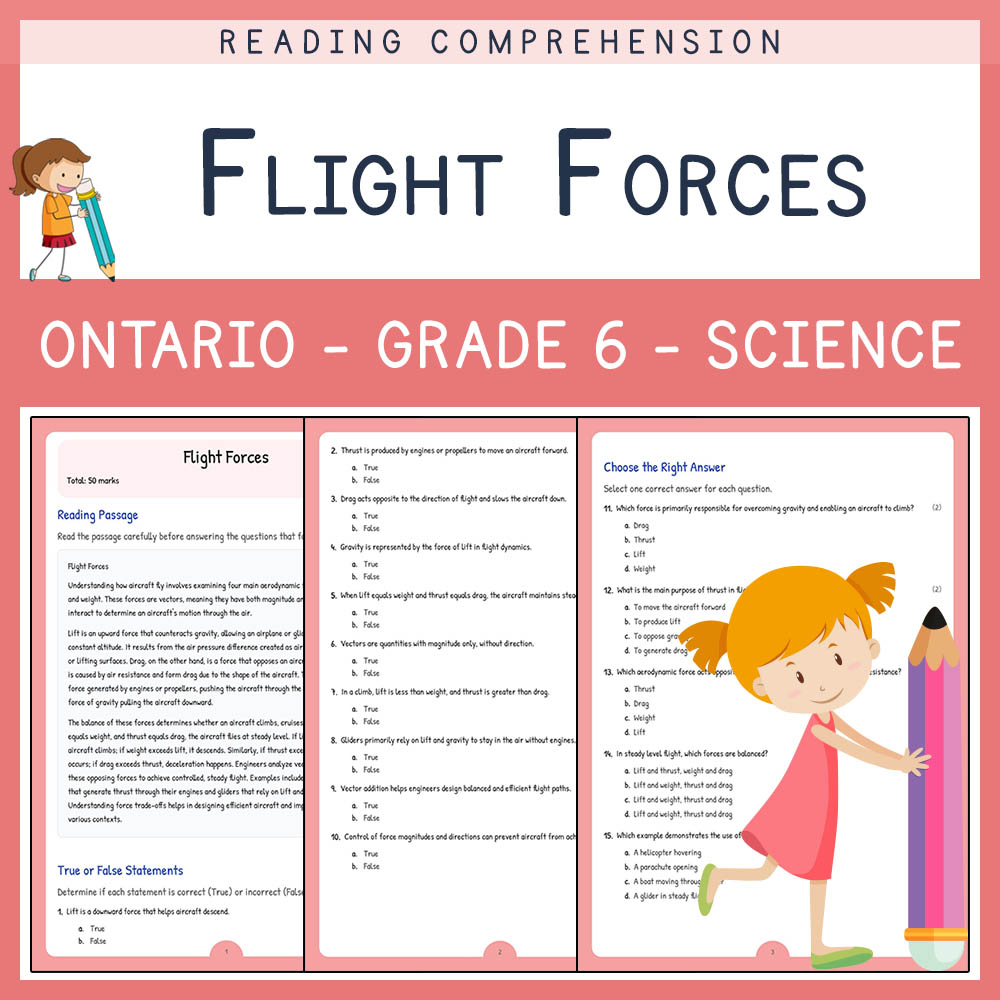
Grade 6 Science | Flight Forces Worksheet (PDF + Answer Key) – Aerodynamics & Flight Principles
Created byLumora LearningLearning Objectives
- Understand the four main aerodynamic forces: lift, drag, thrust, and weight.
- Explain how these forces interact to produce different flight motions such as climb, cruise, and descent.
- Identify examples of lift and thrust in real-world flight contexts, including propeller airplanes and gliders.
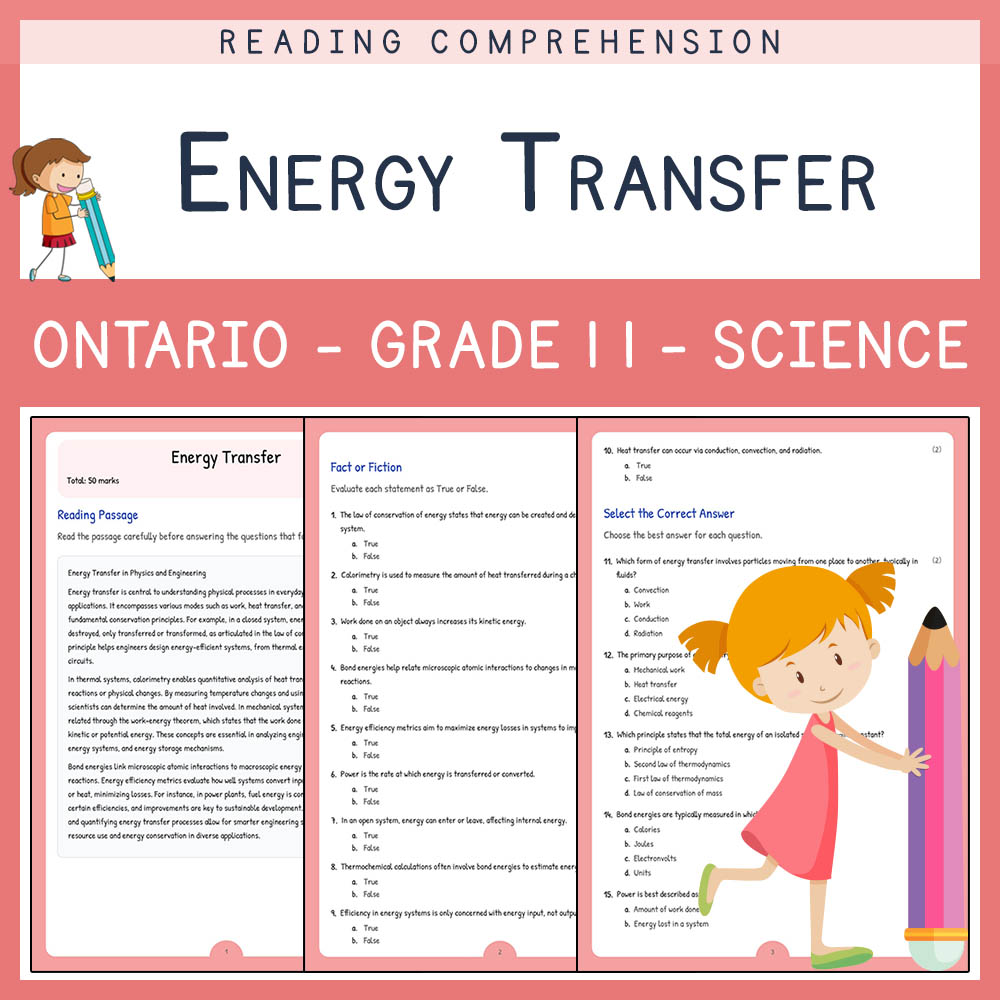
Grade 11 Science Assessment | Energy Transfer Worksheet | Ontario
Created byLumora LearningLearning Objectives
- Understand different forms of energy and modes of transfer, including work, heat, power, and internal energy.
- Explain principles of energy conservation and energy budgeting in closed and open systems.
- Apply quantitative methods such as calorimetry and work–energy analyses to real-world scenarios.
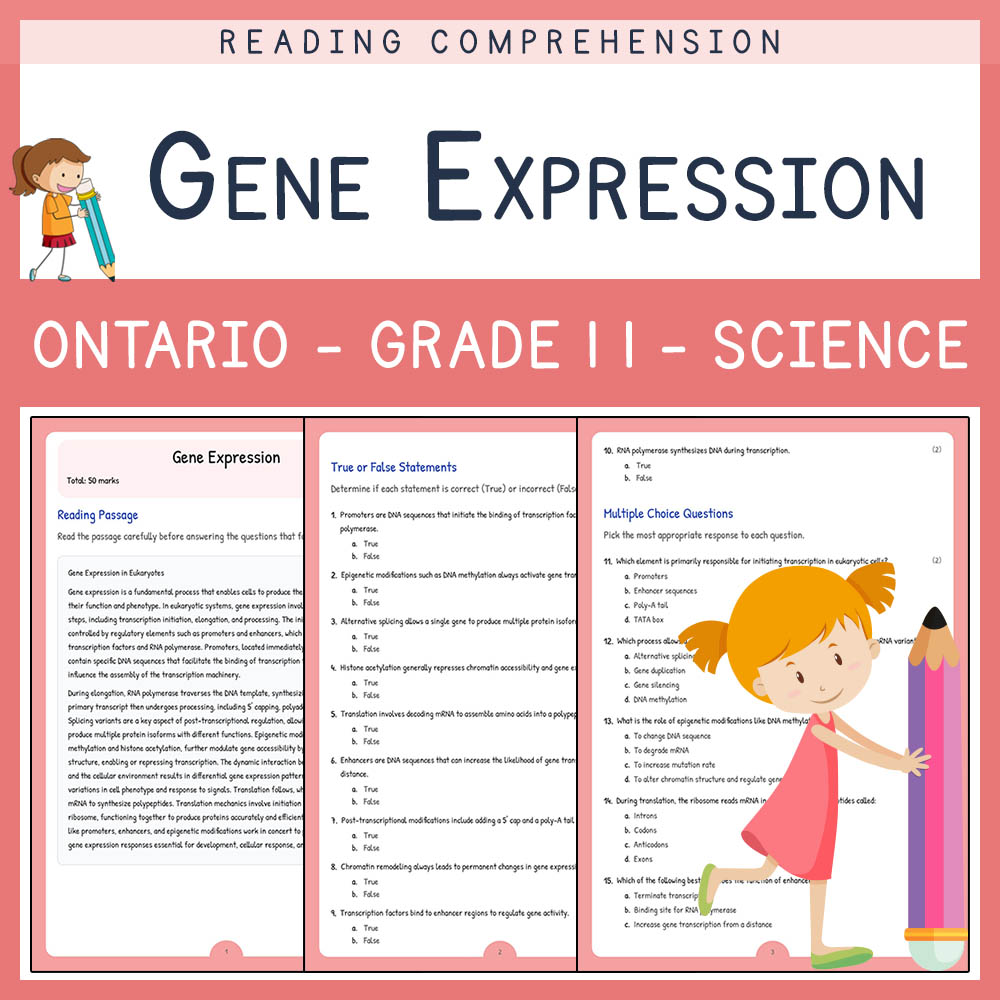
Grade 11 Science | AssessmentGene Expression Worksheet Elena | Ontario
Created byLumora LearningLearning Objectives
- Understand the processes involved in transcriptional and translational regulation in eukaryotic cells.
- Identify key elements such as promoters, enhancers, and epigenetic modifications that control gene expression.
- Explain mechanisms of gene regulation, including transcription factor binding and chromatin remodeling.

Grade 10 Science | Biotic and Abiotic Factors Worksheet Elena | TEKS Aligned
Created byLumora LearningLearning Objectives
- Understand the differences between biotic and abiotic factors in ecosystems.
- Recognize examples of biotic and abiotic components in environmental contexts.
- Explain how interactions between biotic and abiotic factors influence habitats and community structure.
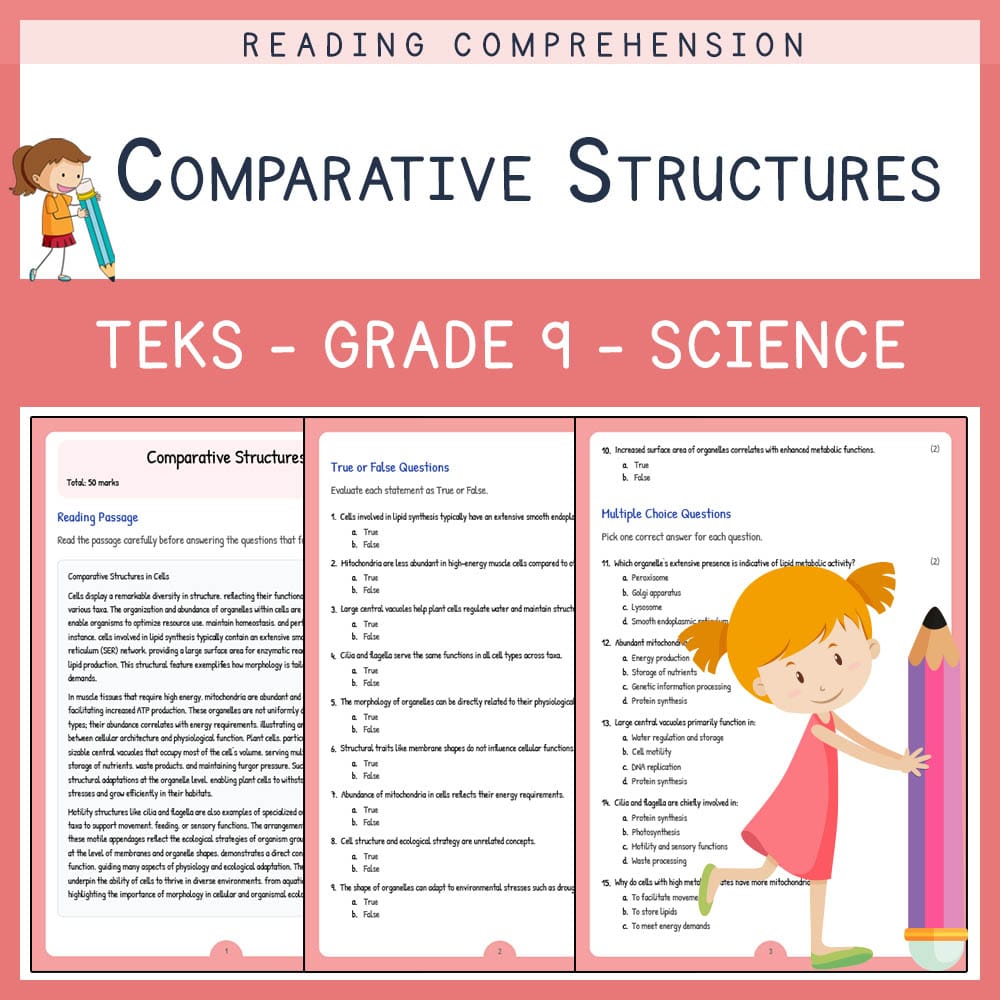
Grade 9 Science | Comparative Structures Worksheet | TEKS Aligned
Created byLumora LearningLearning Objectives
- Understand how organelle morphology varies across different cell types and taxa.
- Identify examples of cellular adaptations relating structure to function.
- Relate form and abundance of organelles to specialized physiological roles.
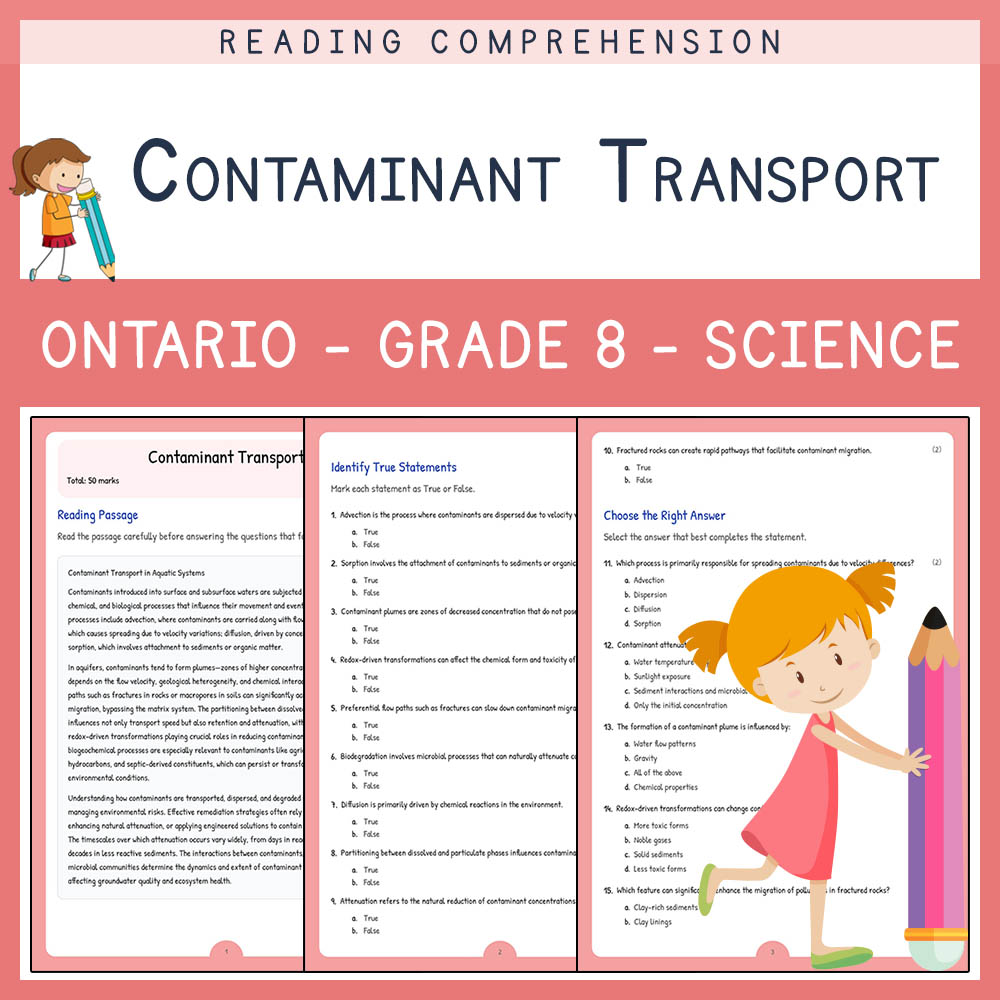
Grade 8 Science Assessment | Contaminant Transport Worksheet | Ontario
Created byLumora LearningLearning Objectives
- Understand the processes governing movement and fate of contaminants in surface and subsurface waters.
- Describe key mechanisms such as advection, dispersion, diffusion, sorption, and biodegradation.
- Explain the formation and migration of contaminant plumes in aquifers and flow paths in fractured rocks.
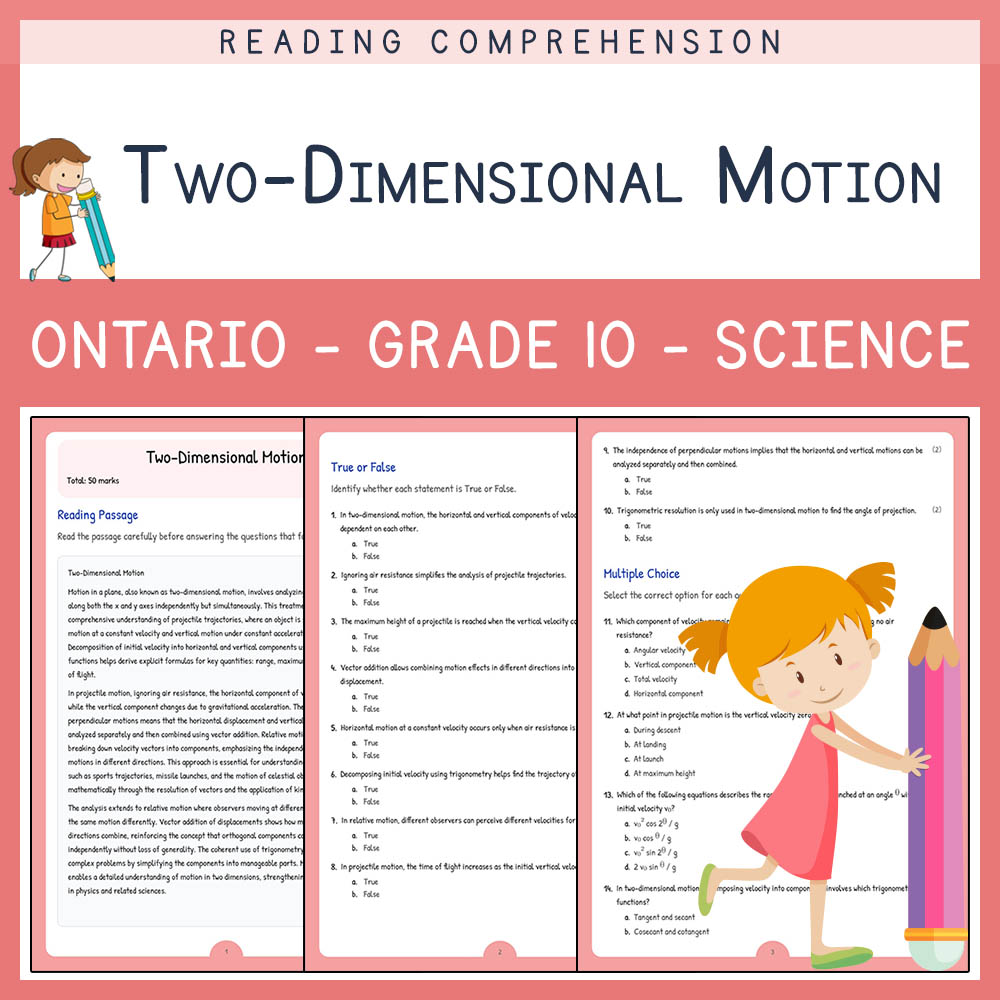
Grade 10 Science | Two-Dimensional Motion Worksheet Elena | Ontario Standard
Created byLumora LearningLearning Objectives
- Explain the concept of motion in a plane and the decomposition of velocity into orthogonal components.
- Analyze projectile trajectories using uniform gravitational acceleration neglecting air resistance.
- Derive and understand expressions for range, maximum height, and time of flight in two-dimensional motion.
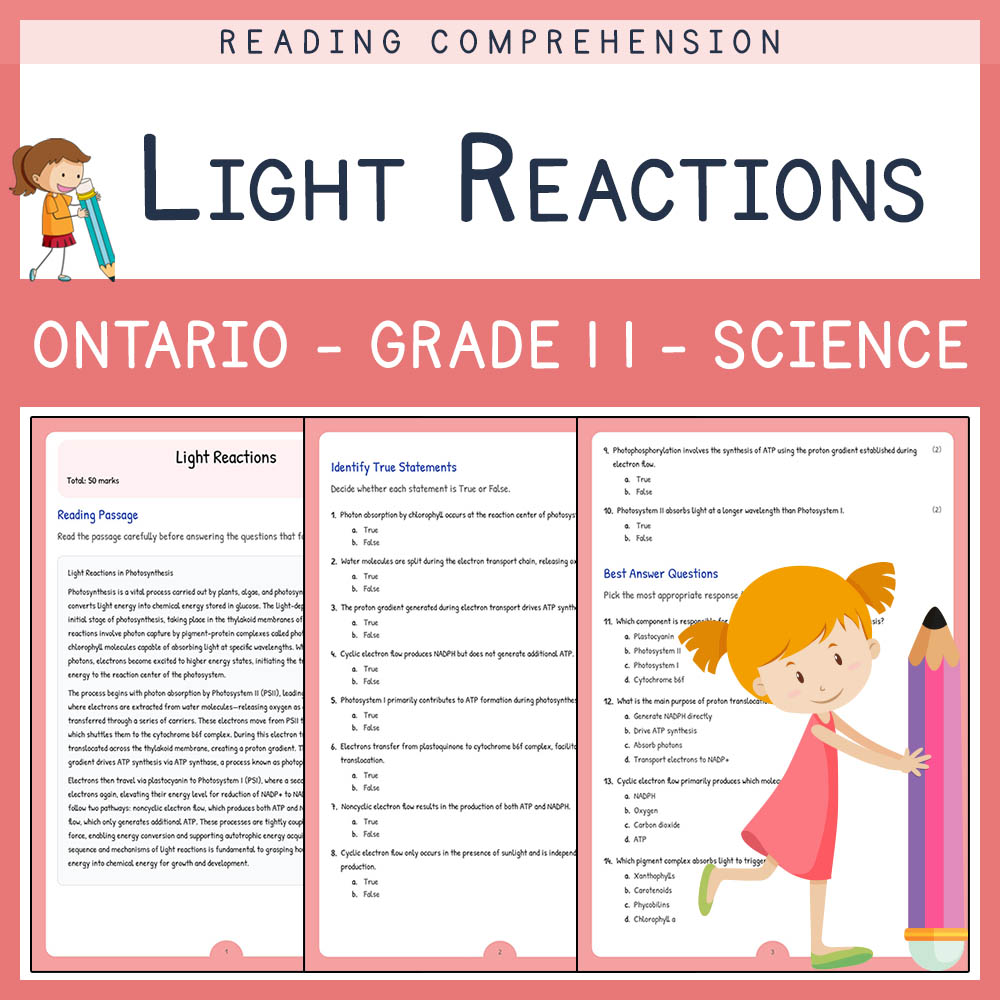
Grade 11 Science Assessment | Light Reactions Worksheet Elena | Ontario
Created byLumora LearningLearning Objectives
- Describe how photon energy is captured and transferred during light reactions.
- Explain the electron transport sequence involving photosystems, plastoquinone, cytochrome b6f, and plastocyanin.
- Identify the processes of proton translocation and photophosphorylation occurring during light reactions.

Grade 11 Science | Population Growth Worksheet | TEKS-Aligned
Created byLumora LearningLearning Objectives
- Understand the concepts of exponential and logistic population growth.
- Identify factors that influence population dynamics, including density-dependent and density-independent factors.
- Apply mathematical models to analyze population trends over time.
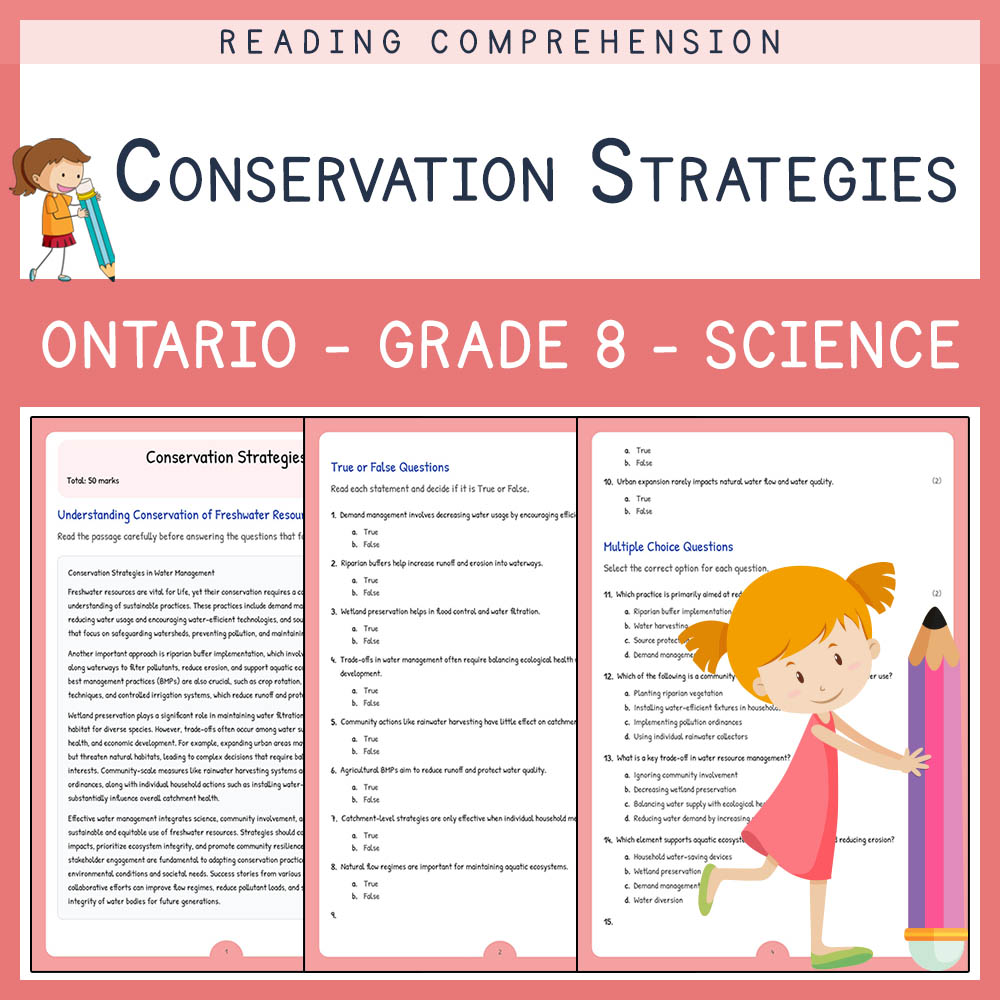
Grade 8 Science Assessment | Conservation Strategies Worksheet | Ontario
Created byLumora LearningLearning Objectives
- Describe the principles and methods used for the stewardship of freshwater resources.
- Analyze trade-offs among water supply, ecological integrity, and economic uses.
- Identify community and individual measures to promote sustainable water management.

Grade 12 Science | Resource Assessment Worksheet | BC-Aligned
Created byLumora LearningLearning Objectives
- Understand the methods used in evaluating mineral and energy deposits.
- Identify environmental considerations associated with resource extraction.
- Analyze the factors influencing resource sustainability and long-term planning.
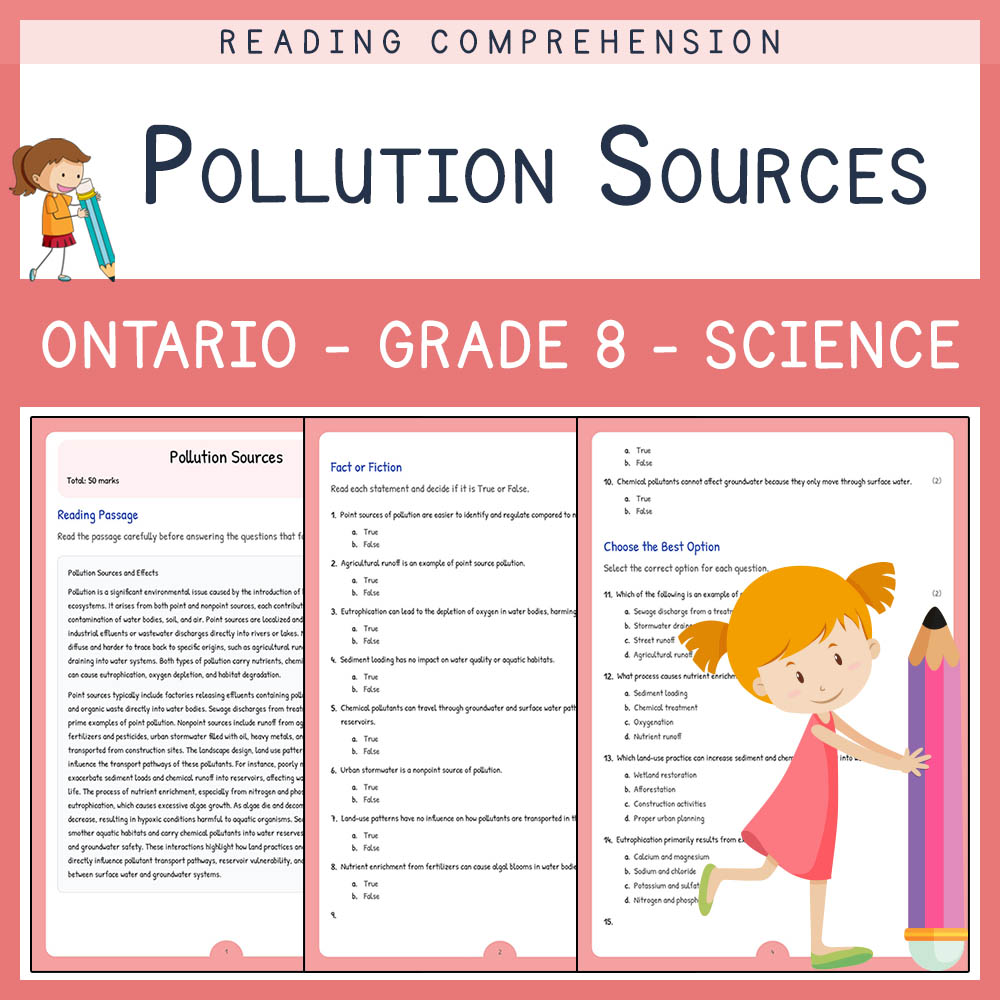
Grade 8 Science Assessment | Pollution Sources Worksheet Elena | Ontario
Created byLumora LearningLearning Objectives
- Differentiate between point and nonpoint sources of pollution with relevant examples.
- Explain processes such as nutrient enrichment, eutrophication, and oxygen depletion.
- Identify the pathways of pollutant transport and their impacts on surface and groundwater.
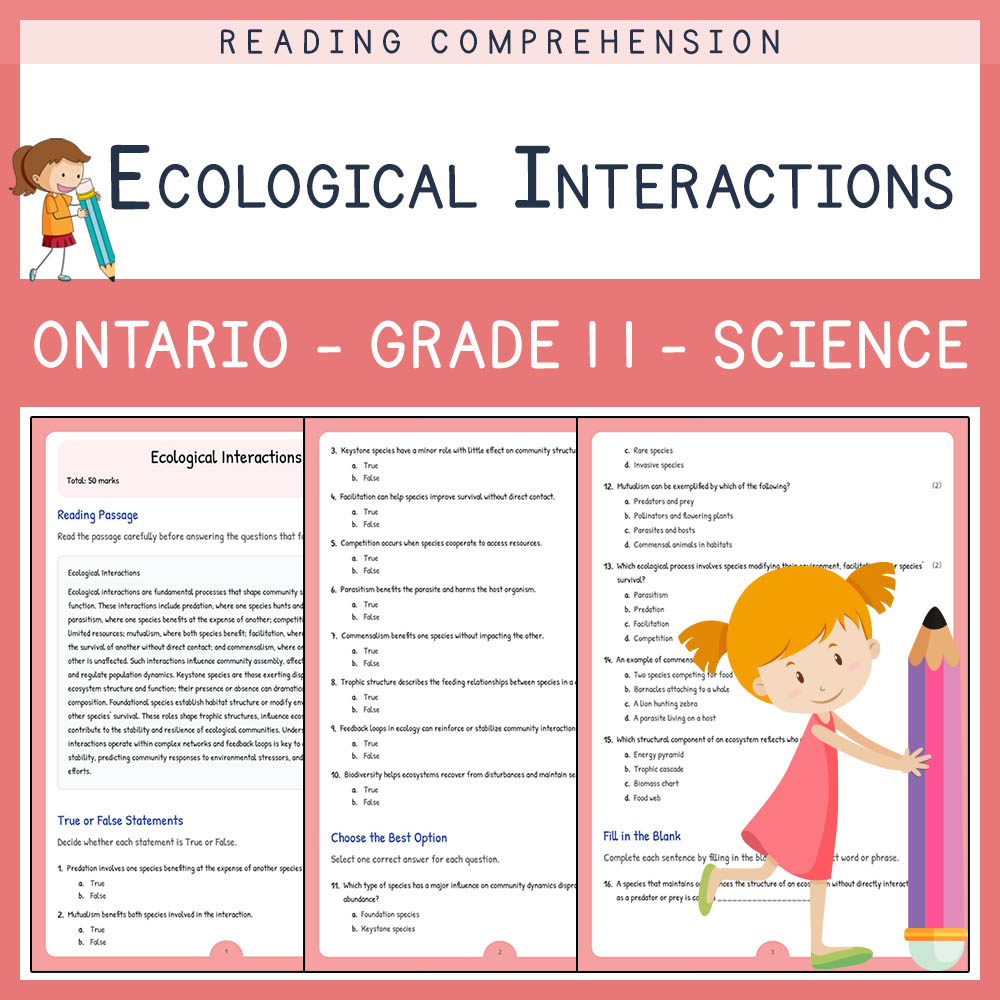
Grade 11 Science | Ecological Interactions Worksheet Elena | Ontario Standard
Created byLumora LearningLearning Objectives
- Explain various types of species interactions including predation, parasitism, competition, mutualism, facilitation, and commensalism.
- Describe the roles of keystone and foundational species in community and ecosystem dynamics.
- Analyze ecological networks, interaction strengths, and feedback loops affecting community stability.

Equilibrium Concepts Worksheet Elena | BC Science Grade 12 Assessment
Created byLumora LearningLearning Objectives
- Understand the principles of chemical equilibrium in reversible reactions.
- Explain how the equilibrium constant relates concentrations of reactants and products.
- Describe factors affecting the position of equilibrium, including reaction conditions and temperature.
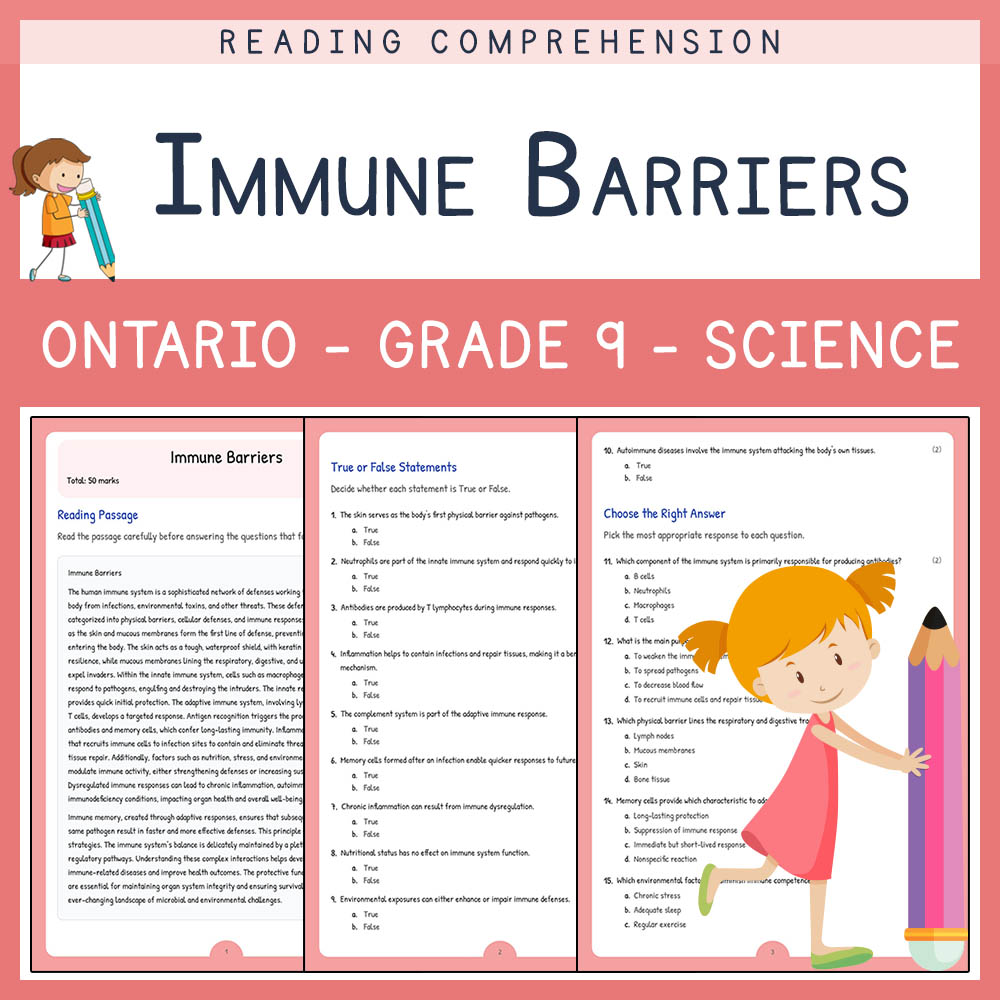
Grade 9 Science Assessment | Immune Barriers Worksheet Elena | Ontario
Created byLumora LearningLearning Objectives
- Describe the physical and cellular defenses that protect against pathogens.
- Explain the roles of innate and adaptive immunity in immune response.
- Identify mechanisms of inflammation and immune memory formation.
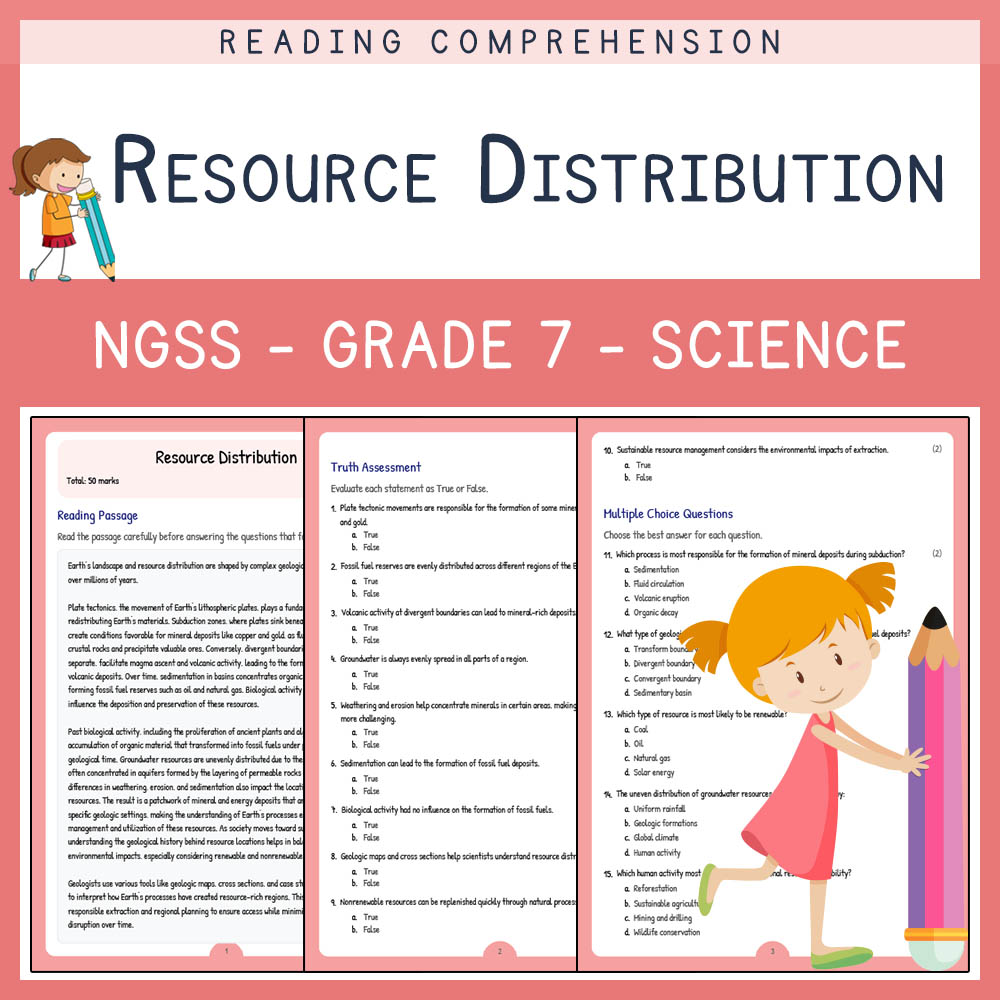
Grade 7 Science | Resource Distribution Worksheet NGSS-Aligned (PDF)
Created byLumora LearningLearning Objectives
- Understand how geologic processes influence the distribution of minerals, energy resources, and groundwater.
- Connect plate tectonics, sedimentation, and biological activity to resource locations.
- Analyze the impacts of resource extraction and consider sustainability factors.
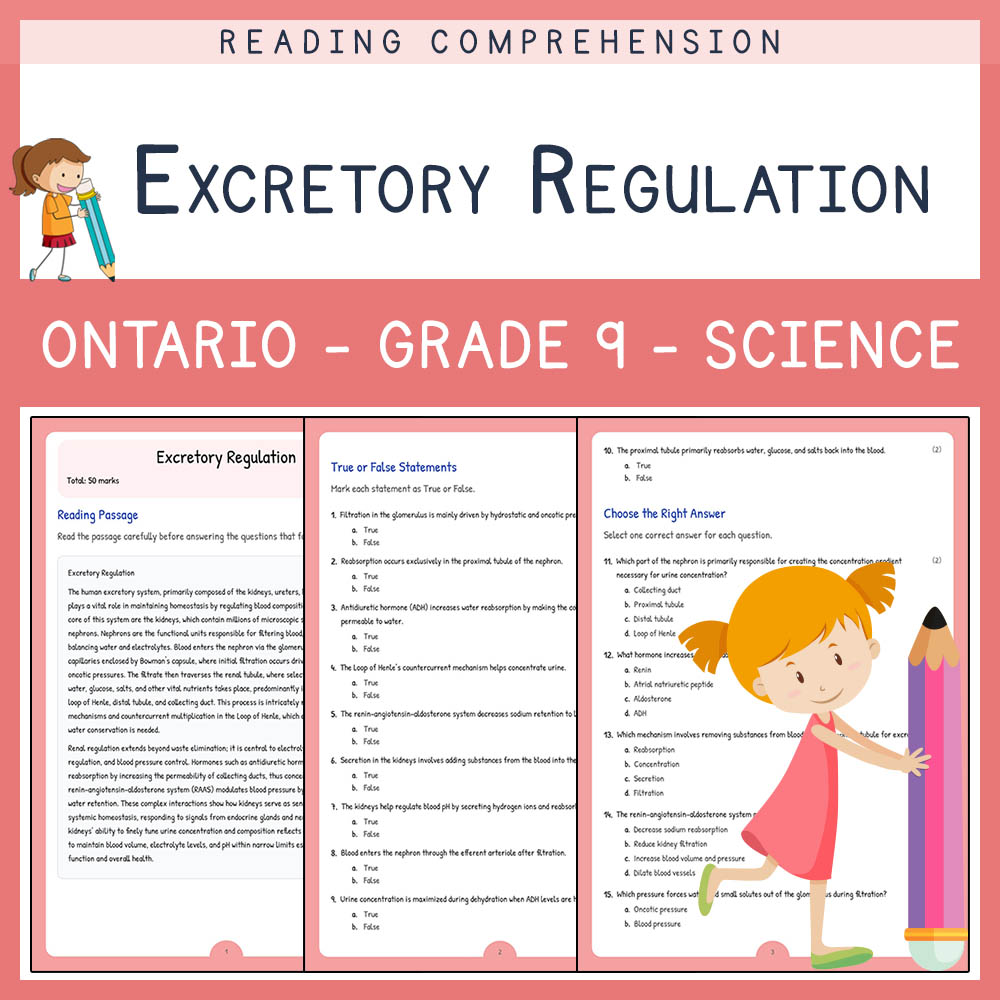
Grade 9 Science | Excretory Regulation Worksheet Elena | Ontario Standard
Created byLumora LearningLearning Objectives
- Analyze the structure and function of nephrons in blood filtration and urine formation.
- Describe the processes of glomerular filtration, reabsorption, secretion, and concentration of urine.
- Explain how renal regulation maintains electrolyte balance, acid-base homeostasis, and blood pressure.

Grade 10 Science | Cell Theory Worksheet | TEKS Aligned
Created byLumora LearningLearning Objectives
- Explain the fundamental principles of cell theory.
- Describe how microscopy has advanced our understanding of cell diversity.
- Compare unicellular and multicellular organisms in structure and function.

Grade 10 Science | Energy Pathways Worksheet | AP Standards
Created byLumora LearningLearning Objectives
- Explain how solar radiation is absorbed and transferred within Earth's systems.
- Identify and describe different energy fluxes such as sensible and latent heat fluxes.
- Analyze oceanic heat transport mechanisms and their impact on regional climates.
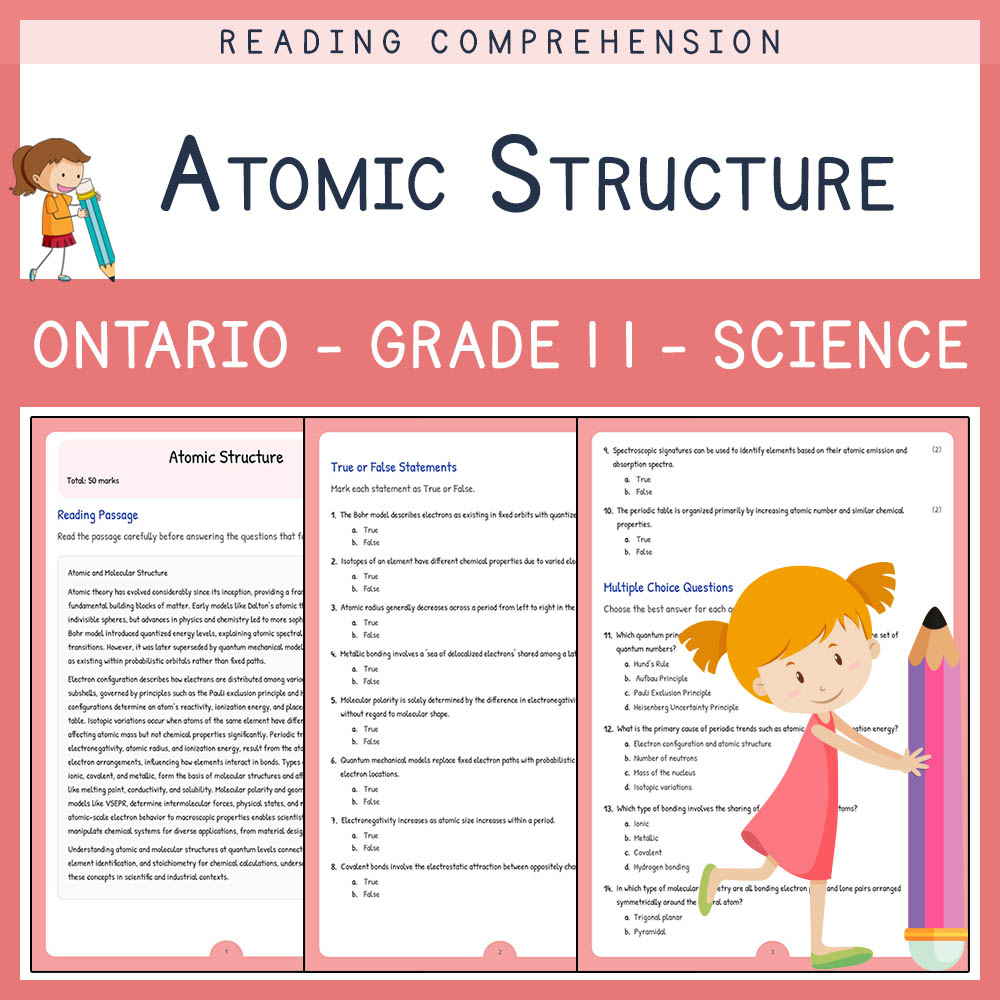
Grade 11 Science Assessment | Atomic Structure Worksheet Elena | Ontario
Created byLumora LearningLearning Objectives
- Explain the concepts of electron configuration, quantum shells, and atomic orbitals.
- Describe isotopic variations and periodic trends influencing chemical behavior.
- Identify different types of chemical bonds including ionic, covalent, and metallic bonds.

Grade 12 Science | Population Genetics Worksheet | BC-Aligned
Created byLumora LearningLearning Objectives
- Understand the mechanisms that influence allele frequencies in populations.
- Identify the factors contributing to genetic variation and structure.
- Explain the concepts of gene flow, genetic drift, and selection in evolution.
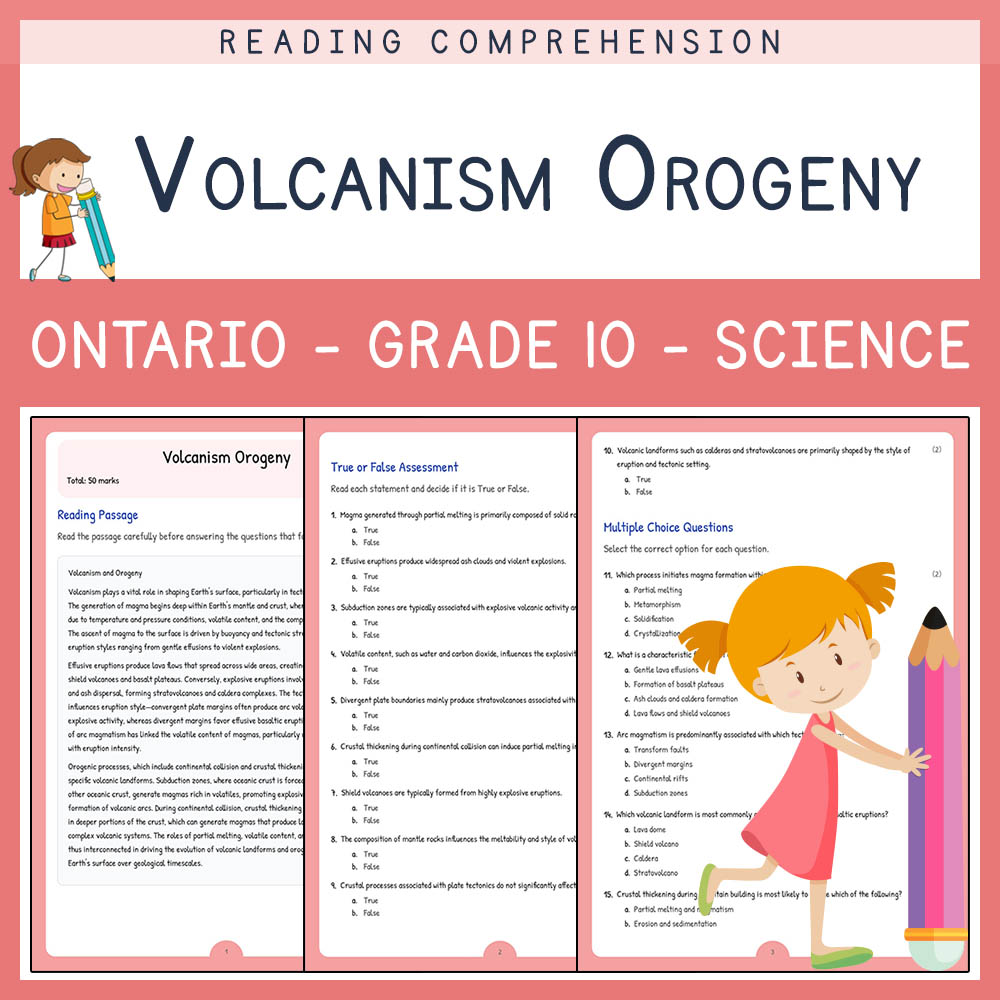
Grade 10 Science | Volcanism Orogeny Worksheet Elena | Ontario Standards
Created byLumora LearningLearning Objectives
- Describe the processes involved in magma generation, ascent, and eruption styles.
- Differentiate between effusive and explosive volcanism and their resulting landforms.
- Explain the roles of partial melting, volatile content, and tectonic setting in volcanic behavior.
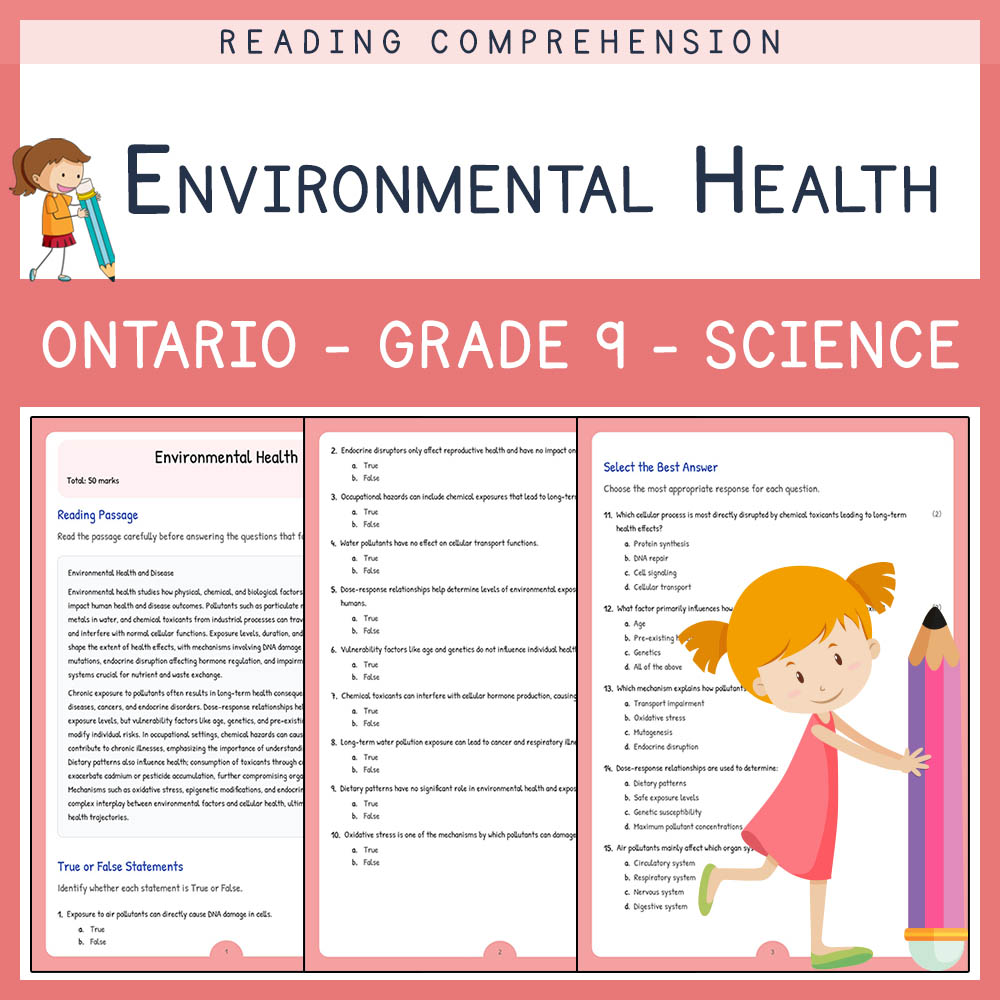
Grade 9 Science | Environmental Health Worksheet Elena | Ontario Standards
Created byLumora LearningLearning Objectives
- Understand how environmental exposures influence cellular processes and long-term health.
- Identify types of pollutants and hazards affecting human health.
- Describe mechanisms by which pollutants cause DNA damage, endocrine disruption, and transport impairment.

Grade 12 Science | Reasoned Claims Worksheet | TEKS-Aligned
Created byLumora LearningLearning Objectives
- Understand the principles of scientific reasoning and argumentation.
- Learn how to formulate claims grounded in evidence with appropriate warrants and qualifiers.
- Evaluate competing hypotheses and assess the strength of evidence supporting claims.
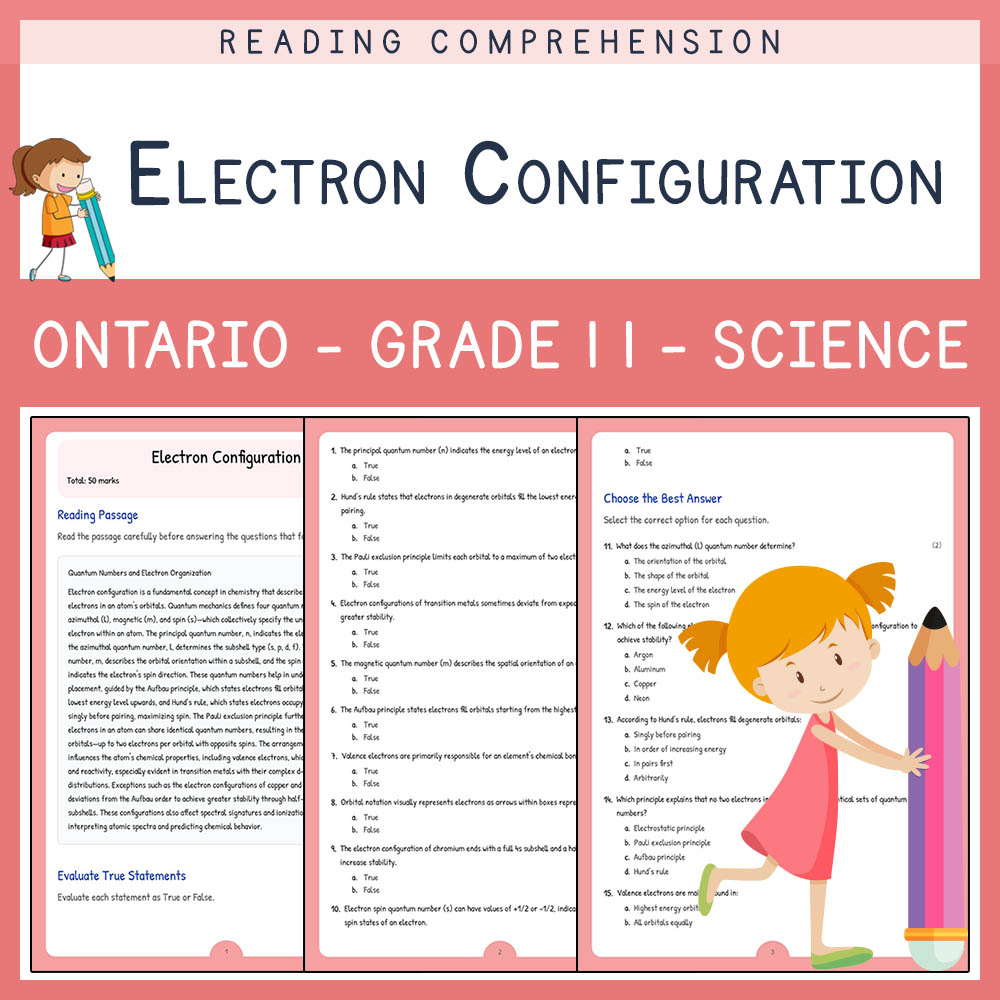
Grade 11 Science | Electron Configuration Worksheet Elena | Ontario Standard
Created byLumora LearningLearning Objectives
- Understand the organization of electrons in atoms according to quantum numbers, shells, and subshells.
- Explain the principles of Aufbau order, Hund’s rule, and Pauli exclusion principle in electron filling.
- Connect electron configuration patterns with valence structures and predict chemical behavior.

Grade 11 Science | Radiometric Dating Worksheet | BC-Aligned
Created byLumora LearningLearning Objectives
- Understand the principles of radiometric dating and its application in geology.
- Identify different isotope systems used for dating rocks and organic materials.
- Explain factors affecting the accuracy of radiometric age measurements, such as closure temperature and system behavior.

Grade 12 Science | Geological Time Worksheet | BC-Aligned
Created byLumora LearningLearning Objectives
- Explain how stratigraphy, fossils, and radiometric dating establish Earth's geological timeline.
- Identify different methods used to measure absolute and relative ages in Earth's history.
- Analyze how changes in atmospheric composition, ocean chemistry, and life forms are interconnected over geological time.

Grade 6 Science | Physiological Adaptations Worksheet | BC Standards
Created byLumora LearningLearning Objectives
- Explain the concept of physiological adaptations and their role in survival.
- Identify different internal processes that help organisms respond to environmental challenges.
- Describe specific adaptations such as heat exchange, water conservation, and metabolic rate adjustments.
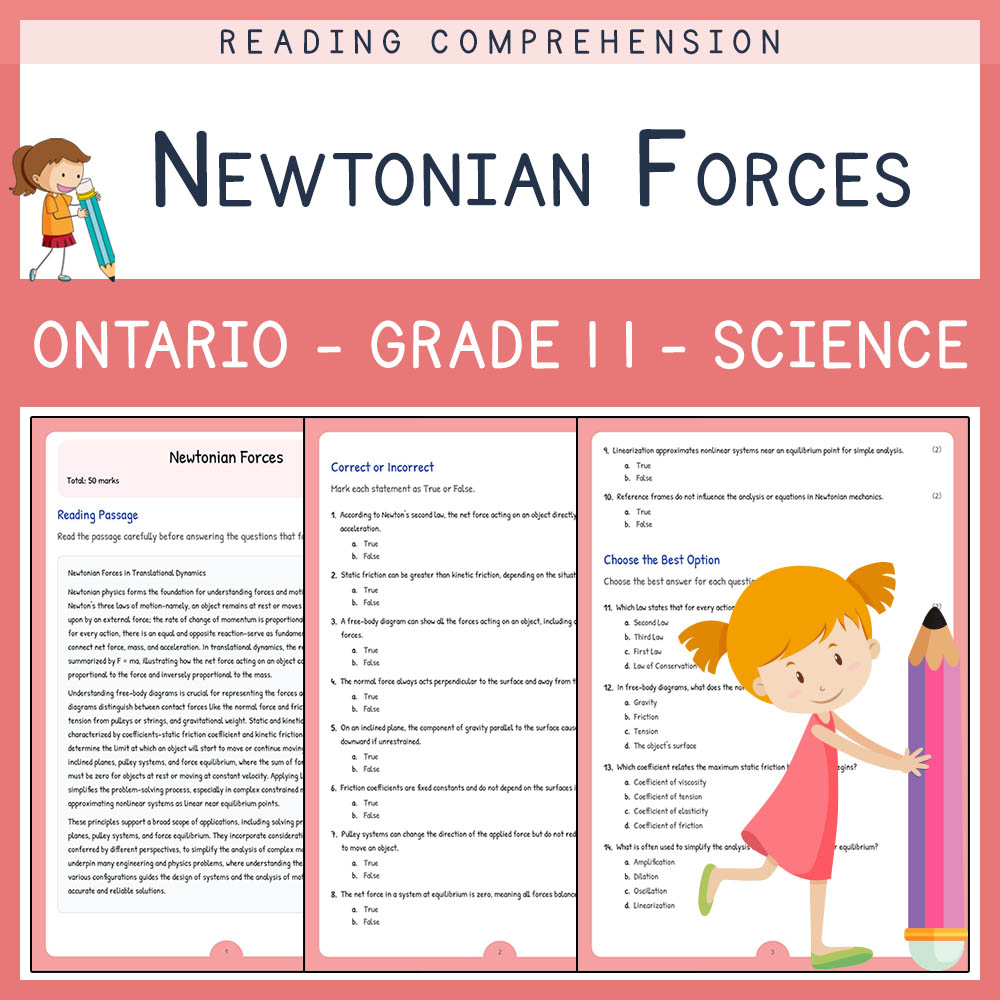
Grade 11 Science Assessment | Newtonian Forces Worksheet Elena | Ontario
Created byLumora LearningLearning Objectives
- Understand the application of Newton's three laws to translational dynamics and net force.
- Identify and interpret free-body diagrams including contact forces, normal and frictional components, tension, and weight.
- Analyze static and kinetic friction and the conditions governing impending motion on inclined planes and pulleys.

Grade 12 Science | Bonding Models Worksheet | BC-Aligned
Created byLumora LearningLearning Objectives
- Describe the different types of chemical bonding: ionic, covalent, and metallic.
- Predict bond polarity based on electronegativity differences.
- Explain bond strength and length in relation to bond order and bond energy.
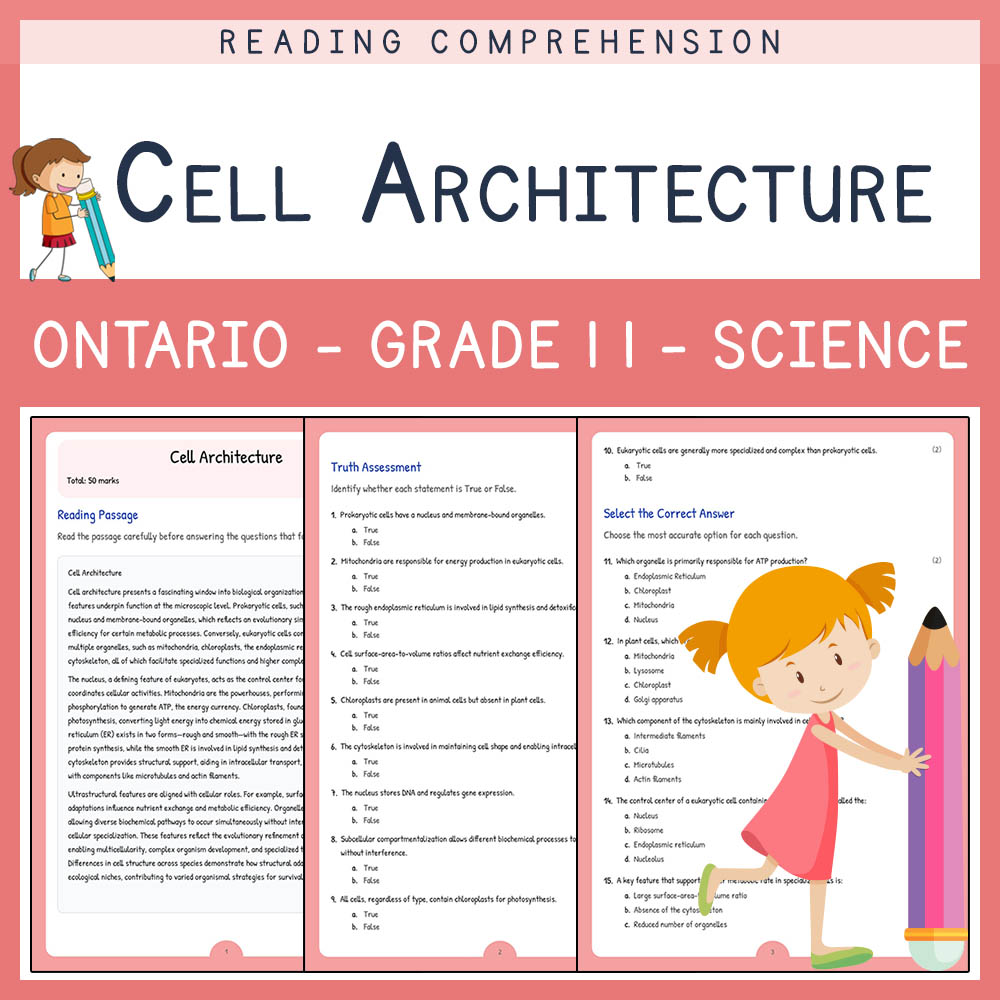
Grade 11 Science Assessment | Cell Architecture Worksheet Elena | Ontario
Created byLumora LearningLearning Objectives
- Compare and contrast prokaryotic and eukaryotic cell structures.
- Identify the functions of key organelles such as nucleus, mitochondria, chloroplast, endoplasmic reticulum, and cytoskeleton.
- Explain how ultrastructural features support cellular metabolic and transport roles.
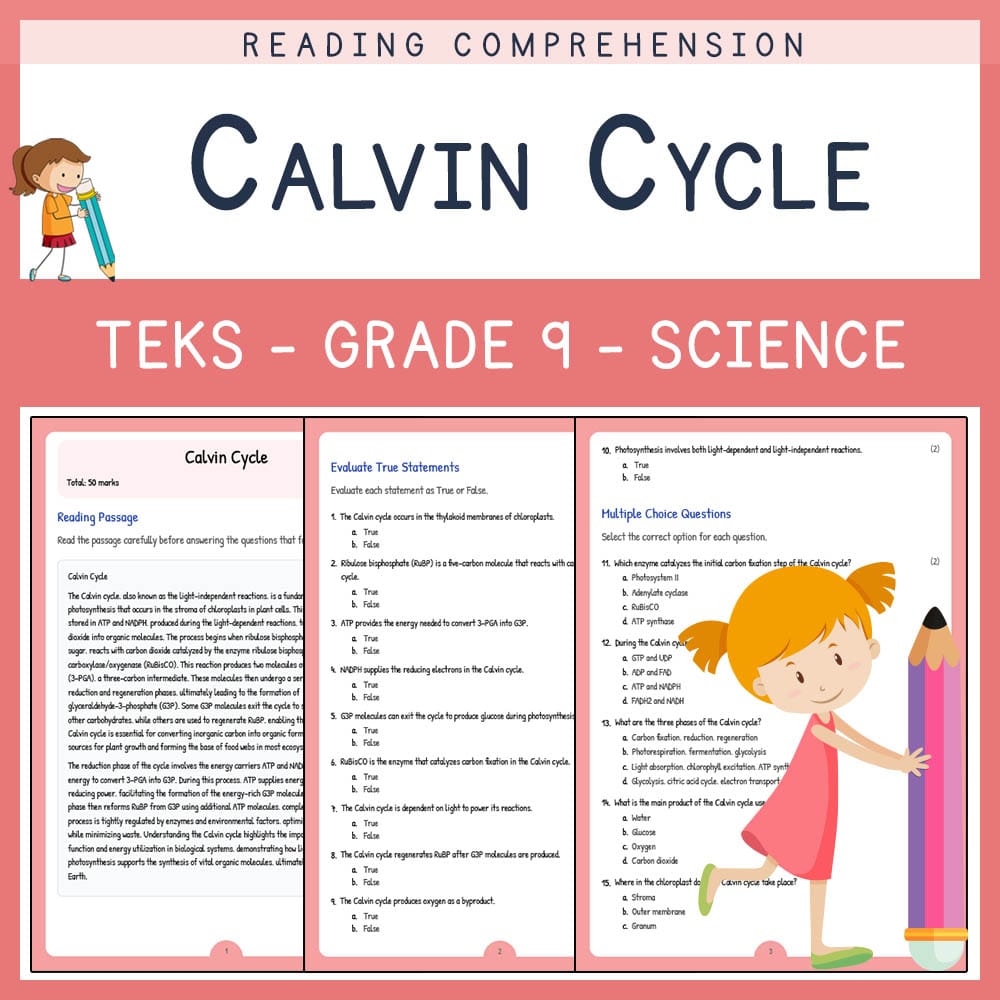
Grade 9 Science | Calvin Cycle Worksheet | TEKS Aligned
Created byLumora LearningLearning Objectives
- Describe the purpose and key processes of the Calvin cycle in photosynthesis.
- Identify the enzymes and molecules involved in the Calvin cycle.
- Explain how ATP and NADPH are utilized during the cycle to synthesize sugars.
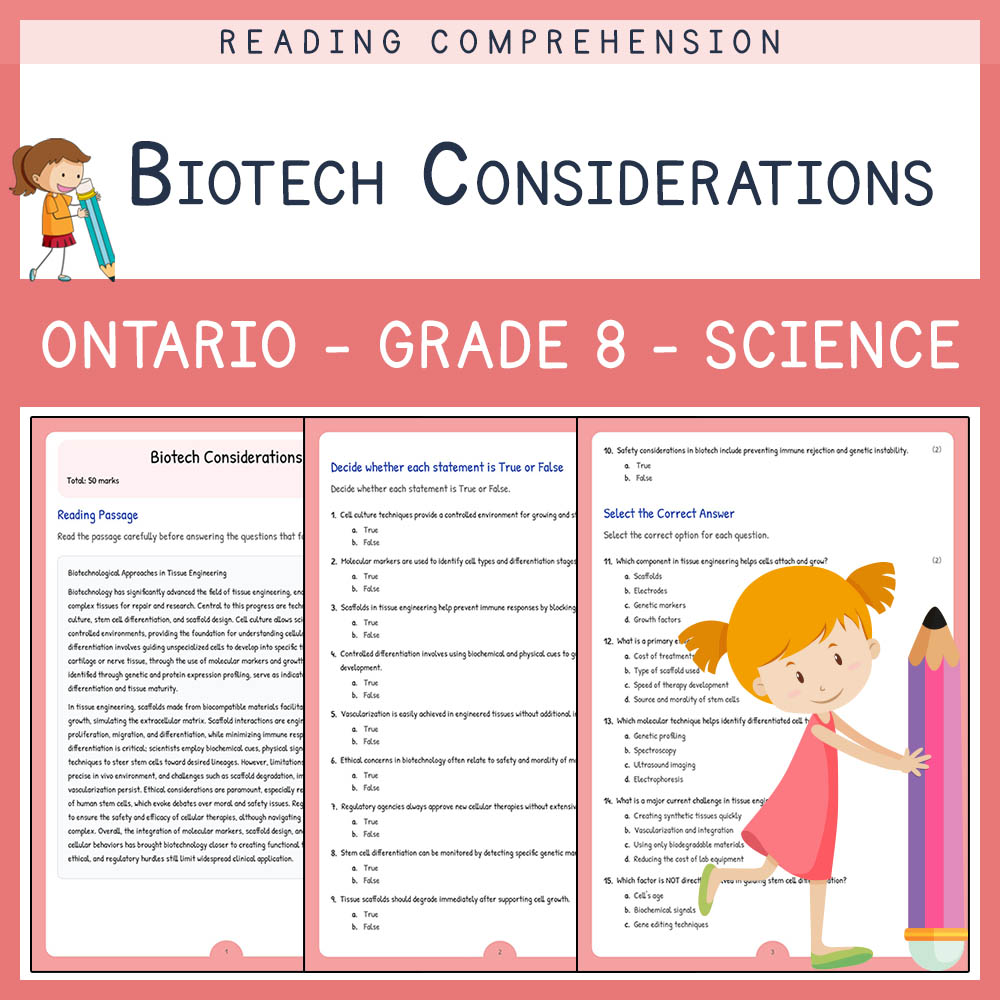
Grade 8 Science Guide | Biotech Considerations Worksheet Elena | Ontario
Created byLumora LearningLearning Objectives
- Understand the key biotechnological methods such as cell culture, stem cell differentiation, and tissue engineering.
- Identify molecular markers and scaffold interactions used in tissue development.
- Discuss ethical, safety, and regulatory considerations in cellular manipulation.

Grade 12 Science | Evolution Basics Worksheet | BC-Aligned
Created byLumora LearningLearning Objectives
- Understand key mechanisms driving evolution such as natural selection, genetic drift, gene flow, and mutation.
- Recognize types of evidence supporting evolutionary change including comparative anatomy, fossils, and molecular data.
- Explain how evolutionary processes lead to biodiversity and adaptation in different environments.

Grade 11 Science | Immune Responses Worksheet | TEKS-Aligned
Created byLumora LearningLearning Objectives
- Describe the components and functions of innate and adaptive immune responses.
- Explain how inflammation, phagocytosis, and complement activation provide immediate defenses.
- Identify the roles of B and T lymphocytes in targeted immune responses and memory formation.

Grade 12 Science | Innovation Pathways Worksheet | TEKS Aligned
Created byLumora LearningLearning Objectives
- Understand how scientific discoveries translate into applied technologies.
- Identify the roles of intellectual property, patenting, and technology transfer in innovation.
- Describe the processes of translational research, product development, and commercialization.
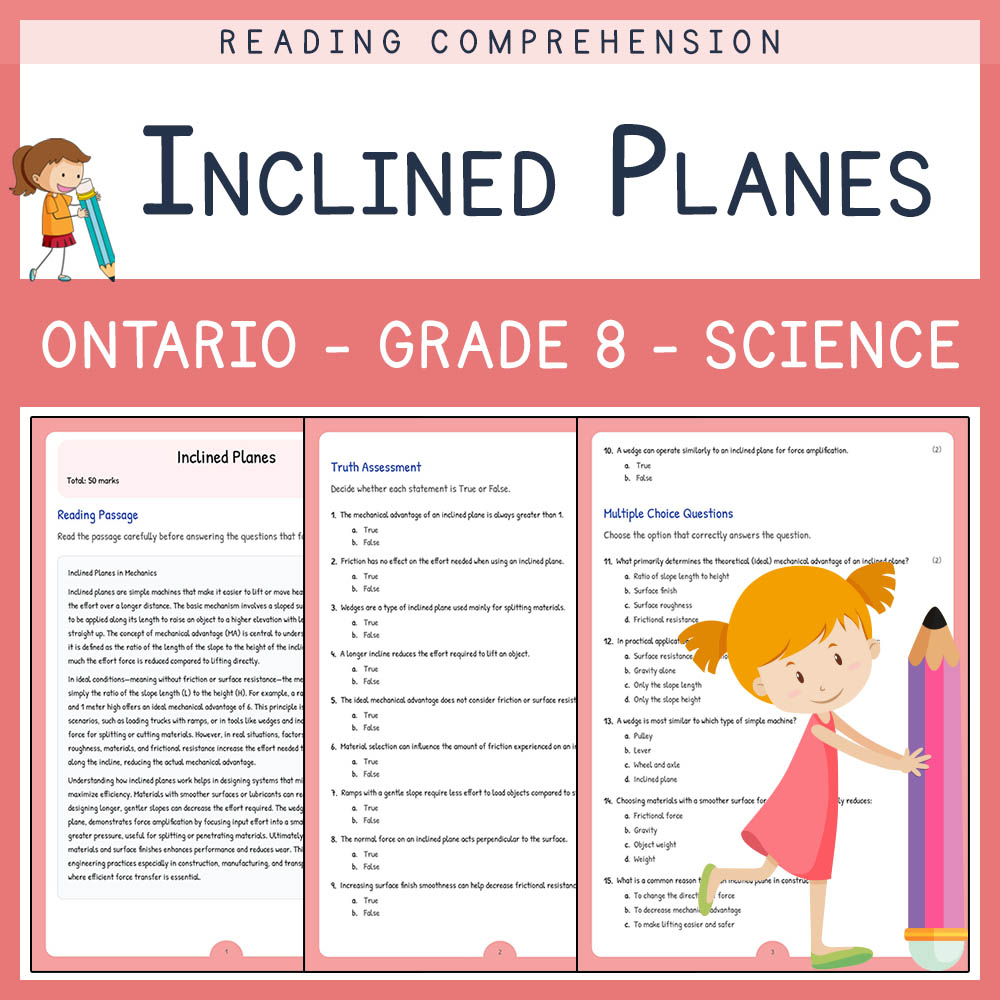
Grade 8 Science Assessment | Inclined Planes Worksheet Elena | Ontario
Created byLumora LearningLearning Objectives
- Explain the mechanical principle of inclined planes and how they reduce input force.
- Calculate mechanical advantage for ramps and wedges in ideal and real-world conditions.
- Analyze the effects of friction and surface texture on the effort needed to move objects using inclined planes.
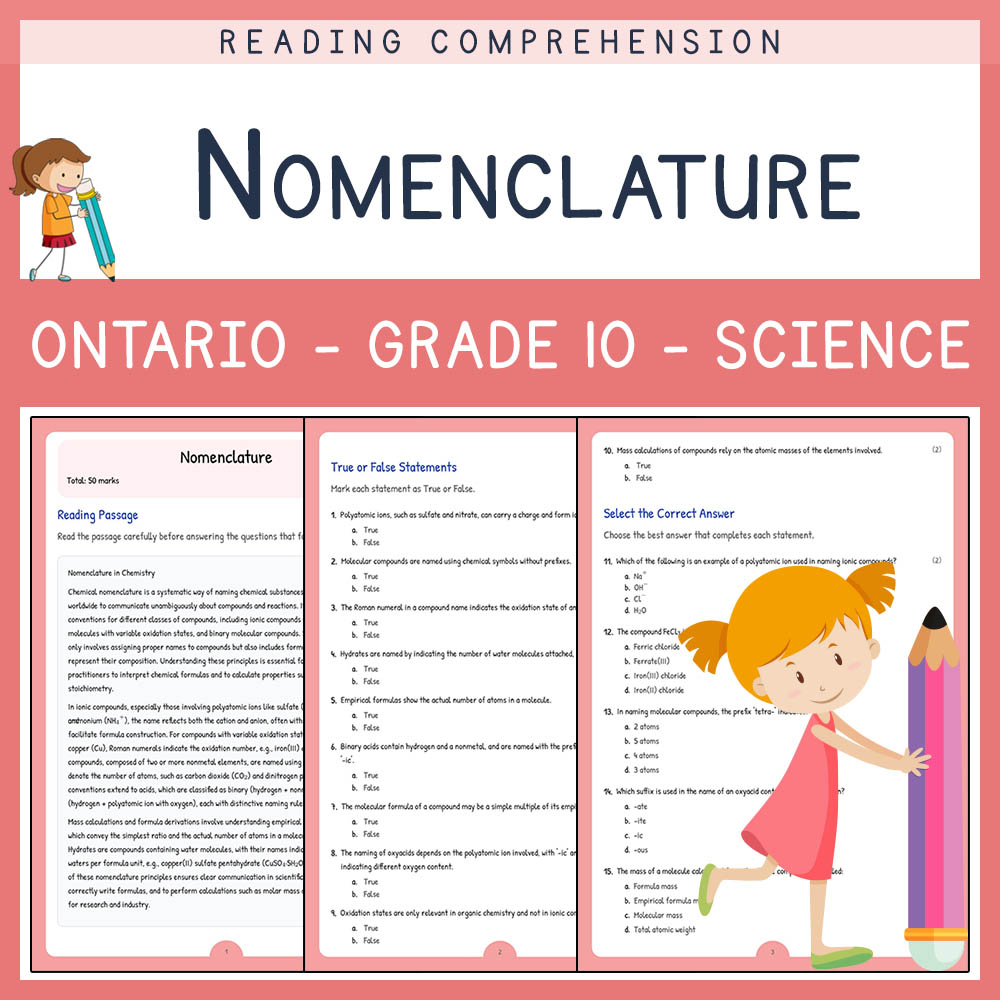
Grade 10 Science | Nomenclature Worksheet | Ontario Standard
Created byLumora LearningLearning Objectives
- Understand systematic naming conventions for ionic and molecular compounds.
- Identify and construct formulas for compounds with polyatomic ions and variable oxidation states.
- Differentiate between empirical and molecular formulas and apply charge balance principles.

Grade 12 Science | Balancing Reactions Worksheet | TEKS-Aligned
Created byLumora LearningLearning Objectives
- Understand how to represent chemical change through symbolic equations.
- Apply the law of conservation of mass to balance chemical equations.
- Classify different types of chemical reactions including synthesis, decomposition, single and double replacement, and combustion.
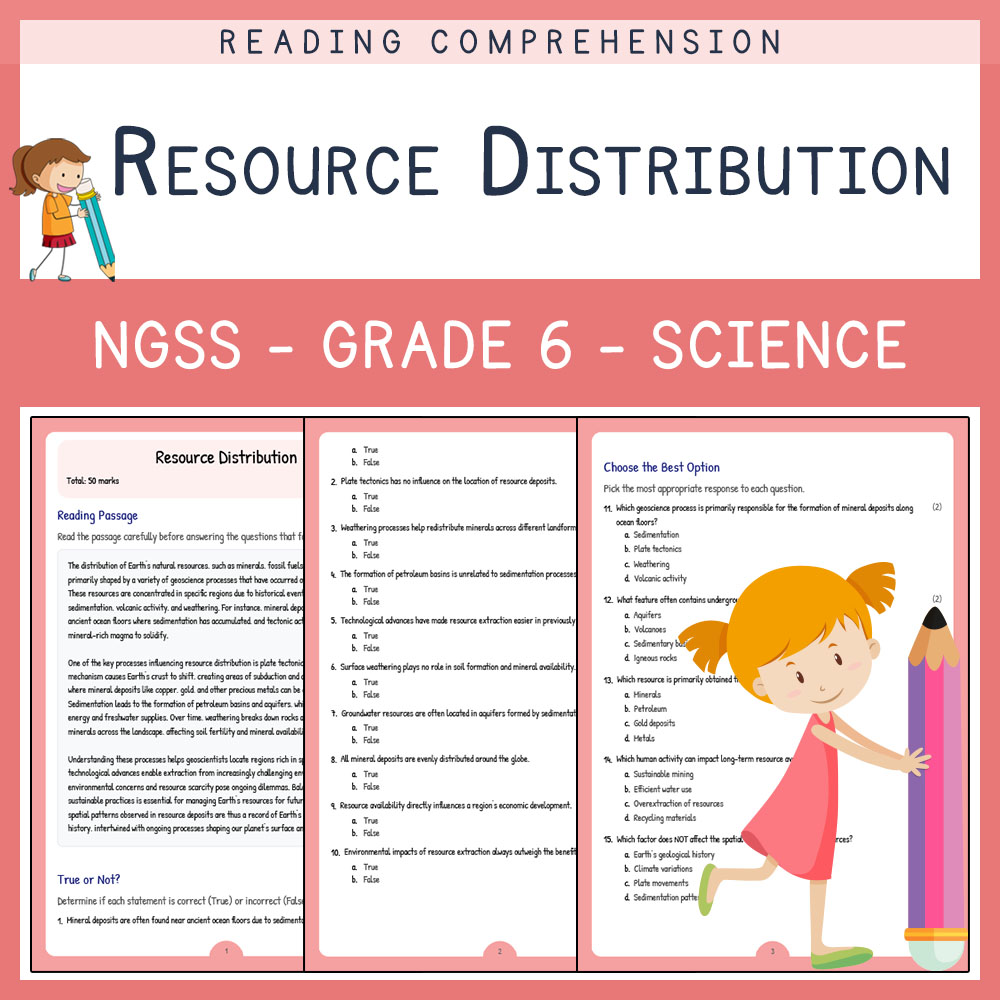
Grade 6 Science | Resource Distribution Worksheet | NGSS-Aligned
Created byLumora LearningLearning Objectives
- Understand the geological processes that influence the distribution of mineral, energy, and groundwater resources.
- Analyze spatial patterns in resource deposits and their relation to Earth's geological history.
- Evaluate societal and technological factors affecting resource extraction and long-term availability.
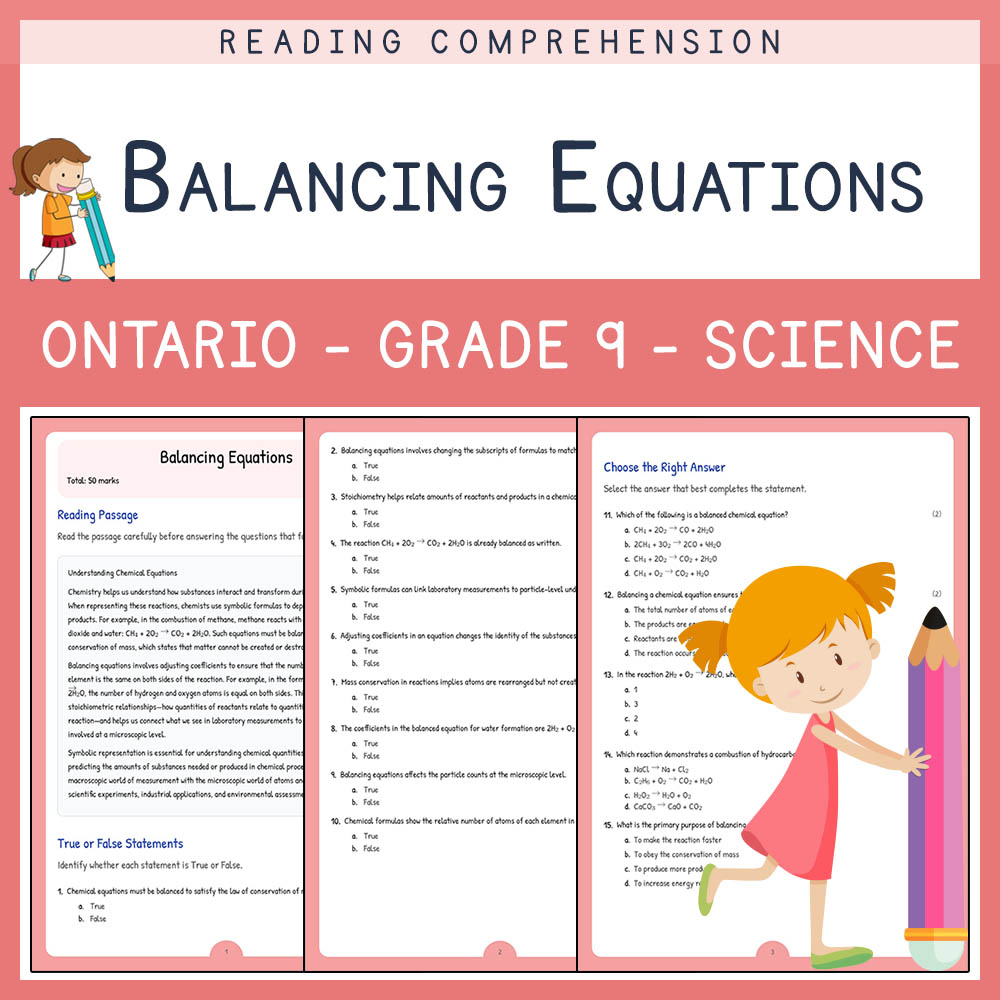
Grade 9 Science | Balancing Equations Worksheet | Ontario Standard | PDF
Created byLumora LearningLearning Objectives
- Understand symbolic representation of reactants and products in chemical reactions.
- Explain the importance of balancing chemical equations to conserve atoms and mass.
- Apply stoichiometric principles to simple combustion and formation reactions.
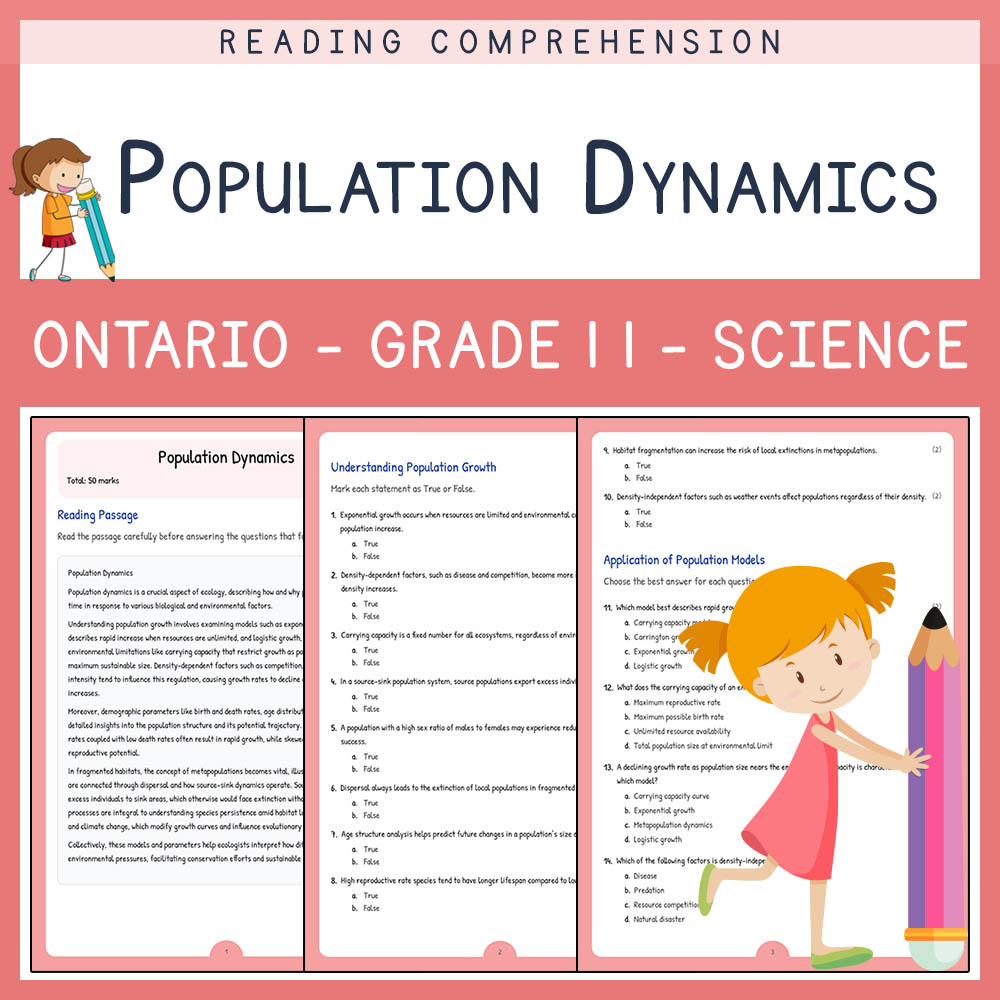
Grade 11 Science Assessment | Population Dynamics Worksheet Elena | Ontario
Created byLumora LearningLearning Objectives
- Understand the various models of population growth, including exponential and logistic growth.
- Analyze the impacts of density-dependent and density-independent factors on populations.
- Interpret demographic parameters such as birth rates, death rates, and sex ratios in population studies.

Grade 12 Science | Earth Structure Worksheet | BC-Aligned
Created byLumora LearningLearning Objectives
- Describe the layers of Earth's internal structure and their composition.
- Explain how seismic wave data provide evidence for Earth's layered interior.
- Identify the physical properties of Earth's crust, mantle, outer core, and inner core.
Browse more categories
About Science Worksheets
Find Science worksheets spanning core skills, practice, and review. All 42,859 resources are instant PDF downloads for the classroom or home.
Every worksheet on MyTeachingSheets is created by independent teacher-authors and reviewed before publication. All resources download as printable PDFs for classroom, homework, or at-home practice, and many include answer keys. Preview any worksheet free before buying.