
Science Worksheets
42,859 subject resources
12th Grade Science | Cell Architecture Worksheet (PDF+ Answer Key)
 Created byCopper Leaf Classroom
Learning Objectives
- Describe the key components of cell architecture including cytoskeletal networks, membranes, and junctions.
- Explain how molecular motors, filament dynamics, and tensile forces contribute to cell structure and function.
- Connect the physical architecture of cells to their resilience, motility, and intracellular trafficking.
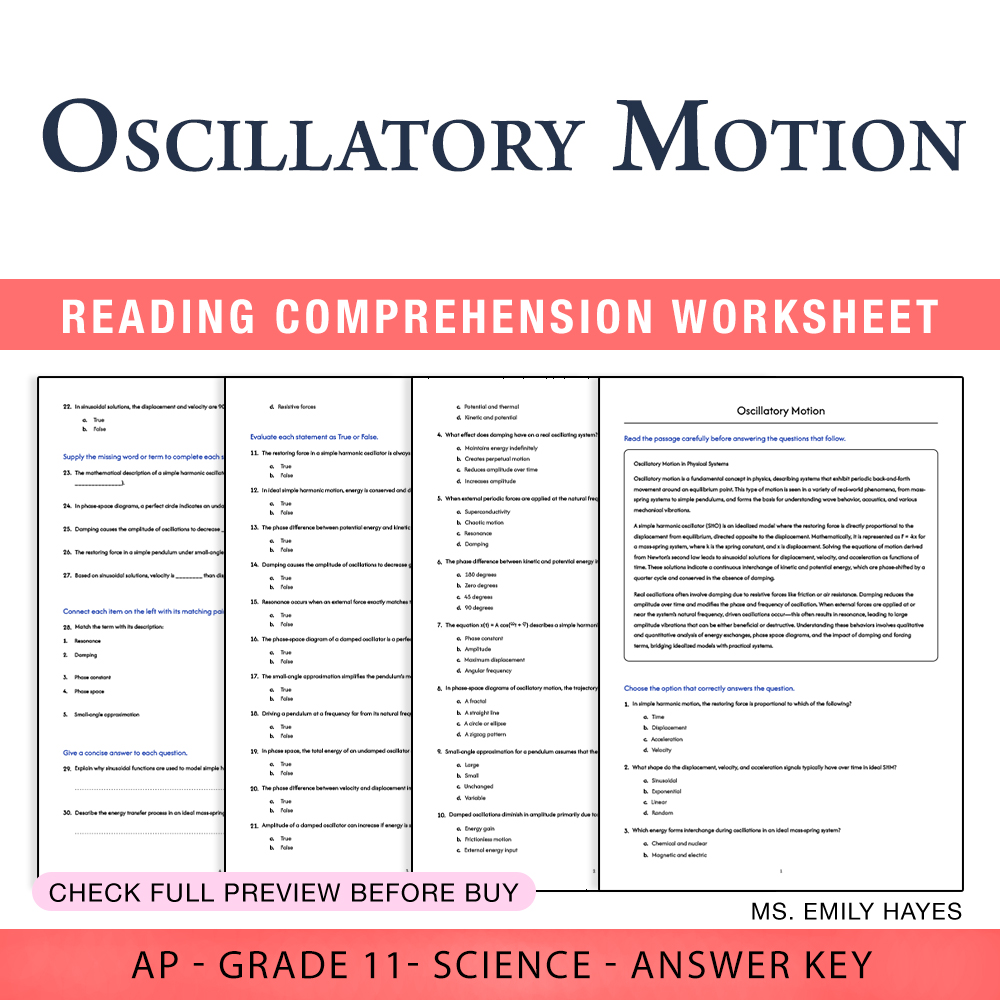
11th Grade Science | Oscillatory Motion Worksheet (PDF+ Answer Key)
Created byCopper Leaf ClassroomLearning Objectives
- Explain the principles of simple harmonic motion in mass–spring systems and pendulums.
- Derive the equations of motion for oscillatory systems and interpret their physical meaning.
- Connect the concept of restoring force linearity to sinusoidal solutions in oscillations.
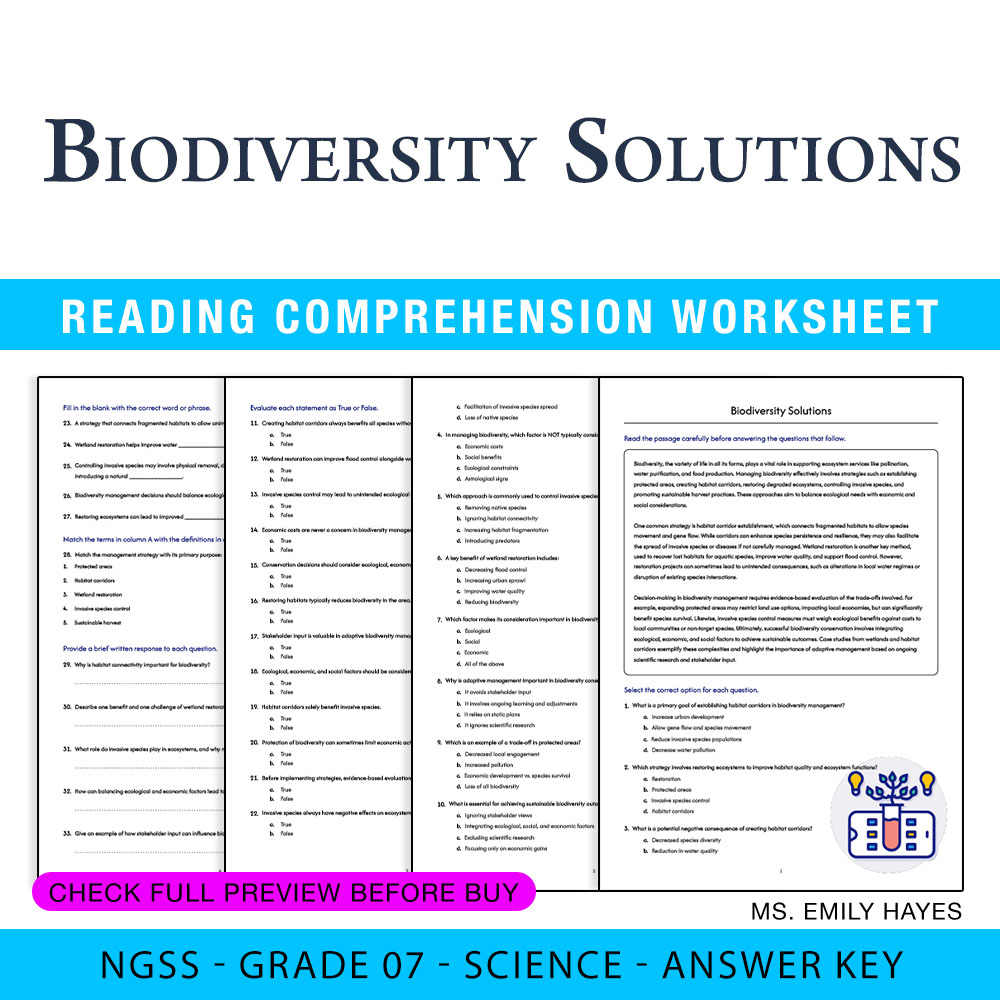
7th Grade Science | Biodiversity Solutions Worksheet (PDF +Answer Key)
Created byCopper Leaf ClassroomLearning Objectives
- Understand different management strategies used to maintain biodiversity and their ecological, economic, and social trade-offs.
- Evaluate case examples such as wetland restoration and habitat corridor establishment for their benefits and potential unintended effects.
- Compare and analyze alternative biodiversity conservation approaches using evidence-based reasoning.
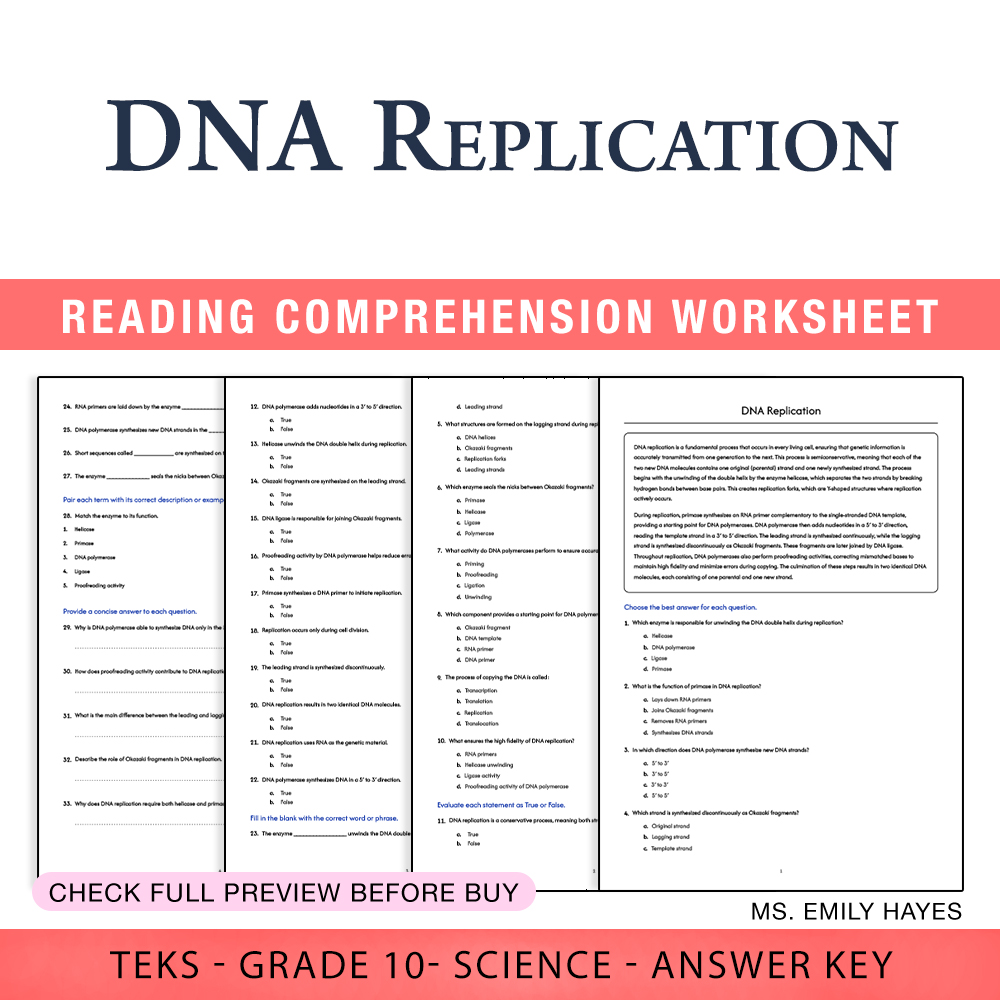
Grade 10 Science | DNA Replication Worksheet (PDF+ Answer Key)
Created byCopper Leaf ClassroomLearning Objectives
- Explain the process of DNA replication and the roles of key enzymes.
- Describe the steps involved in DNA unwinding, primer formation, and nucleotide addition.
- Differentiate between leading and lagging strand synthesis, including Okazaki fragments.
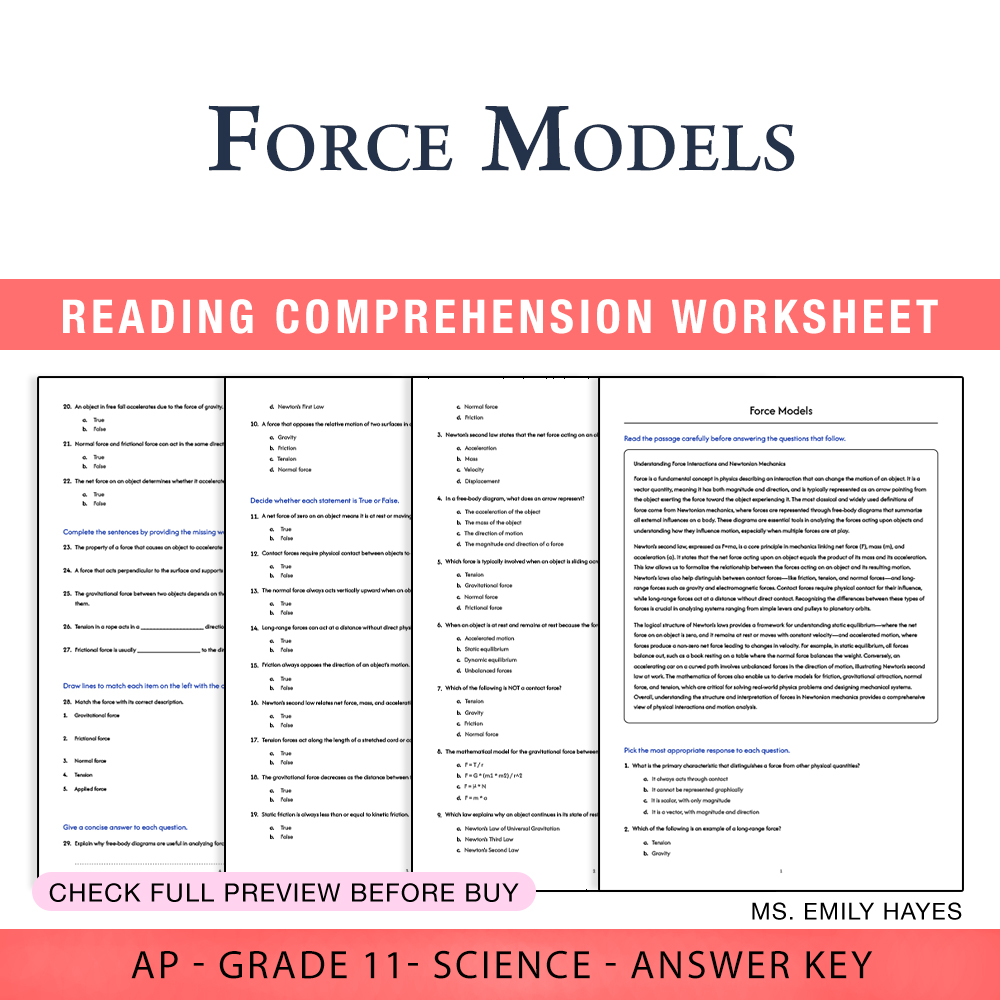
11th Grade Science | Force Models Worksheet (PDF+ Answer Key)
Created byCopper Leaf ClassroomLearning Objectives
- Describe force as an interaction and understand its role in mechanics.
- Apply Newton’s laws to analyze static and dynamic systems.
- Differentiate between contact and long-range forces.
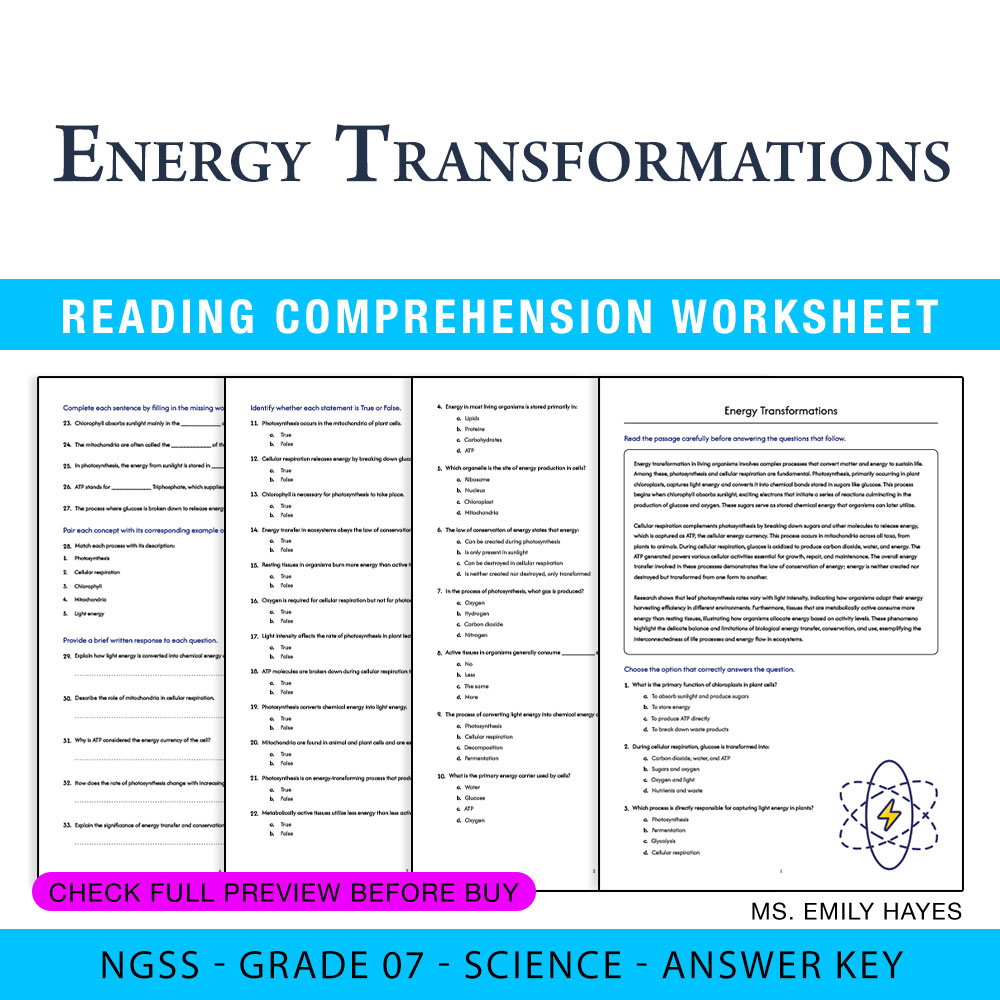
7th Grade Science | Energy Transformations Worksheet (PDF + Answer Key)
Created byCopper Leaf ClassroomLearning Objectives
- Explain how light energy is converted into chemical energy during photosynthesis.
- Describe how cellular respiration releases energy stored in food molecules.
- Connect processes of sugar production in chloroplasts to ATP generation in mitochondria across different organisms.
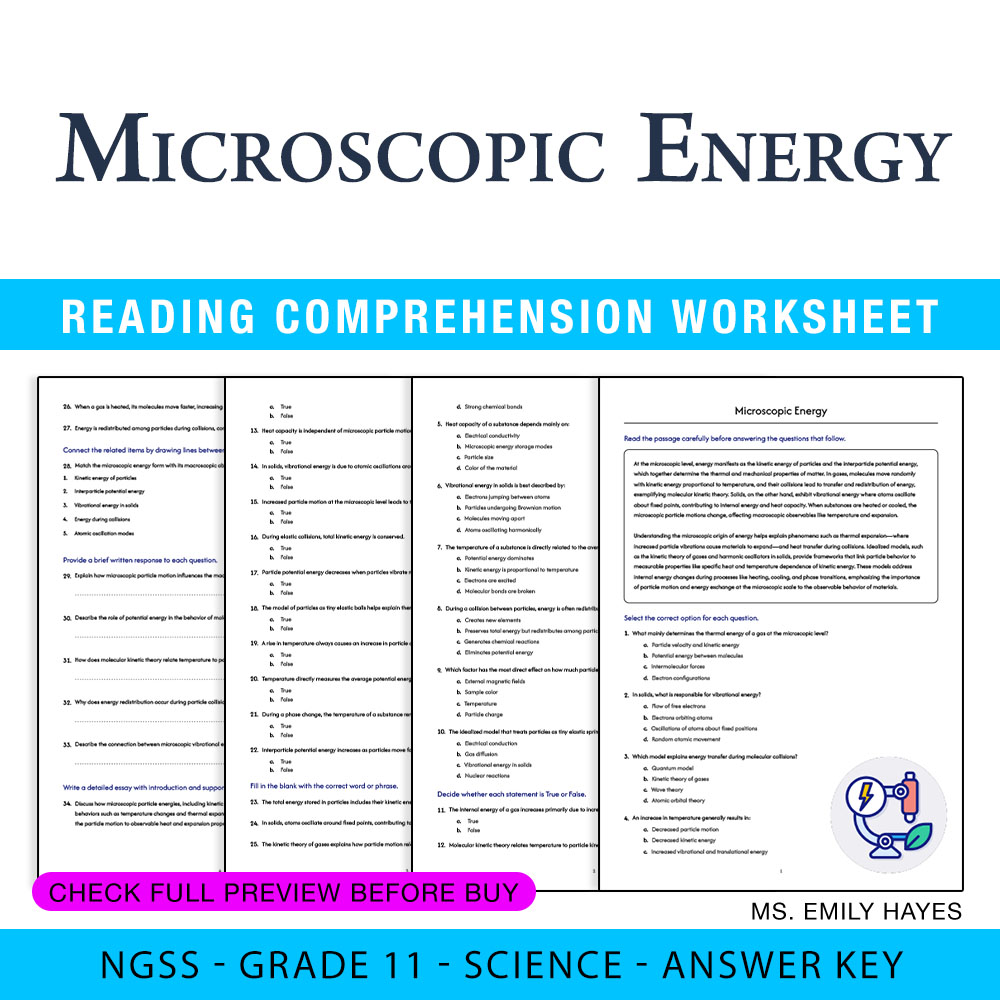
11th Grade Science | Microscopic Energy Concepts Worksheet (PDF+ Answer Key)
Created byCopper Leaf ClassroomLearning Objectives
- Describe how particle kinetic energy and potential energy contribute to macroscopic thermal and mechanical phenomena.
- Explain the molecular basis of internal energy, heat capacity, and temperature dependence of particle motion.
- Apply idealized models to understand energy redistribution during collisions and vibrational energy in solids.
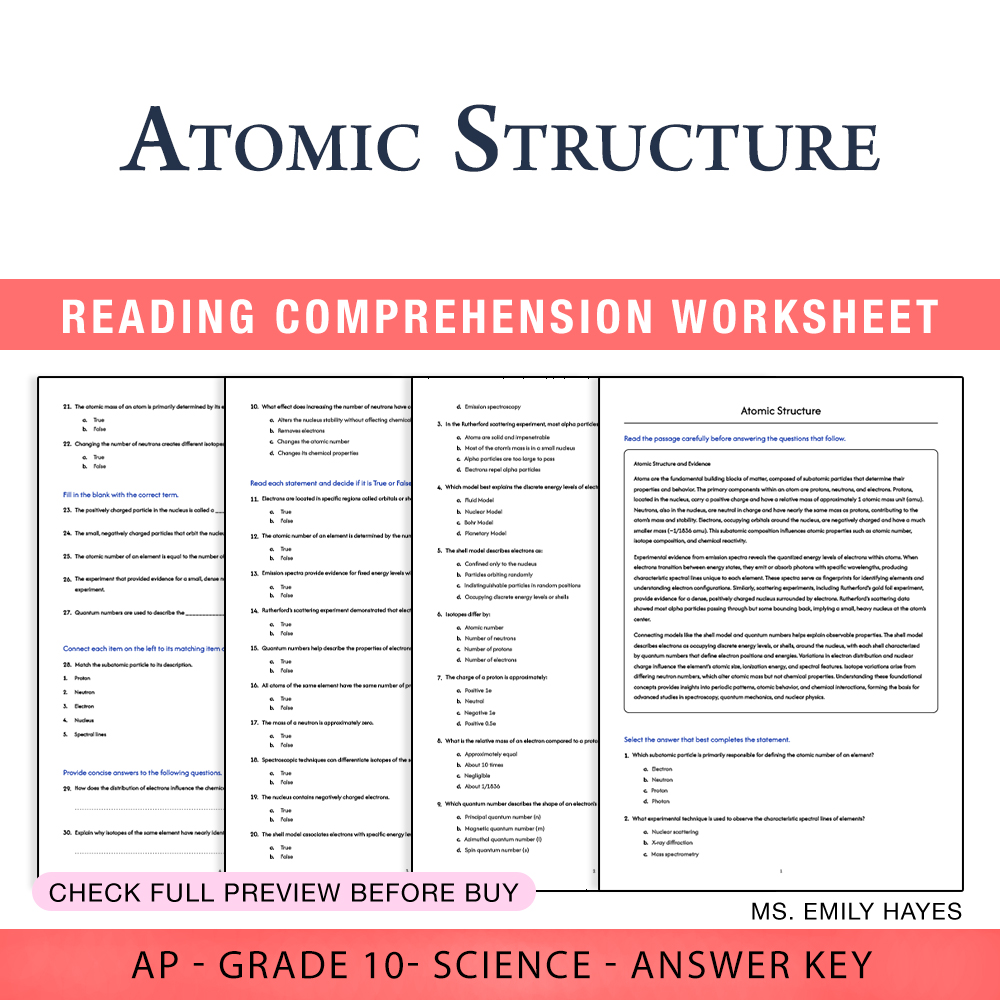
10th Grade Science | Atomic Structure Worksheet (PDF+ Answer Key)
Created byCopper Leaf ClassroomLearning Objectives
- Describe the subatomic components of atoms, including proton, neutron, and electron roles and masses.
- Explain how experimental evidence from emission spectra and scattering supports atomic models.
- Connect shell models and quantum numbers to observable atomic properties like spectral lines.
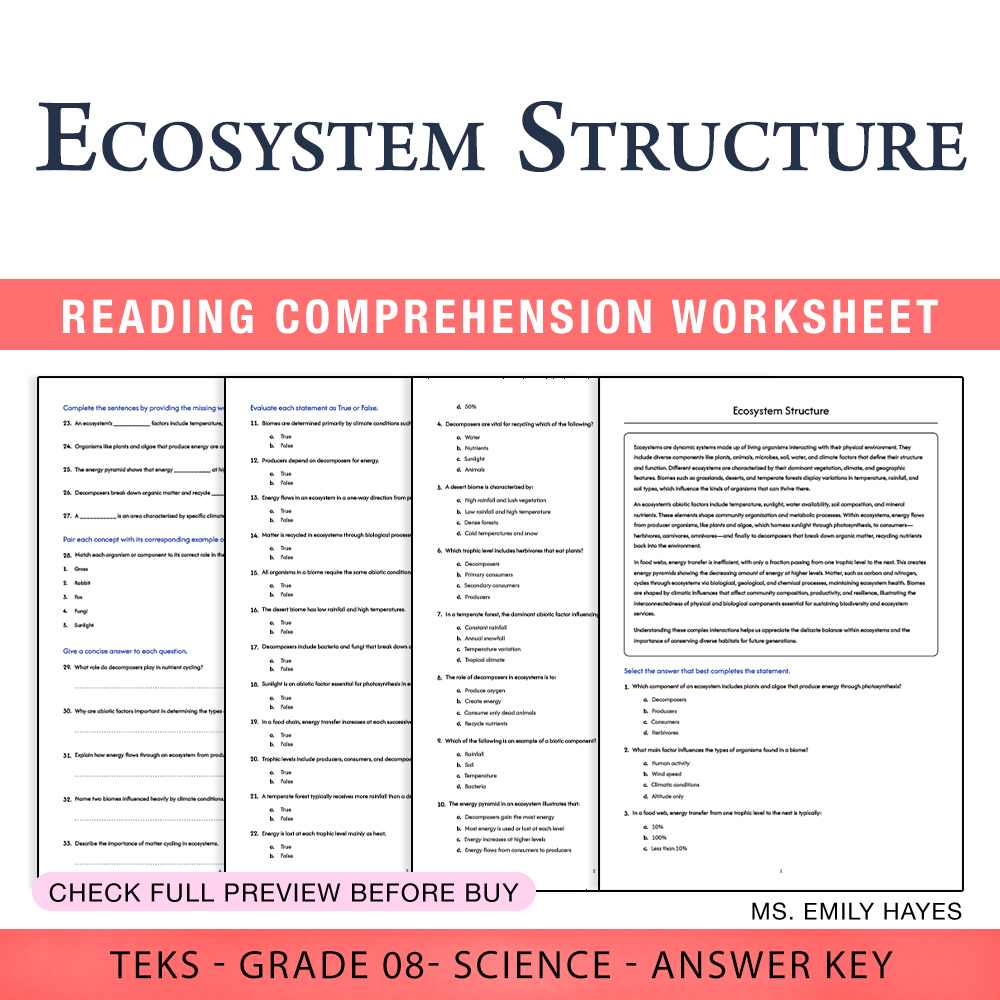
8th Grade Science | Ecosystem Structure Worksheet (PDF+ Answer Key)
Created byCopper Leaf ClassroomLearning Objectives
- Describe the components and organization of ecosystems and biomes.
- Identify abiotic factors that influence community composition.
- Understand the roles of producers, consumers, and decomposers in food webs and energy flow.
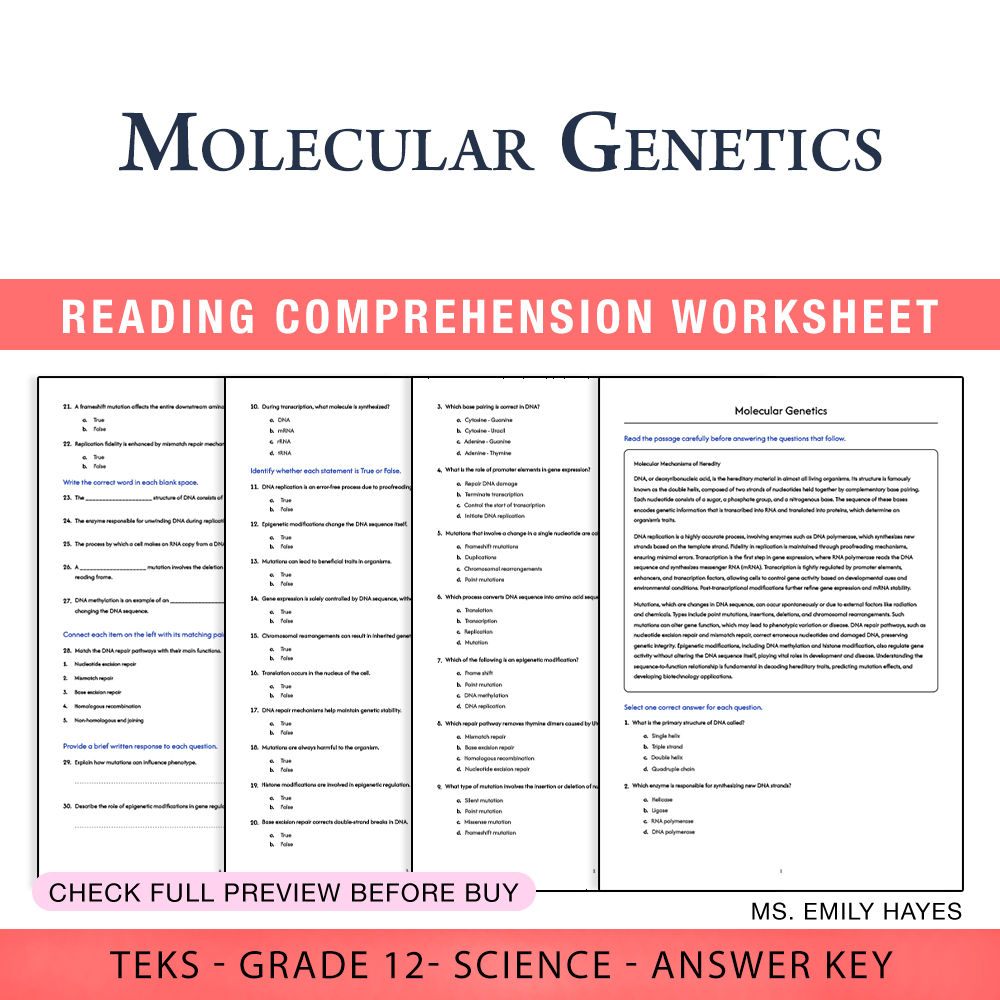
Grade 12 Science | Molecular Genetics Worksheet (PDF+ Answer Key)
Created byCopper Leaf ClassroomLearning Objectives
- Understand the structural features of DNA and how they facilitate replication and transcription.
- Explain the mechanisms by which mutations occur and their effects on gene expression and phenotype.
- Describe regulatory processes like gene control, epigenetics, and DNA repair pathways.
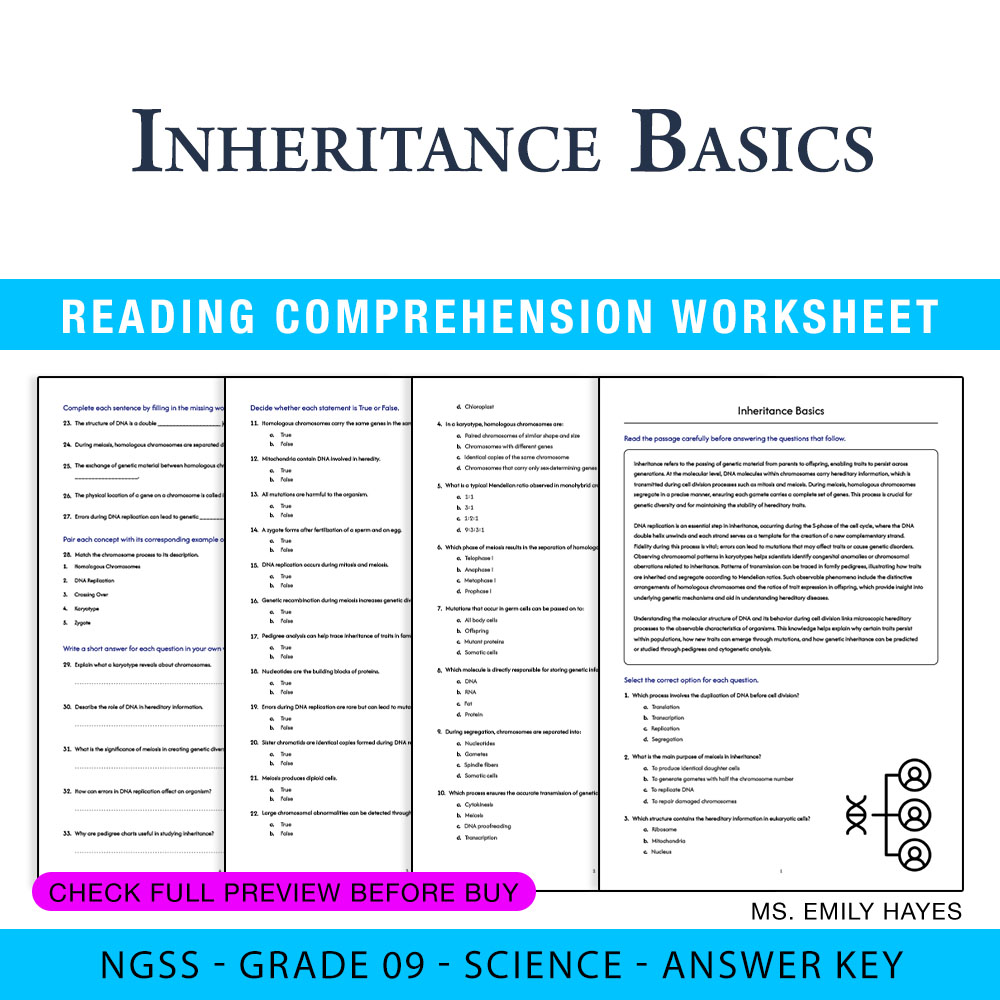
9th Grade Science | Inheritance Basics Worksheet (PDF+ Answer Key)
Created byCopper Leaf ClassroomLearning Objectives
- Understand the molecular structure of DNA and its role in inheritance.
- Explain how chromosomes and DNA facilitate the transmission of hereditary information across generations.
- Identify key processes such as DNA replication, chromosomal segregation during meiosis, and zygote formation.
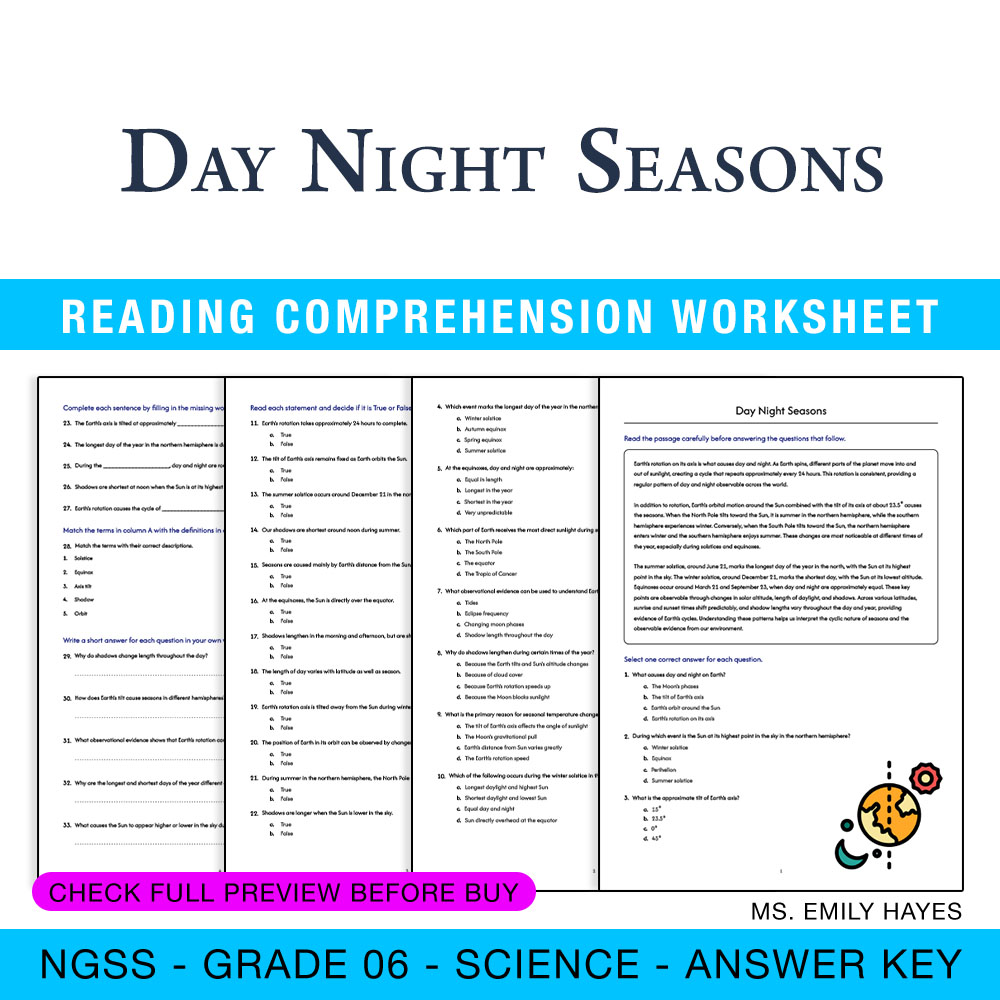
6th Grade Science | Day, Night & Seasons Worksheet (PDF + Answer Key)
Created byCopper Leaf ClassroomLearning Objectives
- Describe Earth's rotation and how it produces day and night.
- Explain how Earth's orbit and axial tilt cause seasons and climate variations.
- Identify key moments such as solstices and equinoxes as observational markers of seasons.
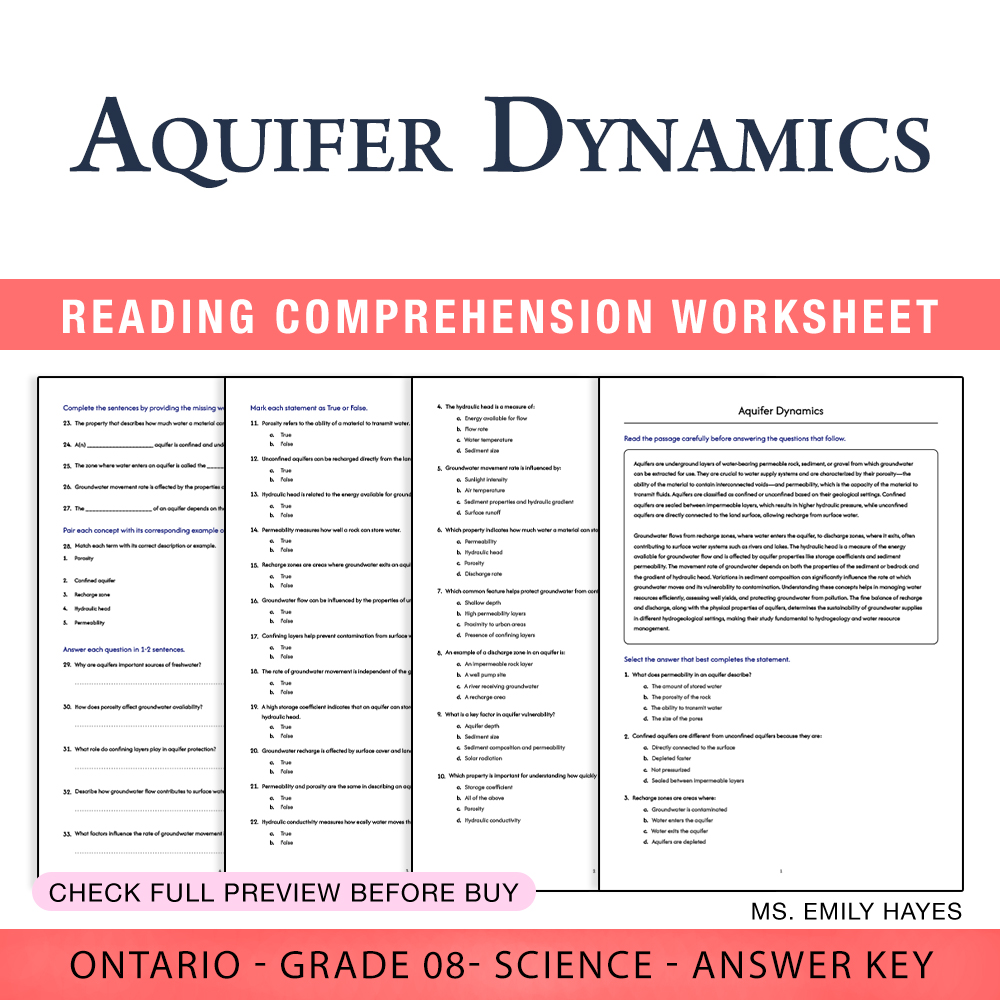
Grade 8 Science | Aquifer Dynamics Worksheet (PDF+ Answer Key)
Created byCopper Leaf ClassroomLearning Objectives
- Understand the structure and function of aquifers and groundwater flow systems.
- Explain the concepts of porosity, permeability, confined and unconfined aquifers.
- Identify recharge and discharge zones and understand hydraulic head concepts.
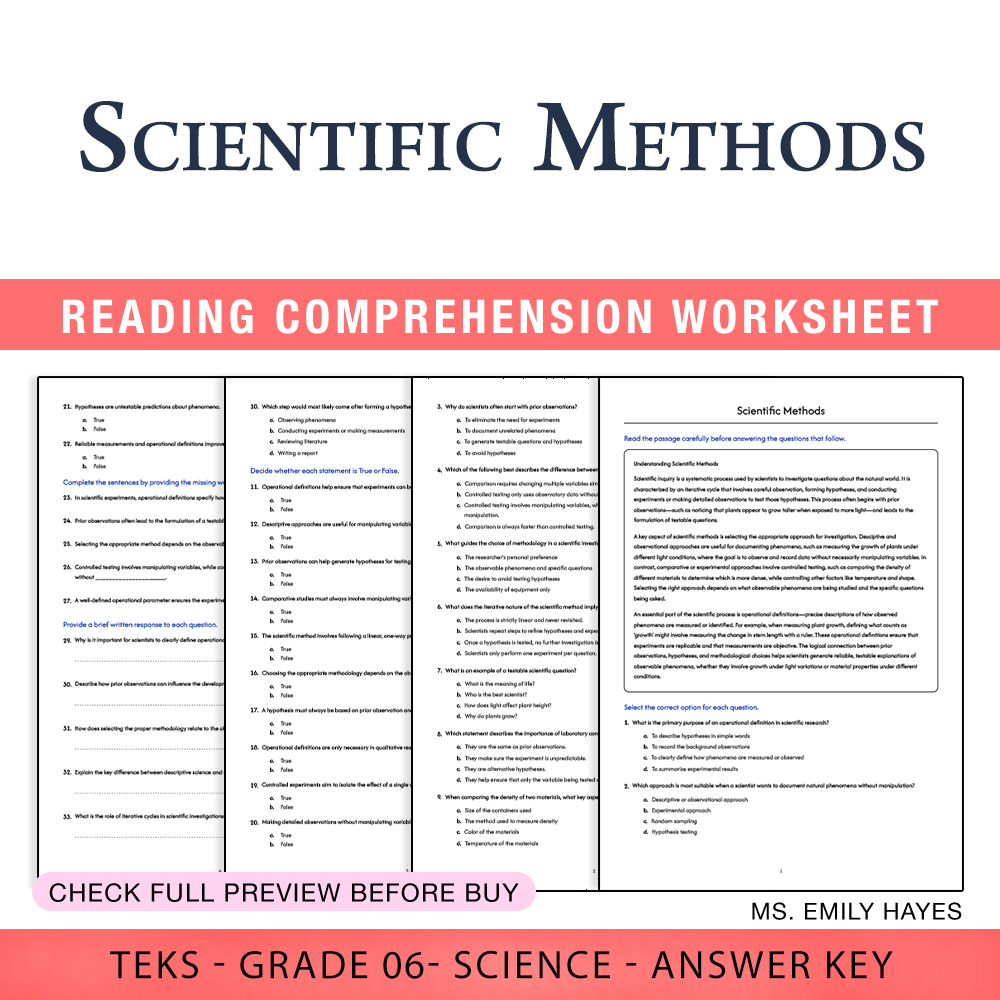
6th Grade Science | Scientific Methods Worksheet (PDF+ Answer Key)
Created byCopper Leaf ClassroomLearning Objectives
- Understand the iterative nature of scientific methods and how observations inform hypotheses.
- Differentiate between descriptive, observational approaches and comparative, experimental approaches.
- Identify operational definitions and appropriate methodologies based on observable phenomena.
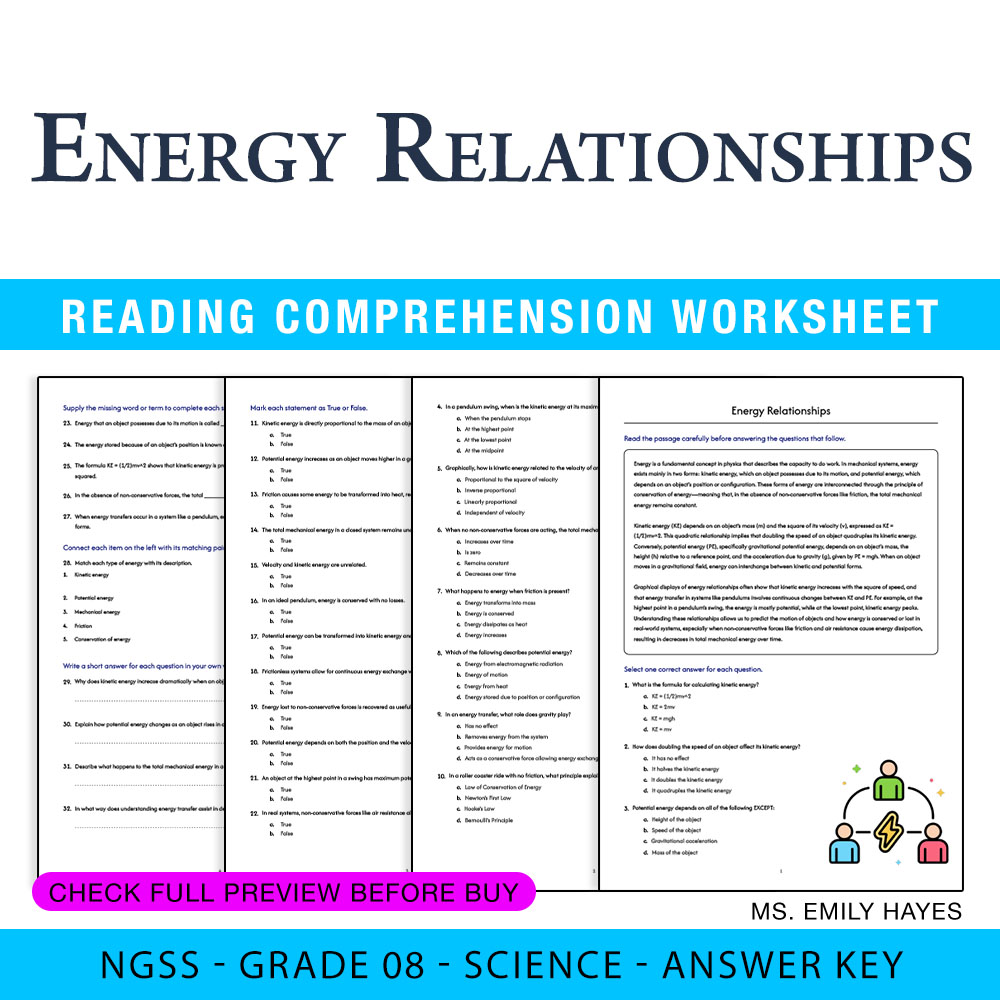
8th Grade Science | Energy Relationships Worksheet (PDF+ Answer Key)
Created byCopper Leaf ClassroomLearning Objectives
- Describe the relationship between kinetic energy, potential energy, and their dependence on mass, speed, and position.
- Interpret graphs showing relationships between kinetic energy, mass, and the square of speed.
- Analyze energy transfer in systems like pendulums and roller coasters, emphasizing conservation principles.
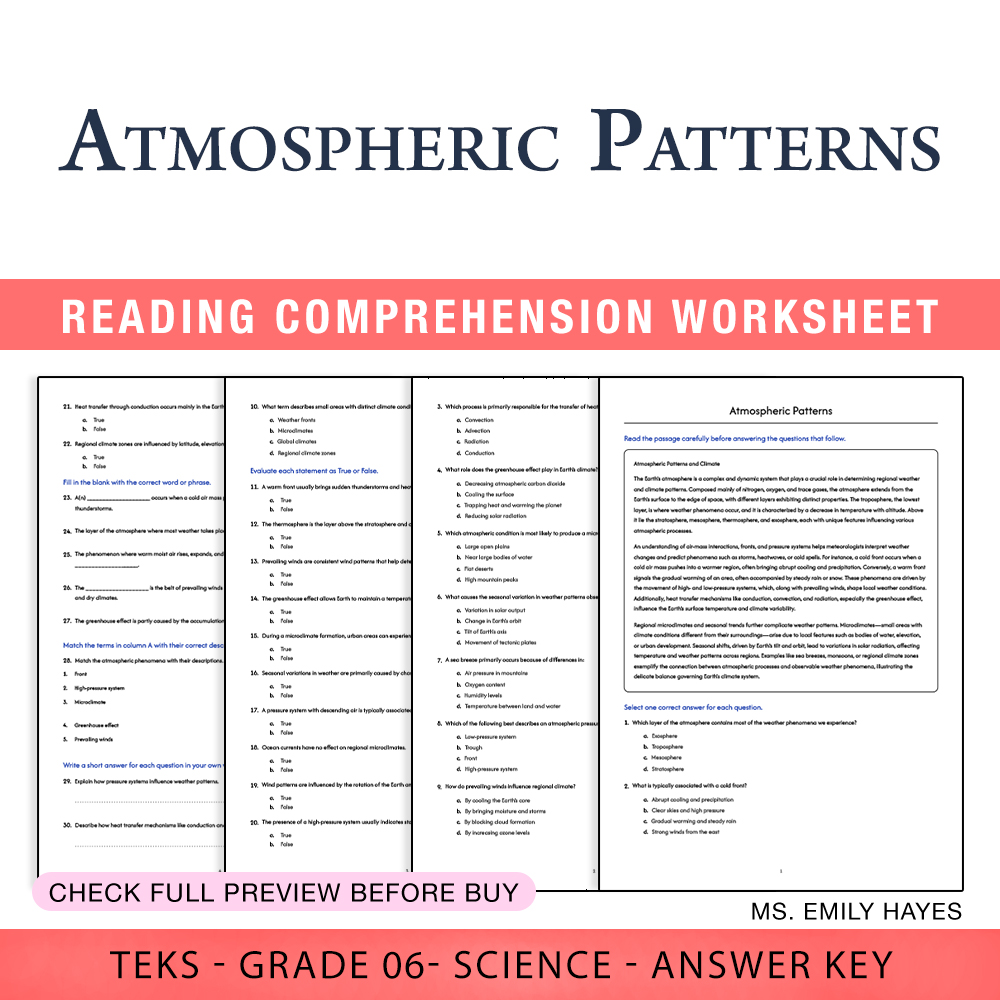
6th Grade Science | Atmospheric Patterns Worksheet (PDF+ Answer Key)
Created byCopper Leaf ClassroomLearning Objectives
- Understand the structure of the atmosphere and how it affects weather and climate.
- Identify the roles of air masses, pressure systems, and fronts in weather phenomena.
- Explain how heat transfer mechanisms and the greenhouse effect influence regional climate variability.
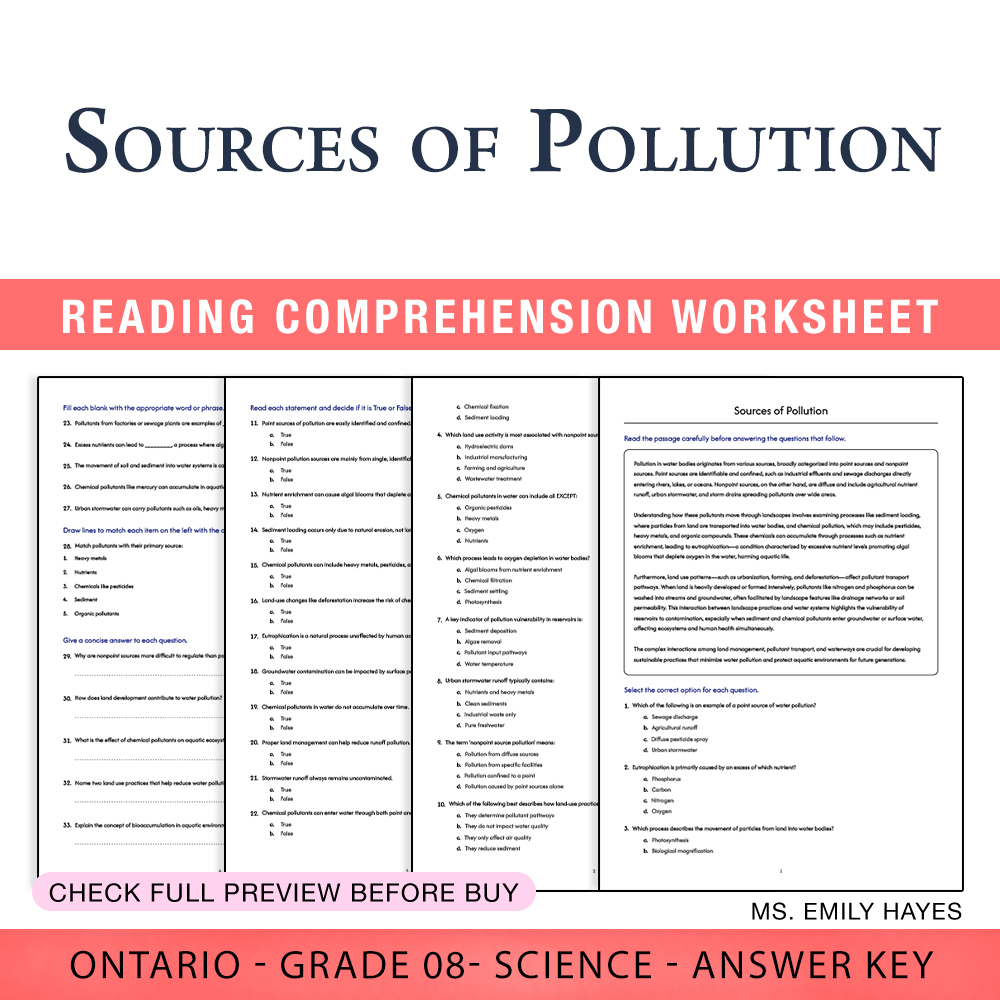
8th Grade Science | Sources of Pollution Worksheet (PDF + Answer Key)
Created byCopper Leaf ClassroomLearning Objectives
- Differentiate between point and nonpoint sources of pollution with examples.
- Explain the processes of nutrient enrichment, eutrophication, and oxygen depletion in water bodies.
- Describe how land use and landscape practices influence pollutant transport pathways.
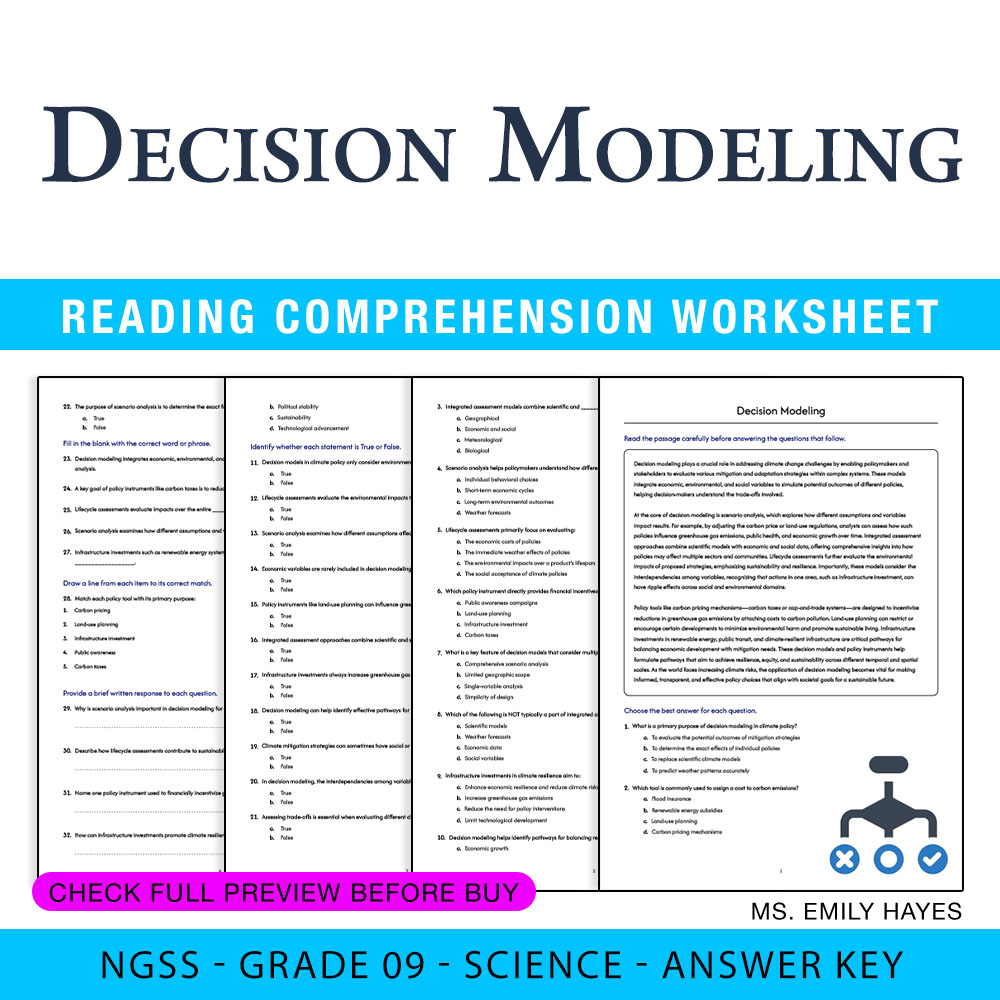
Grade 9 Science | Decision Modeling Worksheet (PDF+ Answer Key)
Created byCopper Leaf ClassroomLearning Objectives
- Describe how systems and decision models are used to evaluate climate mitigation and adaptation strategies.
- Explain the trade-offs among economic, environmental, and social variables in policy decision-making.
- Apply scenario analysis and integrated assessment approaches to real-world decision problems.
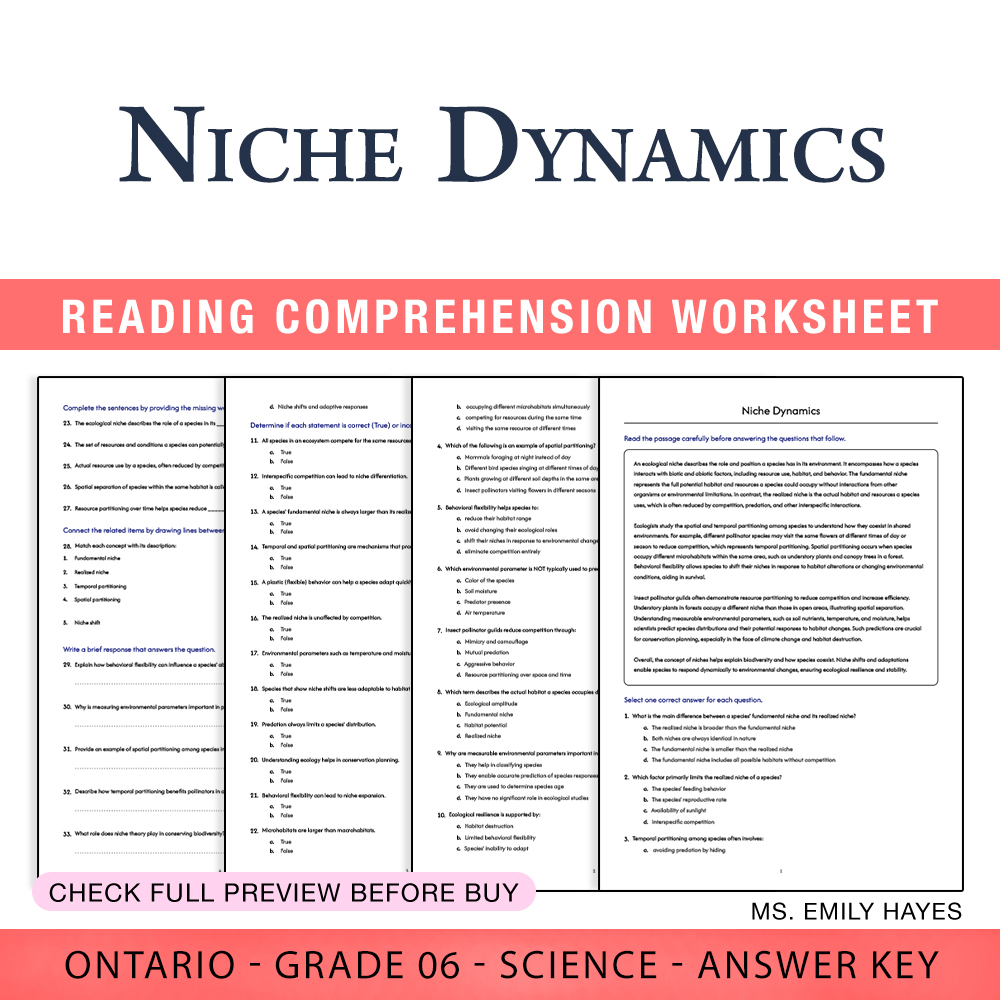
6th Grade Science | Niche Dynamics Worksheet (PDF+ Answer Key)
Created byCopper Leaf ClassroomLearning Objectives
- Understand the differences between fundamental and realized ecological niches.
- Identify how biotic and abiotic factors influence resource use and habitat occupation.
- Analyze examples of ecological partitioning and behavioral flexibility in species.
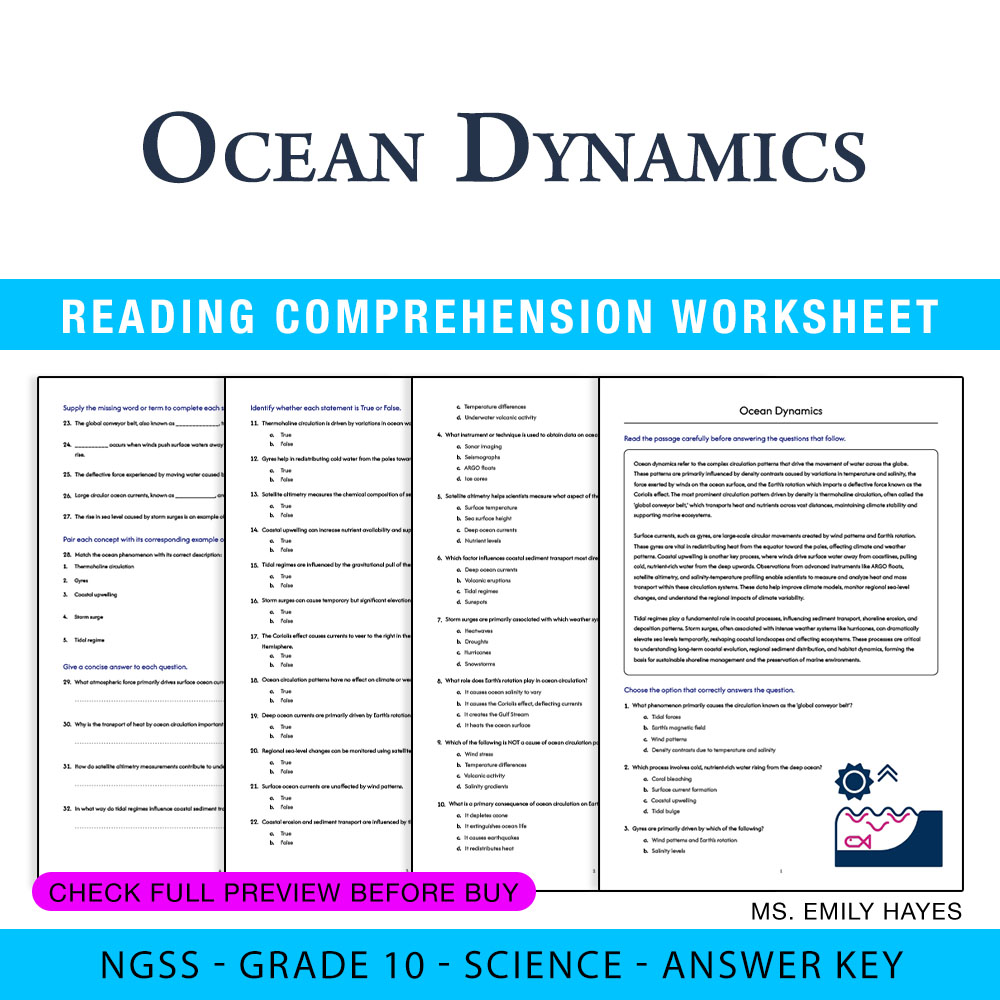
Grade 10 Science | Ocean Dynamics Worksheet (PDF+ Answer Key)
Created byCopper Leaf ClassroomLearning Objectives
- Describe the key circulation patterns in the ocean driven by density contrasts, wind forcing, and Earth's rotation.
- Explain how observations from ARGO floats, satellite altimetry, and salinity-temperature profiles help understand ocean heat and mass transport.
- Assess the impact of tidal regimes and storm surges on coastal sediment transport, shoreline morphology, and regional sea-level variations.
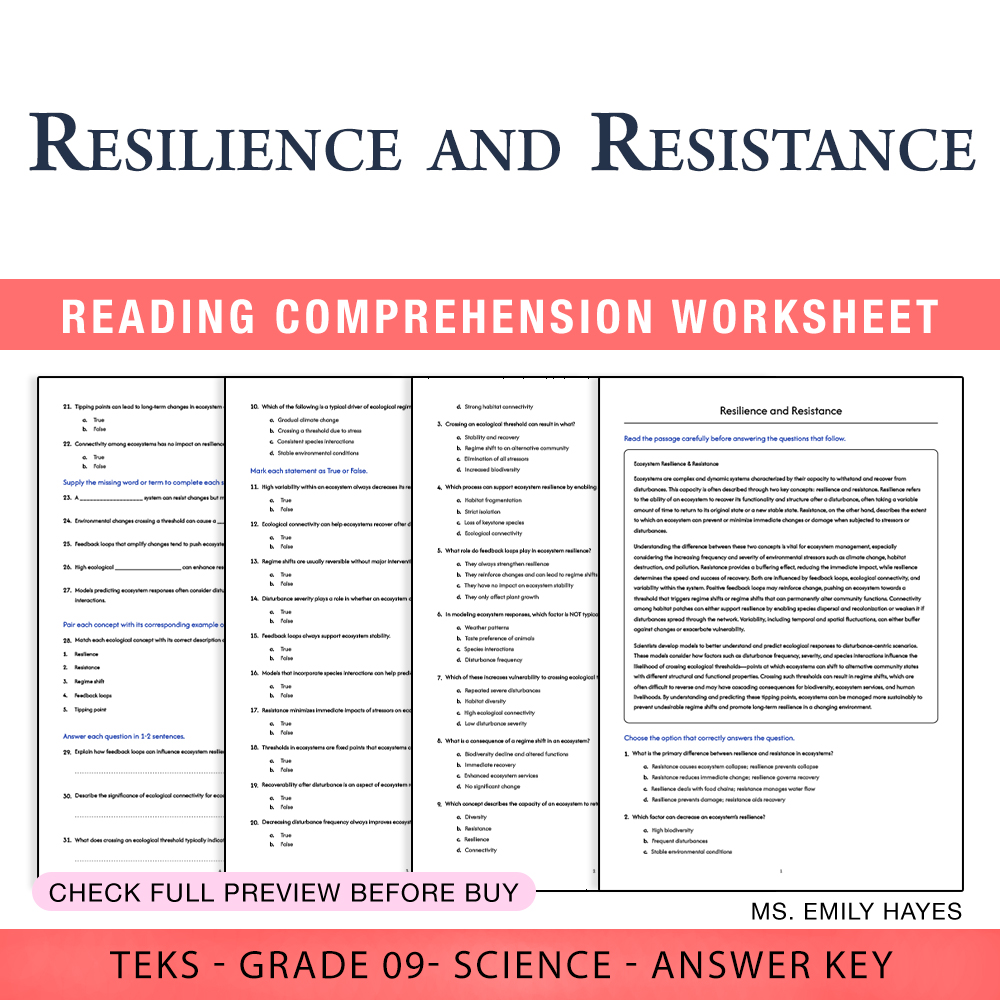
9th Grade Science | Resilience and Resistance Worksheet (PDF+ Answer Key)
Created byCopper Leaf ClassroomLearning Objectives
- Define and distinguish between resilience and resistance in ecological systems.
- Explain how feedback loops, variability, and connectivity influence ecosystem resilience.
- Identify factors that can trigger regime shifts in ecosystems requiring long-term management strategies.
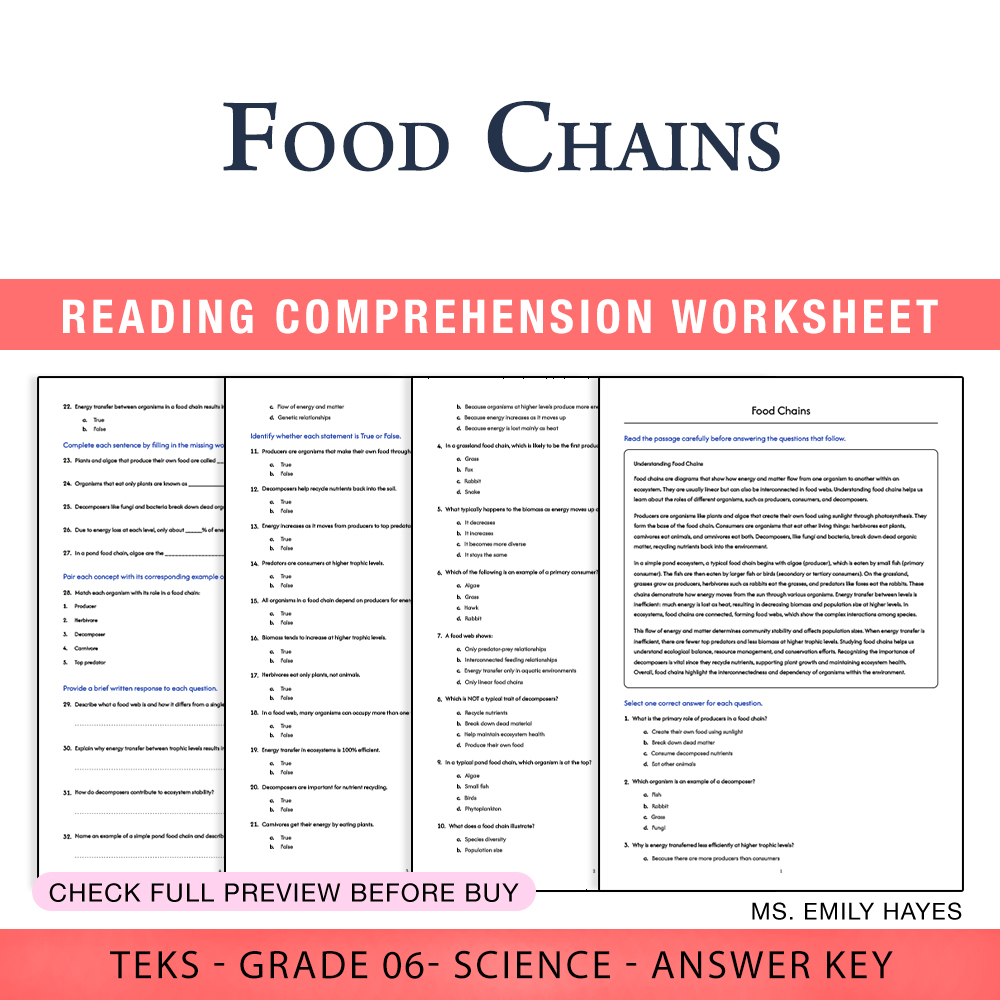
6th Grade Science | Food Chains Worksheet (PDF+ Answer Key)
Created byCopper Leaf ClassroomLearning Objectives
- Describe the roles of producers, consumers, and decomposers in food chains.
- Identify different trophic levels within a food chain.
- Explain energy transfer and energy loss between trophic levels.
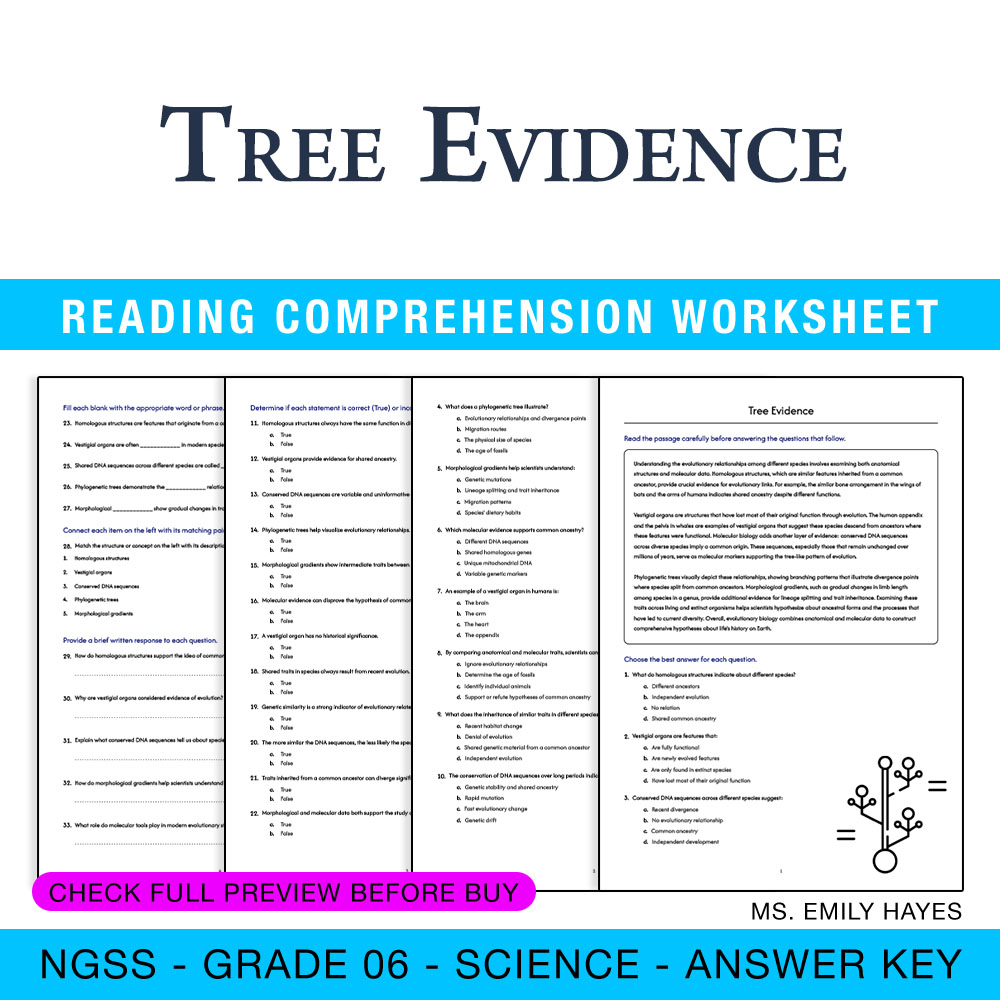
6th Grade Science | Tree Evidence Worksheet (PDF + Answer Key)
Created byCopper Leaf ClassroomLearning Objectives
- Understand how homologous structures, vestigial organs, and conserved DNA sequences support hypotheses of common ancestry.
- Analyze phylogenetic trees and morphological gradients to interpret evolutionary relationships.
- Evaluate evidence from both anatomical and molecular traits to explain divergence among taxa.
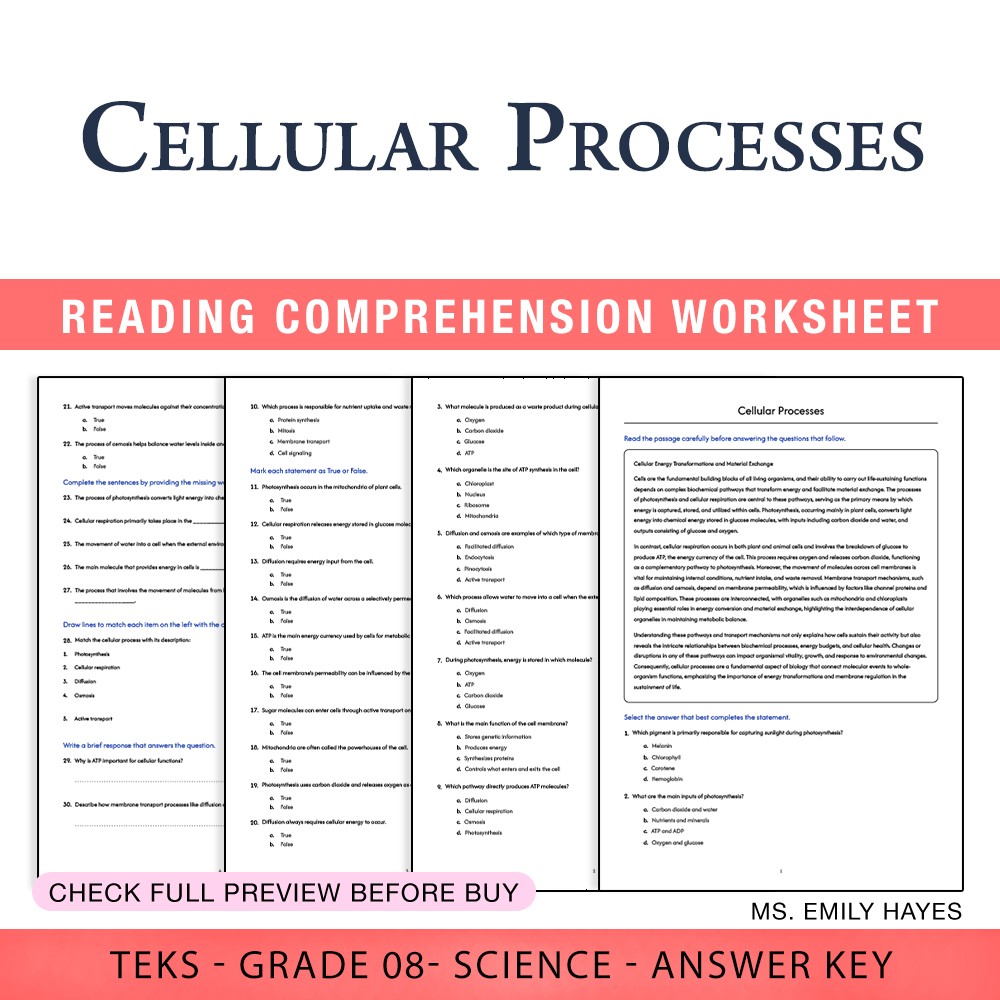
8th Grade Science | Cellular Processes Worksheet (PDF+ Answer Key)
Created byCopper Leaf ClassroomLearning Objectives
- Explain the biochemical pathways of photosynthesis and cellular respiration.
- Describe how membrane transport mechanisms regulate internal conditions in cells.
- Identify the inputs and outputs of photosynthesis and respiration.
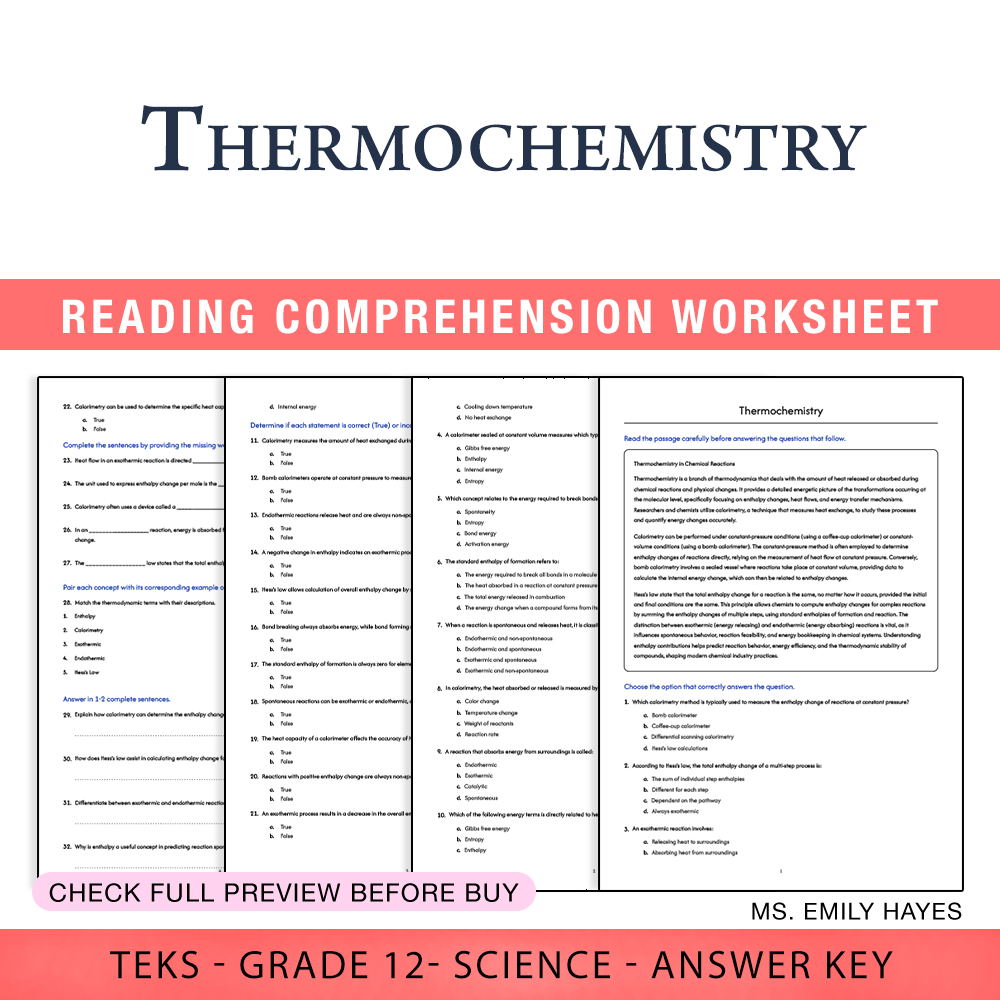
Grade 12 Science | Thermochemistry Worksheet (PDF+ Answer Key)
Created byCopper Leaf ClassroomLearning Objectives
- Explain the concepts of enthalpy, heat flow, and calorimetry in chemical reactions.
- Apply Hess's law to calculate enthalpy changes in multi-step processes.
- Differentiate between exothermic and endothermic reactions based on energy flow.
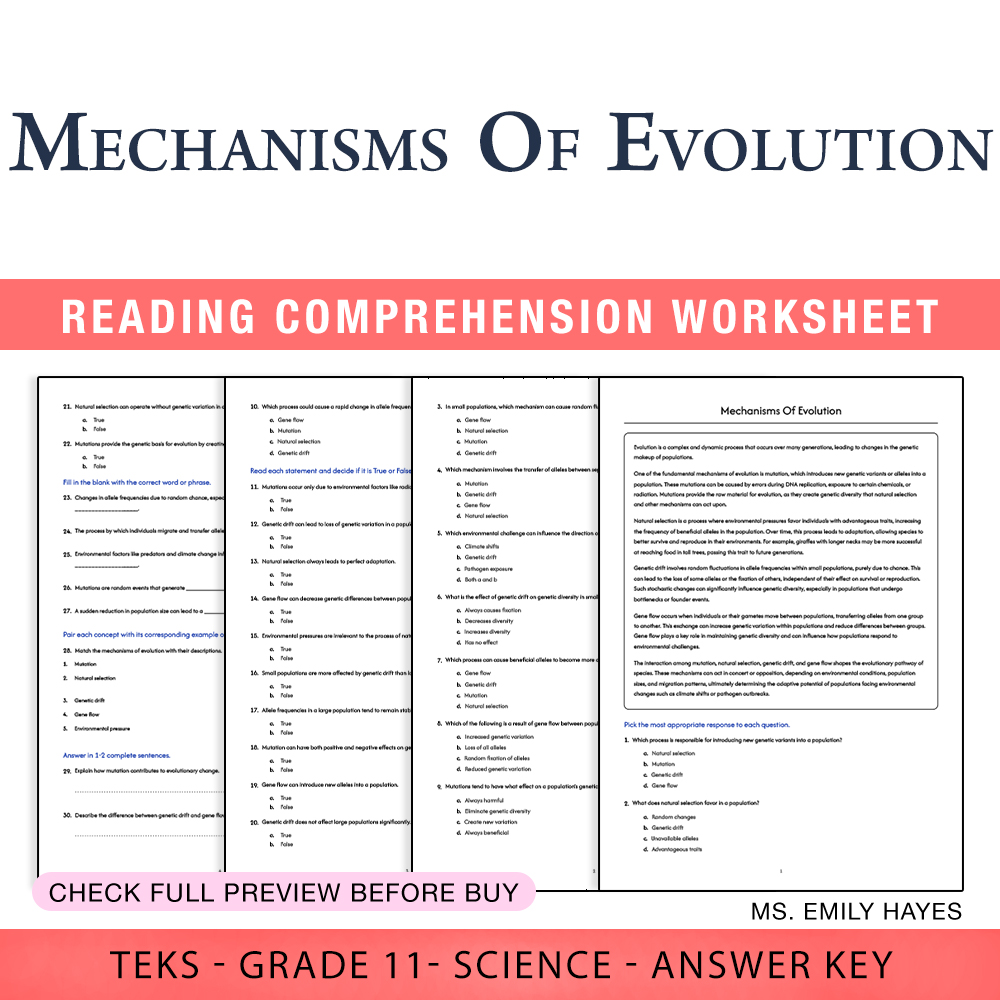
Grade 11 Science | Mechanisms of Evolution Worksheet (PDF+ Answer Key)
Created byCopper Leaf ClassroomLearning Objectives
- Describe the main mechanisms that drive evolutionary change in populations.
- Differentiate between mutation, natural selection, genetic drift, and gene flow.
- Explain how interactions among these processes influence genetic diversity and adaptation.
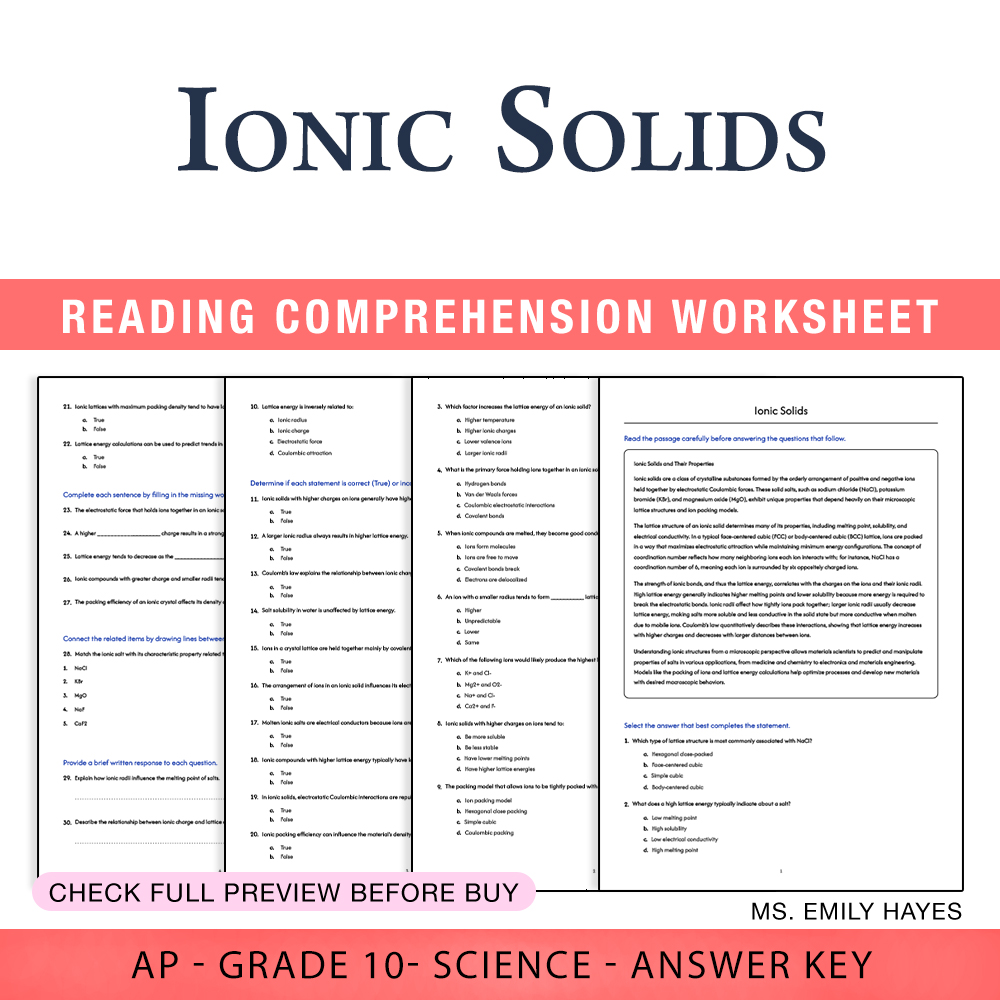
10th Grade Science | Ionic Solids Mastery Worksheet (PDF + Answer Key)
Created byCopper Leaf ClassroomLearning Objectives
- Understand the lattice structures and packing models of ionic solids.
- Explain the role of Coulombic interactions in determining lattice energy.
- Analyze how ionic radii and charge influence melting point, solubility, and conductivity.
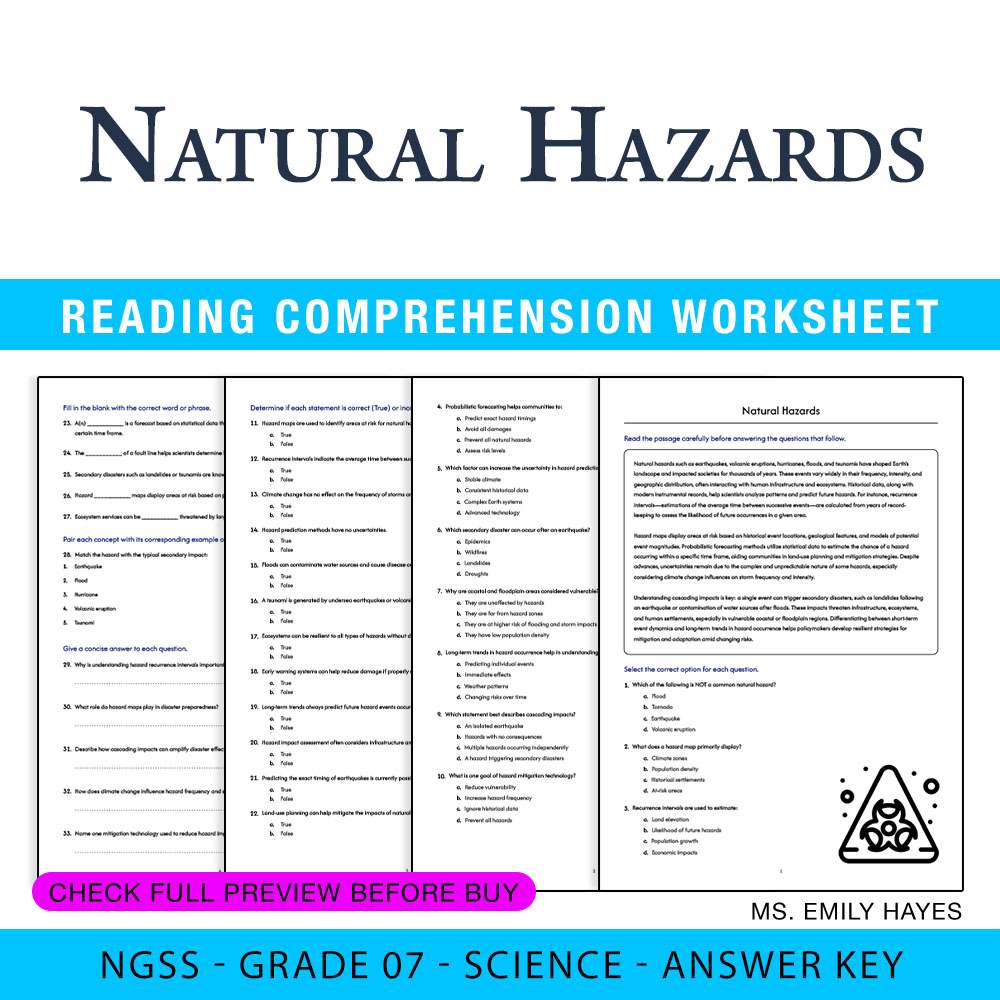
7th Grade Science | Natural Hazards Worksheet (PDF+ Answer Key)
Created byCopper Leaf ClassroomLearning Objectives
- Analyze patterns of frequency and magnitude for different natural hazards.
- Interpret hazard maps, recurrence intervals, and probabilistic data to assess risk.
- Understand the cascading impacts of hazards on infrastructure, ecosystems, and communities.
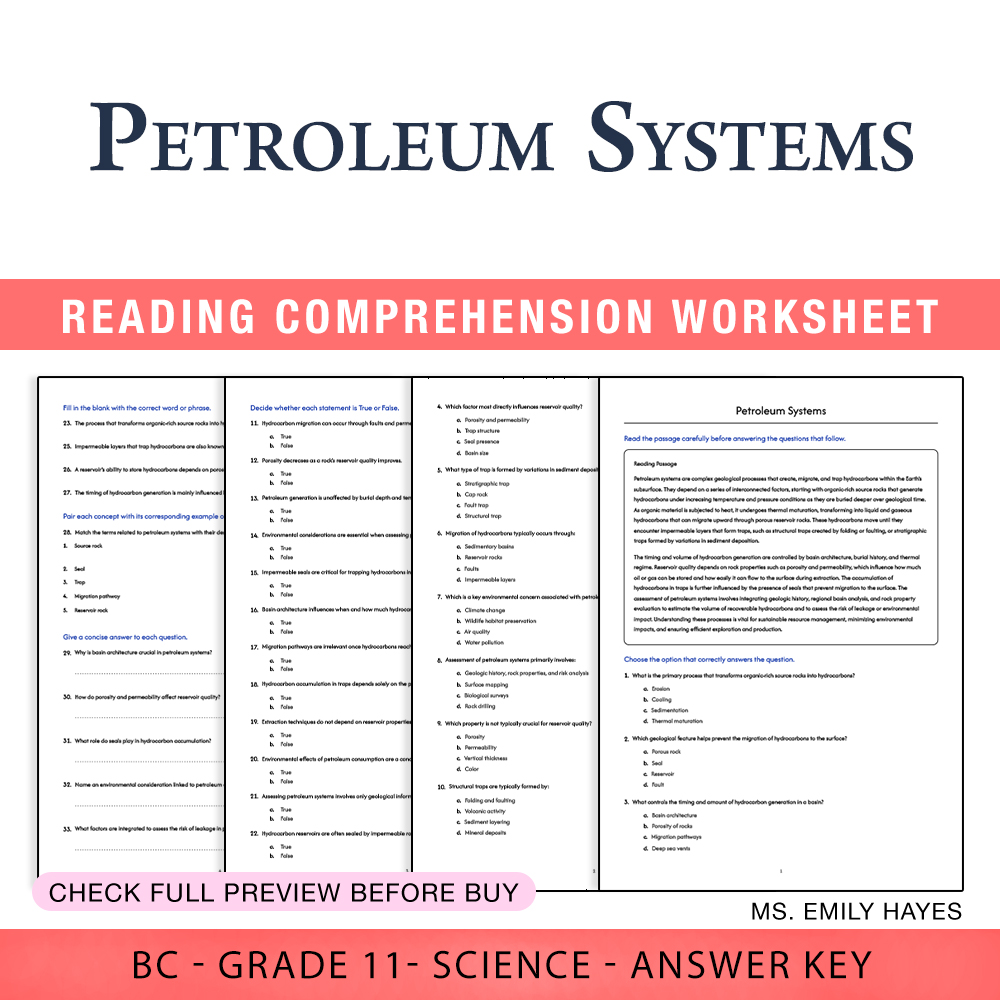
Grade 11 Science | Petroleum Systems Worksheet (PDF + Answer Key)
Created byCopper Leaf ClassroomLearning Objectives
- Describe the components and processes involved in petroleum systems.
- Explain how geological factors affect the generation and accumulation of hydrocarbons.
- Identify methods used to assess the risk and environmental implications of petroleum extraction.
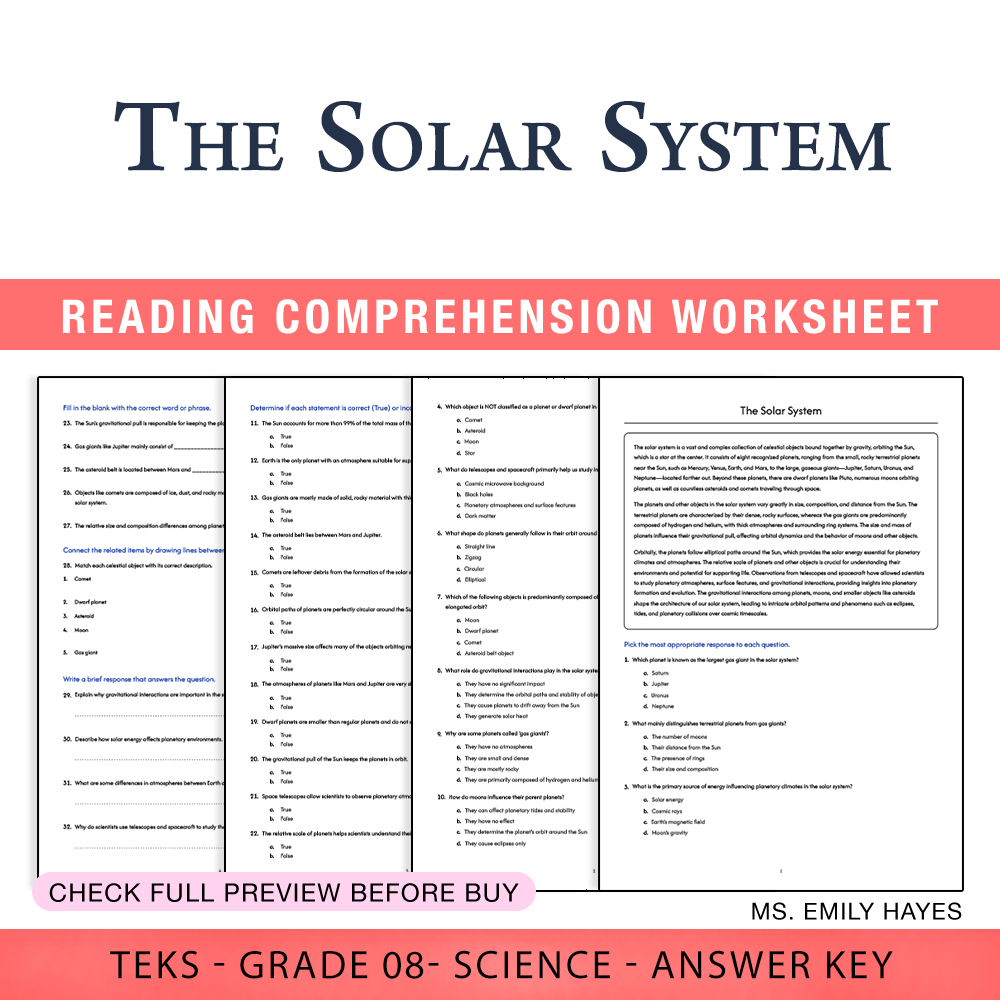
8th Grade Science | The Solar System Worksheet (PDF+ Answer Key)
Created byCopper Leaf ClassroomLearning Objectives
- Describe the main components of the solar system including planets, moons, asteroids, and comets.
- Explain the relative scale and composition differences among terrestrial and gas giant planets.
- Understand orbital characteristics and gravitational interactions within the solar system.
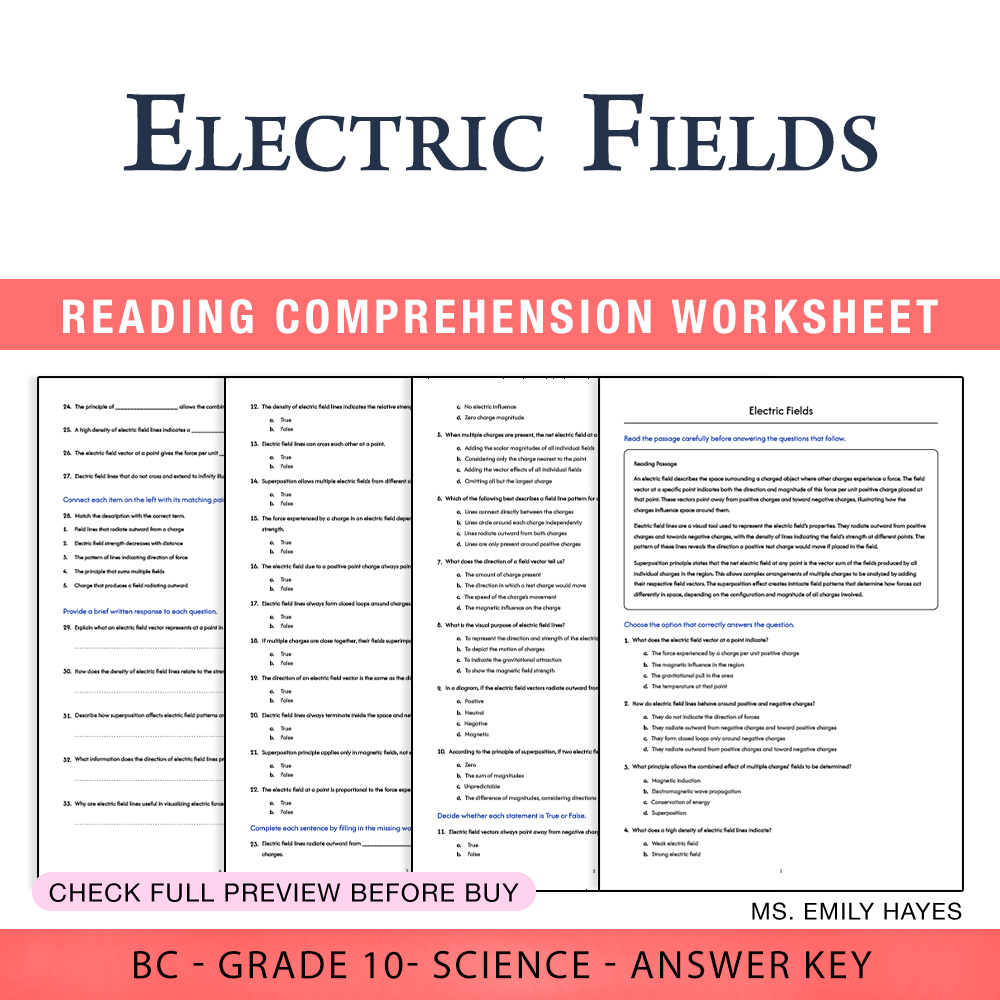
Grade 10 Science | Electric Fields Worksheet (PDF+ Answer Key)
Created byCopper Leaf ClassroomLearning Objectives
- Describe the concept of an electric field and how it affects charges in space.
- Interpret the meaning of field vectors and how they indicate force direction and magnitude.
- Explain how electric field lines represent the influence of positive and negative charges.
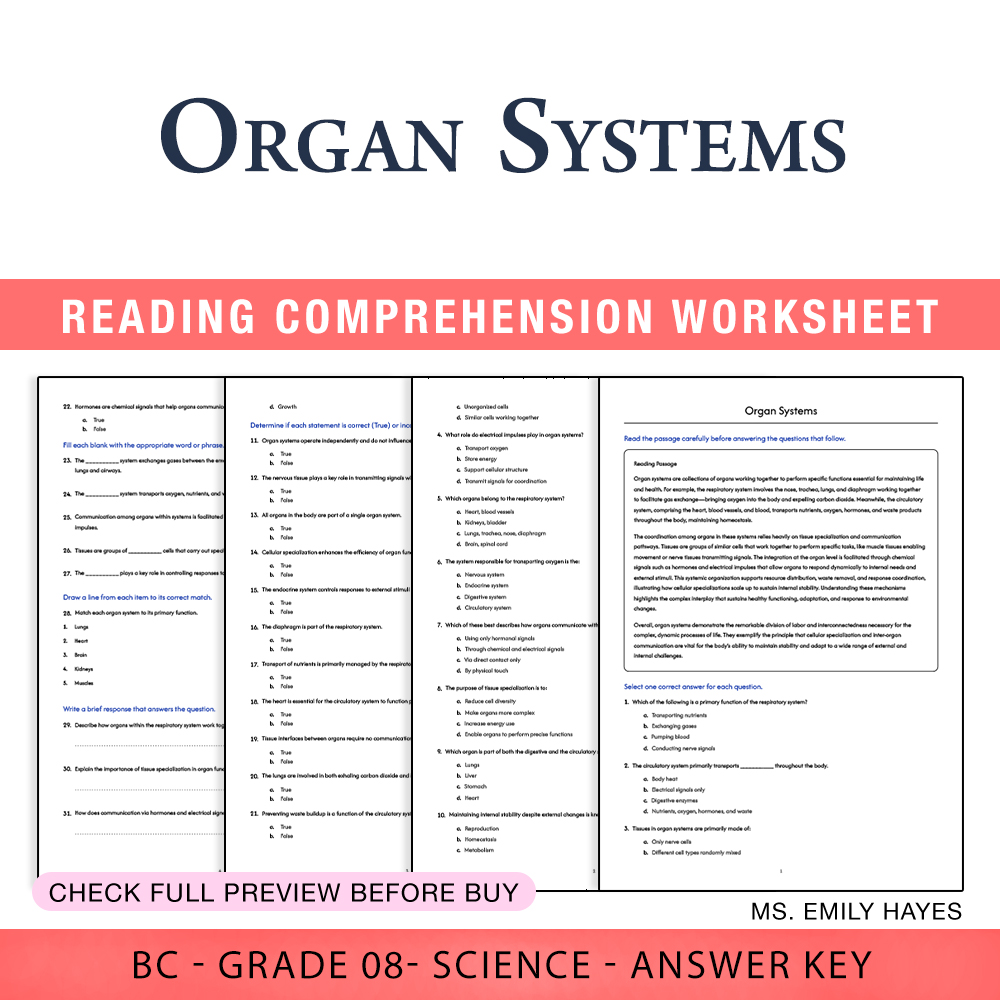
8th Grade Science | Organ Systems Worksheet (PDF+ Answer Key)
Created byCopper Leaf ClassroomLearning Objectives
- Identify the major organ systems and their functions within the human body.
- Explain how organs within a system collaborate to perform physiological tasks.
- Analyze the significance of tissue specialization and communication pathways in maintaining internal stability.
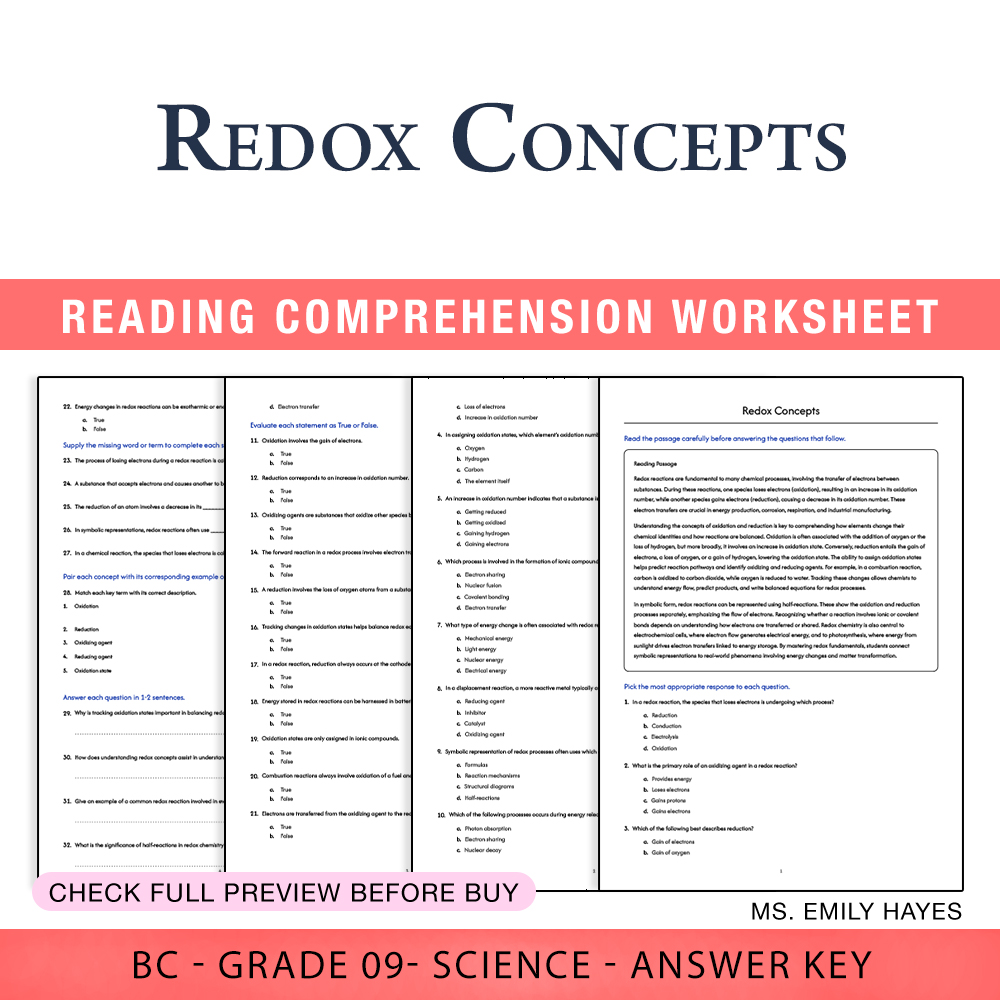
Grade 9 Science | Redox Concepts Worksheet (PDF+ Answer Key)
Created byCopper Leaf ClassroomLearning Objectives
- Explain the basic principles of oxidation and reduction in redox reactions.
- Identify oxidation states of elements in chemical equations.
- Track electron transfer to determine oxidizing and reducing agents.
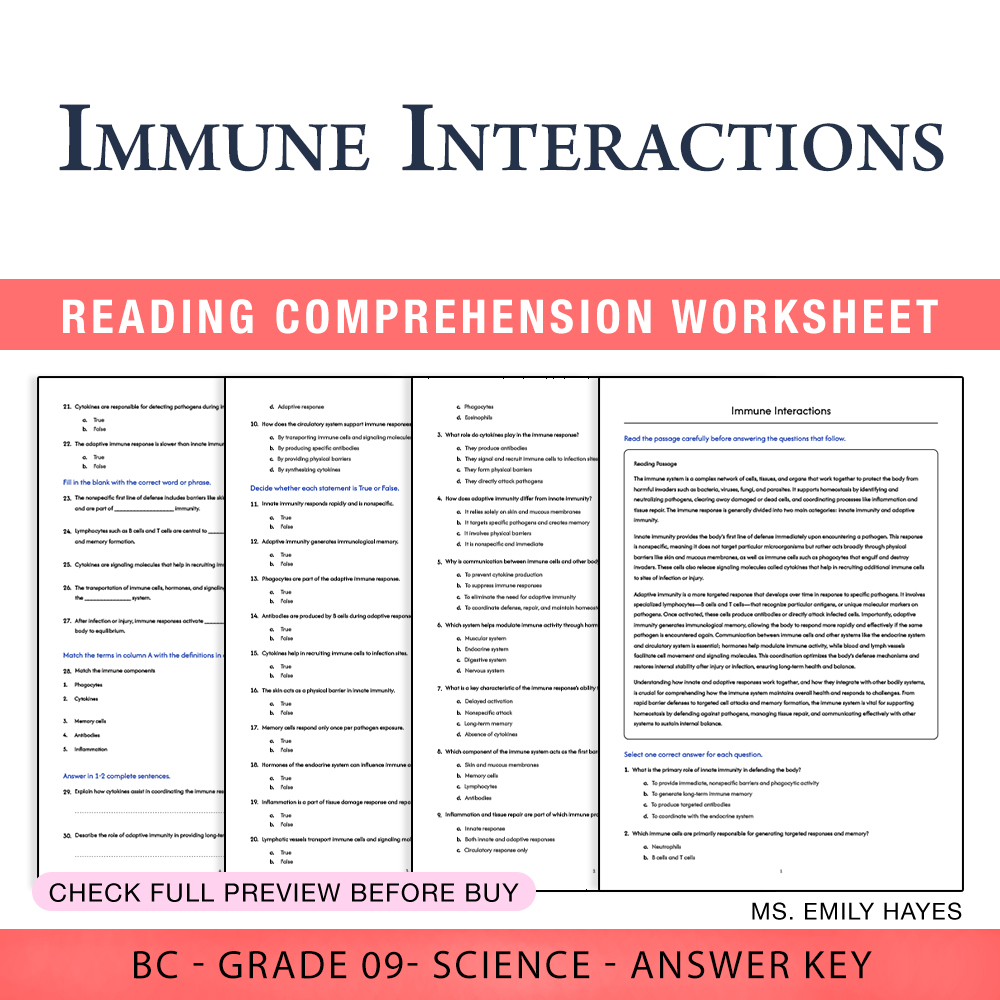
Grade 9 Science | Immune Interactions Worksheet (PDF+ Answer Key)
Created byCopper Leaf ClassroomLearning Objectives
- Describe the roles of innate and adaptive immune responses in maintaining homeostasis.
- Identify key components and functions of the immune system when defending against pathogens.
- Explain how immune communication integrates with other bodily systems, including endocrine and circulatory pathways.
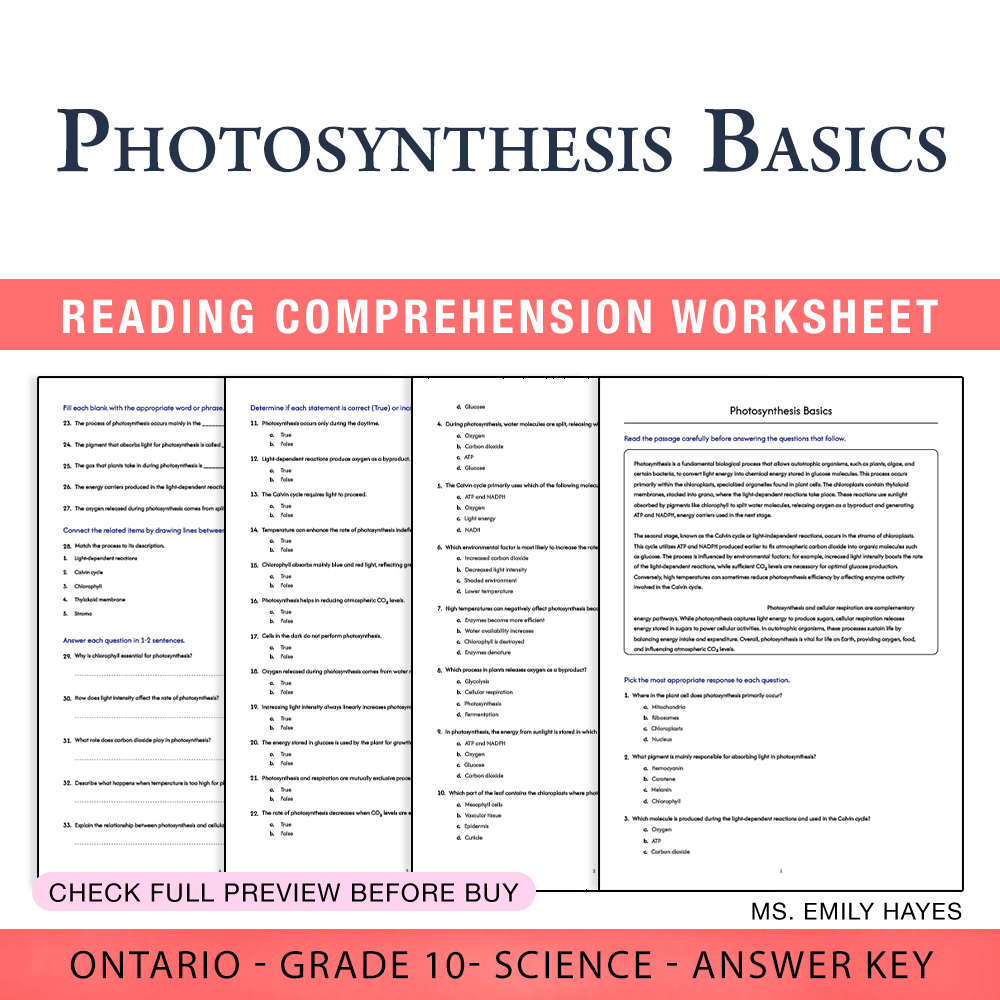
10th Grade Science | Photosynthesis Basics Worksheet (PDF + Answer Key)
Created byCopper Leaf ClassroomLearning Objectives
- Describe the process of photosynthesis, including light-dependent reactions and the Calvin cycle.
- Identify the role of chloroplasts, pigments, and key molecules involved in photosynthesis.
- Explain how environmental factors such as light intensity, CO₂ levels, and temperature influence photosynthesis rate.
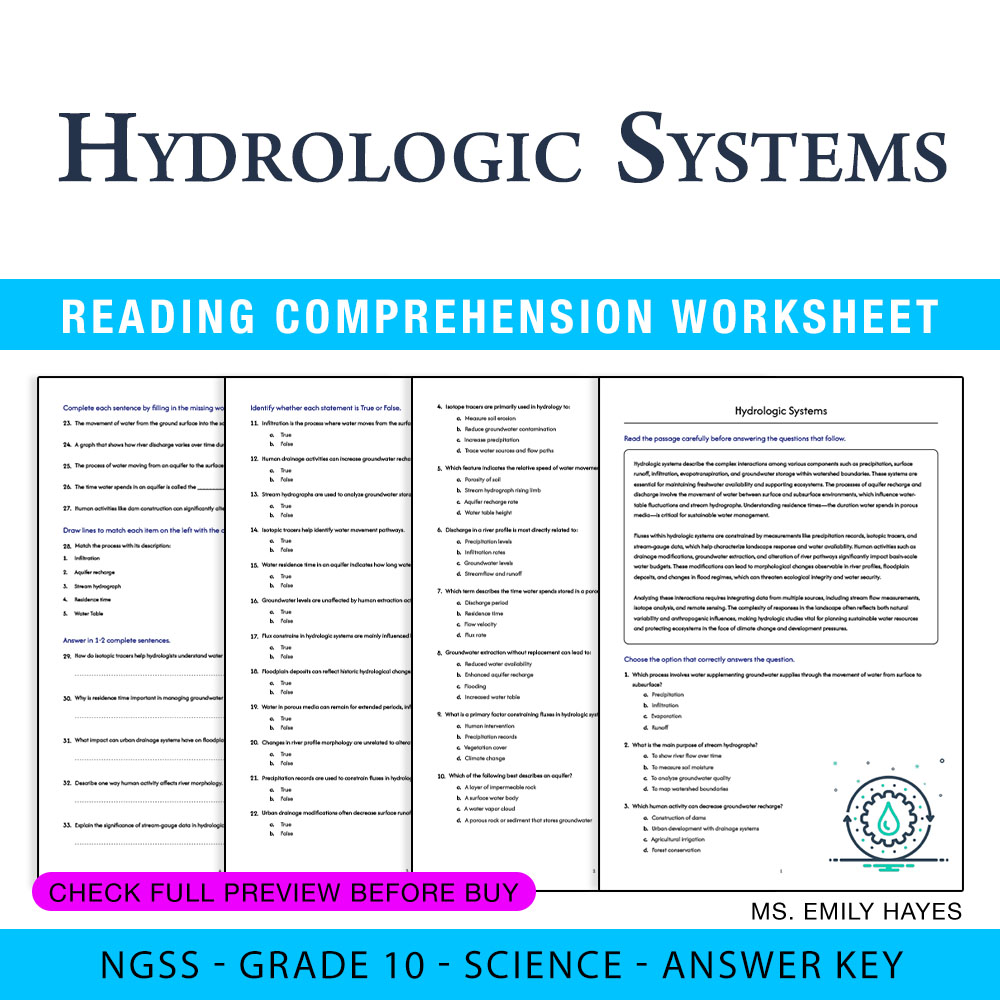
Grade 10 Science | Hydrologic Systems Worksheet (PDF+ Answer Key)
Created byCopper Leaf ClassroomLearning Objectives
- Understand the key components and processes of hydrologic systems within watersheds.
- Analyze how human activities influence water budgets and landscape features.
- Interpret data related to precipitation, streamflow, and groundwater.
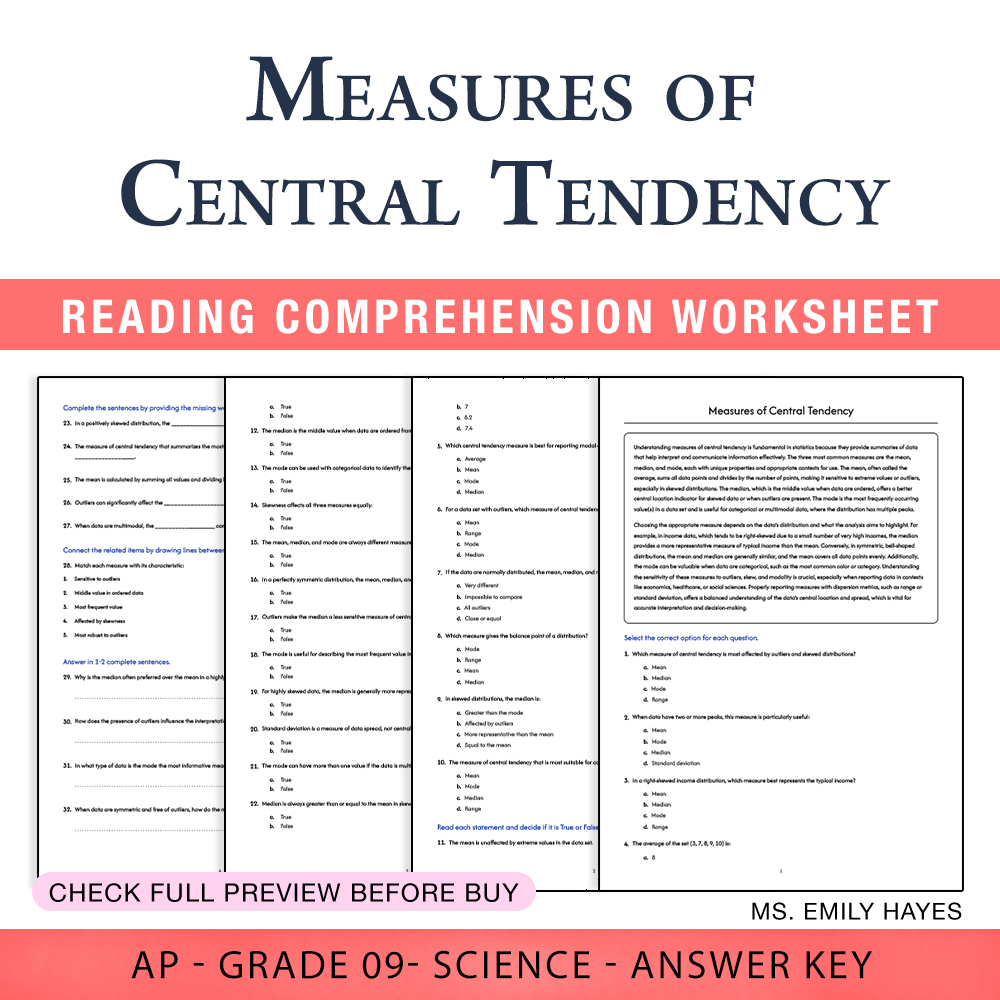
9th Grade Science | Measures of Central Tendency Worksheet (PDF+ Answer Key)
Created byCopper Leaf ClassroomLearning Objectives
- Explain the differences between mean, median, and mode and their appropriate contexts.
- Analyze how skewness, outliers, and multimodality influence the choice of central tendency measure.
- Connect the selection of a central tendency to the underlying distribution or data-generating process.

Grade 6 Science | Wave Interactions Worksheet (PDF+ Answer Key)
Created byCopper Leaf ClassroomLearning Objectives
- Describe how wave interference can be constructive or destructive and how it affects energy.
- Explain the concepts of superposition, resonance, and damping in wave behavior.
- Identify real-world examples of wave interactions in sound and light phenomena.
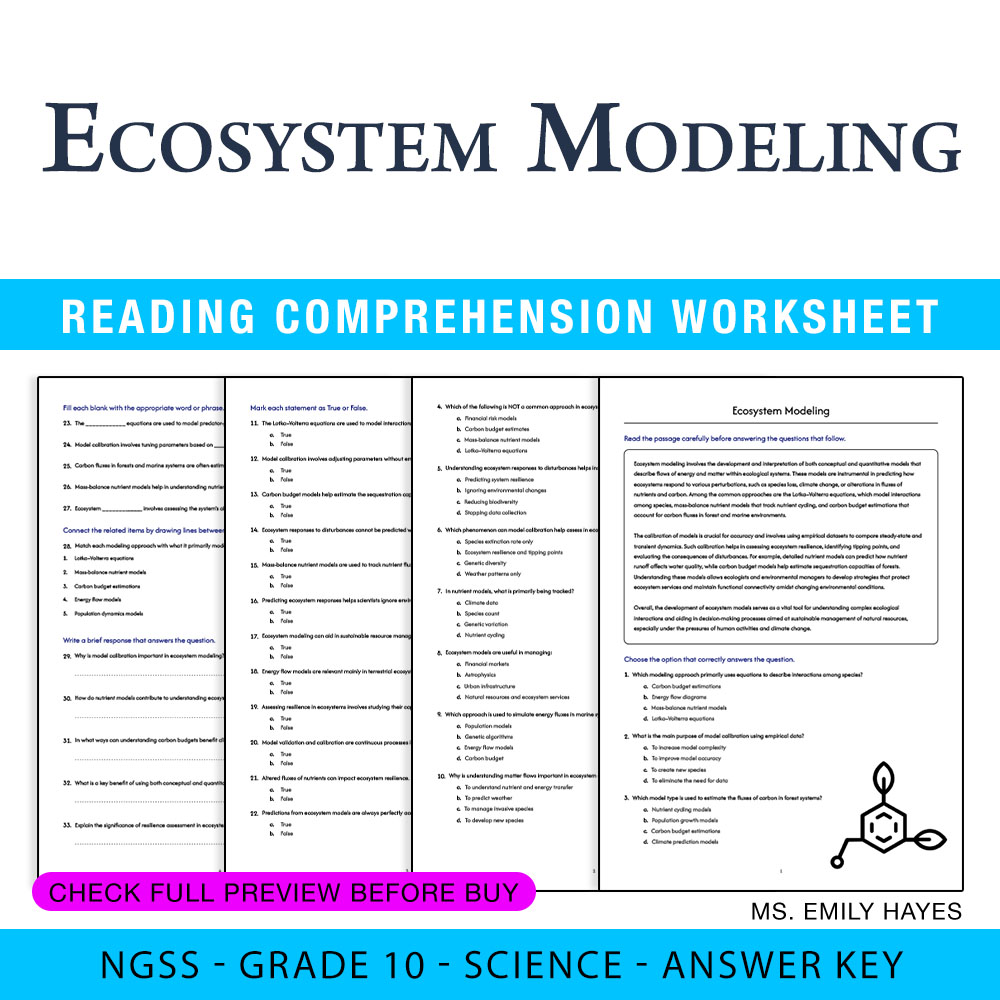
10th Grade Science | Ecosystem Modeling Worksheet (PDF + Answer Key)
Created byCopper Leaf ClassroomLearning Objectives
- Understand the principles of ecosystem modeling including energy and matter flows
- Interpret both conceptual and quantitative models such as Lotka–Volterra equations and nutrient models
- Analyze the responses of ecosystems to perturbations using modeling approaches
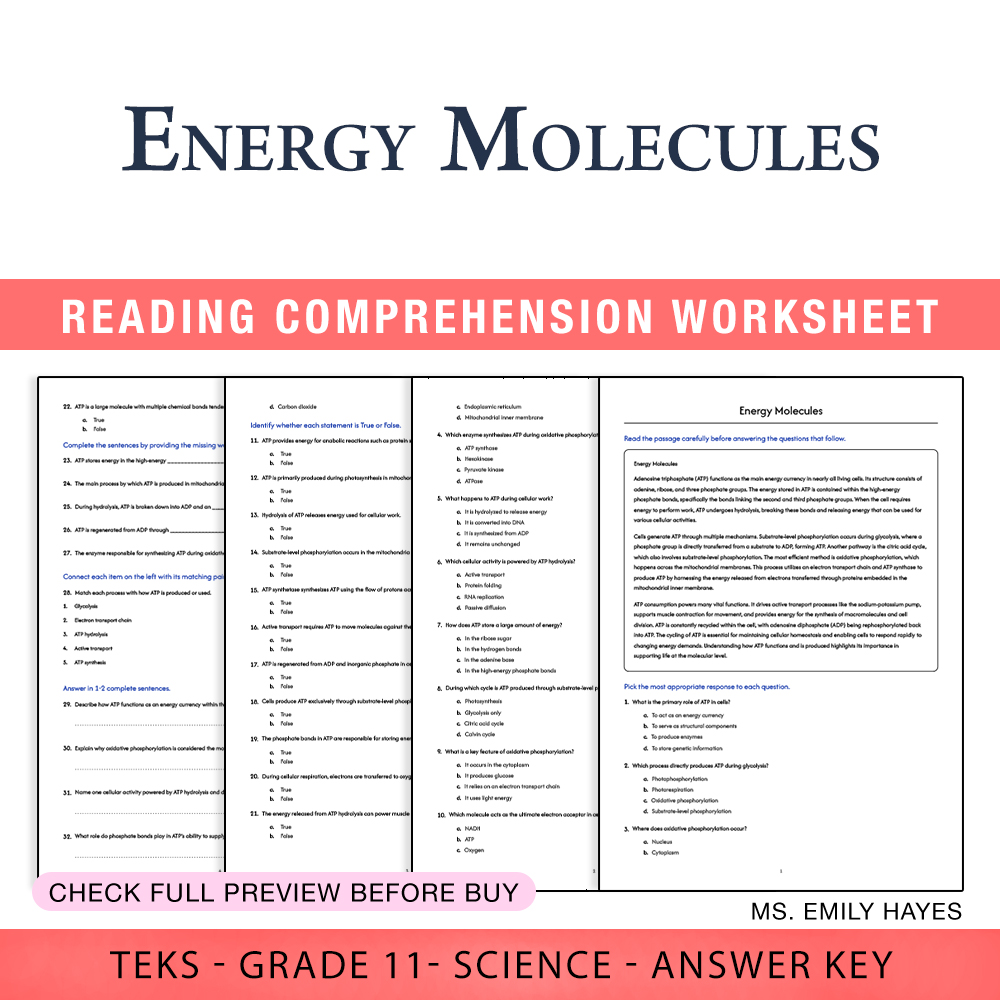
Grade 11 Science | Energy Molecules Worksheet (PDF+ Answer Key)
Created byCopper Leaf ClassroomLearning Objectives
- Describe the role of ATP as the primary energy carrier in cells.
- Explain how ATP is produced via substrate-level and oxidative phosphorylation.
- Identify cellular processes powered by ATP consumption, such as active transport and mechanical work.
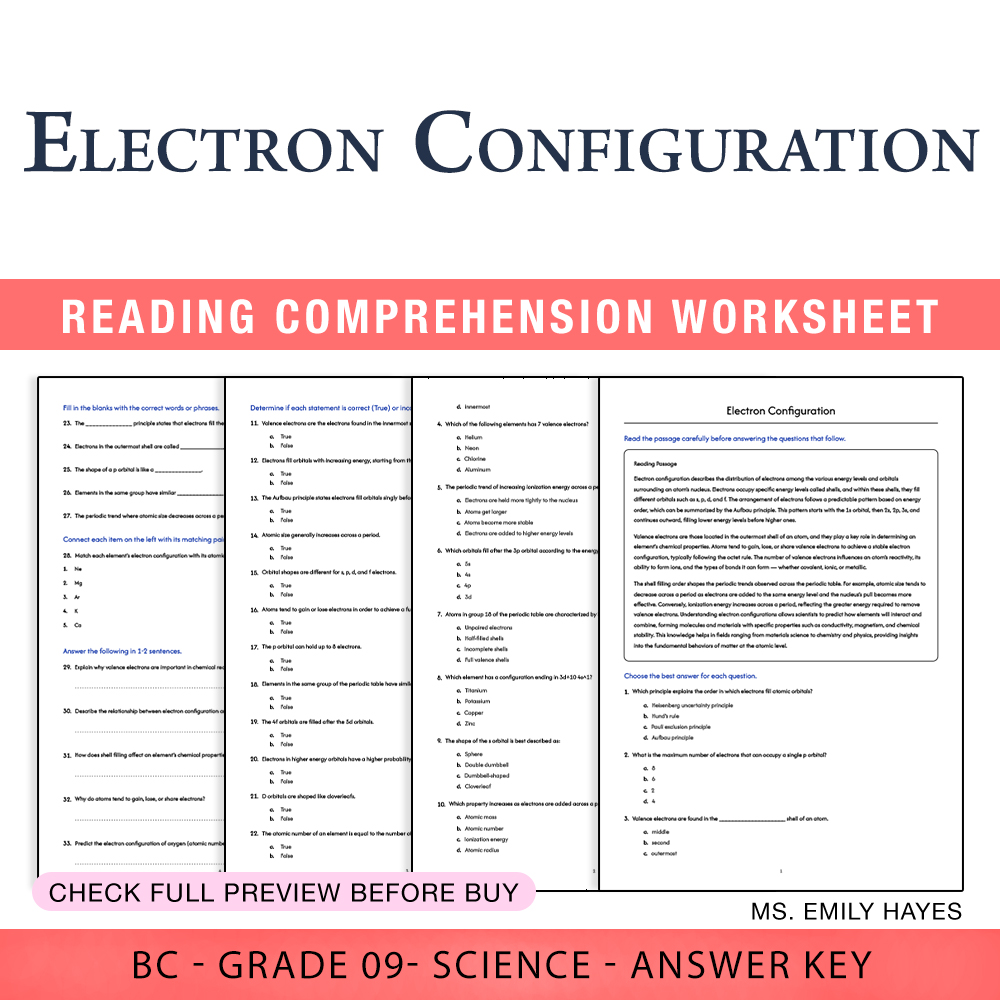
9th Grade Science | Electron Configuration Worksheet (PDF+ Answer Key)
Created byCopper Leaf ClassroomLearning Objectives
- Describe how electrons are distributed among energy levels and orbitals.
- Explain the importance of valence electrons in chemical reactivity and bonding.
- Identify the order in which electron shells are filled.
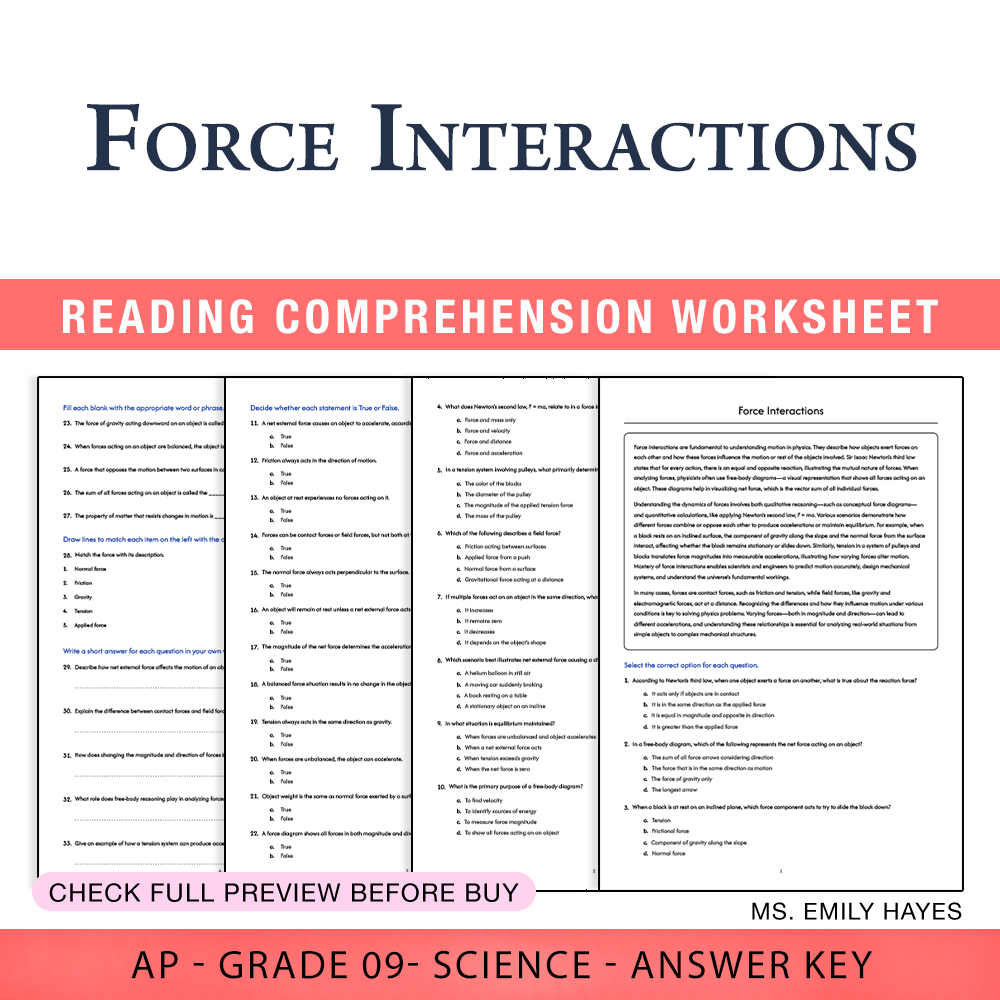
9th Grade Science | Force Interactions Worksheet (PDF+ Answer Key)
Created byCopper Leaf ClassroomLearning Objectives
- Explain the relationship between net external forces and changes in an object's motion using Newtonian dynamics.
- Interpret and analyze force diagrams and free-body diagrams to determine forces acting on objects.
- Calculate acceleration resulting from different force interactions in scenarios such as inclined planes and tension systems.
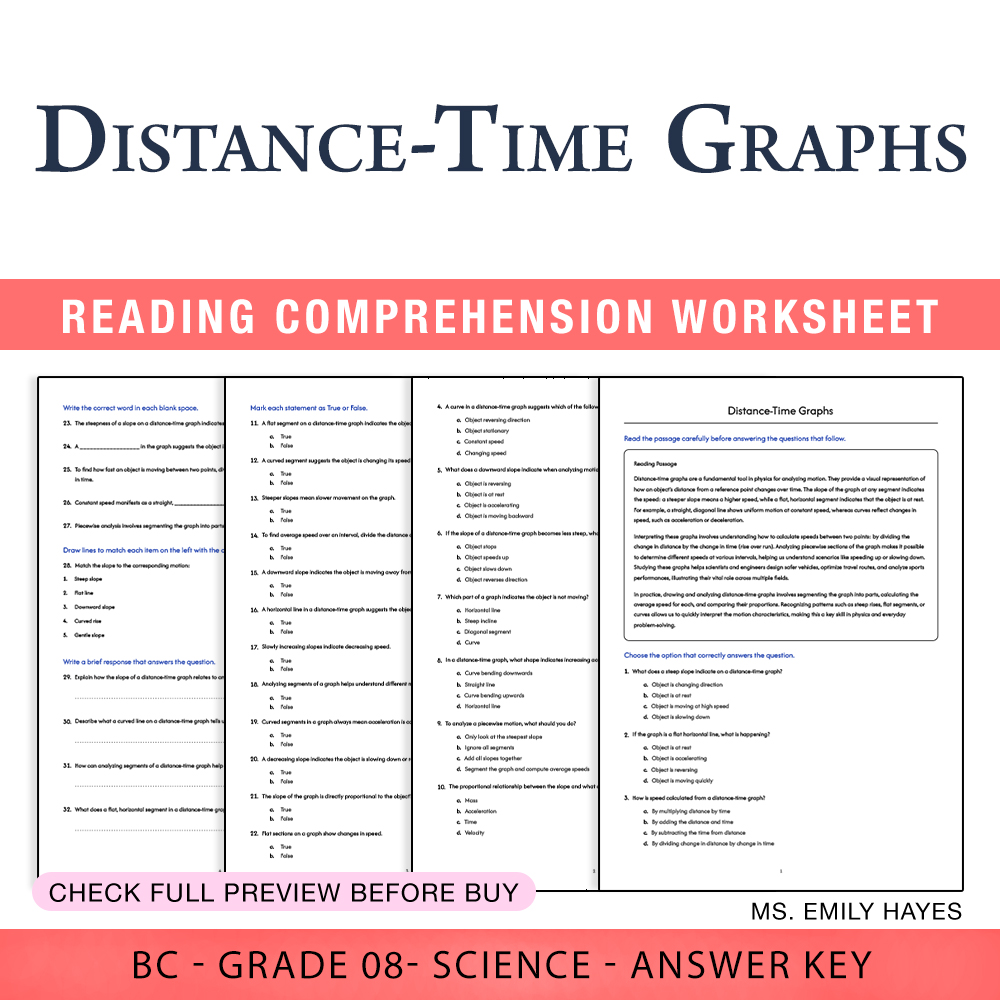
Grade 8 Science | Distance-Time Graphs Worksheet (PDF+ Answer Key)
Created byCopper Leaf ClassroomLearning Objectives
- Understand how to interpret distance-time graphs and what information they convey about motion.
- Learn to calculate speed using the slope of a distance-time graph and analyze different types of motion such as constant, increasing, or decreasing speed.

8th Grade Science | Experimental Design Worksheet (PDF+ Answer Key)
Created byCopper Leaf ClassroomLearning Objectives
- Understand the key components of experimental design, including hypothesis formulation and operational definitions.
- Identify control conditions, replication, and measurement criteria used in experiments.
- Analyze the manipulation of independent variables and measurement of dependent variables in scientific studies.
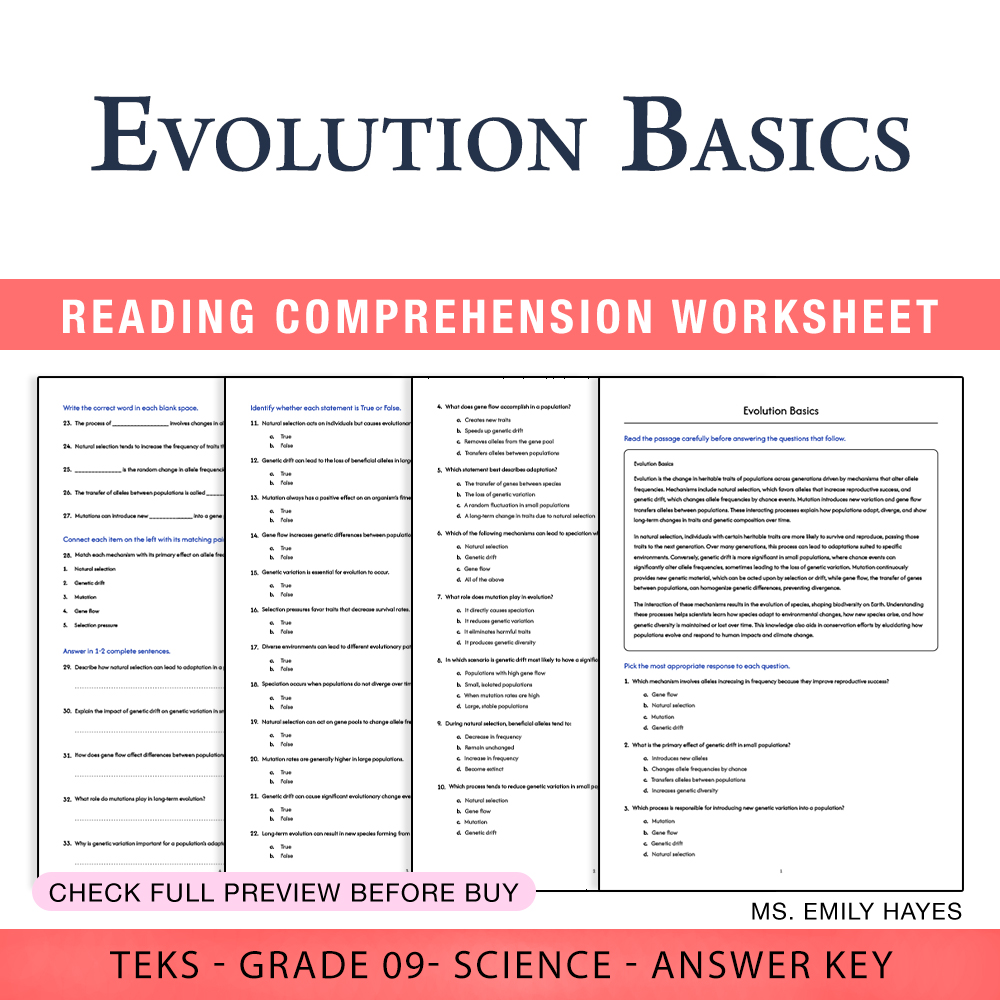
Grade 9 Science | Evolution Basics Worksheet (PDF+ Answer Key)
Created byCopper Leaf ClassroomLearning Objectives
- Understand the fundamental mechanisms driving evolution, including natural selection, genetic drift, mutation, and gene flow.
- Describe how these mechanisms influence allele frequencies and contribute to long-term changes in populations.
- Explain the roles of adaptation, divergence, and variation in the evolution of species.
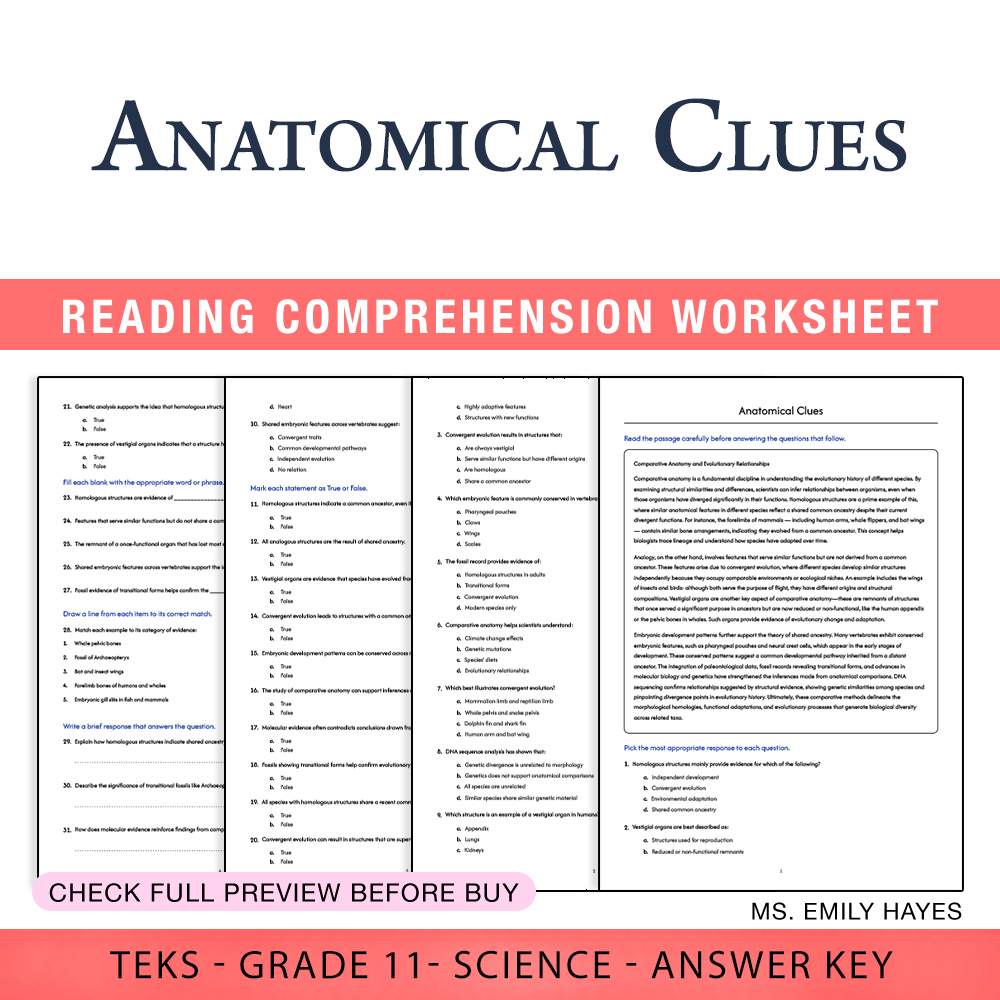
11th Grade Science | Anatomical Clues Worksheet (PDF+ Answer Key)
Created byCopper Leaf ClassroomLearning Objectives
- Understand the role of homologous and analogous structures in evolutionary relationships.
- Identify vestigial organs and conserved embryonic patterns as evidence of shared ancestry.
- Interpret how paleontological and molecular evidence support anatomical comparisons.
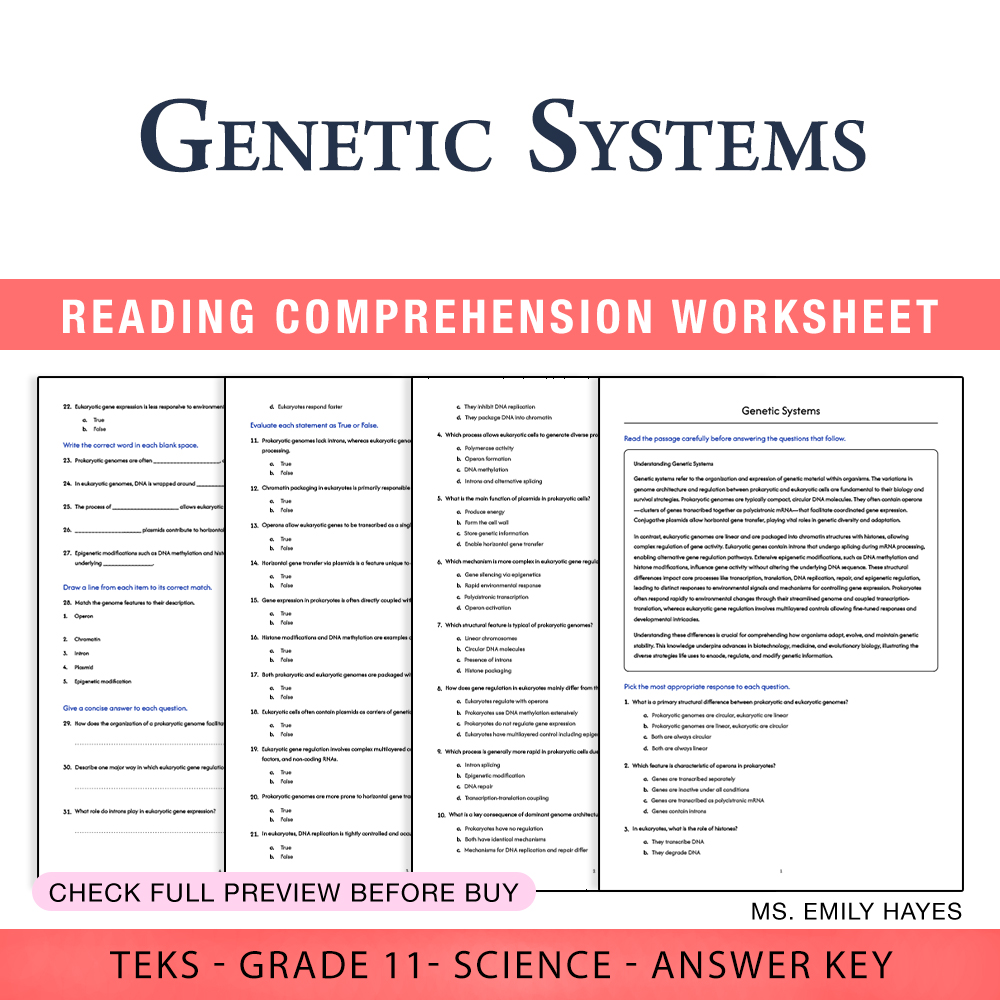
11th Grade Science | Genetic Systems Worksheet (PDF+ Answer Key)
Created byCopper Leaf ClassroomLearning Objectives
- Compare genome organization and gene expression mechanisms in prokaryotes and eukaryotes.
- Identify key differences in genome structure, regulation, and replication.
- Explain how genome features influence responses to environmental signals.
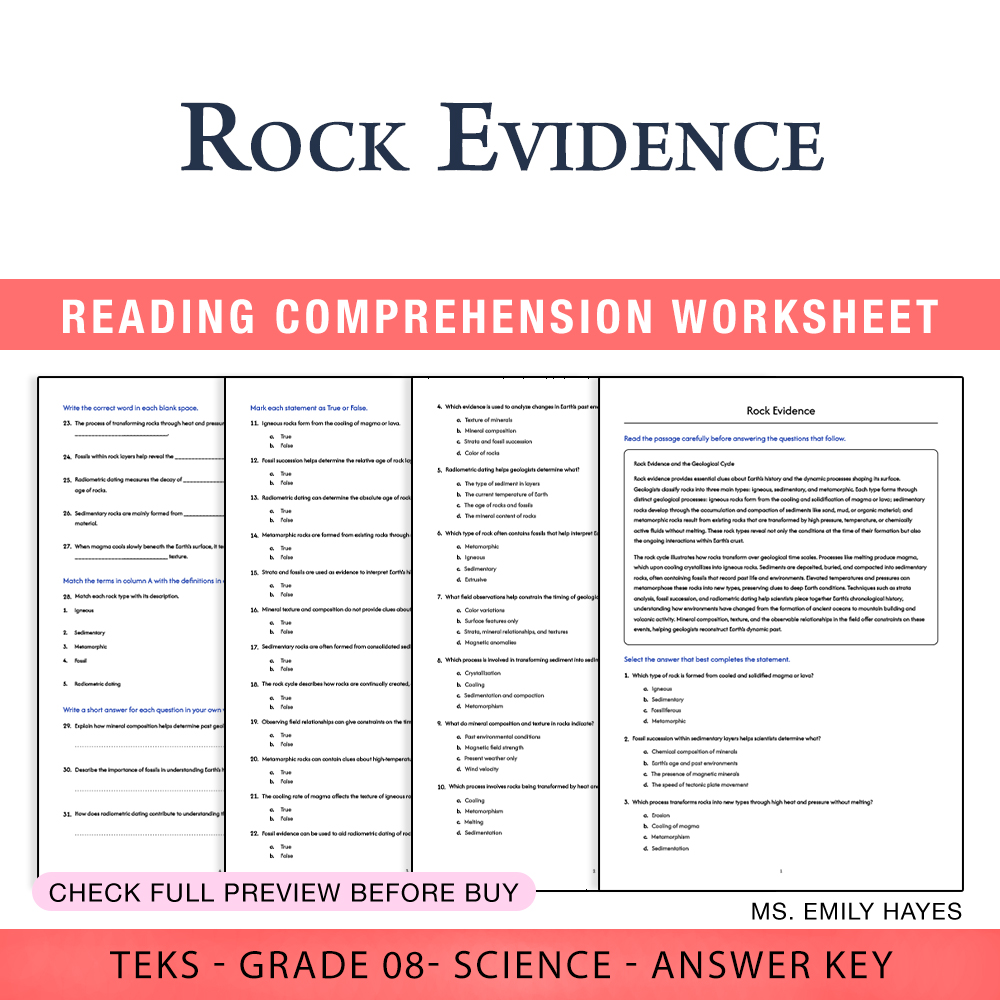
8th Grade Science | Rock Evidence Worksheet (PDF+ Answer Key)
Created byCopper Leaf ClassroomLearning Objectives
- Classify rocks into igneous, sedimentary, and metamorphic types based on their formation and properties.
- Describe the processes involved in the rock cycle, including melting, cooling, sedimentation, compaction, and metamorphism.
- Use methods such as strata analysis, fossil succession, and radiometric dating to interpret Earth's geological history.
Browse more categories
About Science Worksheets
Find Science worksheets spanning core skills, practice, and review. All 42,859 resources are instant PDF downloads for the classroom or home.
Every worksheet on MyTeachingSheets is created by independent teacher-authors and reviewed before publication. All resources download as printable PDFs for classroom, homework, or at-home practice, and many include answer keys. Preview any worksheet free before buying.