
Science Worksheets
42,859 subject resources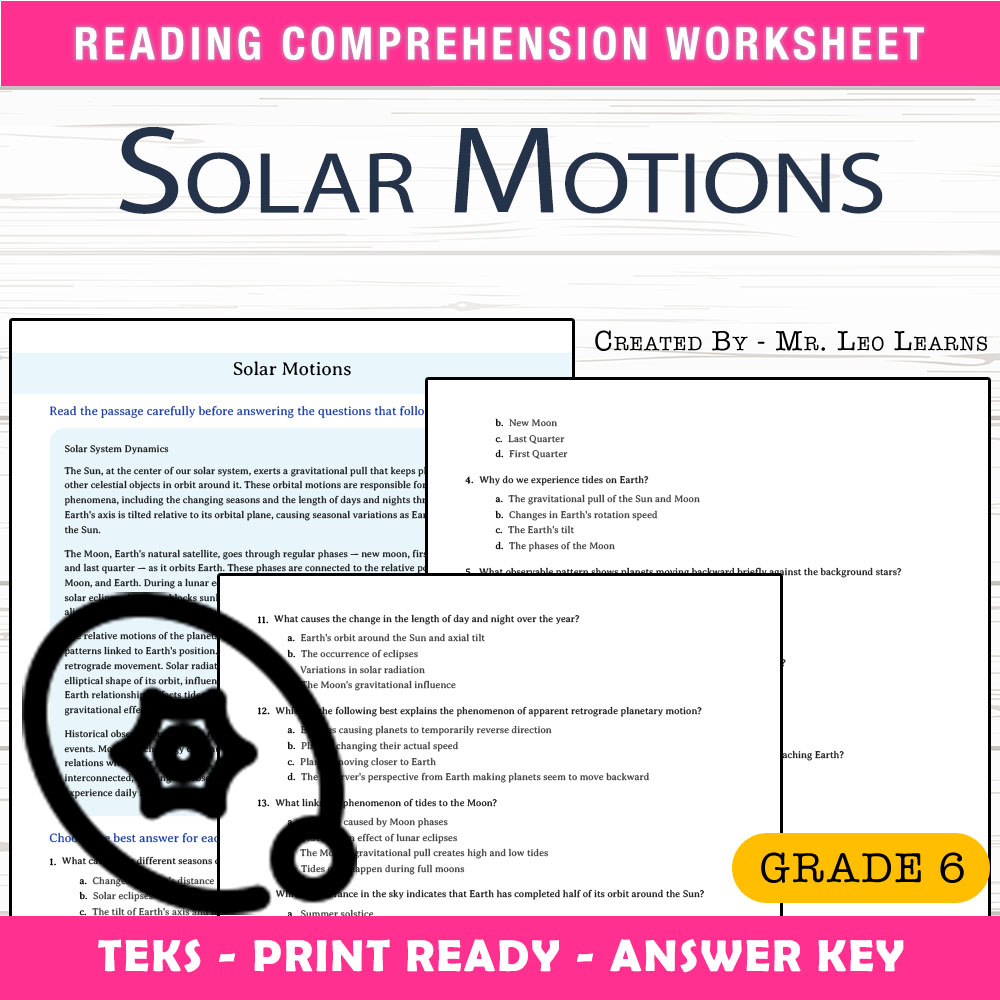
Grade 6 Science – Solar Motions Worksheet for Mastery
 Created byThe Resource Hub
Learning Objectives
- Understand the orbital motions of planets and their effects on seasons and day length.
- Describe the phases of the Moon and the phenomena of eclipses.
- Explain how the relative motions of the Sun, Moon, and Earth influence tides and observable sky patterns.
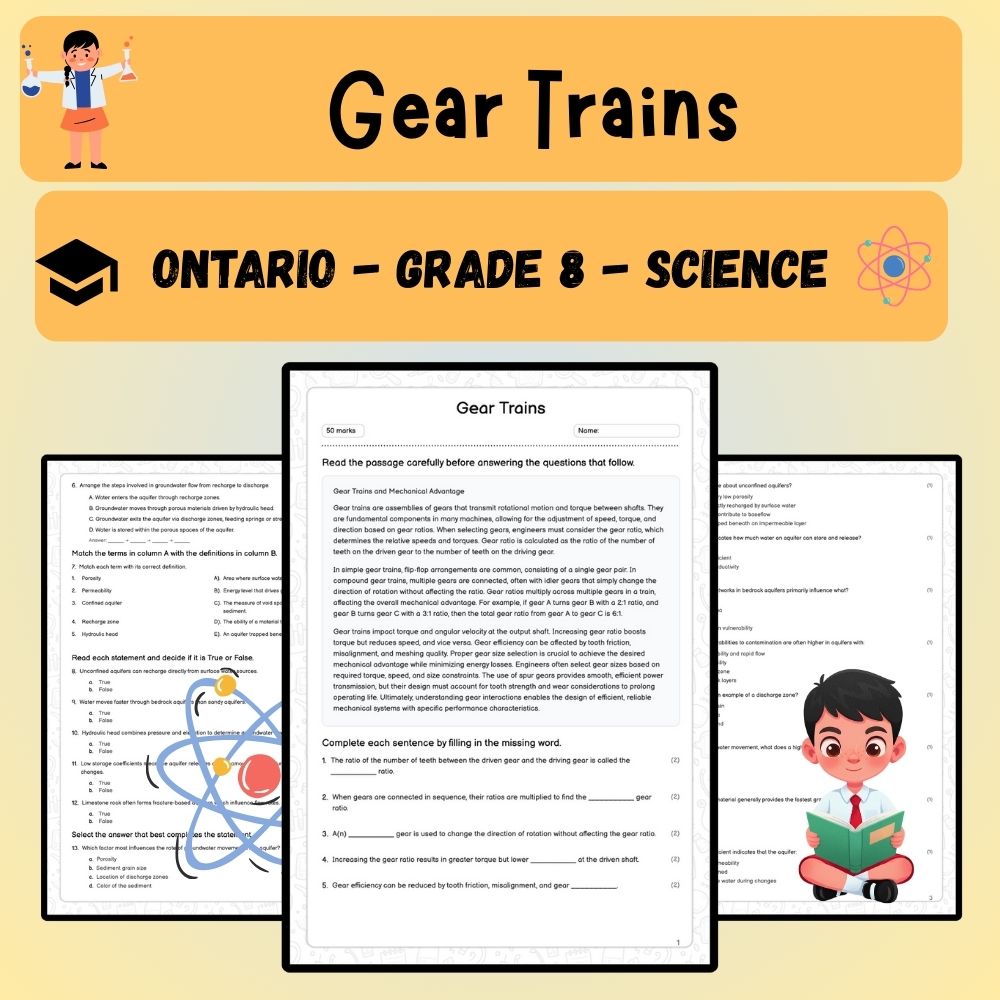
Grade 8 Science – Gear Trains Worksheet (PDF ) with Answer Key
 Created byPrism Point Learning
Learning Objectives
- Understand the basic principles of gear ratios, torque multiplication, and speed trade-offs in gear trains.
- Calculate overall gear ratios and analyze the effects of gear interactions on torque and rotational speed.
- Identify the roles of spur gears and idler gears within simple and compound gear trains.
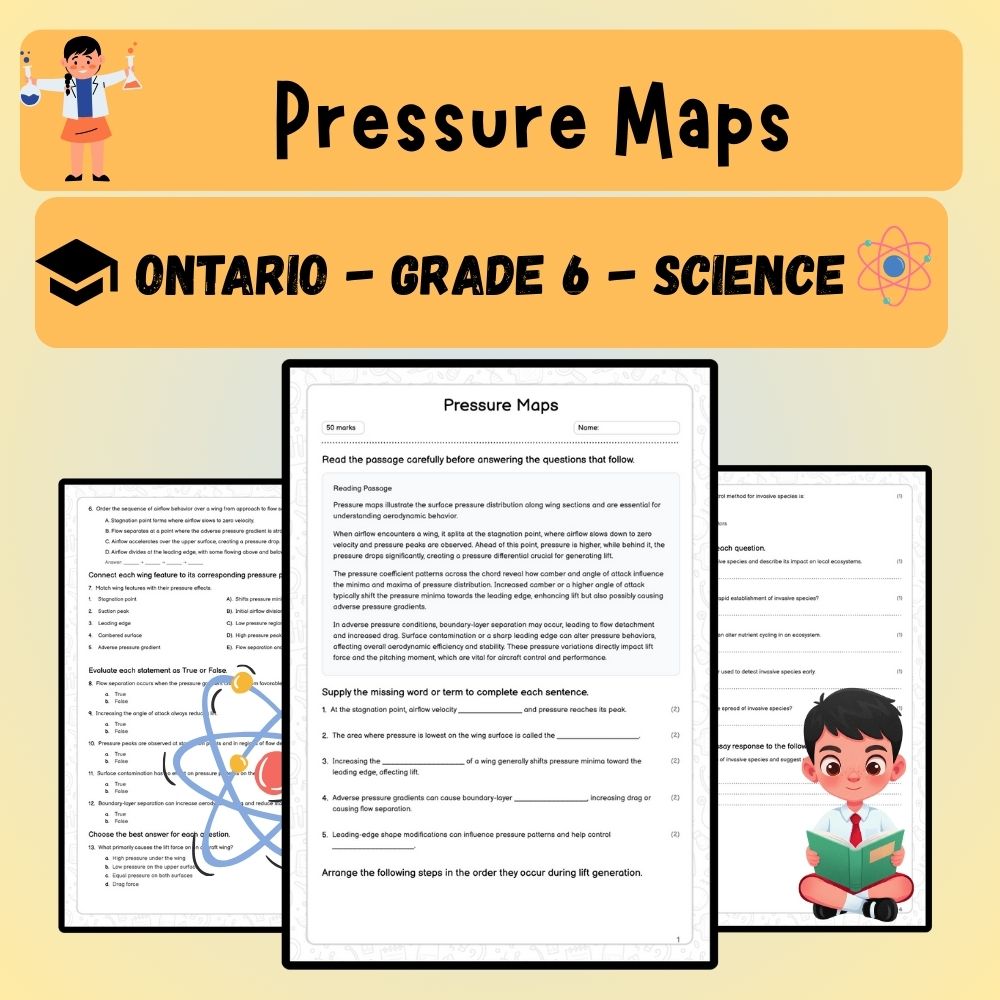
Grade 6 Science – Pressure Maps Worksheet (PDF ) | Ontario Standards
Created byPrism Point LearningLearning Objectives
- Describe the principles of pressure distribution around wing sections.
- Explain how pressure differences contribute to lift and stability in flight.
- Identify features of pressure patterns such as stagnation points and suction peaks.
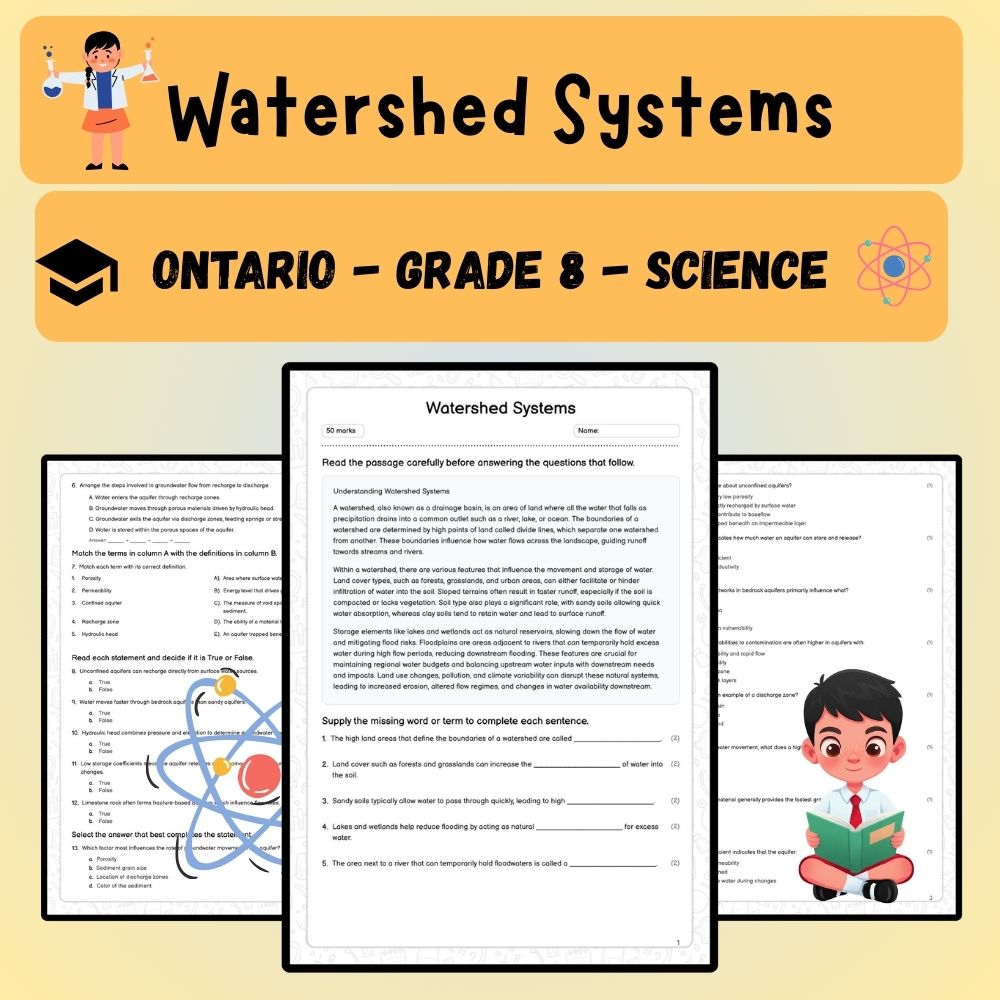
Grade 8 Science | Watershed Systems Worksheet (PDF) – Ontario Standards
Created byPrism Point LearningLearning Objectives
- Describe the characteristics of drainage basins and watershed boundaries.
- Explain how land cover, slope, and soil type influence runoff and infiltration.
- Identify storage elements such as lakes, wetlands, and floodplains as flow modulators.
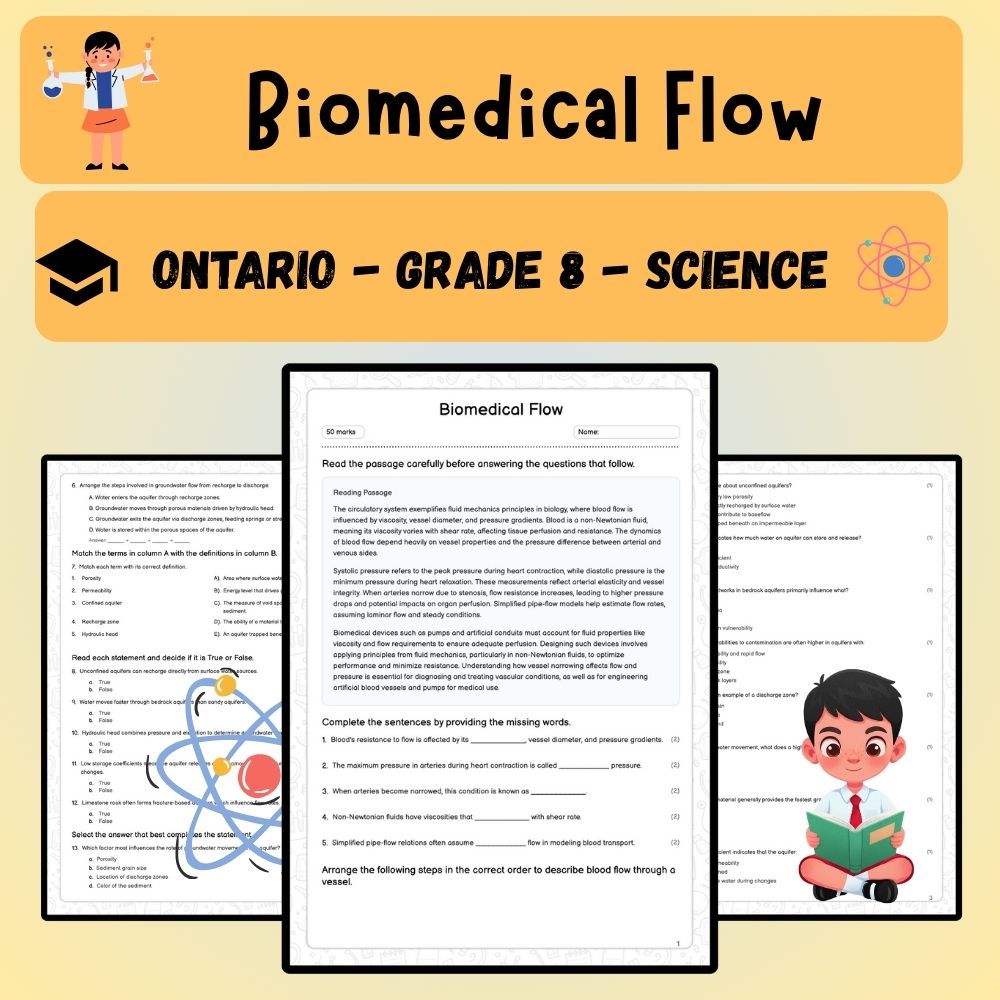
Grade 8 Science | Biomedical Flow Worksheet (PDF) – Ontario Standards
Created byPrism Point LearningLearning Objectives
- Understand how non-Newtonian properties influence blood perfusion and flow resistance.
- Relate systolic and diastolic blood pressures to arterial function.
- Analyze the effects of narrowing (stenosis) on blood flow and pressure.
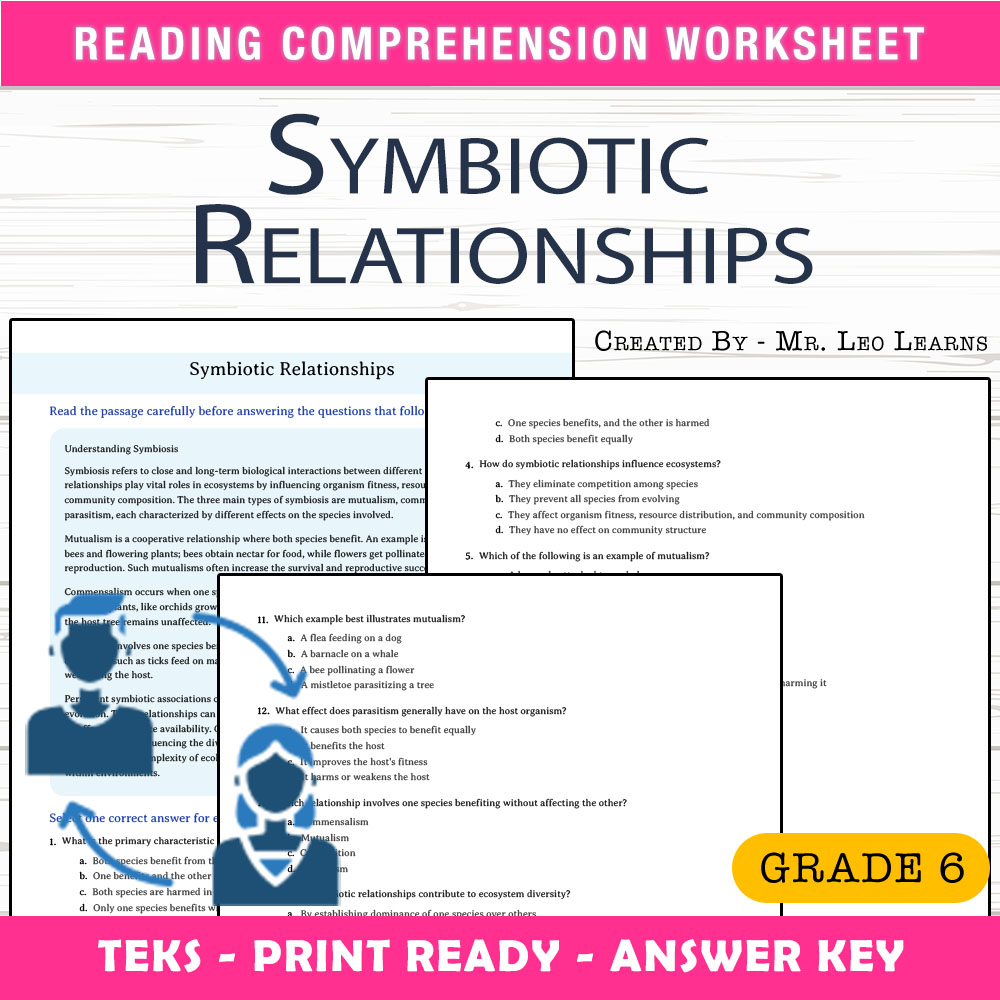
Grade 6 Science — Symbiotic Relationships Worksheet for Mastery
Created byThe Resource HubLearning Objectives
- Understand the different types of symbiotic relationships—mutualism, commensalism, and parasitism.
- Identify concrete examples of each type of symbiosis in real ecosystems.
- Explain how symbiotic relationships influence organism fitness and community structure.
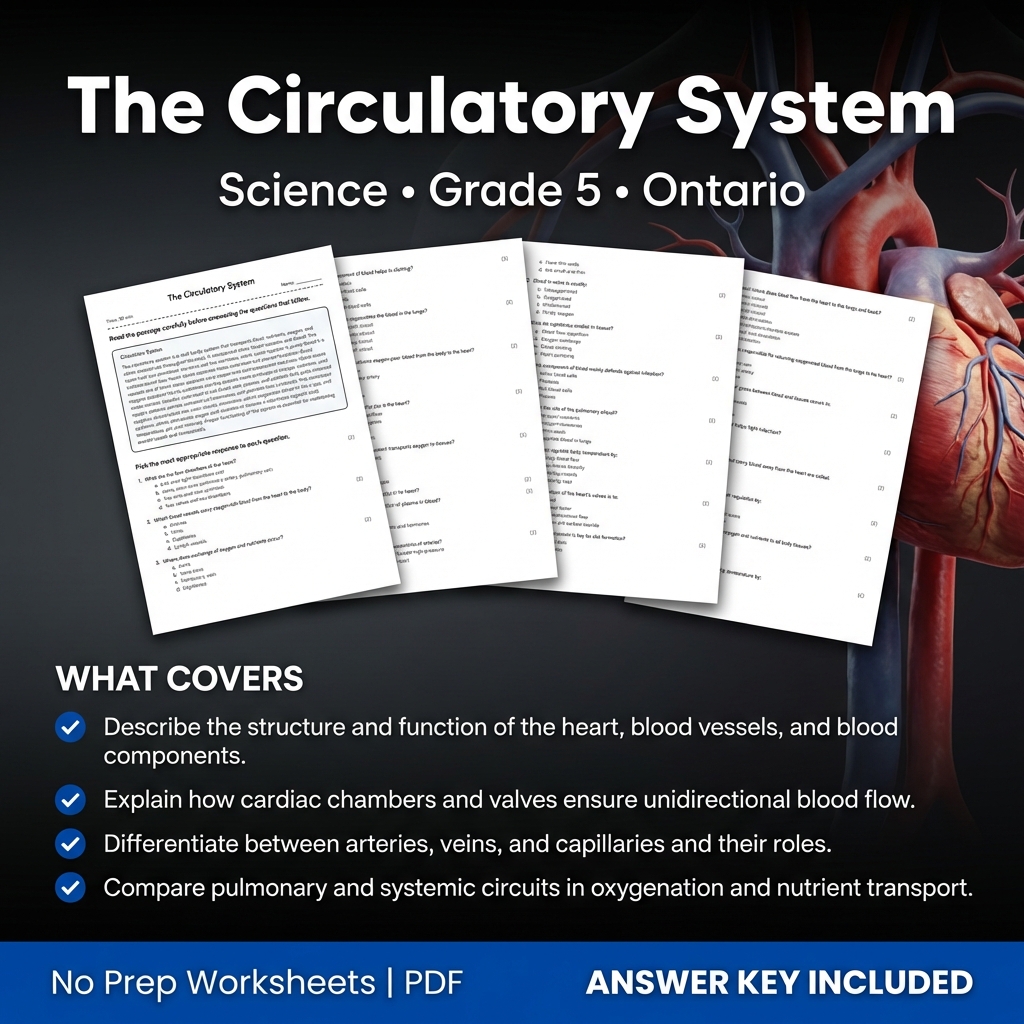
Grade 5 Science Worksheet on The Circulatory System | Ontario Standards
 Created byCoral Reef Learning
Learning Objectives
- Describe the structure and function of the heart, blood vessels, and blood components.
- Explain how cardiac chambers and valves ensure unidirectional blood flow.
- Differentiate between arteries, veins, and capillaries and their roles.
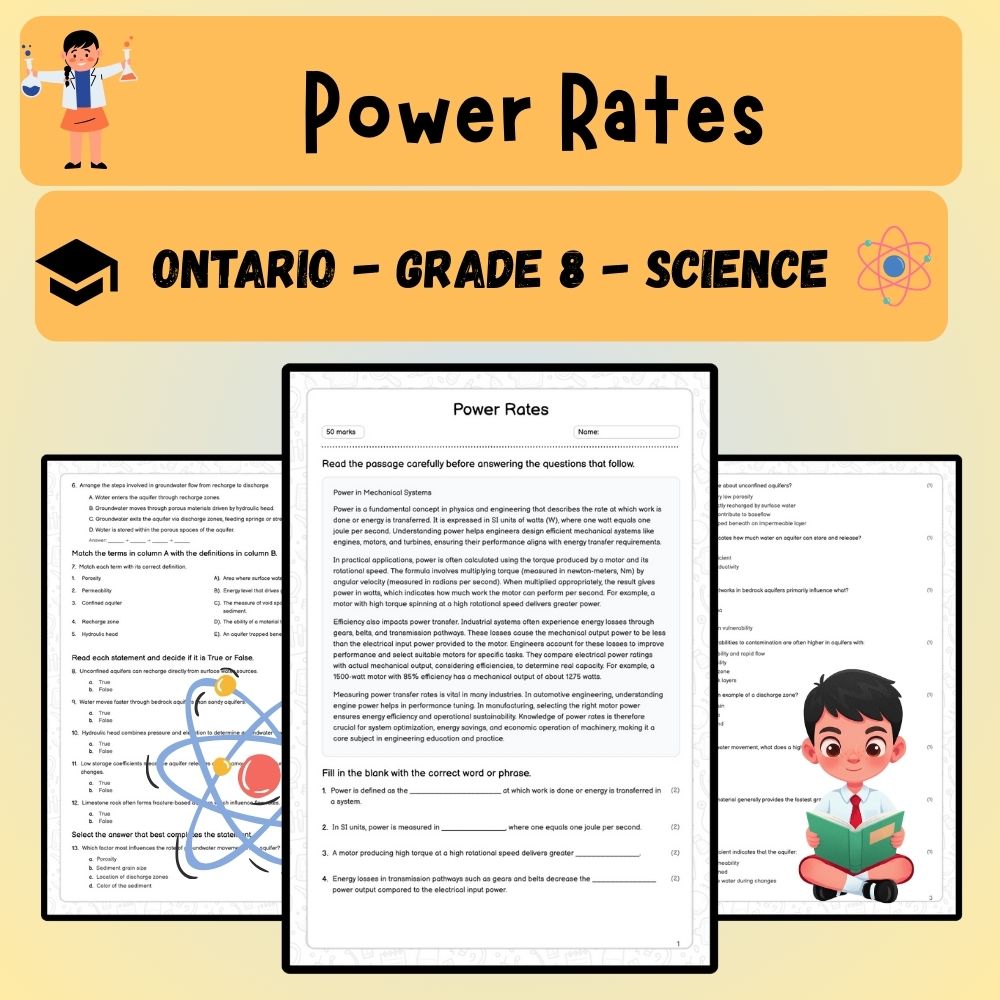
Grade 8 Science | Power Rates Worksheet (PDF ) for Ontario Standards
Created byPrism Point LearningLearning Objectives
- Understand the concept of power as the rate of doing work and how it applies to mechanical systems.
- Learn to interpret motor specifications including torque, rotational speed, and output power.
- Calculate system performance considering efficiency and energy transfer losses.
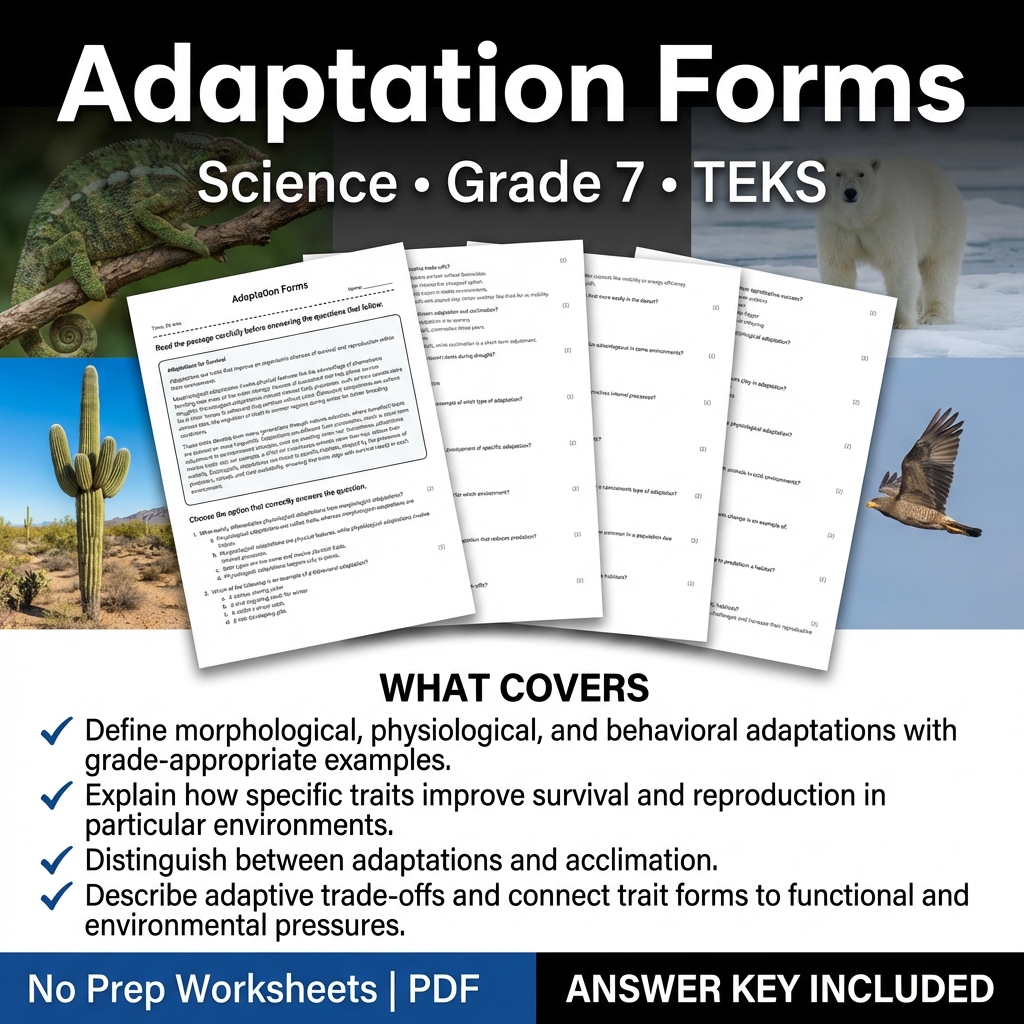
Grade 7 Science Worksheet on Adaptation Forms | TEKS Aligned
Created byCoral Reef LearningLearning Objectives
- Define morphological, physiological, and behavioral adaptations with grade-appropriate examples.
- Explain how specific traits improve survival and reproduction in particular environments.
- Distinguish between adaptations and acclimation.
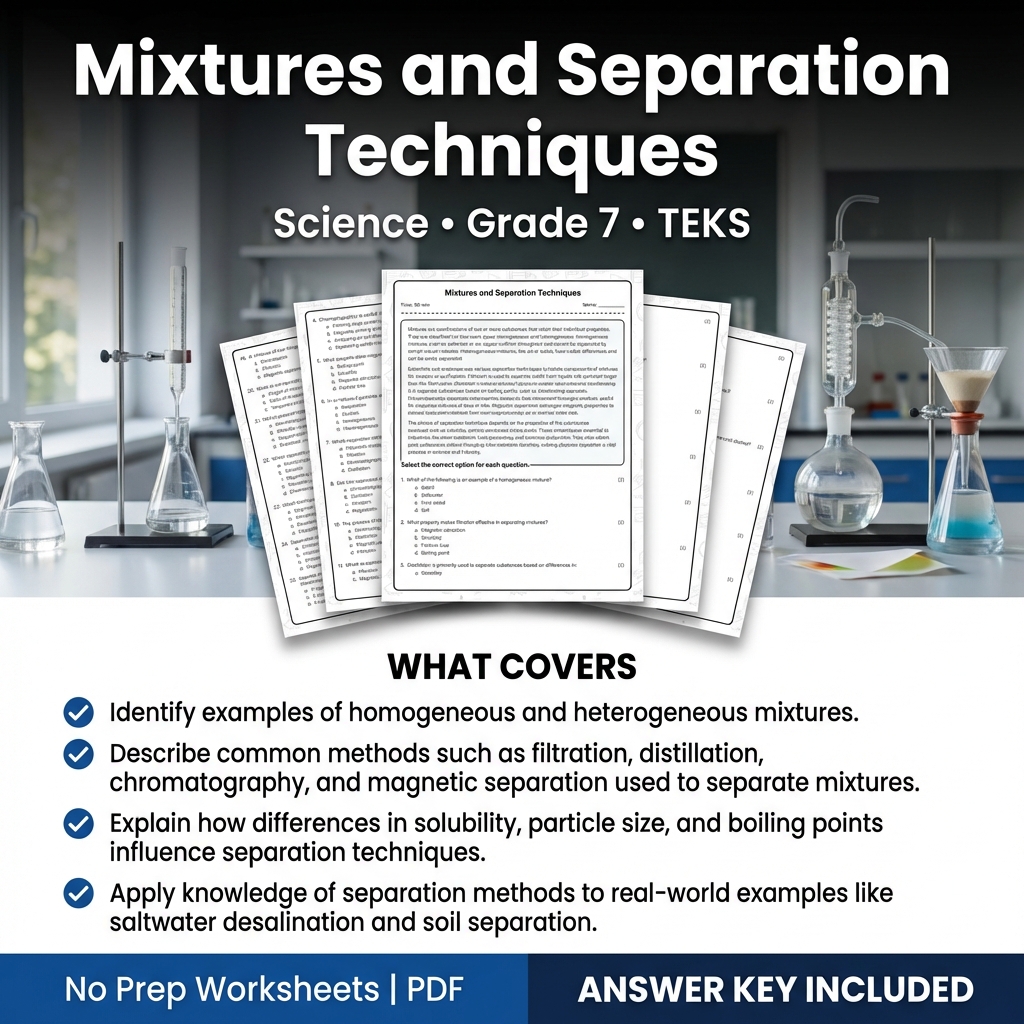
Grade 7 Science Worksheet on Mixtures and Separation Techniques TEKS
Created byCoral Reef LearningLearning Objectives
- Identify examples of homogeneous and heterogeneous mixtures.
- Describe common methods such as filtration, distillation, chromatography, and magnetic separation used to separate mixtures.
- Explain how differences in solubility, particle size, and boiling points influence separation techniques.
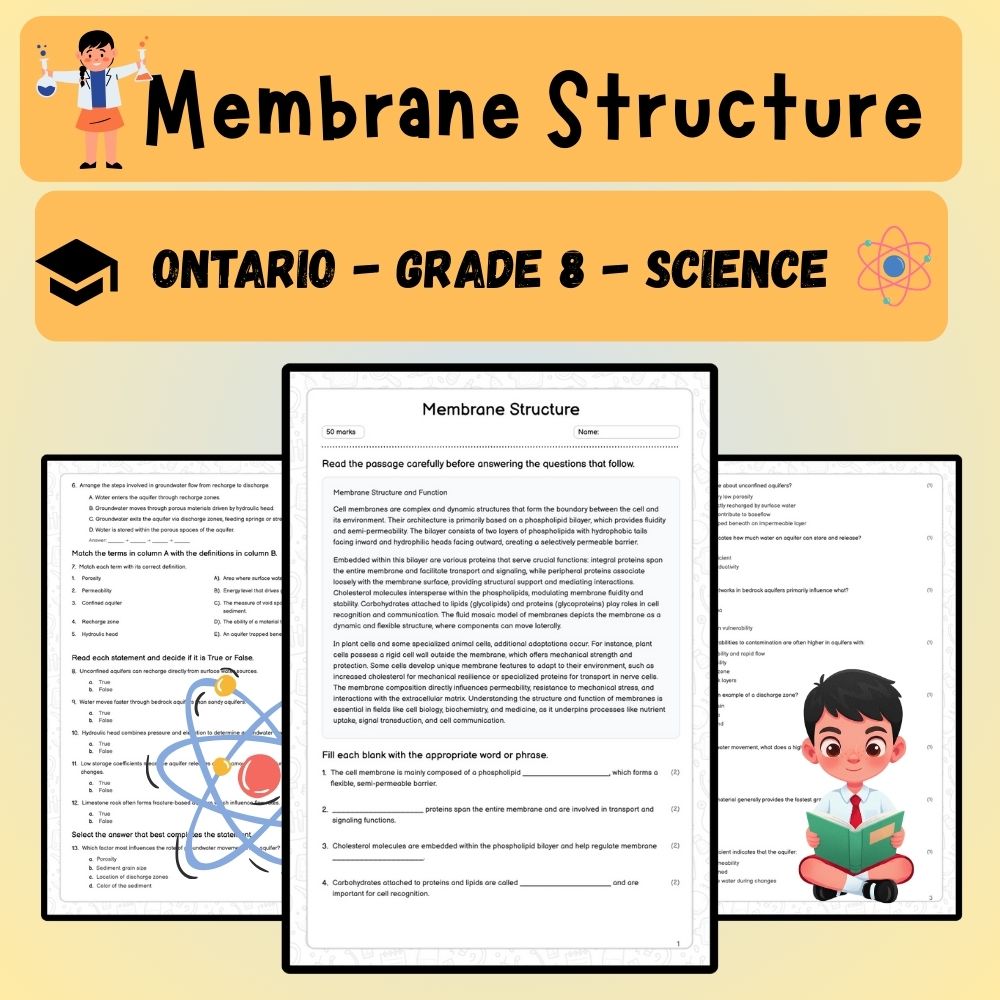
Grade 8 Science | Membrane Structure Worksheet (PDF) – Ontario Standard
Created byPrism Point LearningLearning Objectives
- Describe the key components of membrane architecture including phospholipids, proteins, cholesterol, and carbohydrates.
- Explain the functions of membrane proteins in transport, signaling, and structural support.
- Compare structural variations in membranes across different cell types and their implications for permeability and resilience.
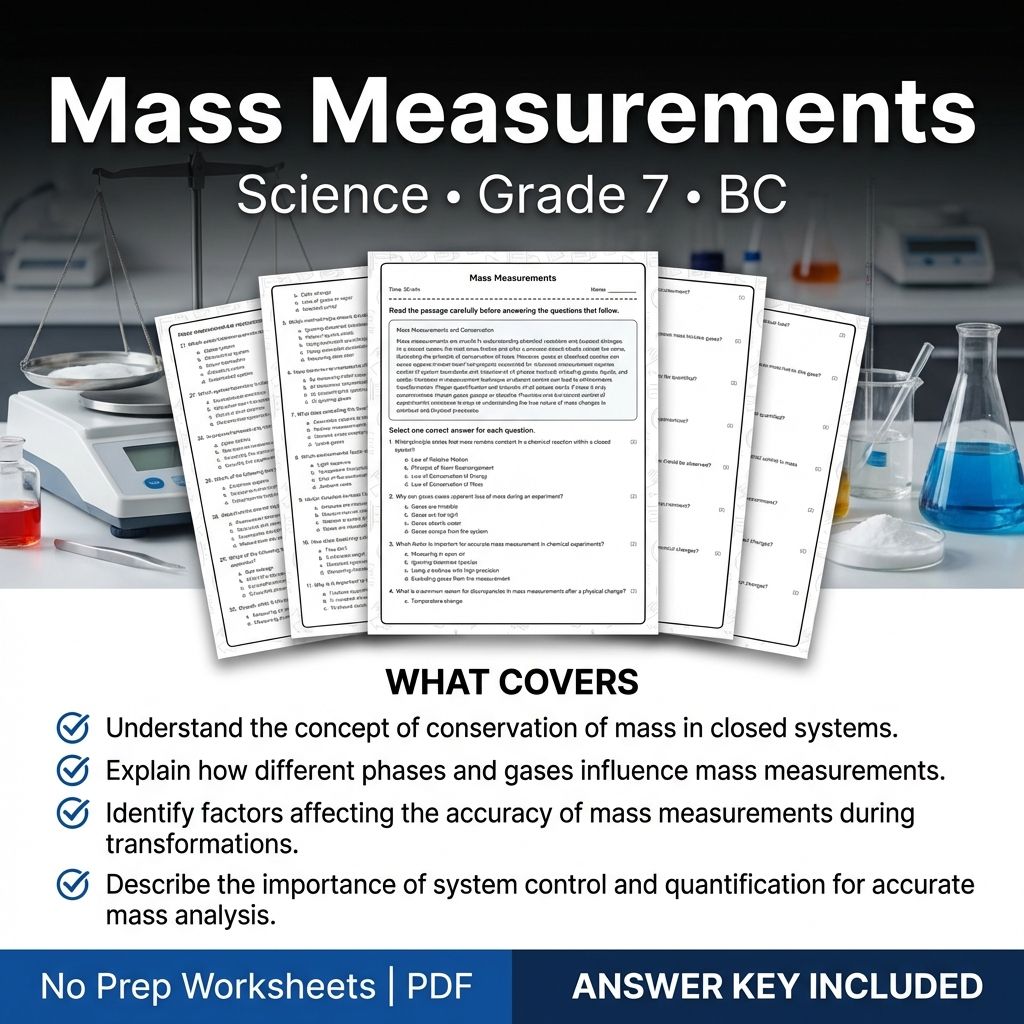
Grade 7 Science | Mass Measurements Worksheet with Answer Key (Printable PDF)
Created byCoral Reef LearningLearning Objectives
- Understand the concept of conservation of mass in closed systems.
- Explain how different phases and gases influence mass measurements.
- Identify factors affecting the accuracy of mass measurements during transformations.
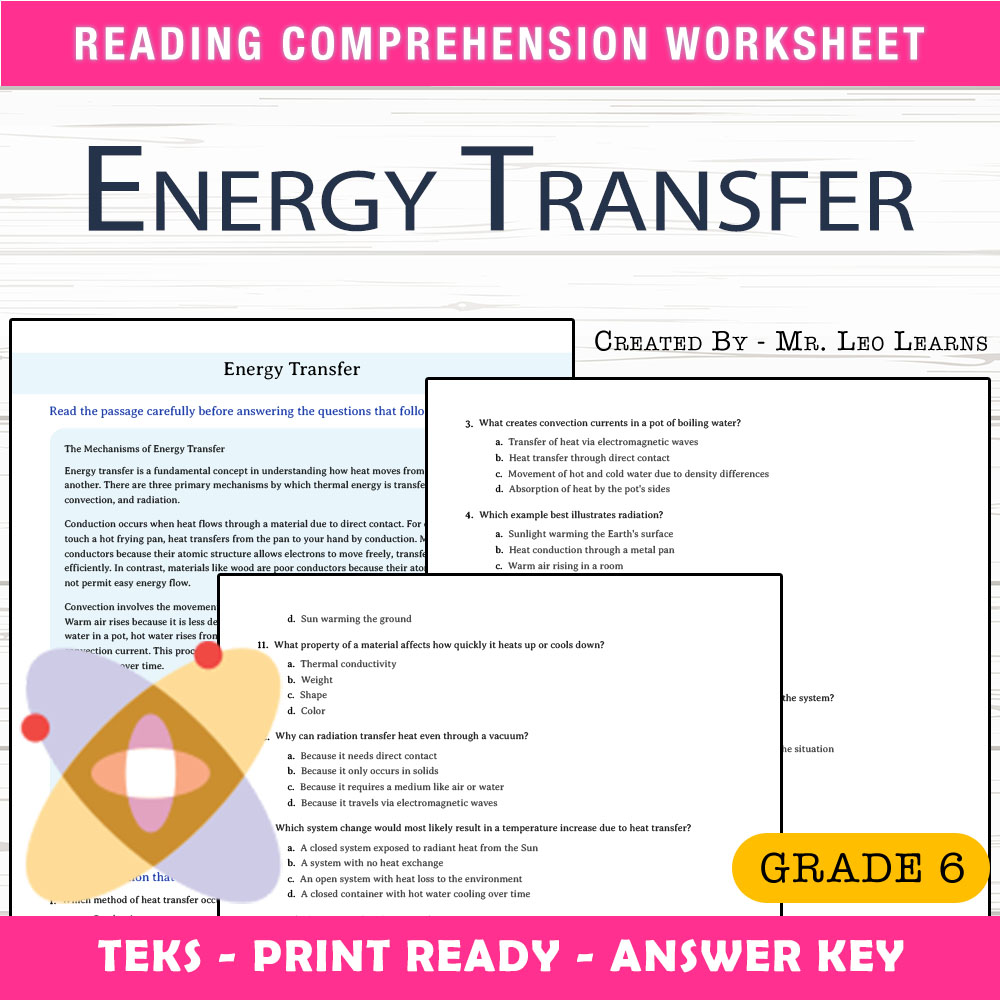
Grade 6 Science — Energy Transfer Worksheet for Mastery
Created byThe Resource HubLearning Objectives
- Understand the mechanisms of thermal energy transfer: conduction, convection, and radiation.
- Identify examples of each energy transfer mechanism in real-world situations.
- Relate energy transfer to changes in temperature and material properties such as thermal conductivity.
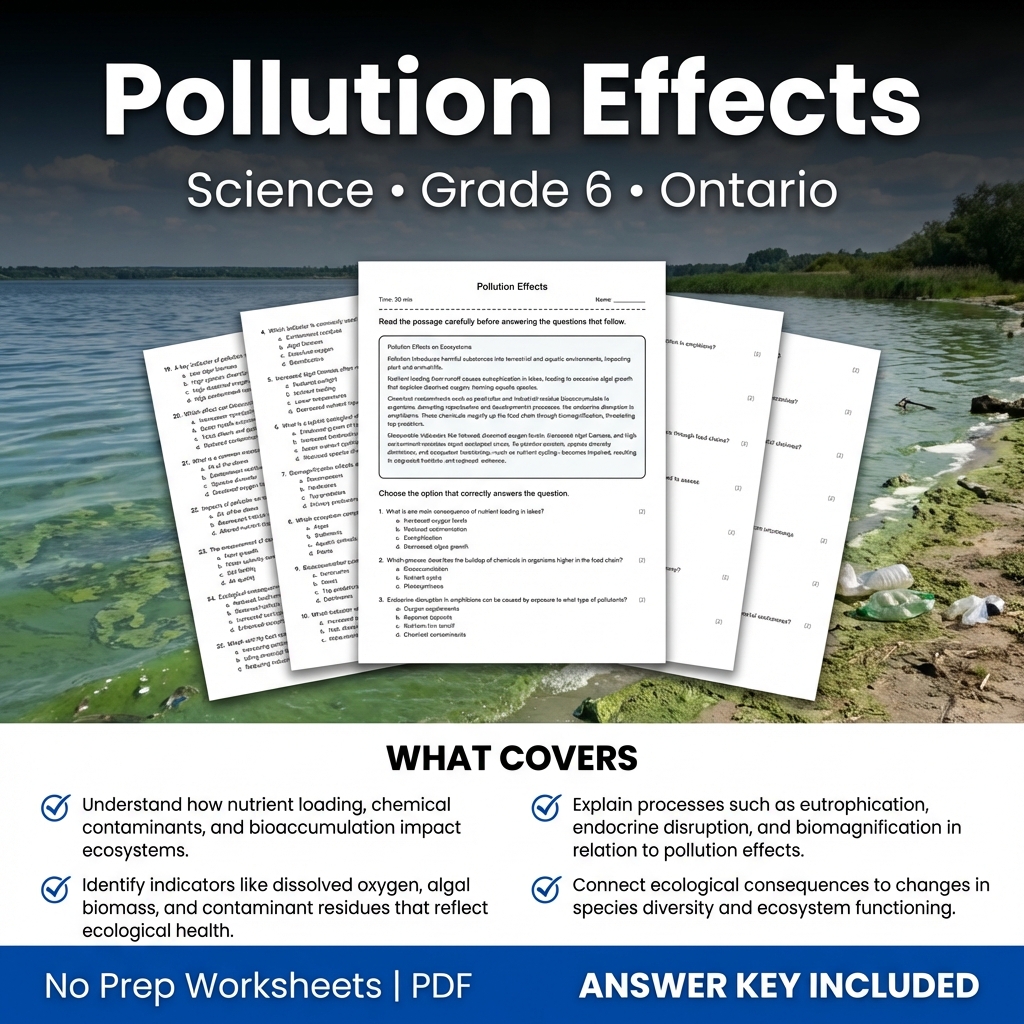
Pollution Effects Worksheet for Grade 6 Science | Ontario Standards
Created byCoral Reef LearningLearning Objectives
- Understand how nutrient loading, chemical contaminants, and bioaccumulation impact ecosystems.
- Identify indicators like dissolved oxygen, algal biomass, and contaminant residues that reflect ecological health.
- Explain processes such as eutrophication, endocrine disruption, and biomagnification in relation to pollution effects.
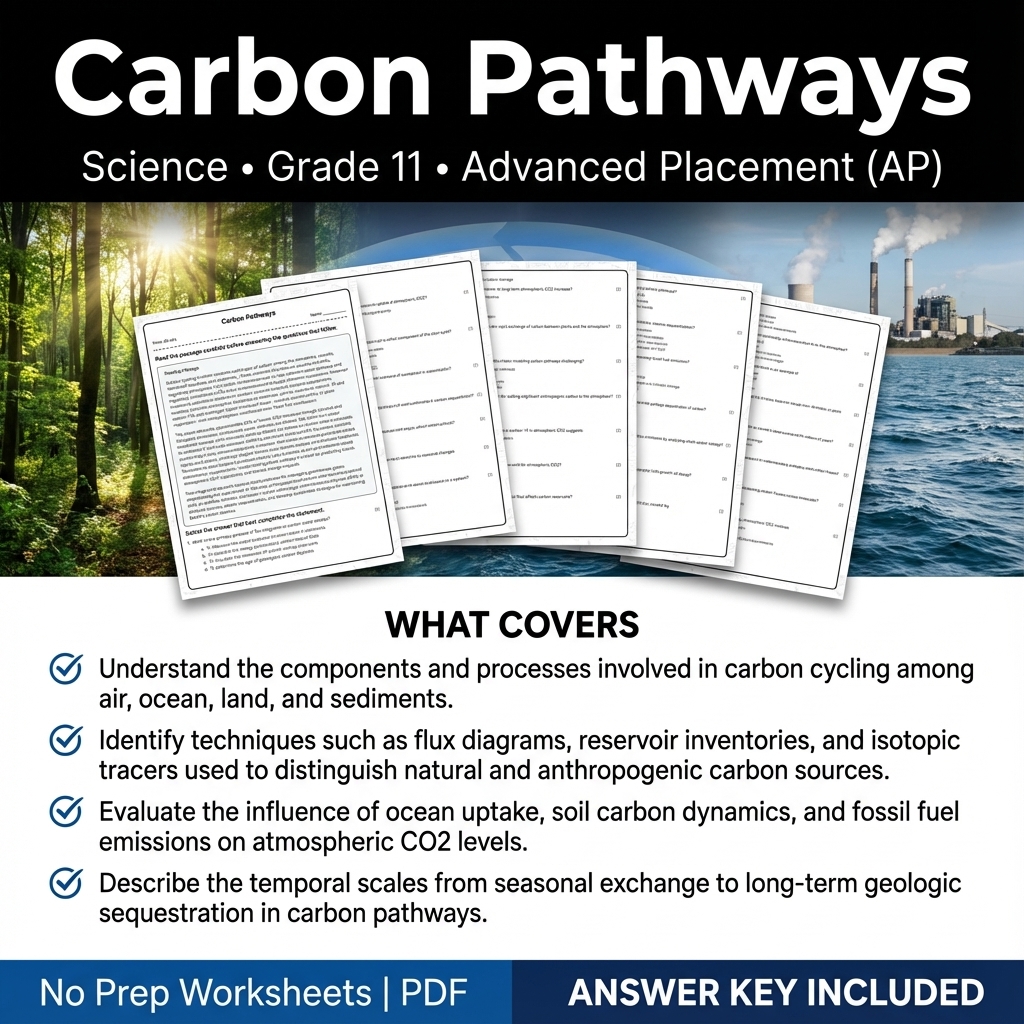
Grade 11 Science | Carbon Pathways Worksheet (Printable PDF + Answer Key)
Created byCoral Reef LearningLearning Objectives
- Understand the components and processes involved in carbon cycling among air, ocean, land, and sediments.
- Identify techniques such as flux diagrams, reservoir inventories, and isotopic tracers used to distinguish natural and anthropogenic carbon sources.
- Evaluate the influence of ocean uptake, soil carbon dynamics, and fossil fuel emissions on atmospheric CO2 levels.
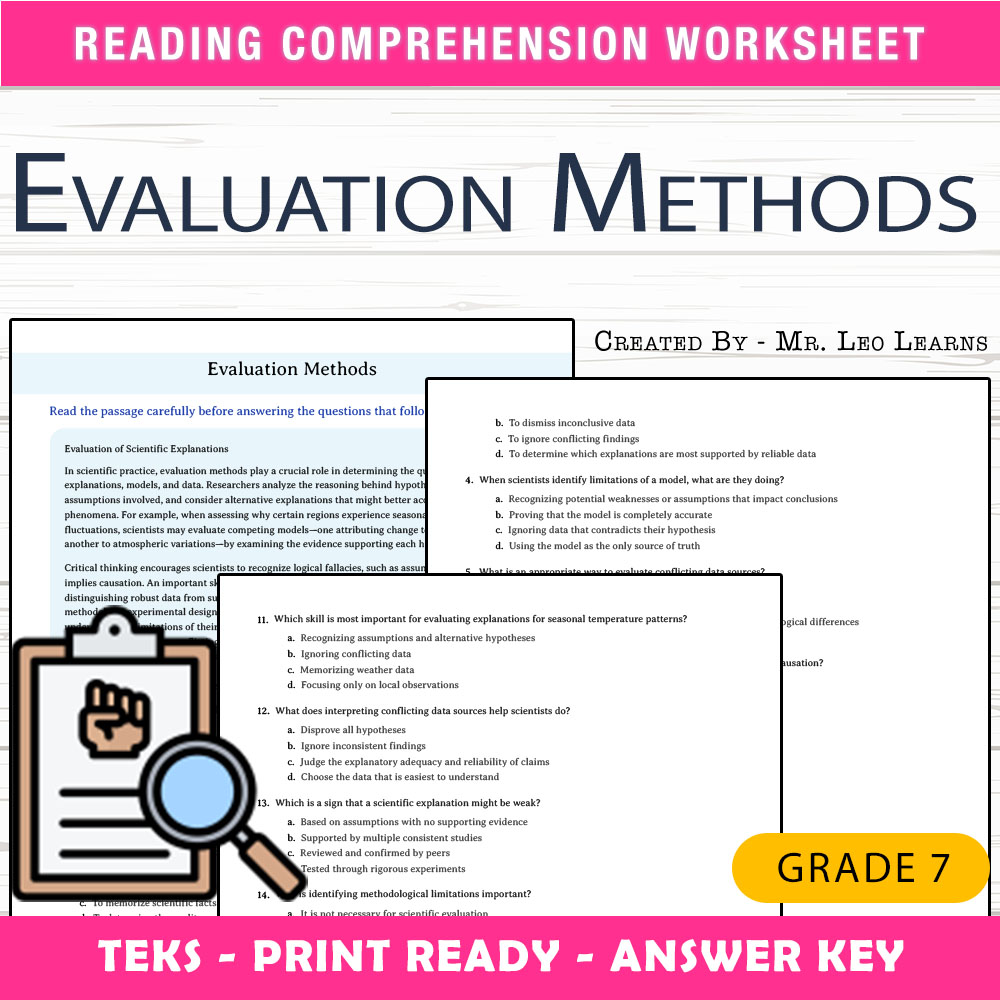
Grade 7 Science — Evaluation Methods Worksheet for Mastery
Created byThe Resource HubLearning Objectives
- Develop critical thinking skills to evaluate explanations, models, and evidence.
- Identify logical fallacies and distinguish correlation from causation.
- Assess strengths and limitations of data and models.
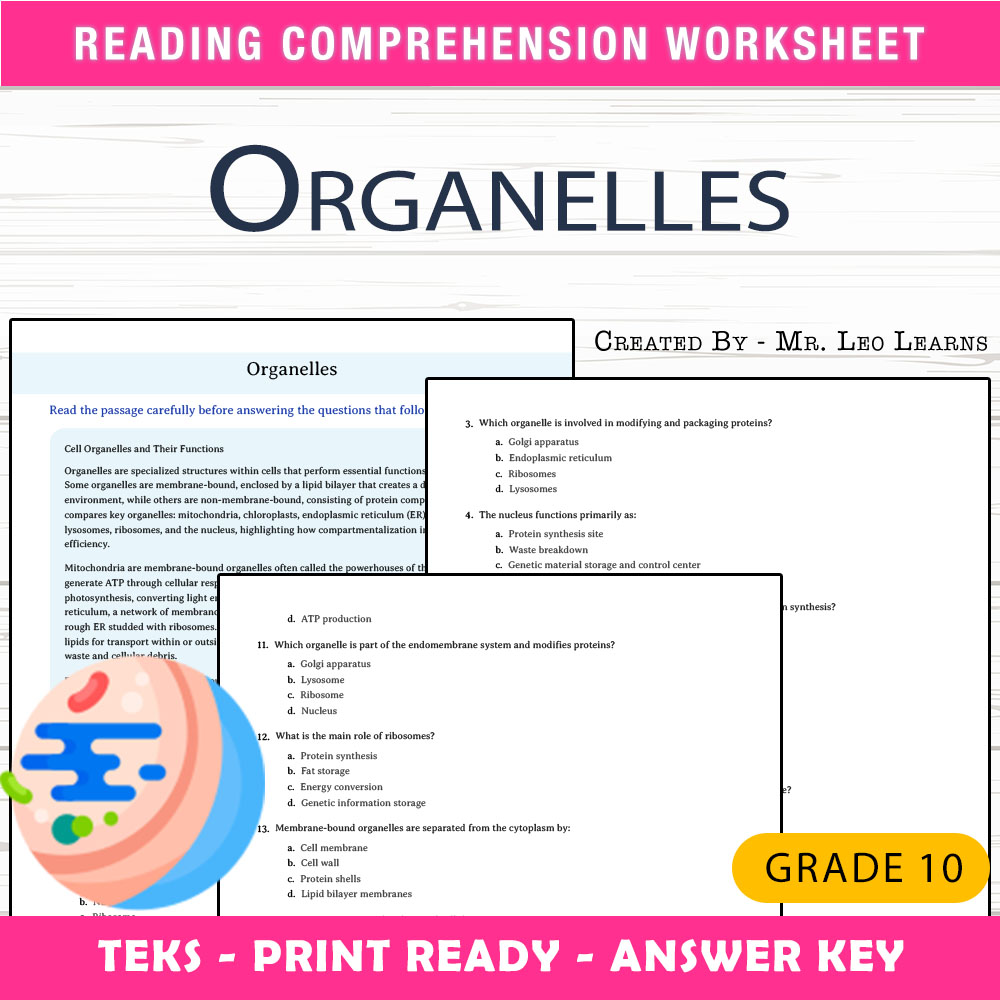
Grade 10 Science – Organelles Worksheet for Mastering Cell Structures
Created byThe Resource HubLearning Objectives
- Understand the structure and functions of various cellular organelles.
- Explain how compartmentalization enhances cell efficiency.
- Identify examples of energy conversion, synthesis, storage, and genetic control in organelles.
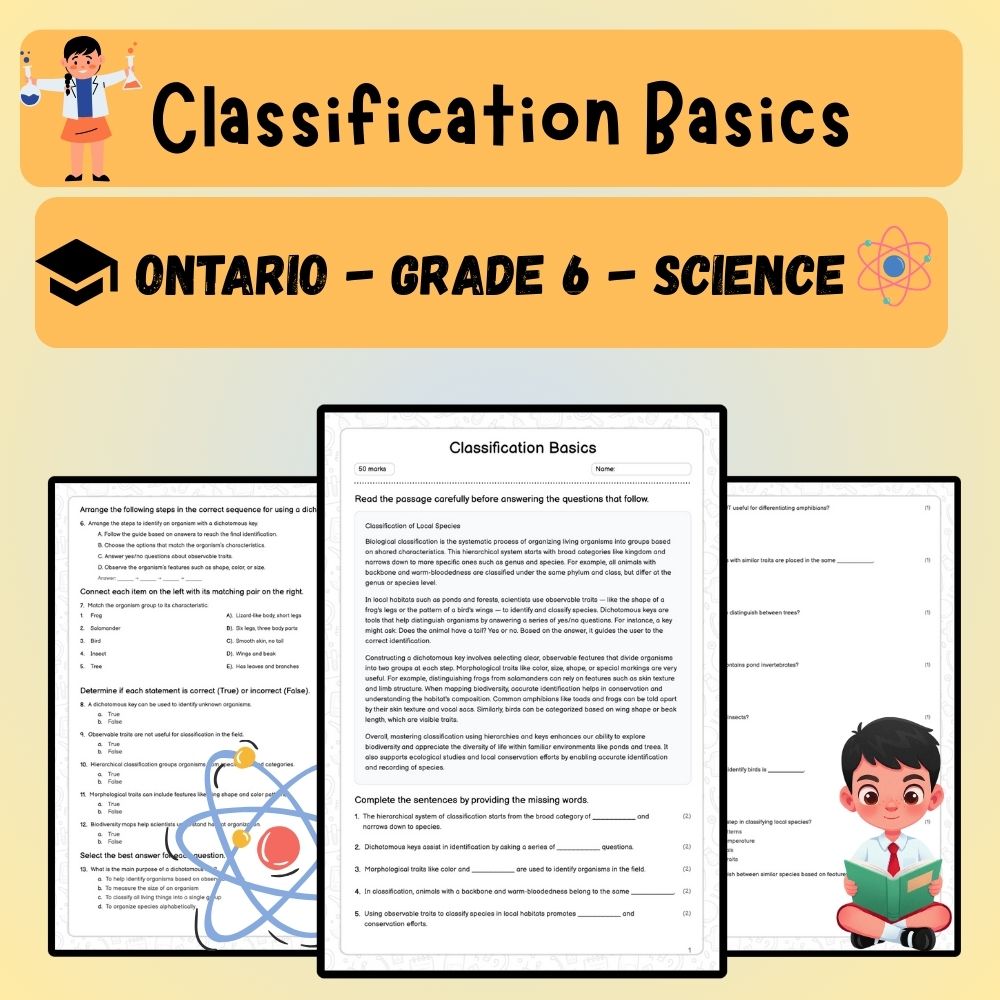
6th Grade Science | Classification Basics Worksheet (PDF)
Created byPrism Point LearningLearning Objectives
- Understand the hierarchical levels used in biological classification from kingdom to species.
- Identify observable characteristics that differentiate various species within local habitats.
- Learn how to construct and use dichotomous keys for identifying organisms.
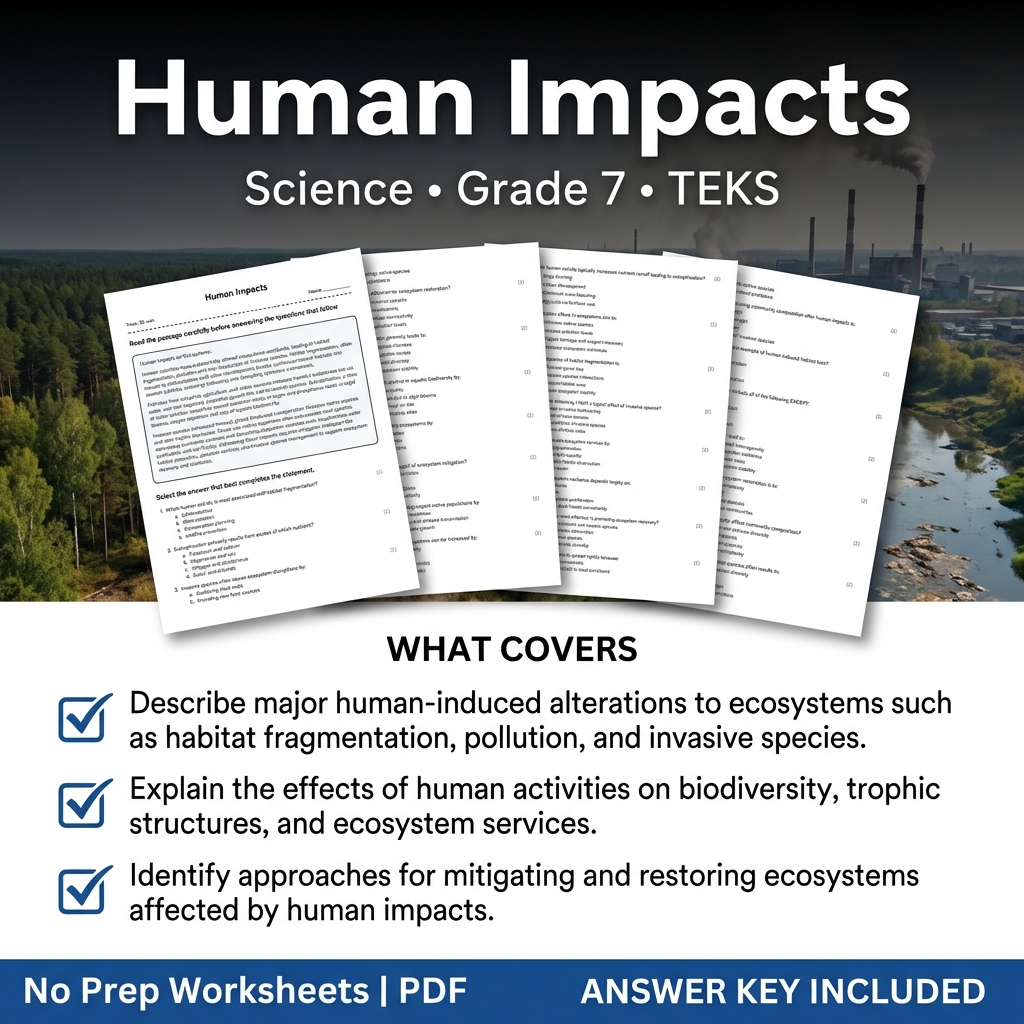
Grade 7 Science Worksheet on Human Impacts | TEKS Aligned Practice
Created byCoral Reef LearningLearning Objectives
- Describe major human-induced alterations to ecosystems such as habitat fragmentation, pollution, and invasive species.
- Explain the effects of human activities on biodiversity, trophic structures, and ecosystem services.
- Identify approaches for mitigating and restoring ecosystems affected by human impacts.
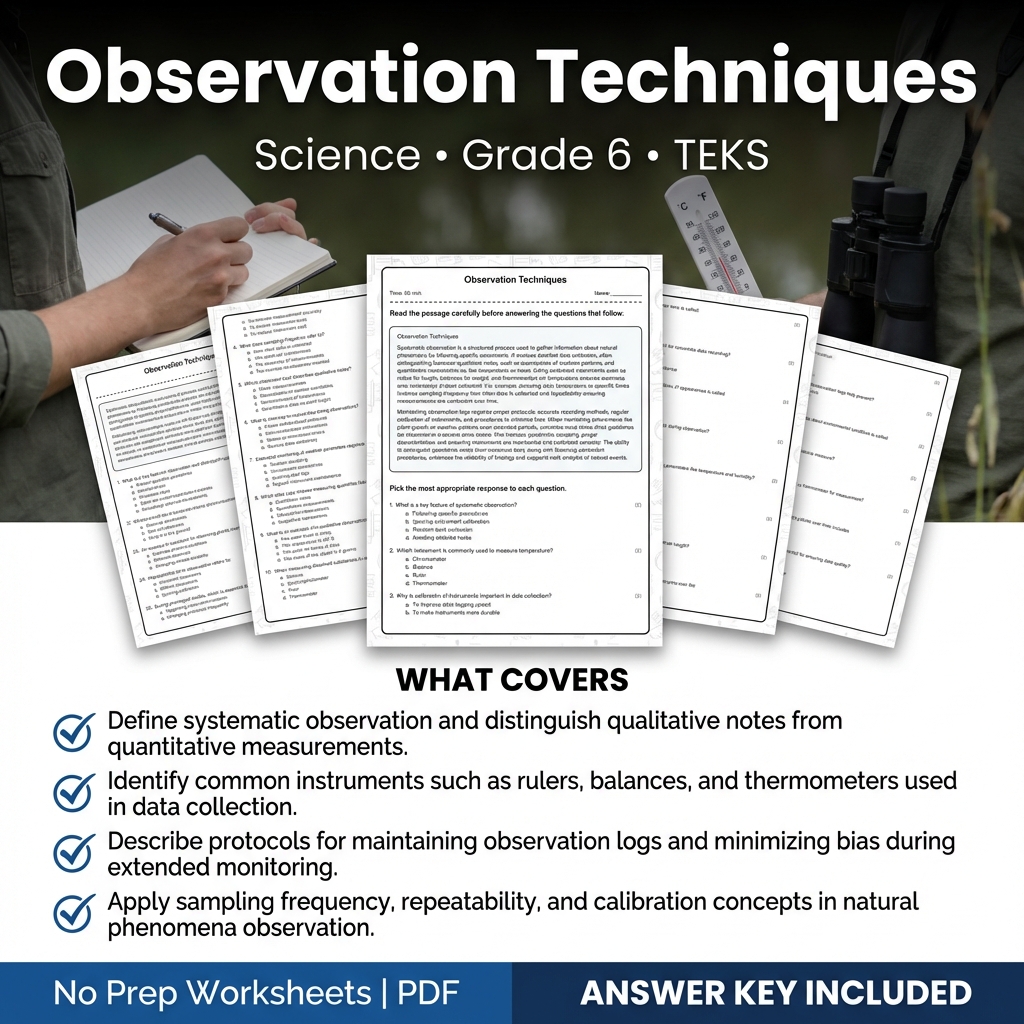
Observation Techniques Science Worksheet | TEKS Grade 6 Assessment
Created byCoral Reef LearningLearning Objectives
- Define systematic observation and distinguish qualitative notes from quantitative measurements.
- Identify common instruments such as rulers, balances, and thermometers used in data collection.
- Describe protocols for maintaining observation logs and minimizing bias during extended monitoring.
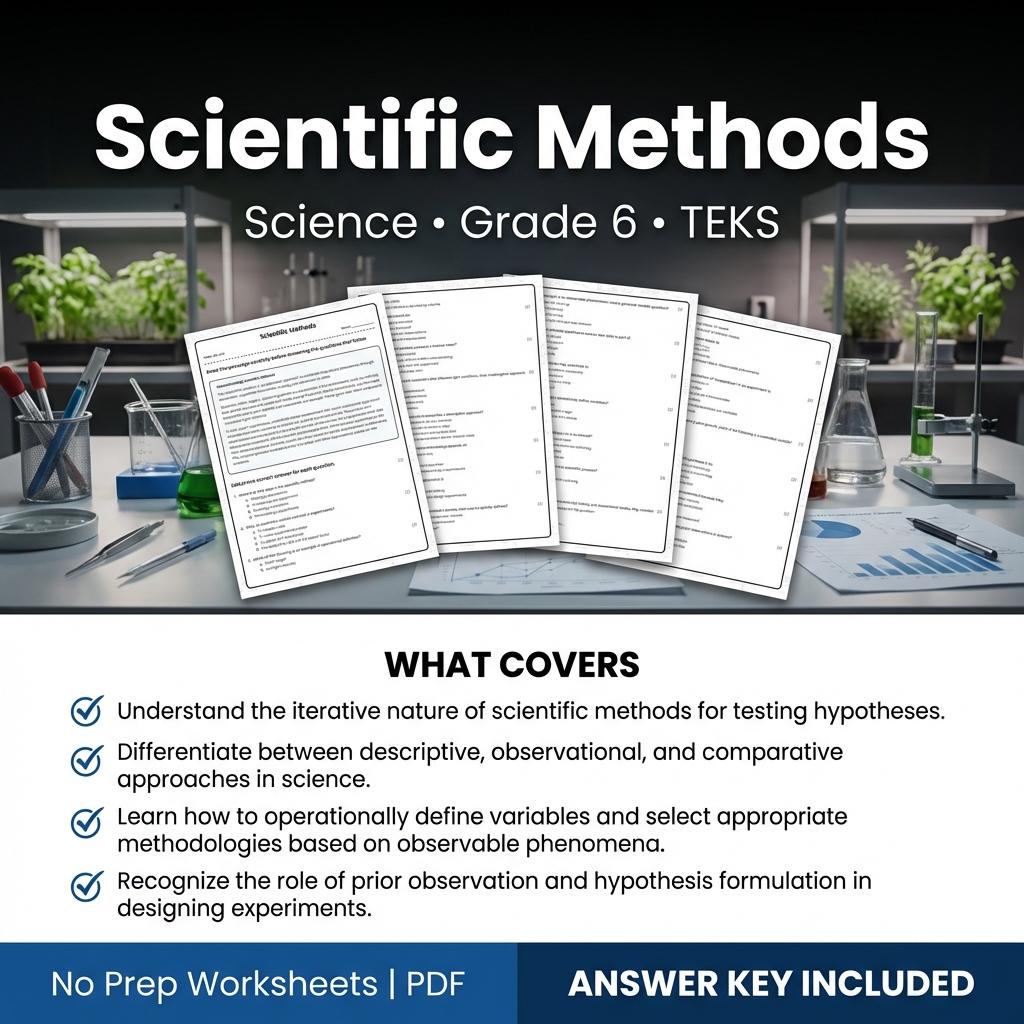
Grade 6 Science Worksheet | Scientific Methods Practice and Assessment
Created byCoral Reef LearningLearning Objectives
- Understand the iterative nature of scientific methods for testing hypotheses.
- Differentiate between descriptive, observational, and comparative approaches in science.
- Learn how to operationally define variables and select appropriate methodologies based on observable phenomena.
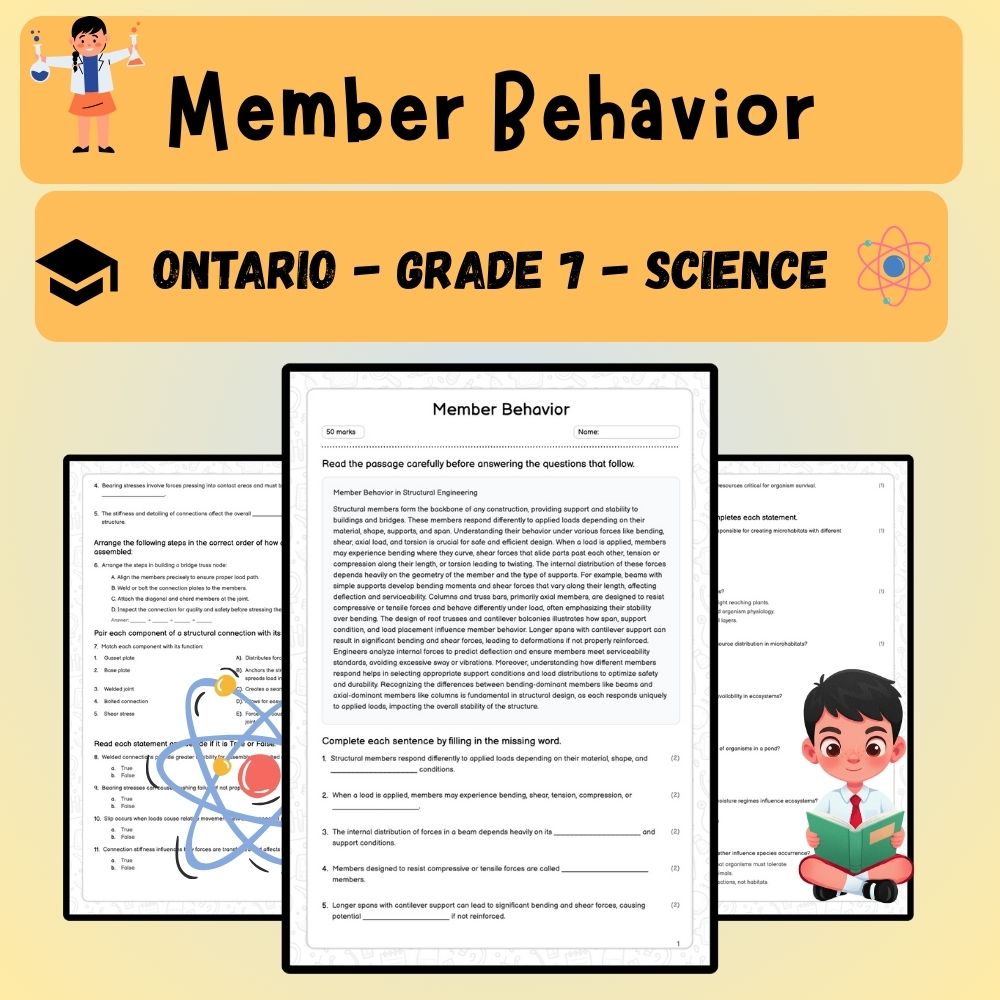
Grade 7 Science – Structural Members & Load Analysis Worksheet (PDF )
Created byPrism Point LearningLearning Objectives
- Explain how structural members respond to loads through bending, shear, axial force, and torsion.
- Relate geometry and support conditions to internal force distribution in beams and columns.
- Describe the effects of bending moment and shear force on deflection and serviceability.
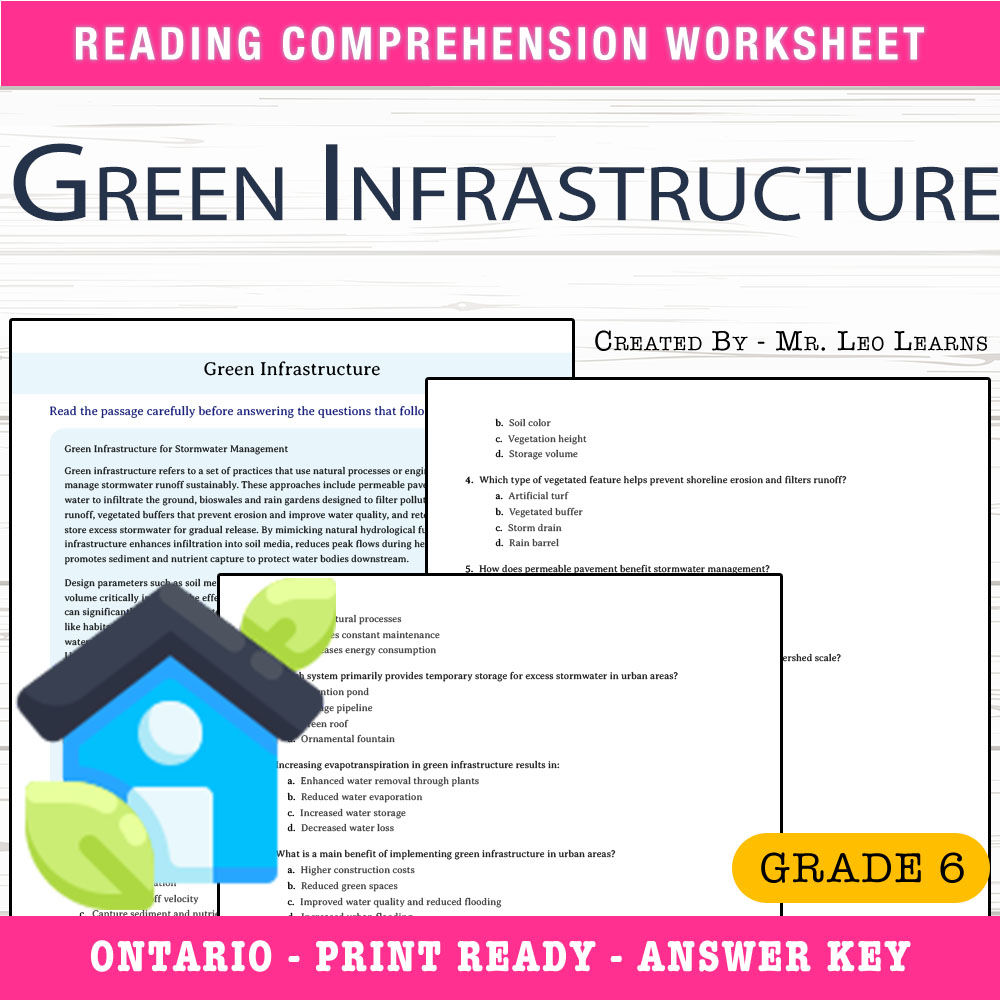
Grade 8 Science – Green Infrastructure Worksheet for Mastery
Created byThe Resource HubLearning Objectives
- Understand the concept of green infrastructure and its role in stormwater management.
- Identify different types of nature-based and engineered green infrastructure practices.
- Explain how design parameters influence the effectiveness of green infrastructure solutions.
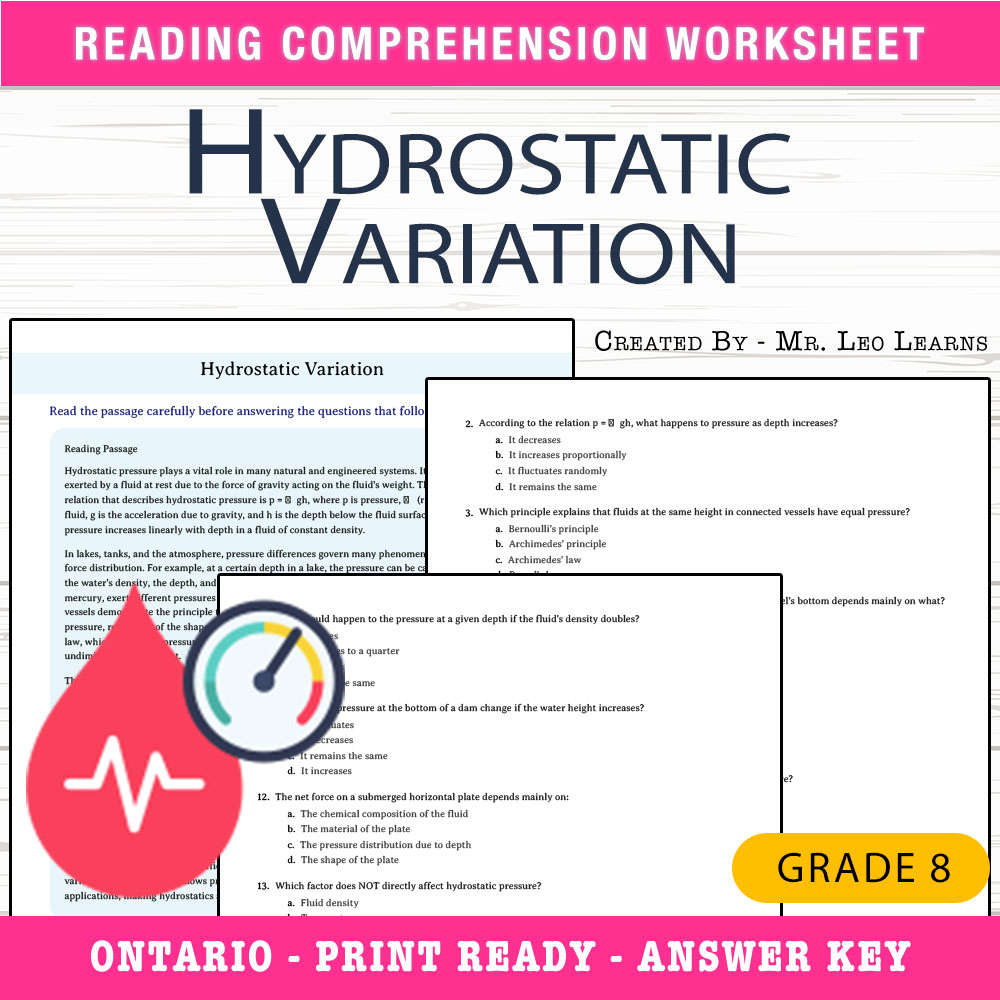
Grade 8 Science — Hydrostatic Variation Worksheet for Mastery
Created byThe Resource HubLearning Objectives
- Understand how hydrostatic pressure depends on fluid density and depth using the relation p = ρgh.
- Explain the concepts of communicating vessels and the hydrostatic paradox.
- Apply pressure calculations at different depths to real-world scenarios such as dams, underwater structures, and submerged plates.
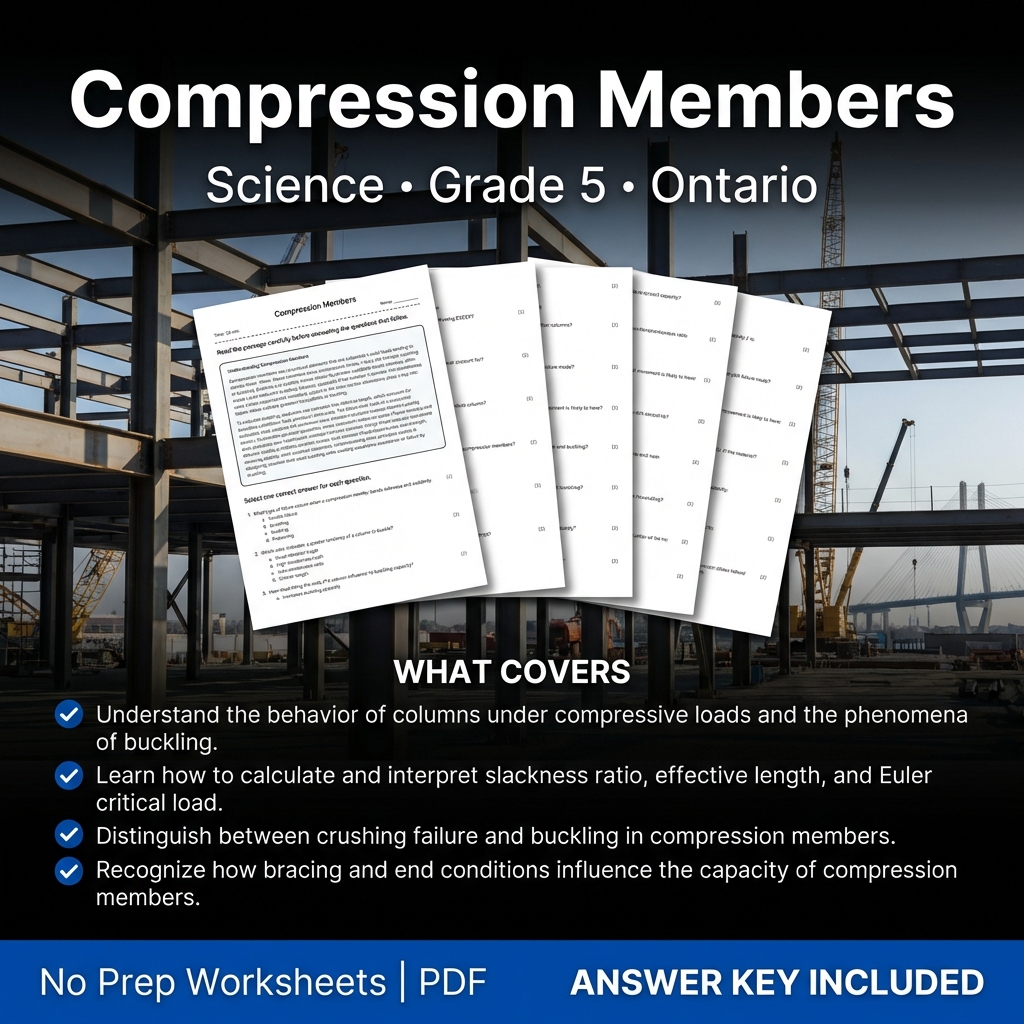
Grade 5 Science Worksheet on Compression Members | Ontario Standards
Created byCoral Reef LearningLearning Objectives
- Understand the behavior of columns under compressive loads and the phenomena of buckling.
- Learn how to calculate and interpret slackness ratio, effective length, and Euler critical load.
- Distinguish between crushing failure and buckling in compression members.
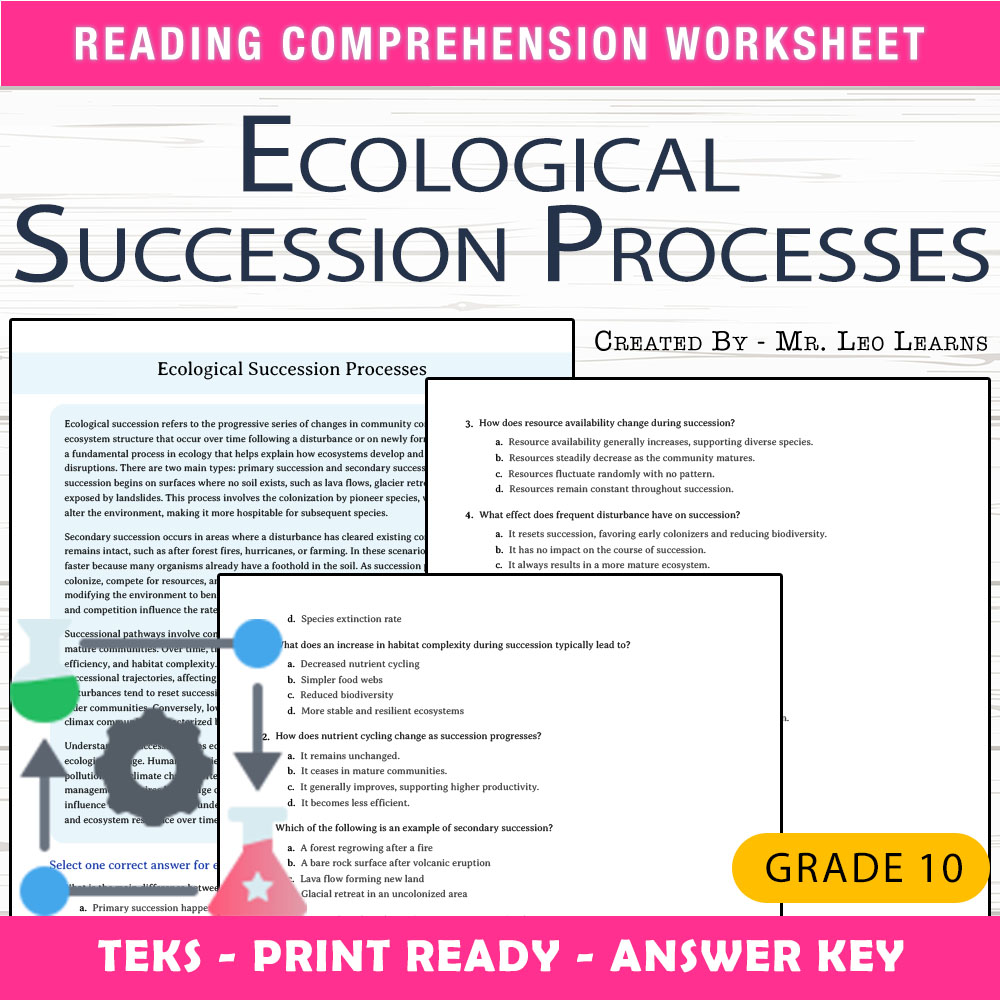
Grade 10 Science — Ecological Succession Processes Worksheet for Mastery
Created byThe Resource HubLearning Objectives
- Define primary and secondary succession and distinguish between their processes.
- Explain the roles of species colonization, competition, facilitation, and resource changes in succession.
- Analyze how disturbance frequency and intensity influence succession pathways and biodiversity.
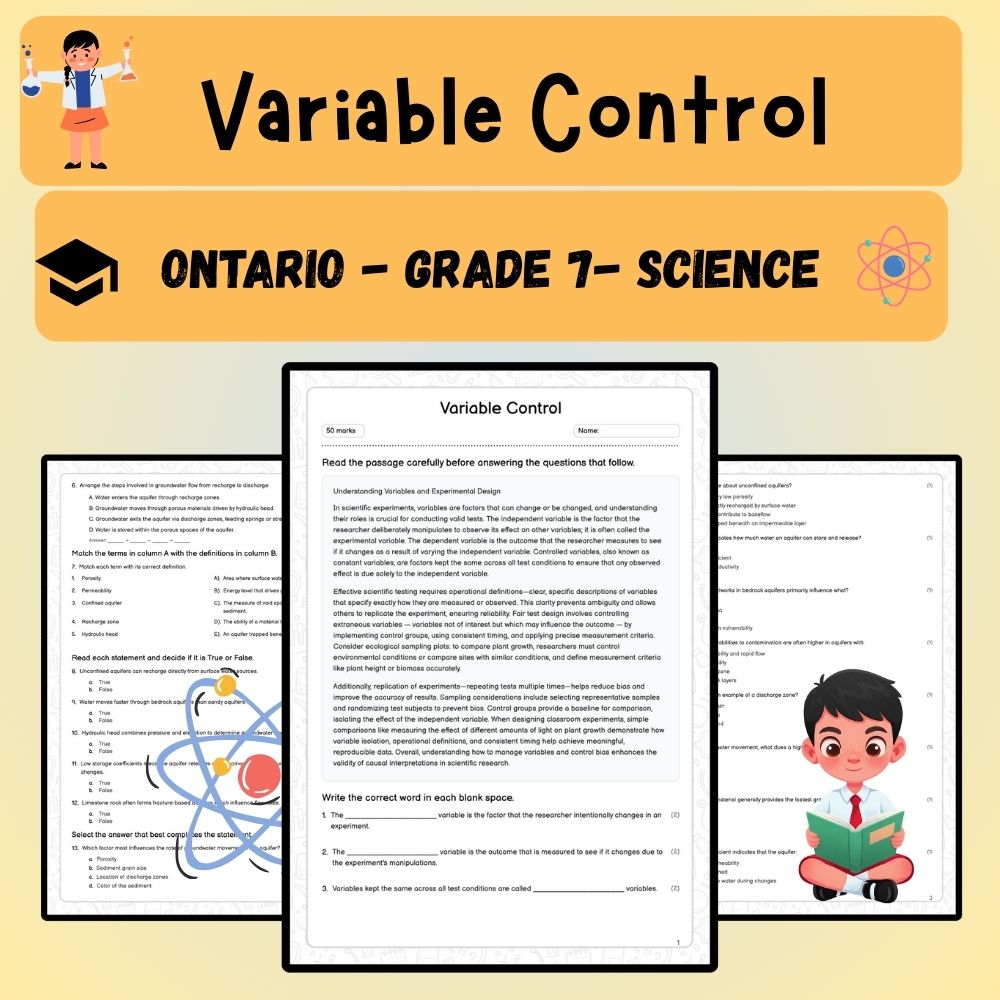
Grade 7 Science – Variable Control Worksheet (PDF ) – Ontario Standard
Created byPrism Point LearningLearning Objectives
- Understand the roles of independent, dependent, and controlled variables in experiments.
- Explain the importance of operational definitions and clear criteria in variable measurement.
- Identify sources of confounding and how to minimize bias in experimental design.
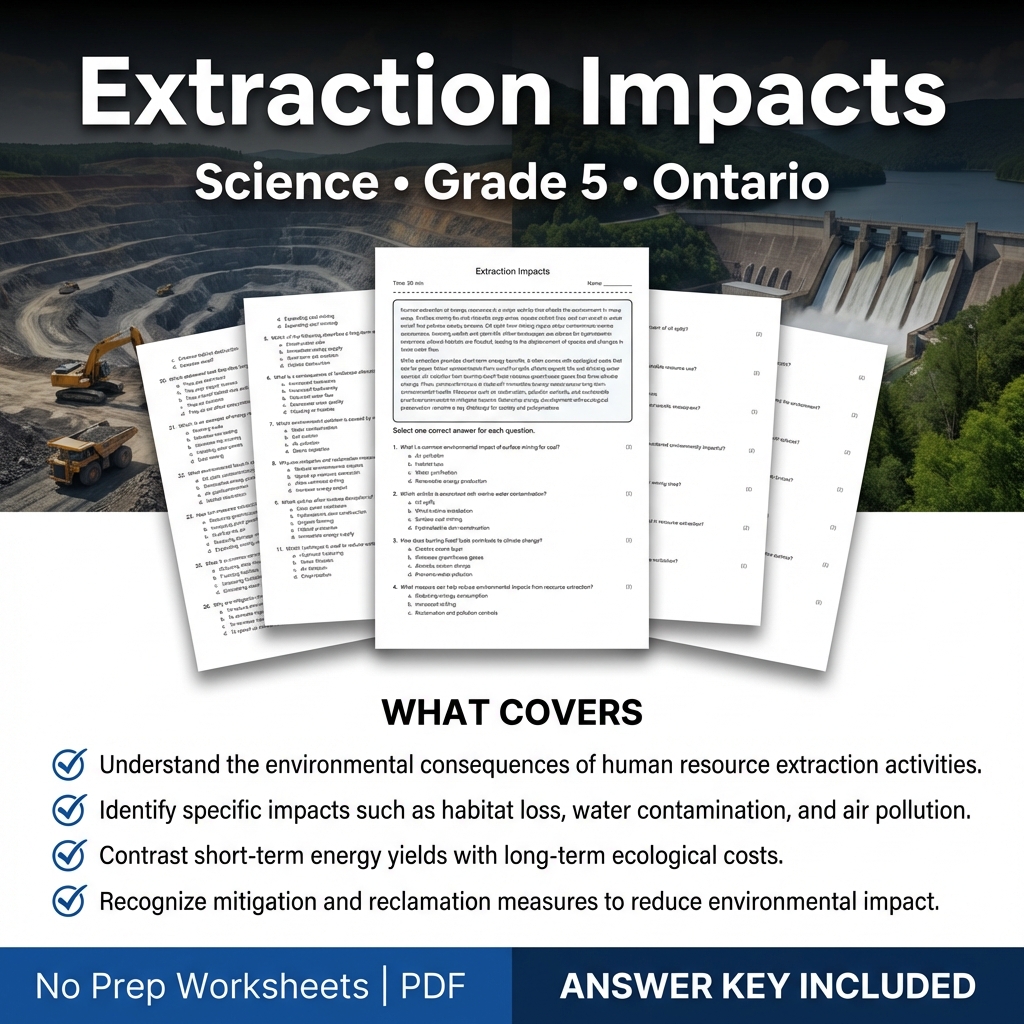
Extraction Impacts Science Worksheet for Grade 5 | Ontario Standards
Created byCoral Reef LearningLearning Objectives
- Understand the environmental consequences of human resource extraction activities.
- Identify specific impacts such as habitat loss, water contamination, and air pollution.
- Contrast short-term energy yields with long-term ecological costs.
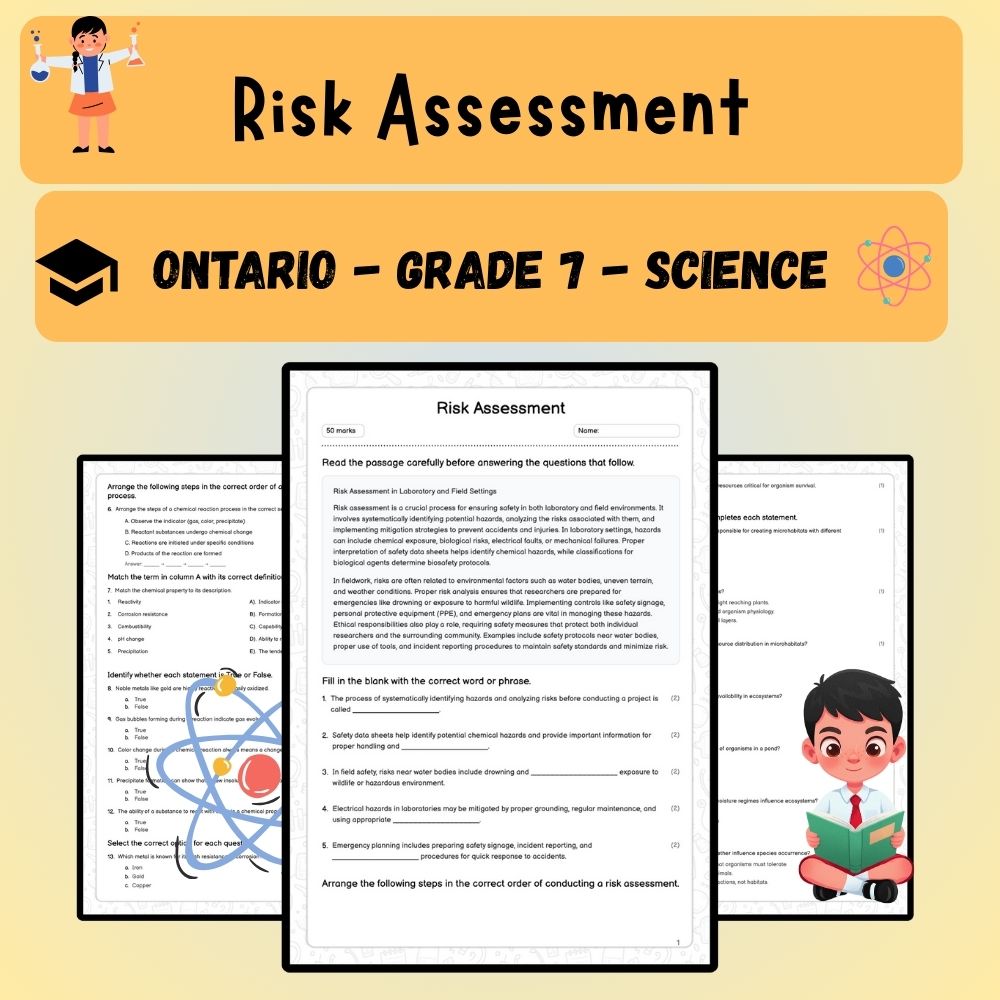
Grade 7 Science – Risk Assessment Worksheet (PDF ) | Ontario Standards
Created byPrism Point LearningLearning Objectives
- Understand the principles of hazard identification and risk analysis in laboratory and field environments.
- Identify different safety hazards including chemical, biological, electrical, and mechanical risks.
- Practice developing mitigation strategies and emergency planning measures for safety.
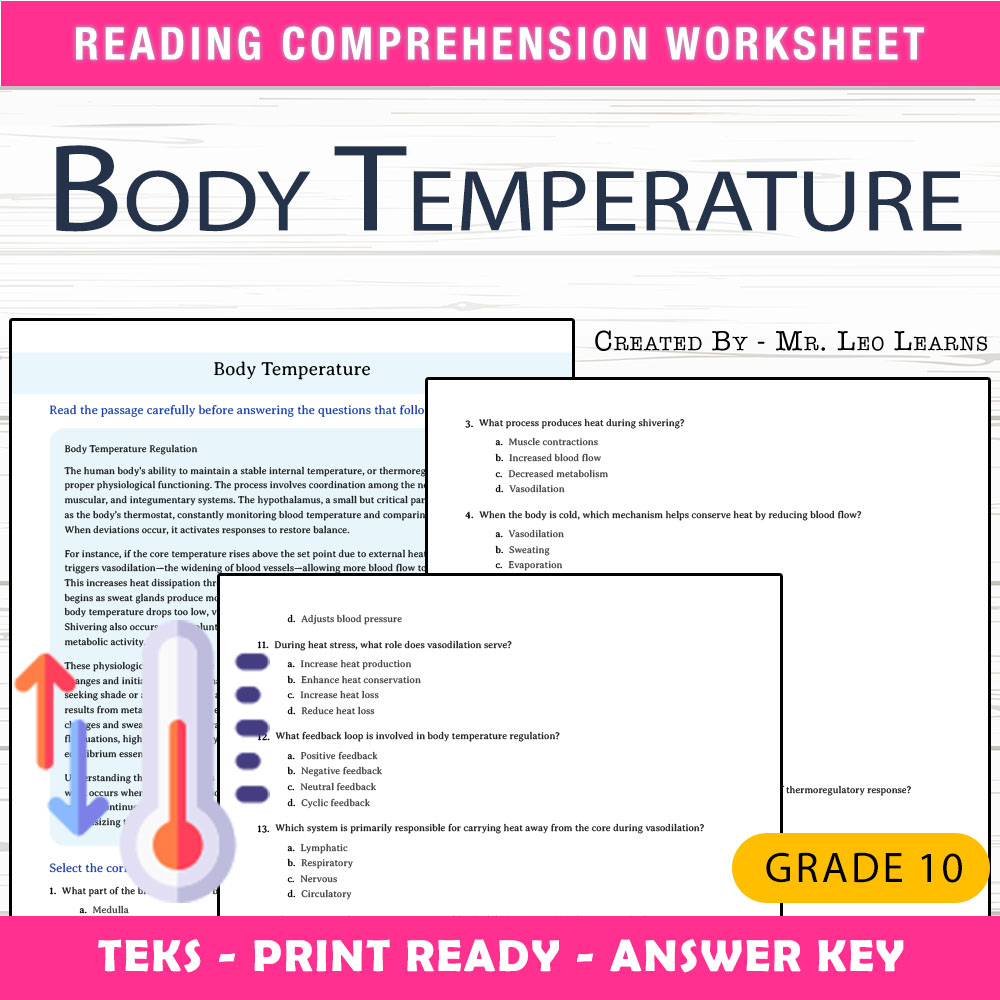
Grade 10 Science – Body Temperature Worksheet for Mastering Thermoregulation
Created byThe Resource HubLearning Objectives
- Describe the mechanisms involved in body temperature regulation.
- Explain the role of the hypothalamus in temperature control.
- Identify different responses such as vasodilation, vasoconstriction, sweating, and shivering.
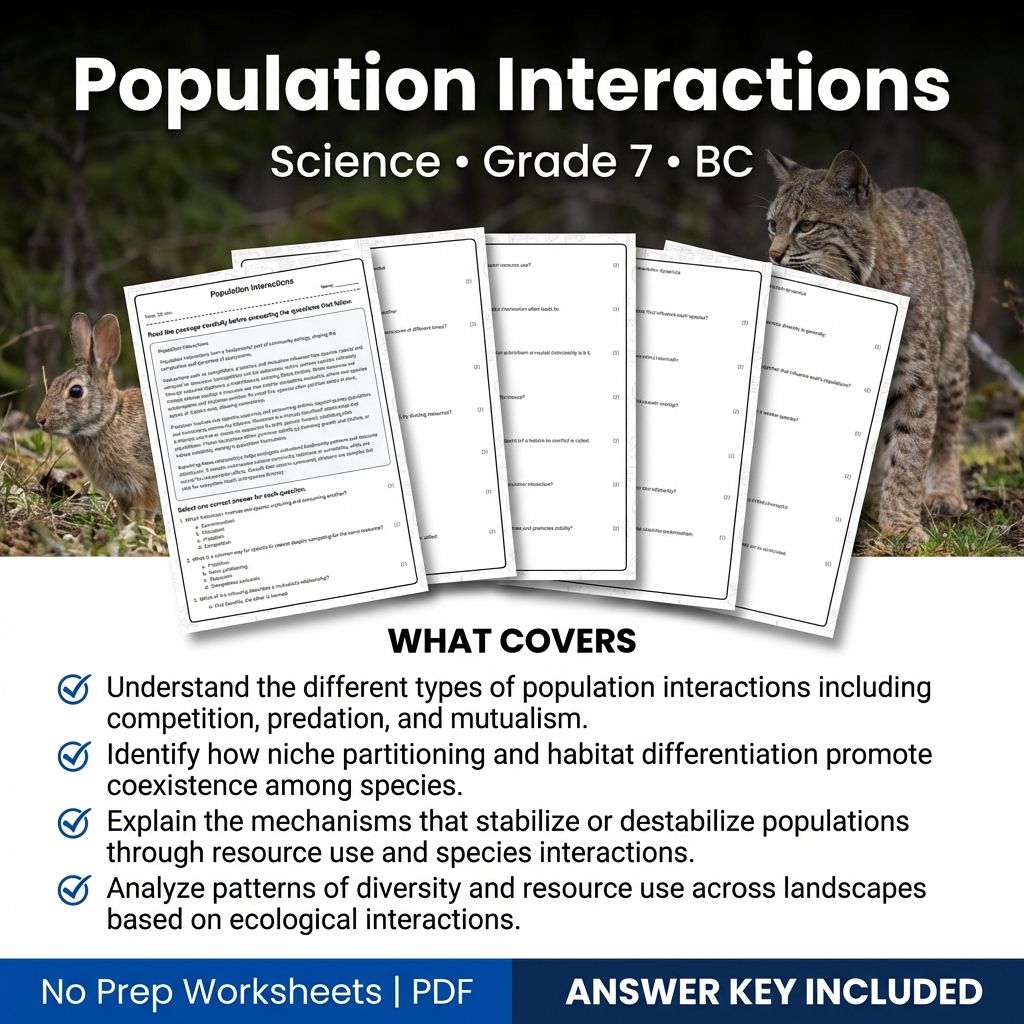
Grade 7 Science Worksheet | Population Interactions and Ecosystem Concepts (Printable PDF + Answer Key)
Created byCoral Reef LearningLearning Objectives
- Understand the different types of population interactions including competition, predation, and mutualism.
- Identify how niche partitioning and habitat differentiation promote coexistence among species.
- Explain the mechanisms that stabilize or destabilize populations through resource use and species interactions.
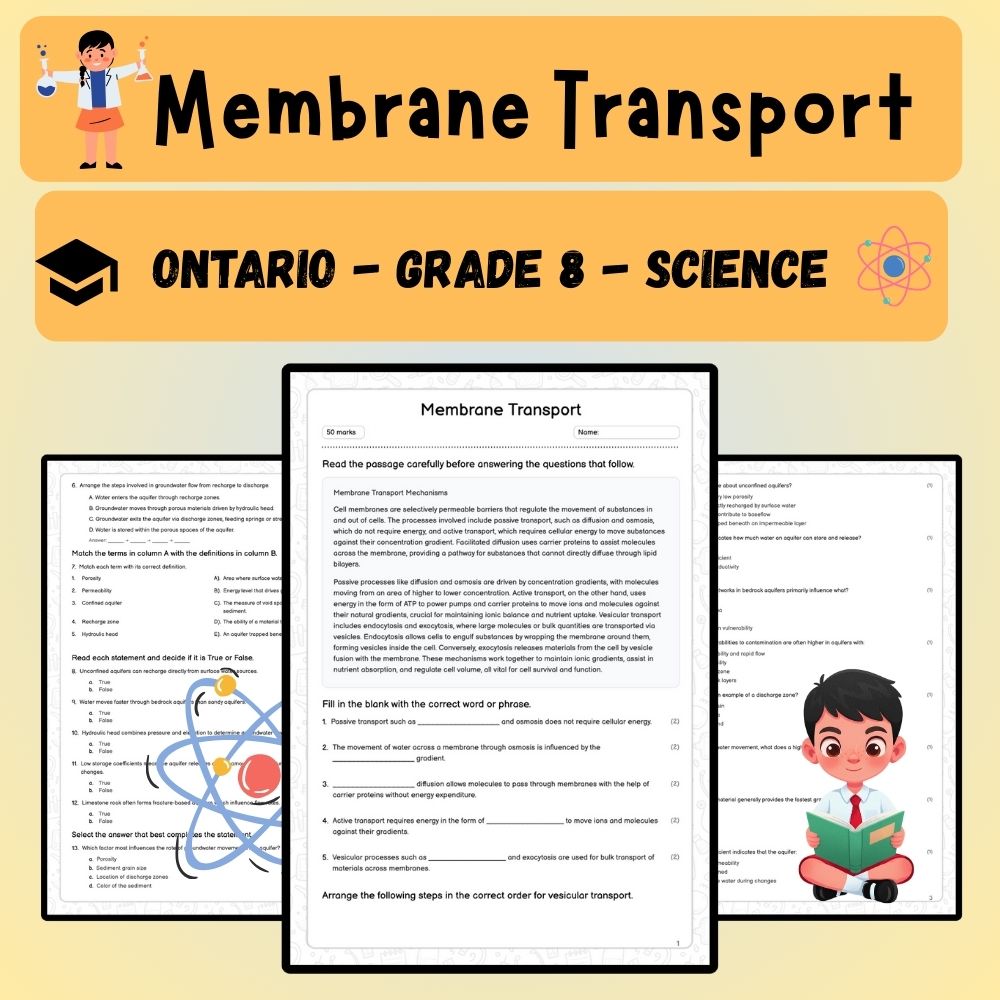
Grade 8 Science | Membrane Transport Worksheet (PDF) – Ontario Standards
Created byPrism Point LearningLearning Objectives
- Describe the difference between passive and active transport mechanisms across cell membranes.
- Identify key processes such as diffusion, osmosis, facilitated diffusion, and active transport.
- Explain how vesicular transport mechanisms like endocytosis and exocytosis maintain cellular functions.
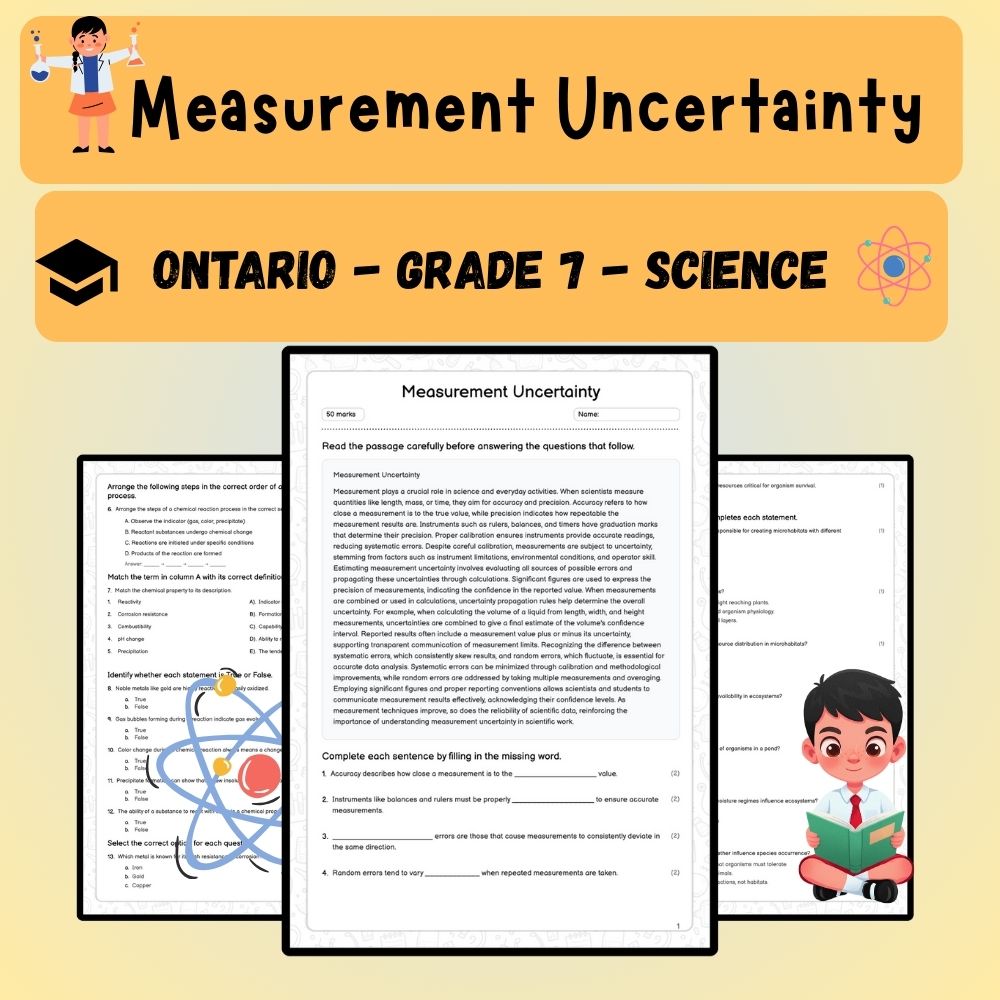
Grade 7 Science – Measurement Uncertainty Worksheet (PDF )
Created byPrism Point LearningLearning Objectives
- Understand the concept of measurement uncertainty and significant figures.
- Learn how to select appropriate instruments for measurement based on accuracy and precision.
- Explore sources of measurement error and techniques for estimating and reporting uncertainty.
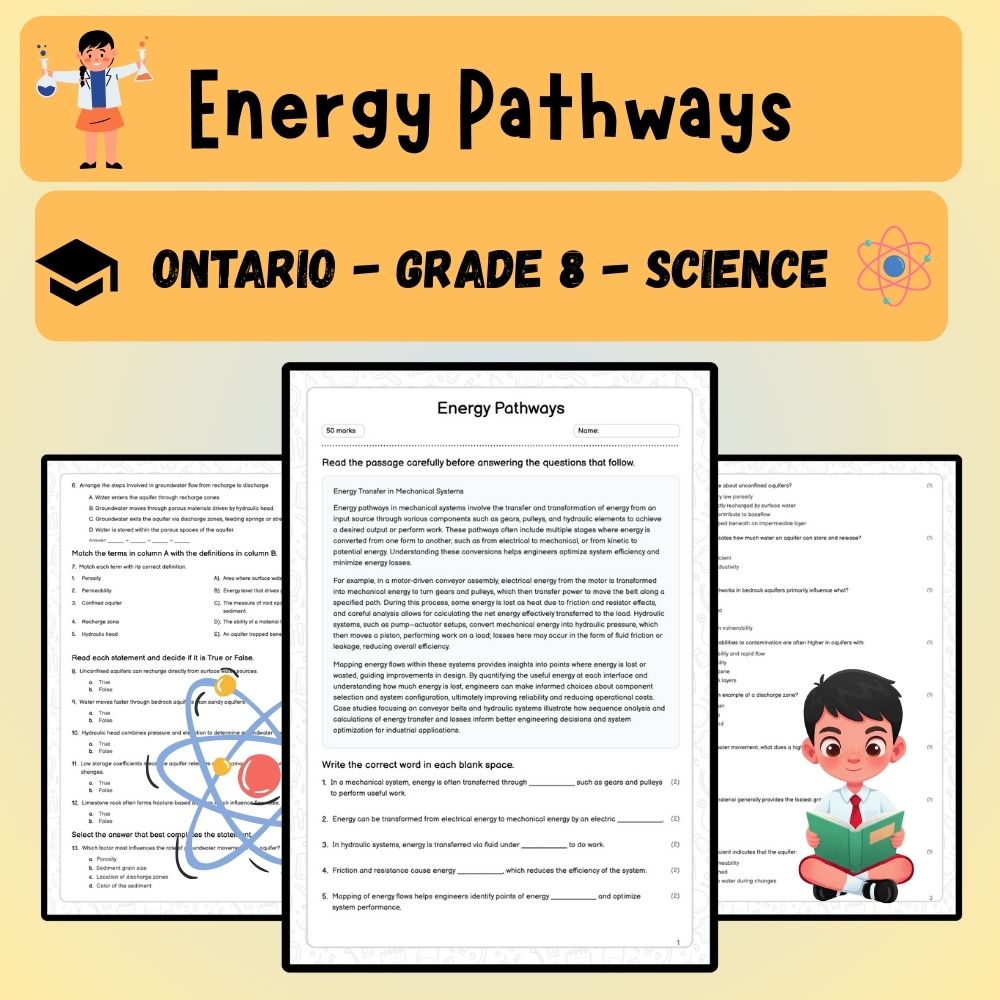
Grade 8 Science | Energy Pathways Worksheet (PDF ) – Ontario Standards
Created byPrism Point LearningLearning Objectives
- Analyze how energy transfers through mechanical subsystems such as gears, pulleys, and hydraulic elements.
- Identify points of energy conversion and quantify losses at each interface in a system.
- Calculate net useful energy transfer in complex systems like motor-driven conveyors and pump–actuator assemblies.
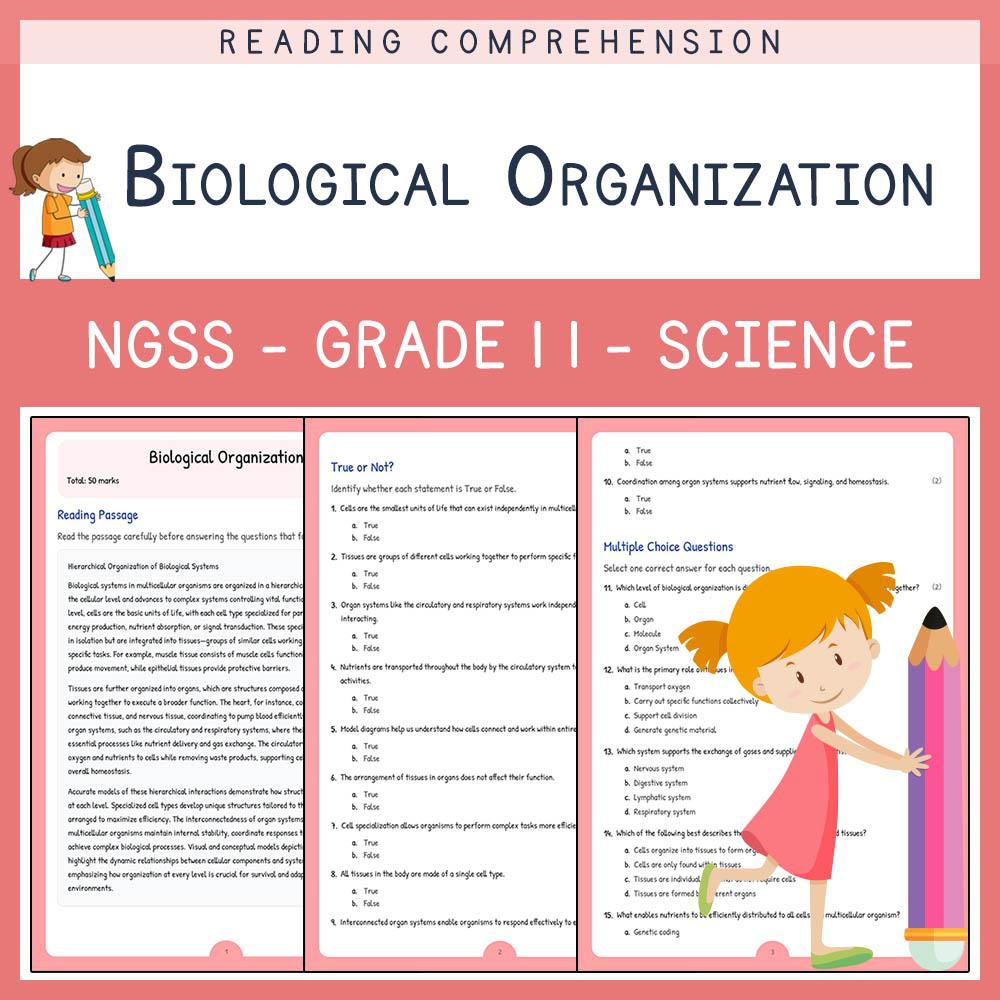
Grade 11 Science | Biological Organization Worksheet with Answer Key (PDF)
 Created byLumora Learning
Learning Objectives
- Understand the hierarchical levels of biological organization from organelles to organ systems.
- Describe how specialized cell types and tissues coordinate within organ systems.
- Explain how structure and arrangement of components enable nutrient distribution, signaling, and internal environment regulation.
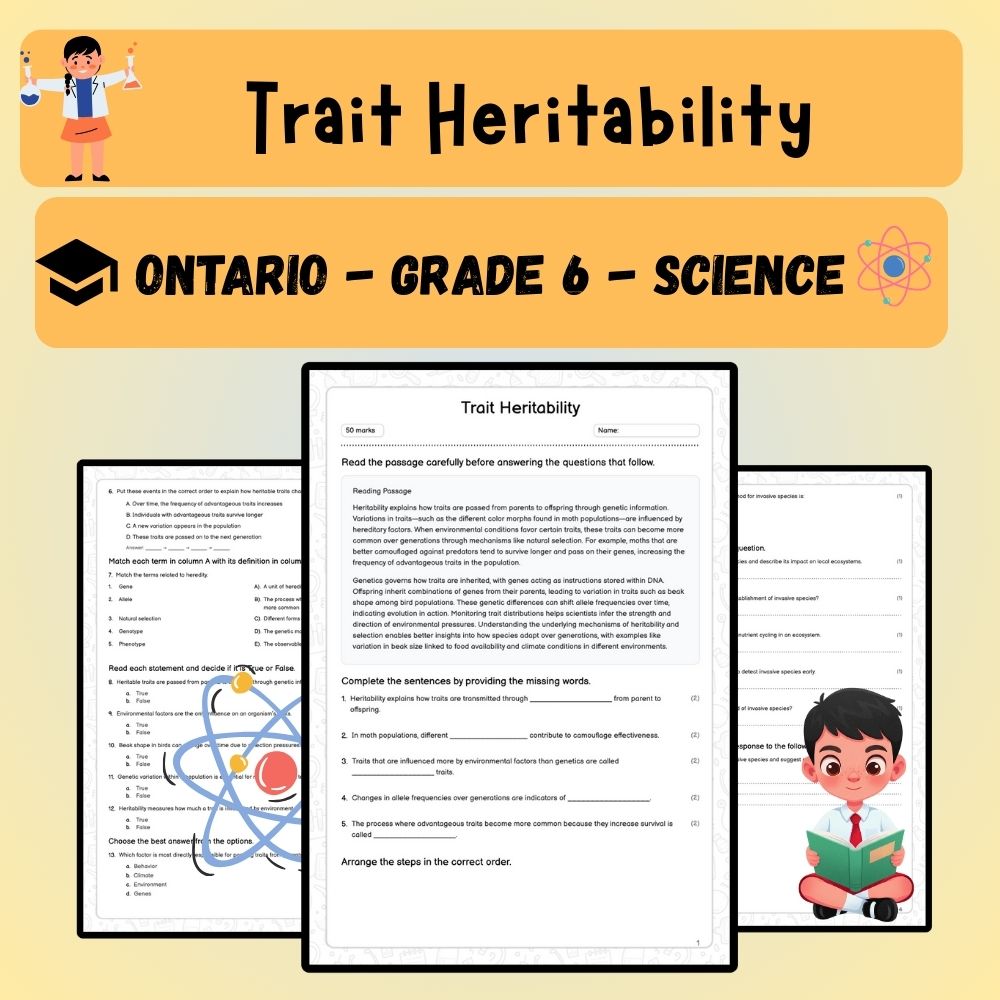
6th Grade Science | Trait Heritability Worksheet (PDF ) for Ontario Standards
Created byPrism Point LearningLearning Objectives
- Understand the concept of heritability and its role in genetic variation
- Distinguish between heritable and environmental influences on traits
- Describe basic mechanisms of inheritance and natural selection in populations
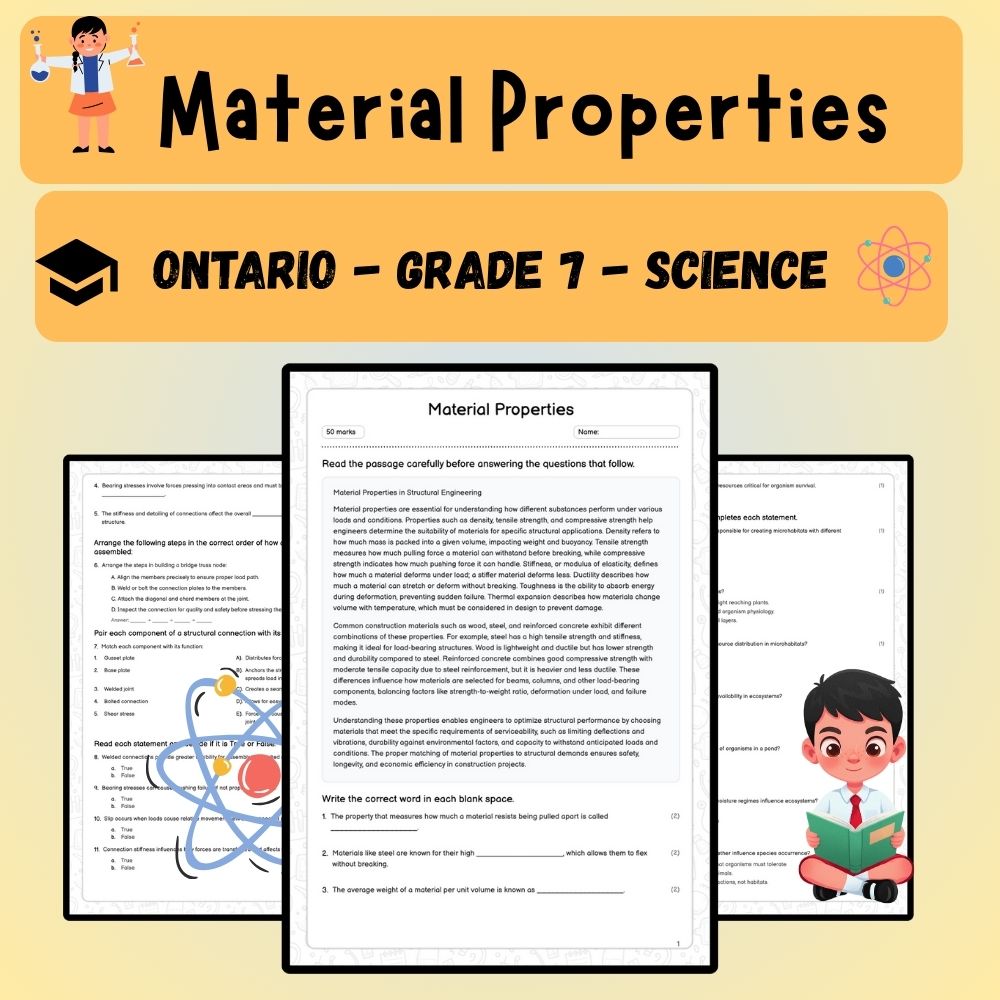
Grade 7 Science – Understanding Material Properties Worksheet (PDF )
Created byPrism Point LearningLearning Objectives
- Define key material properties such as density, tensile strength, compressive strength, stiffness (modulus), ductility, toughness, and thermal expansion.
- Explain how these properties influence the structural performance of materials.
- Compare construction materials like wood, steel, and reinforced concrete in terms of strength-to-weight ratio, deformation, and failure modes.
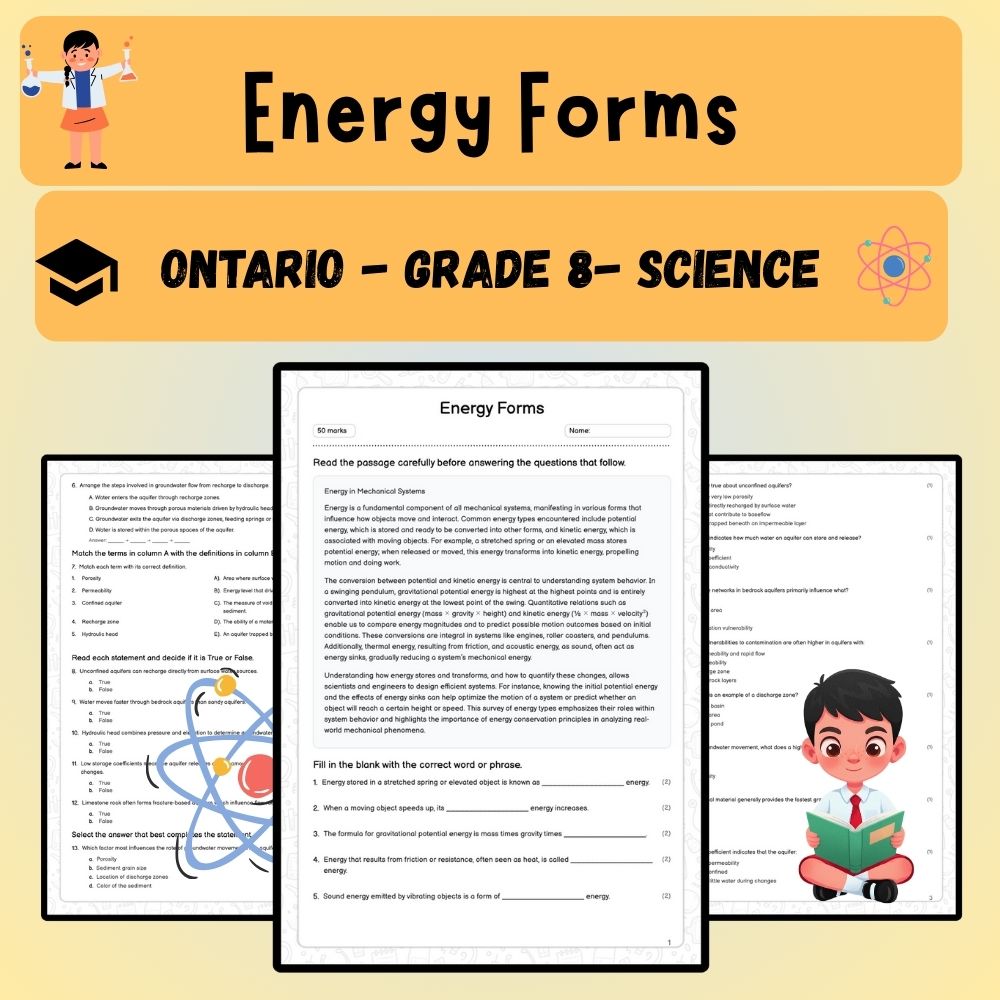
Grade 8 Science – Energy Forms Worksheet (PDF ) | Ontario Standard
Created byPrism Point LearningLearning Objectives
- Identify and describe different forms of energy in mechanical systems.
- Explain the concepts of kinetic and potential energy and their conversion pathways.
- Recognize common sinks of energy such as thermal and acoustic energy.
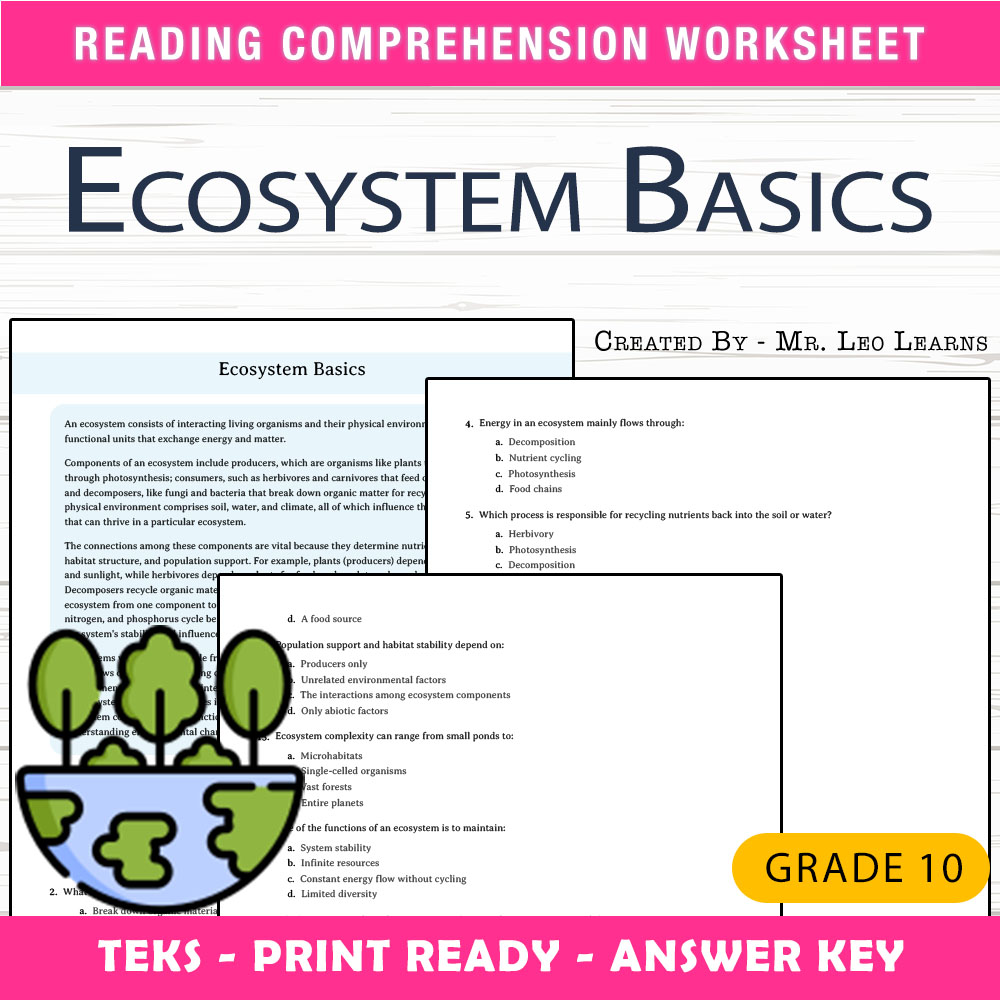
Grade 10 Science — Ecosystem Basics Worksheet for Mastering TEKS Standards
Created byThe Resource HubLearning Objectives
- Describe the components and functions of an ecosystem.
- Identify different types of components such as producers, consumers, and decomposers.
- Explain the flow of energy and cycling of nutrients within an ecosystem.
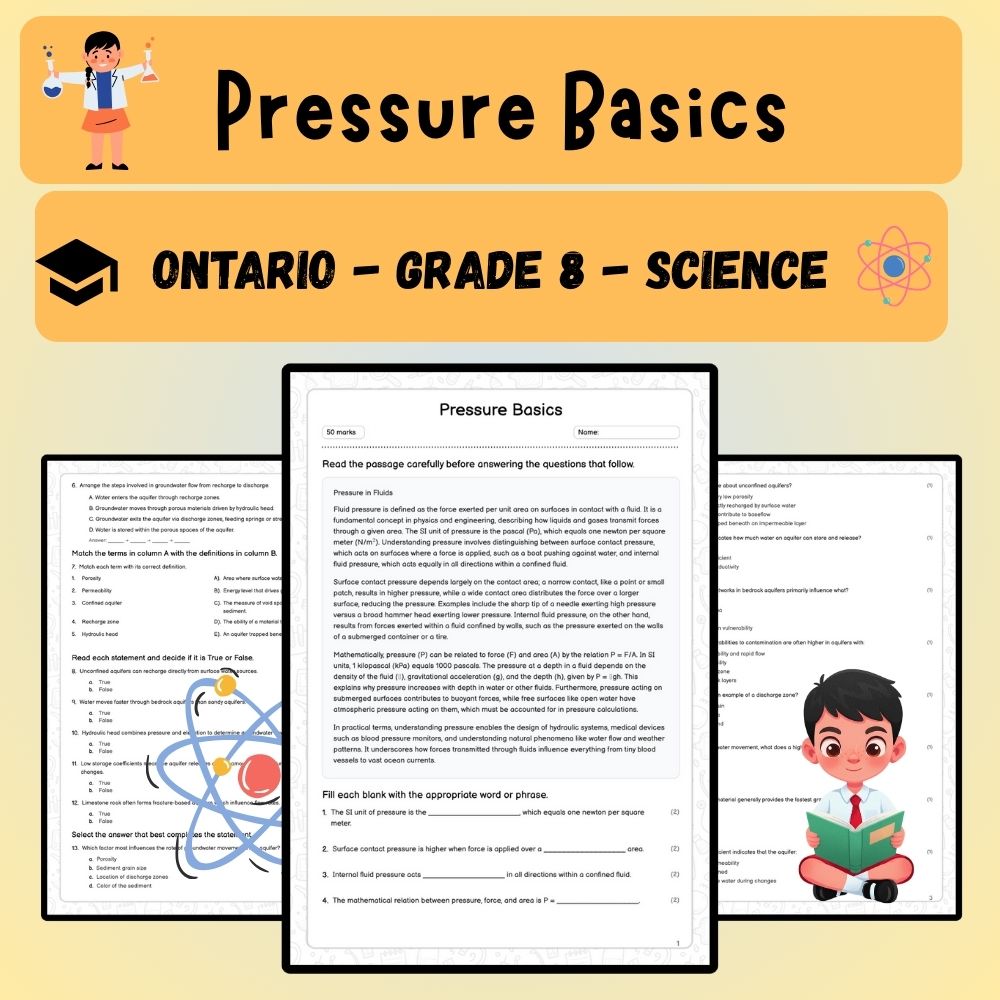
Grade 8 Science – Pressure Basics Worksheet (PDF ) | Ontario Standards
Created byPrism Point LearningLearning Objectives
- Define fluid pressure and understand its SI units.
- Compare surface contact pressure with internal fluid pressure.
- Apply mathematical relations to convert pressure units.
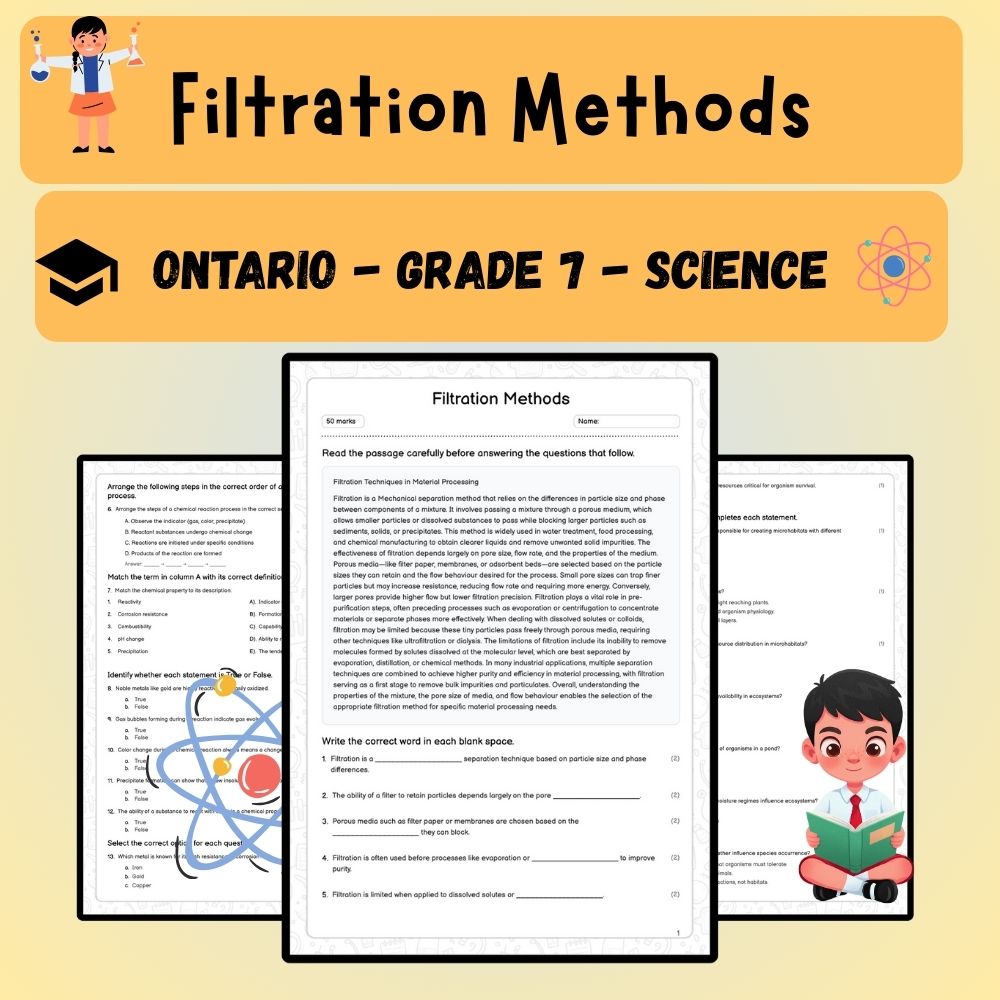
Grade 7 Science | Filtration Methods Worksheet (PDF ) – Ontario Standards
Created byPrism Point LearningLearning Objectives
- Understand the principles of mechanical separation techniques such as filtration and sedimentation.
- Identify the applications and limitations of filtration in separating heterogeneous mixtures.
- Describe the roles of pore size, flow behaviour, and media in filtration processes.
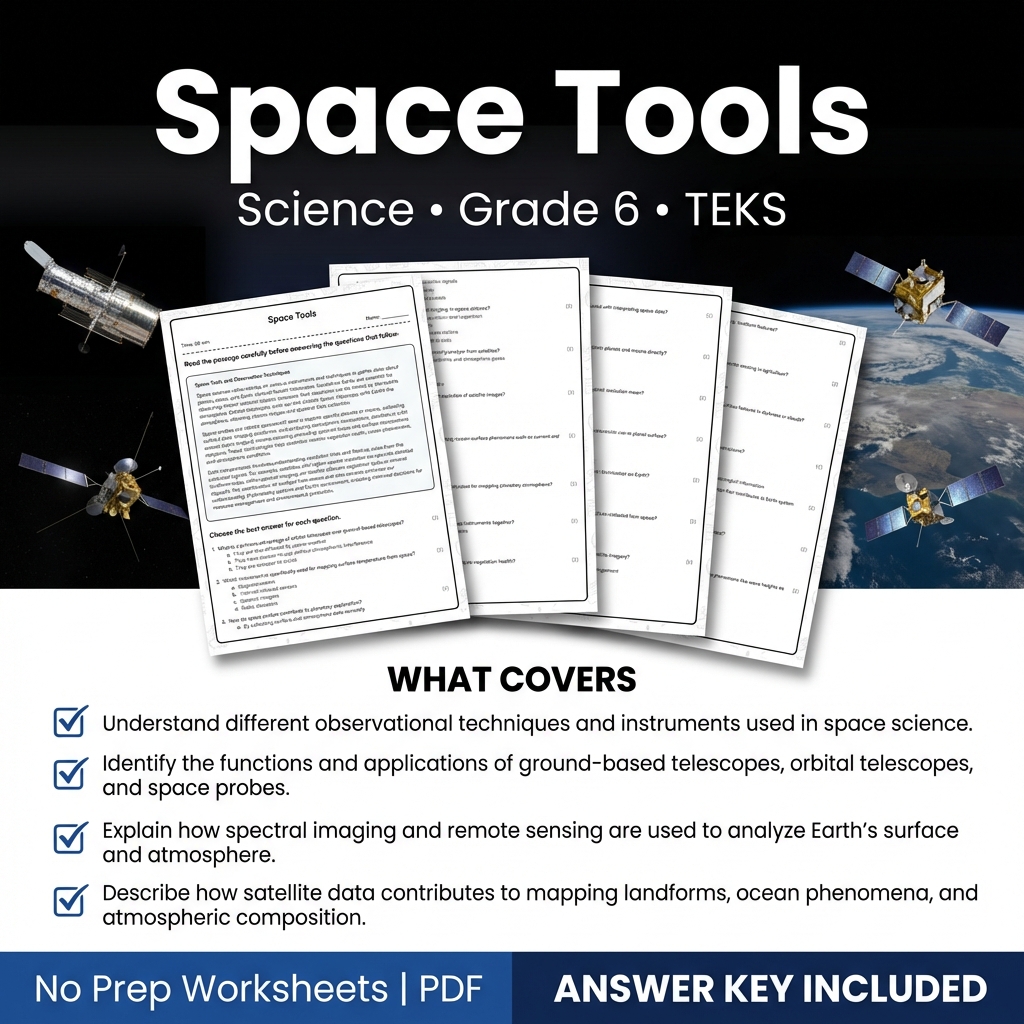
Grade 6 Science Worksheet on Space Tools | TEKS Standards Practice
Created byCoral Reef LearningLearning Objectives
- Understand different observational techniques and instruments used in space science.
- Identify the functions and applications of ground-based telescopes, orbital telescopes, and space probes.
- Explain how spectral imaging and remote sensing are used to analyze Earth's surface and atmosphere.
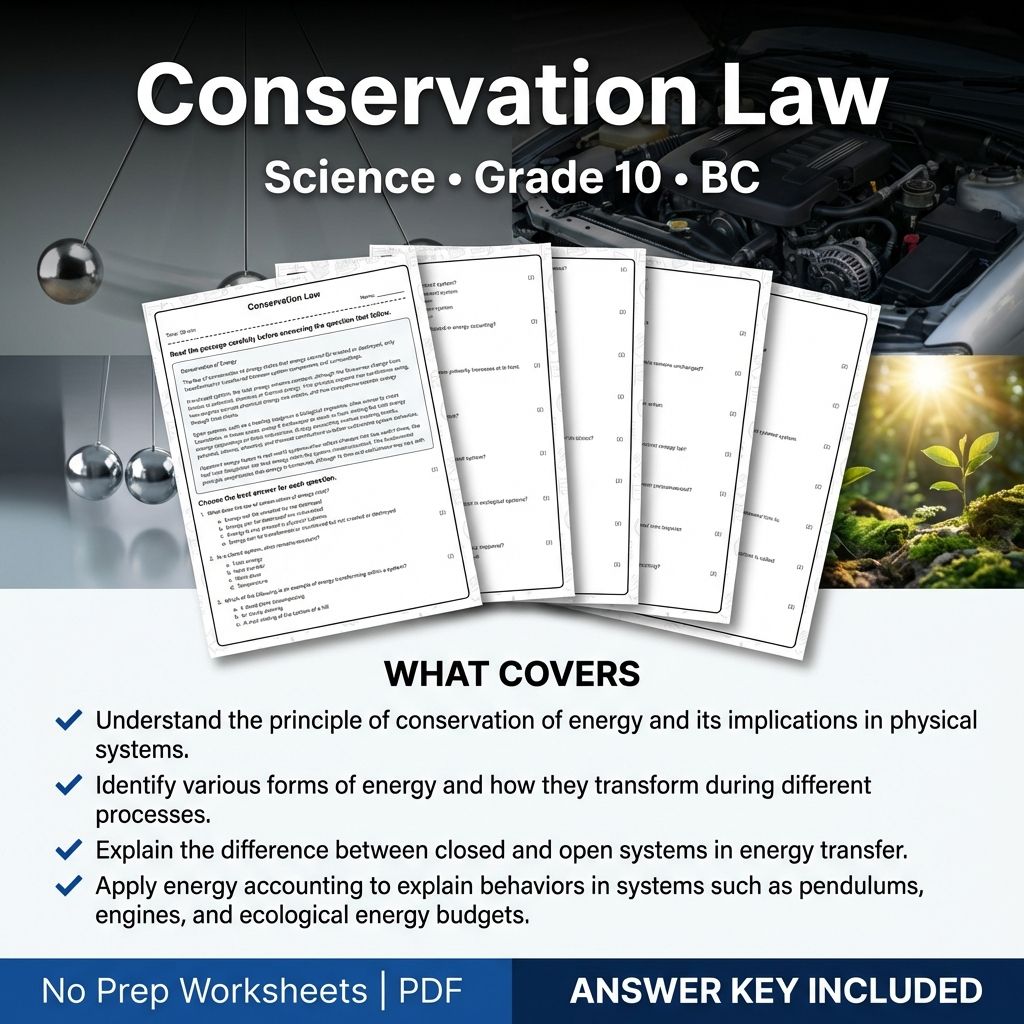
Grade 10 Science | Conservation Law Worksheet & Answer Key (Printable PDF)
Created byCoral Reef LearningLearning Objectives
- Understand the principle of conservation of energy and its implications in physical systems.
- Identify various forms of energy and how they transform during different processes.
- Explain the difference between closed and open systems in energy transfer.
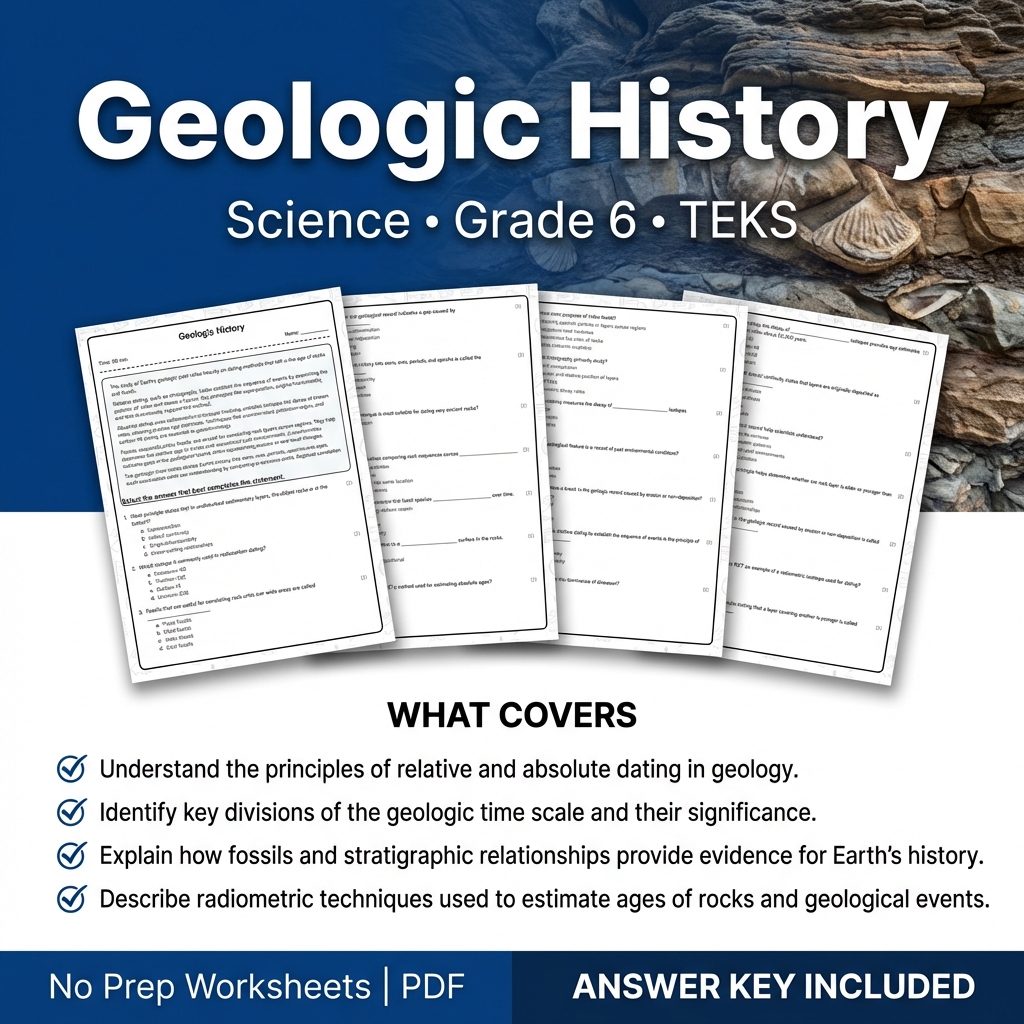
Grade 6 Science Worksheet on Geologic History with Answer Key | TEKS Aligned
Created byCoral Reef LearningLearning Objectives
- Understand the principles of relative and absolute dating in geology.
- Identify key divisions of the geologic time scale and their significance.
- Explain how fossils and stratigraphic relationships provide evidence for Earth's history.
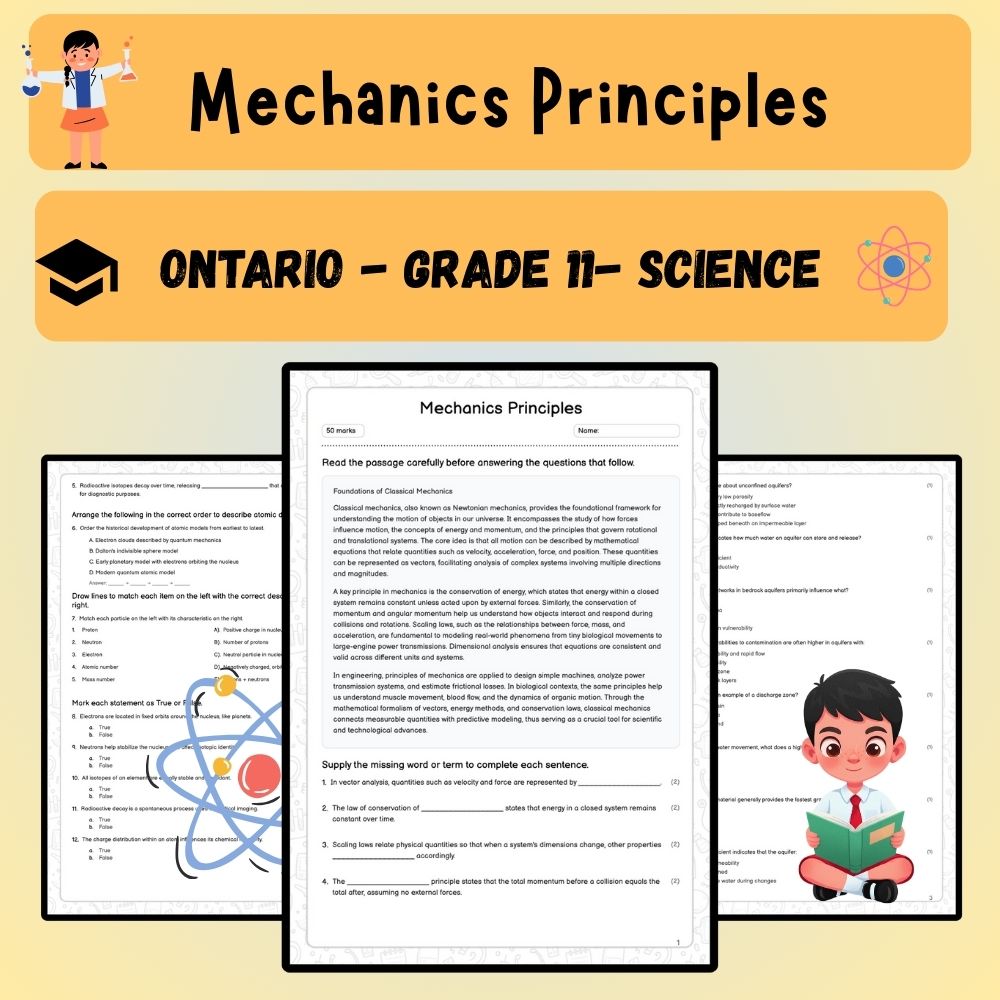
Grade 11 Science | Mechanics Principles Worksheet (Answer Key) – Ontario Standards
Created byPrism Point LearningLearning Objectives
- Understand the fundamental concepts of classical mechanics, including kinematics and dynamics.
- Apply vector analysis to describe motion and forces in physical systems.
- Understand conservation laws such as energy, momentum, and angular momentum.
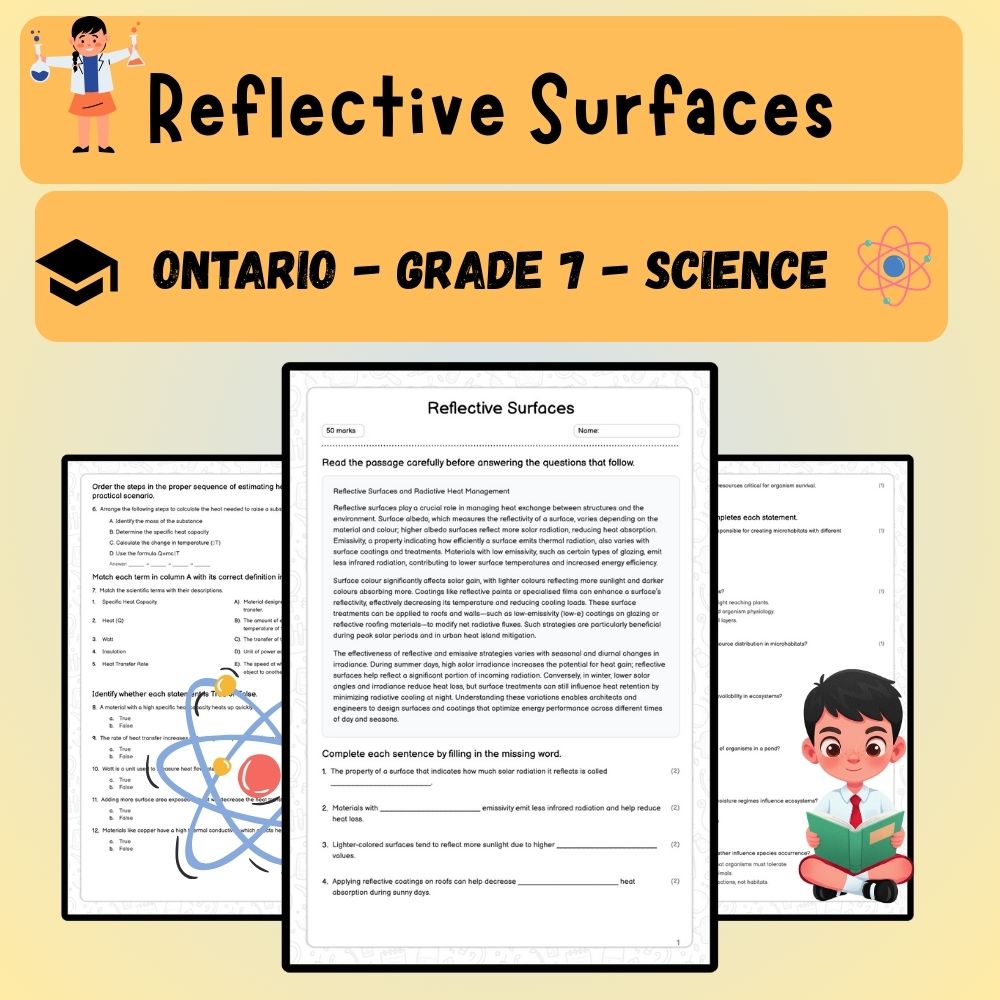
Grade 7 Science Worksheet | Reflective Surfaces & Heat Management (PDF)
Created byPrism Point LearningLearning Objectives
- Explain how surface albedo and emissivity affect radiative heat exchange.
- Describe how surface colour and coatings influence solar gain and heat regulation.
- Understand the applications of low-emissivity glazing and reflective roofs in energy efficiency.
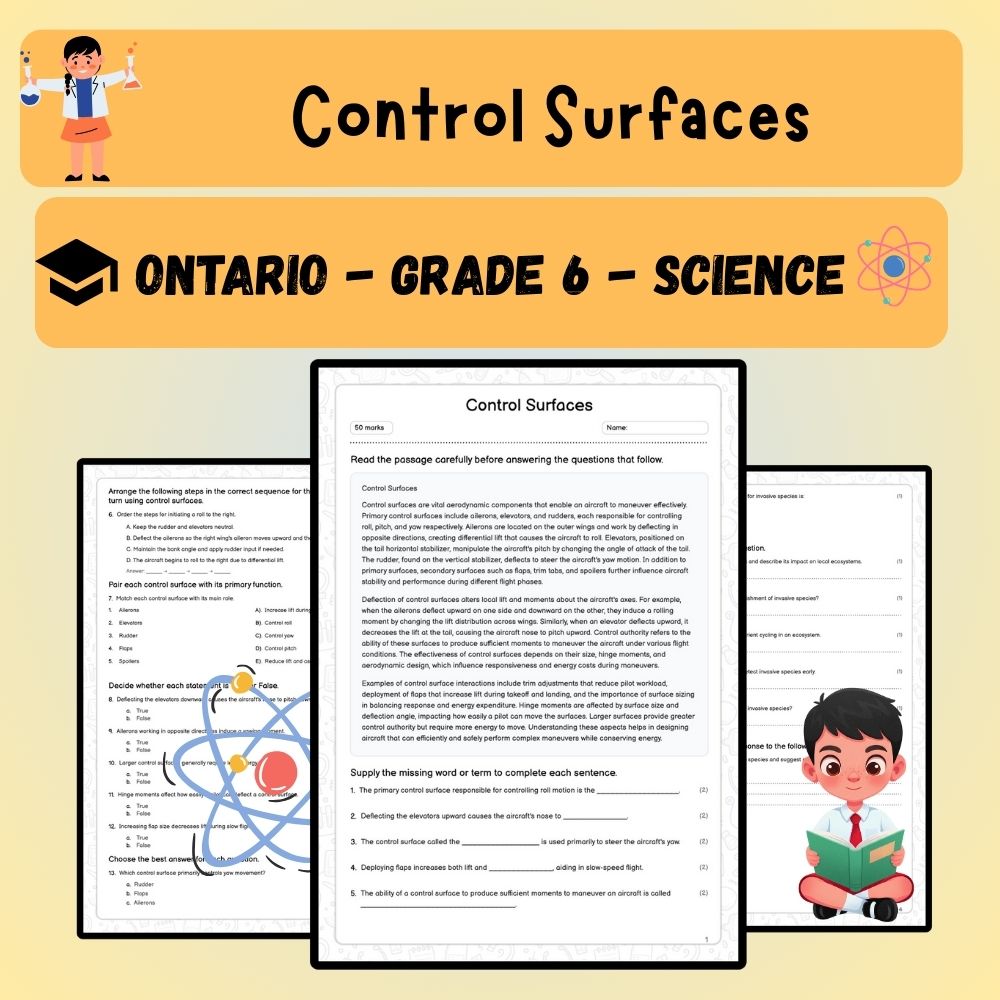
6th Grade Science | Control Surfaces Worksheet (PDF ) – Ontario Standards
Created byPrism Point LearningLearning Objectives
- Explain the primary and secondary control surfaces on aircraft and their functions.
- Describe how deflection of control surfaces affects lift, moments, and aircraft maneuverability.
- Understand the concepts of control authority and aerodynamic stability related to control surfaces.
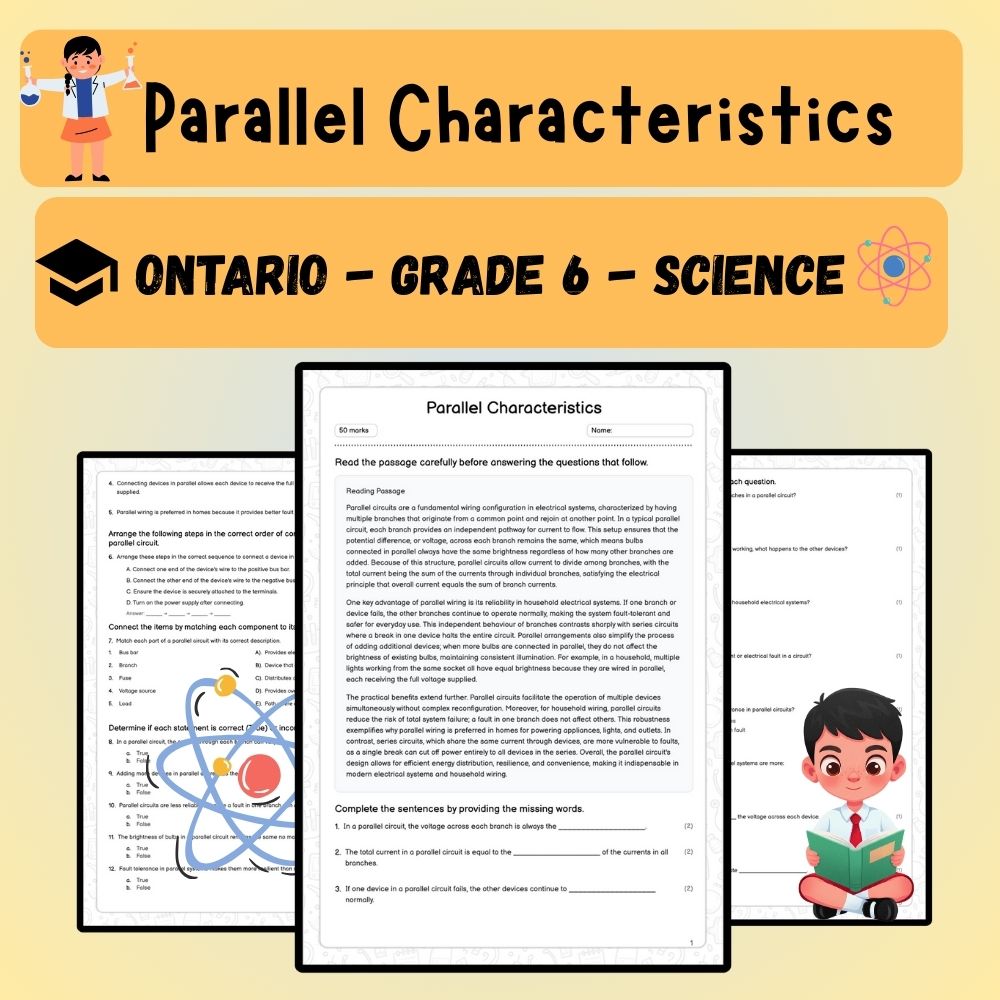
6th Grade Science | Parallel Circuit Characteristics Worksheet (PDF )
Created byPrism Point LearningLearning Objectives
- Understand the concept of parallel circuits and their branching pathways.
- Identify the properties of voltage and current in parallel arrangements.
- Explain practical advantages of parallel wiring in household systems.
Browse more categories
About Science Worksheets
Find Science worksheets spanning core skills, practice, and review. All 42,859 resources are instant PDF downloads for the classroom or home.
Every worksheet on MyTeachingSheets is created by independent teacher-authors and reviewed before publication. All resources download as printable PDFs for classroom, homework, or at-home practice, and many include answer keys. Preview any worksheet free before buying.