
Science Worksheets
42,859 subject resources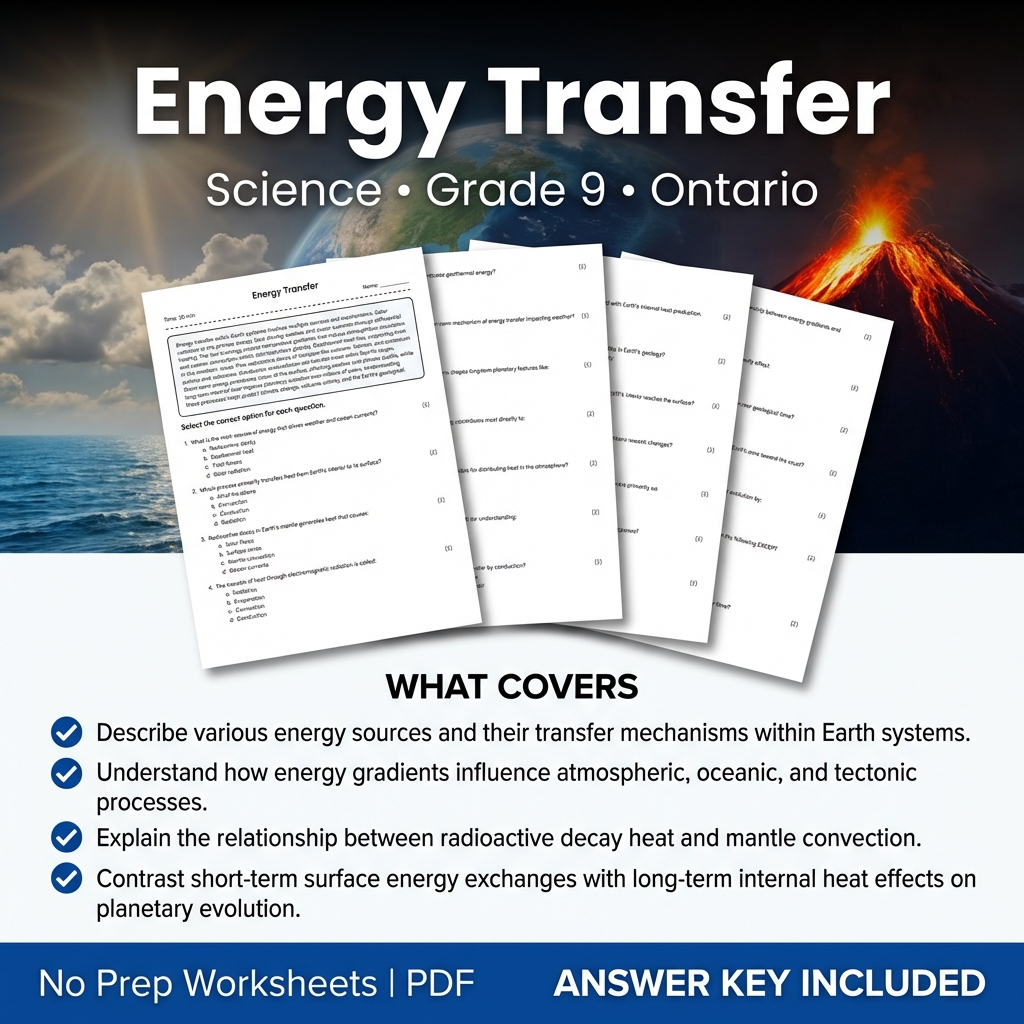
Energy Transfer Worksheet Grade 9 Science | Ontario Standards Practice
 Created byCoral Reef Learning
Learning Objectives
- Describe various energy sources and their transfer mechanisms within Earth systems.
- Understand how energy gradients influence atmospheric, oceanic, and tectonic processes.
- Explain the relationship between radioactive decay heat and mantle convection.
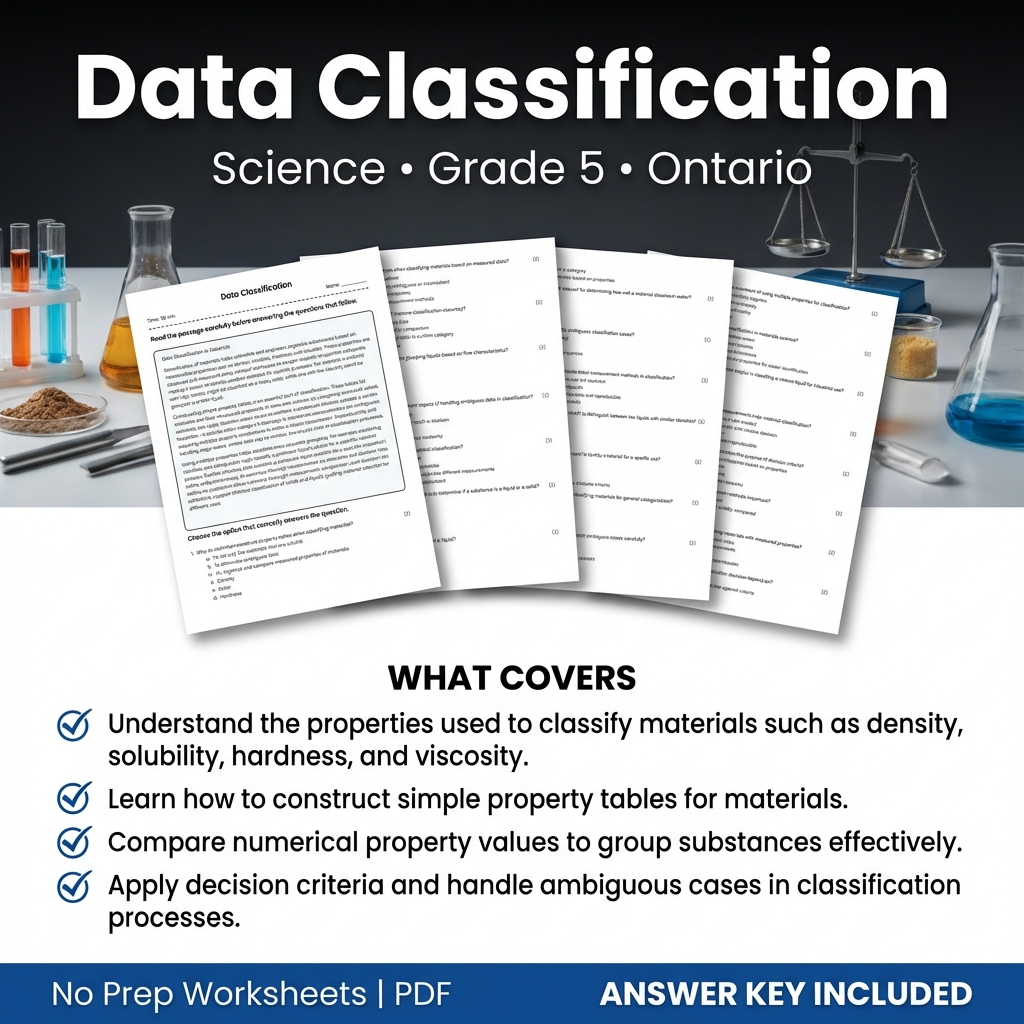
Grade 5 Science Worksheet on Data Classification – Ontario Standards
Created byCoral Reef LearningLearning Objectives
- Understand the properties used to classify materials such as density, solubility, hardness, and viscosity.
- Learn how to construct simple property tables for materials.
- Compare numerical property values to group substances effectively.
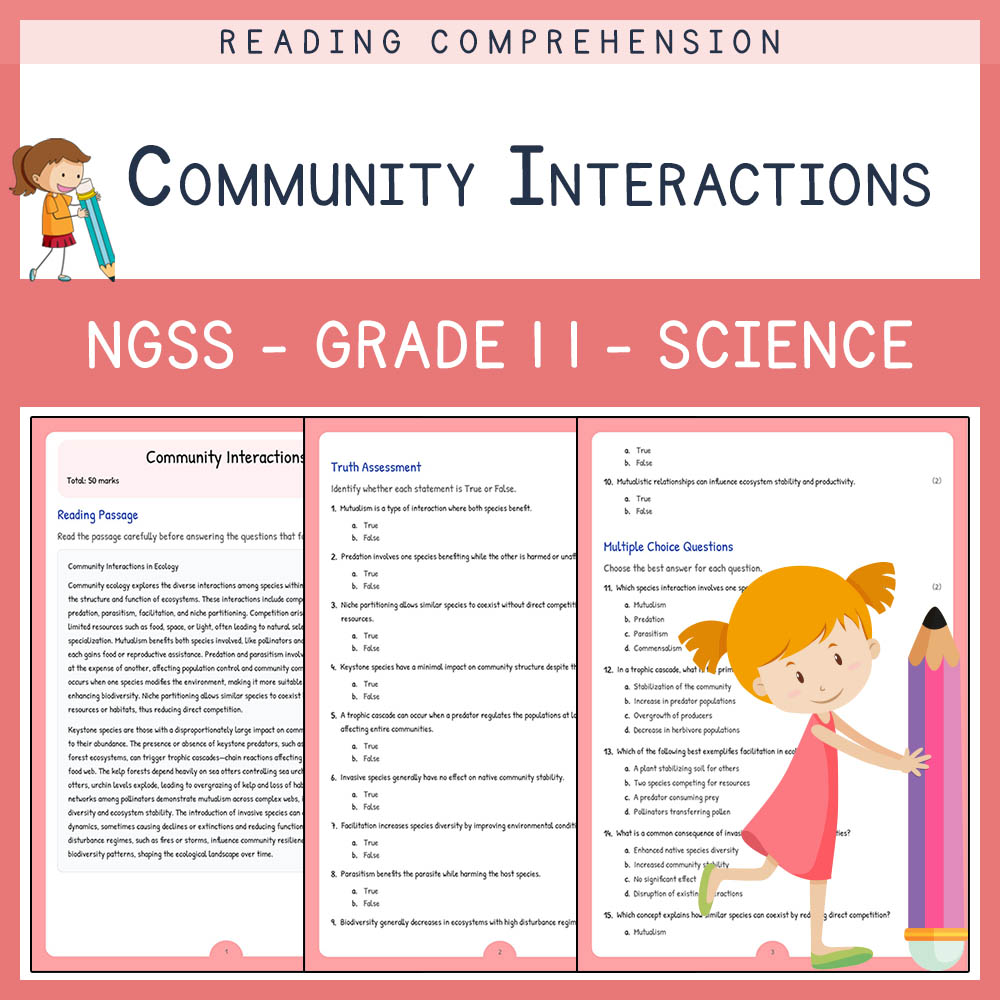
Grade 11 Science | Community Interactions Worksheet & Answer Key (NGSS Aligned)
 Created byLumora Learning
Learning Objectives
- Analyze different types of species interactions within communities, including competition, mutualism, predation, parasitism, facilitation, and niche partitioning.
- Understand the roles of keystone species and trophic cascades in shaping community structure.
- Evaluate examples illustrating species interactions and their consequences on biodiversity and community stability.
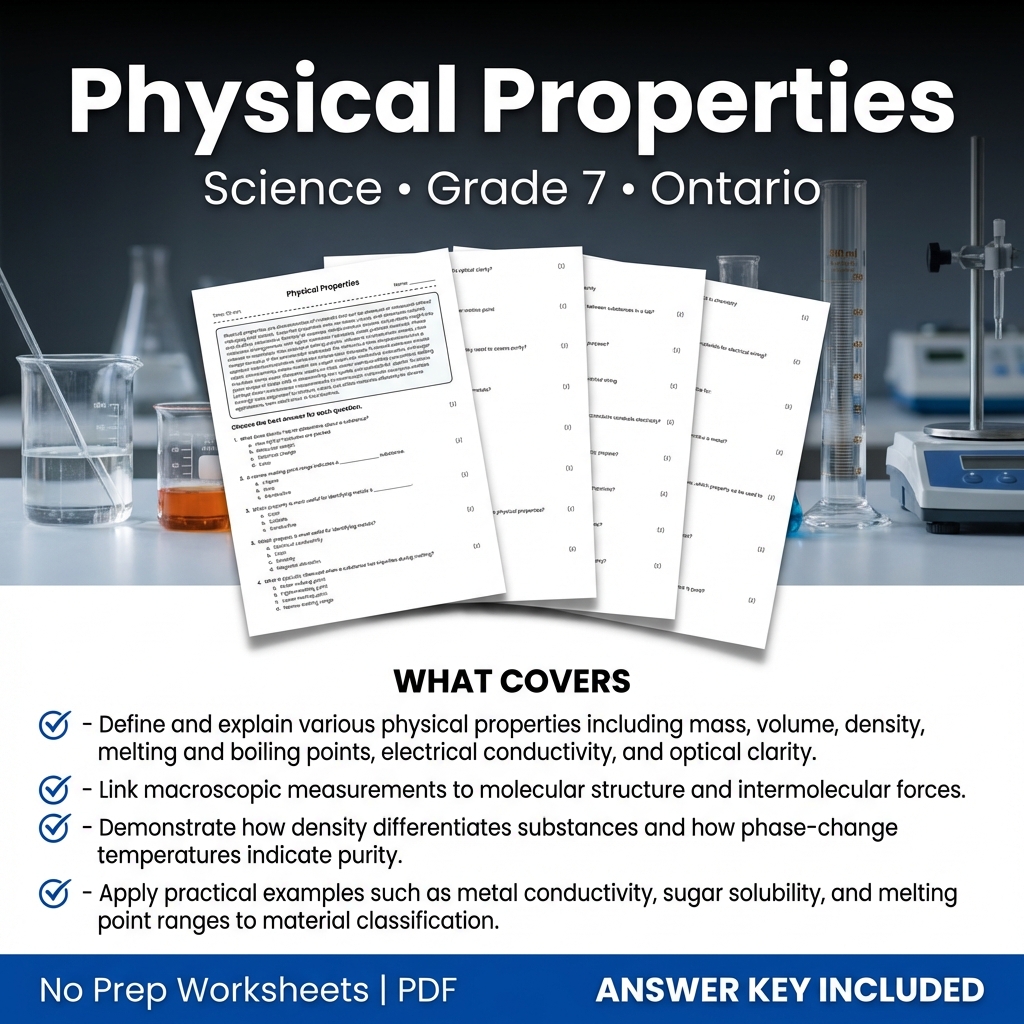
Grade 7 Science Worksheet on Physical Properties with Answer Key – Ontario
Created byCoral Reef LearningLearning Objectives
- Define and explain various physical properties including mass, volume, density, melting and boiling points, electrical conductivity, and optical clarity.
- Link macroscopic measurements to molecular structure and intermolecular forces.
- Demonstrate how density differentiates substances and how phase-change temperatures indicate purity.
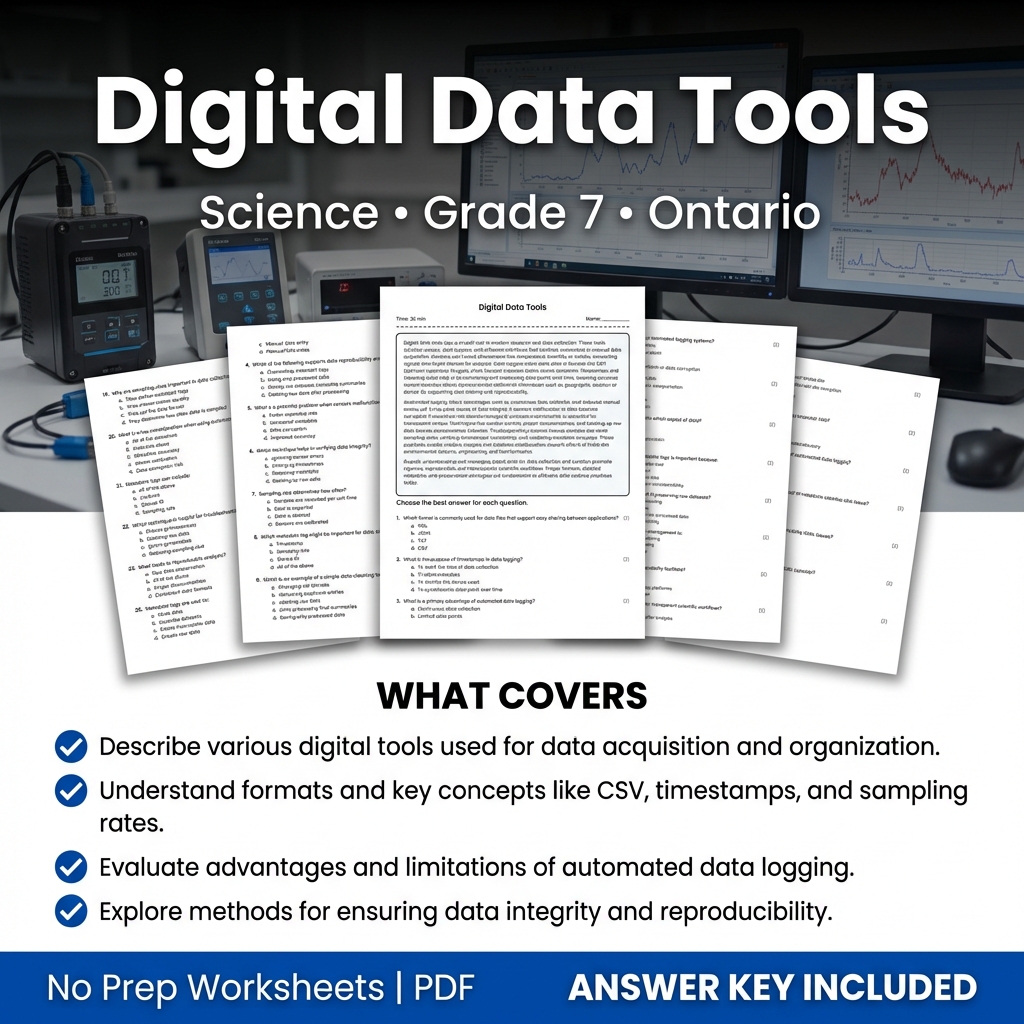
Grade 7 Science Worksheet on Digital Data Tools | Ontario Standards
Created byCoral Reef LearningLearning Objectives
- Describe various digital tools used for data acquisition and organization.
- Understand formats and key concepts like CSV, timestamps, and sampling rates.
- Evaluate advantages and limitations of automated data logging.
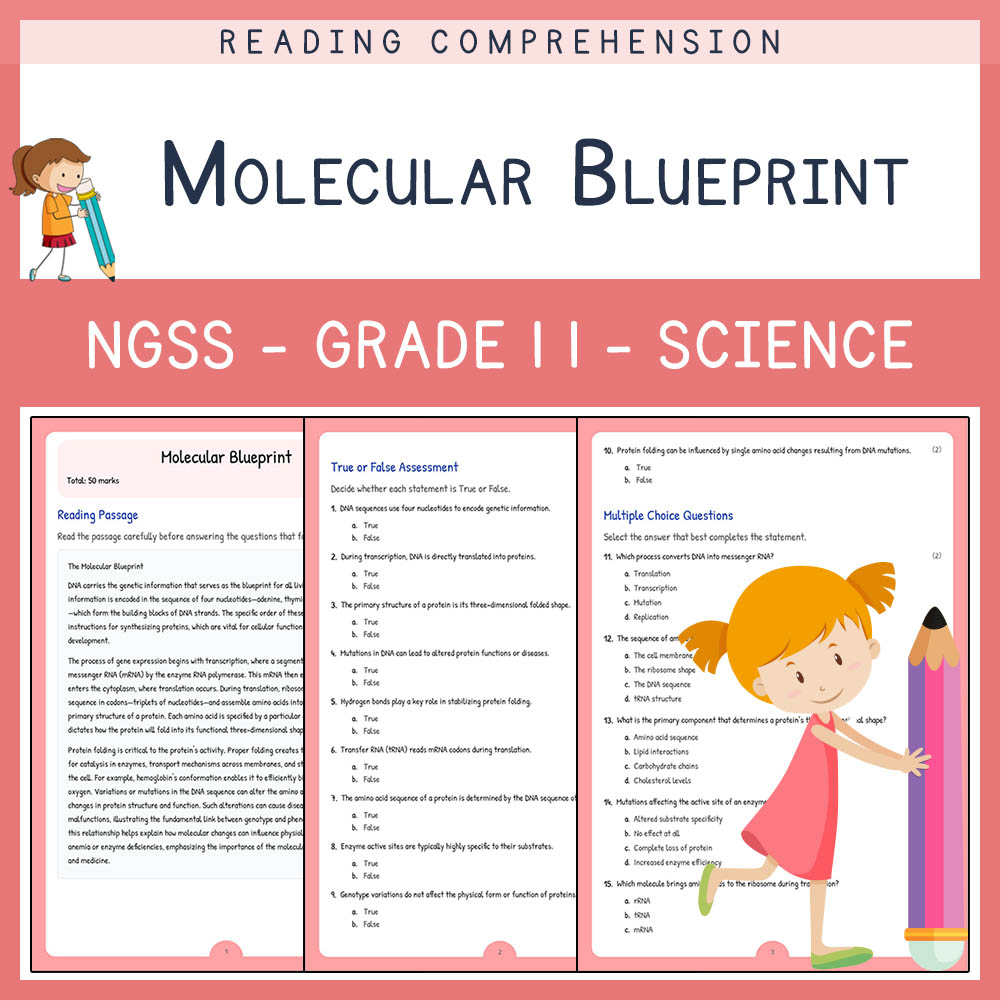
Grade 11 Science | Molecular Blueprint Worksheet & Answer Key (PDF)
Created byLumora LearningLearning Objectives
- Explain how DNA sequences determine protein structure and function.
- Describe the processes of transcription and translation in protein synthesis.
- Identify key features of protein folding and active sites that enable cellular functions.
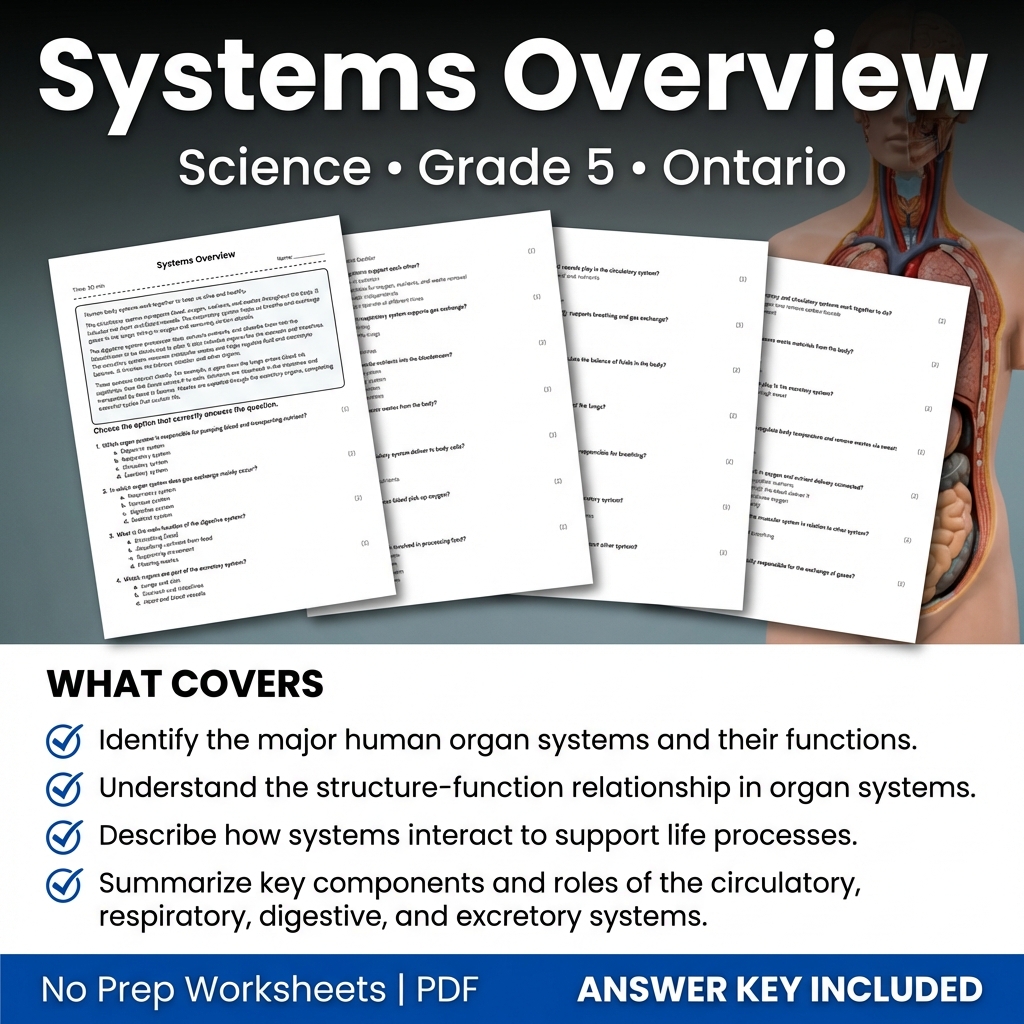
Grade 5 Science Worksheet Systems Overview | Ontario Standards
Created byCoral Reef LearningLearning Objectives
- Identify the major human organ systems and their functions.
- Understand the structure-function relationship in organ systems.
- Describe how systems interact to support life processes.
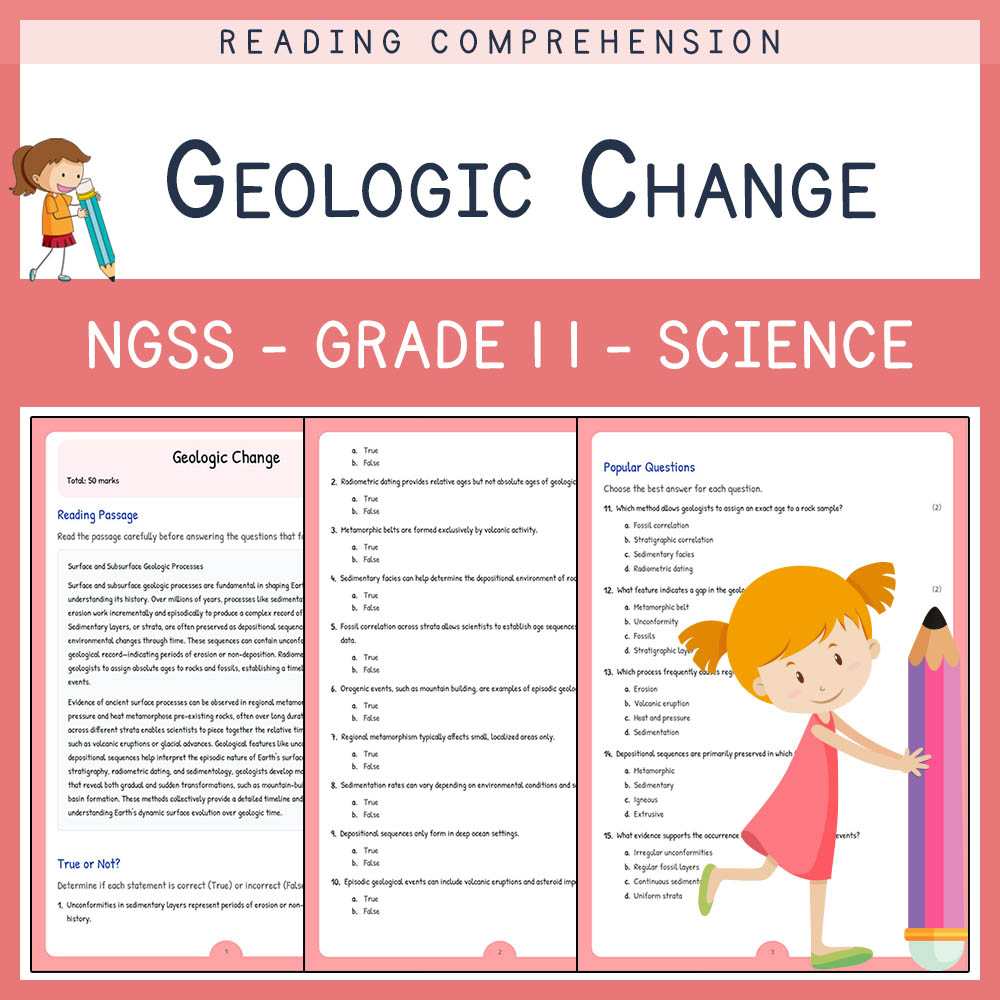
Grade 11 Science | Geologic Change Worksheet (Answer Key) for NGSS Standards
Created byLumora LearningLearning Objectives
- Understand the processes involved in surface and subsurface geologic change, including stratigraphy, sedimentation, metamorphism, and erosion.
- Interpret geological time sequences using radiometric dating, fossil correlation, and sedimentary facies.
- Identify evidence of episodic and incremental geologic events that shape Earth's crust over time.
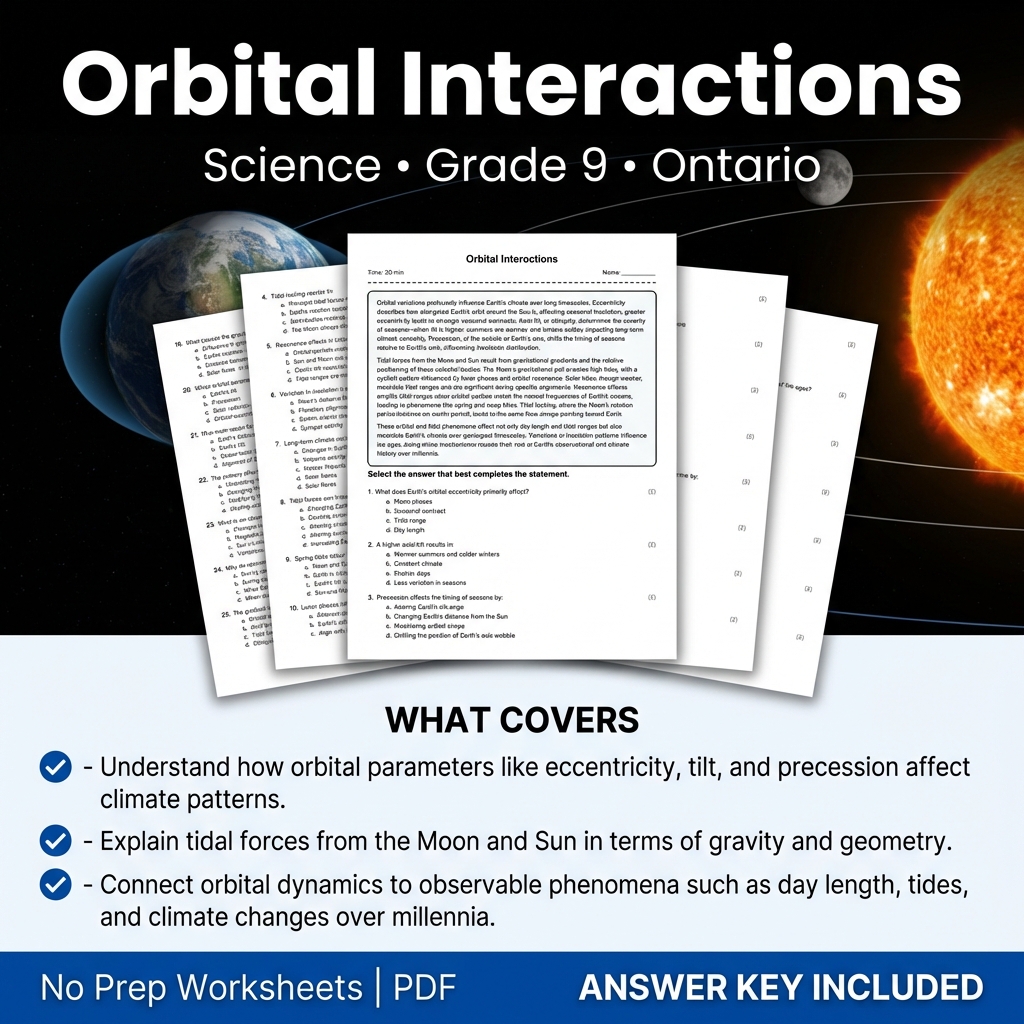
Orbital Interactions Worksheet for Grade 9 Science – Ontario Standards
Created byCoral Reef LearningLearning Objectives
- Understand how orbital parameters like eccentricity, tilt, and precession affect climate patterns.
- Explain tidal forces from the Moon and Sun in terms of gravity and geometry.
- Connect orbital dynamics to observable phenomena such as day length, tides, and climate changes over millennia.
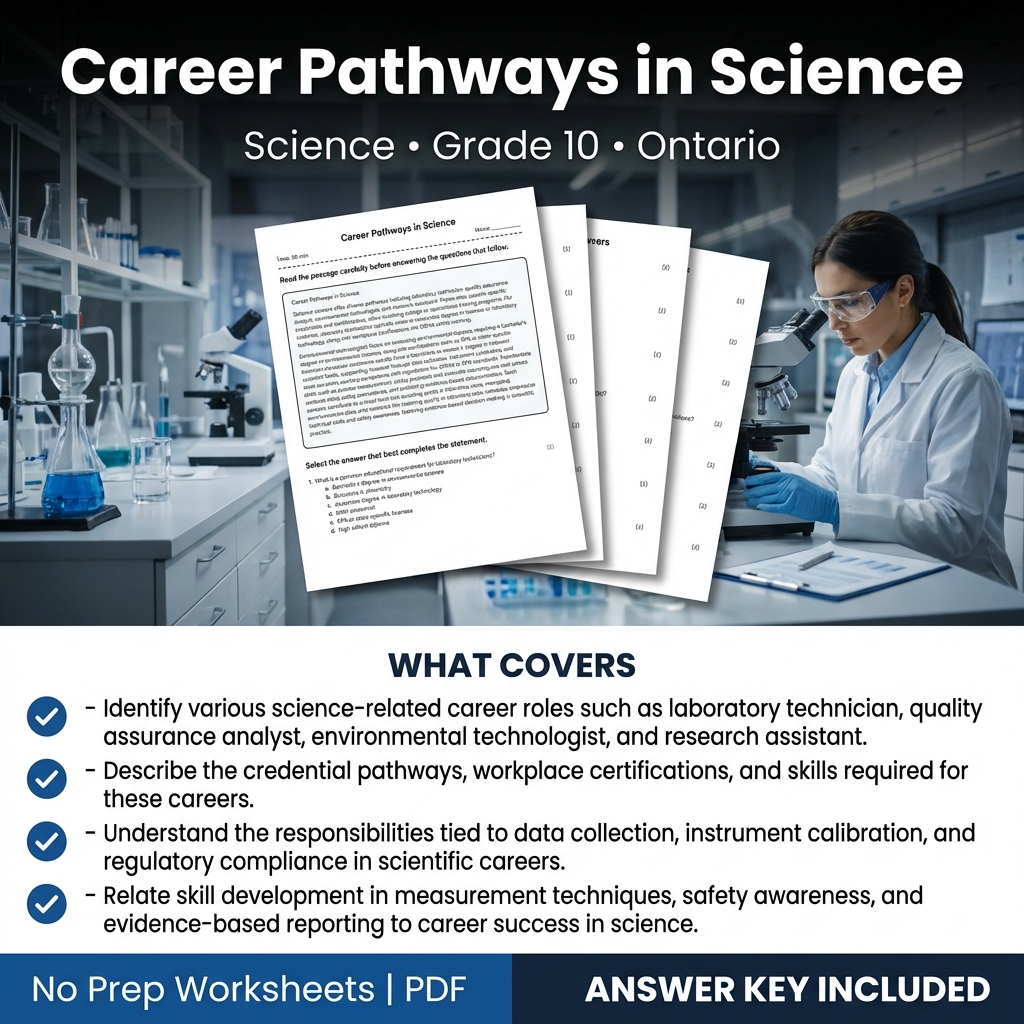
Career Pathways in Science Grade 10 Worksheet | Ontario Standard
Created byCoral Reef LearningLearning Objectives
- Identify various science-related career roles such as laboratory technician, quality assurance analyst, environmental technologist, and research assistant.
- Describe the credential pathways, workplace certifications, and skills required for these careers.
- Understand the responsibilities tied to data collection, instrument calibration, and regulatory compliance in scientific careers.
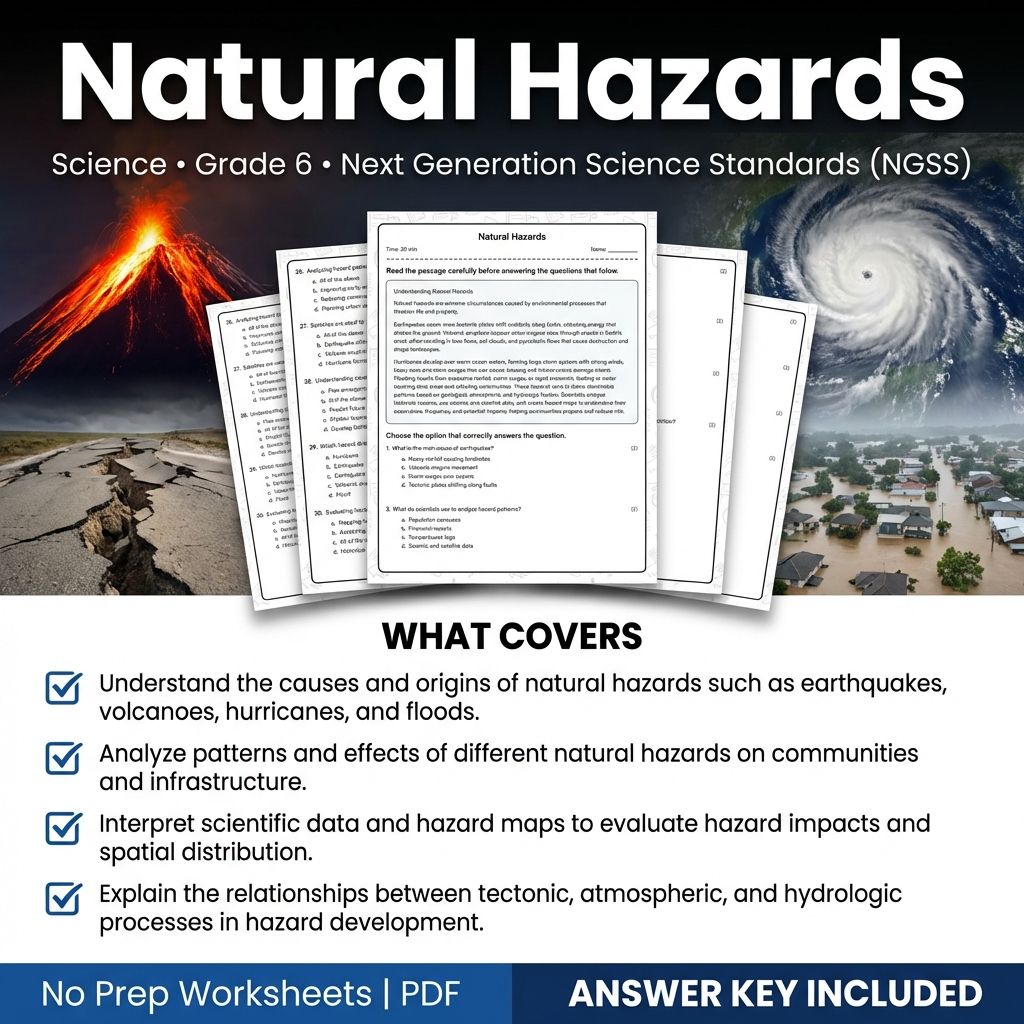
6th Grade Science | Natural Hazards Worksheet with Answer Key (Printable PDF)
Created byCoral Reef LearningLearning Objectives
- Understand the causes and origins of natural hazards such as earthquakes, volcanoes, hurricanes, and floods.
- Analyze patterns and effects of different natural hazards on communities and infrastructure.
- Interpret scientific data and hazard maps to evaluate hazard impacts and spatial distribution.
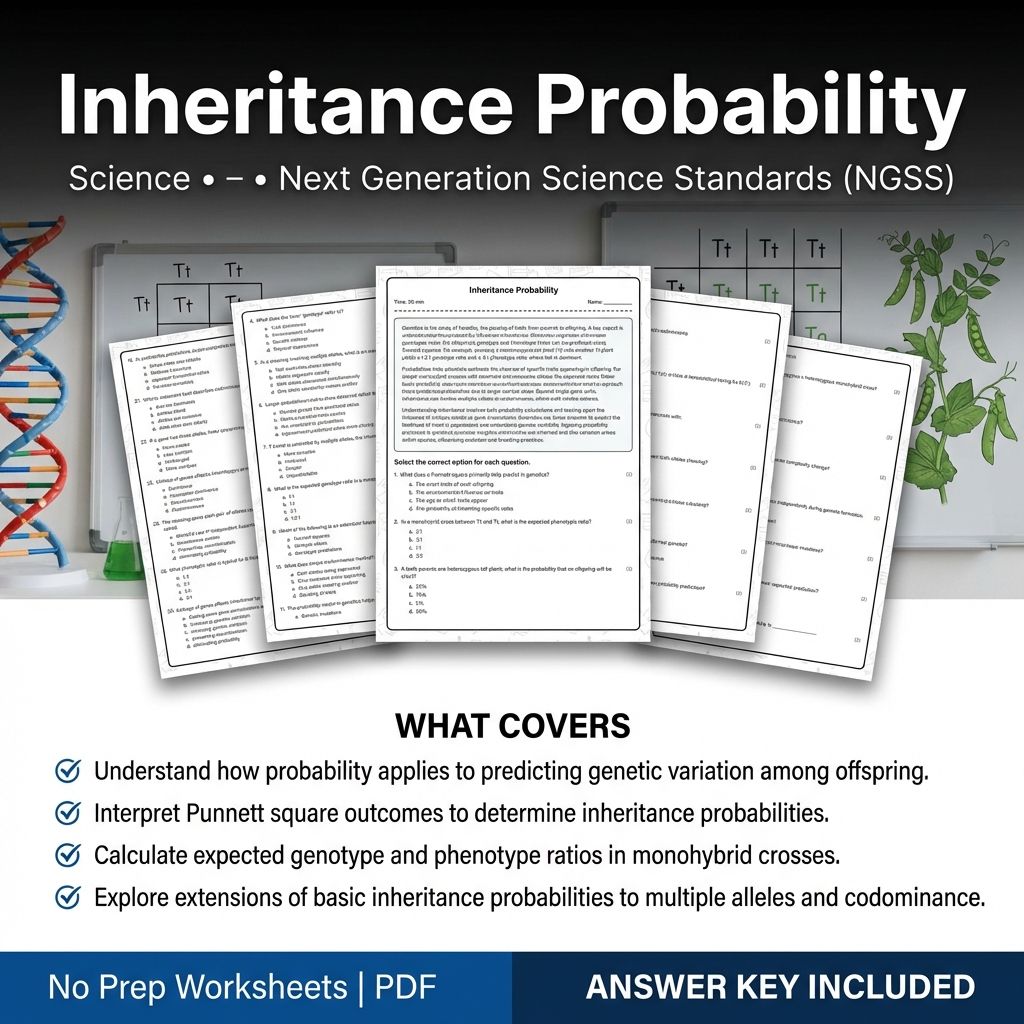
Grade 7 Science | Inheritance Probability Worksheet + Answer Key (Printable PDF)
Created byCoral Reef LearningLearning Objectives
- Understand how probability applies to predicting genetic variation among offspring.
- Interpret Punnett square outcomes to determine inheritance probabilities.
- Calculate expected genotype and phenotype ratios in monohybrid crosses.

Grade 10 Science | Health Impacts Worksheet (Worksheet + Answer Key) Ontario
 Created byPrism Point Learning
Learning Objectives
- Understand how pathogenic microorganisms interact with host systems and modes of transmission.
- Differentiate bacterial, viral, and fungal disease processes.
- Describe principles of innate and adaptive immunity, including antibody recognition.
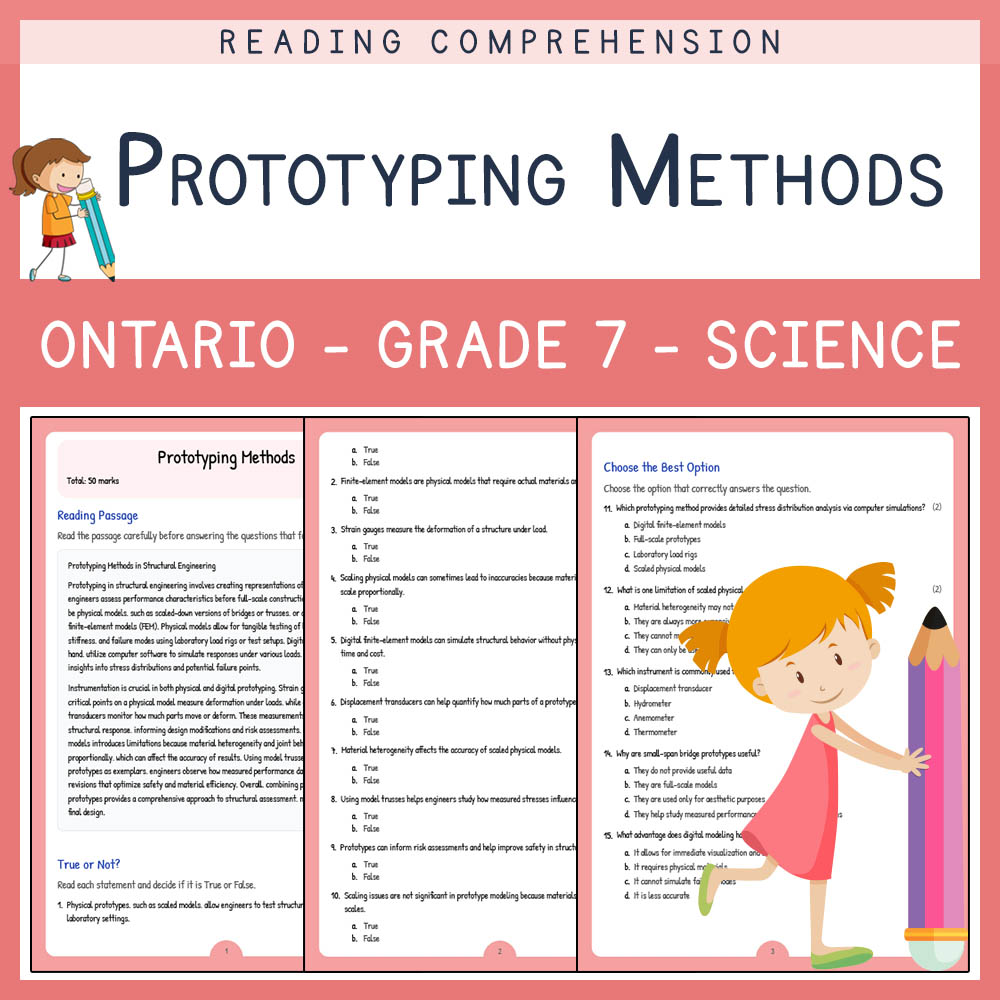
Grade 7 Science | Prototyping Methods Worksheet & Answer Key - Ontario Standard
Created byLumora LearningLearning Objectives
- Understand different prototyping approaches including scaled physical models, digital finite-element models, and laboratory load rigs.
- Compare advantages of each prototyping method for assessing strength, stiffness, and failure modes.
- Explain how instrumentation such as strain gauges and displacement transducers are used to quantify responses.
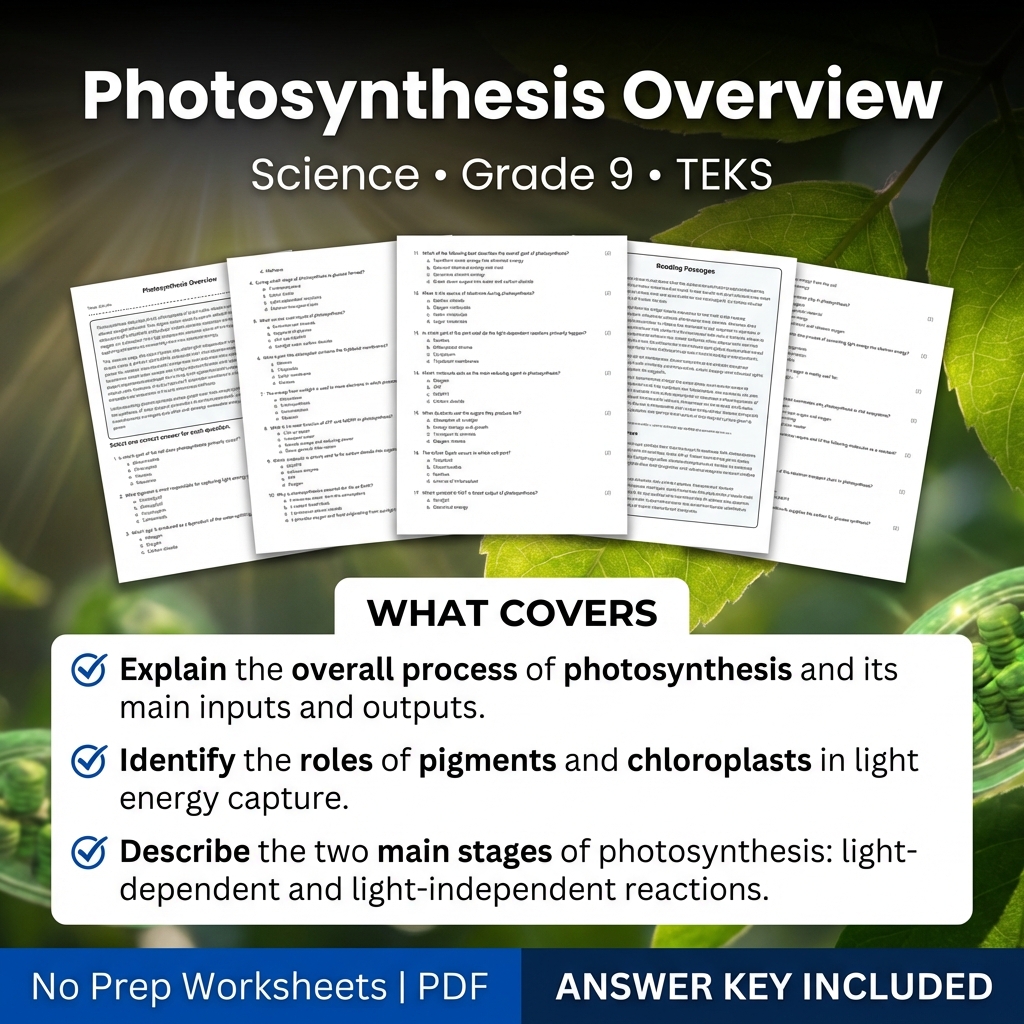
Photosynthesis Overview Grade 9 Science Worksheet | TEKS Practice
Created byCoral Reef LearningLearning Objectives
- Explain the overall process of photosynthesis and its main inputs and outputs.
- Identify the roles of pigments and chloroplasts in light energy capture.
- Describe the two main stages of photosynthesis: light-dependent and light-independent reactions.
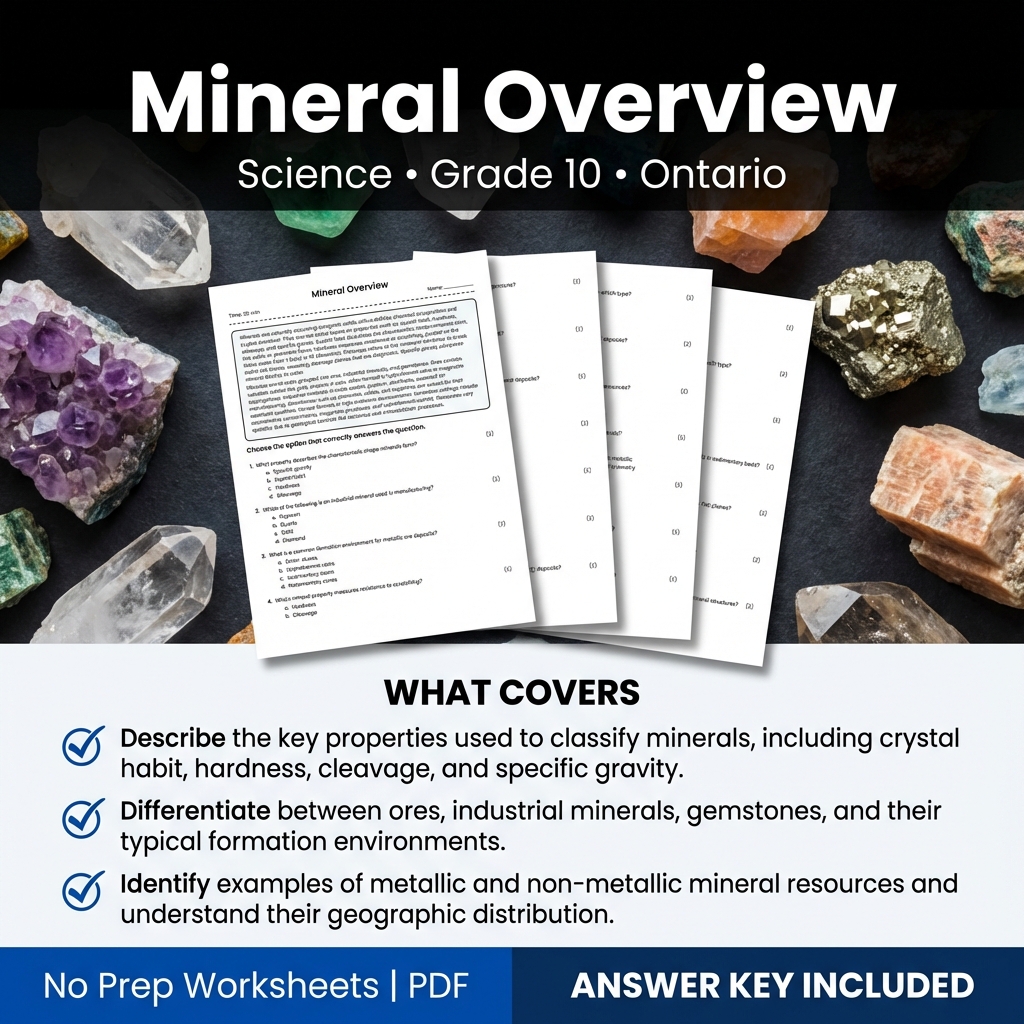
Mineral Overview Grade 10 Science Worksheet | Ontario Standards
Created byCoral Reef LearningLearning Objectives
- Describe the key properties used to classify minerals, including crystal habit, hardness, cleavage, and specific gravity.
- Differentiate between ores, industrial minerals, gemstones, and their typical formation environments.
- Identify examples of metallic and non-metallic mineral resources and understand their geographic distribution.
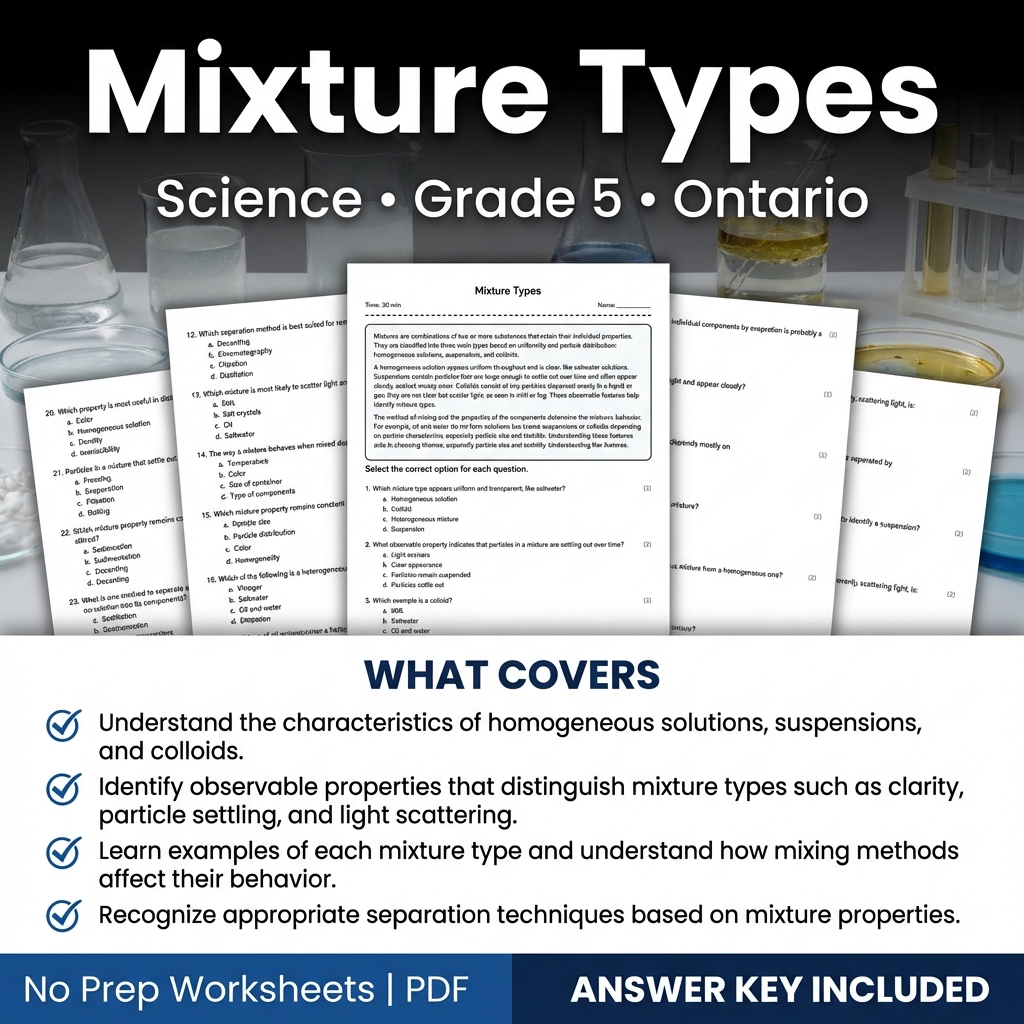
Grade 5 Science Worksheet on Mixture Types | Ontario Standards
Created byCoral Reef LearningLearning Objectives
- Understand the characteristics of homogeneous solutions, suspensions, and colloids.
- Identify observable properties that distinguish mixture types such as clarity, particle settling, and light scattering.
- Learn examples of each mixture type and understand how mixing methods affect their behavior.
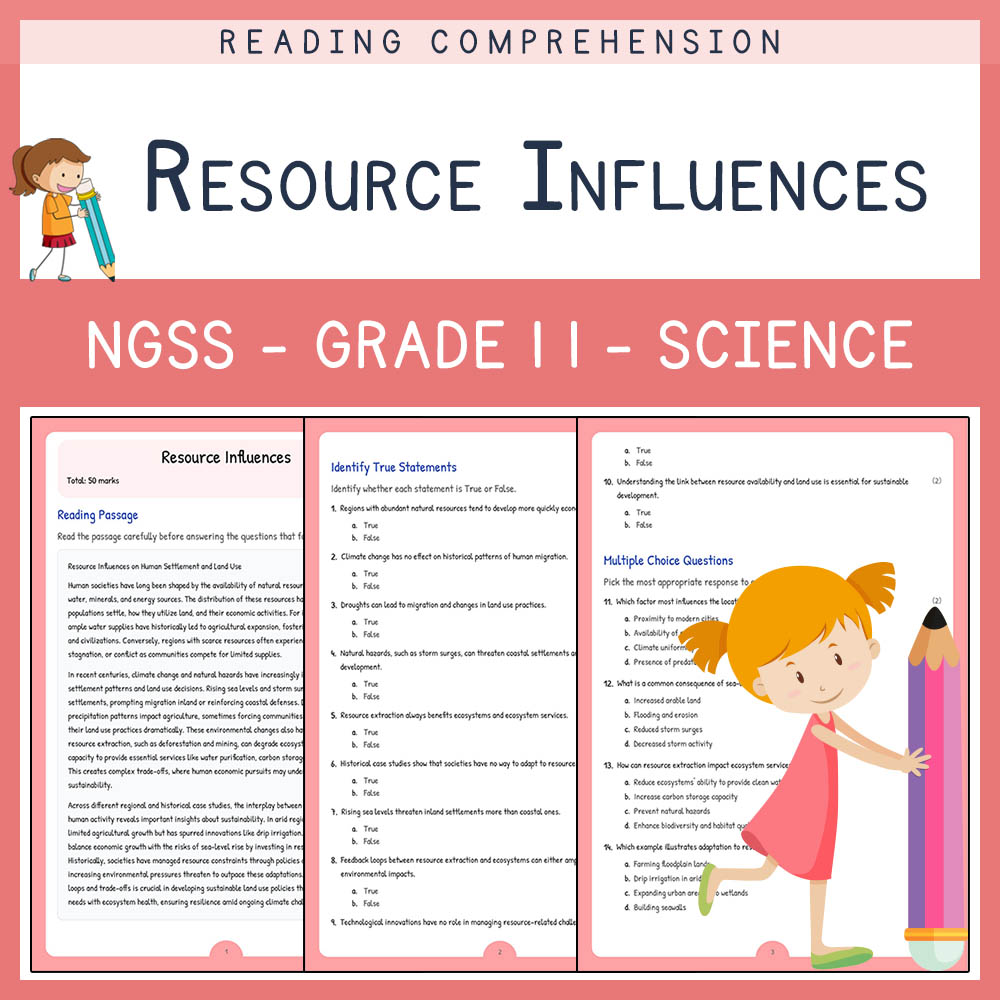
Grade 11 Science | Reaction Rates Worksheet (PDF + Answer Key) NGSS Alignment
Created byLumora LearningLearning Objectives
- Explain how temperature, concentration, surface area, and catalysts influence reaction rates through collision theory and activation energy.
- Describe rate laws, how concentration affects reaction speed, and how potential energy diagrams relate temperature changes to reaction rates.
- Analyze examples of reactions such as decomposition, catalyzed hydrogenation, and heterogeneous reactions, focusing on pathways and energy barriers.
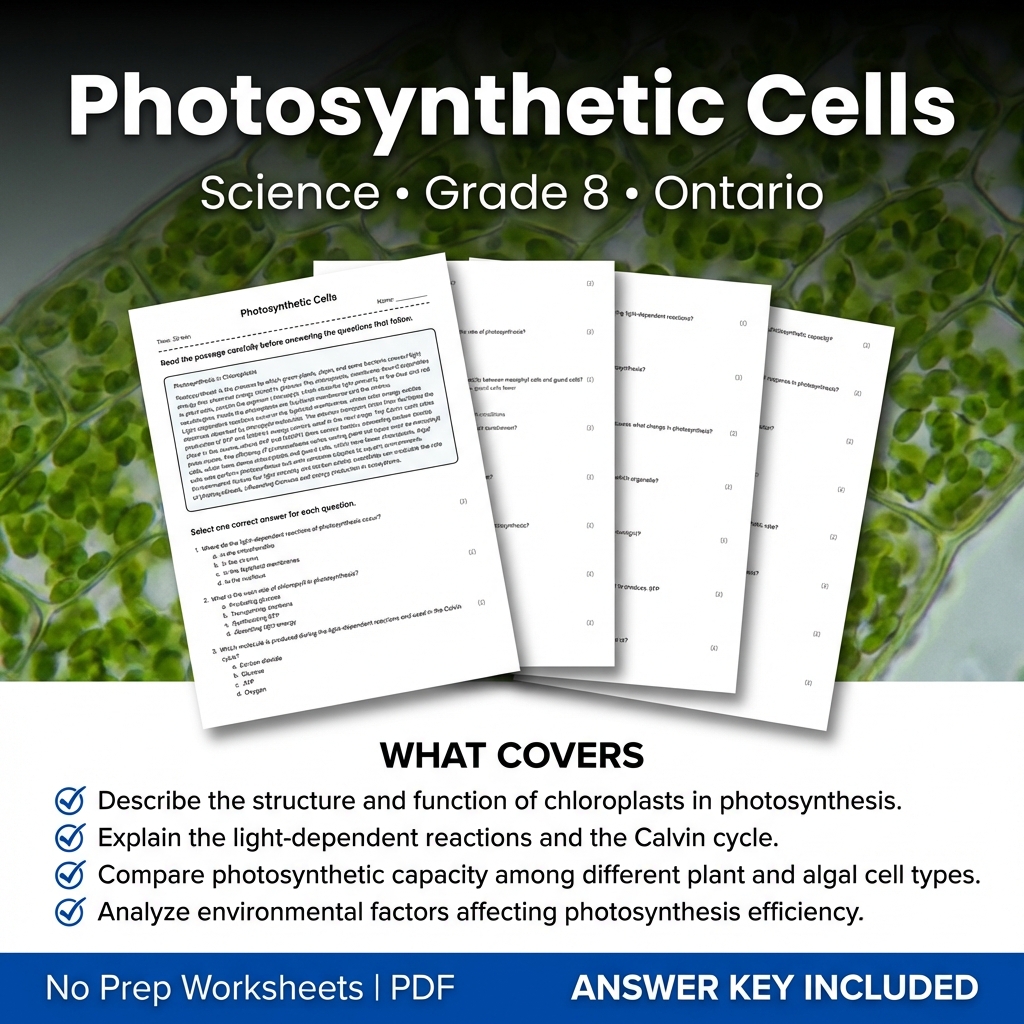
Photosynthetic Cells Worksheet for Grade 8 Science | Ontario Standards
Created byCoral Reef LearningLearning Objectives
- Describe the structure and function of chloroplasts in photosynthesis.
- Explain the light-dependent reactions and the Calvin cycle.
- Compare photosynthetic capacity among different plant and algal cell types.
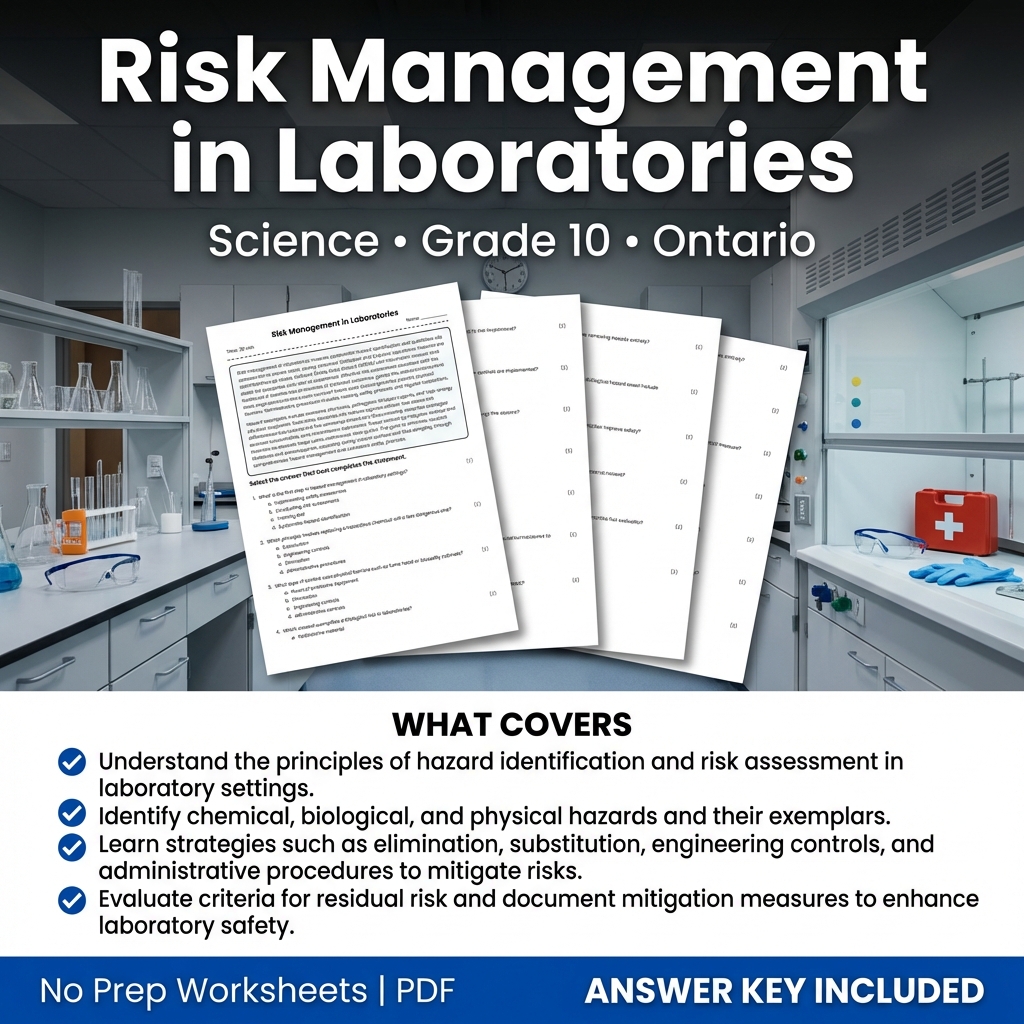
Risk Management in Laboratories Worksheet for Grade 10 Science – Ontario
Created byCoral Reef LearningLearning Objectives
- Understand the principles of hazard identification and risk assessment in laboratory settings.
- Identify chemical, biological, and physical hazards and their exemplars.
- Learn strategies such as elimination, substitution, engineering controls, and administrative procedures to mitigate risks.
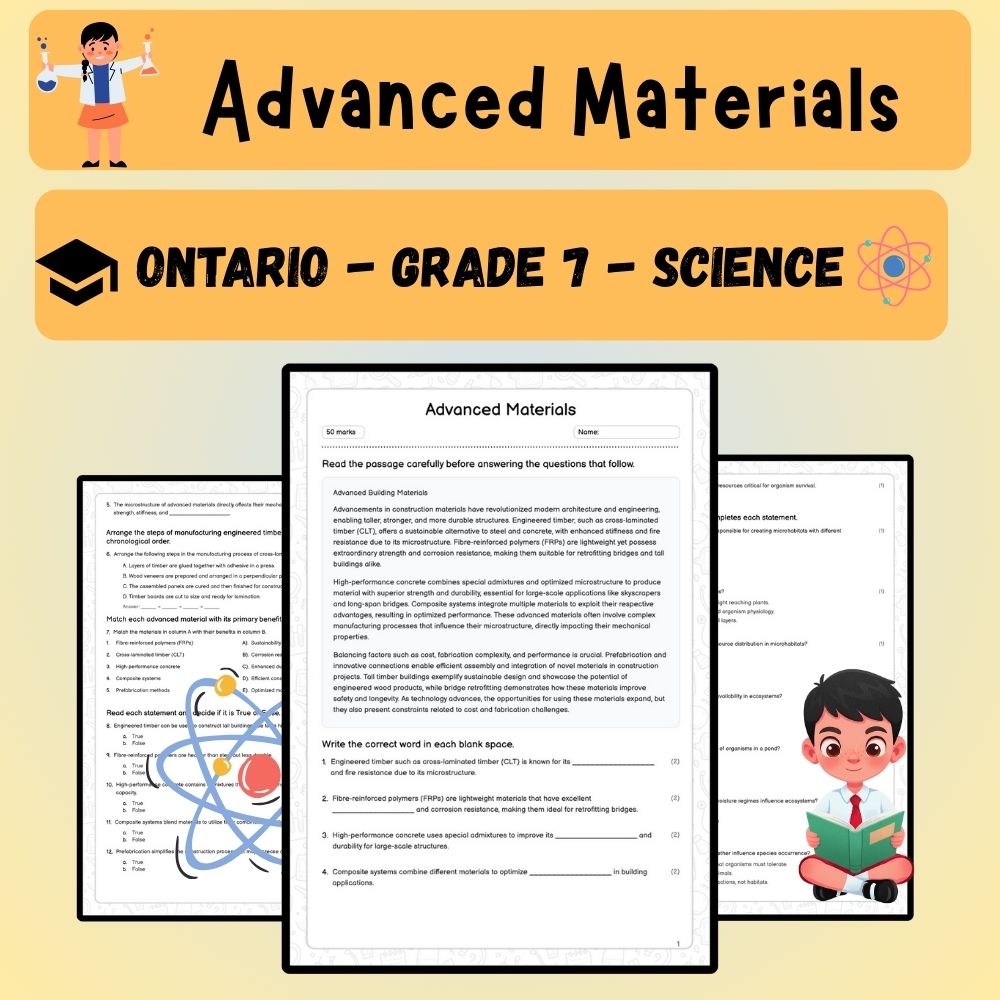
7th Grade Science | Advanced Materials Worksheet (PDF) – Ontario Standards
Created byPrism Point LearningLearning Objectives
- Understand the types and properties of modern construction materials such as engineered timber, fibre-reinforced polymers, and high-performance concrete
- Explain how manufacturing processes and microstructure contribute to material strength, durability, and performance
- Analyze trade-offs among cost, complexity, and performance in using advanced materials for building and infrastructure
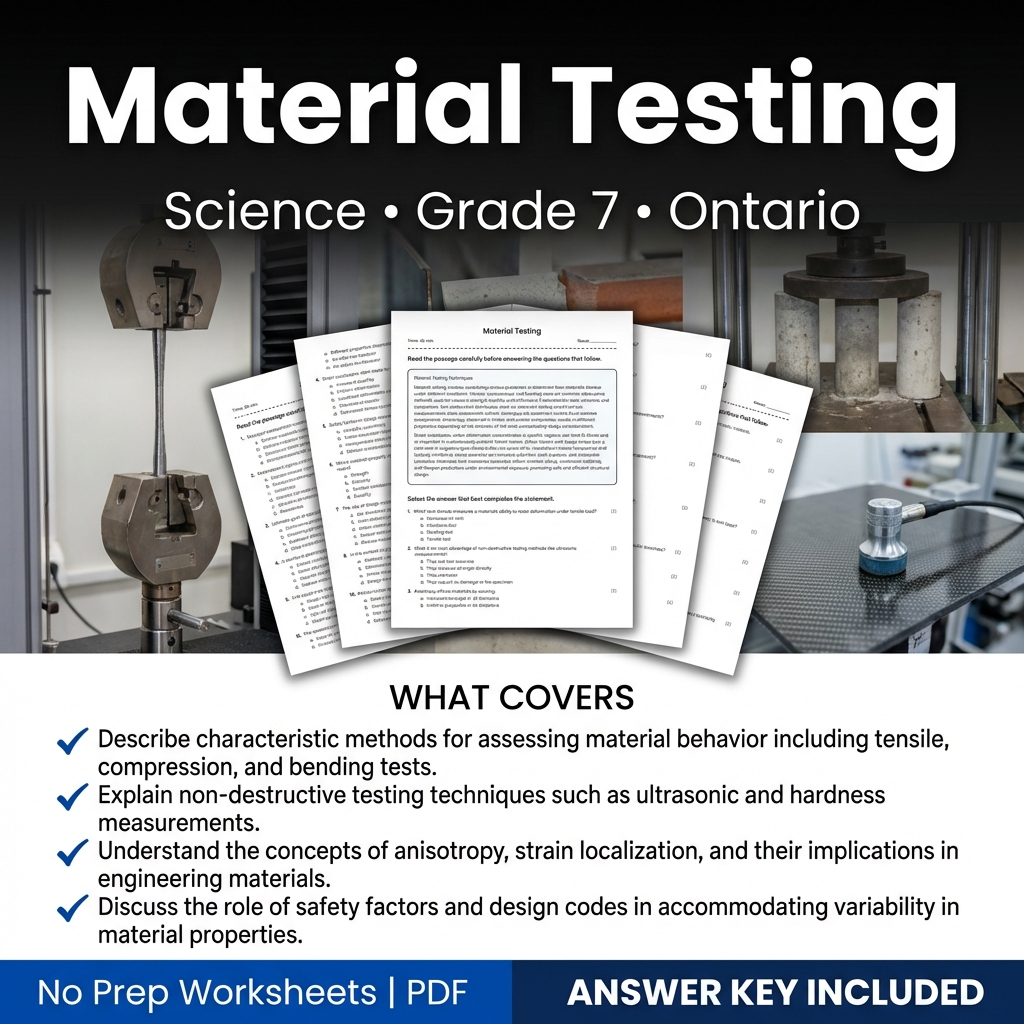
Grade 7 Science Worksheet on Material Testing | Ontario Standards
Created byCoral Reef LearningLearning Objectives
- Describe characteristic methods for assessing material behavior including tensile, compression, and bending tests.
- Explain non-destructive testing techniques such as ultrasonic and hardness measurements.
- Understand the concepts of anisotropy, strain localization, and their implications in engineering materials.

7th Grade Science | Physical Change Worksheet & Answer Key (PDF Printable)
Created byCoral Reef LearningLearning Objectives
- Define and understand the concept of physical change.
- Identify examples of physical changes such as melting, freezing, vaporization, condensation, tearing, grinding, and dissolving.
- Explain the difference between physical and chemical changes based on observable attributes and substance composition.
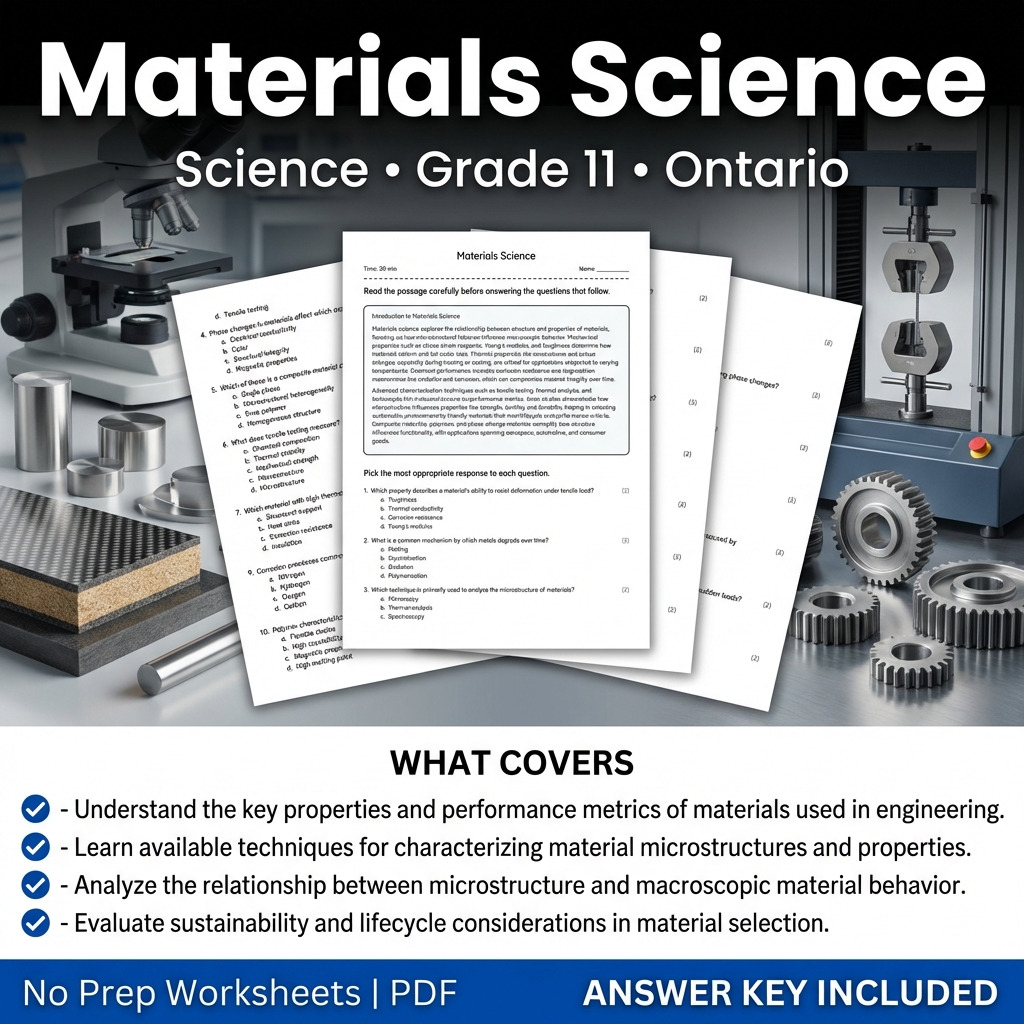
Materials Science Worksheet for Grade 11 Science | Ontario Standards
Created byCoral Reef LearningLearning Objectives
- Understand the key properties and performance metrics of materials used in engineering.
- Learn available techniques for characterizing material microstructures and properties.
- Analyze the relationship between microstructure and macroscopic material behavior.
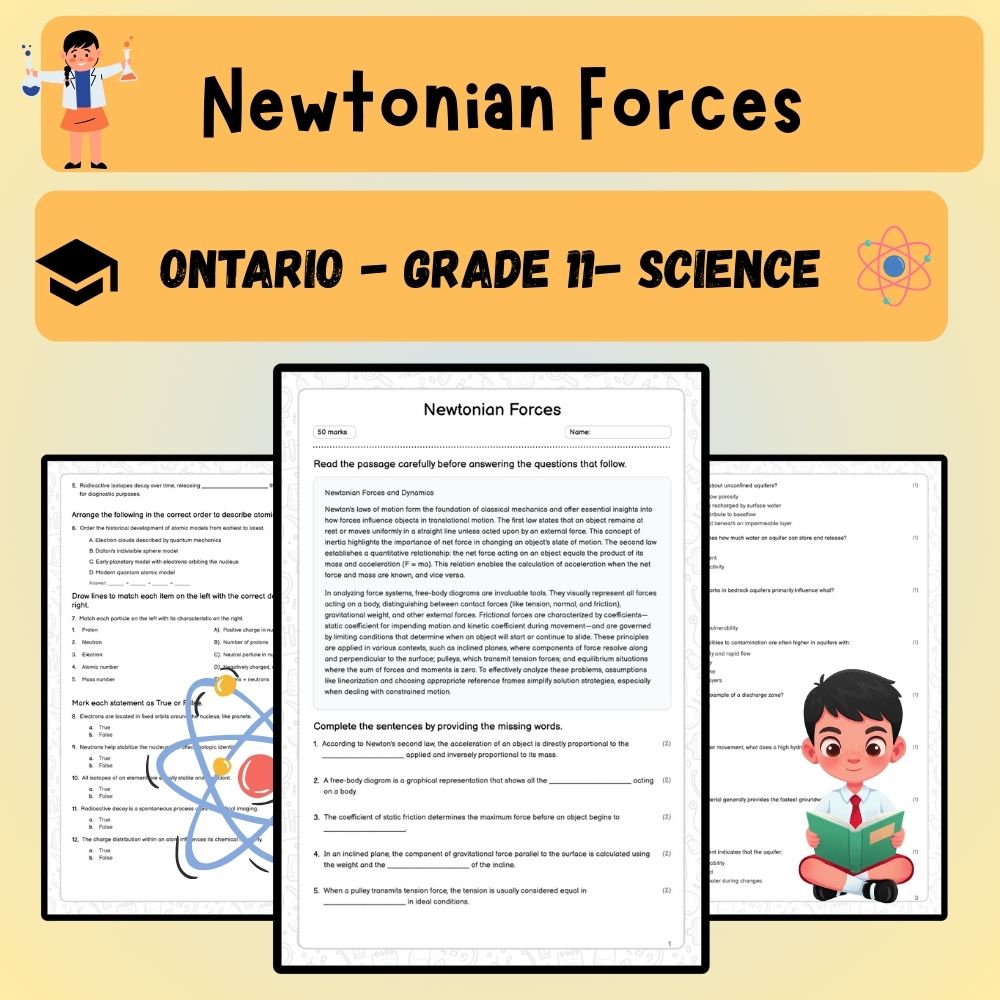
Grade 11 Science – Newtonian Forces Worksheet (Answer Key) | Ontario Standards
Created byPrism Point LearningLearning Objectives
- Explain Newton's three laws of motion and their application to forces.
- Understand the concepts of net force, mass, and acceleration in translational dynamics.
- Interpret free-body diagrams to identify contact, normal, frictional, tension, and gravitational forces.
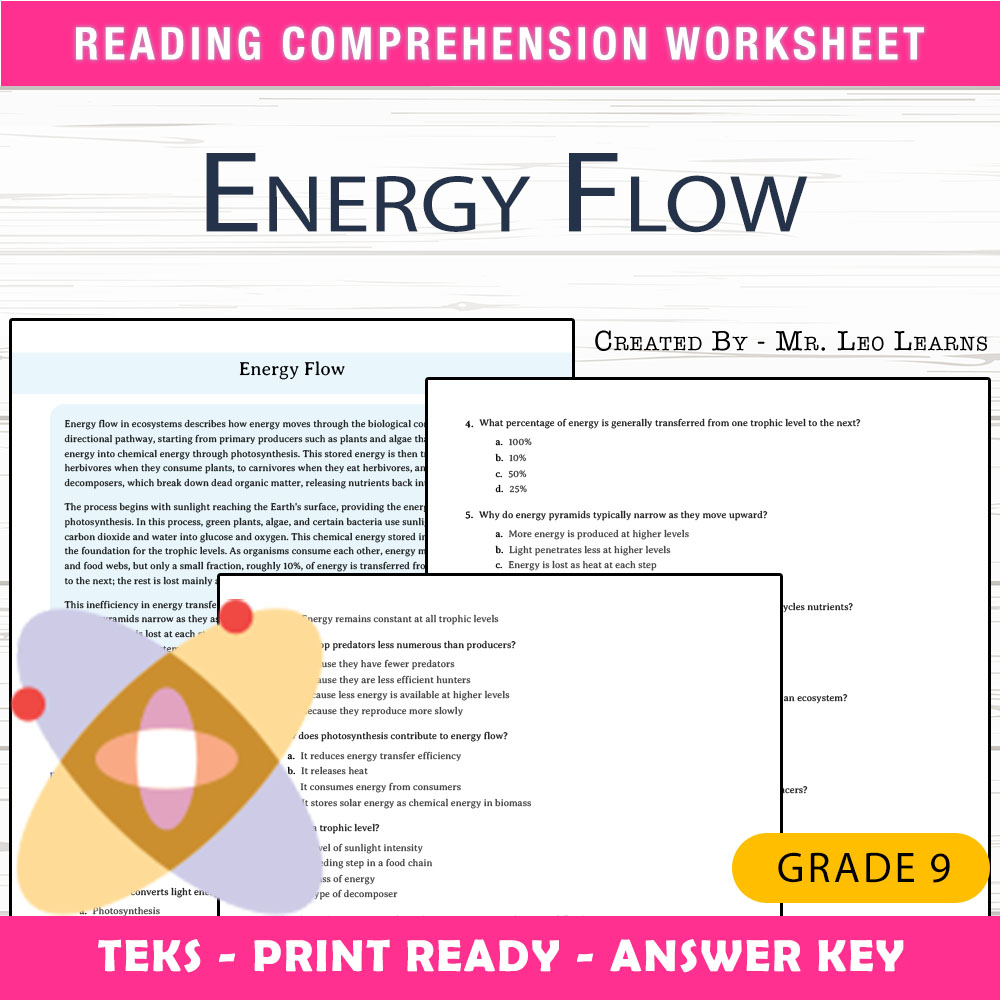
Grade 9 Science | Energy Flow Worksheet for Mastery
 Created byThe Resource Hub
Learning Objectives
- Understand how energy moves through ecosystems from producers to consumers and decomposers.
- Describe the process of photosynthesis and how energy is transferred trophically.
- Explain the concept of energy transfer efficiency and its impact on food chain length.
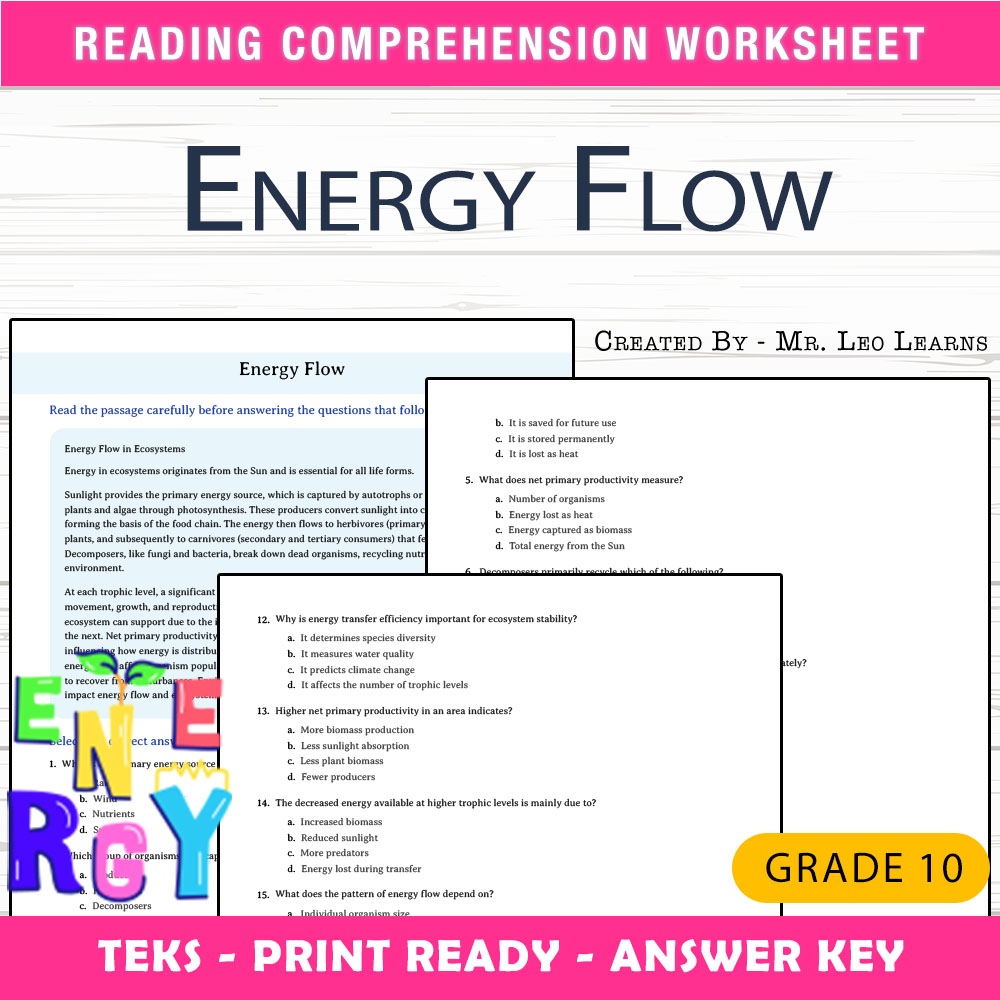
Grade 10 Science – Energy Flow Worksheet for Mastery
Created byThe Resource HubLearning Objectives
- Describe how energy flows through ecosystems from sunlight to producers, consumers, and decomposers.
- Explain the concept of energy transfer efficiency and how energy is lost as heat at each trophic level.
- Define net primary productivity and its significance in ecosystems.
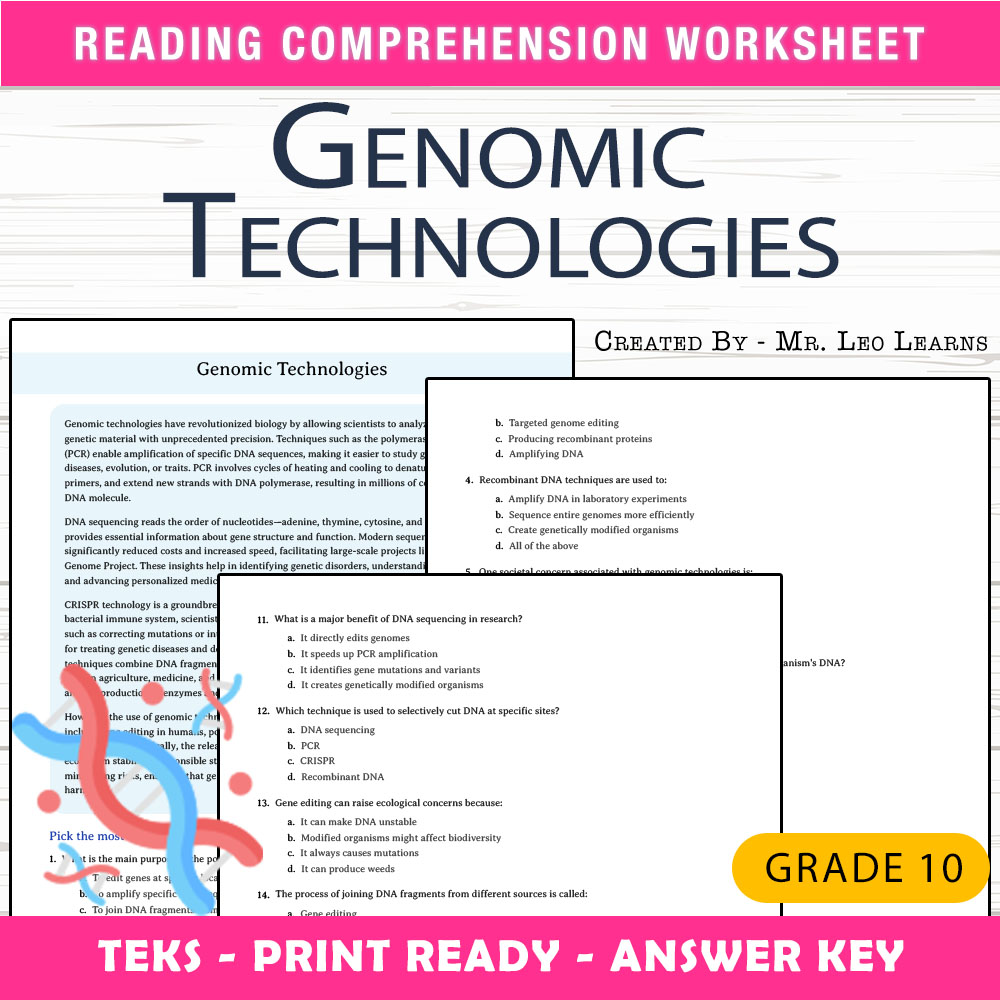
Grade 10 Science — Genomic Technologies Worksheet for Mastery
Created byThe Resource HubLearning Objectives
- Understand key genomic technologies such as PCR, DNA sequencing, and CRISPR.
- Explain how recombinant DNA techniques are used in biotechnology.
- Recognize societal and ecological considerations related to genomic technologies.

Grade 7 Science – Conservation of Mass Worksheet for Mastery
Created byThe Resource HubLearning Objectives
- Explain the principle of the conservation of mass in closed systems during physical and chemical processes.
- Apply mass accounting techniques to reactions and dissolution processes to relate reactant and product masses.
- Balance simple chemical formulas and use sealed-system measurements to reconcile observed mass distributions with stoichiometric calculations.
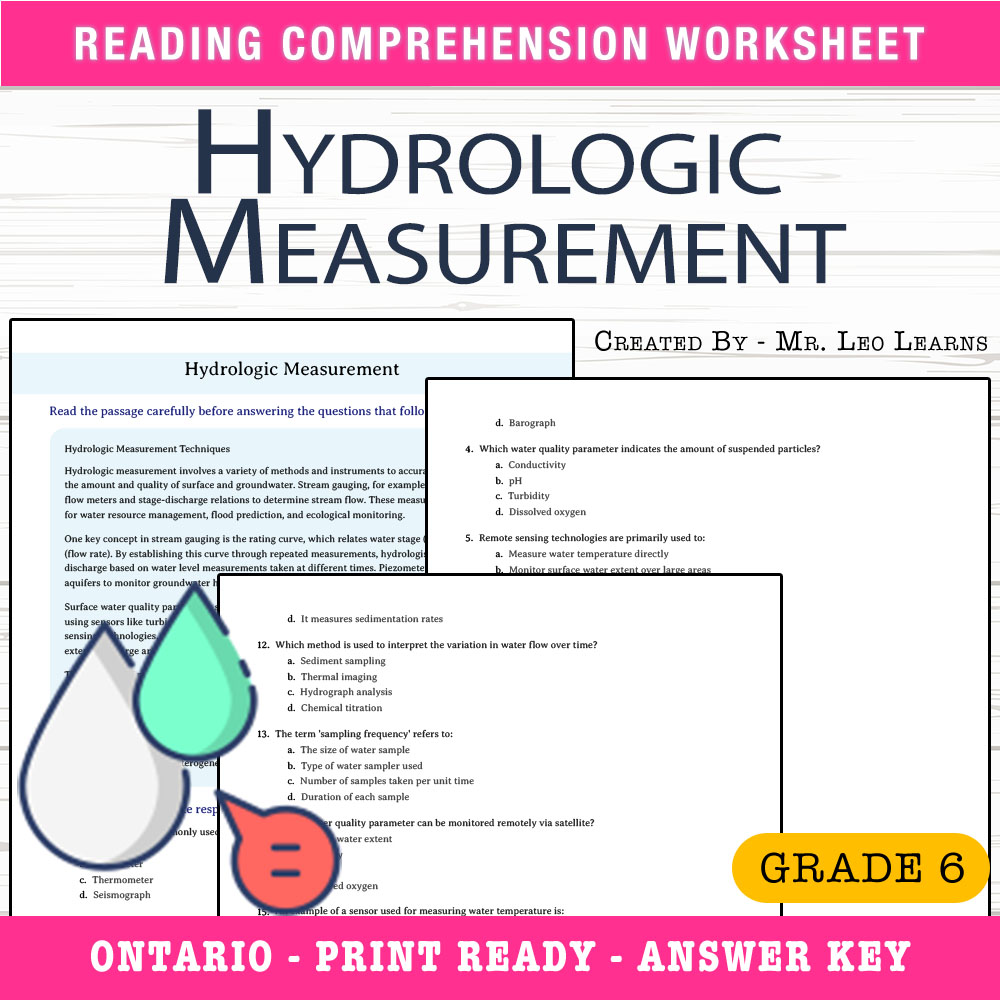
Grade 8 Science — Hydrologic Measurement Worksheet for Mastery
Created byThe Resource HubLearning Objectives
- Understand the various methods and instruments used in measuring water quantity and quality.
- Learn how to interpret hydrographs, baseflow separation, and trend detection in water data.
- Identify the principles behind flow measurement devices and water quality sensors.
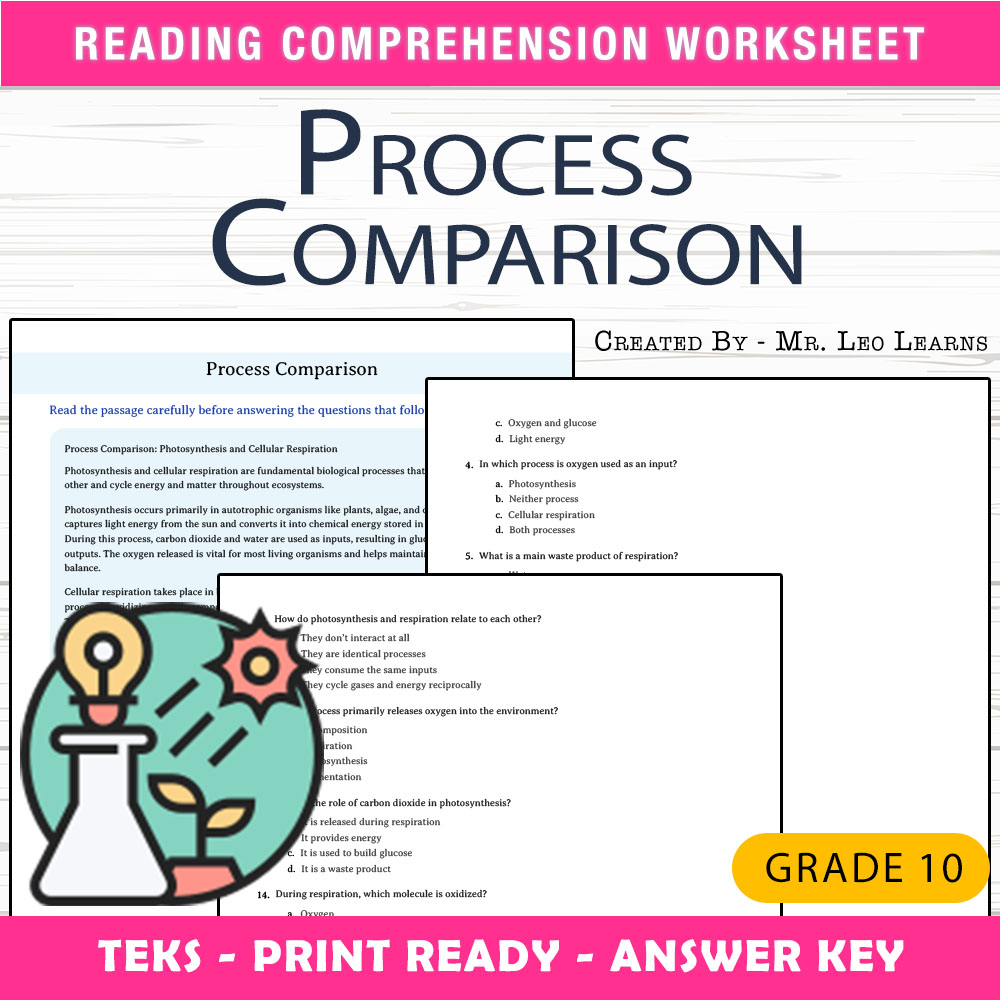
Grade 10 Science — Process Comparison Worksheet for Mastery
Created byThe Resource HubLearning Objectives
- Compare the inputs and outputs of photosynthesis and cellular respiration.
- Understand the cycle of energy and matter between organisms and environments.
- Identify the reciprocal relationship between the processes at cellular and ecosystem scales.
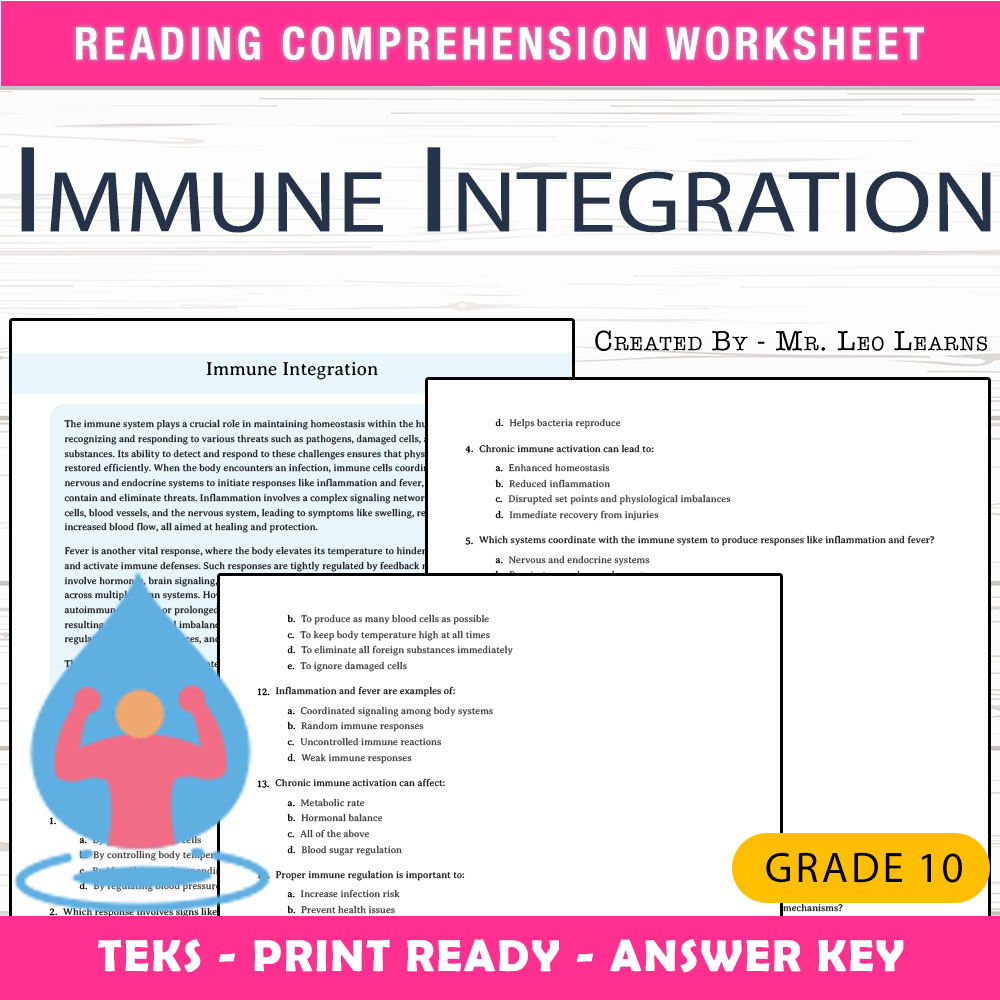
Grade 10 Science | Immune System Worksheet for Mastering Homeostasis
Created byThe Resource HubLearning Objectives
- Explain how the immune system contributes to homeostasis and overall human physiology.
- Identify the roles of inflammatory responses, fever, and immune regulation in maintaining balance.
- Analyze how chronic immune activation can disrupt homeostatic set points and impact health.
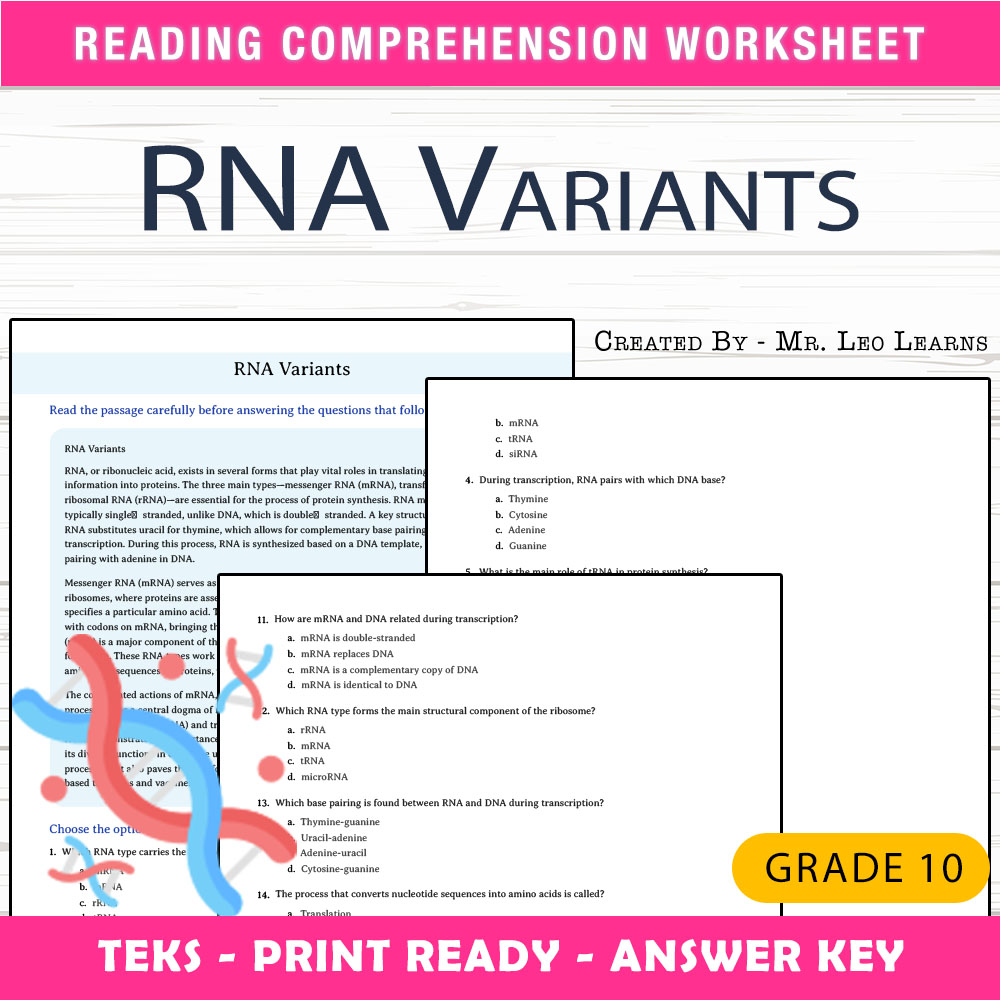
Grade 10 Science — RNA Variants Worksheet for Mastery
Created byThe Resource HubLearning Objectives
- Understand the different types of RNA and their functions in protein synthesis.
- Describe the structural differences between messenger RNA, transfer RNA, and ribosomal RNA.
- Explain how RNA substitutes uracil for thymine and its role during transcription.

Grade 6 Science – Angle Effects on Aerodynamics Worksheet for Mastery
Created byThe Resource HubLearning Objectives
- Explain how the angle of attack influences airflow and lift production in wings.
- Identify the different regimes of lift coefficient variation with changing angle.
- Describe how wing incidence and pilot control inputs modify the effective angle of attack.
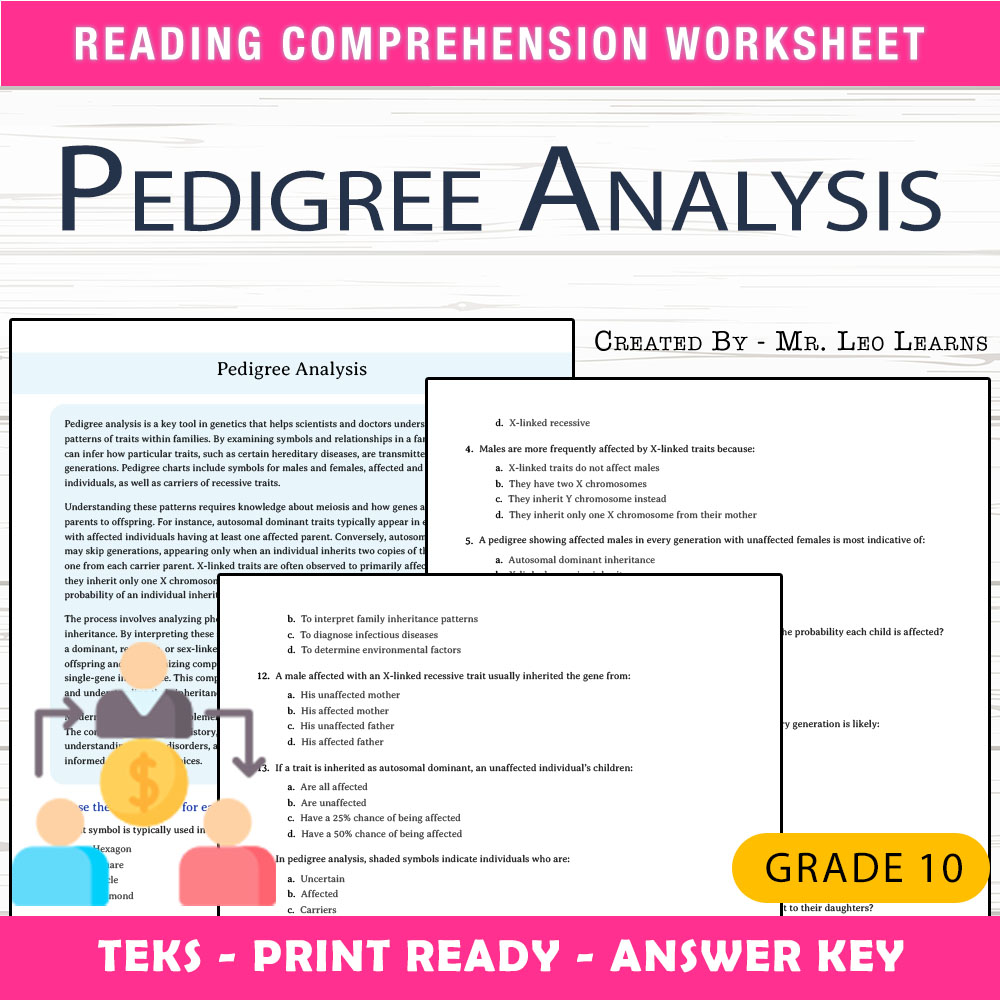
Grade 10 Science – Pedigree Analysis Worksheet for Mastering Genetics
Created byThe Resource HubLearning Objectives
- Interpret family pedigrees to determine patterns of inheritance.
- Identify the modes of inheritance such as autosomal dominant, autosomal recessive, and X-linked traits.
- Predict genotype probabilities and recurrence risks using pedigree data.
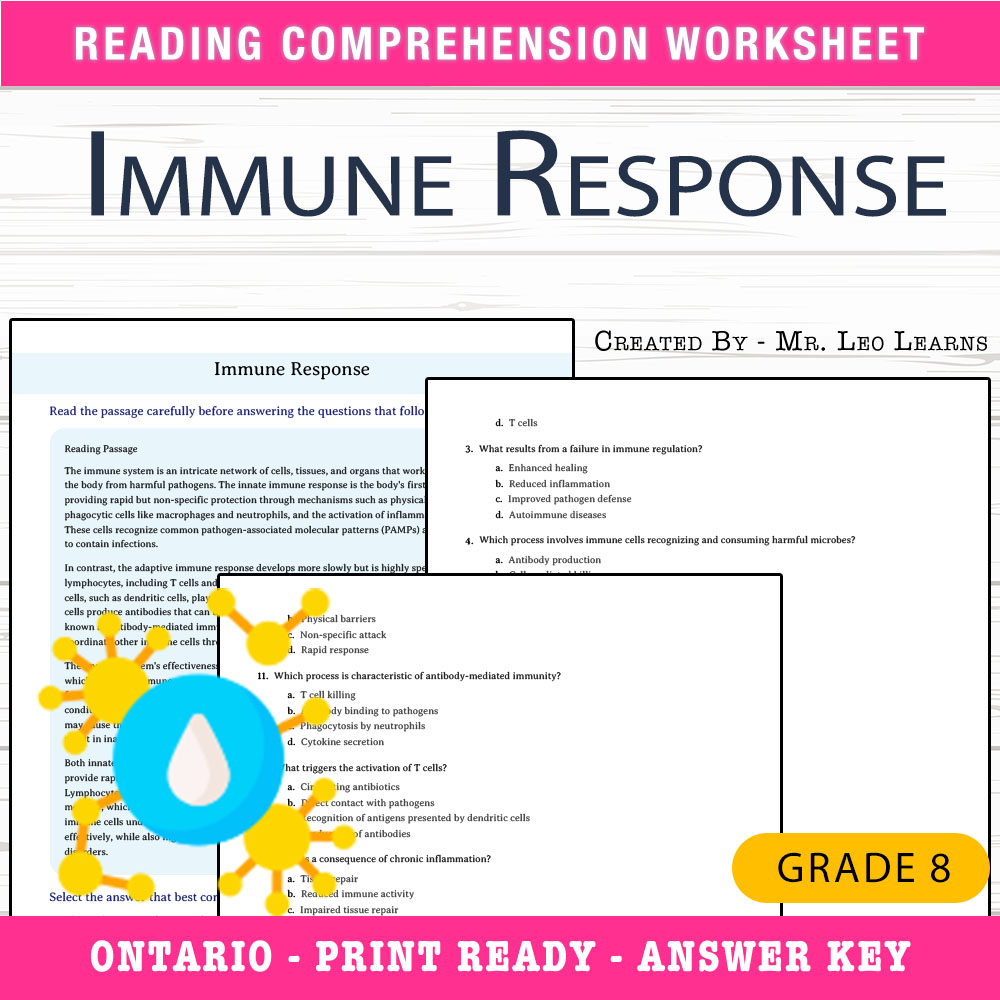
Grade 8 Science — Immune Response Worksheet for Mastery
Created byThe Resource HubLearning Objectives
- Explain the roles of innate and adaptive immune mechanisms in tissue defense.
- Identify cellular players such as macrophages, neutrophils, lymphocytes, and antigen-presenting cells.
- Describe processes like phagocytosis, antibody production, and cell-mediated cytotoxicity.
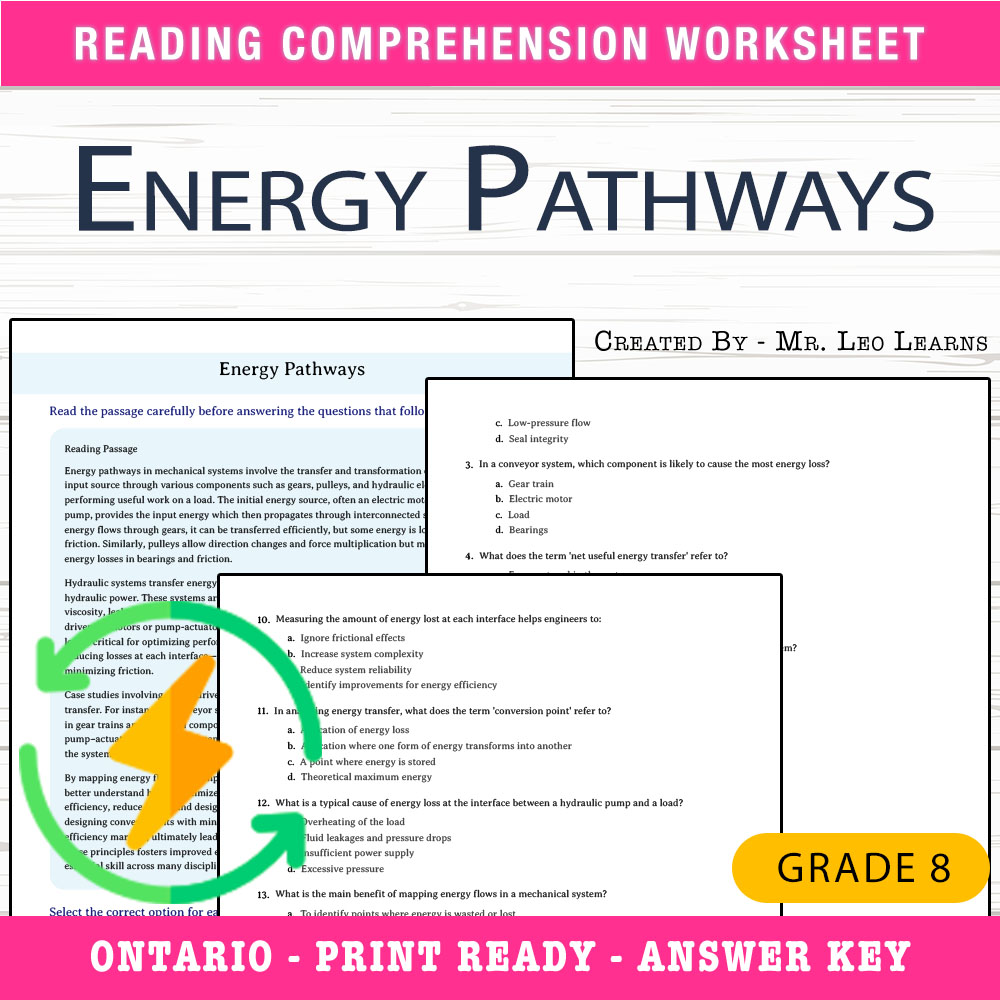
Grade 8 Science — Energy Pathways Worksheet for Mastering Energy Transfer
Created byThe Resource HubLearning Objectives
- Describe how energy transfers through different mechanical subsystems such as gears, pulleys, and hydraulics.
- Identify points of energy conversion and quantify energy losses in system components.
- Calculate the net useful energy transfer in case study systems like conveyor assemblies and pump–actuator systems.
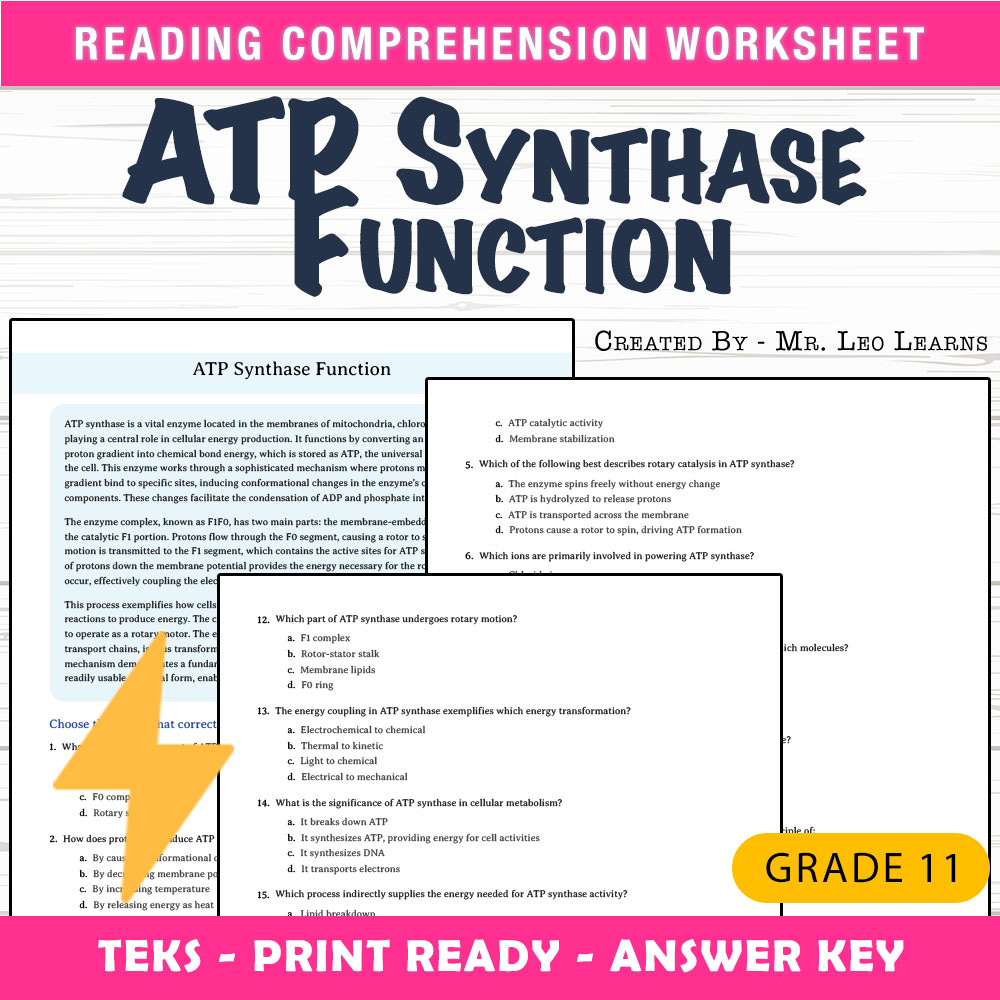
Grade 11 Science – ATP Synthase Function Worksheet for Mastery
Created byThe Resource HubLearning Objectives
- Describe the mechanism by which ATP synthase converts a proton gradient into ATP.
- Explain how proton flow induces conformational changes in ATP synthase.
- Relate the proton motive force to energy production in cells.
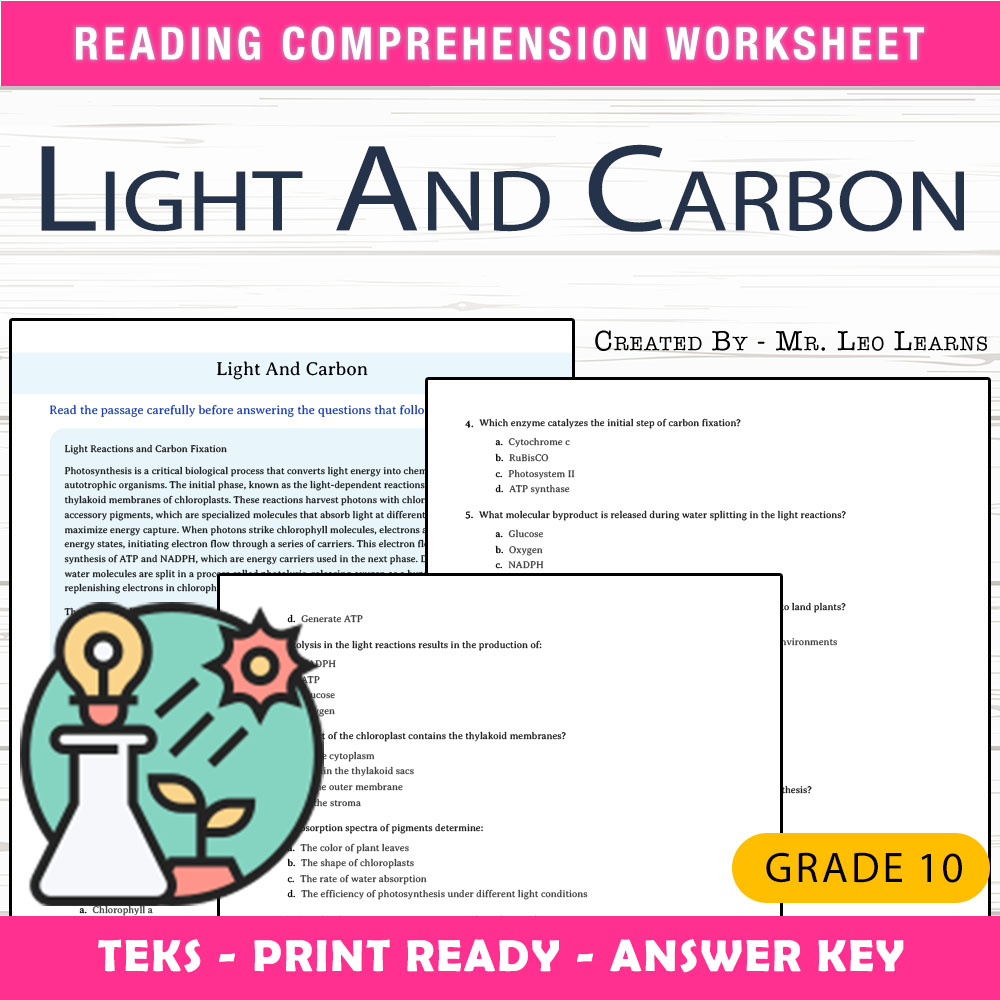
Grade 10 Science – Light and Carbon Worksheet for Mastering Photosynthesis
Created byThe Resource HubLearning Objectives
- Explain the process of photosynthesis, including light reactions and the Calvin cycle.
- Identify the roles of chlorophyll, accessory pigments, and enzymes like RuBisCO in photosynthesis.
- Describe how pigment absorption spectra influence the efficiency of photosynthesis in different organisms.
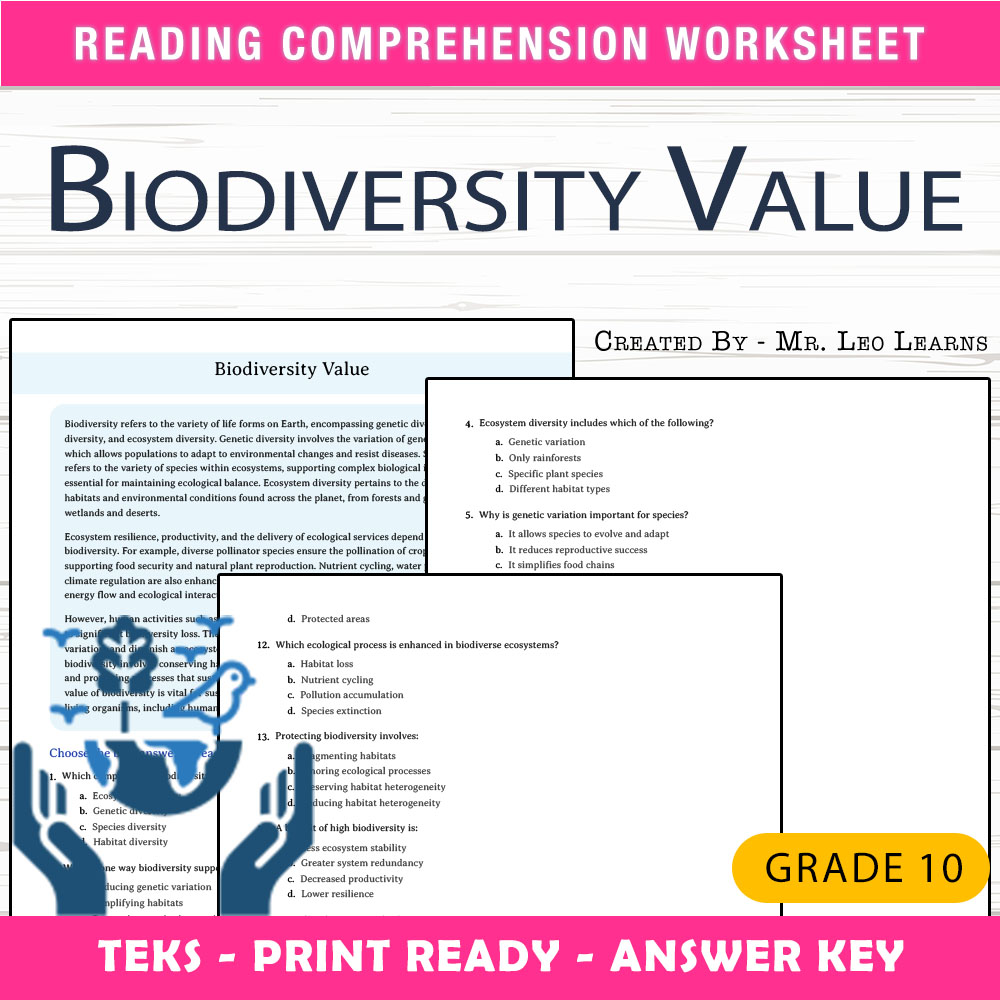
Grade 10 Science – Biodiversity Value Worksheet for Mastery
Created byThe Resource HubLearning Objectives
- Understand the components and importance of biodiversity in ecosystems.
- Recognize how biodiversity contributes to ecosystem resilience and services.
- Identify threats to biodiversity and conservation strategies.
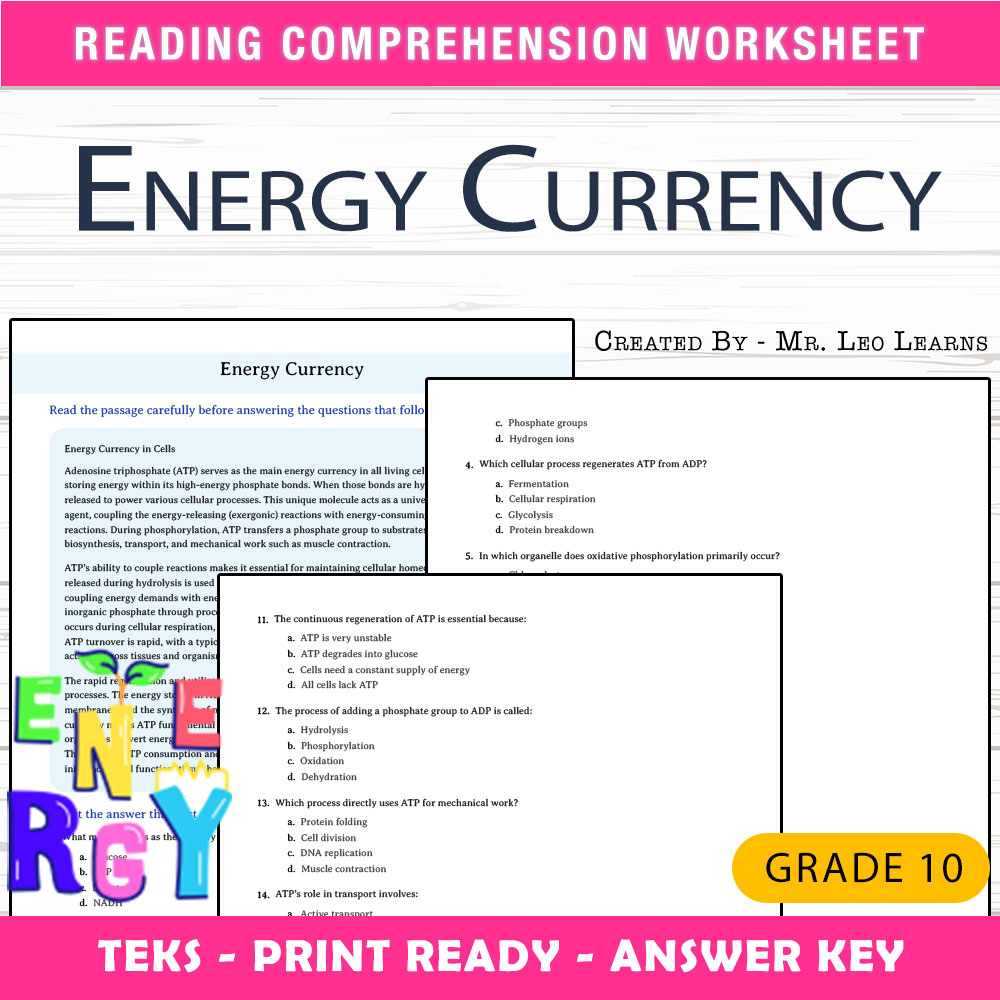
Grade 10 Science – Energy Currency Worksheet for Mastering ATP
Created byThe Resource HubLearning Objectives
- Understand the role of ATP as the primary energy carrier in cells.
- Describe how ATP couples exergonic and endergonic reactions through phosphorylation.
- Explain the processes of ATP regeneration via cellular respiration.
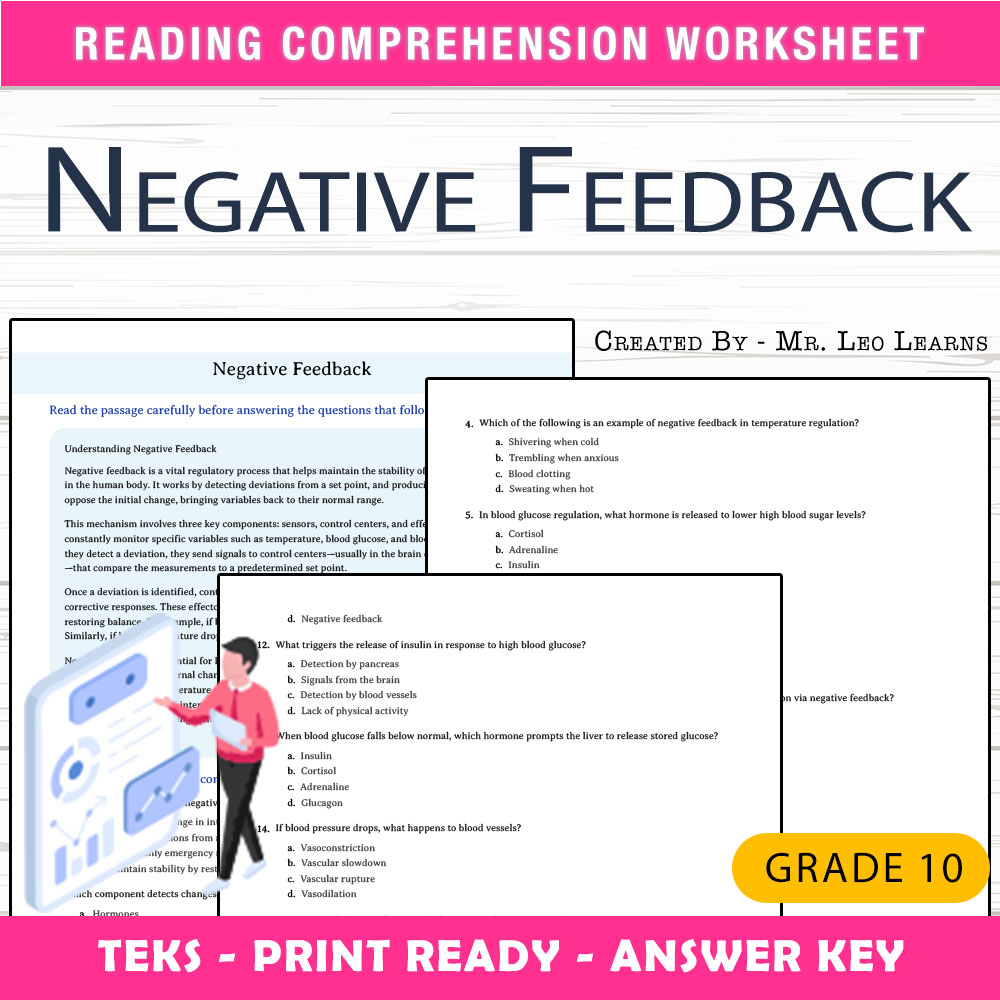
Grade 10 Science — Negative Feedback Worksheet for Mastery
Created byThe Resource HubLearning Objectives
- Understand the concept of negative feedback and its role in maintaining internal stability.
- Describe the components involved in a negative feedback loop, including sensors, control centers, and effectors.
- Identify physiological examples where negative feedback mechanisms operate, such as temperature regulation, blood glucose control, and blood pressure regulation.

Grade 6 Science – Combined Circuits Worksheet for Mastery
Created byThe Resource HubLearning Objectives
- Understand the principles of mixed series-parallel electrical networks and how to decompose them into simpler subcircuits.
- Analyze current and voltage distribution in combined circuit configurations and predict the effects of element changes.
- Identify diagnostic signs in combined circuits, such as brightness variations, to determine component status.
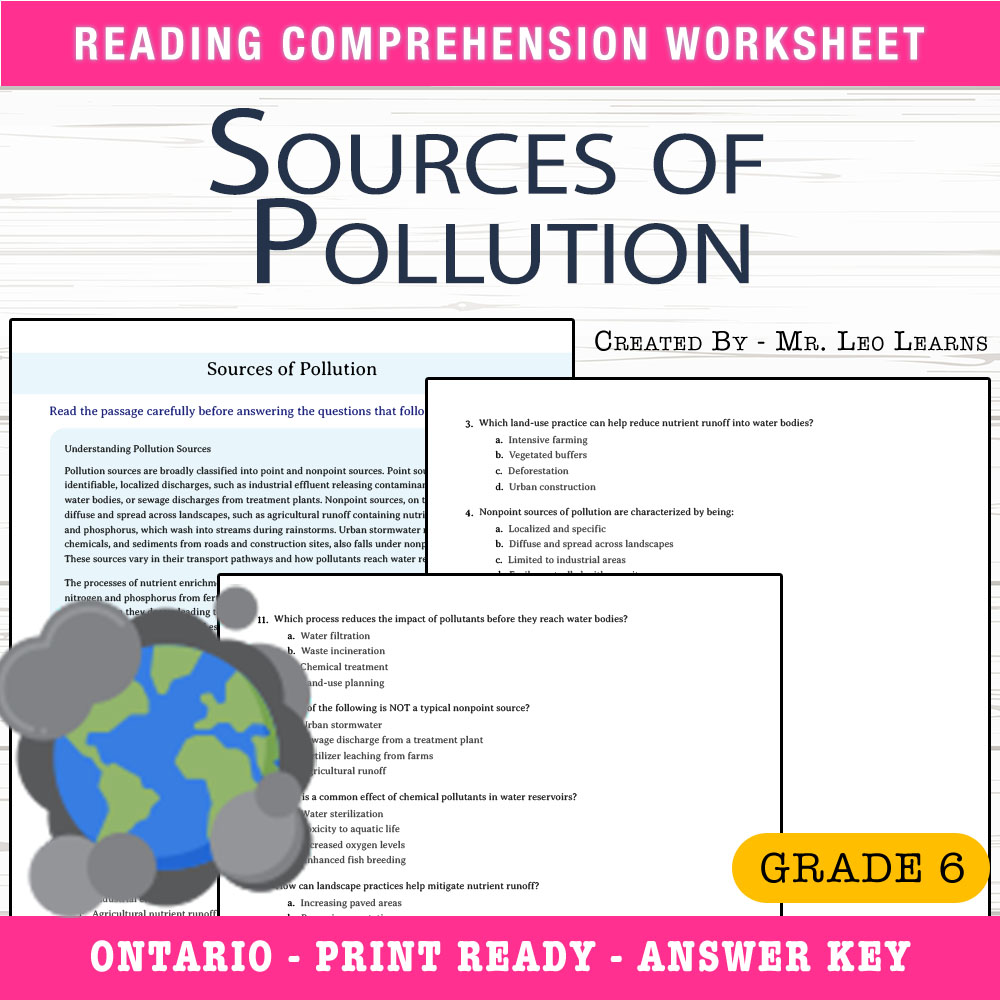
Grade 8 Science – Sources of Pollution Worksheet for Mastery
Created byThe Resource HubLearning Objectives
- Define point and nonpoint sources of pollution with examples.
- Explain processes like eutrophication and oxygen depletion in relation to water contamination.
- Connect land-use practices to pathways of pollutant transport and water reservoir vulnerability.
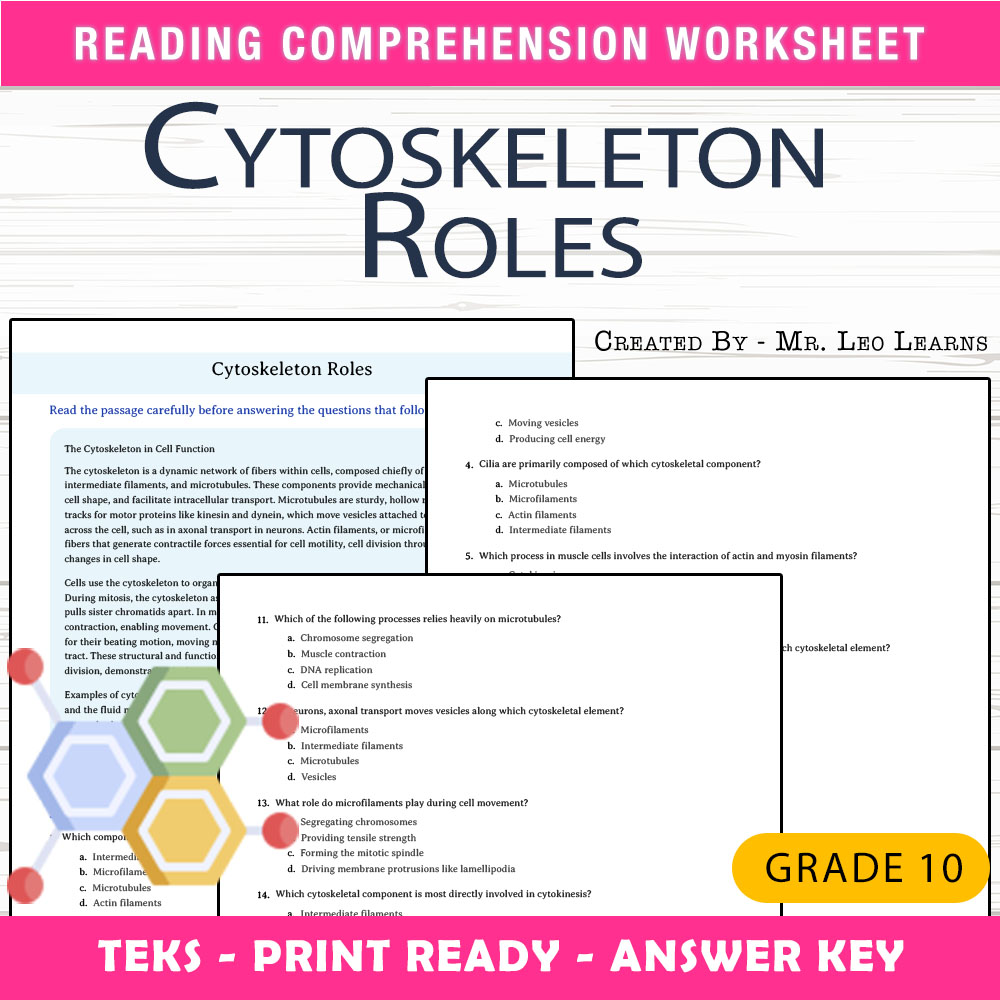
Grade 10 Science — Cytoskeleton Roles Worksheet for Mastery
Created byThe Resource HubLearning Objectives
- Describe the structural components of the cytoskeleton and its functions in cells.
- Explain how motor proteins transport vesicles along microtubules.
- Understand the role of actin filaments in cell movement and cytokinesis.
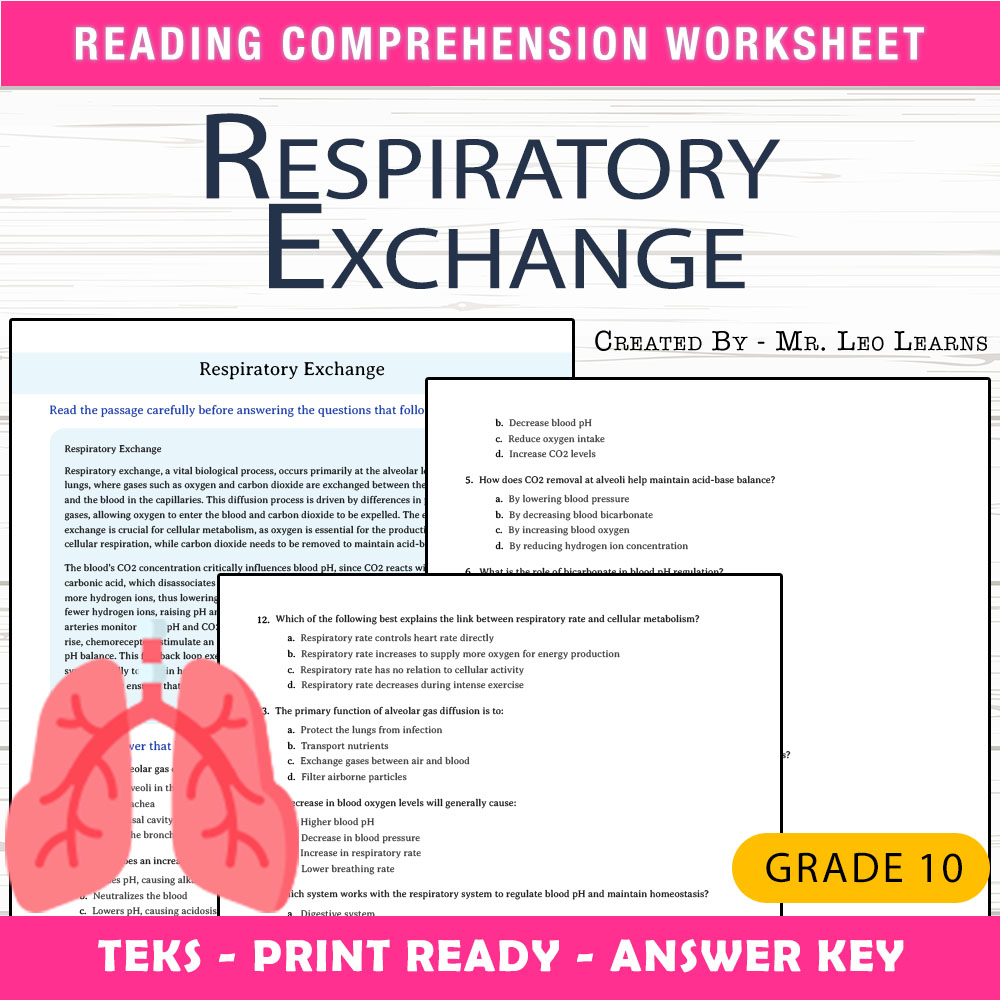
Grade 10 Science – Respiratory Exchange Worksheet for Mastery
Created byThe Resource HubLearning Objectives
- Explain the process of alveolar gas diffusion involving oxygen and carbon dioxide.
- Describe how changes in CO2 concentration affect blood pH and respiratory rate.
- Understand the relationship between respiratory function, cellular metabolism, and homeostasis.
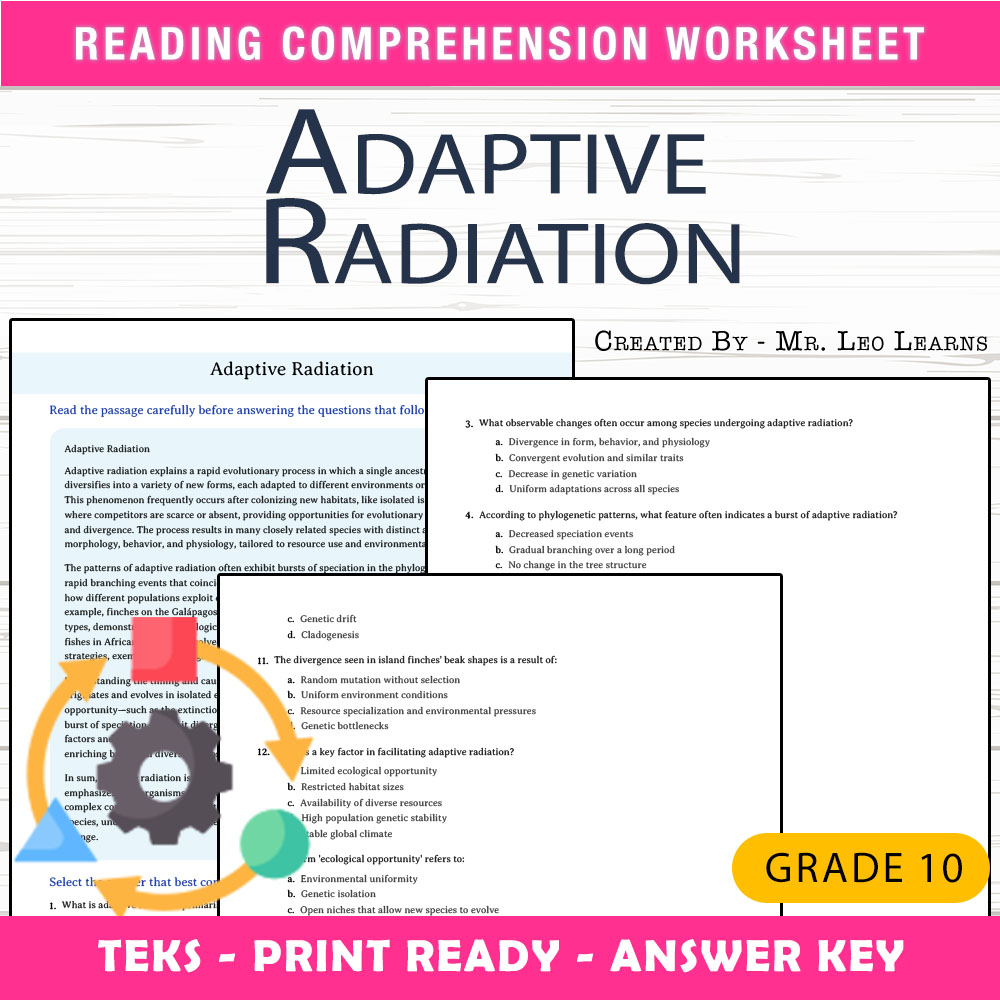
Grade 10 Science – Adaptive Radiation Worksheet for Mastery
Created byThe Resource HubLearning Objectives
- Define adaptive radiation and explain its significance in evolution.
- Identify environments where adaptive radiation commonly occurs.
- Describe morphological, behavioral, and physiological divergence among species.
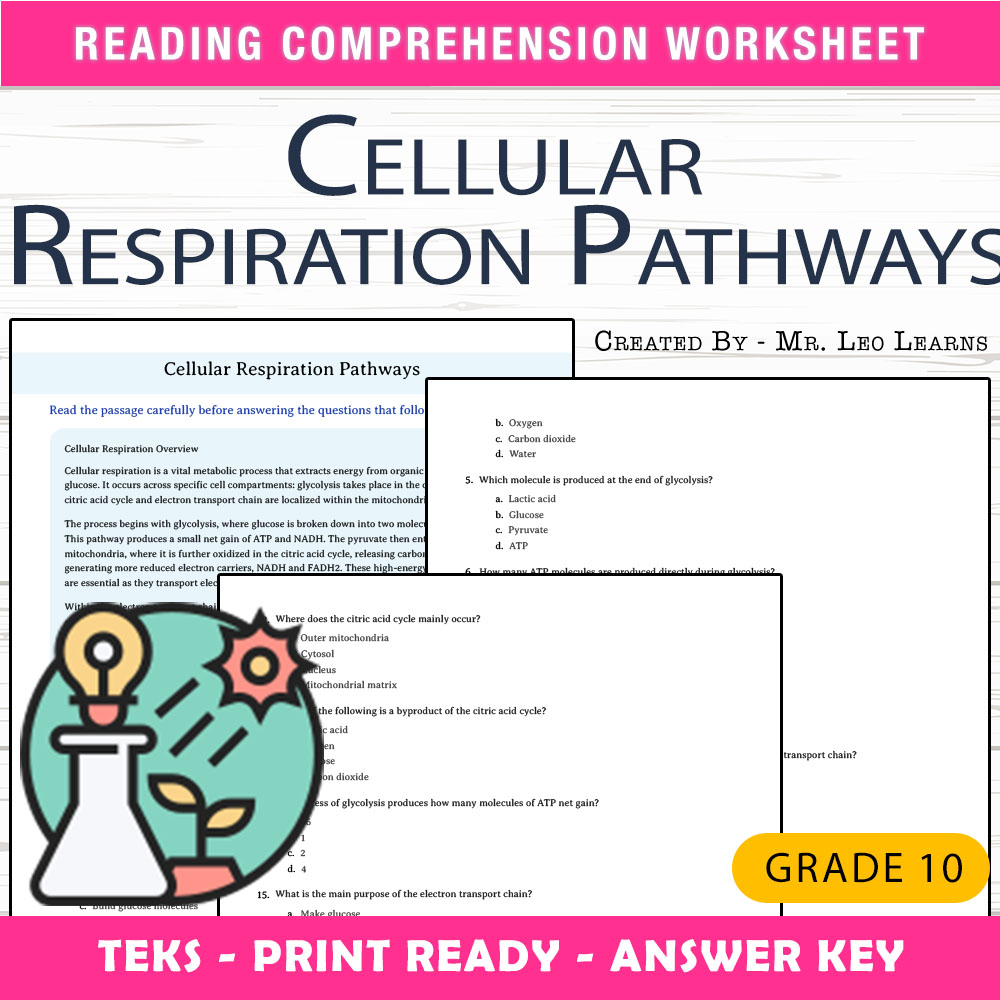
Grade 10 Science — Cellular Respiration Pathways Worksheet for Mastery
Created byThe Resource HubLearning Objectives
- Describe the main stages of cellular respiration and their locations in the cell.
- Explain the energy yields of glycolysis, the citric acid cycle, and the electron transport chain.
- Identify the role of oxygen as the final electron acceptor in aerobic respiration.
Browse more categories
About Science Worksheets
Find Science worksheets spanning core skills, practice, and review. All 42,859 resources are instant PDF downloads for the classroom or home.
Every worksheet on MyTeachingSheets is created by independent teacher-authors and reviewed before publication. All resources download as printable PDFs for classroom, homework, or at-home practice, and many include answer keys. Preview any worksheet free before buying.