
Science Worksheets
42,822 subject resources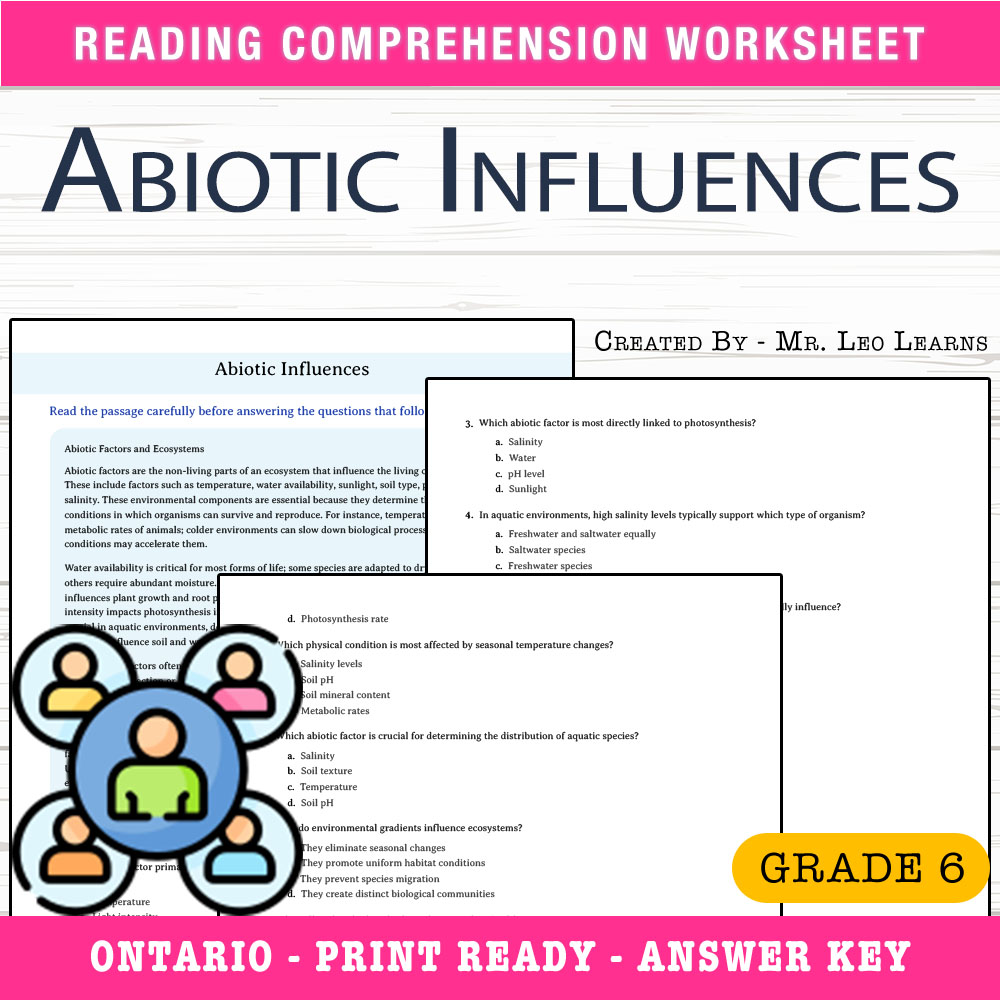
Grade 6 Science – Abiotic Influences Worksheet for Mastery
 Created byThe Resource Hub
Learning Objectives
- Understand how abiotic factors such as temperature, water, and soil influence habitats and organism distribution.
- Identify examples of physical environmental gradients and their effects on ecosystems.
- Explain how abiotic conditions interact with biological processes to shape communities.
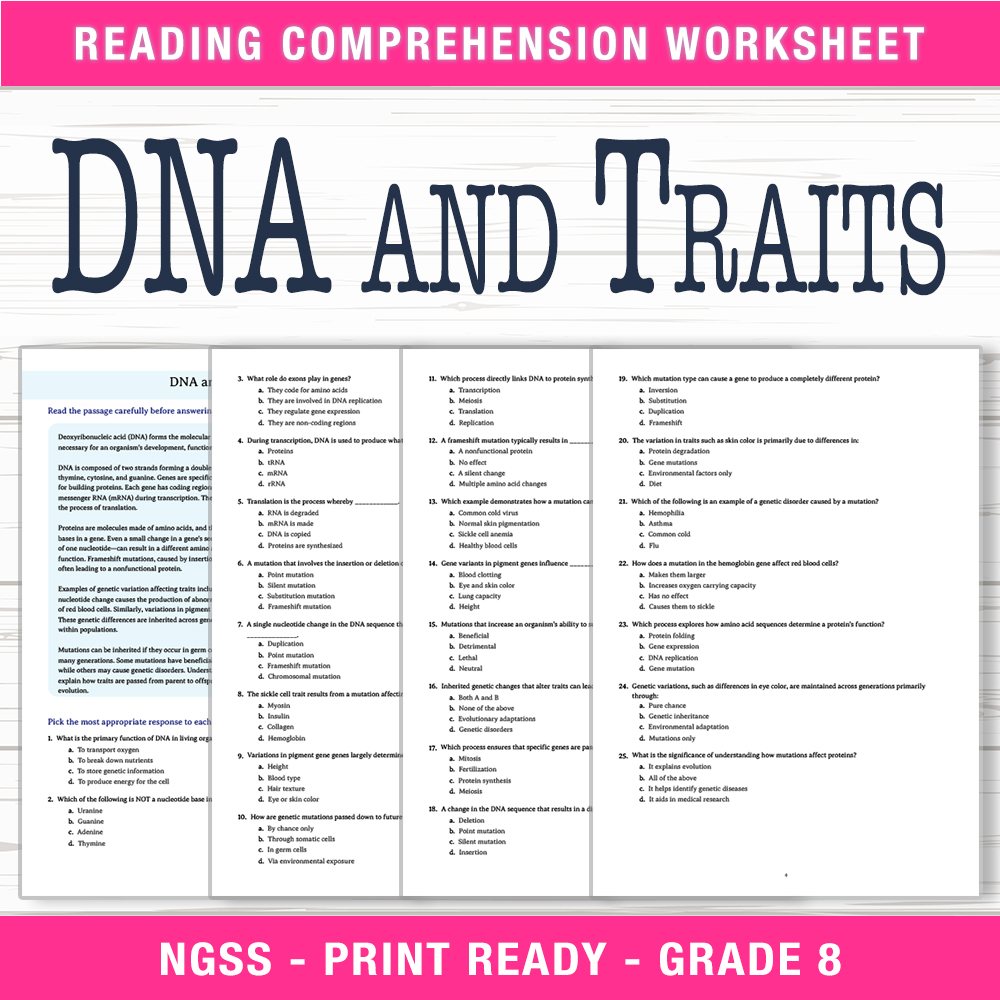
Grade 8 Science | DNA and Traits Worksheet (PDF + Answer Key)
 Created byRiverstone Classroom
Learning Objectives
- Explain the molecular basis of inheritance by linking DNA sequences to proteins and observable traits.
- Describe the structure of genes, including coding sequences, and the processes of transcription and translation.
- Analyze how mutations such as point mutations and frameshifts affect amino acid sequences and protein function.
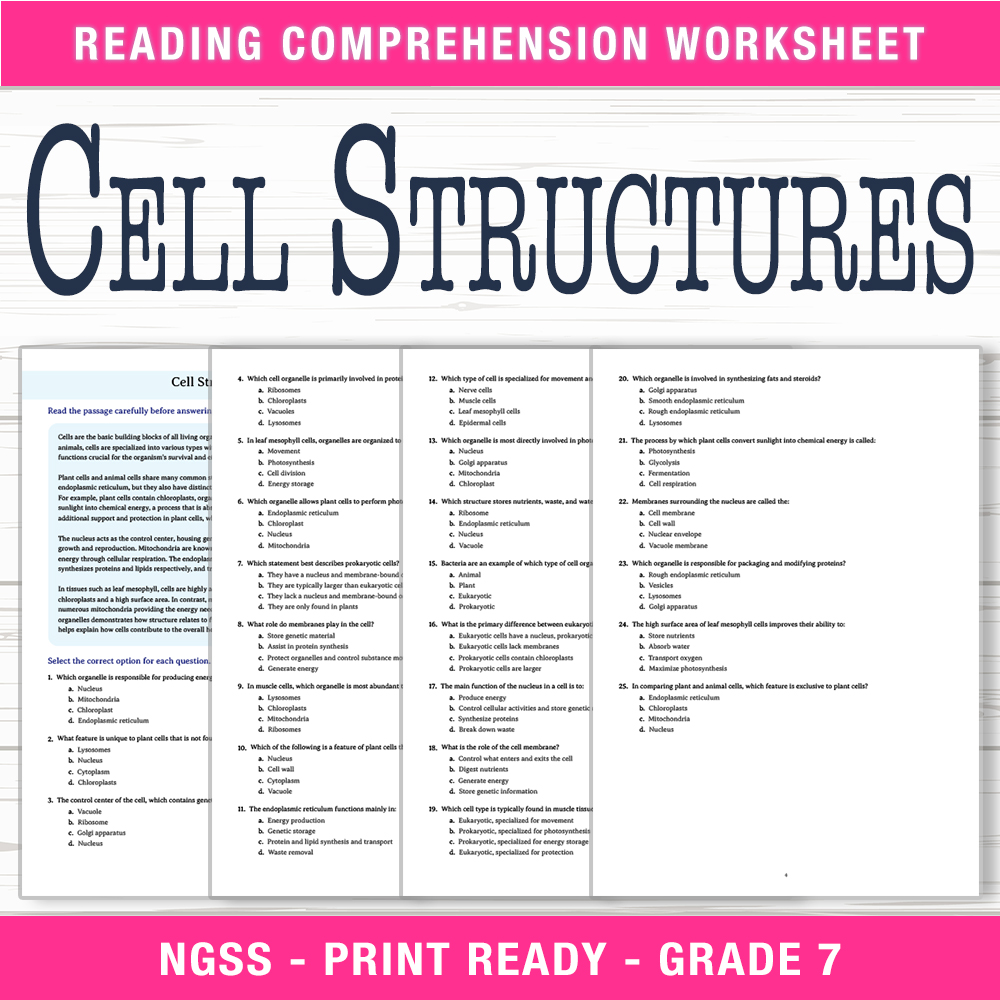
Grade 7 Science | Cell Structures Worksheet (PDF + Answer Key)
Created byRiverstone ClassroomLearning Objectives
- Identify and describe the main organelles of plant and animal cells.
- Understand the functional roles of key cell organelles such as nucleus, mitochondria, chloroplasts, endoplasmic reticulum, and membranes.
- Compare the organization and specialization of eukaryotic and prokaryotic cells, with examples like leaf mesophyll and muscle cells.
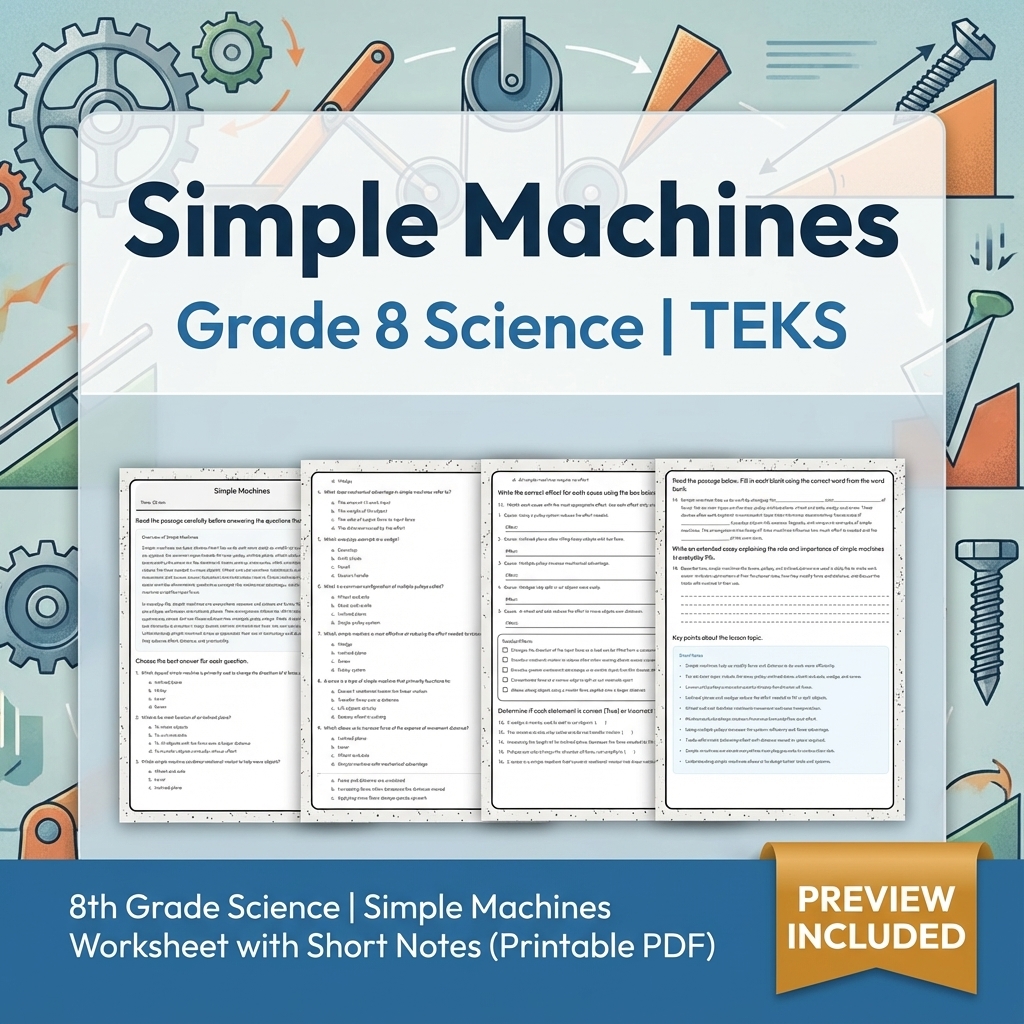
8th Grade Science | Simple Machines Worksheet with Short Notes (Printable PDF)
 Created byMeadowlark Worksheets
Learning Objectives
- Understand the different types of simple machines and their functions.
- Describe how simple machines modify force and distance.
- Identify everyday examples of simple machines and their configurations.
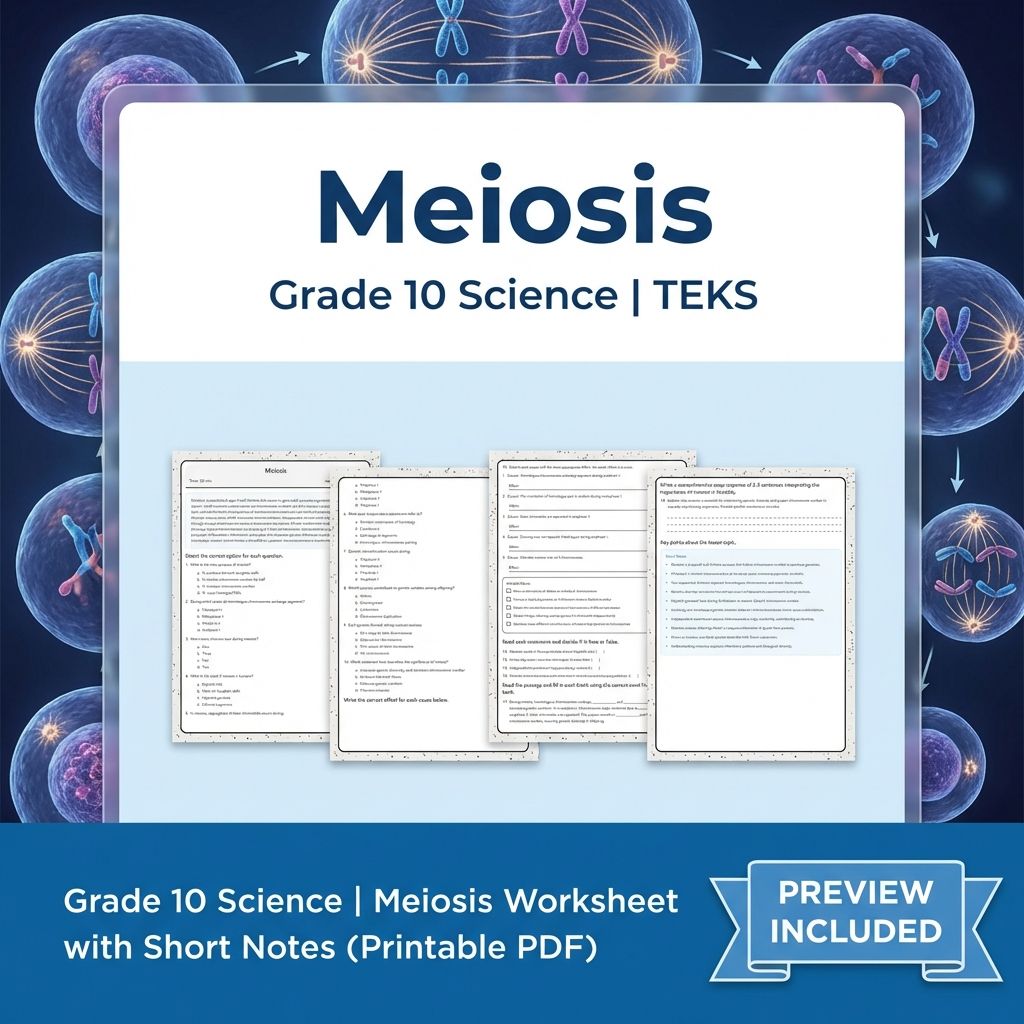
Grade 10 Science | Meiosis Worksheet with Short Notes (Printable PDF)
Created byMeadowlark WorksheetsLearning Objectives
- Explain the process of meiosis and its role in reducing chromosome number.
- Describe how genetic recombination and independent assortment increase genetic diversity.
- Illustrate the stages of meiosis and their significance in inheritance patterns.
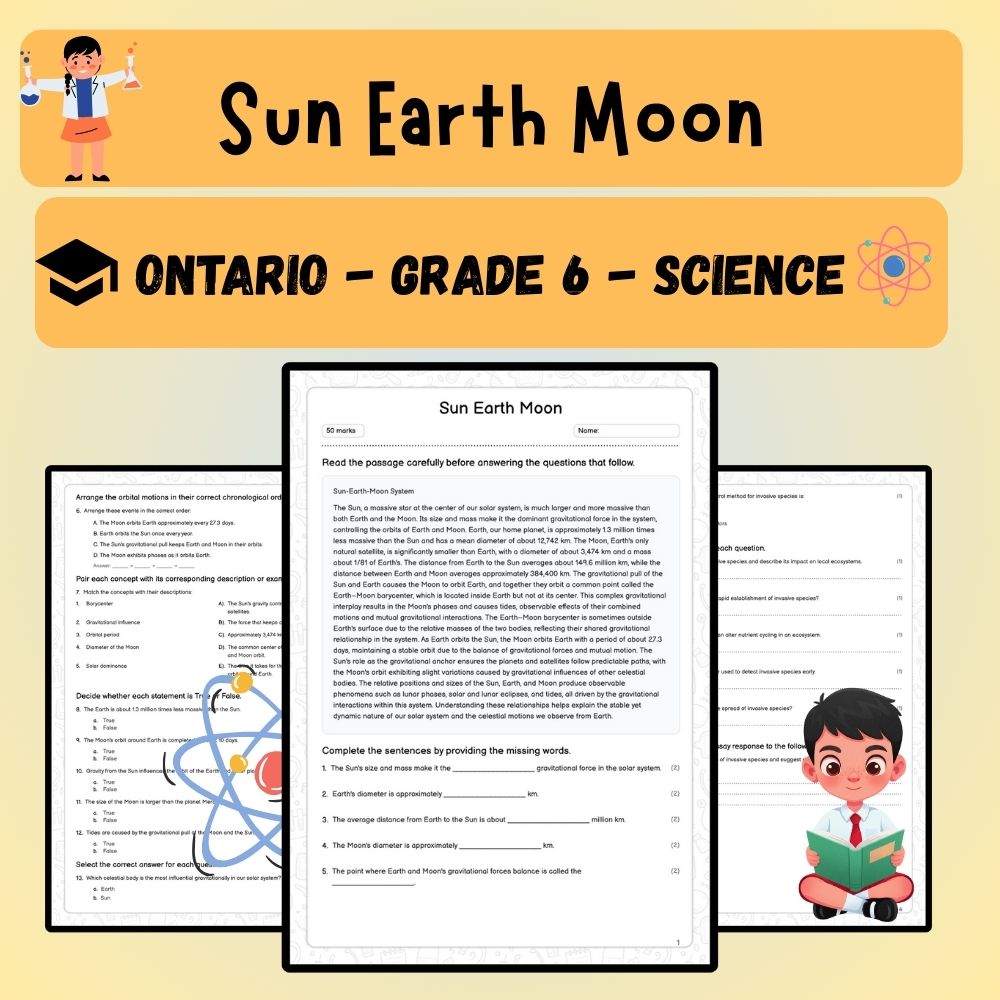
6th Grade Science | Sun, Earth & Moon Worksheet (PDF )
 Created byPrism Point Learning
Learning Objectives
- Describe the relative sizes, masses, and distances among the Sun, Earth, and Moon.
- Explain how gravitational interactions influence the orbital relationships within the Sun–Earth–Moon system.
- Understand the concept of the Earth–Moon barycenter and the Sun's role as the dominant gravitational influence.
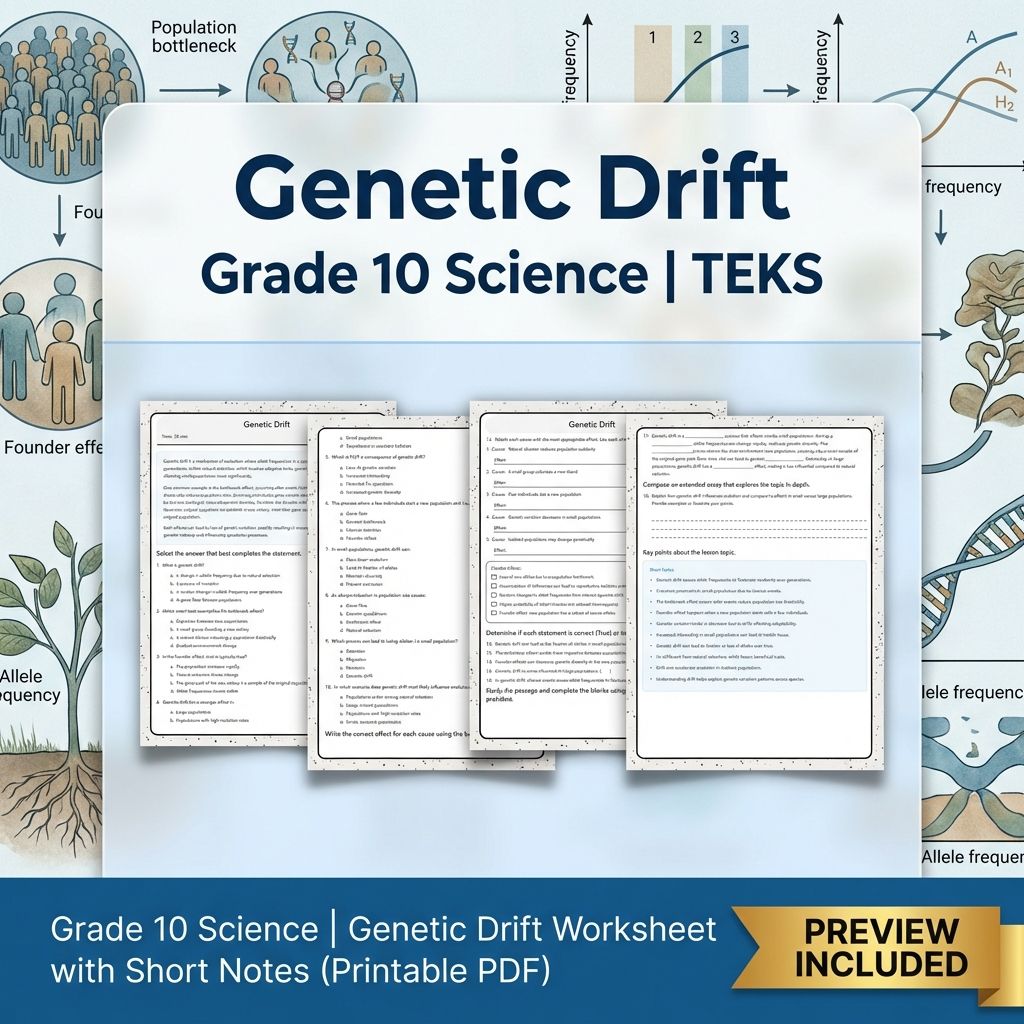
Grade 10 Science | Genetic Drift Worksheet with Short Notes (Printable PDF)
Created byMeadowlark WorksheetsLearning Objectives
- Understand the concept of genetic drift and how it causes allele frequency changes in populations.
- Identify different types of genetic drift, including bottleNeck and founder effects.
- Analyze real-world examples of genetic drift and its impact on evolution.
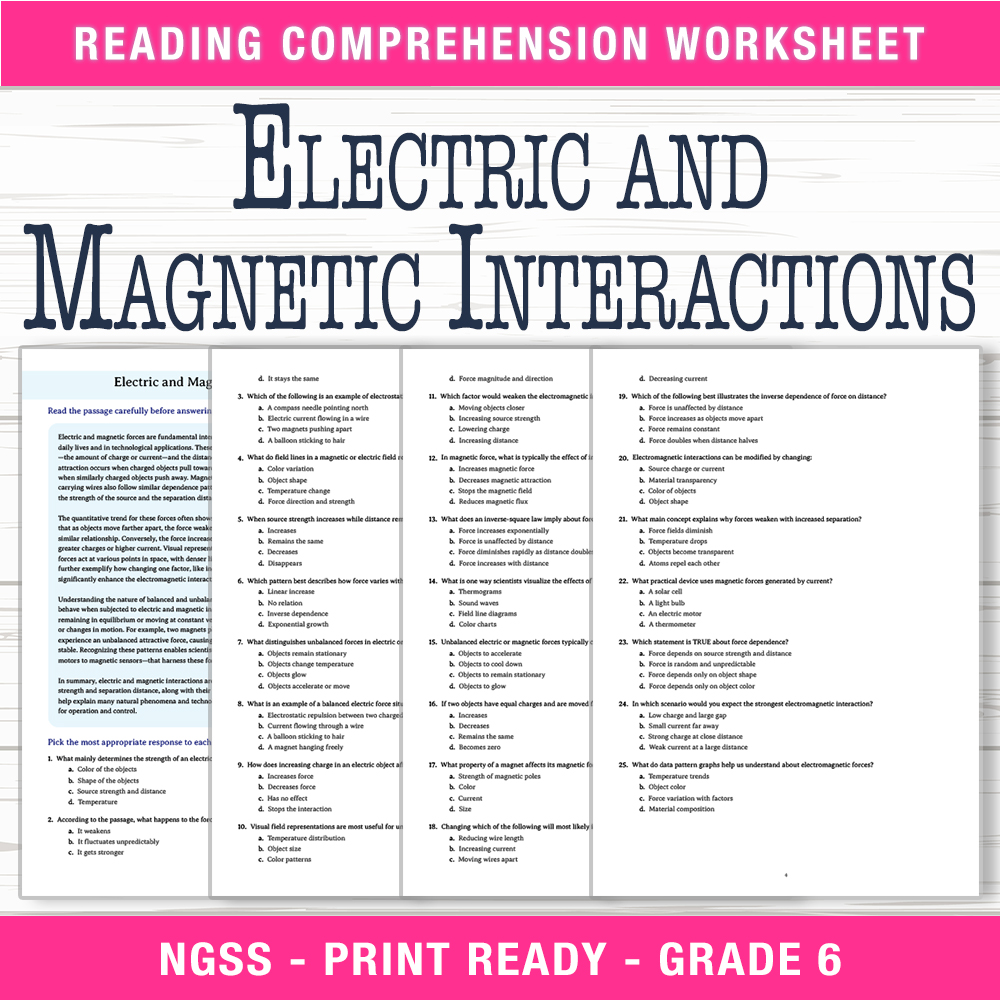
6th Grade Science – Electric and Magnetic Interactions (PDF + Answer Key)
Created byRiverstone ClassroomLearning Objectives
- Explain how electric and magnetic forces depend on source strength and distance.
- Describe examples of electrostatic and magnetic forces in real-world scenarios.
- Interpret qualitative data patterns and field representations related to electromagnetic interactions.
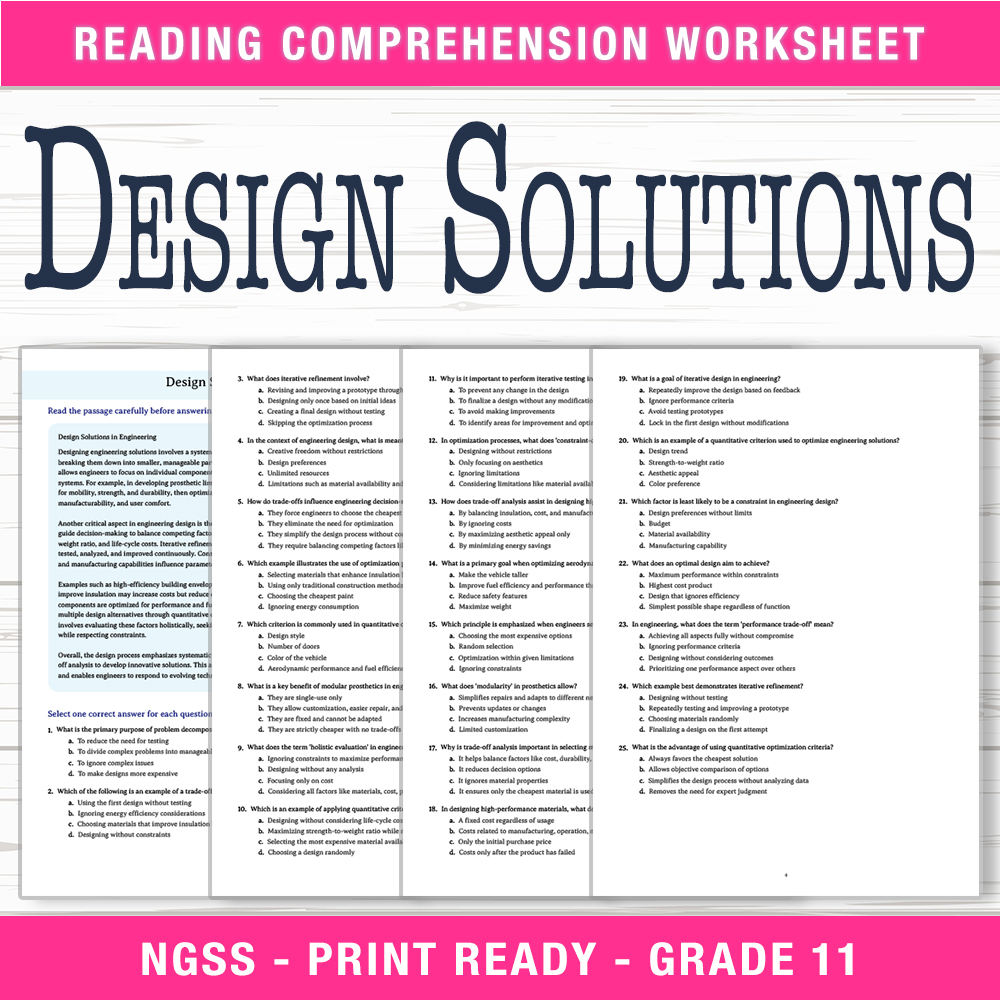
Grade 11 Science | Design Solutions Worksheet (PDF + Answer Key)
Created byRiverstone ClassroomLearning Objectives
- Understand the strategies for decomposing complex engineering problems into manageable subproblems.
- Apply principles of optimization, including trade-offs and iterative refinement, in designing engineering solutions.
- Analyze real-world examples such as modular prosthetics, high-efficiency building envelopes, and aerodynamic vehicles to understand decision-making criteria.
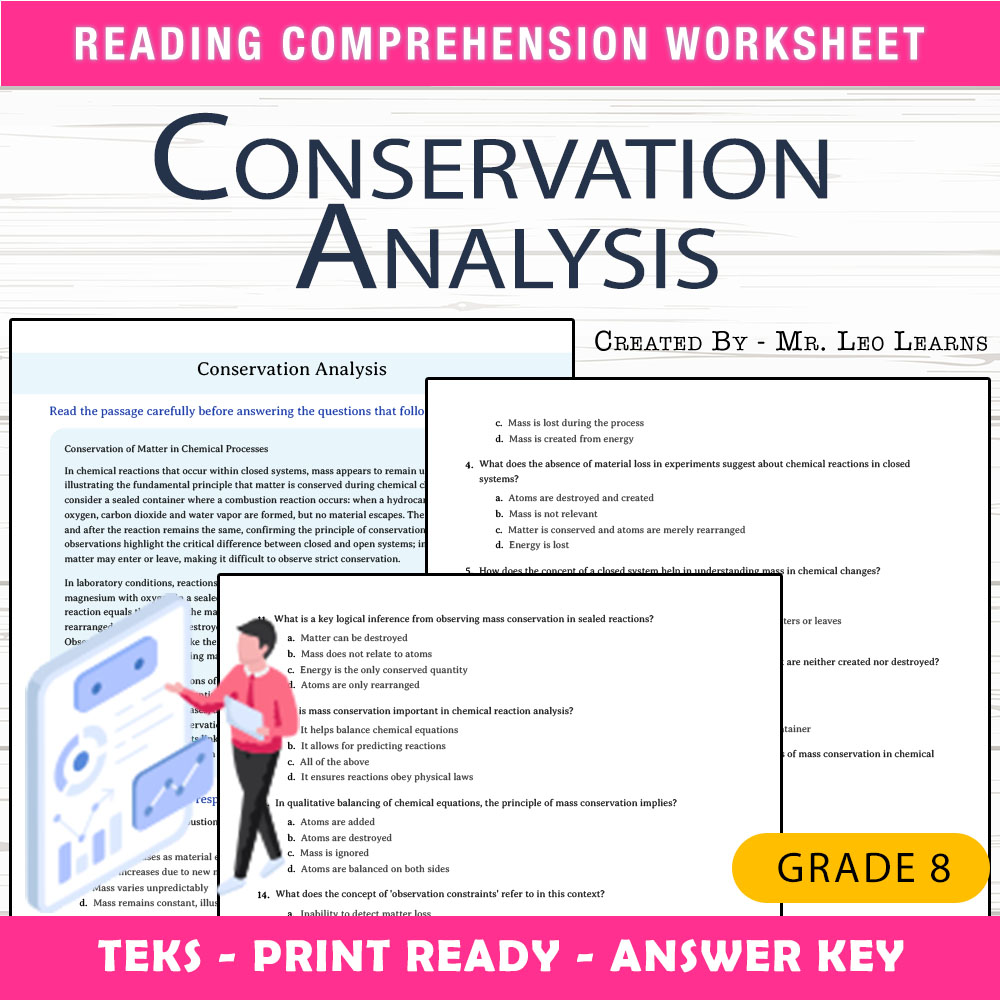
Grade 8 Science — Conservation Analysis Worksheet for Mastery | PDF + Answer Key
Created byThe Resource HubLearning Objectives
- Understand the principle of mass conservation in closed chemical systems.
- Analyze how reactions like combustion and oxide formation illustrate mass relationships.
- Differentiate between conserved matter in closed versus open systems through conceptual reasoning.
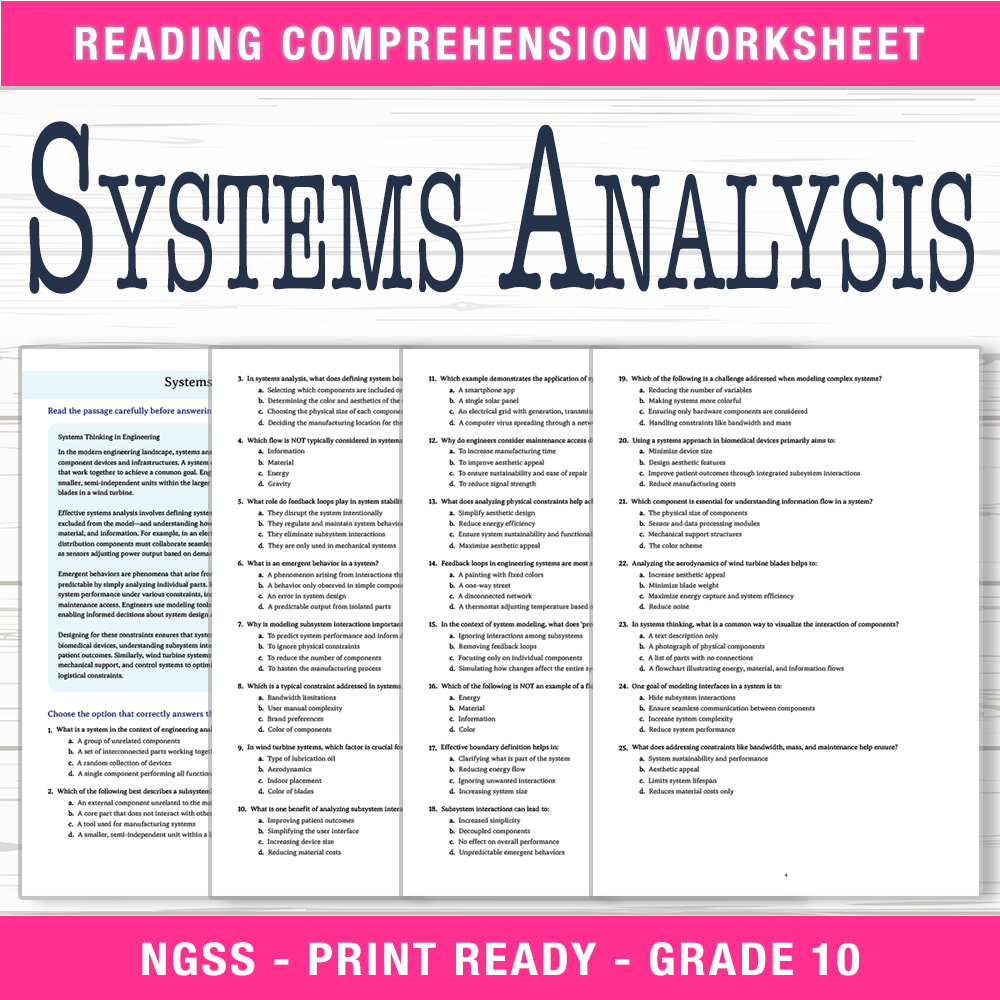
Grade 10 Science | Systems Analysis Worksheet (PDF + Answer Key)
Created byRiverstone ClassroomLearning Objectives
- Understand the components and interactions within complex systems such as electrical grids, wind turbines, and biomedical devices.
- Apply systems thinking concepts such as boundary definition, feedback loops, and emergent behaviors to analyze multi-component designs.
- Model interfaces and predict system-level performance considering constraints like bandwidth, mass, and maintenance access.
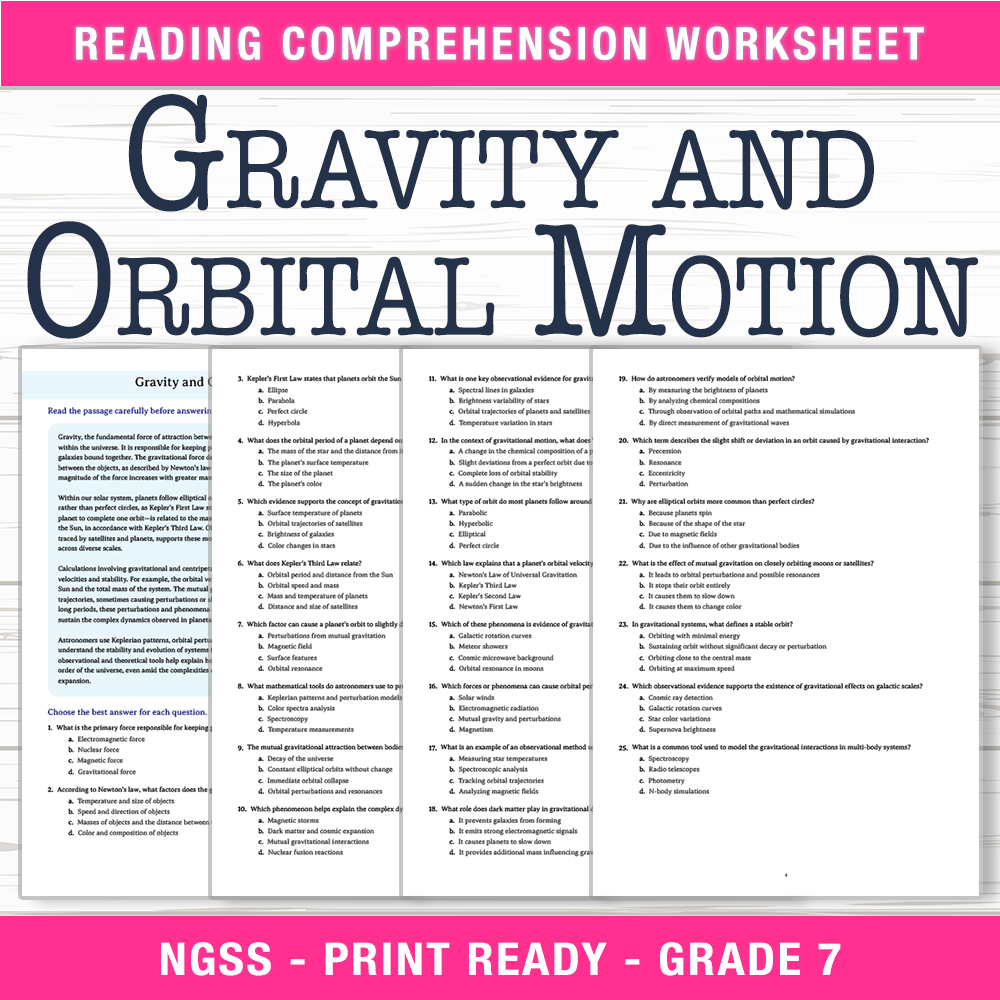
Grade 7 Science | Gravity & Orbital Motion Worksheet (PDF + Answer Key)
Created byRiverstone ClassroomLearning Objectives
- Understand the role of gravity in governing orbital motion within the solar system and galaxies.
- Describe how elliptical orbits and orbital periods are influenced by mass and distance.
- Apply mathematical relationships to calculate orbital velocity and centripetal effects for planets and moons.
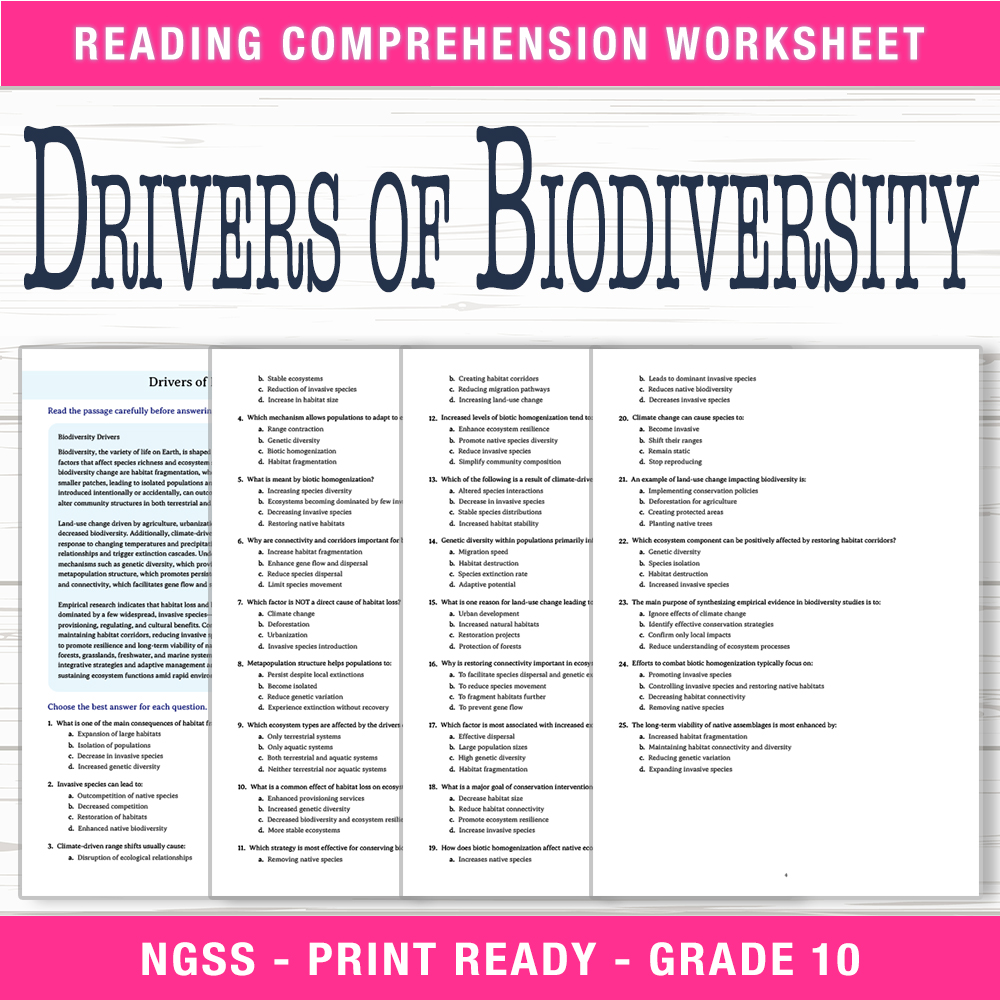
10th Grade Science | Drivers of Biodiversity Worksheet (PDF + Answer Key)
Created byRiverstone ClassroomLearning Objectives
- Analyze the key factors influencing species richness and composition, including habitat fragmentation, invasive species, land-use change, and climate-driven range shifts.
- Evaluate mechanisms affecting extinction risk and recovery, such as genetic diversity, metapopulation structure, and connectivity.
- Assess the impacts of habitat loss, biotic homogenization, and conservation strategies on ecosystem function and viability across terrestrial and aquatic biomes.
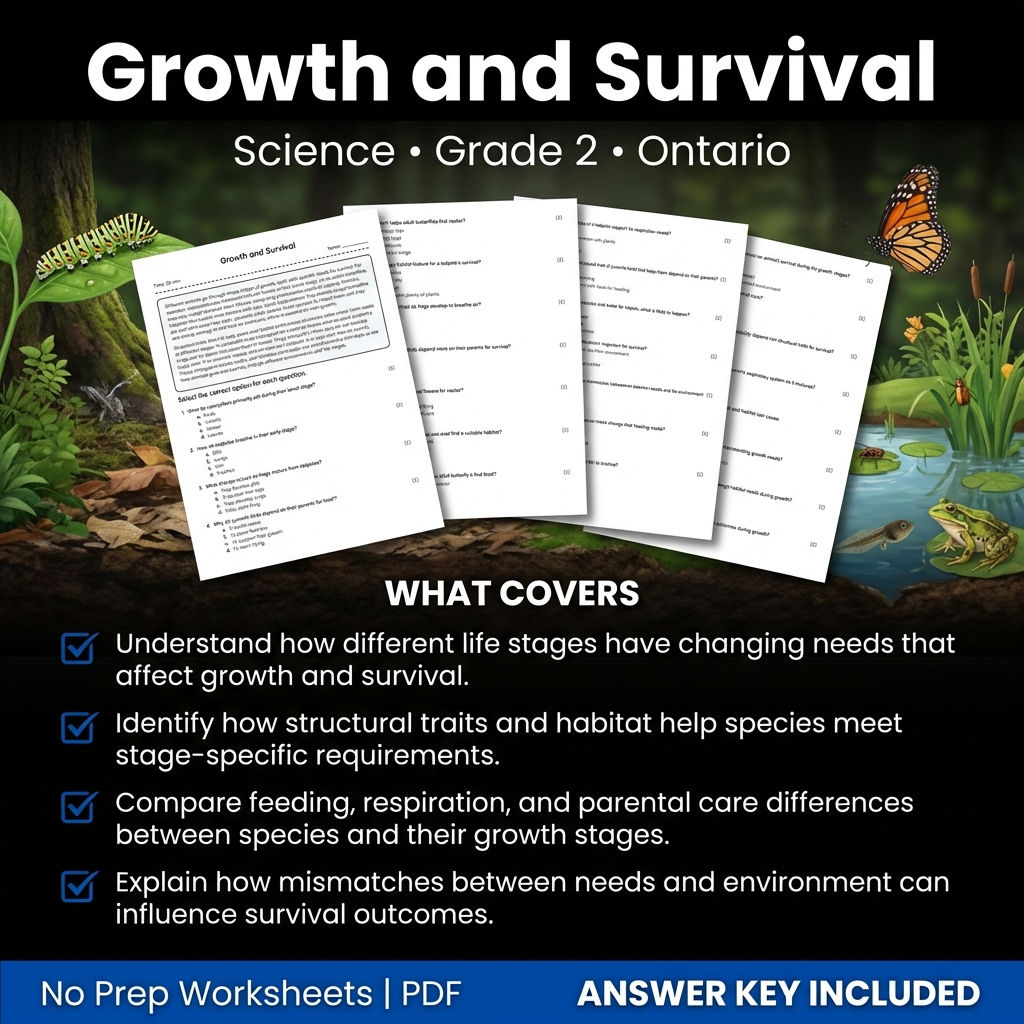
Growth and Survival Grade 2 Science Worksheet | Ontario Standard
 Created byCoral Reef Learning
Learning Objectives
- Understand how different life stages have changing needs that affect growth and survival.
- Identify how structural traits and habitat help species meet stage-specific requirements.
- Compare feeding, respiration, and parental care differences between species and their growth stages.
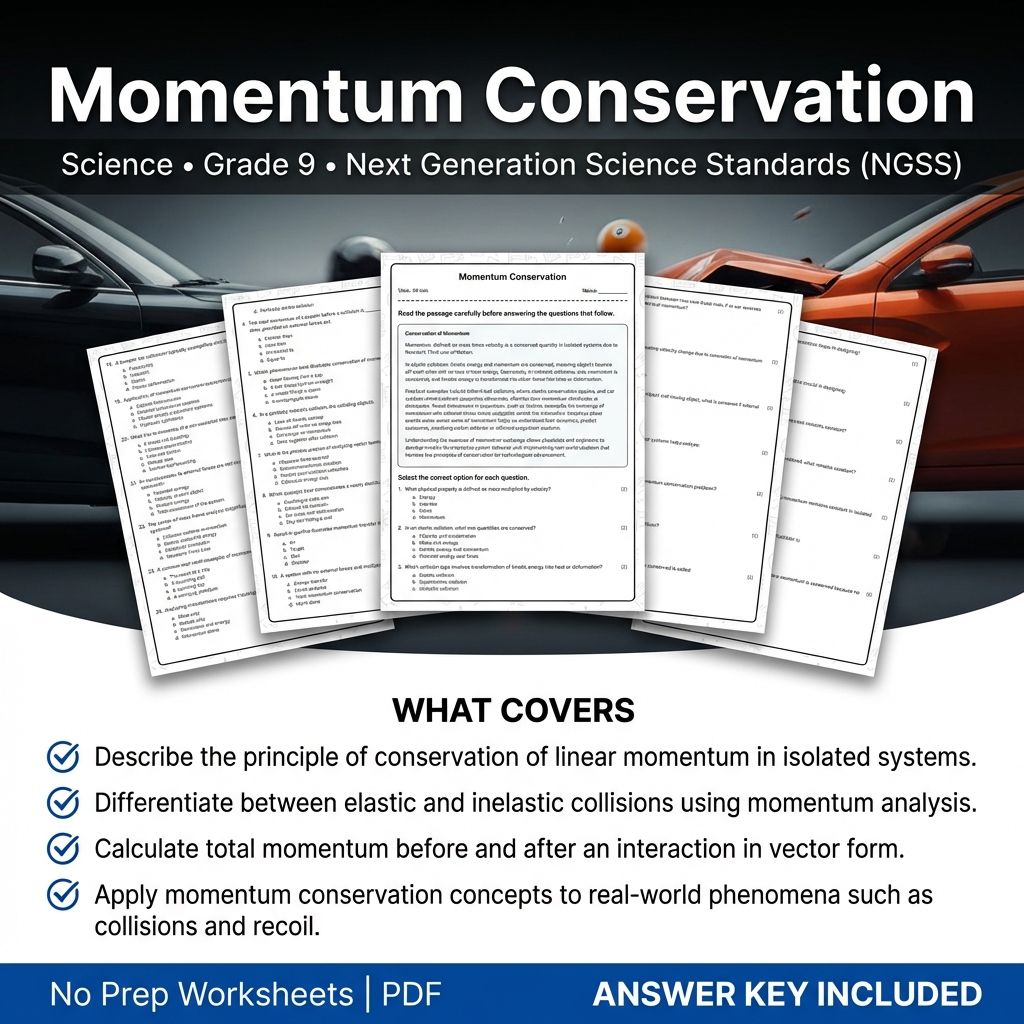
Grade 9 Science Worksheet | Momentum Conservation Practice & Answer Key
Created byCoral Reef LearningLearning Objectives
- Describe the principle of conservation of linear momentum in isolated systems.
- Differentiate between elastic and inelastic collisions using momentum analysis.
- Calculate total momentum before and after an interaction in vector form.
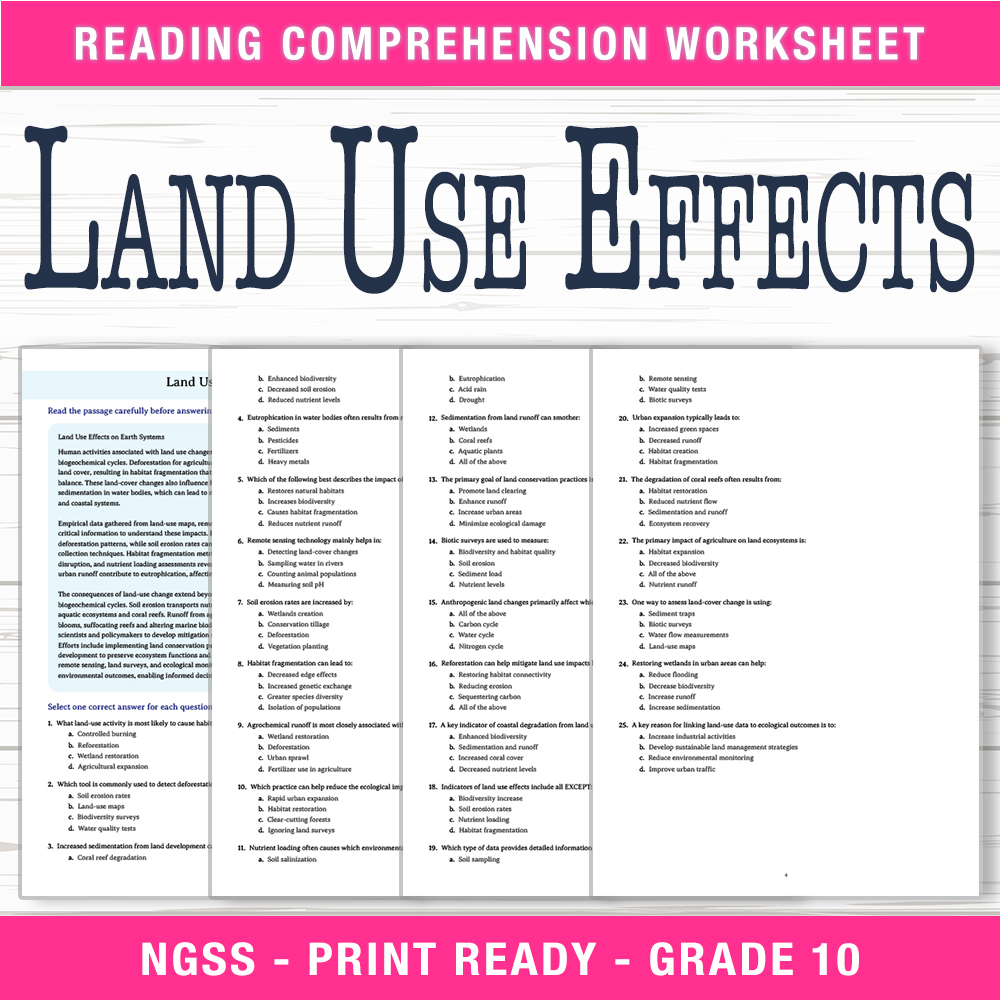
Grade 10 Science – Land Use Effects Worksheet (PDF + Answer Key)
Created byRiverstone ClassroomLearning Objectives
- Describe how human land-use changes impact ecosystems and earth systems.
- Identify indicators of land-use change such as habitat fragmentation and soil erosion.
- Interpret empirical data from land-cover maps, remote sensing, and biological surveys.
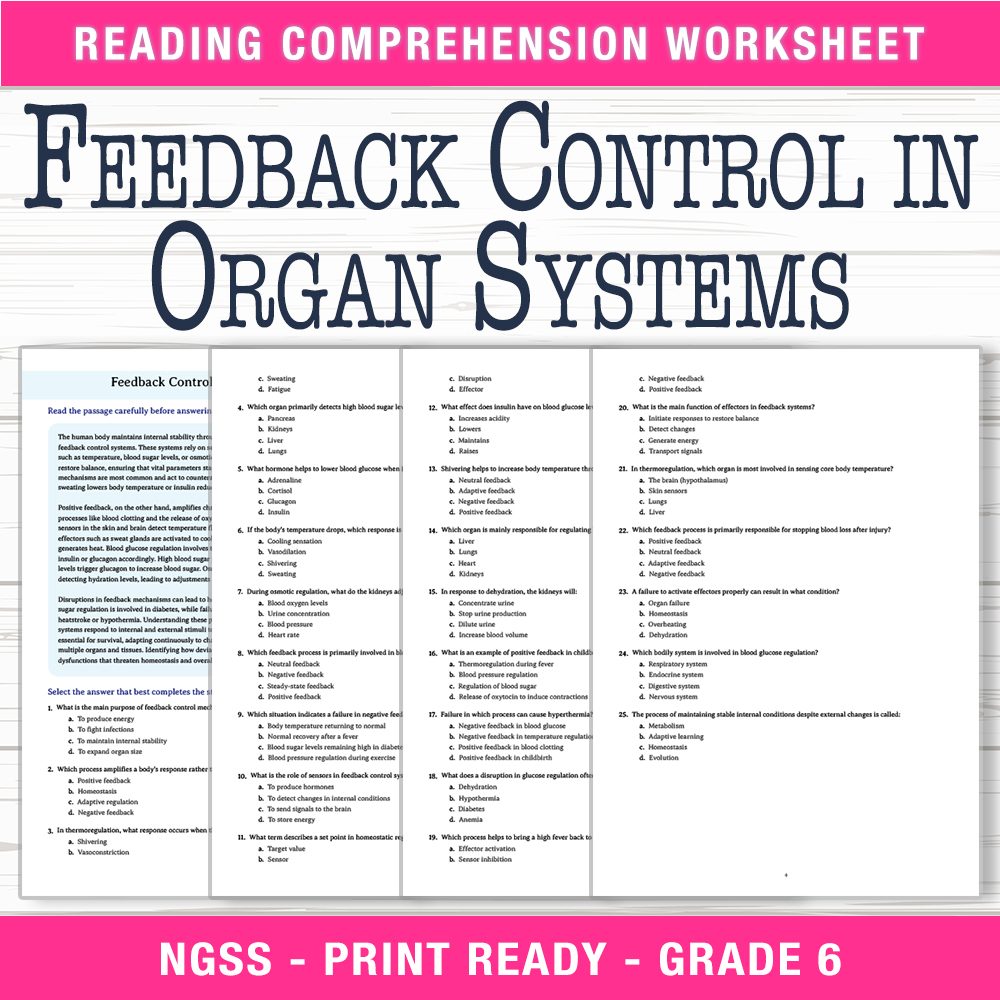
6th Grade Science | Feedback Control in Organ Systems Worksheet (PDF)
Created byRiverstone ClassroomLearning Objectives
- Explain the concept of feedback control mechanisms in maintaining internal stability.
- Identify examples of negative and positive feedback processes in the human body.
- Describe the roles of sensors, effectors, and set points in physiological regulation.
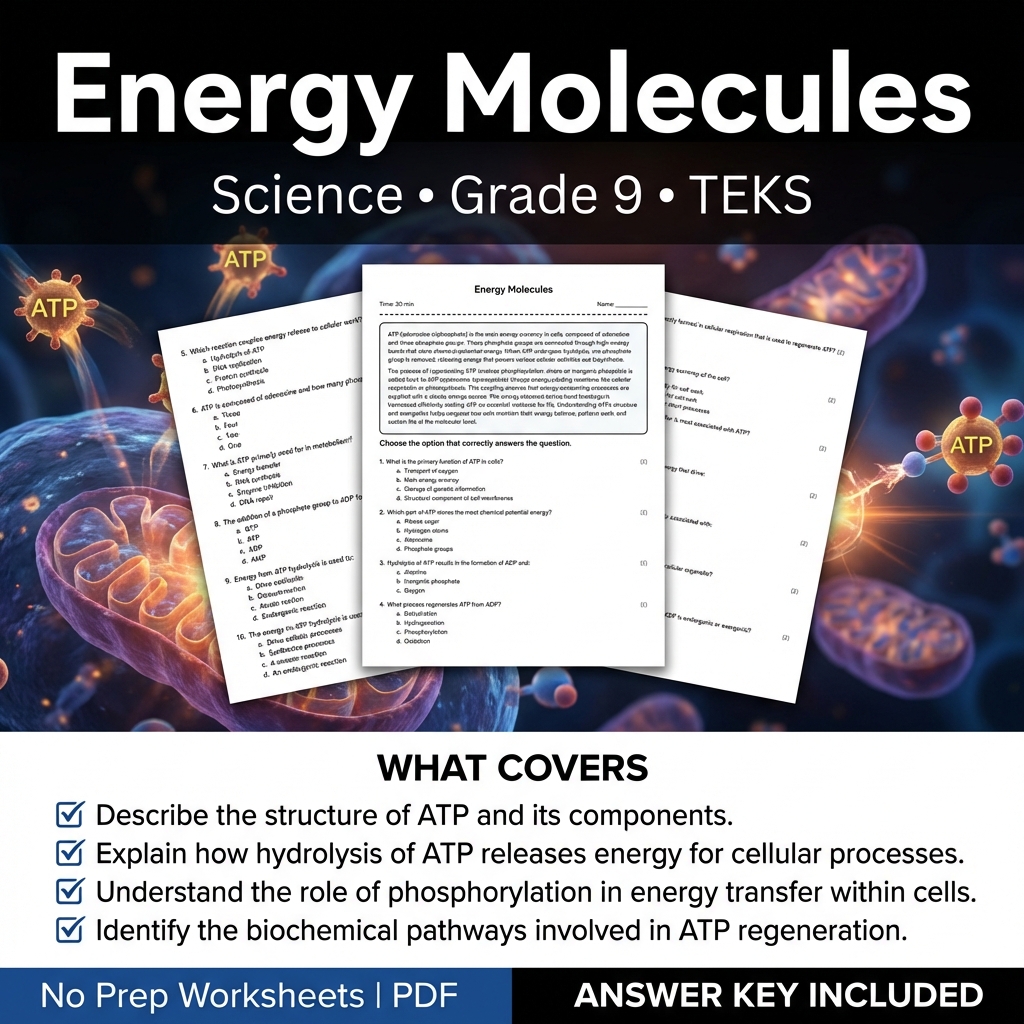
Grade 9 Science Worksheet on Energy Molecules | TEKS Aligned
Created byCoral Reef LearningLearning Objectives
- Describe the structure of ATP and its components.
- Explain how hydrolysis of ATP releases energy for cellular processes.
- Understand the role of phosphorylation in energy transfer within cells.
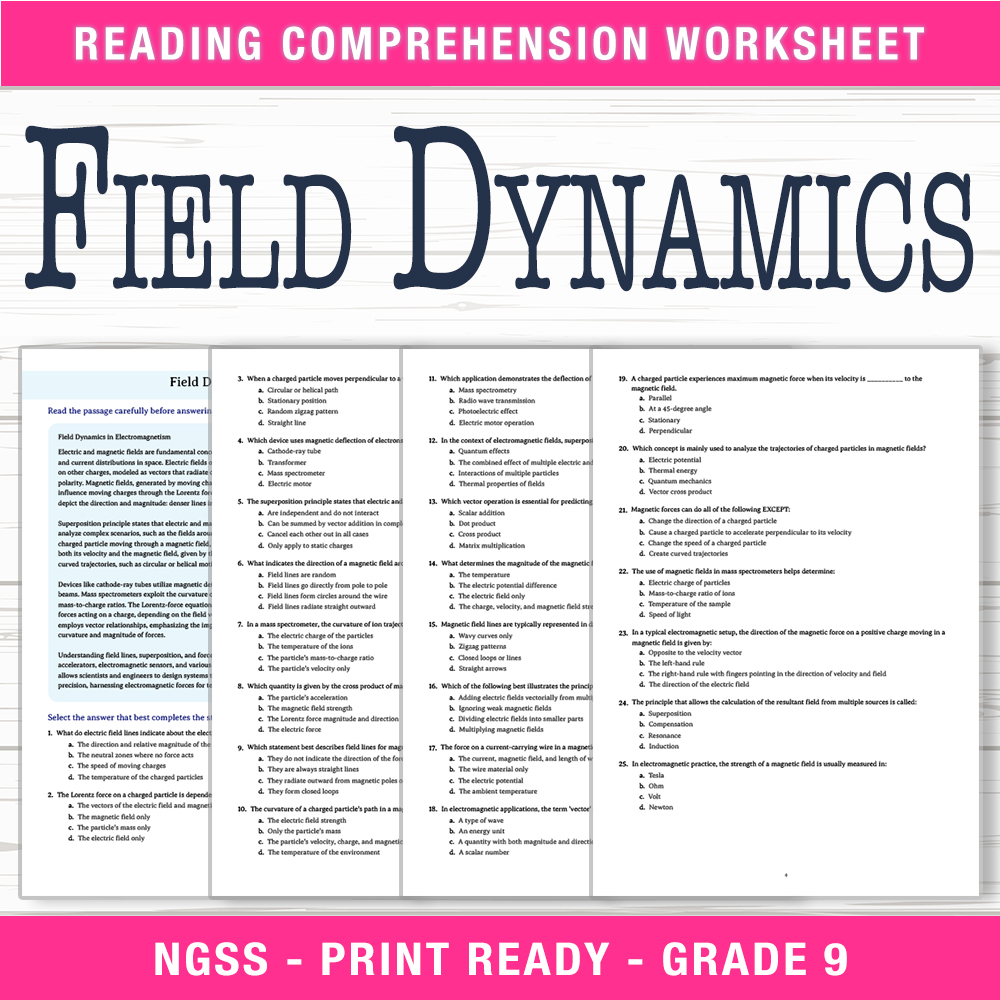
Grade 9 Science | Field Dynamics Worksheet (PDF + Answer Key)
Created byRiverstone ClassroomLearning Objectives
- Describe the characteristics of electric and magnetic fields using field vectors and field lines.
- Explain the concept of superposition of electric and magnetic fields and how they affect moving charges.
- Analyze forces on charged particles in magnetic fields, including curvature of trajectories and deflection phenomena.
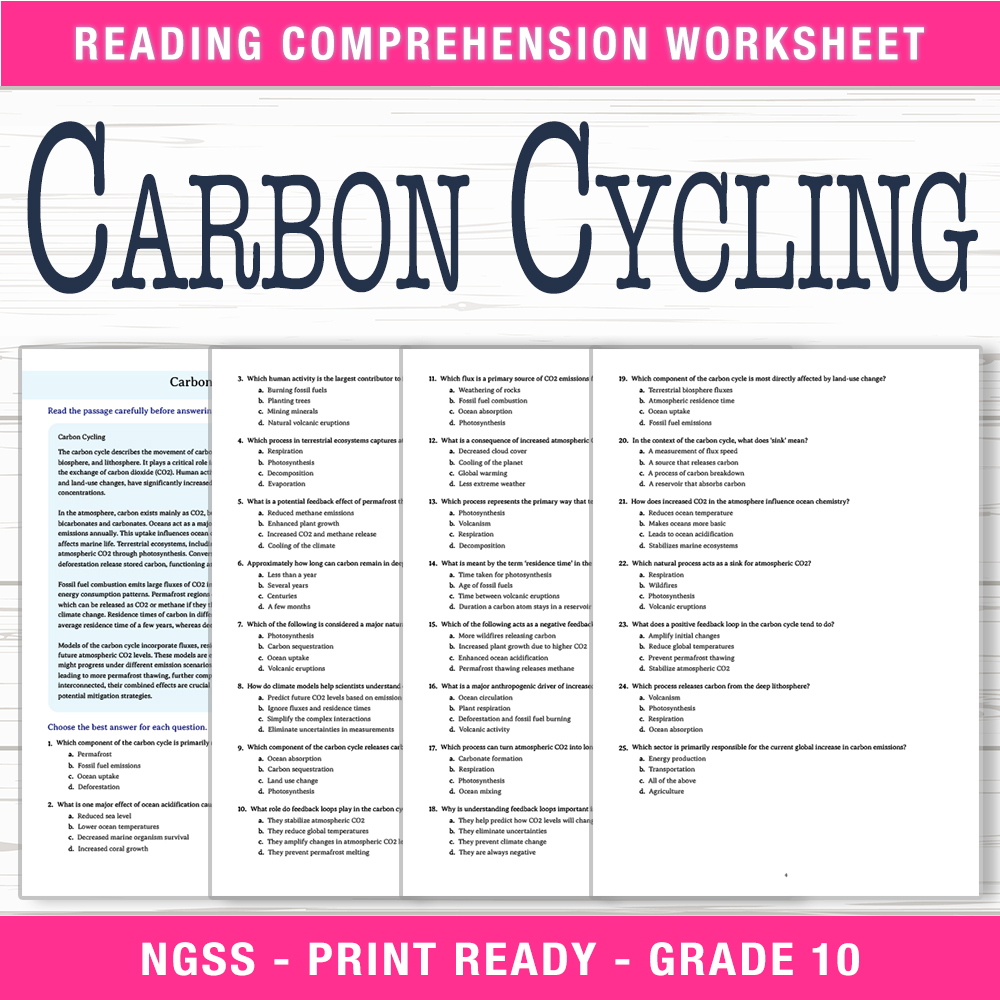
Grade 10 Science | Carbon Cycling Worksheet (PDF + Answer Key)
Created byRiverstone ClassroomLearning Objectives
- Describe the main components and processes involved in the global carbon cycle.
- Explain how fluxes, residence times, and feedback loops influence atmospheric carbon dioxide levels.
- Analyze the role of different sources and sinks in maintaining climate balance.
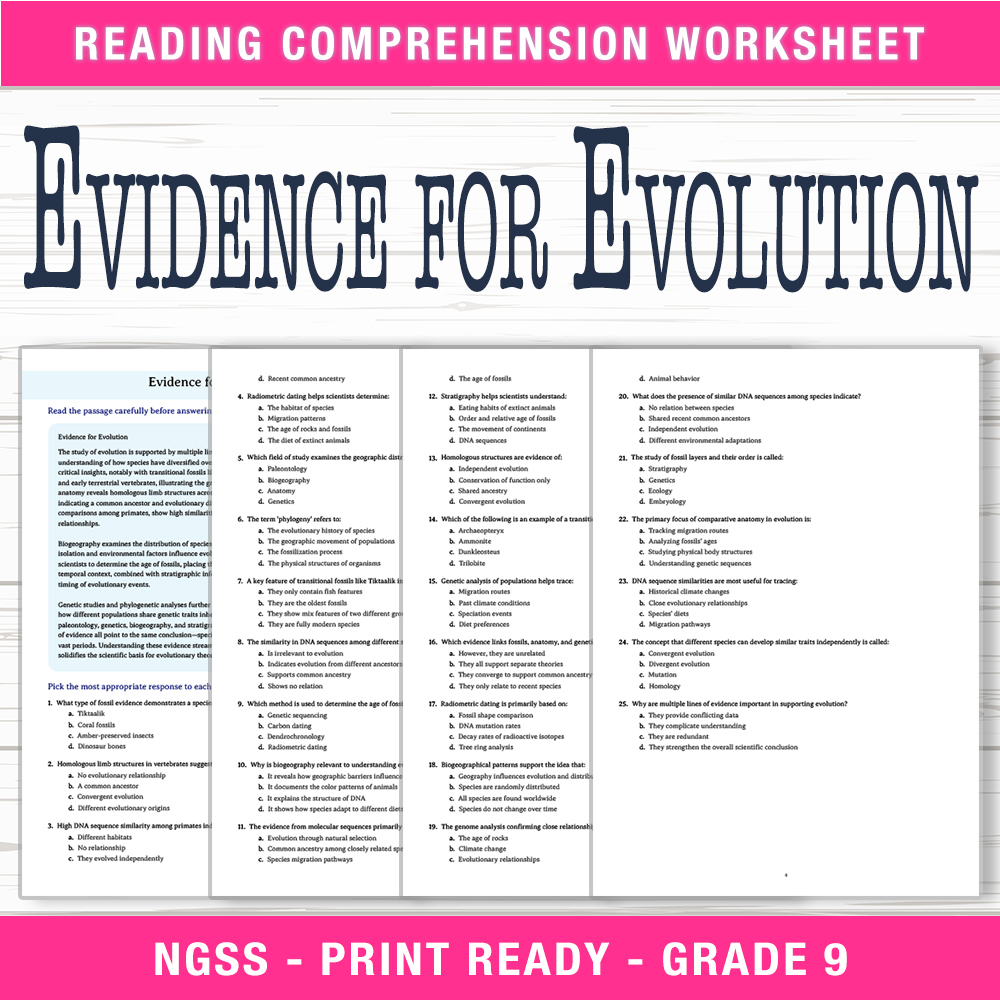
Grade 9 Science – Evidence for Evolution Worksheet (PDF + Answer Key)
Created byRiverstone ClassroomLearning Objectives
- Identify the key types of empirical evidence that support the theory of evolution.
- Explain how fossil records, comparative anatomy, and molecular sequences provide evidence for common ancestry.
- Understand the significance of transitional fossils, homologous structures, and DNA similarities among species.
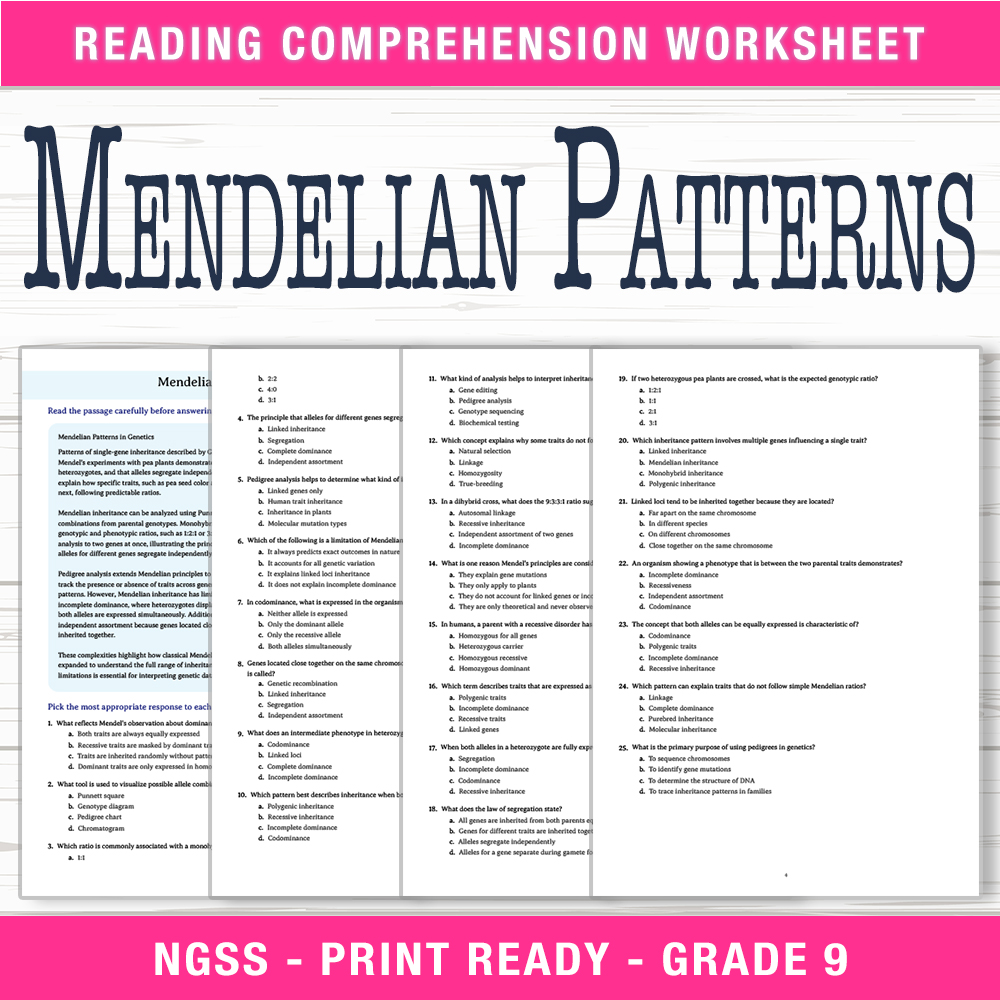
Grade 9 Science | Mendelian Patterns Worksheet (PDF + Answer Key)
Created byRiverstone ClassroomLearning Objectives
- Describe the basic principles of Mendelian inheritance, including dominant and recessive allele interactions.
- Explain segregation and independent assortment using Punnett square analysis.
- Interpret pedigrees to determine inheritance patterns.
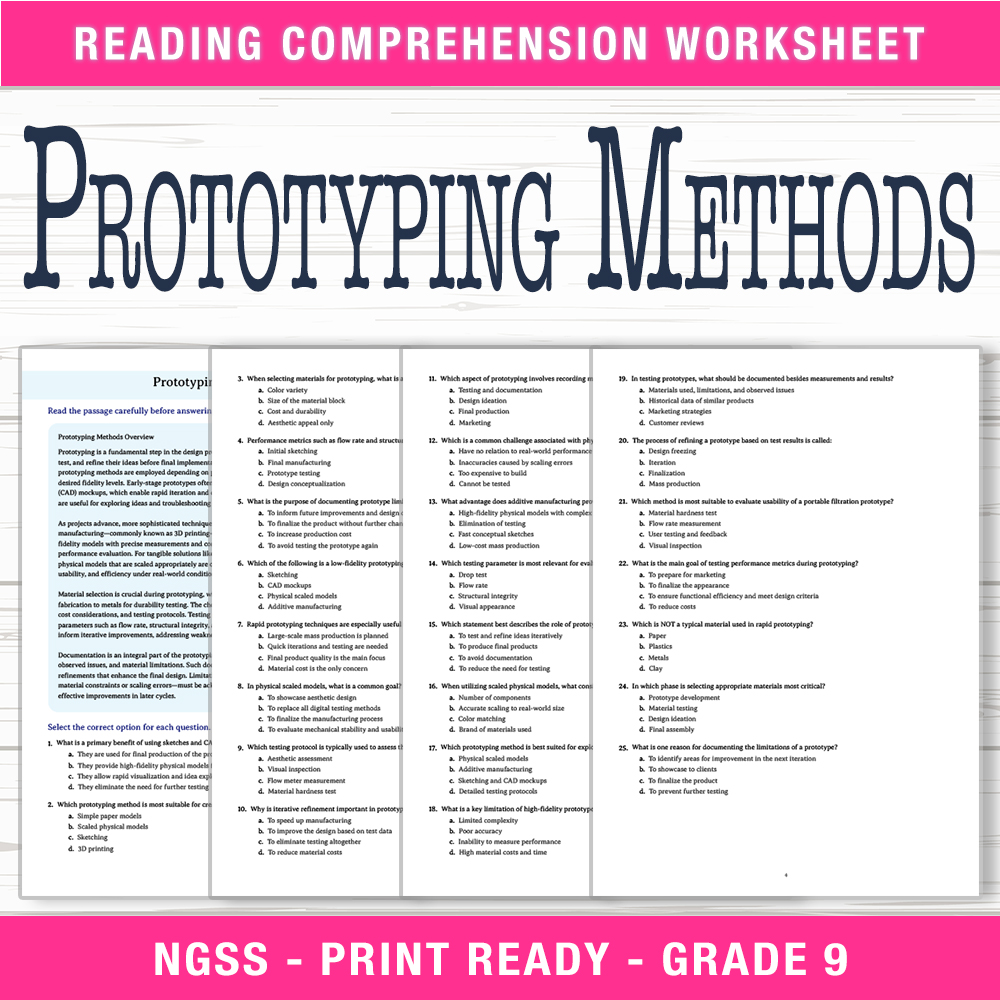
Grade 9 Science | Prototyping Methods Worksheet (PDF + Answer Key)
Created byRiverstone ClassroomLearning Objectives
- Understand different prototyping methods and their appropriate applications in design projects.
- Identify suitable materials, fidelity levels, and testing protocols for various prototyping approaches.
- Evaluate performance metrics of prototypes and apply iterative refinement based on test data.
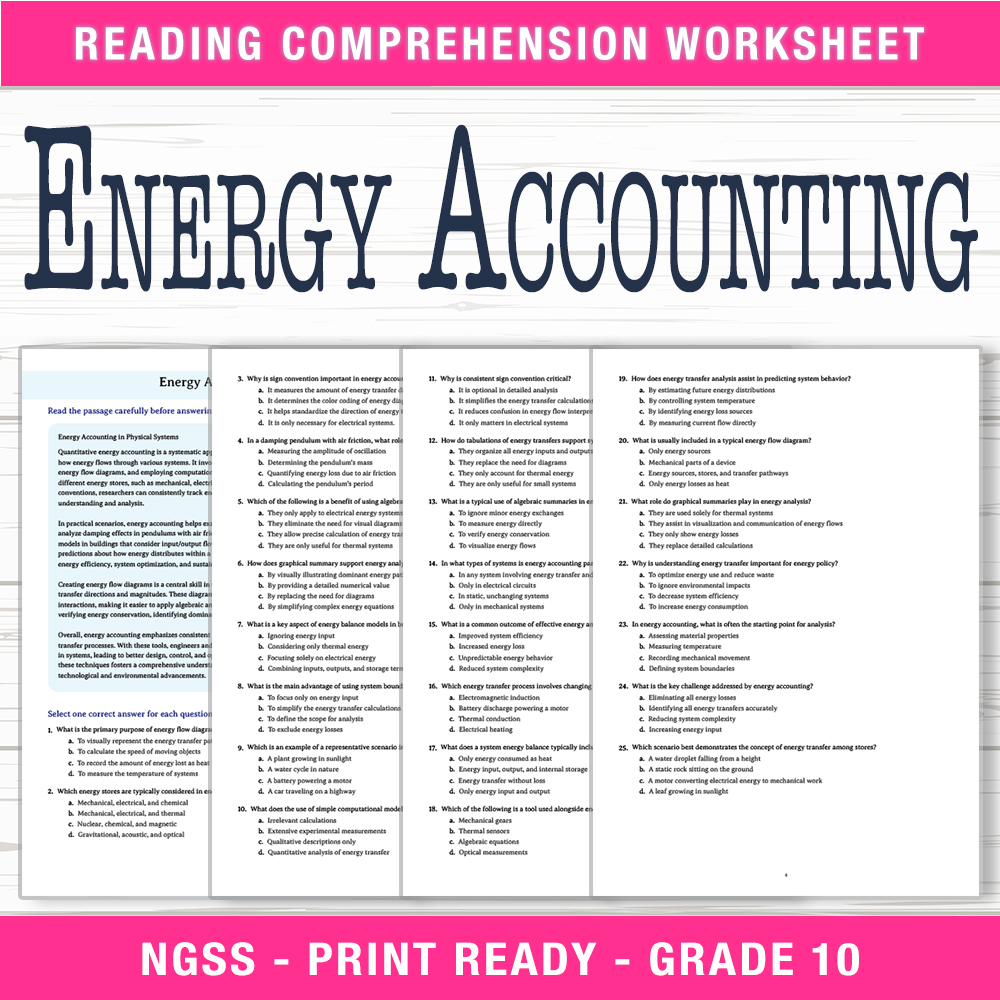
Grade 10 Science | Energy Accounting Worksheet (PDF + Answer Key)
Created byRiverstone ClassroomLearning Objectives
- Understand the principles of energy flow and transfer within physical systems.
- Apply sign conventions and energy balance equations to real-world scenarios.
- Develop skills in creating energy flow diagrams and using algebraic methods to analyze energy distribution.
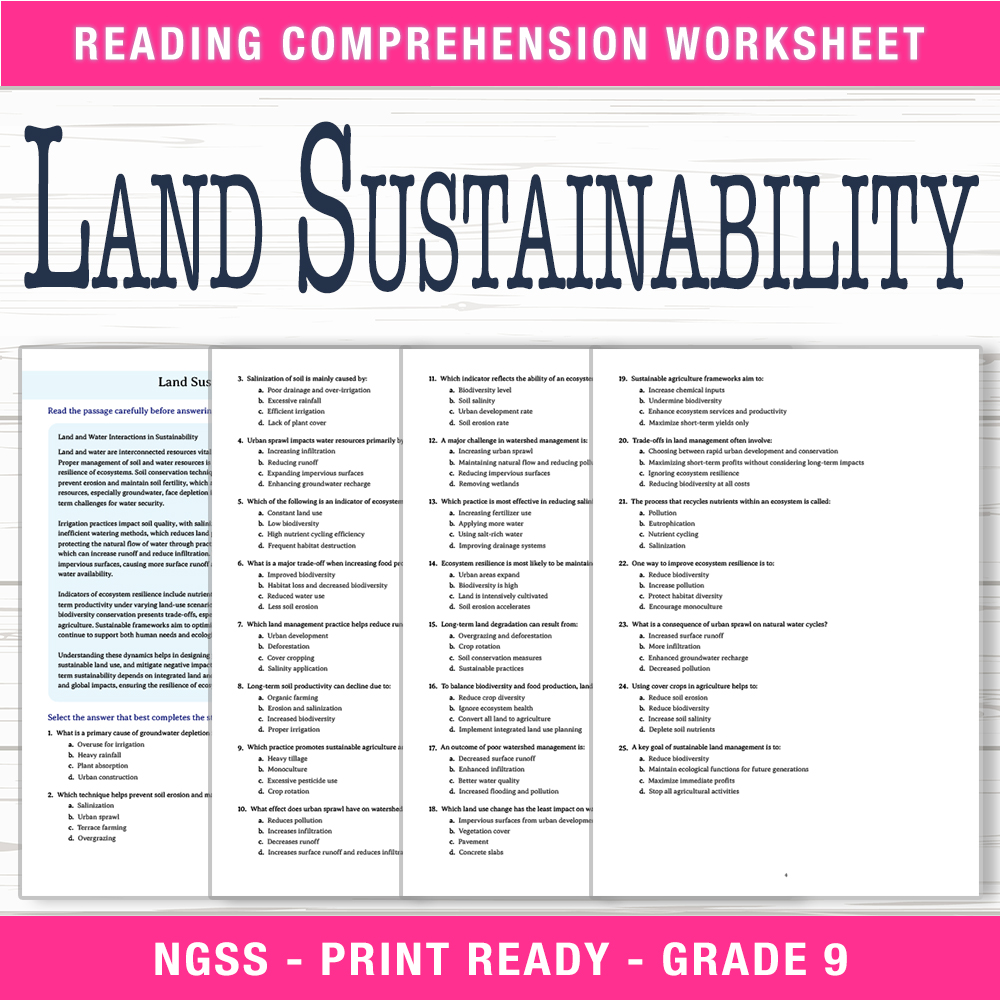
Grade 9 Science | Land Sustainability Worksheet (PDF + Answer Key)
Created byRiverstone ClassroomLearning Objectives
- Understand the impacts of land and water interactions on ecosystem health and productivity.
- Identify sustainable land use practices such as soil conservation and watershed management.
- Analyze trade-offs among agricultural productivity, biodiversity, and water resource management.
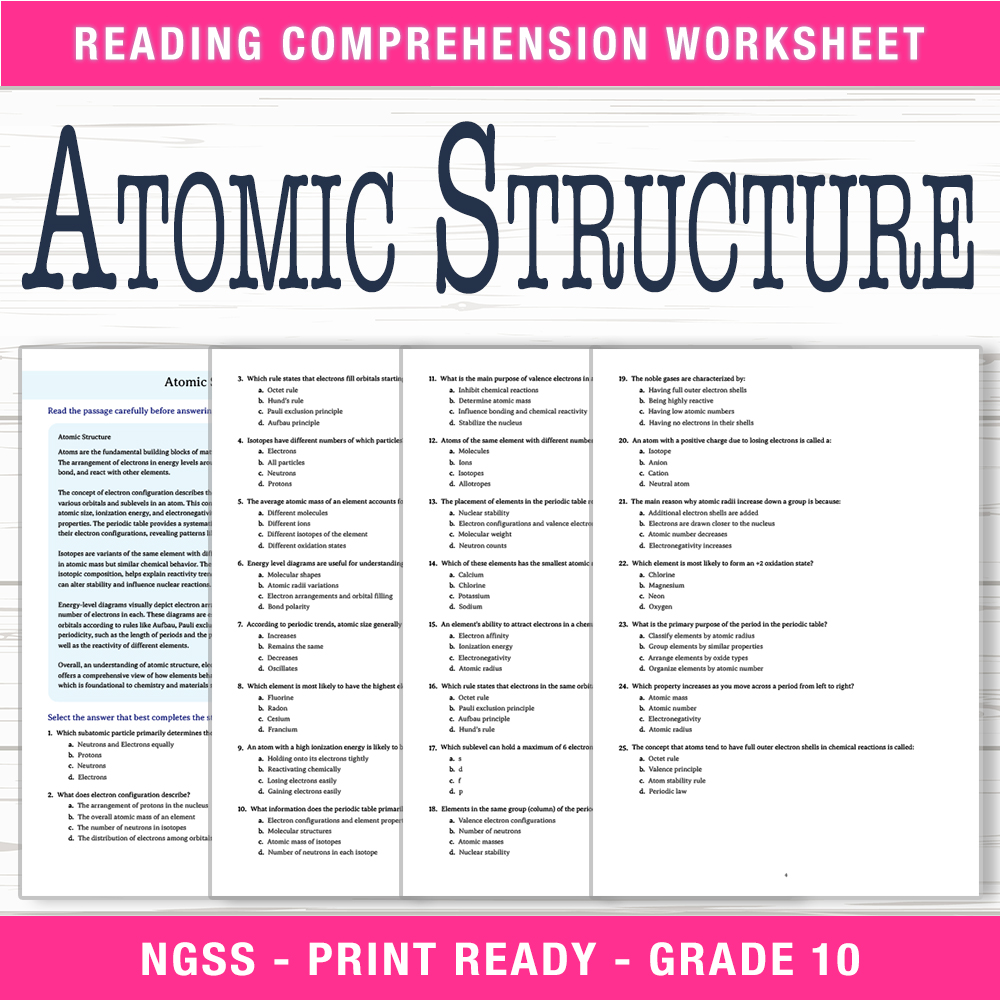
Grade 10 Science | Atomic Structure Worksheet (PDF + Answer Key)
Created byRiverstone ClassroomLearning Objectives
- Understand how electron configuration relates to periodic trends and elemental properties.
- Interpret energy level diagrams, sublevel occupancy, and atomic orbital arrangements.
- Explain isotopes, atomic mass, and their effects on reactivity and oxidation states.
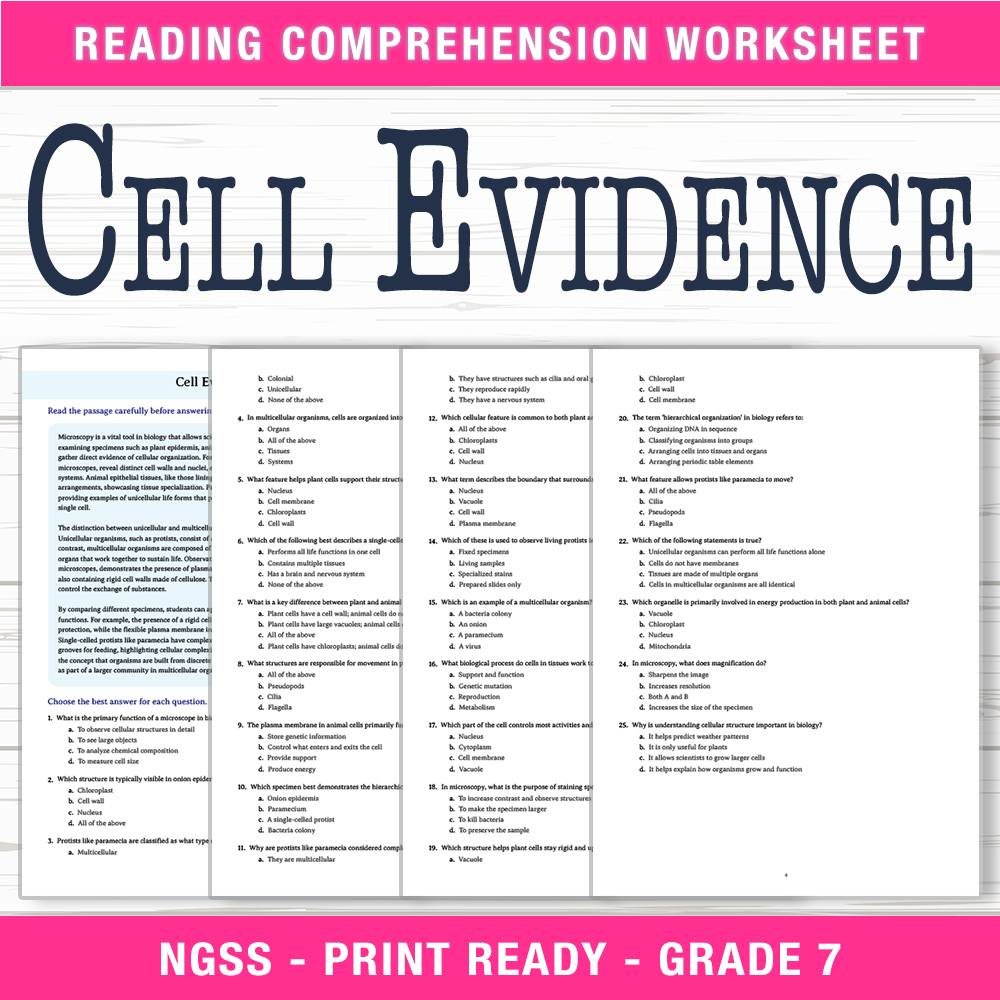
Grade 7 Science | Cell Evidence Worksheet (PDF + Answer Key)
Created byRiverstone ClassroomLearning Objectives
- Understand how microscopy reveals cellular structures in plant and animal tissues
- Differentiate between unicellular and multicellular organisms based on cellular organization
- Identify anatomical examples like onion epidermis and protists such as paramecia
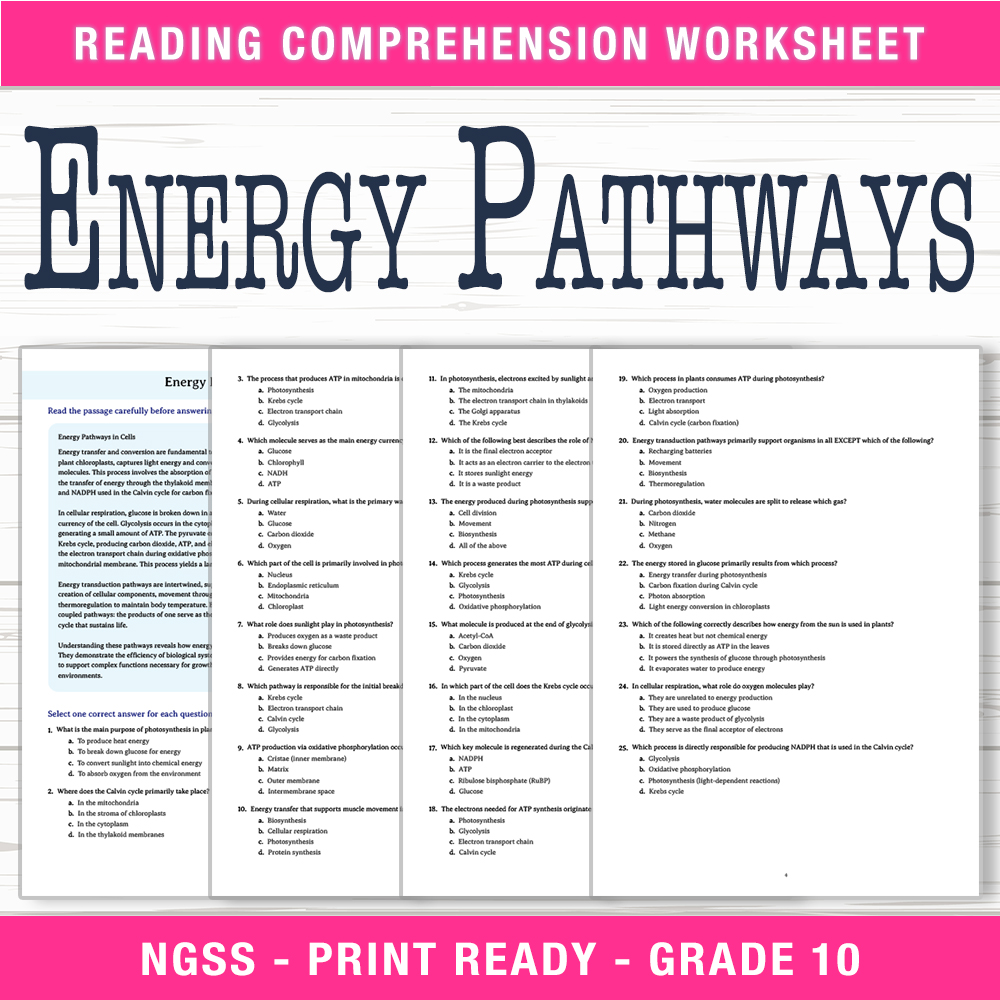
Grade 10 Science | Energy Pathways Worksheet (PDF + Answer Key)
Created byRiverstone ClassroomLearning Objectives
- Describe the process of photosynthesis and how it captures light energy and converts it into chemical energy.
- Explain cellular respiration as a coupled pathway that produces ATP through glycolysis, Krebs cycle, and oxidative phosphorylation.
- Analyze how energy transduction supports various biological functions such as biosynthesis, movement, and thermoregulation.
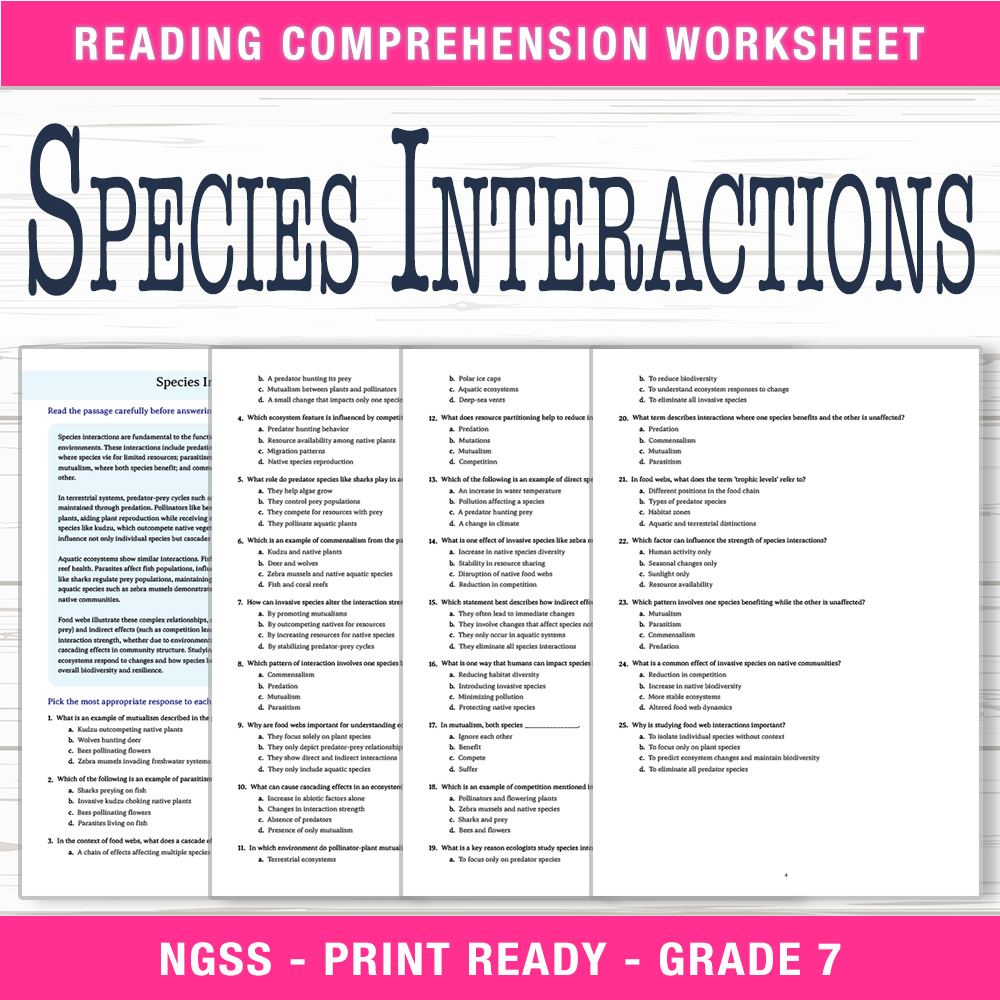
Grade 7 Science | Species Interactions Worksheet (PDF + Answer Key)
Created byRiverstone ClassroomLearning Objectives
- Understand different patterns of species interactions such as predation, competition, parasitism, mutualism, and commensalism.
- Analyze how species interactions influence community structure and ecosystem dynamics in terrestrial and aquatic systems.
- Interpret food webs and trophic diagrams to identify direct and indirect effects among species.
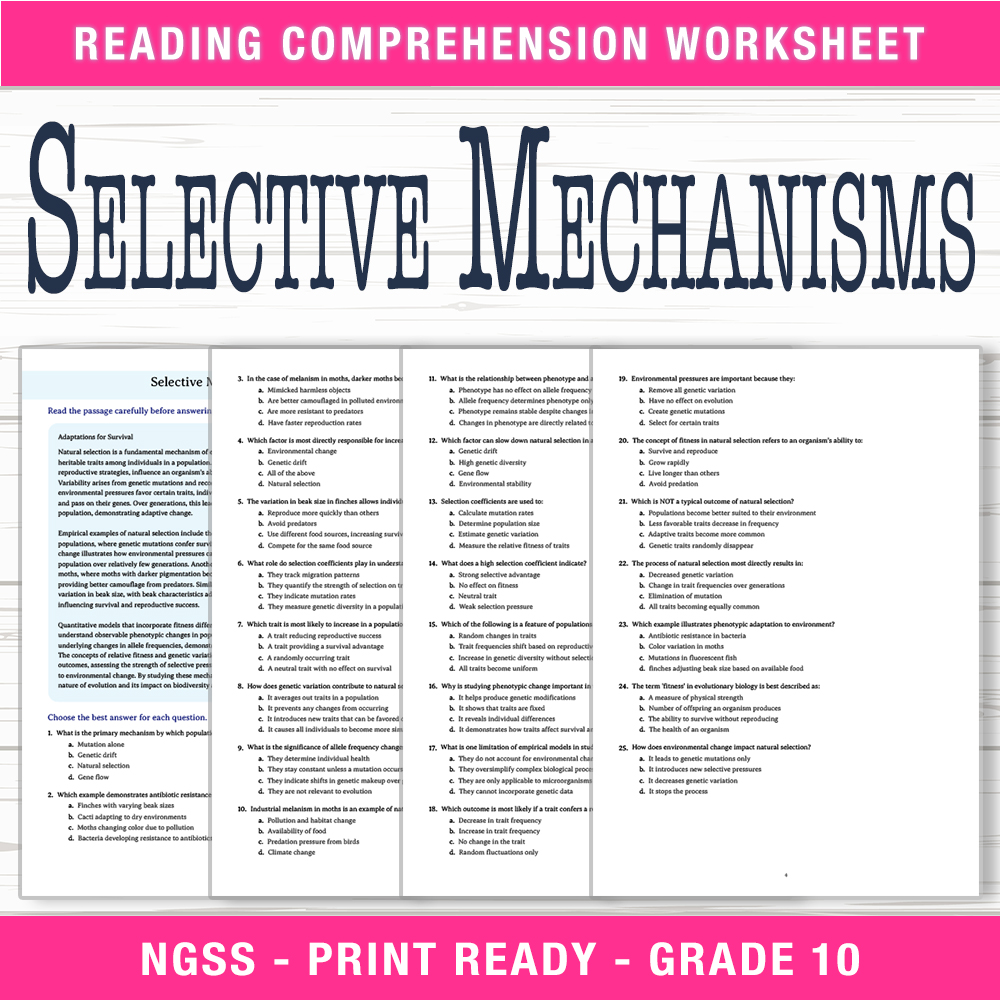
Grade 10 Science | Selective Mechanisms Worksheet (PDF + Answer Key)
Created byRiverstone ClassroomLearning Objectives
- Understand the principles of natural selection and how it drives evolution
- Identify examples of selective mechanisms such as antibiotic resistance, industrial melanism, and beak variation
- Analyze how environmental pressures influence trait frequencies in populations
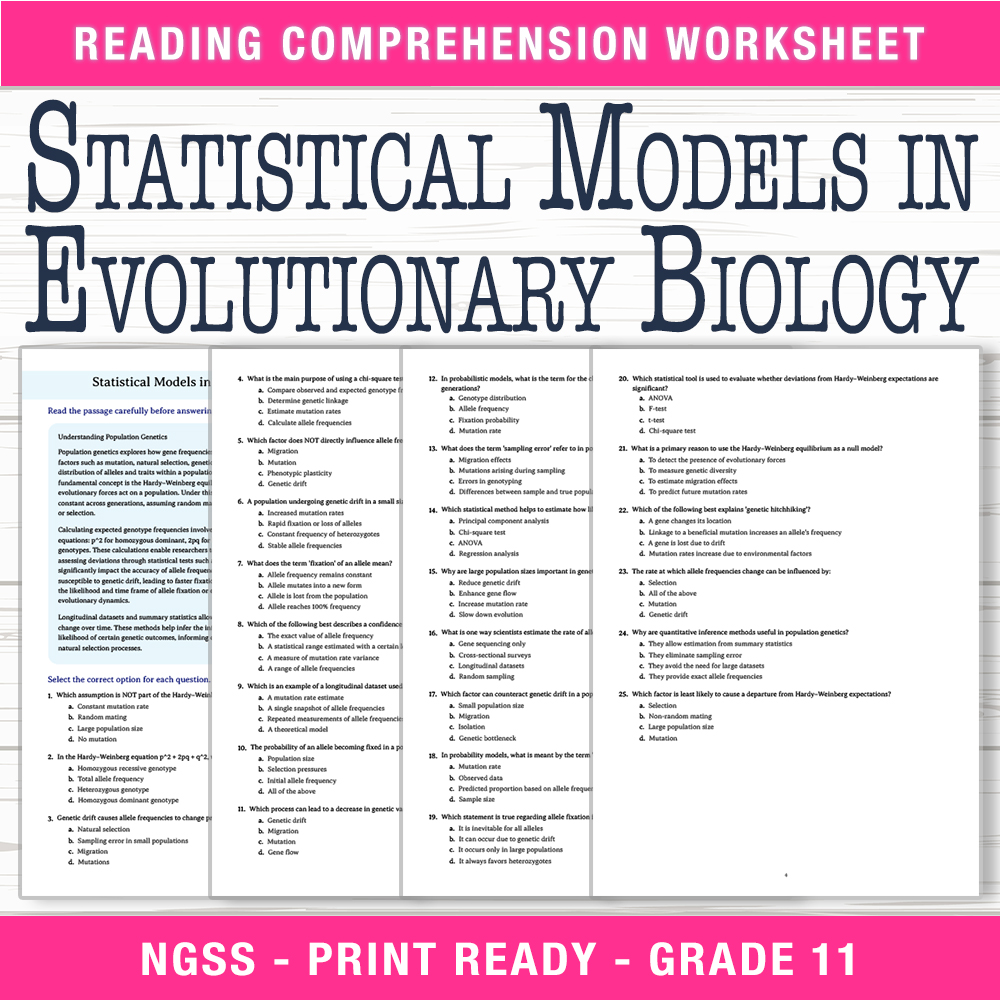
Grade 11 Science | Statistical Models in Evolutionary Biology Worksheet (PDF)
Created byRiverstone ClassroomLearning Objectives
- Understand how statistical and probabilistic methods are applied to allele frequencies and trait distributions
- Develop proficiency in calculating expected genotype frequencies under Hardy–Weinberg equilibrium
- Learn to use chi-square tests and confidence intervals to assess deviations from expected genetic distributions

Grade 11 Science | Reaction Stoichiometry Worksheet (PDF + Answer Key)
Created byRiverstone ClassroomLearning Objectives
- Understand the application of mole ratios from balanced chemical equations to determine limiting reactants and theoretical yields.
- Perform mass-to-mass, mass-to-mole, and mole-to-volume conversions under standard conditions.
- Derive empirical and molecular formulas from compositional data and balance chemical equations algebraically.
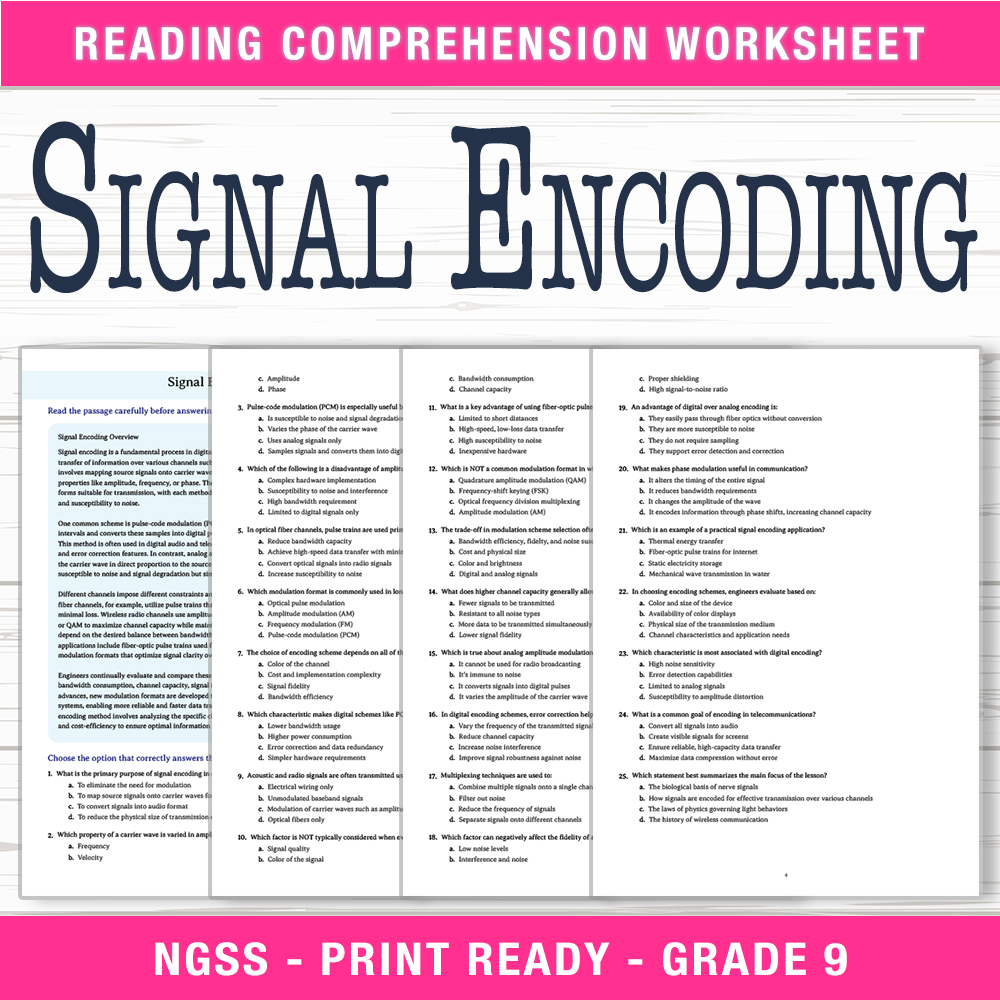
Grade 9 Science | Signal Encoding Worksheet (PDF + Answer Key)
Created byRiverstone ClassroomLearning Objectives
- Understand the principles of signal encoding through modulation and multiplexing.
- Compare different encoding schemes such as pulse-code modulation and amplitude modulation.
- Evaluate the impact of encoding choices on bandwidth, fidelity, and noise susceptibility.
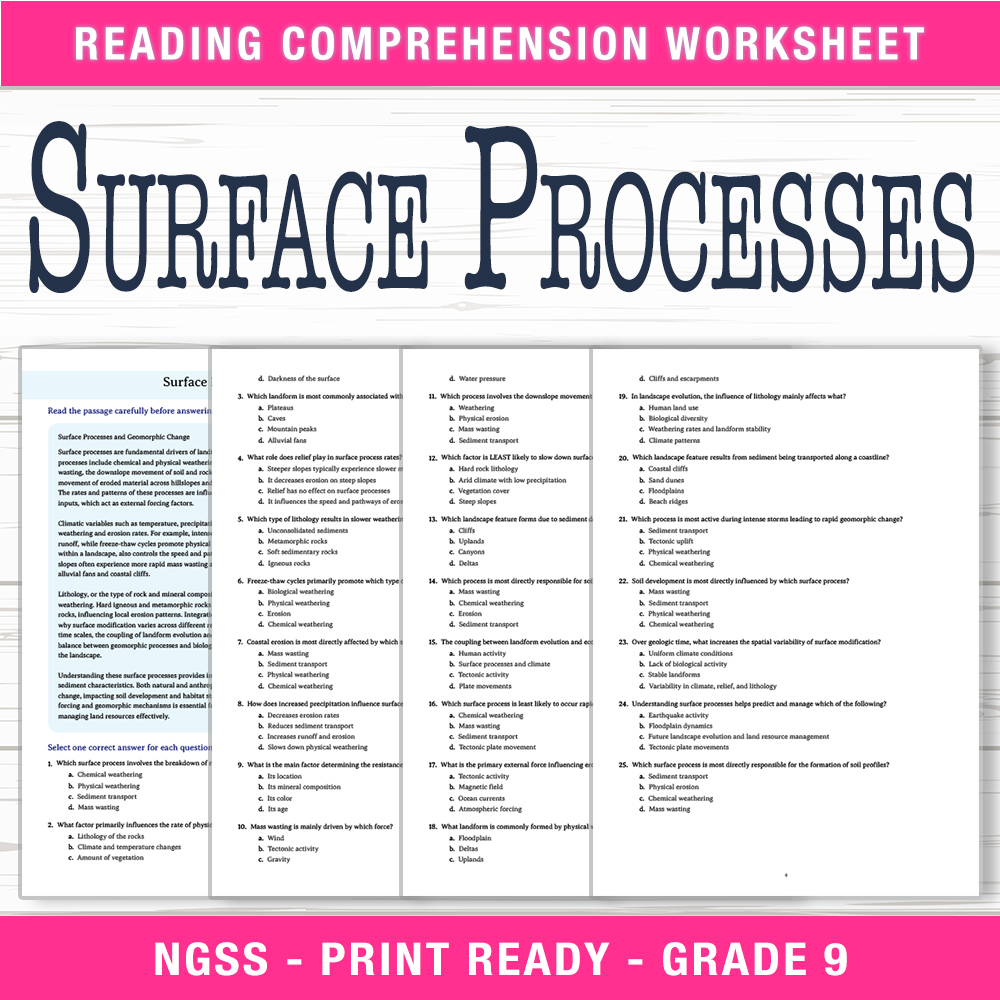
Grade 9 Science | Surface Processes Worksheet (PDF + Answer Key)
Created byRiverstone ClassroomLearning Objectives
- Describe the key surface processes that influence landform development.
- Explain how climate, relief, and lithology affect surface process rates and patterns.
- Analyze the relationship between surface processes and geomorphic change over various time scales.
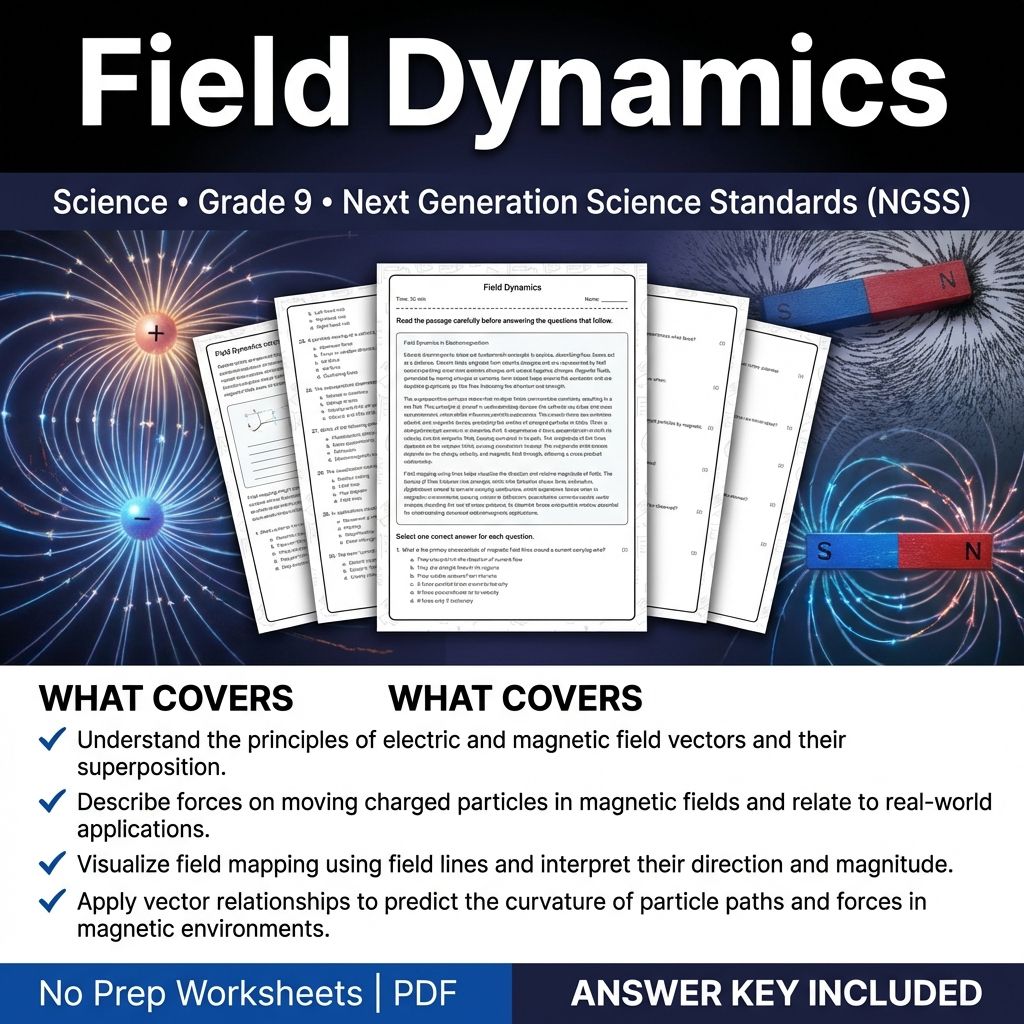
9th Grade Science | Field Dynamics Worksheet + Answer Key (Printable PDF)
Created byCoral Reef LearningLearning Objectives
- Understand the principles of electric and magnetic field vectors and their superposition.
- Describe forces on moving charged particles in magnetic fields and relate to real-world applications.
- Visualize field mapping using field lines and interpret their direction and magnitude.

Grade 9 Science | Trophic Dynamics Worksheet (PDF + Answer Key)
Created byRiverstone ClassroomLearning Objectives
- Describe the flow of energy through different trophic levels in an ecosystem.
- Explain the structure and function of food webs and trophic pyramids.
- Analyze how energy transfer efficiency affects biomass distribution and ecosystem productivity.
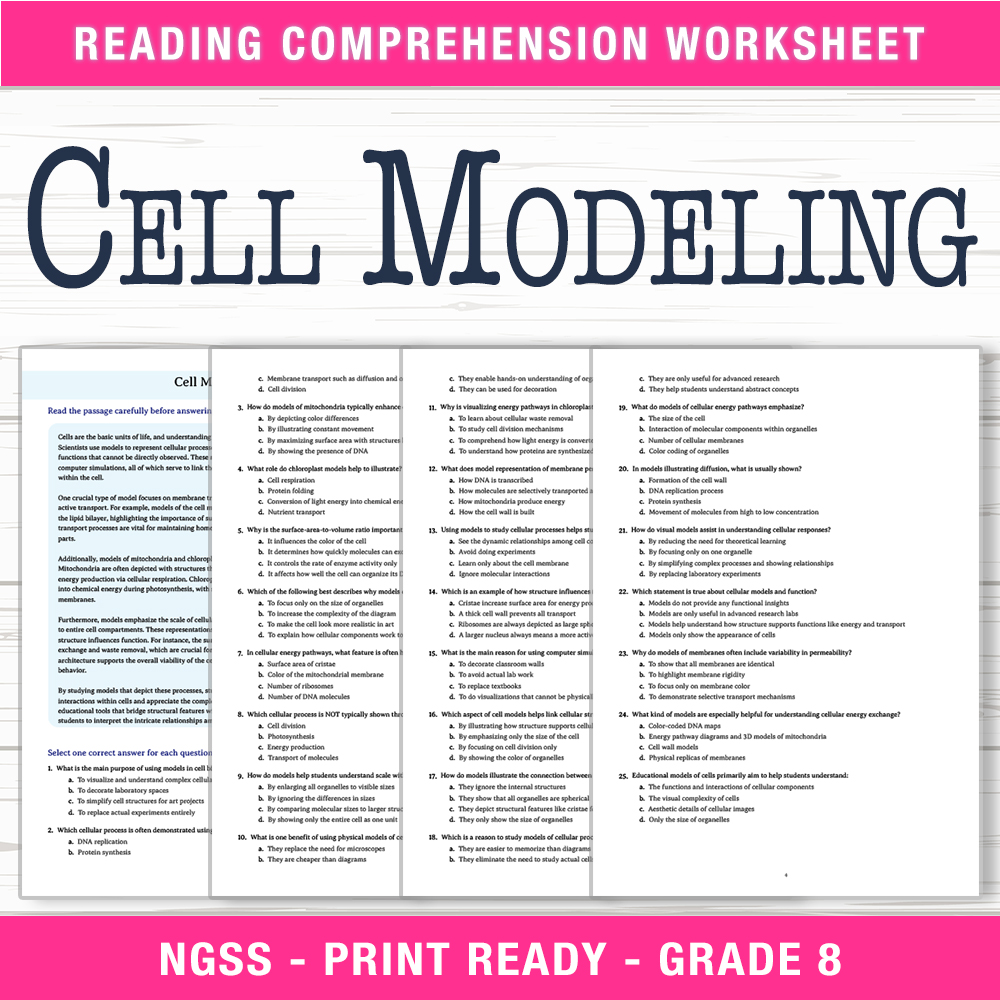
Grade 8 Science | Cell Modeling Worksheet (PDF + Answer Key)
Created byRiverstone ClassroomLearning Objectives
- Explain the purpose of cellular models in understanding cell structure and functions.
- Describe how models link the structure of organelles to their roles in cellular processes.
- Analyze the relationships between cellular components and overall cell viability.
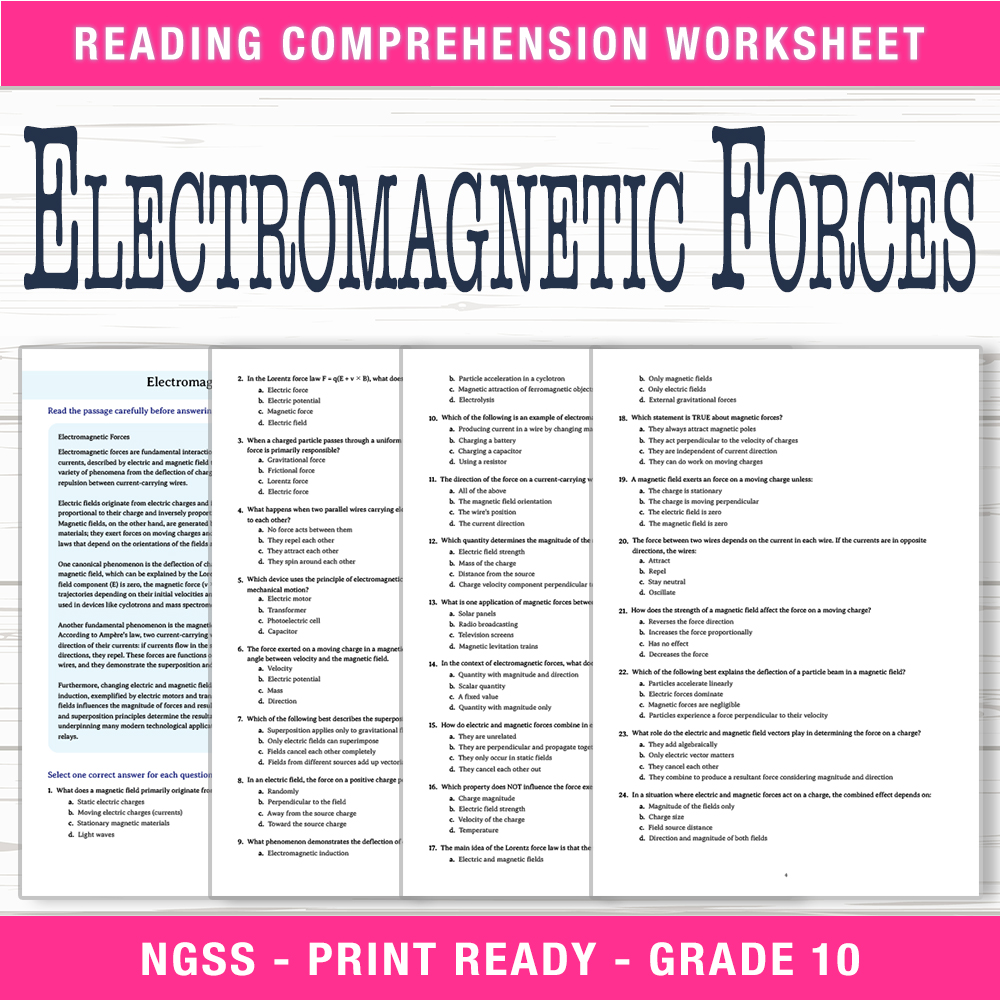
Grade 10 Science – Electromagnetic Forces Worksheet (PDF + Answer Key)
Created byRiverstone ClassroomLearning Objectives
- Describe how electric and magnetic fields interact with charges and currents.
- Explain the Lorentz force law and how it determines the motion of charged particles in fields.
- Identify canonical phenomena involving electromagnetic forces, such as particle deflection and forces between current-carrying wires.
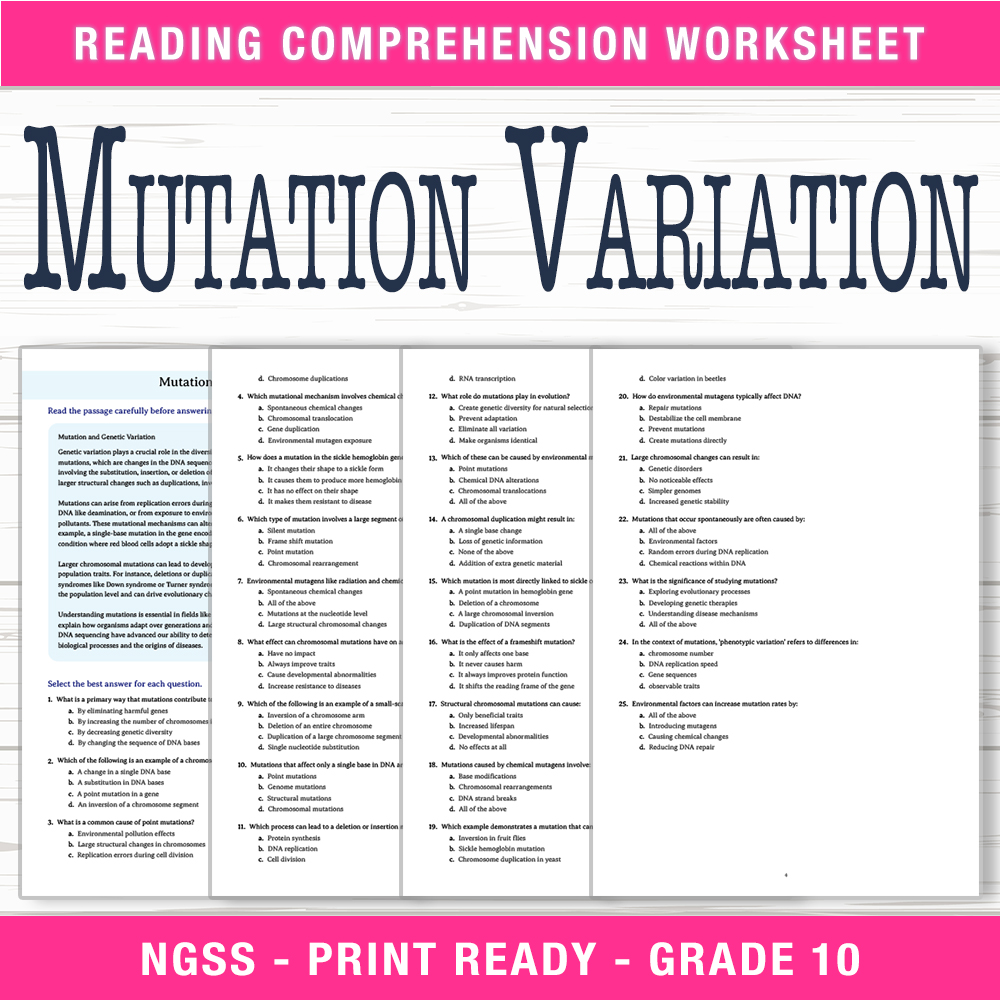
Grade 10 Science | Mutation Variation Worksheet (PDF + Answer Key)
Created byRiverstone ClassroomLearning Objectives
- Understand the molecular mechanisms behind genetic mutations, including point mutations, insertions, deletions, and structural rearrangements.
- Identify various mutational mechanisms such as replication errors, spontaneous chemical changes, and environmental mutagens.
- Explain how mutations can alter gene function and contribute to phenotypic diversity, including human examples like sickle hemoglobin.

Grade 9 Science | Phylogenetic Trees Worksheet (PDF + Answer Key)
Created byRiverstone ClassroomLearning Objectives
- Understand the construction and interpretation of phylogenetic trees to analyze evolutionary relationships.
- Identify shared derived characters and the methods used to build phylogenetic trees, such as parsimony and molecular distance.
- Explain how molecular clocks and dataset congruence support hypotheses of relatedness among species.
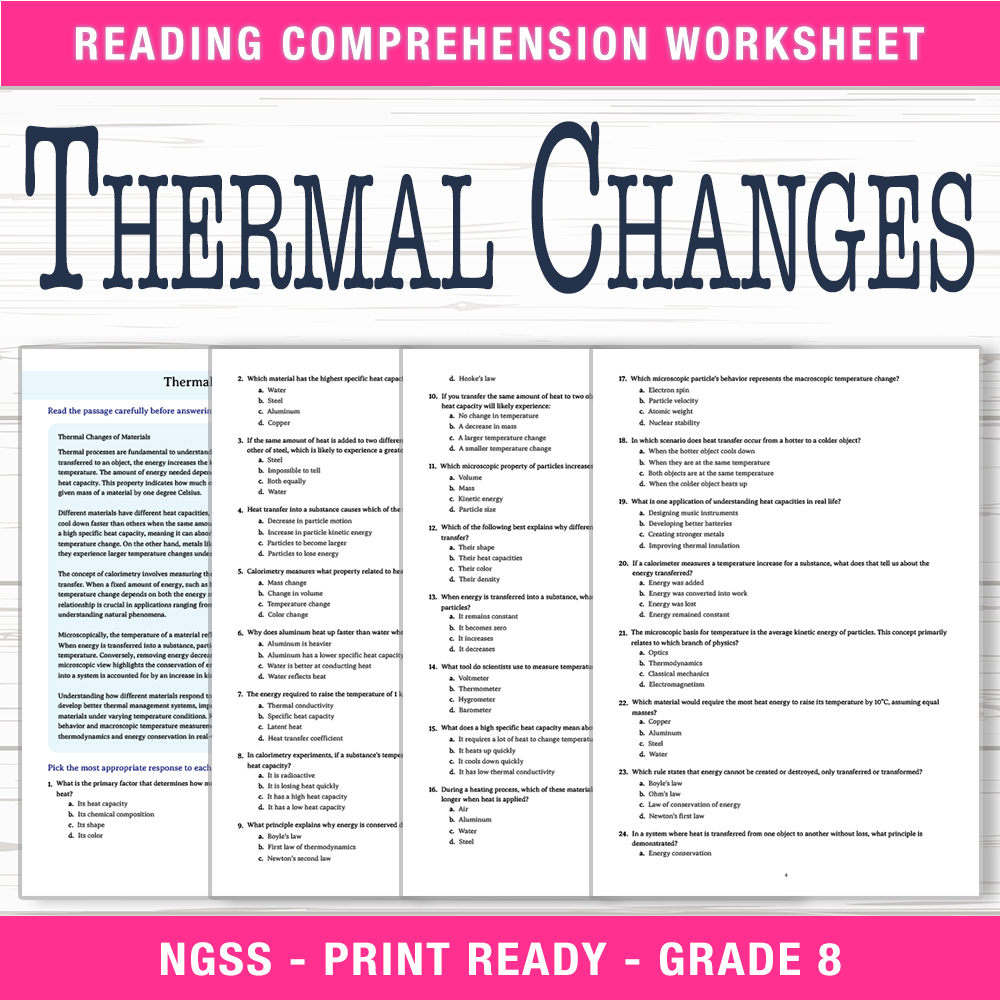
Grade 8 Science | Thermal Changes Worksheet (PDF + Answer Key)
Created byRiverstone ClassroomLearning Objectives
- Describe the relationship between energy transfer, material type, mass, and temperature change.
- Explain the concept of specific heat capacity and its role in thermal processes.
- Analyze how different materials respond differently to the same energy input based on their heat capacities.
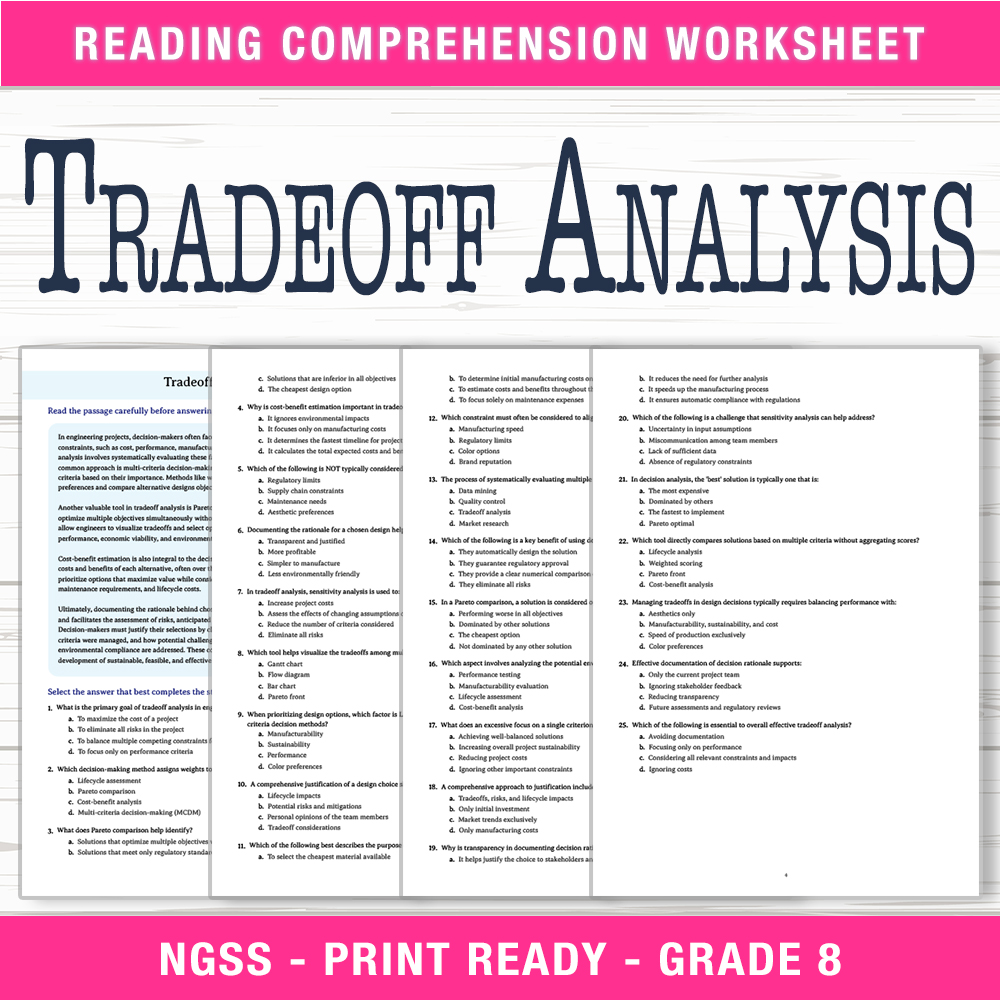
Grade 8 Science – Tradeoff Analysis Worksheet (PDF + Answer Key)
Created byRiverstone ClassroomLearning Objectives
- Understand how to apply multi-criteria decision methods to evaluate project options.
- Learn to use tools like weighted scoring and Pareto comparisons for prioritization.
- Analyze tradeoffs among performance, manufacturability, and sustainability constraints.
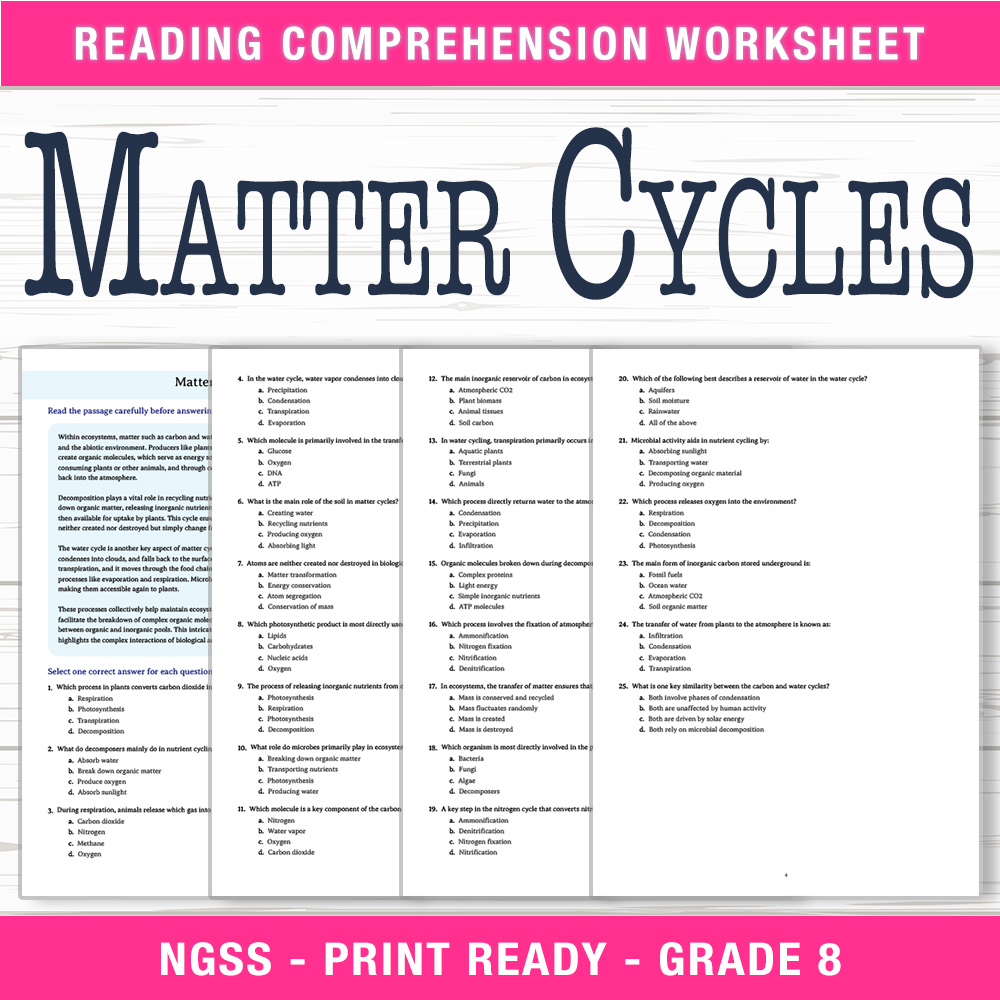
Grade 8 Science – Matter Cycles Worksheet (PDF + Answer Key)
Created byRiverstone ClassroomLearning Objectives
- Describe the flow of matter, such as carbon and water, through ecosystems involving producers, consumers, and decomposers.
- Explain how biological processes like photosynthesis, respiration, and decomposition contribute to nutrient cycling.
- Understand the concept of conservation of mass in biological systems and distinguish between different molecular forms of matter.
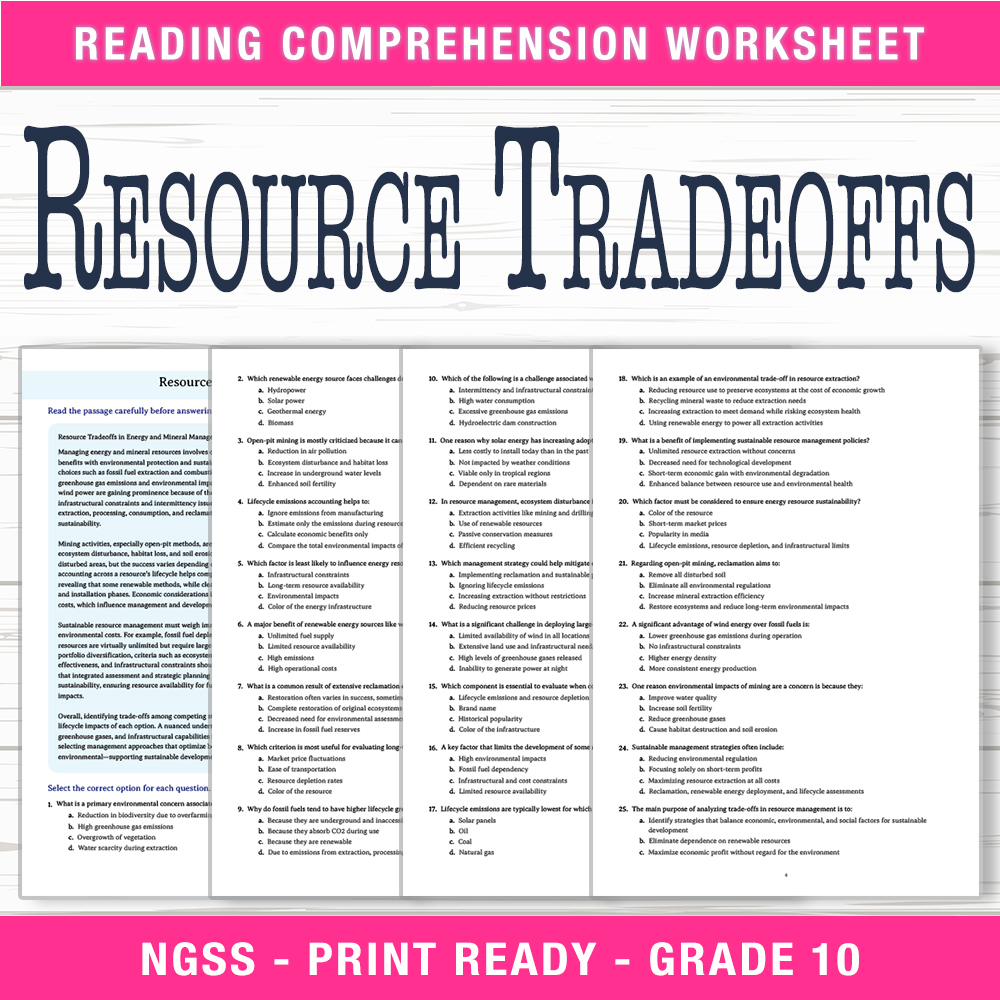
Grade 10 Science | Resource Tradeoffs Worksheet (PDF + Answer Key)
Created byRiverstone ClassroomLearning Objectives
- Analyze different energy and mineral resource options based on economic, environmental, and sustainability criteria.
- Evaluate case studies involving fossil fuels, renewable energy sources, mining impacts, and lifecycle emissions.
- Apply trade-off analysis using criteria such as resource depletion, ecosystem disturbance, and greenhouse gas emissions.
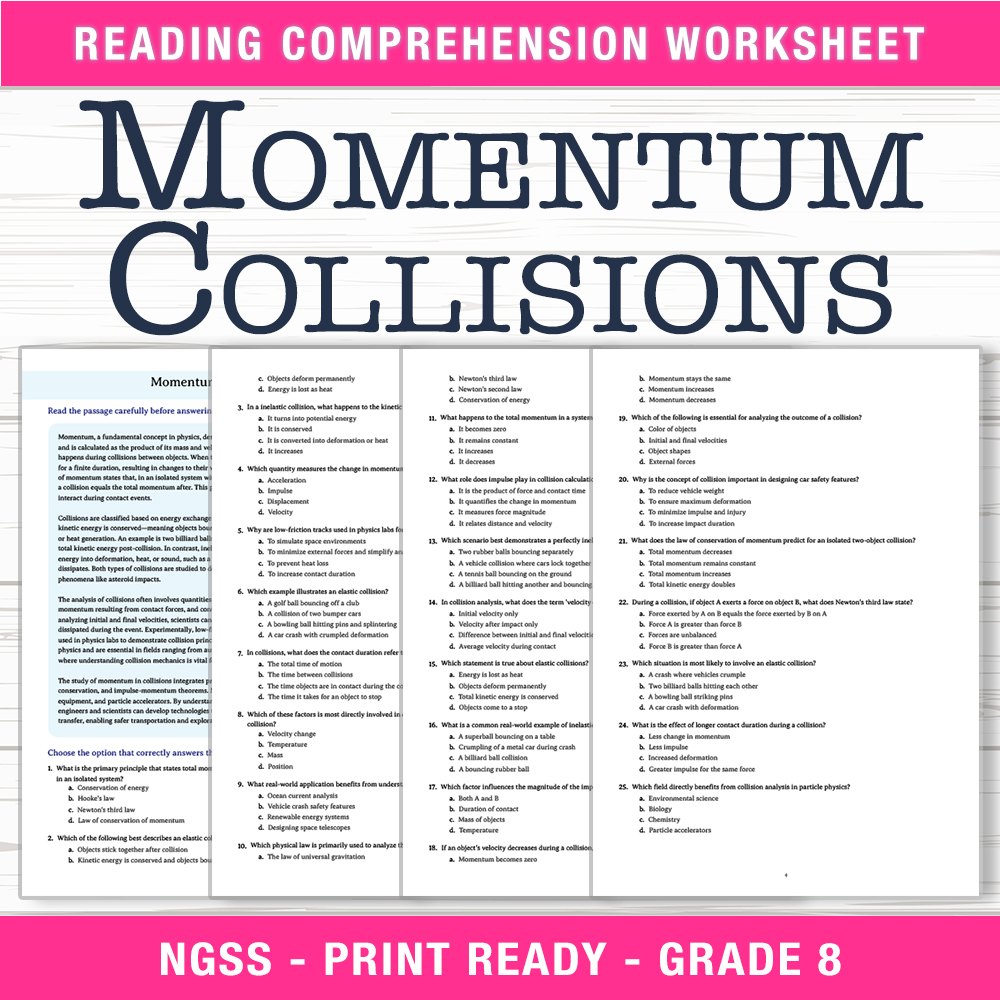
Grade 8 Science | Momentum & Collisions Worksheet (PDF + Answer Key)
Created byRiverstone ClassroomLearning Objectives
- Explain the principle of conservation of linear momentum during collisions.
- Differentiate between elastic and inelastic collisions using examples.
- Calculate changes in velocity and momentum in collision scenarios.

Grade 10 Science | Trait Origins Worksheet (PDF + Answer Key)
Created byRiverstone ClassroomLearning Objectives
- Explain how mutations, recombination, gene flow, and chromosomal changes contribute to heritable trait variation.
- Describe population-level processes such as genetic drift and nonrandom mating and their effects on trait distribution.
- Connect molecular genetic changes to phenotypic novelty and shifts in trait prevalence across generations.
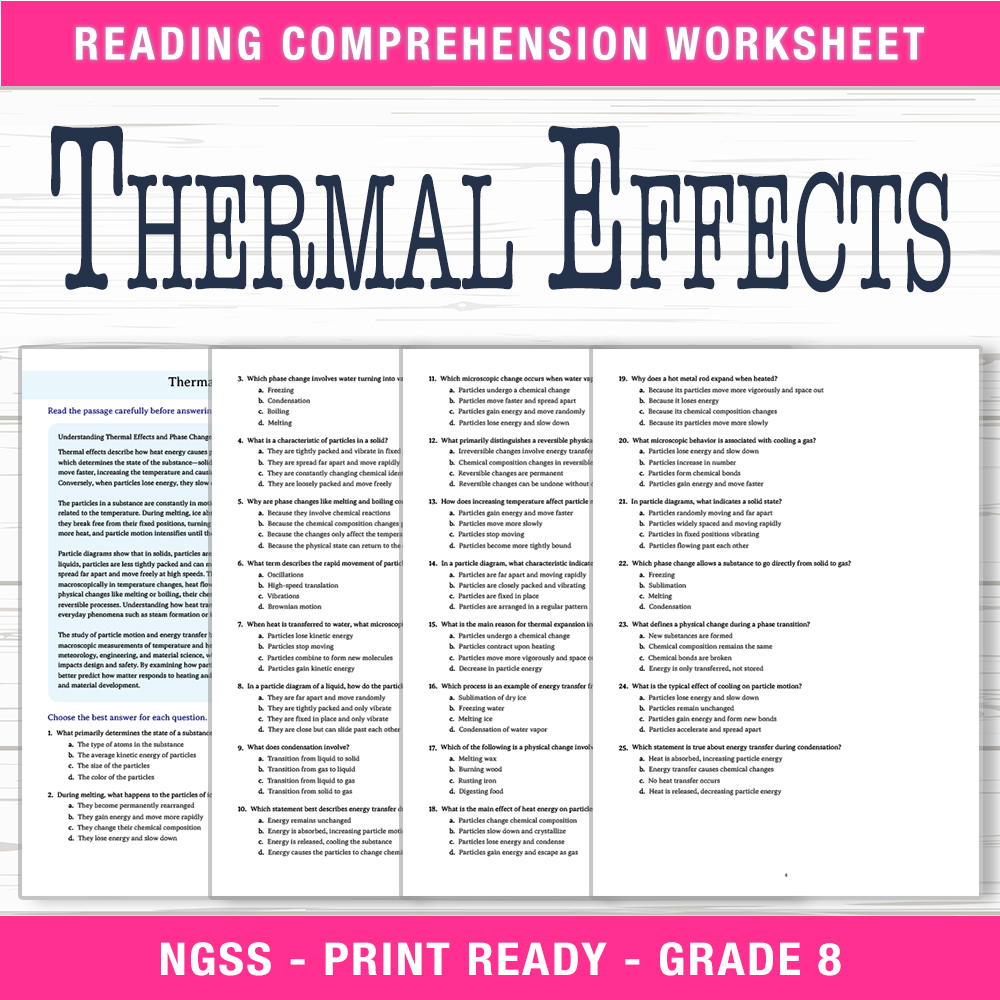
Grade 8 Science | Thermal Effects Worksheet (PDF + Answer Key)
Created byRiverstone ClassroomLearning Objectives
- Explain how particle motion relates to temperature and states of matter.
- Describe phase changes such as melting, boiling, and condensation in terms of energy transfer.
- Relate microscopic particle behavior to macroscopic measurements of temperature and heat flow.
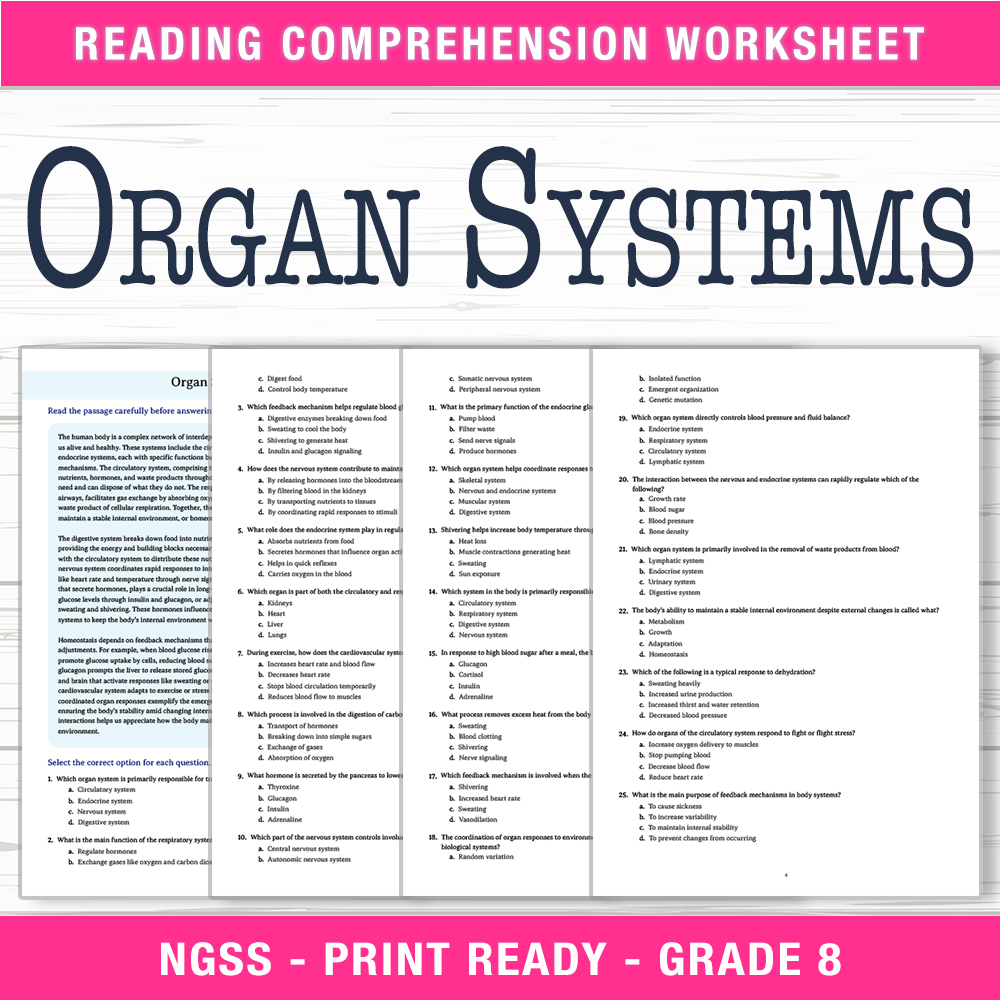
Grade 8 Science | Organ Systems Worksheet (PDF + Answer Key)
Created byRiverstone ClassroomLearning Objectives
- Describe how different organ systems interact to maintain homeostasis in the human body.
- Explain the roles of the circulatory, respiratory, digestive, nervous, and endocrine systems in physiological regulation.
- Identify feedback mechanisms involved in regulating blood glucose, temperature, and other vital functions.
Browse more categories
About Science Worksheets
Find Science worksheets spanning core skills, practice, and review. All 42,822 resources are instant PDF downloads for the classroom or home.
Every worksheet on MyTeachingSheets is created by independent teacher-authors and reviewed before publication. All resources download as printable PDFs for classroom, homework, or at-home practice, and many include answer keys. Preview any worksheet free before buying.