
Science Worksheets
42,685 subject resources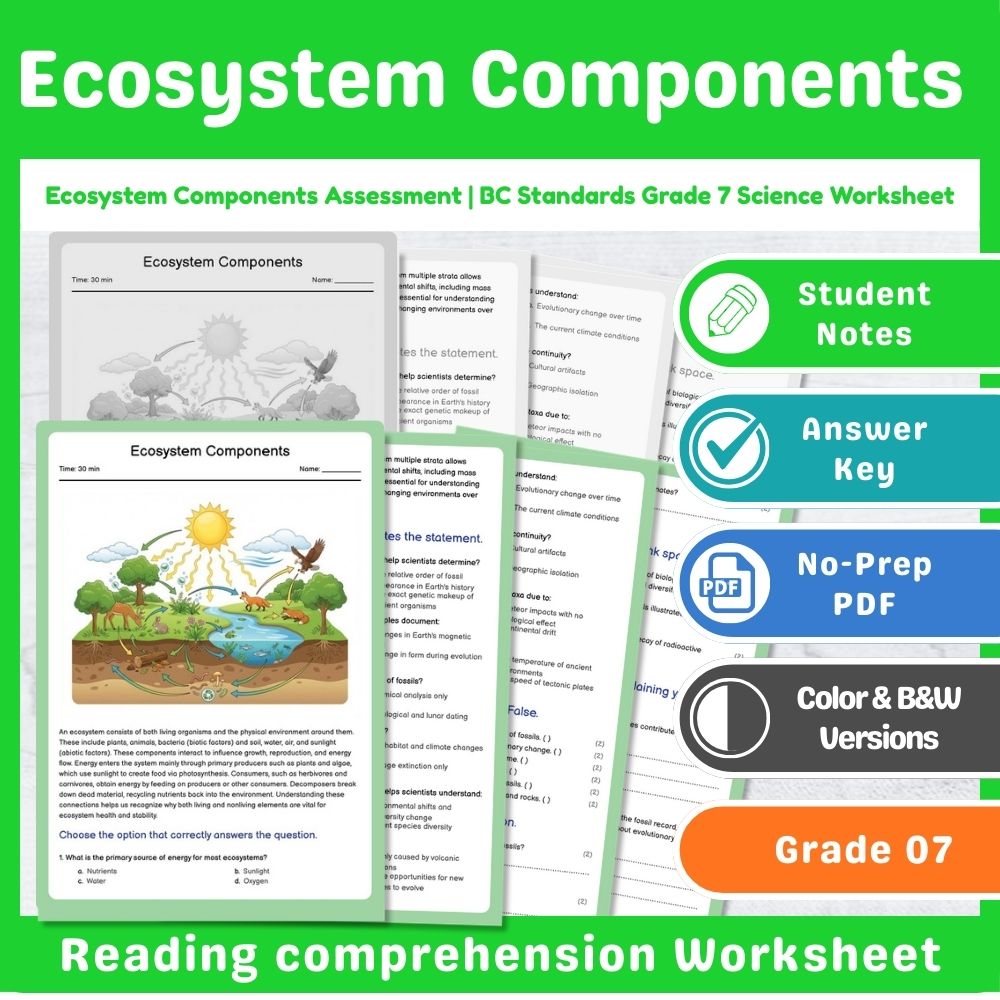
Ecosystem Components Assessment | BC Standards Grade 7 Science Worksheet
 Created byPrism Point Learning
Learning Objectives
- Describe the key components of an ecosystem, including both living and nonliving factors.
- Explain how biotic and abiotic components interact within an ecosystem.
- Understand the flow of energy through producers and consumers in an ecosystem.

Measurement Basics Assessment | TEKS Grade 8 Science Printable Worksheet
Created byPrism Point LearningLearning Objectives
- Understand key measurement conventions including accuracy, precision, SI units, and significant figures.
- Apply dimensional analysis and convert units correctly using appropriate instruments.
- Calculate density and rates by measuring mass, volume, length, and temperature with accuracy.
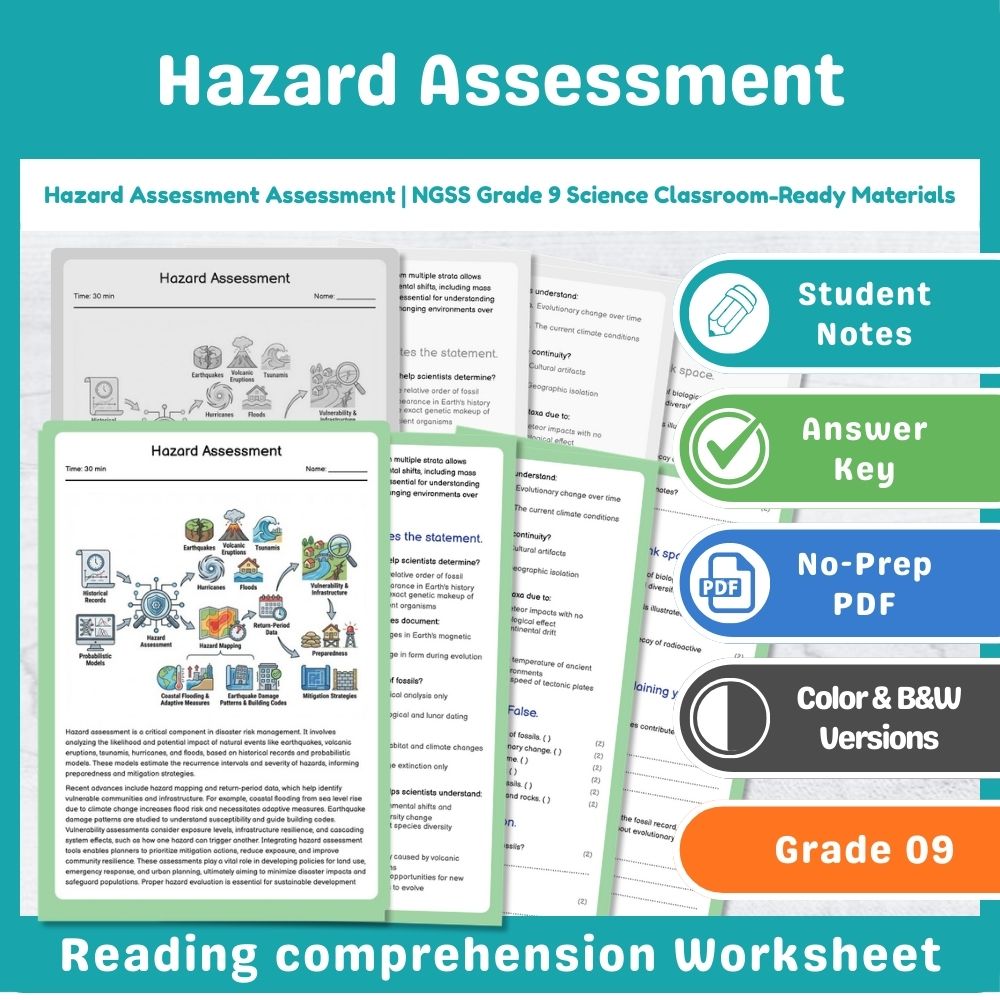
Hazard Assessment Assessment | NGSS Grade 9 Science Classroom-Ready Materials
Created byPrism Point LearningLearning Objectives
- Understand the methods used to evaluate hazard risks such as earthquakes, volcanoes, tsunamis, hurricanes, and floods.
- Analyze hazard occurrence, frequency, and consequences using historical data and probabilistic models.
- Recognize the importance of hazard mapping, return-period data, and mitigation strategies in assessing community susceptibility.
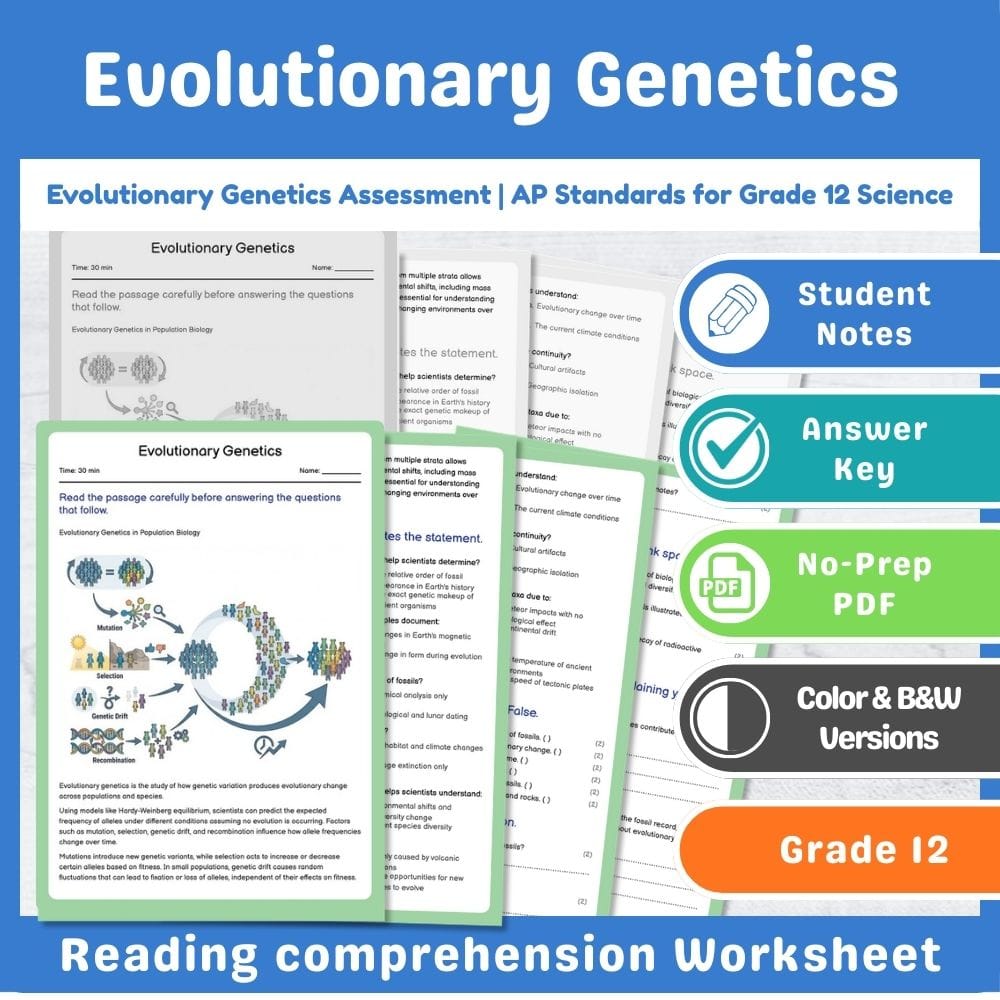
Evolutionary Genetics Assessment | AP Standards for Grade 12 Science
Created byPrism Point LearningLearning Objectives
- Describe how Hardy–Weinberg equilibrium models genetic stability in populations.
- Explain the role of mutation and selection coefficients in evolutionary change.
- Analyze the effects of genetic drift and recombination on genetic variation.
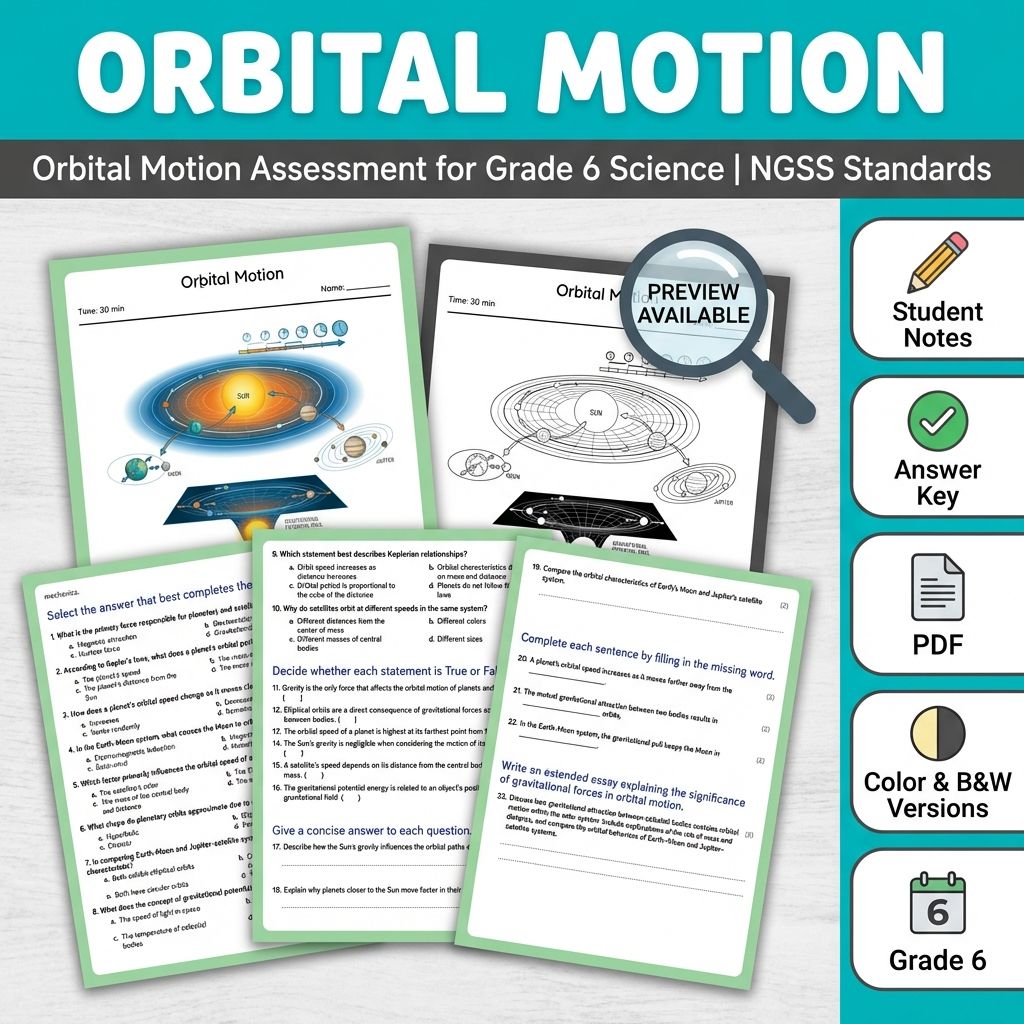
Orbital Motion Assessment for Grade 6 Science | NGSS Standards
Created byPrism Point LearningLearning Objectives
- Explain the role of gravity in planetary and satellite orbits within the solar system.
- Describe how mutual gravitational forces produce elliptical orbits and influence orbital periods and speeds.
- Compare orbital dynamics of Earth–Moon and Jupiter–satellite systems to illustrate the effects of mass and distance.

Conservation Strategies Assessment for Grade 11 Science | TEKS
Created byPrism Point LearningLearning Objectives
- Understand various conservation strategies and their roles in biodiversity preservation.
- Identify and differentiate among protected areas, habitat restoration, and policy interventions.
- Explain the importance of connectivity corridors and monitoring in conservation efforts.
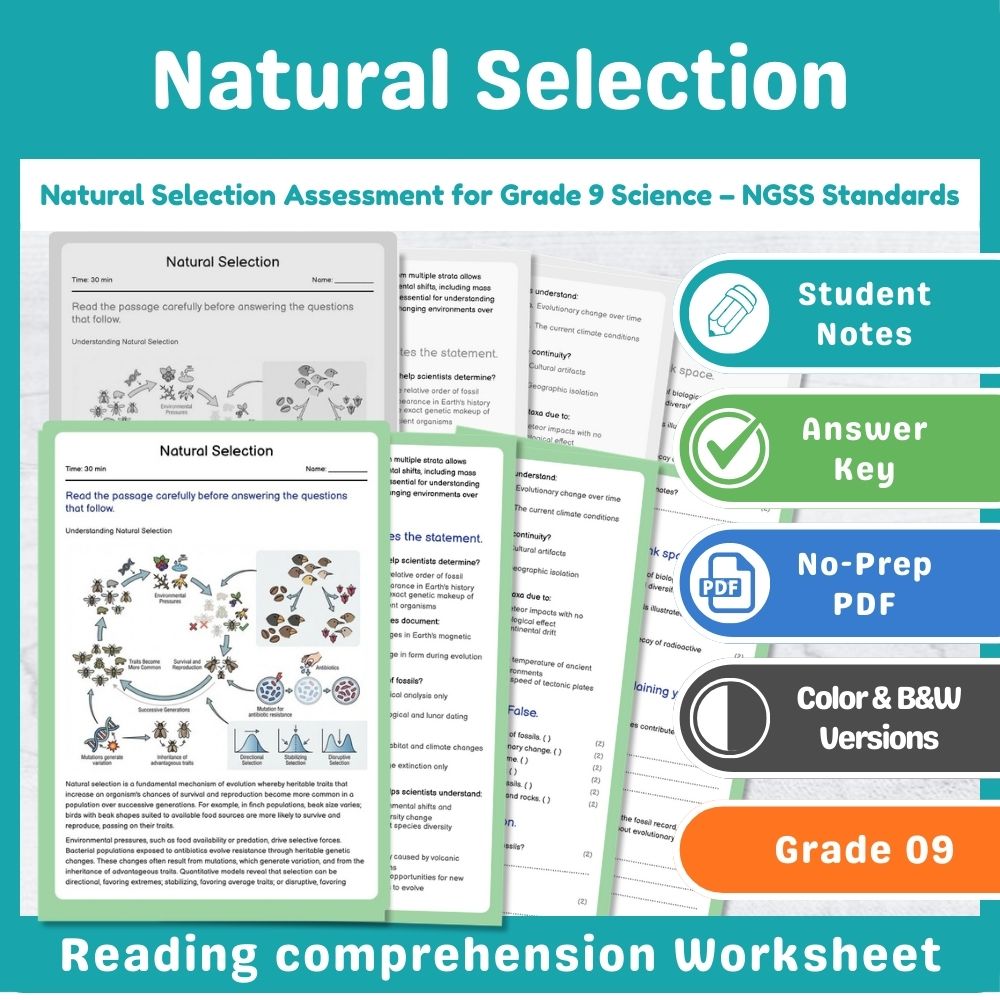
Natural Selection Assessment for Grade 9 Science – NGSS Standards
Created byPrism Point LearningLearning Objectives
- Explain the mechanisms of natural selection, including variation, inheritance, and selection pressures.
- Identify classic examples of natural selection, such as finch beak morphology and bacterial resistance.
- Describe how models of fitness and allele frequency determine different types of selection.
Resource Limits Assessment | NGSS Grade 6 Science
Created byPrism Point LearningLearning Objectives
- Describe how resource availability affects individual organisms and populations.
- Interpret data related to resource distribution and species abundance.
- Identify limiting resources in different ecosystems and explain their effects.
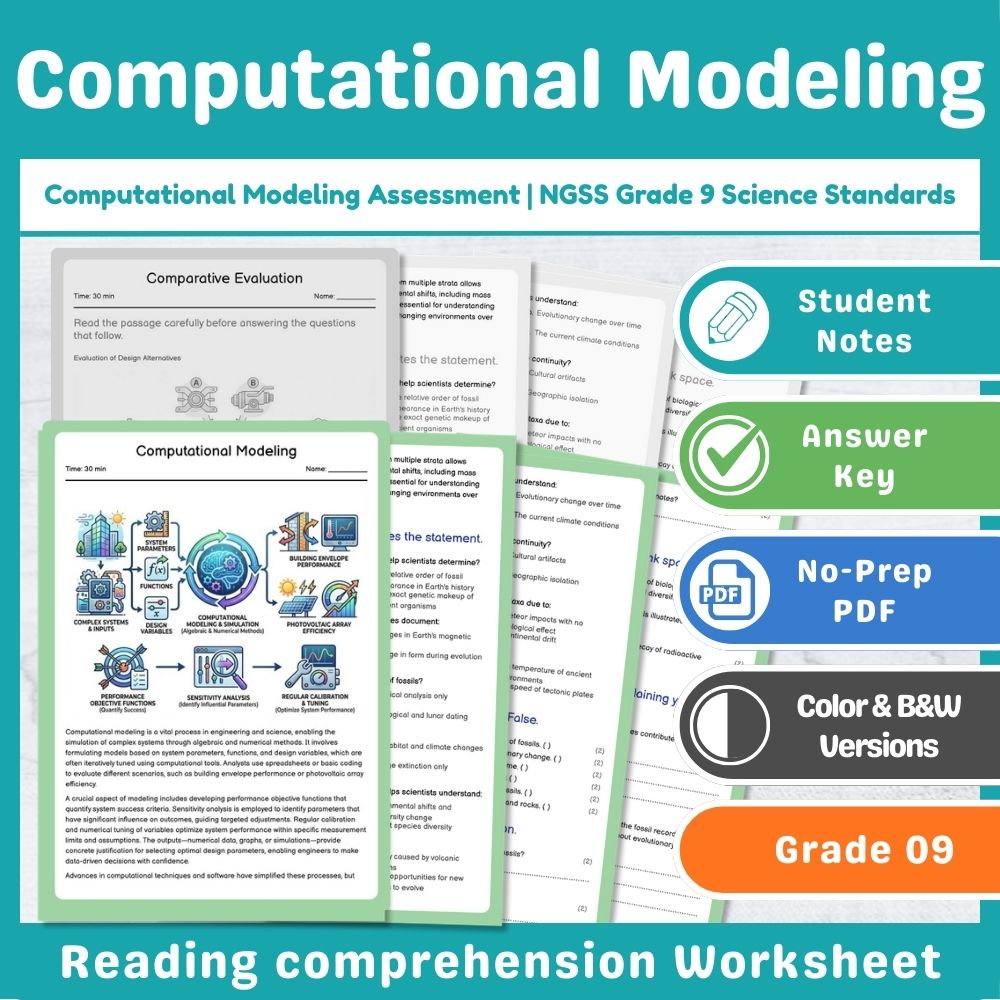
Computational Modeling Assessment | NGSS Grade 9 Science Standards
Created byPrism Point LearningLearning Objectives
- Understand the application of mathematical and computational methods in system modeling.
- Analyze how parameters and variables influence system performance.
- Develop and evaluate models using spreadsheets and simple code simulations.
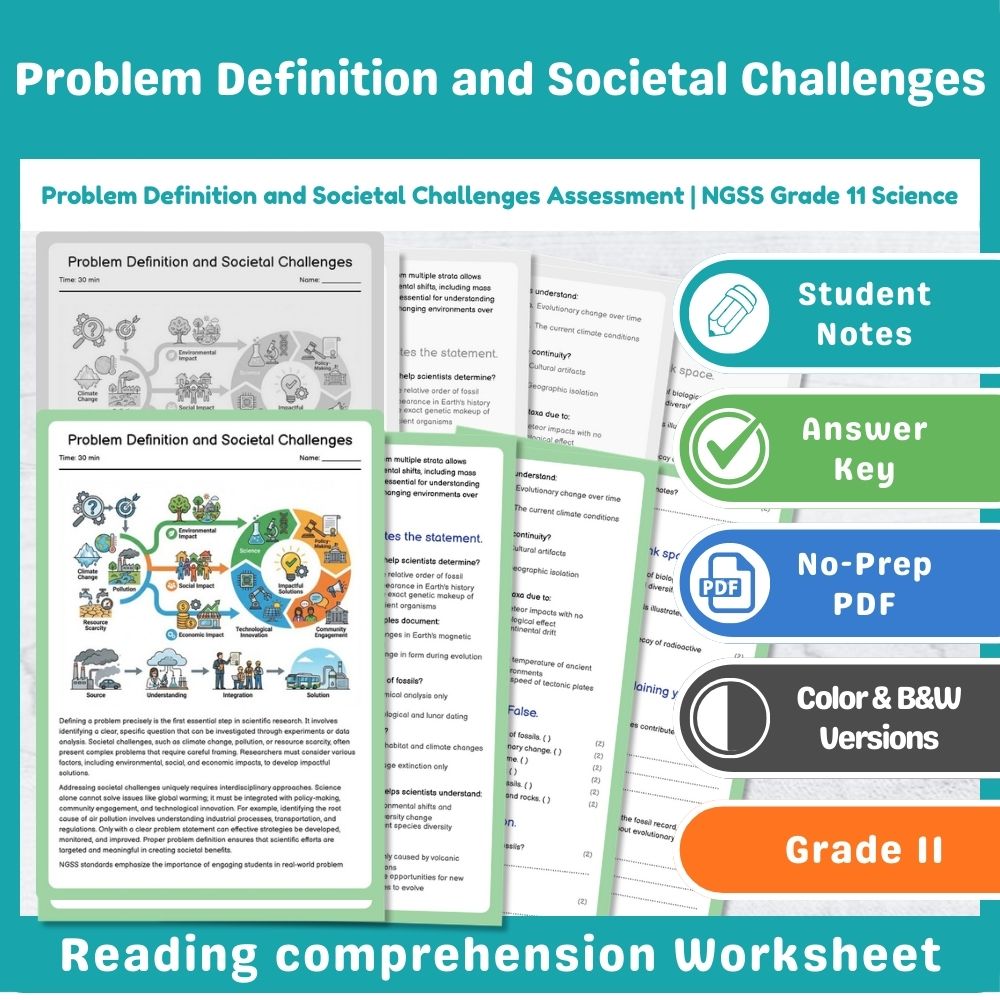
Problem Definition and Societal Challenges Assessment | NGSS Grade 11 Science
Created byPrism Point LearningLearning Objectives
- Understand the importance of clear problem definition in scientific research.
- Analyze how societal challenges influence scientific problem framing.
- Evaluate different approaches to addressing global issues through science.
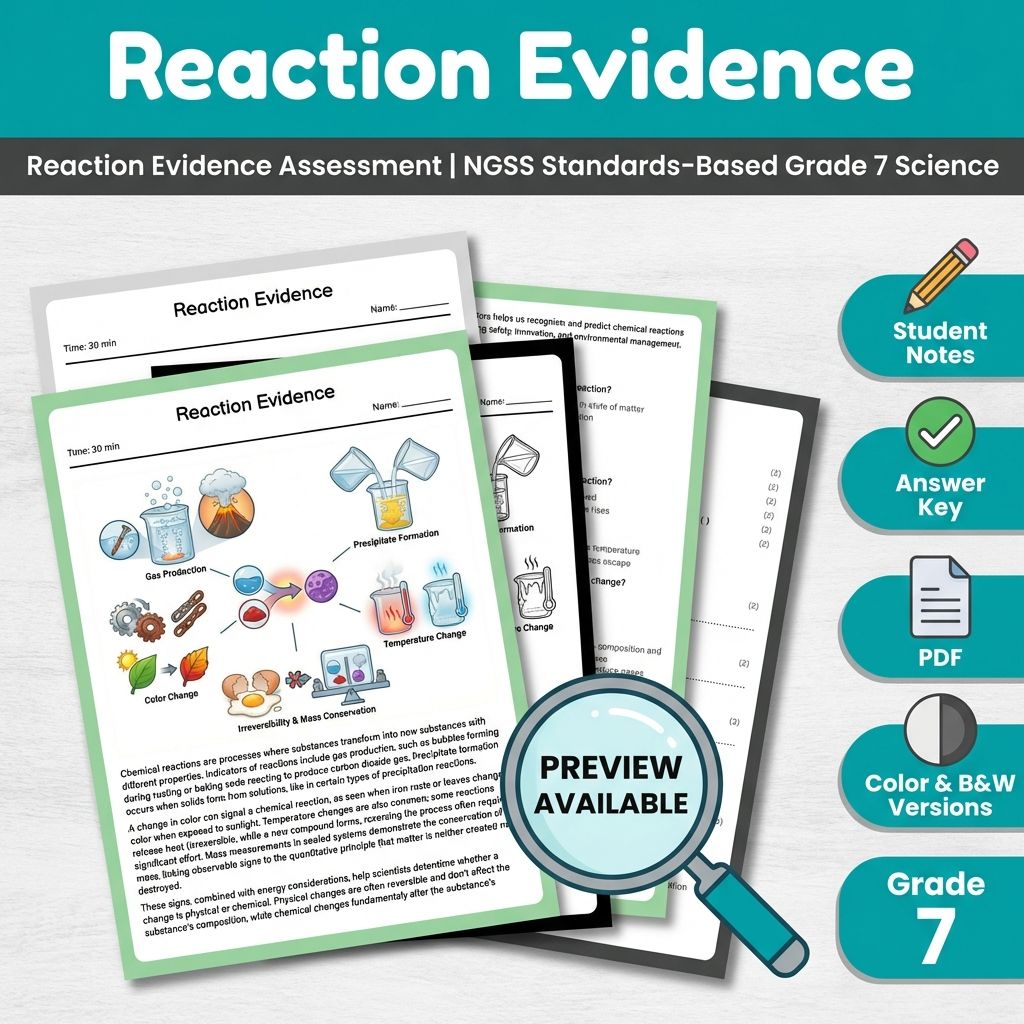
Reaction Evidence Assessment | NGSS Standards-Based Grade 7 Science
Created byPrism Point LearningLearning Objectives
- Identify key indicators that a chemical reaction has occurred.
- Describe observable signs of chemical reactions, including gas production and color change.
- Understand how mass measurements and energy considerations distinguish chemical changes from physical changes.
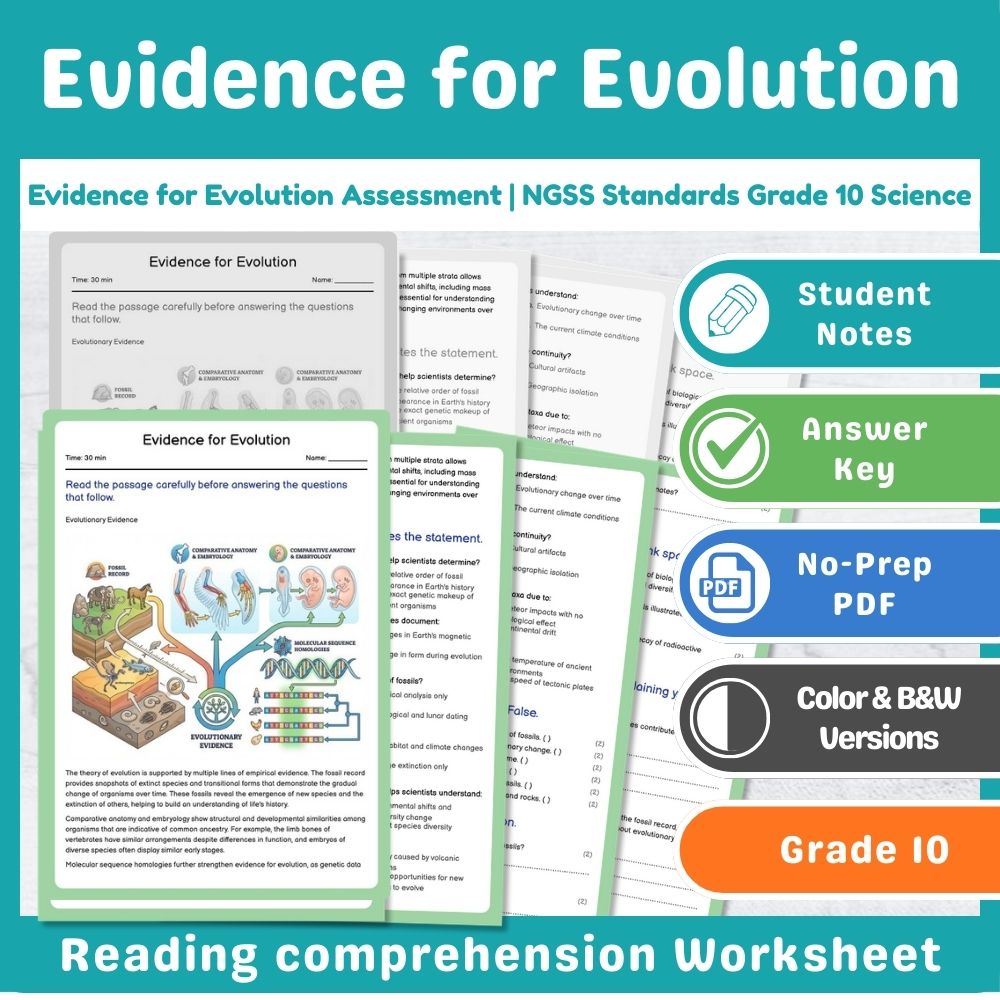
Evidence for Evolution Assessment | NGSS Standards Grade 10 Science
Created byPrism Point LearningLearning Objectives
- Understand the key lines of scientific evidence supporting common ancestry and evolution.
- Identify how fossil records, comparative anatomy, embryology, and molecular data corroborate evolutionary theory.
- Analyze the role of radiometric dating and biogeography in establishing evolutionary timelines.
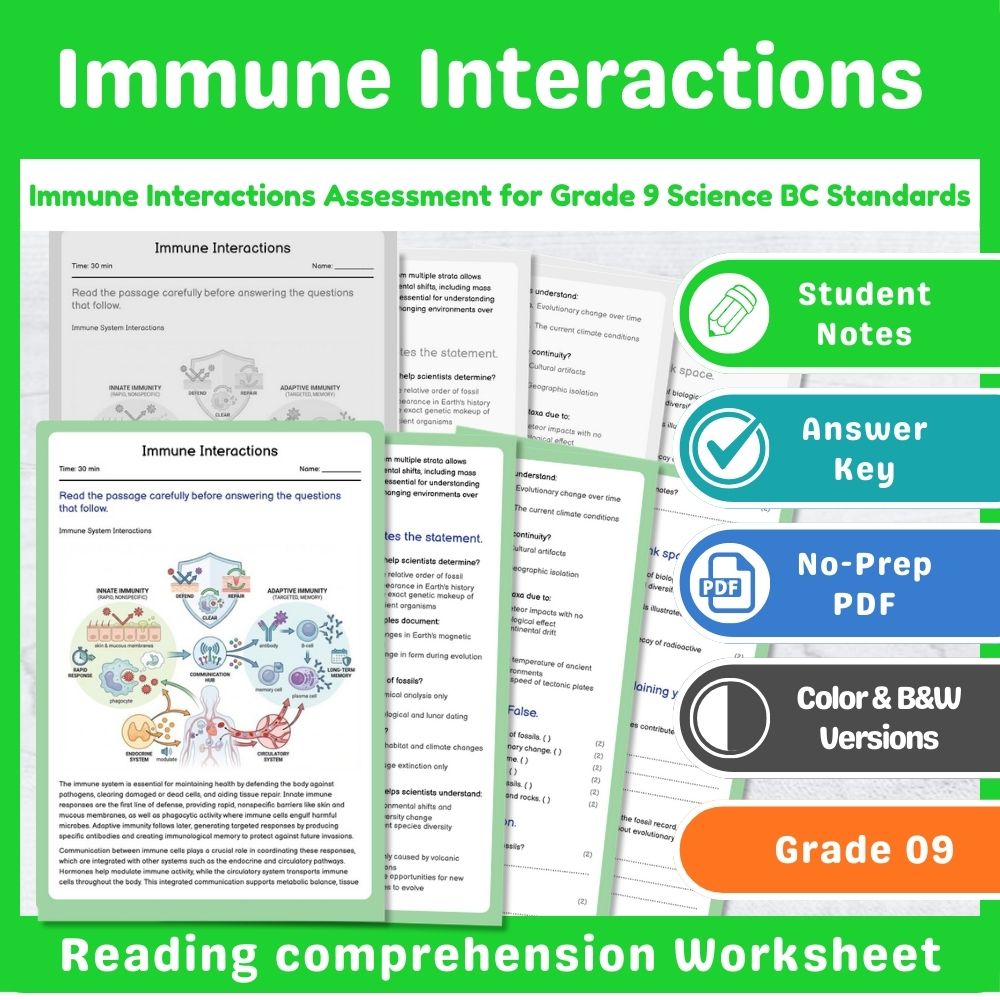
Immune Interactions Assessment for Grade 9 Science BC Standards
Created byPrism Point LearningLearning Objectives
- Explain the roles of innate and adaptive immunity in protecting the body.
- Describe how immune responses coordinate with other systems to maintain homeostasis.
- Identify key components and functions of the immune system.
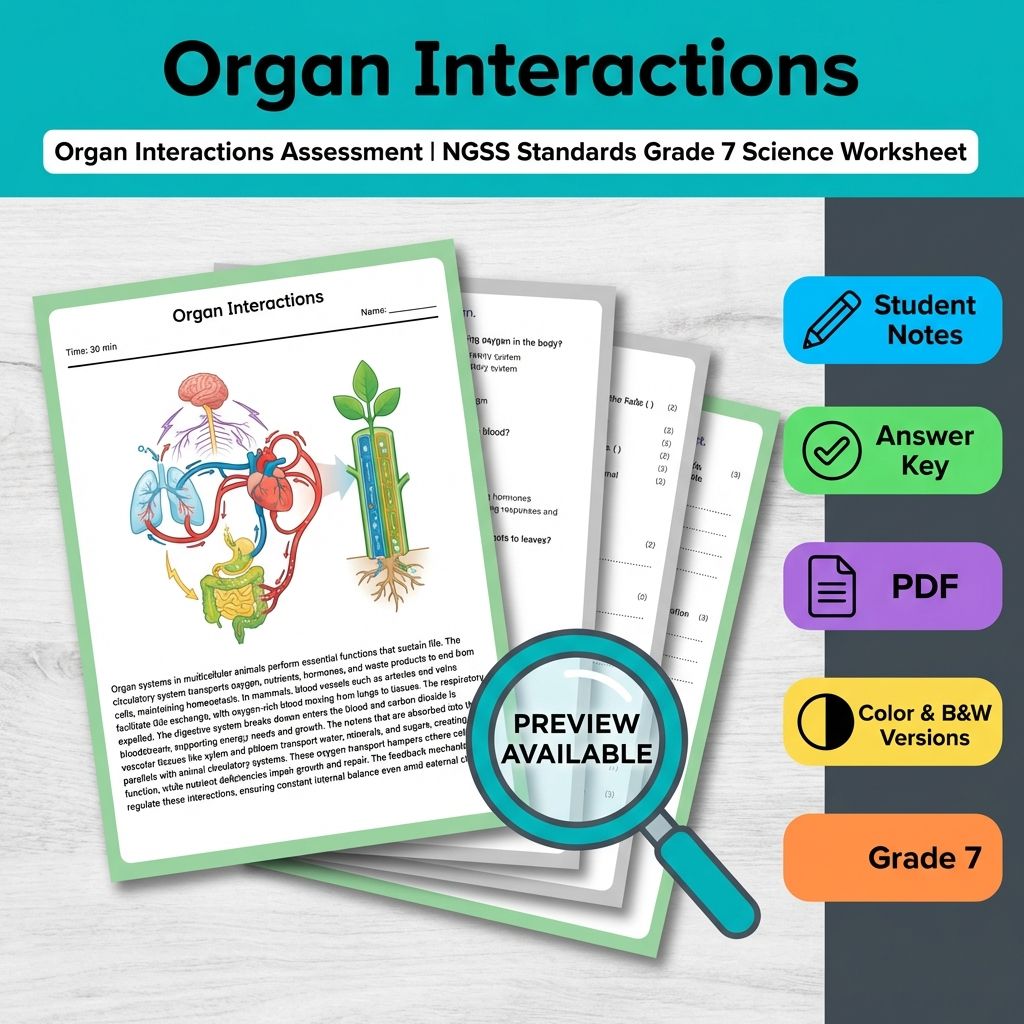
Organ Interactions Assessment | NGSS Standards Grade 7 Science Worksheet
Created byPrism Point LearningLearning Objectives
- Describe the functions of circulatory, respiratory, digestive, and nervous systems in multicellular animals.
- Explain how organ systems cooperate to support processes like gas exchange, nutrient transport, and homeostasis.
- Illustrate system-level dependencies and feedback mechanisms in organ interactions.
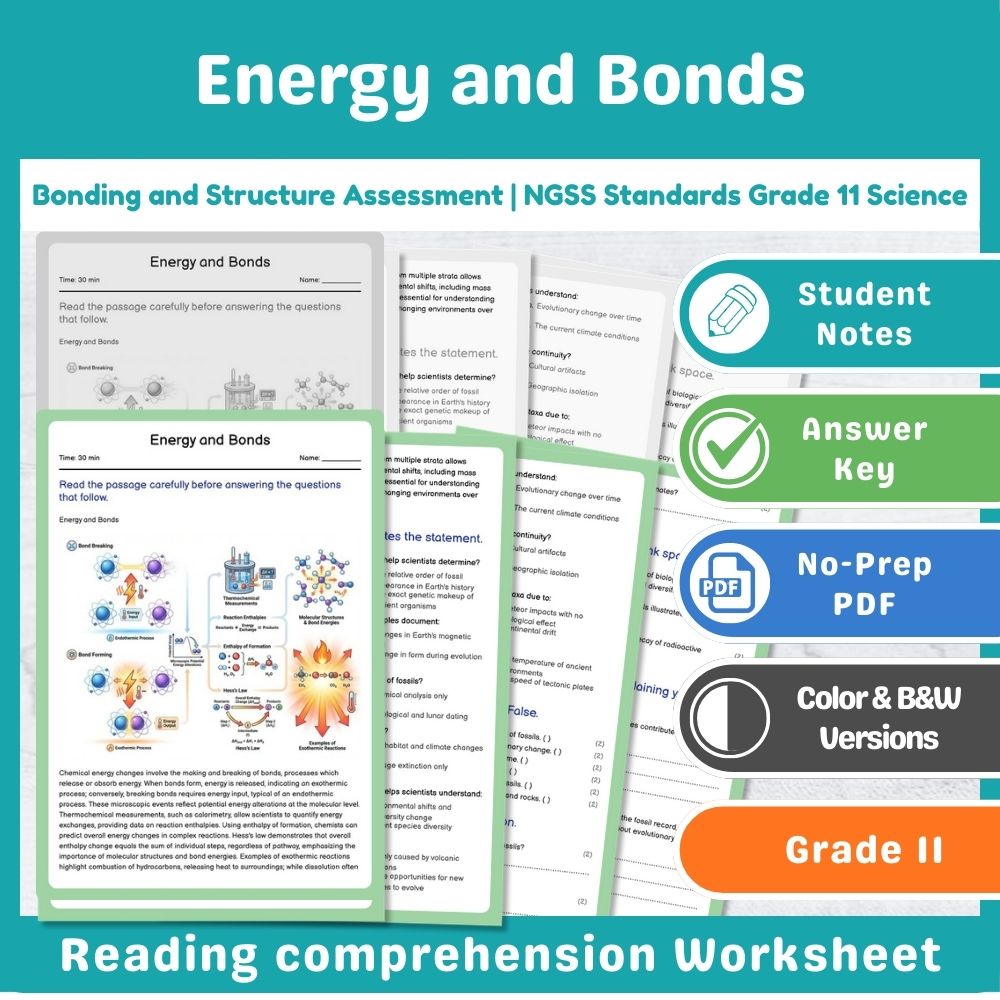
Energy and Bonds Assessment – NGSS Aligned Evaluation for Grade 11 Science
Created byPrism Point LearningLearning Objectives
- Understand the representation of chemical energy changes through bond formation and breaking.
- Explain how net enthalpy change relates to bond energies and molecular structure.
- Interpret thermochemical data, including calorimetry, formation enthalpies, and Hess's law.
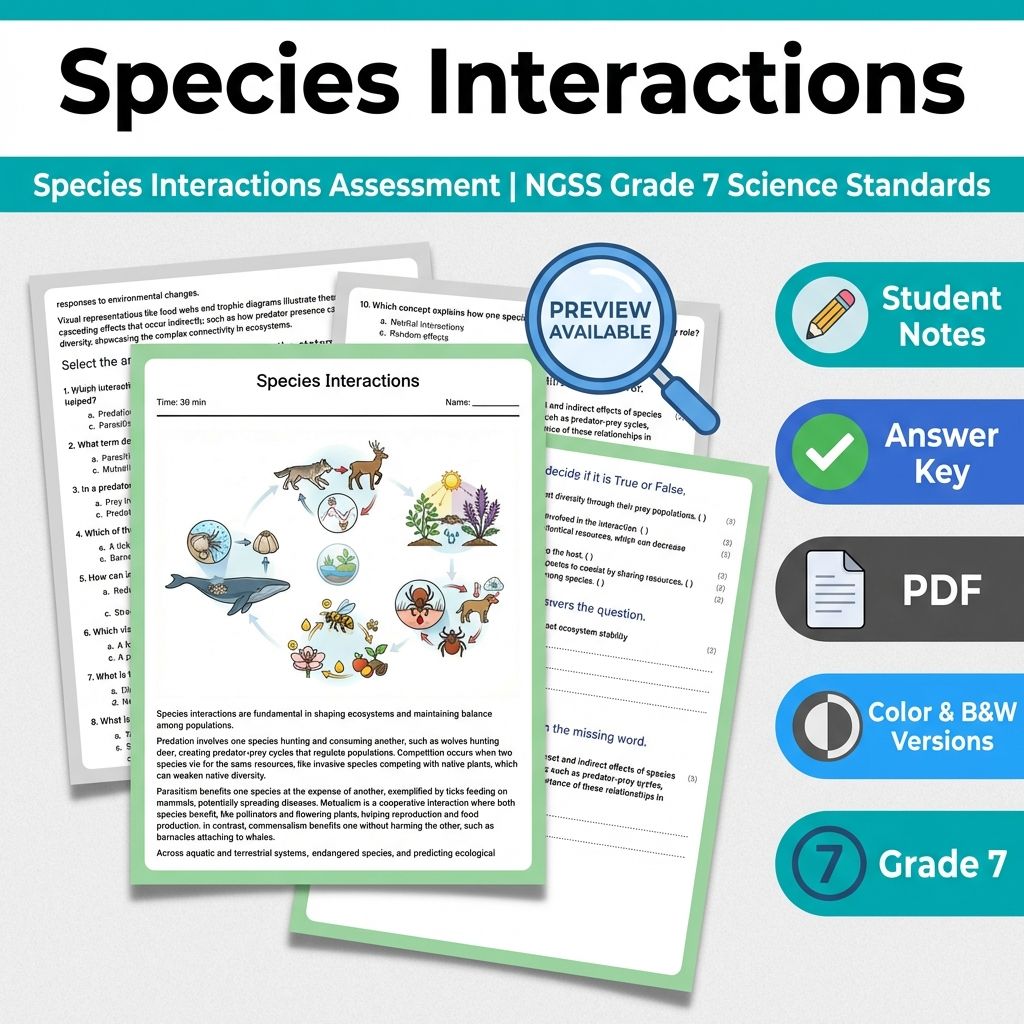
Species Interactions Assessment | NGSS Grade 7 Science Standards
Created byPrism Point LearningLearning Objectives
- Understand different types of species interactions such as predation, competition, parasitism, mutualism, and commensalism.
- Analyze influences of species behaviors on community structure and resource sharing in ecosystems.
- Interpret food webs, trophic diagrams, and interaction networks to evaluate direct and indirect effects.
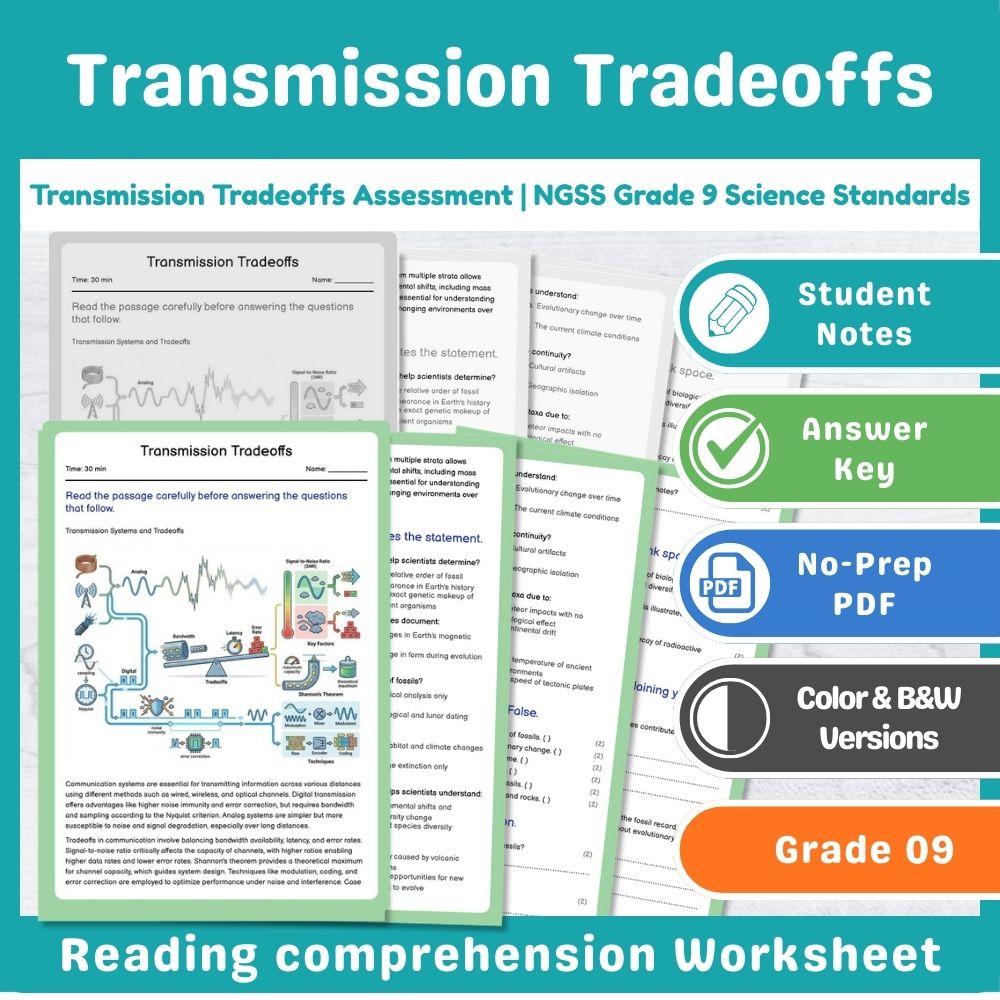
Transmission Tradeoffs Assessment | NGSS Grade 9 Science Standards
Created byPrism Point LearningLearning Objectives
- Understand the tradeoffs involved in digital and analog communication systems.
- Analyze the impact of bandwidth constraints, signal-to-noise ratio, and sampling criteria on transmission quality.
- Evaluate error-correcting techniques and their effect on data integrity in noisy environments.
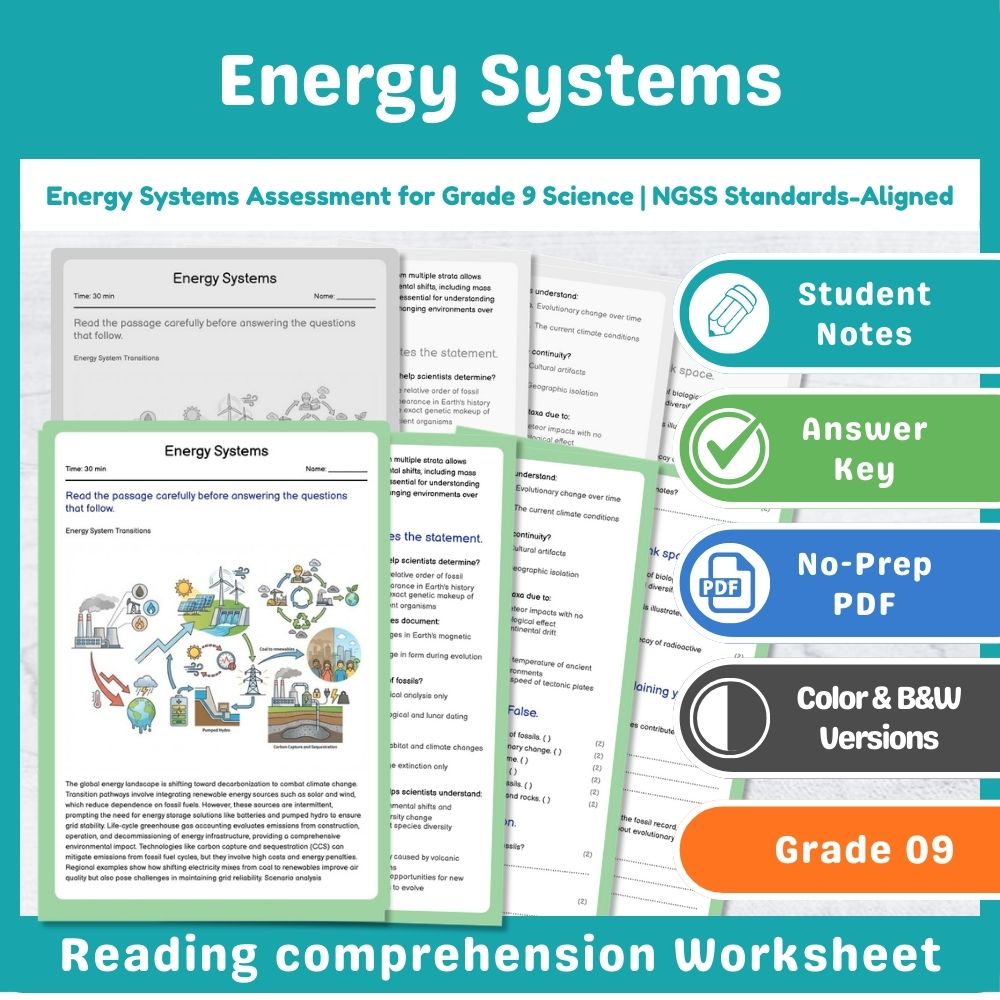
Energy Systems Assessment for Grade 9 Science | NGSS Standards-Aligned
Created byPrism Point LearningLearning Objectives
- Explain the processes involved in energy system transitions and decarbonization pathways.
- Analyze life-cycle greenhouse gas emissions for various energy technologies.
- Evaluate the trade-offs between reliability, affordability, and emissions reductions in energy planning.
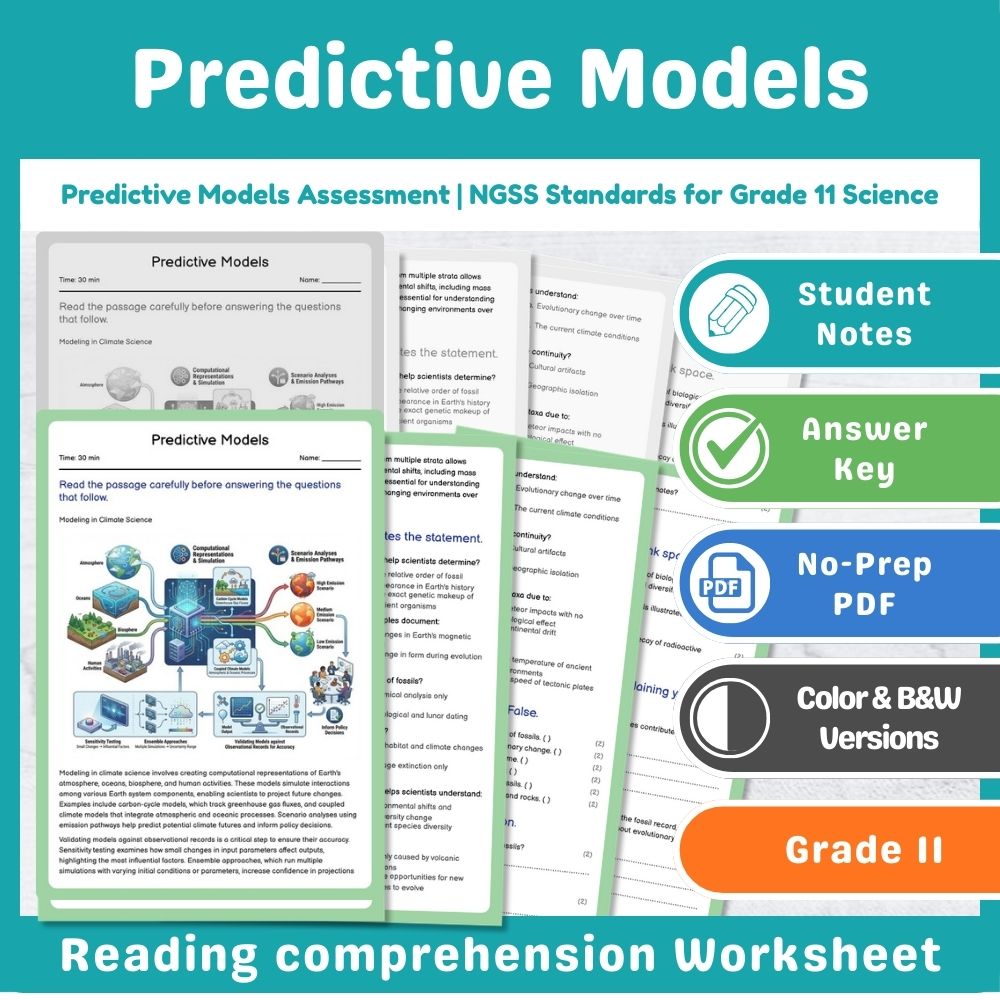
Predictive Models Assessment | NGSS Standards-Aligned Assessment for Grade 11 Science
Created byPrism Point LearningLearning Objectives
- Understand the role of modeling in projecting climate-related variables.
- Identify different types of climate models and their purposes.
- Evaluate the importance of model validation and sensitivity testing.
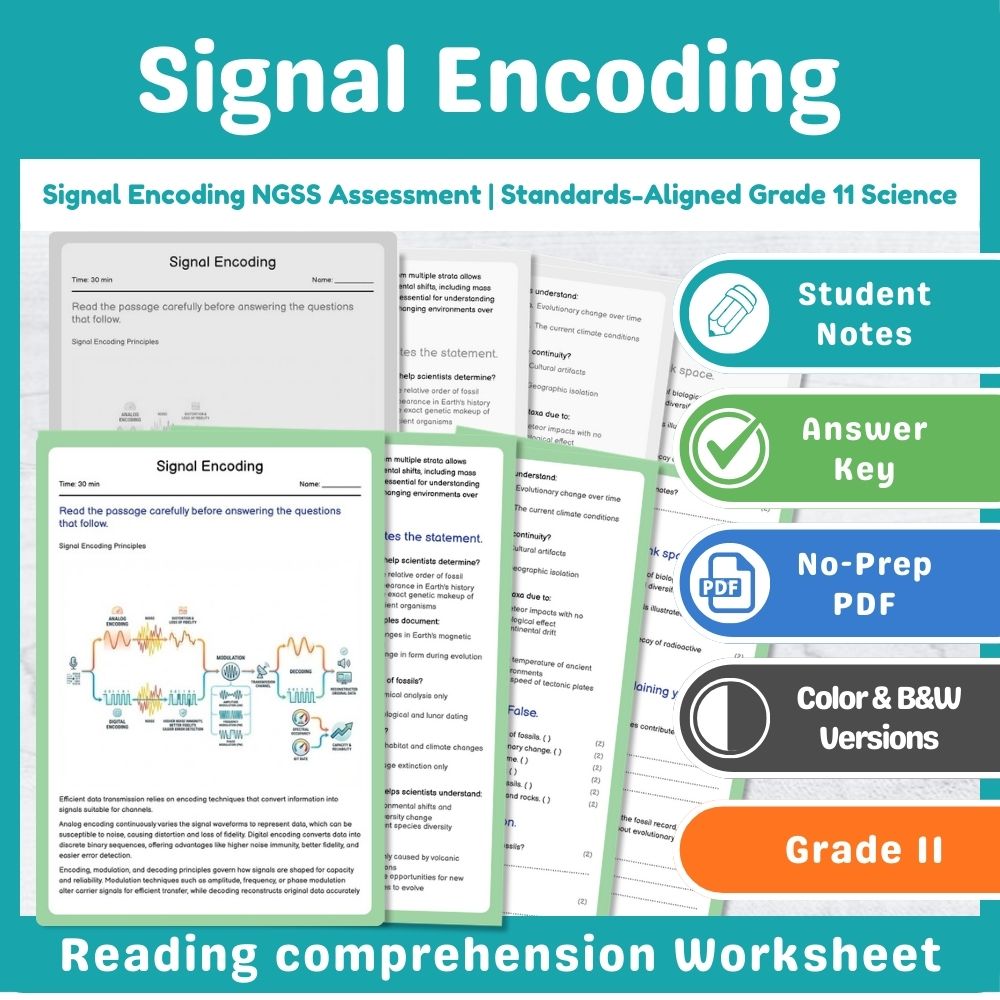
Signal Encoding NGSS Assessment | Standards-Aligned Grade 11 Science
Created byPrism Point LearningLearning Objectives
- Compare advantages of digital and analog transmission and storage focusing on bandwidth, noise, and fidelity.
- Explain the principles of encoding, modulation, and decoding in communication systems.
- Evaluate capacity and reliability of transmission methods using quantitative measures such as bit rate and signal-to-noise ratio.
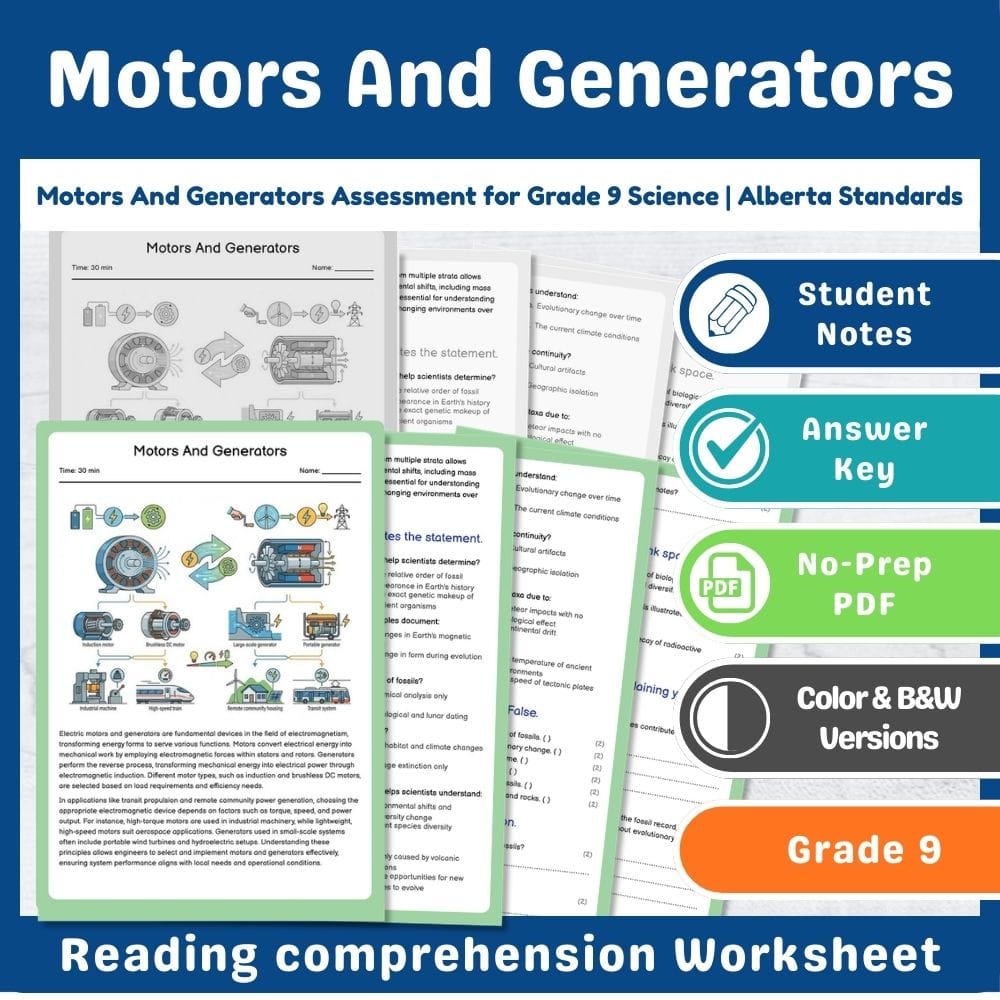
Motors And Generators Assessment for Grade 9 Science | Alberta Standards
Created byPrism Point LearningLearning Objectives
- Describe the basic principles of electric motors and generators.
- Identify different types of motors and their applications.
- Explain electromagnetic induction and its role in generating electricity.
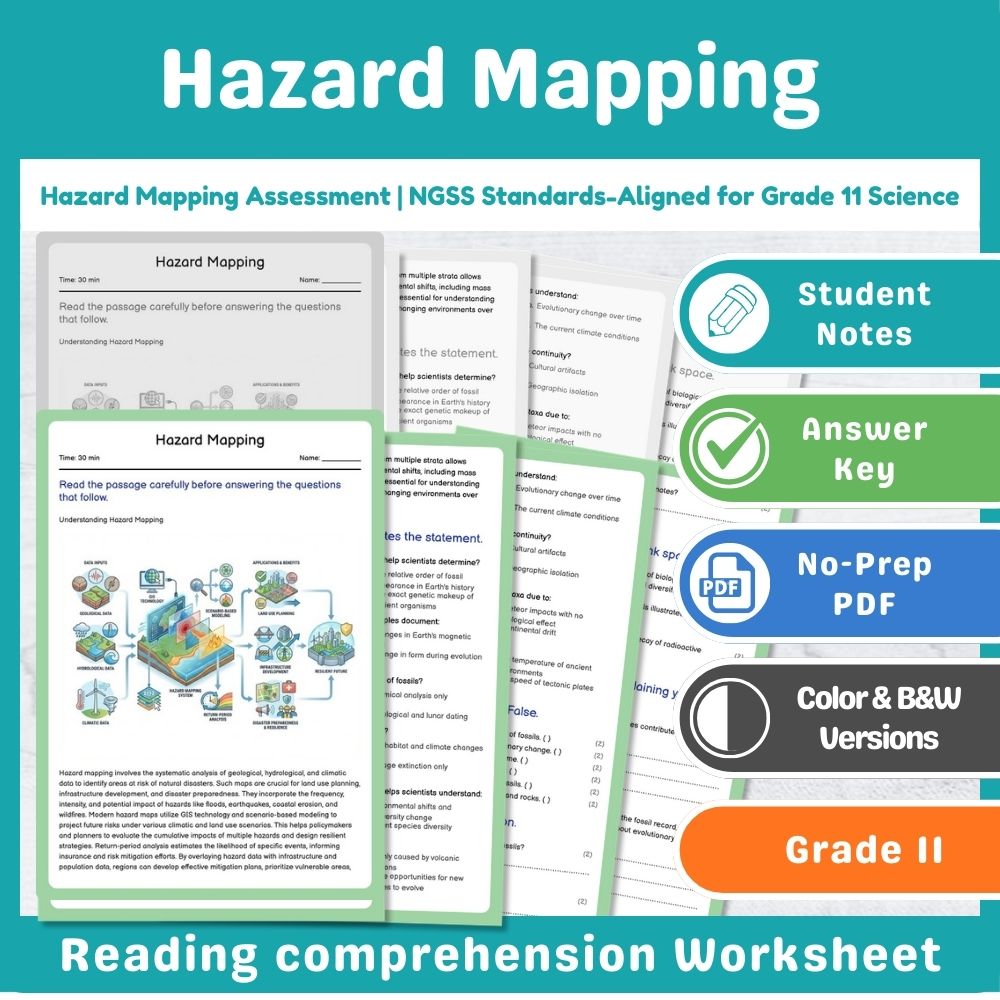
Hazard Mapping Assessment | NGSS Standards Grade 11 Science Worksheet
Created byPrism Point LearningLearning Objectives
- Understand various natural hazards and their spatial distribution
- Analyze the role of hazard mapping in regional planning and resilience
- Evaluate different data sources used in hazard assessment
Reaction Rates Assessment | NGSS Standards Grade 9 Science Worksheet
Created byPrism Point LearningLearning Objectives
- Explain how collision frequency, activation energy, and reaction pathways influence reaction rates.
- Describe how temperature, concentration, and catalysts alter energy distributions and affect reaction speeds.
- Interpret rate laws and determine reaction order from experimental data.
Cosmic Origins Assessment for Grade 10 Science | NGSS Standards-Aligned
Created byPrism Point LearningLearning Objectives
- Understand the evidence supporting models of cosmic origins, including cosmic microwave background radiation, galactic redshifts, and elemental abundances.
- Analyze how observational data support universe expansion and early universe conditions.
- Evaluate the significance of large-scale structures and spectral measurements in cosmology.
Biogeochemical Cycles Assessment | NGSS Standards Grade 11 Science
Created byPrism Point LearningLearning Objectives
- Understand the key processes involved in biogeochemical cycles such as carbon, nitrogen, phosphorus, and water.
- Identify the reservoirs and flow pathways of elements through biological, geological, and atmospheric systems.
- Explain human impacts like fossil fuel combustion and fertilizer use on nutrient pools and fluxes.
Photosynthesis Processes Assessment | NGSS Aligned Grade 11 Science
Created byPrism Point LearningLearning Objectives
- Explain the light-driven and biochemical stages of photosynthesis, including electron transport, photophosphorylation, and the Calvin cycle.
- Describe the integration of photosynthesis with mitochondrial respiration, focusing on gas exchange, ATP balance, and carbon flux.
- Analyze the stoichiometry of CO2 uptake and O2 release during photosynthesis and respiration.
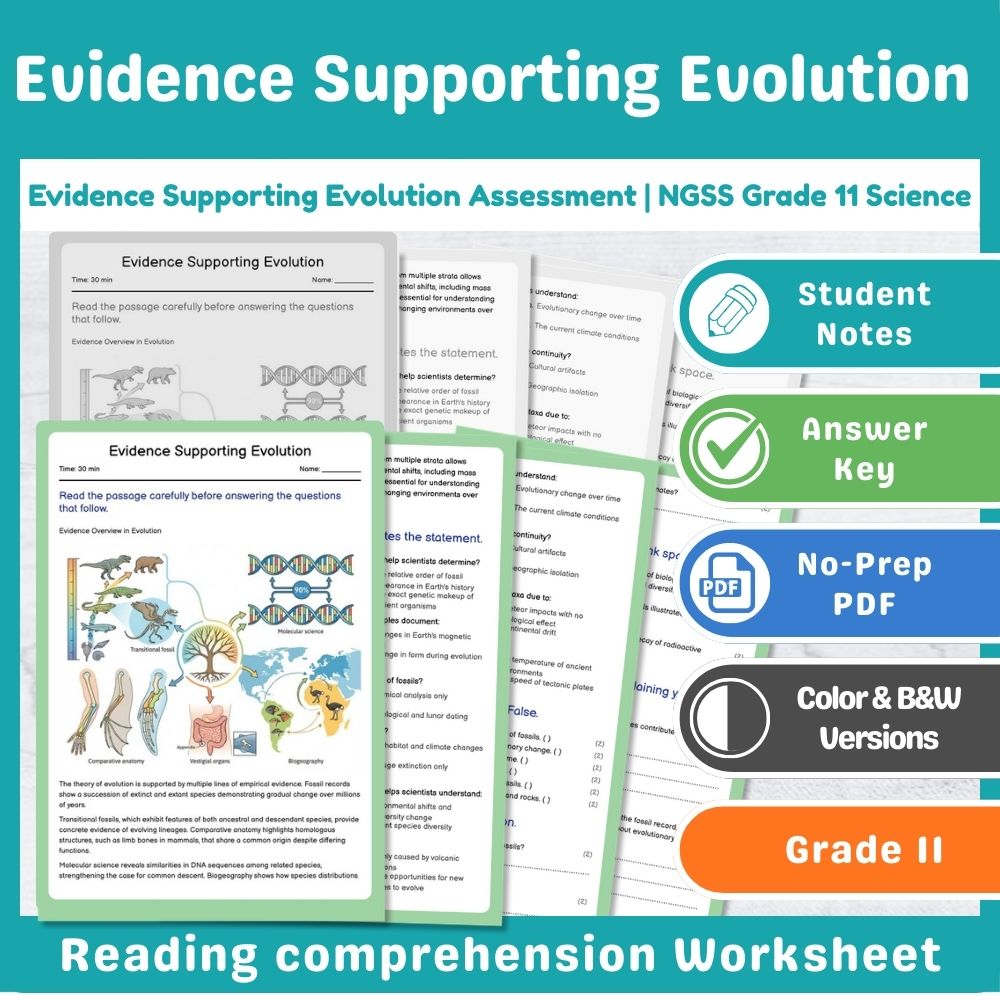
Evidence Supporting Evolution Assessment | NGSS Grade 11 Science
Created byPrism Point LearningLearning Objectives
- Understand the types of evidence used to support common ancestry and biological evolution.
- Identify and analyze fossil evidence, comparative anatomy, molecular similarities, biogeography, and vestigial organs.
- Evaluate the coherence among different scientific datasets and their contribution to evolutionary theory.
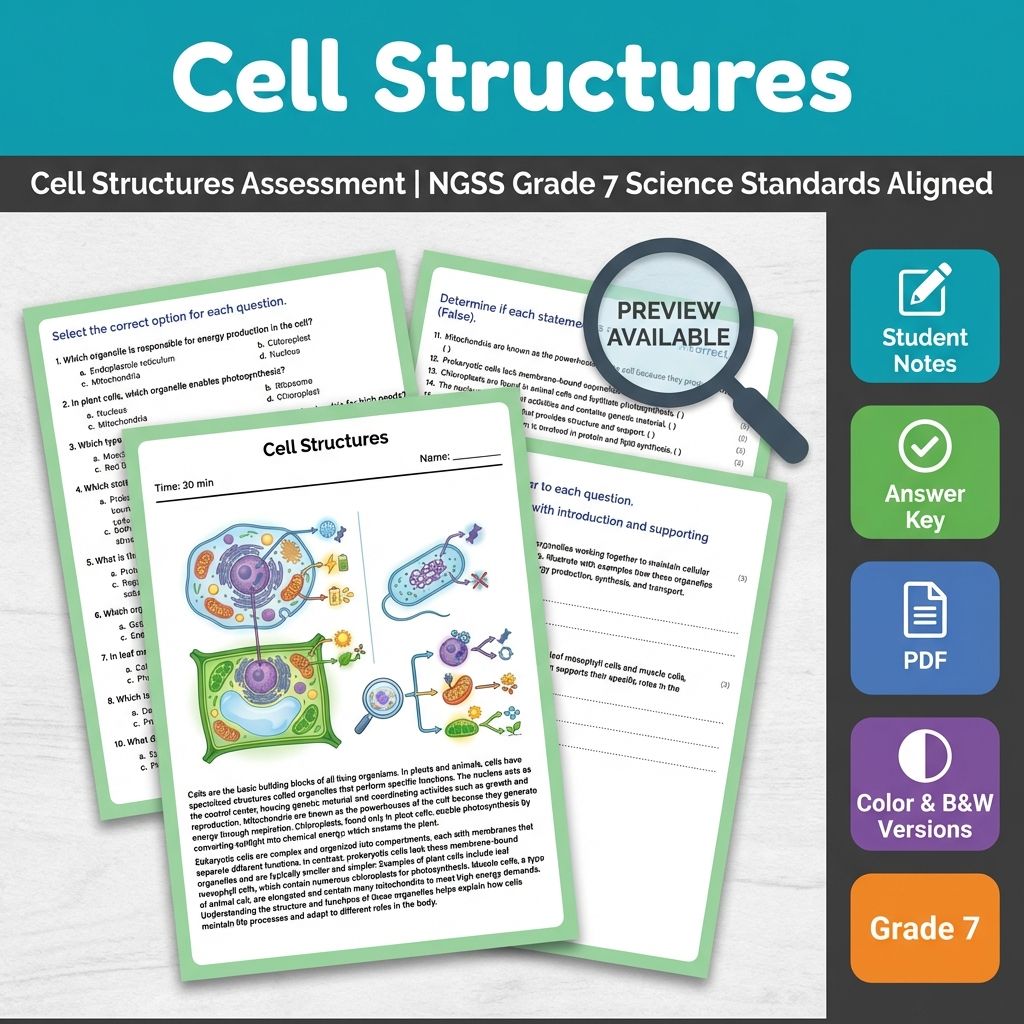
Cell Structures Assessment | NGSS Grade 7 Science Standards Aligned
Created byPrism Point LearningLearning Objectives
- Identify and describe the roles of key organelles in plant and animal cells.
- Connect cell structure to function, including processes like transport, synthesis, and compartmentalization.
- Compare eukaryotic and prokaryotic cells using examples of leaf mesophyll and muscle cells.
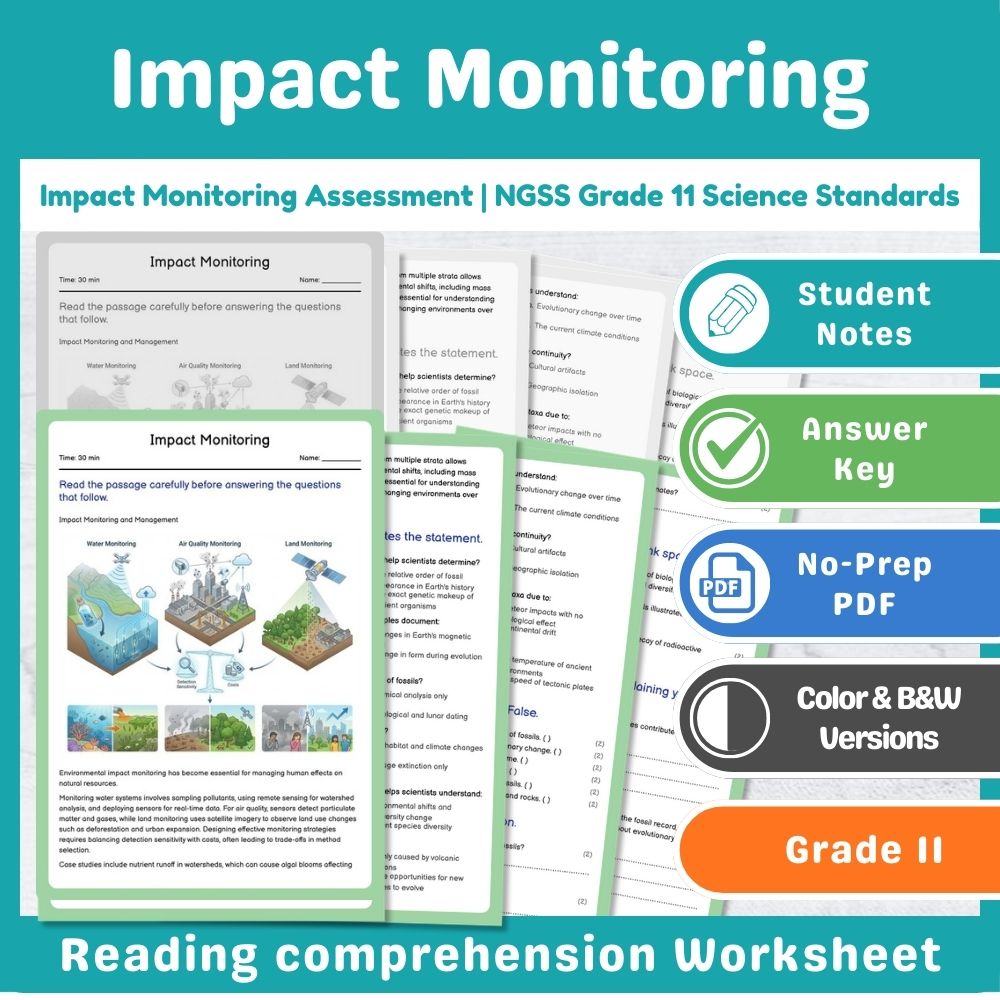
Impact Monitoring Assessment | NGSS Grade 11 Science Standards
Created byPrism Point LearningLearning Objectives
- Understand scientific principles in environmental monitoring techniques.
- Identify tools and protocols used for observing water, air, and land systems.
- Analyze case studies involving nutrient runoff, deforestation, and urban air quality.
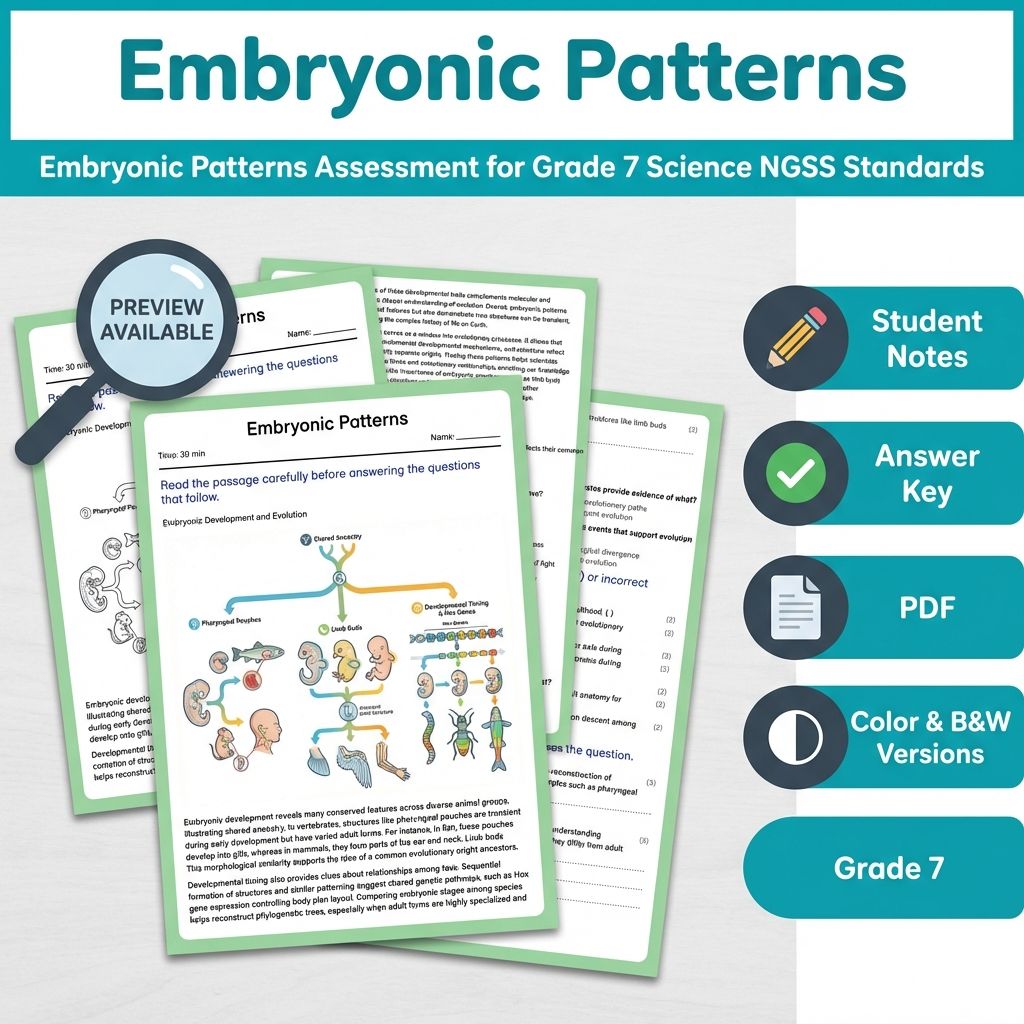
Embryonic Patterns Assessment for Grade 7 Science NGSS Standards
Created byPrism Point LearningLearning Objectives
- Compare embryonic development stages across different taxa to identify conserved features.
- Analyze morphological similarities in embryonic structures such as pharyngeal pouches and limb buds.
- Understand how developmental timing aids in reconstructing evolutionary relationships.
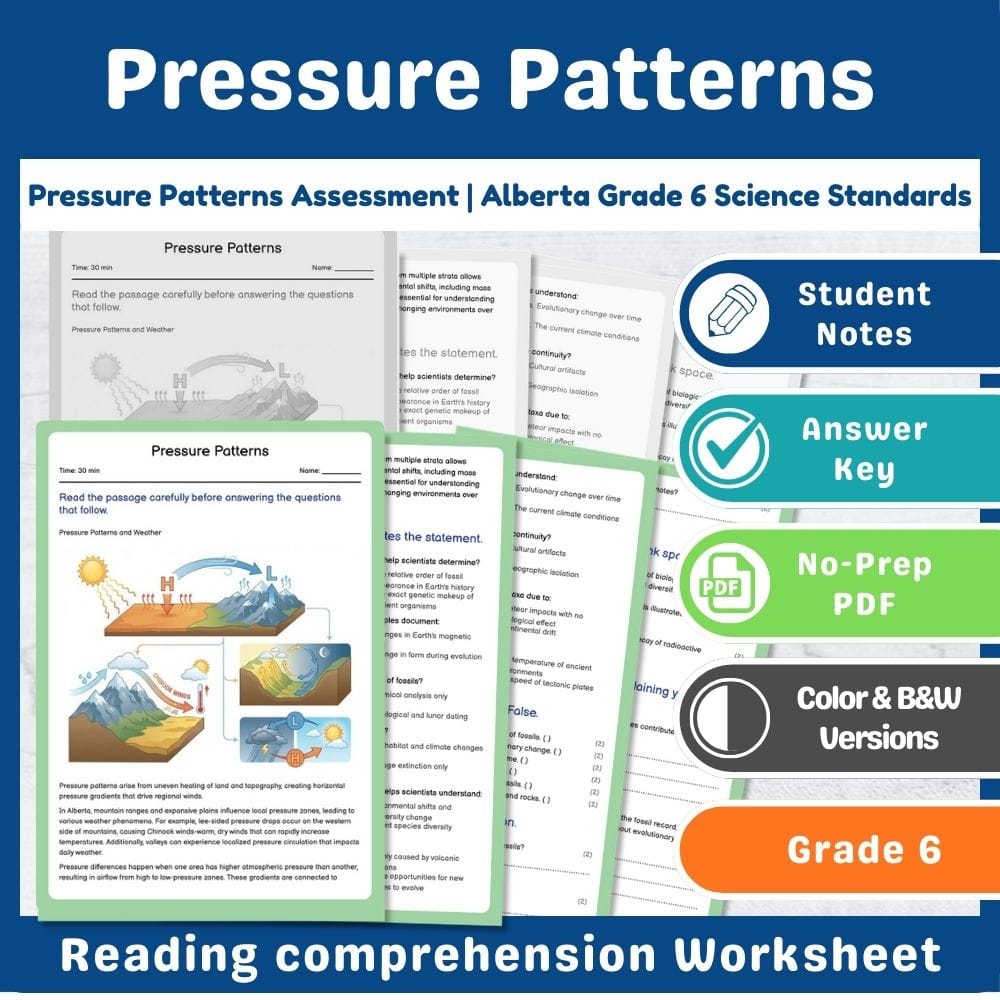
Pressure Patterns Assessment | Alberta Grade 6 Science Standards
Created byPrism Point LearningLearning Objectives
- Understand how pressure differences from uneven heating and topography influence wind patterns.
- Identify examples of pressure zones and their effects on regional weather in Alberta.
- Connect pressure gradients to everyday weather changes and forces experienced by moving bodies.
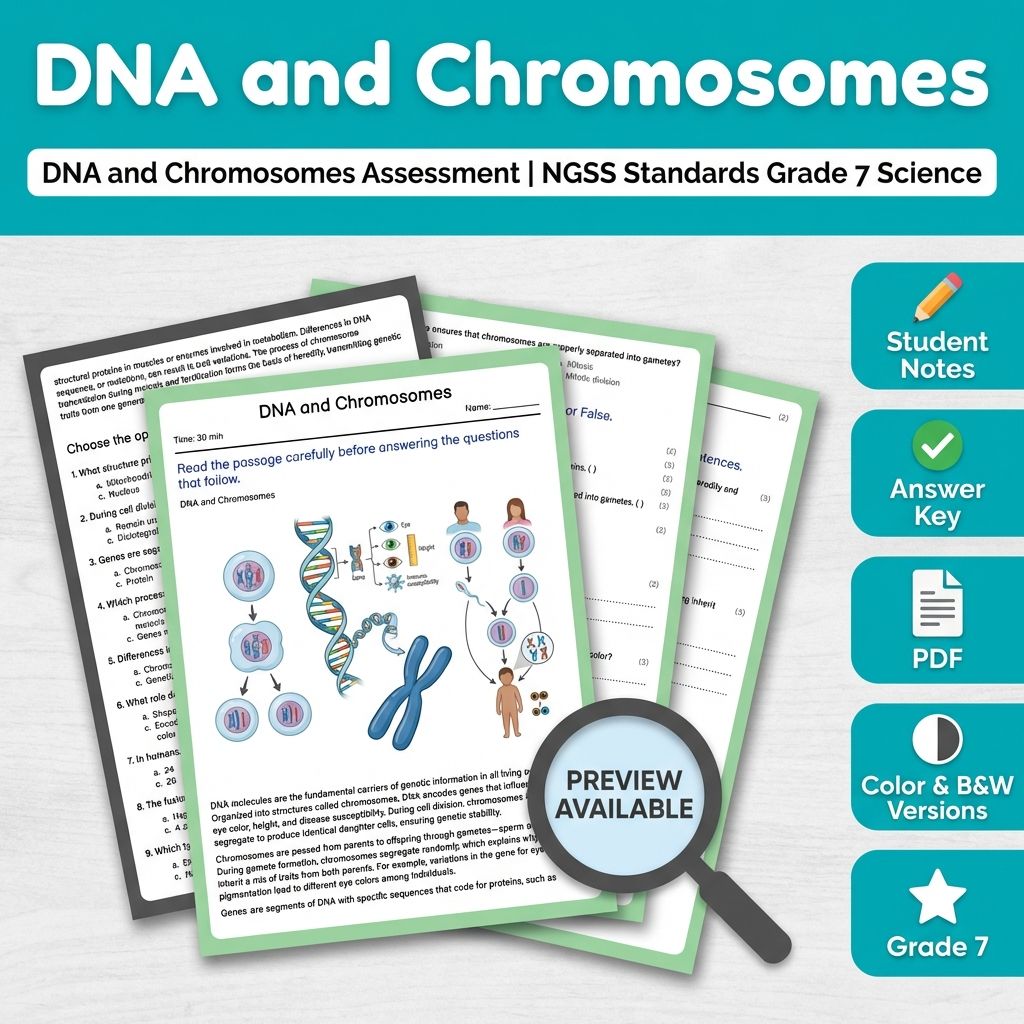
DNA and Chromosomes Assessment | NGSS Standards Grade 7 Science
Created byPrism Point LearningLearning Objectives
- Explain the role of DNA molecules in encoding genetic traits.
- Describe how chromosomes organize and transmit genetic information during cell division.
- Illustrate the process of chromosome segregation during gamete formation and fusion.
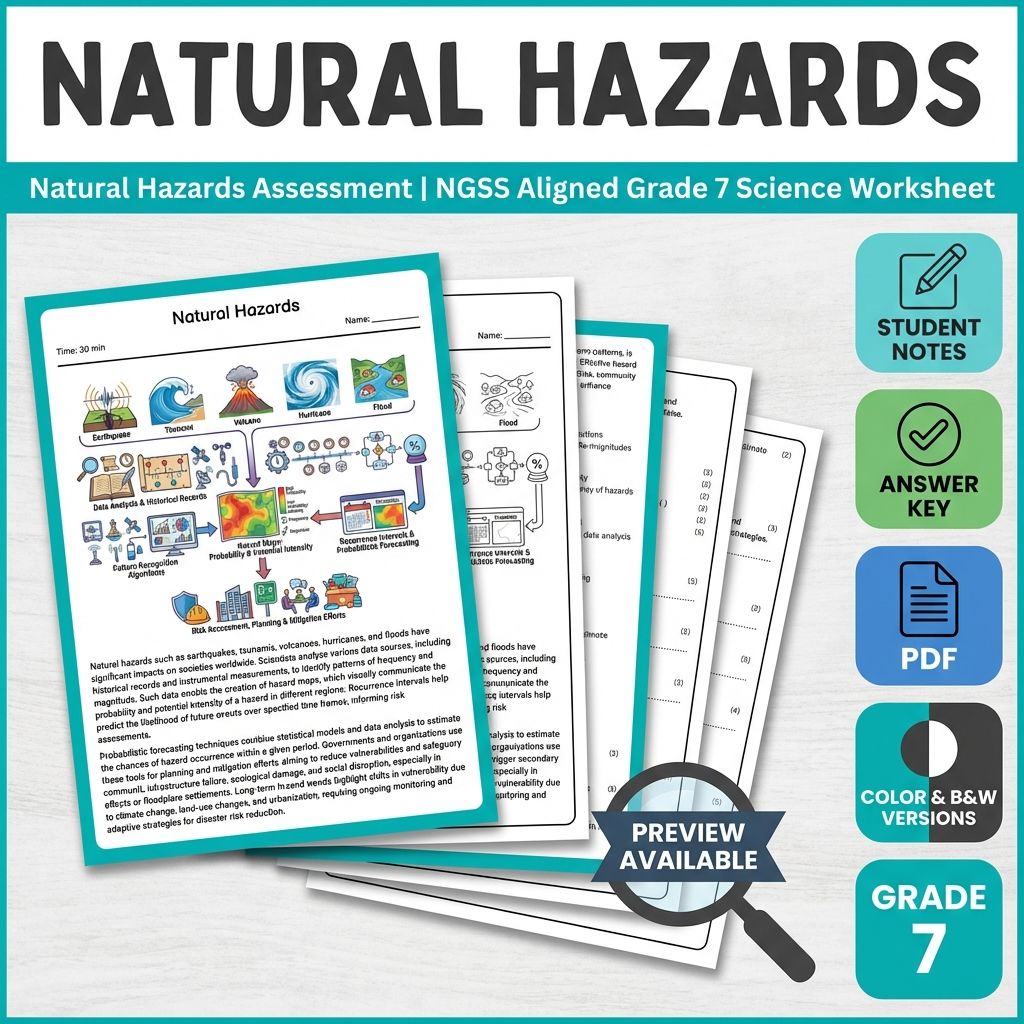
Natural Hazards Assessment | NGSS Aligned Grade 7 Science Worksheet
Created byPrism Point LearningLearning Objectives
- Understand key concepts related to Science
- Apply knowledge through practice questions
- Demonstrate comprehension of the material
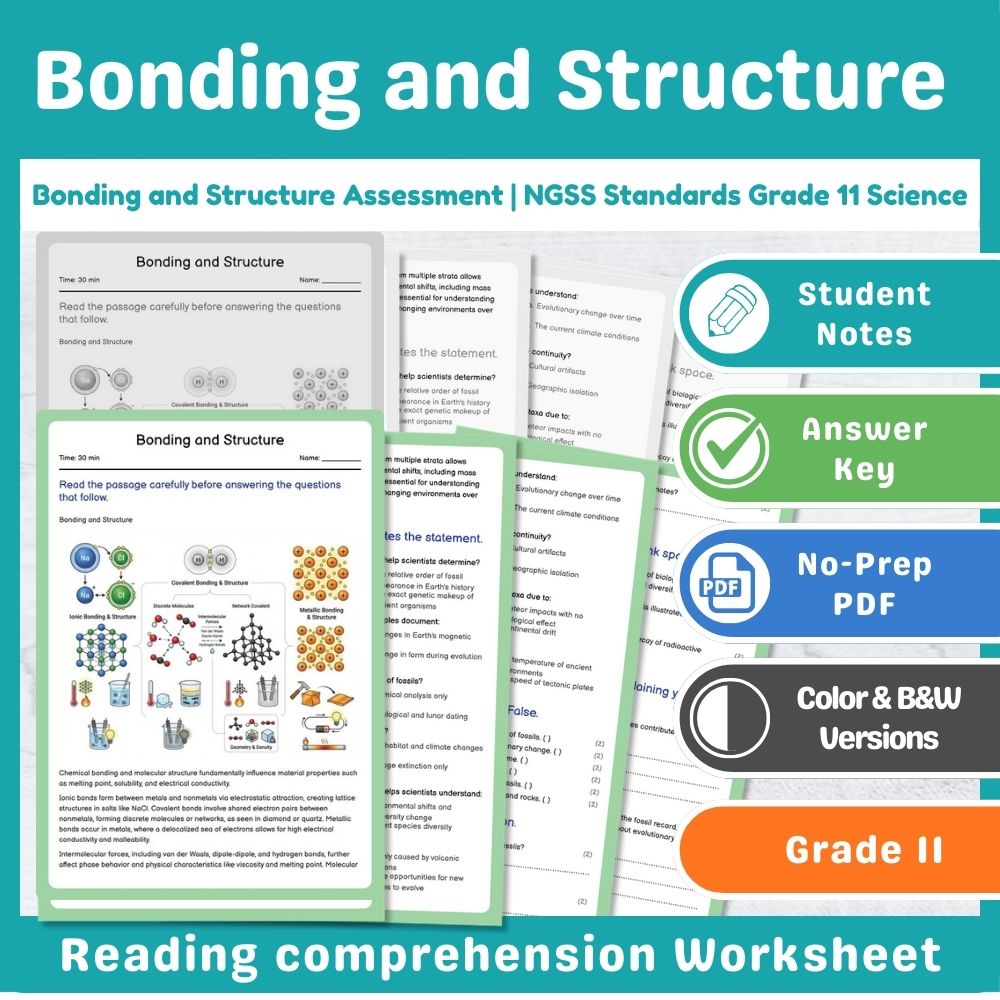
Bonding and Structure Assessment | NGSS Standards Grade 11 Science
Created byPrism Point LearningLearning Objectives
- Explain different types of chemical bonding and how they affect material properties.
- Identify the relationship between molecular structure and observable physical characteristics.
- Compare ionic, covalent, and metallic bonds in terms of lattice energy, melting point, and conductivity.
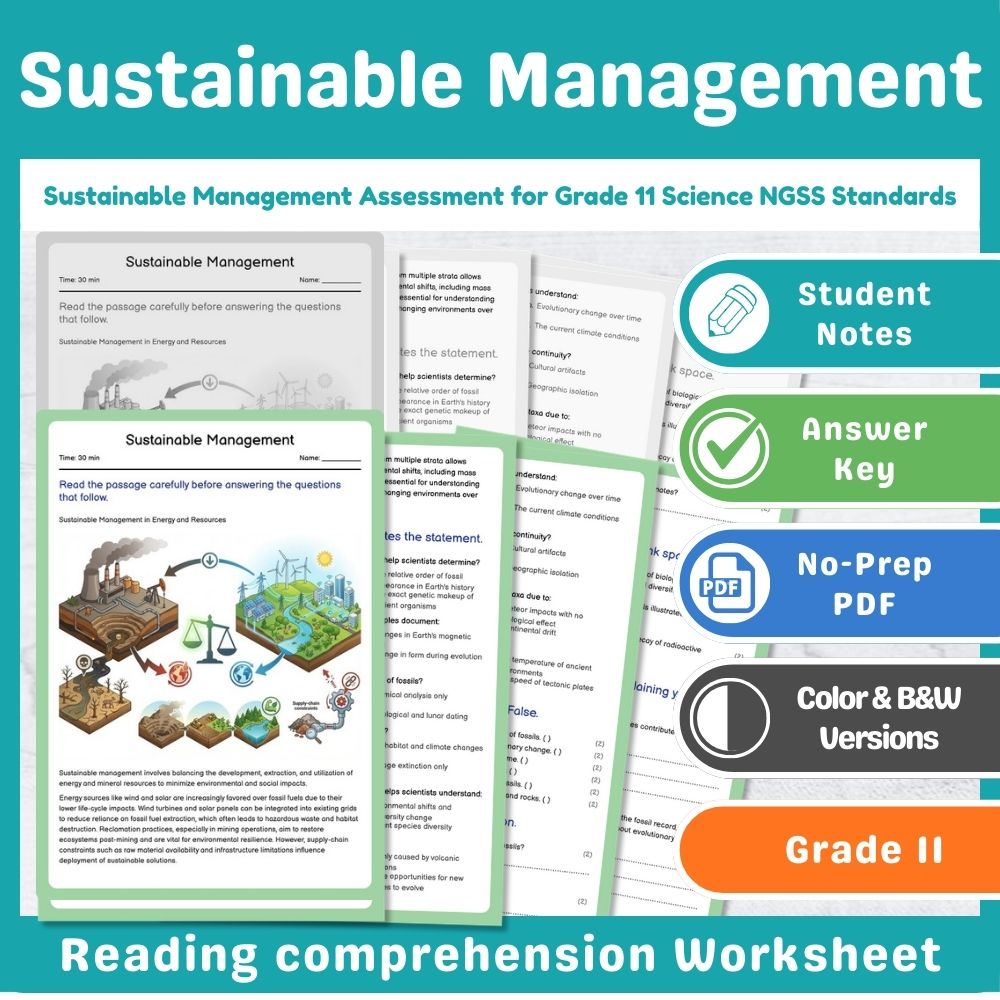
Sustainable Management Assessment for Grade 11 Science NGSS Standards
Created byPrism Point LearningLearning Objectives
- Compare technical and policy solutions for energy and mineral resource management considering life-cycle impacts.
- Evaluate reclamation practices and supply-chain constraints related to resource extraction and energy production.
- Analyze hazards and resilience metrics in ecological and social contexts for sustainable resource management.
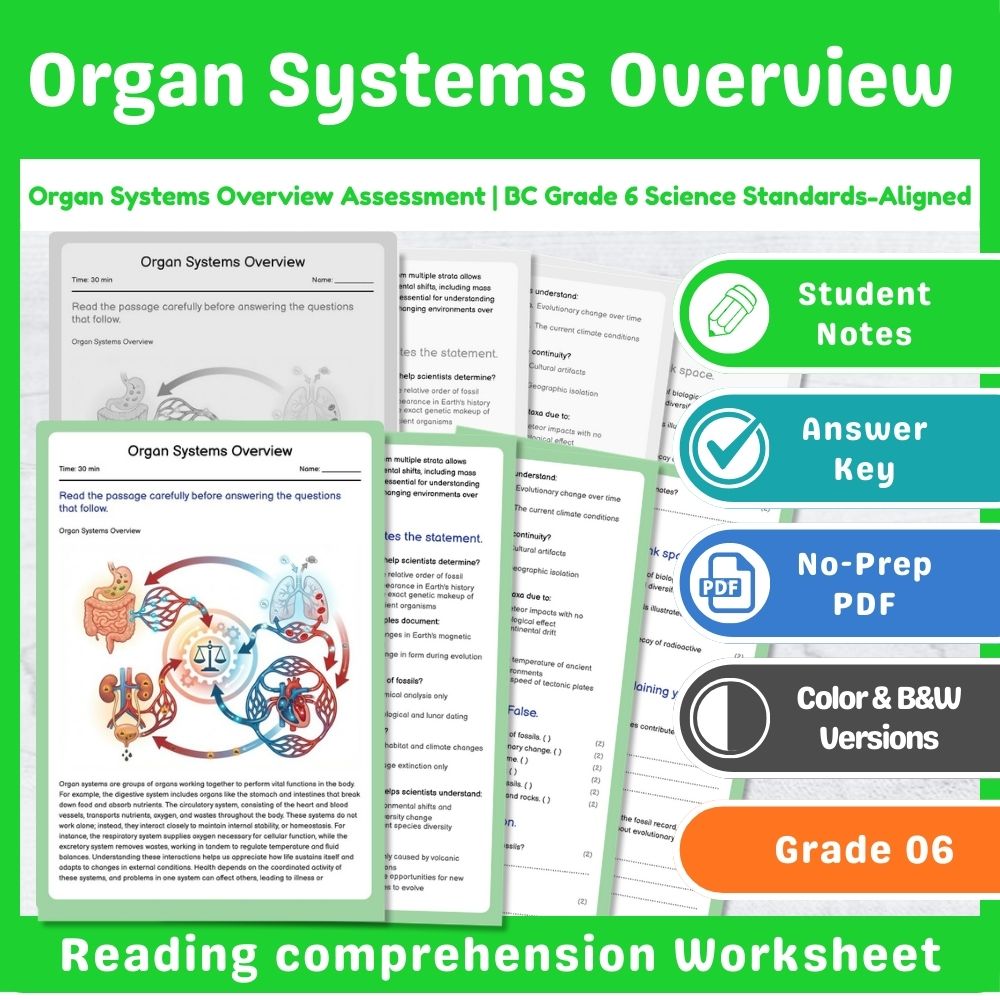
Organ Systems Overview Assessment | BC Grade 6 Science Standards-Aligned
Created byPrism Point LearningLearning Objectives
- Describe the main functions of different organ systems.
- Explain how organ systems interact to maintain homeostasis.
- Identify principal organs involved in various systems.

Constraints Trade-Offs Assessment | General Standards & Grade 9 Science
Created byPrism Point LearningLearning Objectives
- Understand how design choices involve trade-offs among criteria such as cost, time, materials, safety, and reliability.
- Identify the role of constraints in limiting design options and criteria in evaluating success.
- Analyze how changing one criterion affects other aspects of a design, such as weight, safety, or cost.
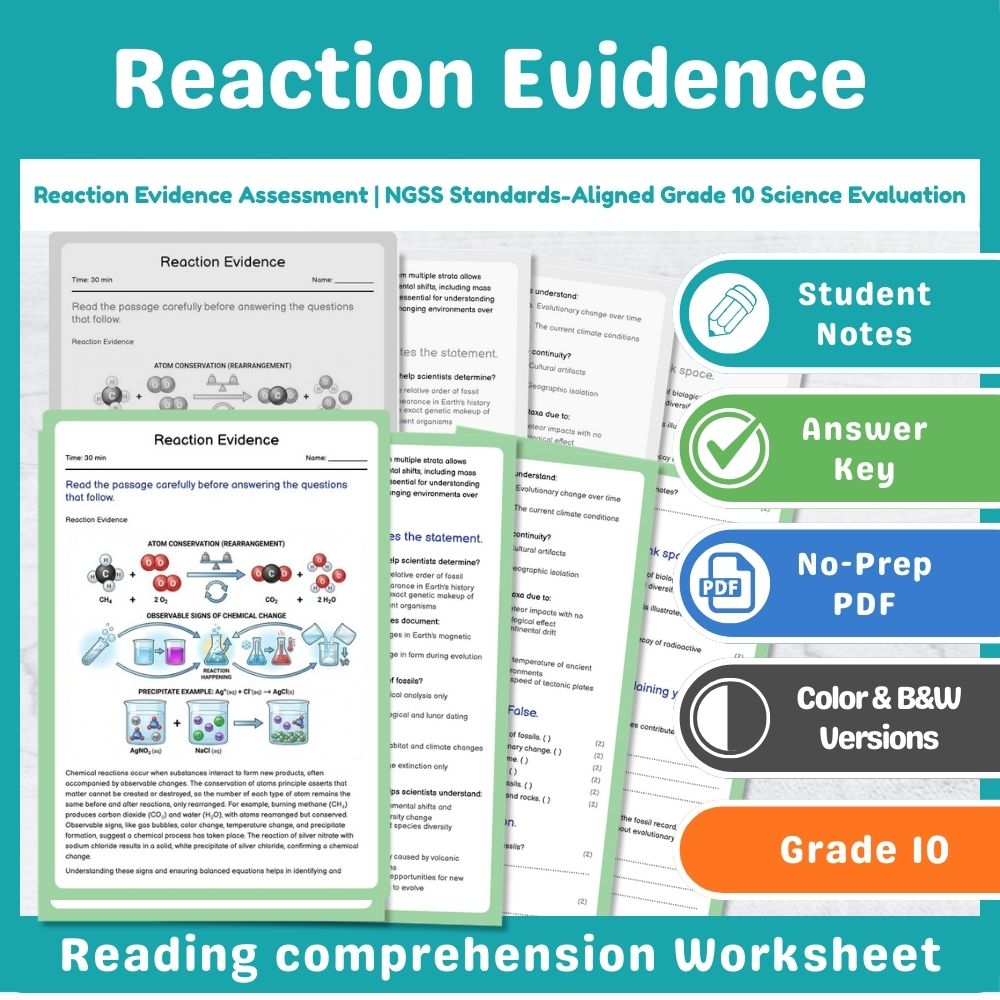
Reaction Evidence Assessment | NGSS Standards-Aligned Grade 10 Science Evaluation
Created byPrism Point LearningLearning Objectives
- Understand how conservation of atoms supports chemical reaction evidence.
- Identify observable signs indicating chemical reactions such as gas production, color change, and precipitate formation.
- Apply the principles of balanced equations to explain reaction outcomes.
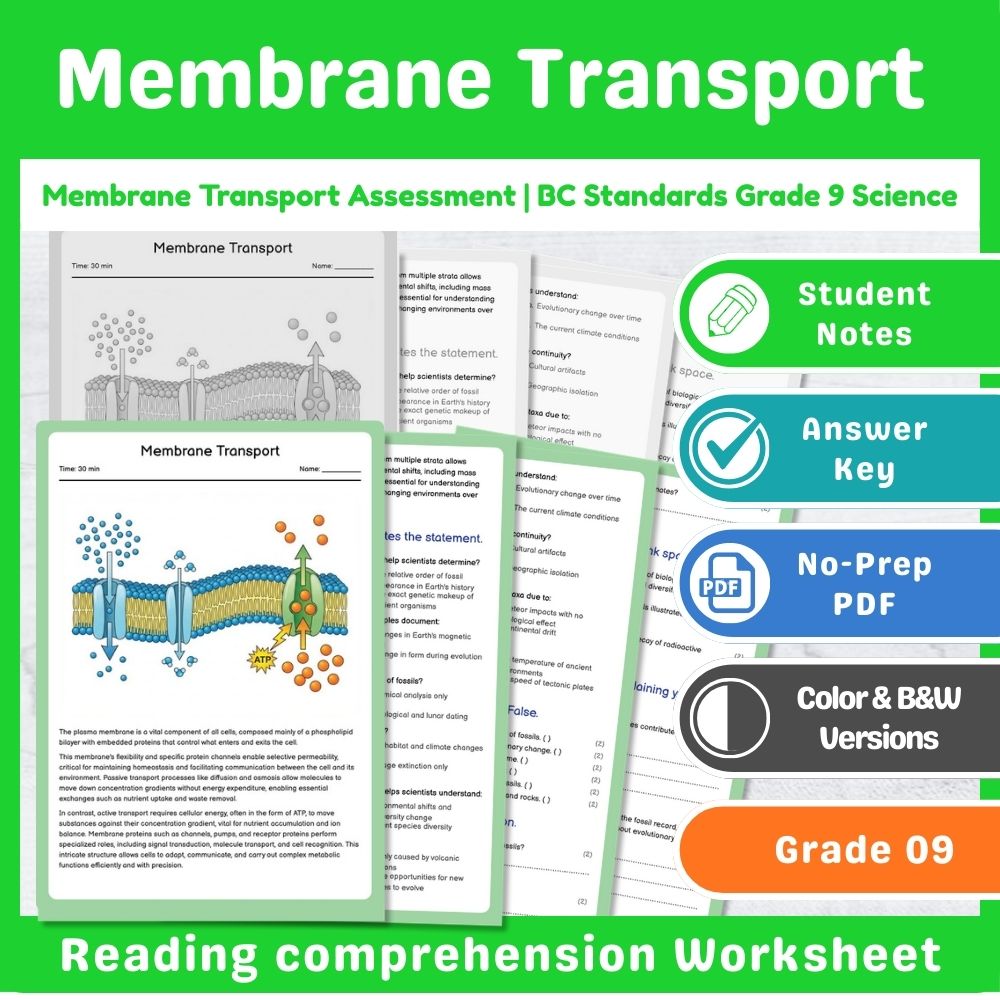
Membrane Transport Assessment | BC Standards Grade 9 Science
Created byPrism Point LearningLearning Objectives
- Describe the structure of the plasma membrane and its role in regulating material exchange.
- Differentiate between passive and active transport processes across cell membranes.
- Identify various membrane proteins involved in transport and communication.
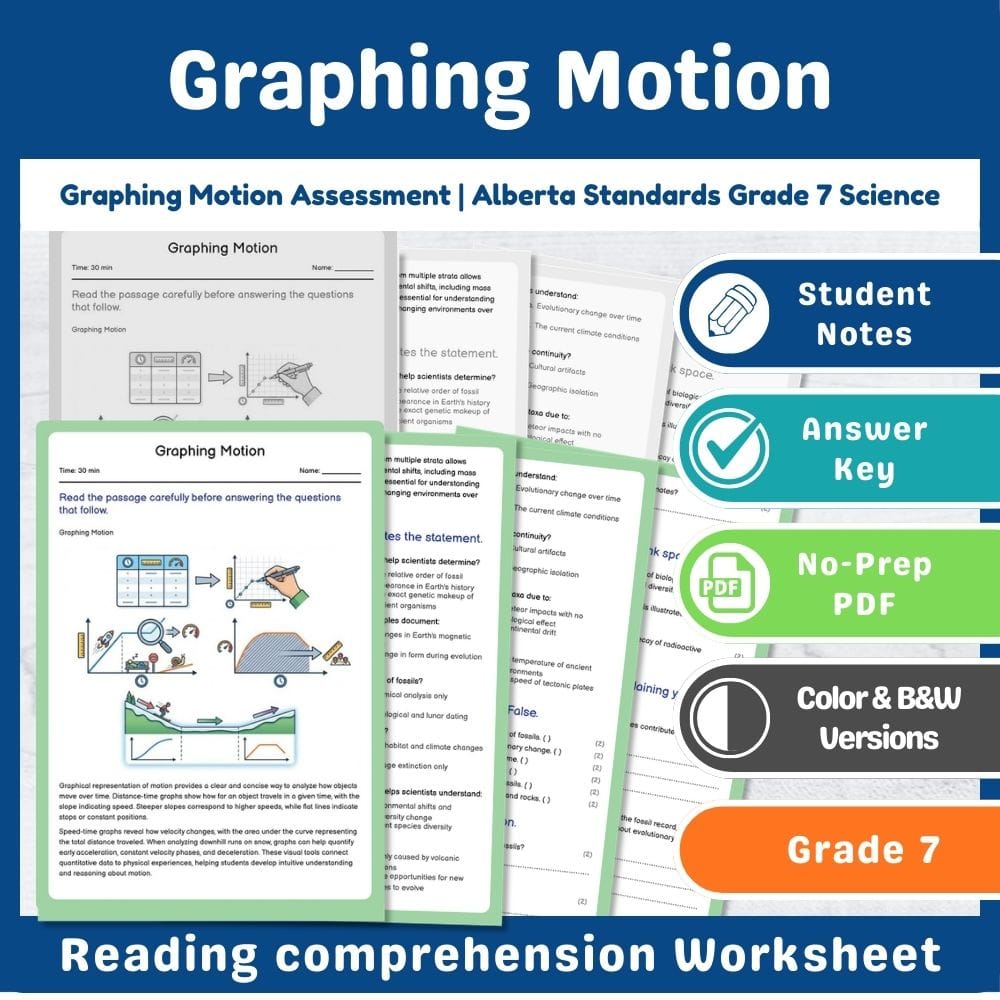
Graphing Motion Assessment | Alberta Standards Grade 7 Science
Created byPrism Point LearningLearning Objectives
- Understand how to interpret distance–time and speed–time graphs.
- Explain the significance of slope, area under curves, and rate calculations in motion graphs.
- Translate tabulated numerical data into accurate graphical representations.
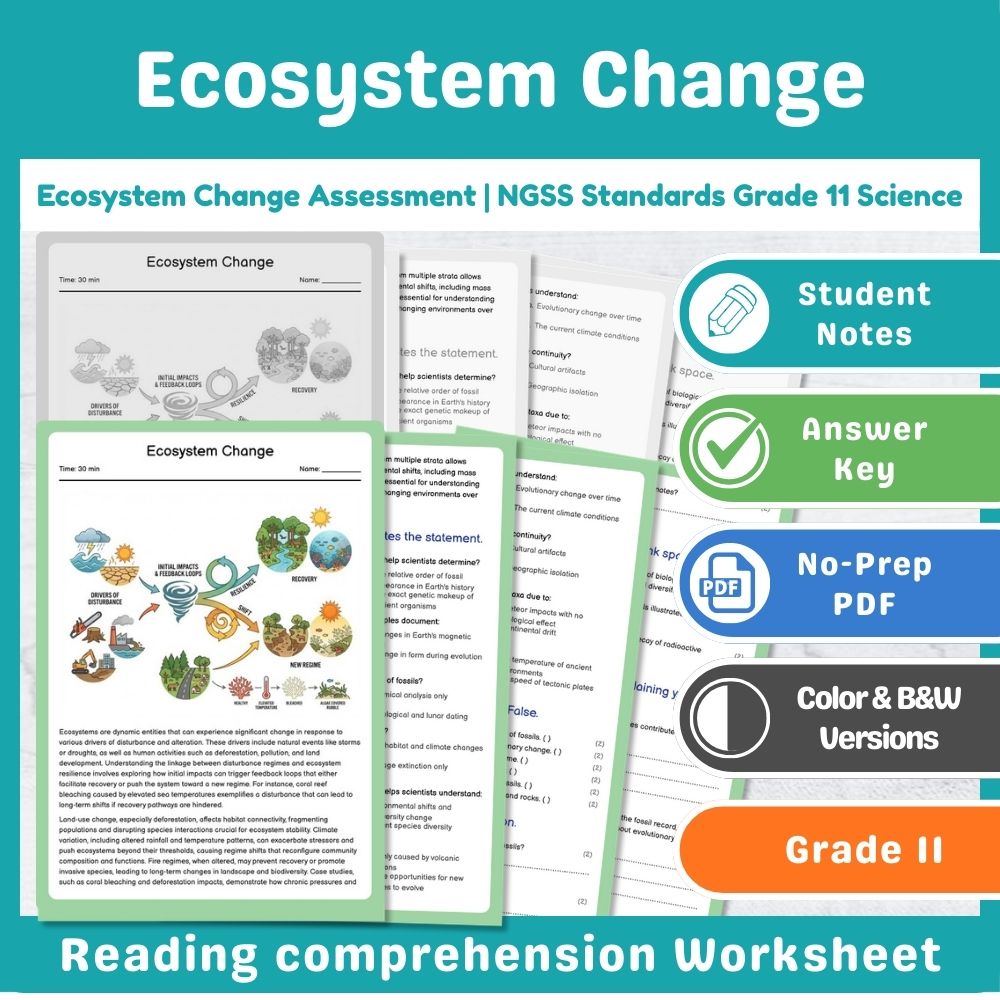
Ecosystem Change Assessment | NGSS Standards Grade 11 Science
Created byPrism Point LearningLearning Objectives
- Understand the drivers of ecosystem stability and how disturbance regimes influence change.
- Assess the impacts of land-use change, connectivity loss, and climate variation on ecosystems.
- Interpret case studies involving coral reef bleaching, deforestation, and fire regime alterations.

Wave Speed Relations Assessment for Grade 9 Science – Standard-Aligned
Created byPrism Point LearningLearning Objectives
- Understand the relationship between wave speed, frequency, and wavelength.
- Explain how changes in frequency affect wavelength in wave propagation.
- Apply the wave speed formula to solve for unknown wave properties.
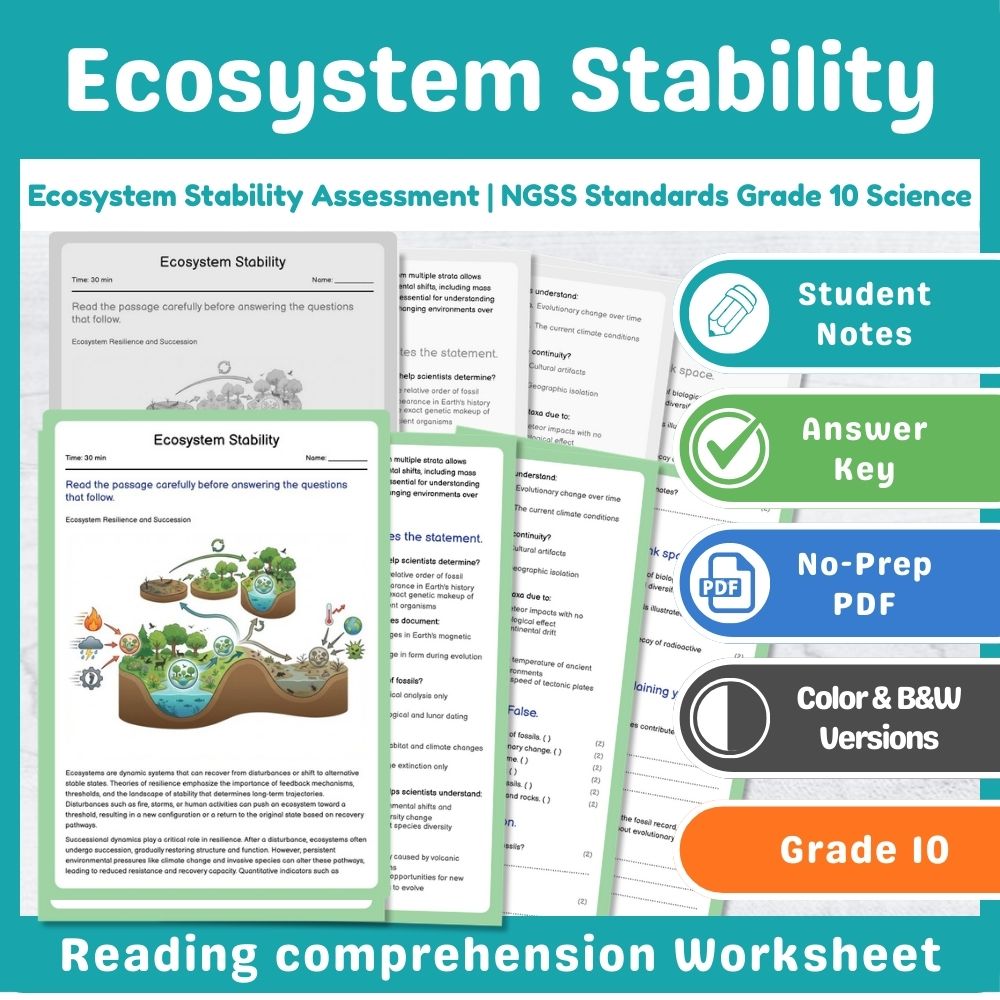
Ecosystem Stability Assessment | NGSS Standards Grade 10 Science
Created byPrism Point LearningLearning Objectives
- Understand the concepts of resilience and stability landscapes in ecosystems.
- Describe how natural and human disturbances affect ecosystem recovery pathways and thresholds.
- Identify indicators used to assess resistance, recovery time, and functional redundancy in ecosystems.

Ecosystem Interaction Networks Assessment for Grade 9 Science
Created byPrism Point LearningLearning Objectives
- Understand the various types of interactions among organisms within ecosystems.
- Identify how environmental factors influence population dynamics and community structure.
- Explain how changes in one species can cascade through an ecosystem affecting resources and habitats.

Atom Conservation Assessment | Standards-Aligned Grade 6 Science Worksheet
Created byPrism Point LearningLearning Objectives
- Explain conservation of atoms during chemical reactions as rearrangements of atoms into new combinations
- Use particle diagrams to track atoms in reactants and products
- Predict whether a reaction description or diagram conserves atoms by counting atoms of each element

Investigation Design Controls Assessment | General Standards + Grade 9 Science
Created byPrism Point LearningLearning Objectives
- Understand the importance of controls in scientific investigations.
- Identify key safety practices to ensure reliable data collection.
- Explain how variables are managed to attribute causes to effects.
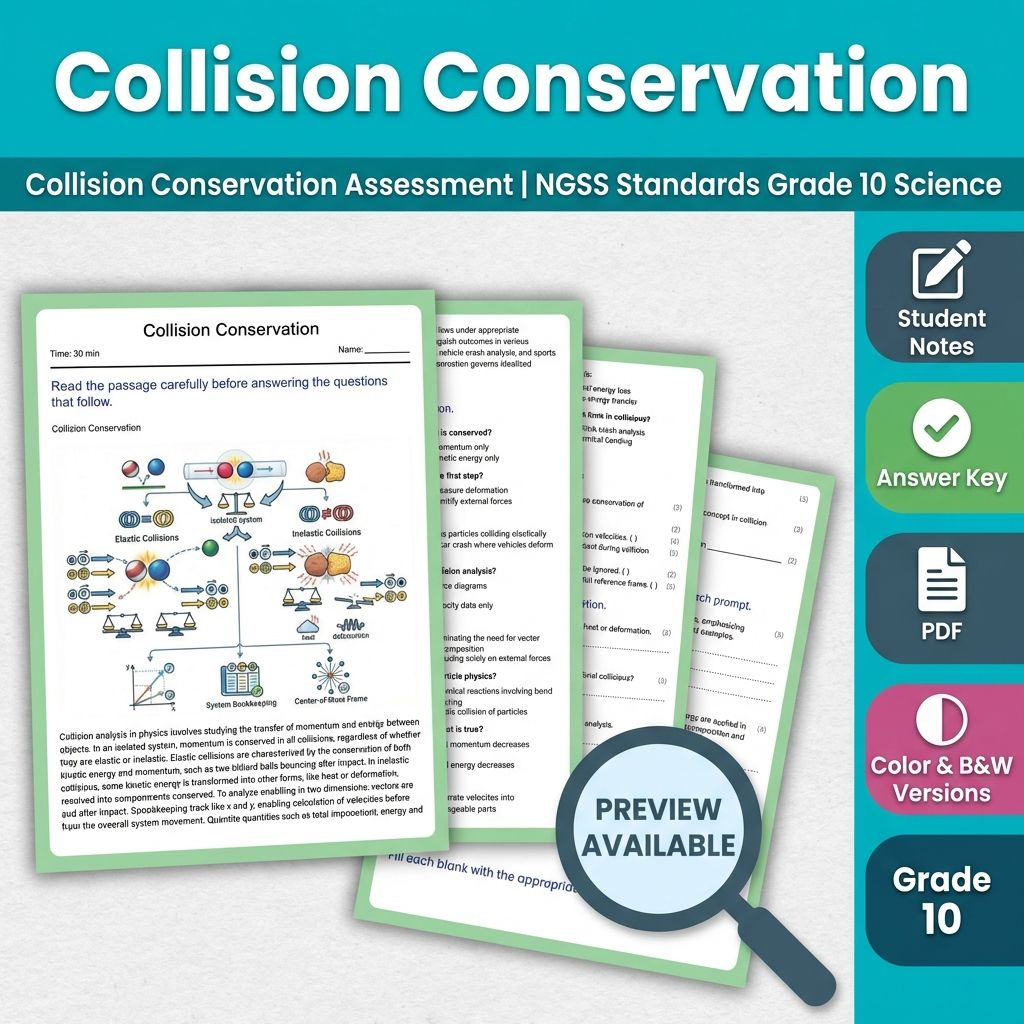
Collision Conservation Assessment | NGSS Standards Grade 10 Science
Created byPrism Point LearningLearning Objectives
- Understand the principles of conservation of momentum in multi-body collisions.
- Apply vector decomposition to resolve collision components in two dimensions.
- Differentiate between elastic and inelastic collisions based on energy transfer and post-collision behavior.
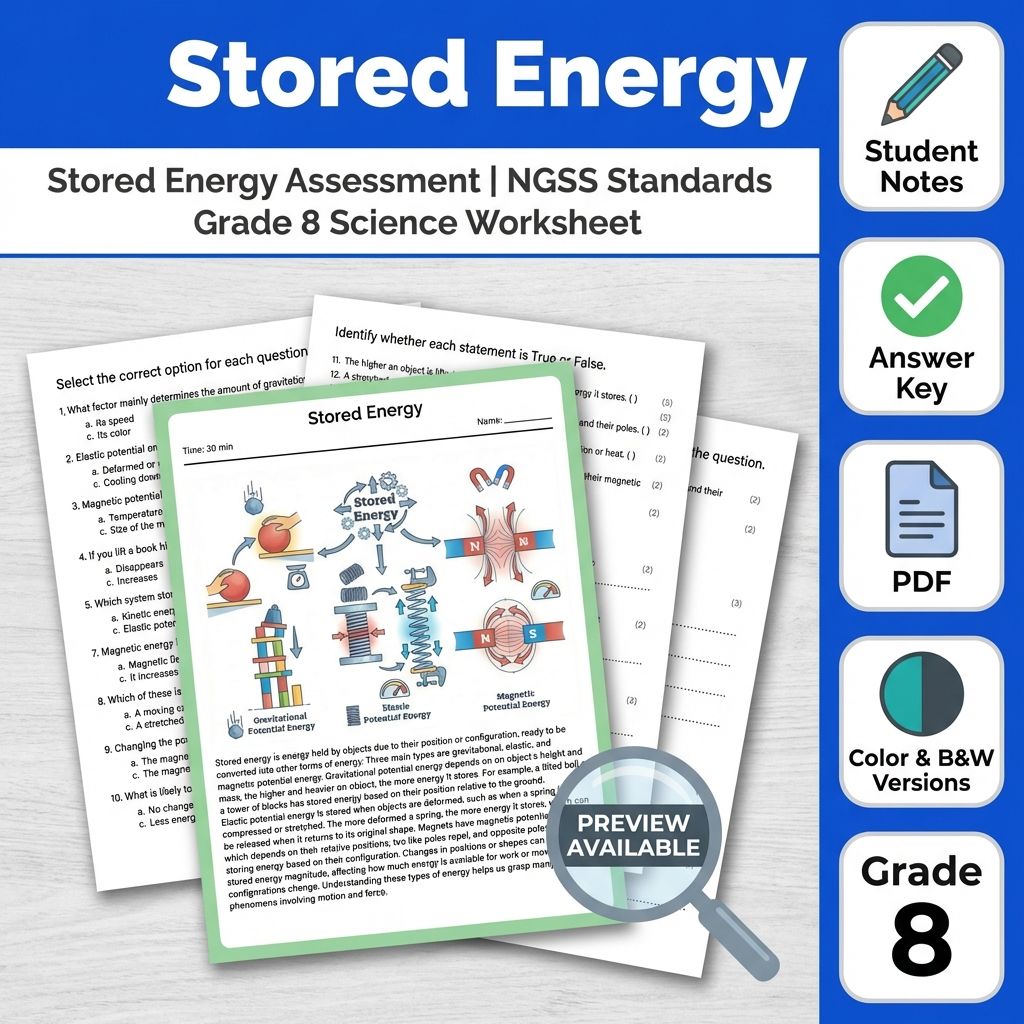
Stored Energy Assessment | NGSS Standards Grade 8 Science Worksheet
Created byPrism Point LearningLearning Objectives
- Define different forms of stored energy such as gravitational, elastic, and magnetic potential energy.
- Explain how changes in object positions and configurations alter stored energy in systems.
- Describe real-world examples of potential energy changes, including compressed springs, elevated objects, and magnets.
Browse more categories
About Science Worksheets
Find Science worksheets spanning core skills, practice, and review. All 42,685 resources are instant PDF downloads for the classroom or home.
Every worksheet on MyTeachingSheets is created by independent teacher-authors and reviewed before publication. All resources download as printable PDFs for classroom, homework, or at-home practice, and many include answer keys. Preview any worksheet free before buying.